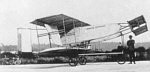
The 1909 Hammond biplane was designed and built by E.V. Hammond in the UK.
The 1909 Hammond biplane was designed and built by E.V. Hammond in the UK.
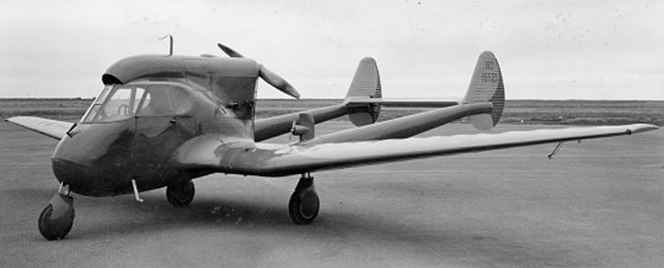
In 1934 the Bureau of Air Commerce held a competition for a safe and practical $700 aircraft. Dean Hammond designed the Hammond Model Y, a low-wing monoplane twin-boom pusher monoplane, aluminum and fabric cover. The aircraft had no rudder as such, the tailplane fins being adjustable but fixed in flight. Turning was by differential aileron and elevator alone.
In 1936 the winner of the competition was the Stearman-Hammond Y-1, incorporating many of the safety features of the Ercoupe W-1. Two other winners were the Waterman Aeroplane and the Autogiro Company of America AC-35.
Granted an Approved Type Certificate, Hammond cooperated with Lloyd Stearman to develop the type for production. They formed the Stearman-Hammond Aircraft Corporation in 1936 to build the aircraft as the Stearman-Hammond Y-1. The first aircraft was powered by a 125 hp (93 kW) Menasco C-4 piston engine driving a pusher propeller. The performance was not impressive so it was re-engined with a 150 hp (112 kW) Menasco C-4S and re-designated the Y-1S.
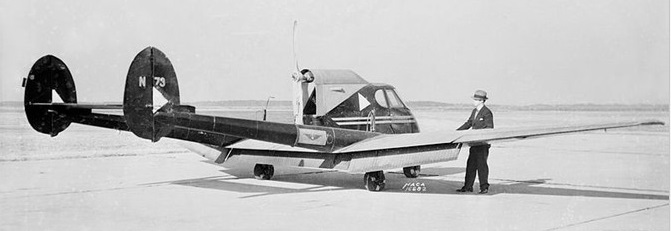
25 examples were ordered by the bureau at a price of $3190 each. The first delivery was considered unnacceptable in finish, prompting the production of the re-engineered Y-S model.
The Y-1-S was distinguished for its exceptional slow speed handling characteristics and two-control flight system with the intent that an experienced automobile driver would be able to solo with only an hour of flight instruction. A national demonstration tour generated interest but no buyers, as many preferred the simple lines and prices of other aircraft, and experienced pilots found the plane confusing to fly.
Two Y-1S, serial numbers 0908 and 0909, were used for radio controlled development trials by the United States Navy as the JH-1. A successful unmanned radio-controlled flight was made with a JH-1 drone on 23 December 1937 at the Coast Guard Air Station, Cape May, N.J. Takeoff and landing was controlled via a landbased radio set; for flight maneuvers, control was shifted to an airborne TG-2.
Tests with two Stearman-Hammond JH-1s were very secret at the time and little has been published about them. They were painted yellow, the standard for primary trainers, and classified as Utitlity (J) planes to hide their identity as one of the very first radio-controlled aircraft in the USN. Both planes were tested as unmanned drone targets for anti-aircraft fire, and both were assigned to Utility Squadron One (VJ-1). Rumors had it are that both were shot down, but there is no confirmation of this, and the aircraft history card for [0908] simply says “crashed 11/7/38,” and [0909] was stricken off on 9/13/38, according to a Confidential letter from the Officer in Charge of Radio-Controlled Aircraft, Base Force, Utility Wing. (— William T Larkins)
KLM purchased a Y-1 (PH-APY) for use in training their pilots in tricycle undercarriage. The Royal Air Force also evaluated the former KLM Y-1S in the 1940s.
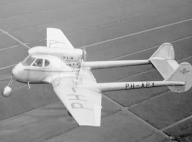
Although designed to be easy to fly the high price meant only 20 aircraft were produced and work was abandoned in 1938.
The fourteenth Y-1-S built was donated to the National Air Museum in 1955 by Dean Hammond, after the ownership had been transferred by Ford Slagle in 1952. The Museum’s Stearman-Hammond, Waterman Aerobile, Stout Skycar, and Erco Ercoupe stand as testaments to the “flivver” movement of the 1930s.
Variants:
Hammond Model Y
Prototype for the 1934 Bureau of Air Commerce safe airplane competition.
Stearman-Hammond Y-1
Prototype aircraft with a 125hp (93kW) Menasco C-4 engine.
Stearman-Hammond Y-1S
Production aircraft with a 150hp (112kW) Menasco C-4S engine.
JH-1
United States Navy designation for two Y-1S used for tests.
Specifications:
Y-1S
Crew: 1
Capacity: 1
Length: 26 ft 11 in (8.20 m)
Wingspan: 40 ft 0 in (12.19 m)
Height: 7 ft 7 in (2.31 m)
Empty weight: 1,400 lb (635 kg)
Gross weight: 2,150 lb (975 kg)
Powerplant: 1 × Menasco C-4S piston engine, 150 hp (110 kW)
Maximum speed: 113 kn; 209 km/h (130 mph) at 3000 ft (915 m)
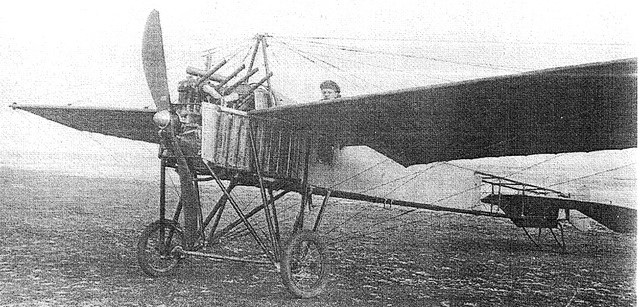
Hammer & Krollmann Eindecker of 1912. A conventional monoplane, powered by a 55 hp Hilz engine. August Birkmaier, Fluglizenz Nr 117, was killed in this plane on 4/10/1912 at Vahrenwalder Heide near Hannover.
The prototype M-43 Hamilton was powered by a Wright J-4.
Engine: Wright J-4.
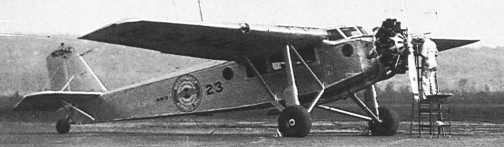
Designed by James S. McDonnell, circa 1927, the H-47 boasted the first passenger cabin heaters and toilet facilities.


Engine: Pratt & Whitney R-1690 Hornet, 550 hp.
Pax cap: 7.
Range: 675 miles.
Max speed: 138 mph.
Hamilton manufactured propellers and metal flying-boat hulls under subcontract in 1920s, before developing the all-metal, cantilever-winged Hamilton Metalplane in 1926.
Engine: Pratt & Whitney R-1340 Wasp.
Pax cap: 8.
Range: 600 miles.
Cruise: 115 mph.
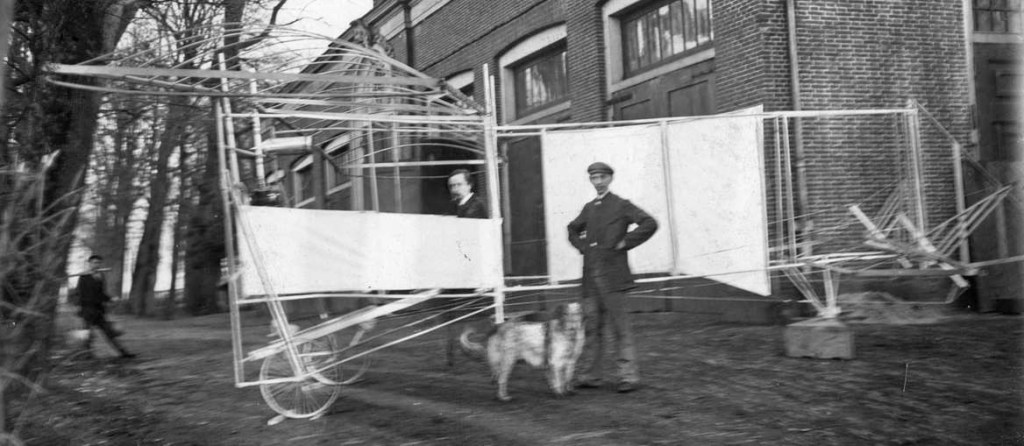
An aeroplane designed and built in 1909 by the Dutch brothers Ph. J. Hamers (architect) and J. Hamers (mechanic) together with the mechanic P. de Roos. They decided to build this plane after experimenting with gliders. The machine was finished in the beginning of 1910 and was ready to fly in February 1910. Flying tests were not successful because of the unreliable and/or underpowered engine, a two-cylinder 20 hp Humber motorcycle unit. As ever money was the problem… The machine was a monoplane, but they saw it as a biplane with one wing in front and one low at the back. Lots of the construction was of steel tubing. The plane was modified in the middle of 1910 and shown on an exposition in Haarlem in August 1910, the heavily modified machine more similar to a Blériot monoplane. After that exposition the work of the Hamers brothers faded into history.

By 1928 the Halton Aero Club HAC.1 Mayfly had been converted from a biplane to a parasol monoplane and was renamed the Halton HAC.2 Minus. The lower wings were donated to the Clark Cheetah G-AAJK. There were other minor changes.
It was used again for air racing, being entered in the 1928 and 1928 King’s Cup Races.
The aircraft was dismantled at Halton in 1930.
Powerplant: 1 × Bristol Cherub III, 32 hp (24 kW)
Wingspan: 28 ft 6 in (8.69 m)
Lower wingspan: 22 ft 0 in (6.71 m)
Length: 22 ft 0 in (6.71 m)
Crew: one
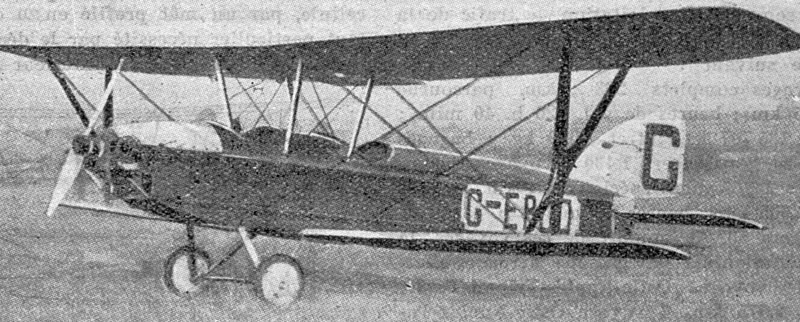
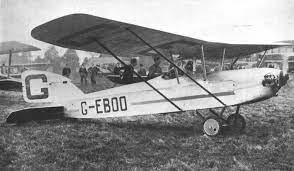
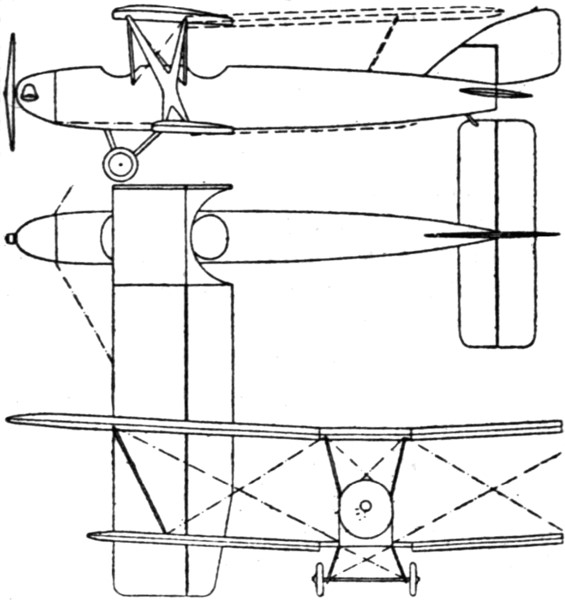
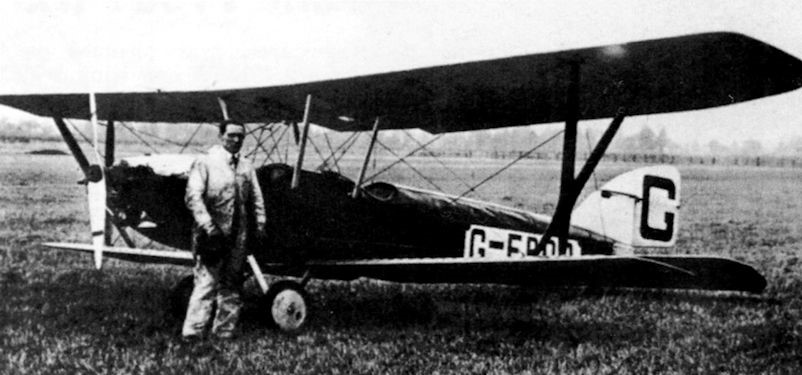
The Halton Mayfly was a British two-seat biplane designed by C.H. Latimer-Needham and built by the Halton Aero Club between 1926 and 1927.
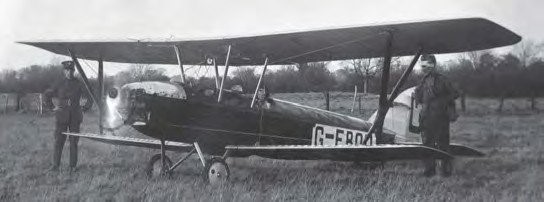
Registered G-EBOO and named the HAC.1 Mayfly it first flew on 31 January 1927.
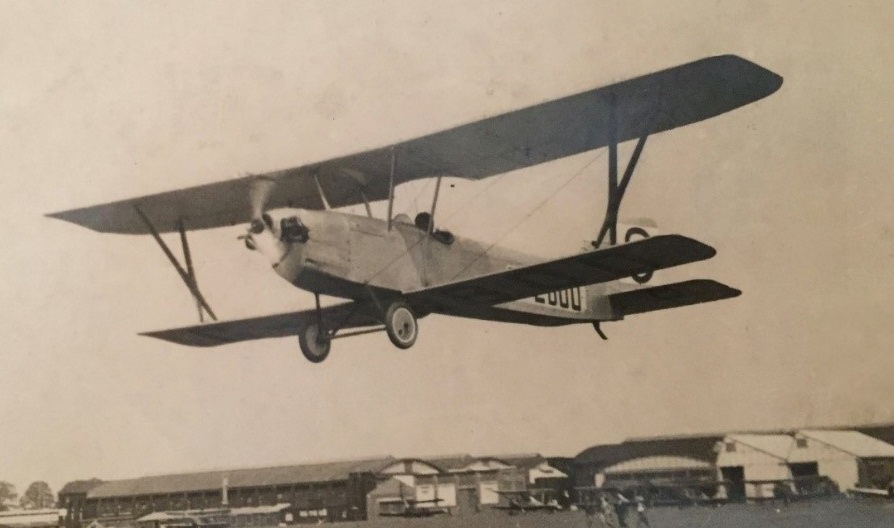
It was converted to a single-seater and was flown in a number of air races including the King’s Cup Race. It was entered in the 1926 Lympne light aircraft trials as No. 8 but failed to arrive in time for the elimination trials.
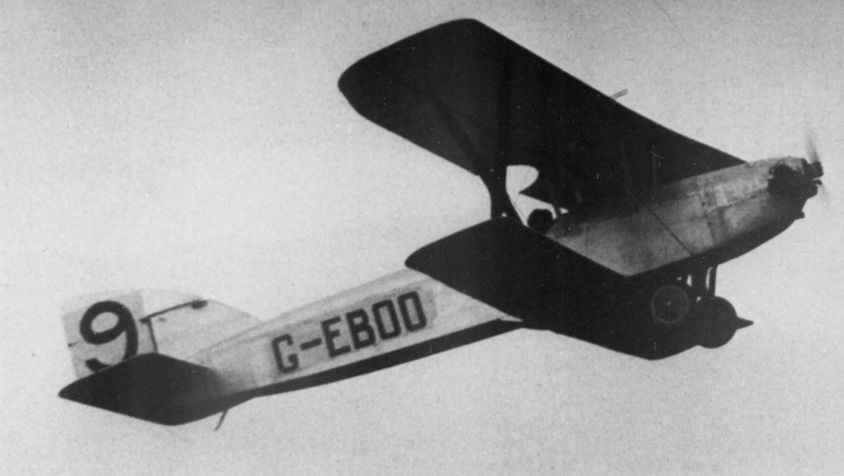
By 1928 the aircraft had been converted from a biplane to a parasol monoplane and was renamed the Halton HAC.2 Minus. The lower wings were donated to the Clark Cheetah G-AAJK.
Powerplant: 1 × Bristol Cherub III, 32 hp (24 kW)
Upper wingspan: 28 ft 6 in (8.69 m)
Lower wingspan: 22 ft 0 in (6.71 m)
Wing area: 195 sq ft (18.1 m2)
Length: 22 ft 0 in (6.71 m)
Empty weight: 480 lb (218 kg)
Gross weight: 920 lb (417 kg)
Maximum speed: 83.5 mph (134.4 km/h, 72.6 kn)
Cruise speed: 75 mph (121 km/h, 65 kn)
Crew: one / two

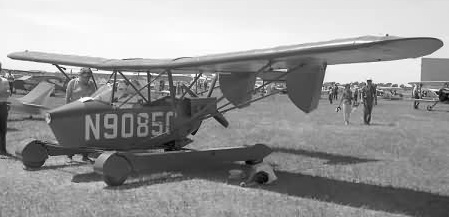
The Aero Car N9085C was built in 1959 by Joseph L. Halsmer of Lafayette, Indiana was one of the numerous attempts at building a roadable aircraft.
Airline captain Helsmer built this machine over a two-year period for $2,300. N9085C was later converted into single-engine Aero Car 3. Halsmer also built a high-wing two-seater with a uni-twin arrangement of two 65hp engines driving two counter-rotating props, registered N12043.

The Aero Car was a high-wing monoplane with two engines in a tractor-pusher configuration, a tri-cycle gear and tail booms. Helsmer built this machine over a two-year period, and later converted into the single-engine pusher Aero Car 3 presented in 1963 powered by a Continental C-85-12 engine.