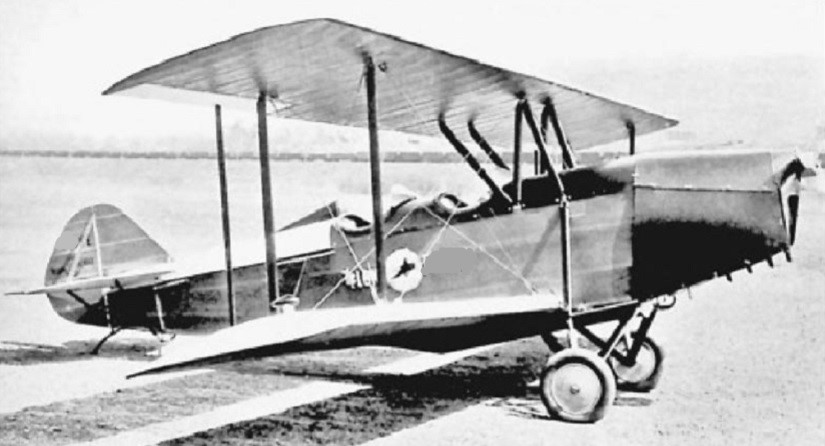
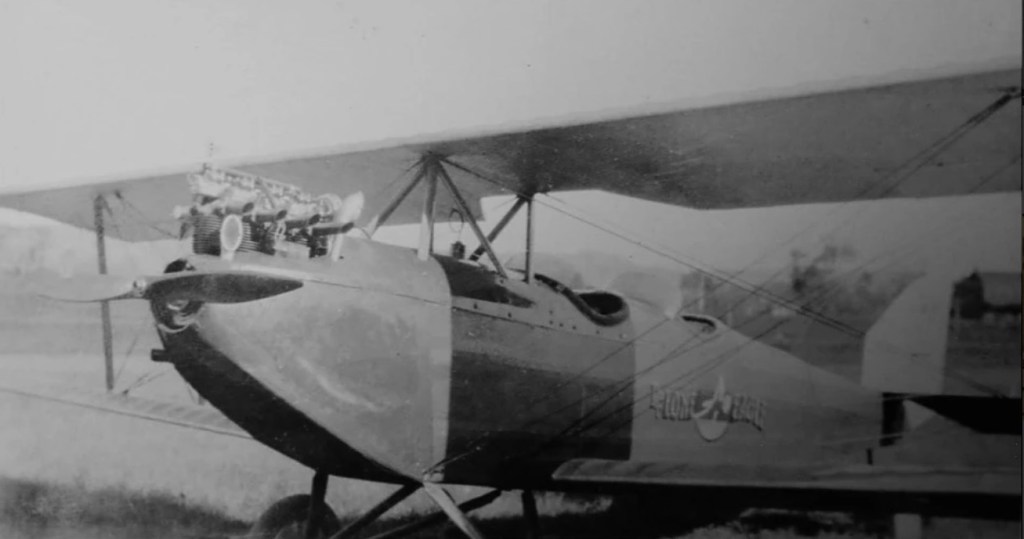
Part of Lindbergh’s 1927 visit to Moundsville included inspecting the Moundsville Airplaine Corporation’s first product– a single-seat bi-plane christened by Jimmy Doolittle as The Lone Eagle, in honor of Charles Lindbergh. Despite Lindbergh’s endorsement, there were not many “Lone Eagles” produced, and the factory went out of business in 1929.
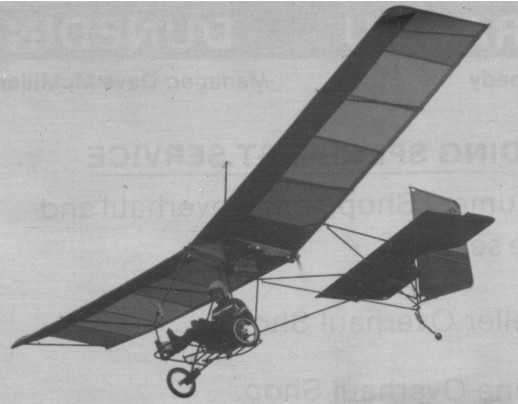
The Teratorn was a single seat single engined high wing monoplane with hybrid control. Wing has unswept leading and trailing edges, and constant chord; cruciform tail. Pitch control by weightshift; yaw control by fully flying rudder; roll control by one third span spollerons; control inputs through weight shift for pitch/yaw/roll. Wing braced from above by kingpost and cables, from below by cables; wing profile; 33% double surface. Undercarriage has three wheels in tail dragger formation; suspension on tailwheel and bungee suspension on main wheels. No ground steering. No brakes. Aluminium tube framework, without pod. Engine mounted above wing driving pusher propeller. Leading edges stiffened with Mylar.
The Teratorn which we are concerned with is itself a venerable design, having appeared at the birth of microlight aviation around the same time as the first powered version of the famous Quicksilver, with which it has a certain similarity. The Teratorn was powered, up till 1982, by the single cylinder Yamaha KT100S giving 15 hp through a reduction drive of 5/1, with initially the option and later the standard replacement by a twin cylinder Rotax of 28 hp with a 2.5/1 reduction drive.
On an original note, the company chose black anodising for the tubes on this hybrid control machine and the wires too were covered in black vinyl. The Teratorn is delivered as a kit requiring 20 to 25 h assembly according to the maker, and costs $3895 with the Rotax motor in 1983. Options include an instrument panel, skis, Kevlar floats and the choice of the Yamaha KT100S, which drops the price by $400. The machine is trailer transportable or on a roof rack and folds to around 16 x 5 x 1 ft (4.9 x 1.5 x 0.3 m). A kit allowing the Teratorn to be converted to the Teratorn TA with three axis control is also available.
The Teratorn TA was a single seat single engined high wing mono¬plane with conventional three axis control. Wing has unswept leading and trailing edges, and constant chord; cruciform tall. Pitch control by elevator on tail; yaw control by fully flying rudder; roll control by one third span spoilerons; control inputs through stick for pitch/roll and pedals for yaw. Wing braced from above by kingpost and cables, from below by cables; wing profile; 33% double surface. Undercarriage has three wheels in tail dragger formation; steel spring suspension on tailwheel and bungee suspension on main wheels. No ground steering. No brakes. Aluminium tube framework, without pod. Engine mounted below wing driving pusher propeller.
This is the three axis version of the hybrid control Teratorn. The TA appeared in 1982 with the Yamaha KT100S 15 hp engine, though today that has become just an option, the machine being fitted in standard form with the Rotax 300 of 28 hp or the Rotax 377 with 34 hp. Rigging time for the earlier model is 25 min, while this model requires 25 min to rig with two people. The Teratorn TA is sold so that it requires only 20h to complete, according to the maker, and for a price of $4295 with Rotax 300 or $4595 with Rotax 377. The options include the Yamaha engine for a reduction of $300, floats of Kevlar, skis and instrument panel. Production was phased out in favour of the more advanced Tierra.
Teratorn Engine: Rotax 300, 28hp at 6200rpm Propeller diameter and pitch 60 x 24 inch, 1.52 x 0.61 m Reduction ratio 2.5/1 Power per unit area 0.18 hp/sq.ft, 1.9 hp/sq.m Fuel capacity 3.3 US gal, 2.8 Imp gal, 12.5 litre Length overall 18.0 ft, 5.49 m Height overall 9.0 ft, 2.74m Wing span 32.0ft, 9.75m Constant chord 5.0 ft, 1.52 m Sweepback 0 deg Total wing area 160 sq.ft, 14.9 sq.m Wing aspect ratio 6.4/1 Tailwheel diameter overall 3 inch, 7 cm Main wheels diameter overall 16 inch, 41 cm Empty weight 212 lb, 96 kg Max take off weight 474 lb, 215kg Payload 262 lb, 119kg Max wing loading 2.96 lb/sq.ft, 14.4 kg/sq.m Max power loading 16.9 lb/hp, 7.7kg/hp Load factors; +3.0, 3.0 ultimate Max level speed 50 mph, 80 kph Never exceed speed 55 mph, 88 kph Economic cruising speed 35 mph, 56 kph Stalling speed 15 mph, 24 kph Max climb rate at sea level 600 ft/min, 3.1 m/s Min sink rate 250 ft/min at 25 mph, 1.3 m/s at 40 kph Best glide ratio with power off 8/1 at 25 mph, 40 kph Take off distance 50 ft, 15 m Landing distance 75 ft, 23 m Service ceiling 10,000 ft, 3050 m Range at average cruising speed 70 mile, 113 km
Teratorn TA Engine: Rotax 300, 28 hp at 6200 rpm Propeller diameter and pitch 60×24 inch, 1.52×0.61m Reduction ratio 2.5/1 Power per unit area 0.18hp/sq.ft, 1.9 hp/sq.m Fuel capacity 3.3 US gal, 2.8 Imp gal, 12.5 litre Length overall 18.0 ft, 5.49 m Height overall 9.0ft, 2.74m Wing span 32.0ft, 9.75m Constant chord 5.0 ft, 1.52 m Sweepback 0 deg Total wing area 160 sq.ft, 14.9 sq.m Wing aspect ratio 6.4/1 Tailwheel diameter overall 3 inch, 7 cm Main wheels diameter overall 16 inch, 41 cm Empty weight 227 lb, 103kg Max take-off weight 489 lb, 222kg Payload 262 lb, 119 kg Max wing loading 3.06 lb/sq.ft, 14.9kg/sq.m Max power loading 17.5 lb/hp, 7.9 kg/hp Load factors; +4.0, 3.0 ultimate Max level speed 50 mph, 80 kph Never exceed speed 55 mph, 88 kph Max cruising speed 45 mph, 72 kph Economic cruising speed 35 mph, 56 kph Stalling speed 17 mph, 27 kph Max climb rate at sea level 600 ft/min, 3.1 m/s Min sink rate 270 ft/min at 28 mph, 45 m/s at 45 kph Best glide ratio with power off 8/1 at 28mph, 45kph Take off distance 50ft, 15m Landing distance 75ft, 23m Service ceiling 10,000ft, 3050 m Range at average cruising speed 70 mile, 113km
Engine: Rotax 377, 34 hp at 6400 rpm Propeller diameter and pitch 60×36 inch, 1.52×0.91m Toothed belt reduction, ratio 2.6/1 Max static thrust 240 lb, 109kg Power per unit area 0.21hp/sq.ft, 2.3 hp/sq.m Fuel capacity 4.4 US gal, 3.7 Imp gal, 16.7 litre Length overall 18.0 ft, 5.49 m Height overall 9.0ft, 2.74m Wing span 32.0ft, 9.75m Constant chord 5.0 ft, 1.52 m Sweepback 0 deg Total wing area 160 sq.ft, 14.9 sq.m Wing aspect ratio 6.4/1 Tailwheel diameter overall 3 inch, 7 cm Main wheels diameter overall 16 inch, 41 cm Empty weight 237 lb, 108kg Max take-off weight 499 lb, 226kg Payload 262 lb, 119 kg Max wing loading 3.12 lb/sq.ft, 15.2kg/sq.m Max power loading 14.7 lb/hp, 6.6 kg/hp Load factors; +4.0, 3.0 ultimate Max level speed 55 mph, 88 kph Never exceed speed 63 mph, 101 kph Stalling speed 23 mph, 37 kph Max climb rate at sea level 900 ft/min, 4.6 m/s
Designed by Bud Snyder, the Buzzard Light Plane, or MG-1, of 1930 was a two-place, open, high-wing monoplane. Essentially a motorized glider with a pylon-mounted parasol wing and a pusher motor. It was fabric covered except for a dural-covered plywood fuselage bottom.
Purchased by Curtiss-Wright and is assumed to be the basis for, or at least a major influence on, the 1931 Curtiss-Wright CW-1 Junior.
The design was revived in 1983 as the kit-form, Zenoah-powered Ritz Standard A by Gerry Ritz, Wartrace TN.
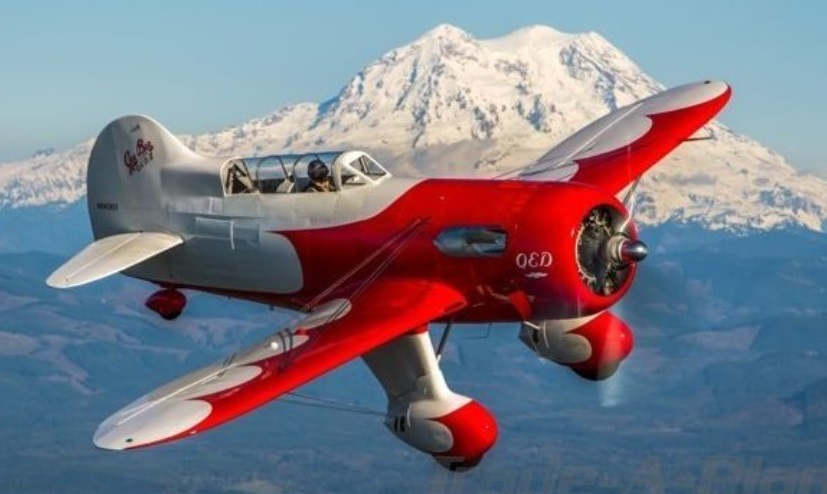
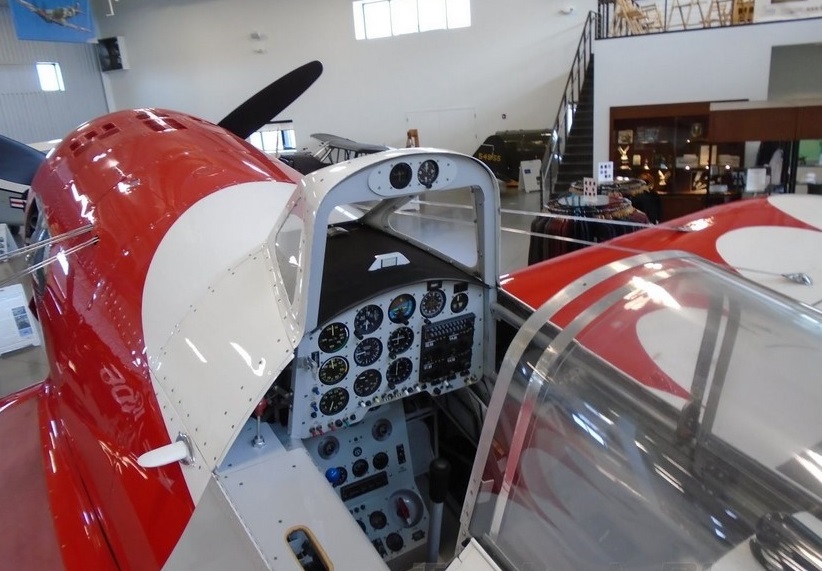
In 2002, aircraft builder Jim Moss set out to recreate the Gee Bee QED. Starting with the basic original plans, Moss’ recreation incorporated several modifications including wider landing gear, lengthened wings, a 20% larger vertical fin, and the installation of a 1425 hp. Wright R-1820 engine which replaced the original 650 hp. P&W R-1690.
The construction of the QED II took place between 2002 and 2013 and encompassed in excess of 50,000 man hours to build.
The aircraft was advertised for sale at $499,000 in October 2021.
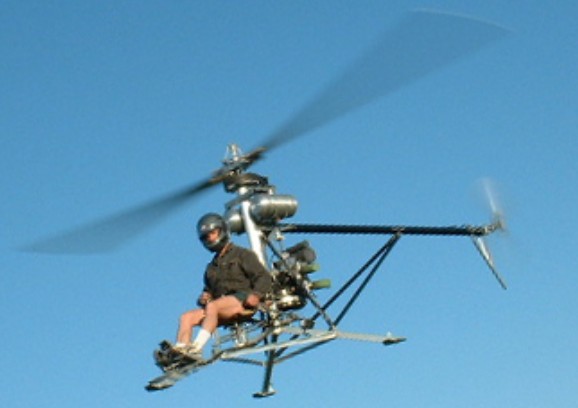
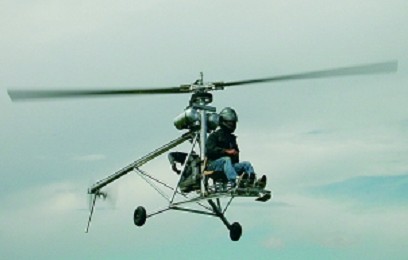
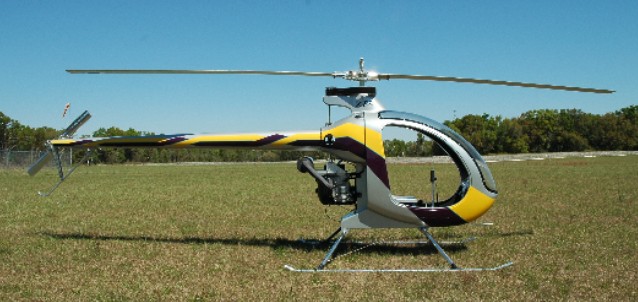
The ultralight Mosquito is one of the worlds lightest manned Helicopters that was designed and developed over 10 years to deliver performance, relability and easy of flight. The original prototype has been flying since 1994 and meets the ultralight Part 103 requirements.
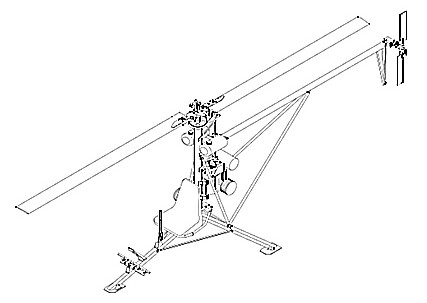
The Mosquito frame is made up of Aircraft Grade 6061-T6 aluminum and utilises a simple triangulated structure with straight tubing throughout to maximize strength, reduce weight and simplify construction. The additional use of a Carbon Fibre tail boom and support struts adds to the Mosquito’s structural ridgidity. The Mosquito’s tripod legs are equiped with small skid pads to help reduce lateral movement during engine run-up to lift off stage. Ground handling wheels are also available to easy ground transport.
The Mosquito is powered by Compact Radial Engine’s – MZ202, 60-hp, a two cycle, two cylinder engine. This engine empolys Reed Induction which yields a very flat torque curve ensuring power is delivered constantly over the required operating range. The MZ202 also has a lower operating speed of 6000 rpm resulting in less stress on the engine and improving reliability. The complete engine package only weighs 69 pounds and comes with a 180-watt alternator that provides power to run the electrical system which also features and an electric start system.
Mosquito
The primary reduction is bolted directly to the engine. A centrifugal clutch on the engine crankshaft permits startup of the engine without the load of the rotor. Power is transmitted from the clutch to the driven pulley of the reduction through an HTD cog belt. The driven pulley houses the sprage clutch, which permits the rotor to overspeed the engine during autorotation.
The Mosquito XE is the same aircraft, but the open frame tubing has been replaced with an all fiberglass closed in design. The XE airframe is a unibody construction made entirely of high quality fiberglass in a vinylester matrix. Power is provided by the same Compact Radial Engines MZ202 used for years on the open version of the Mosquito. This two cylinder, two stroke engine has a power output of 60hp, ample to do the work for its 610lbs of gross weight.
Mosquito XE
The power train, controls and rotor systems have been through some minor modifications to suit the XE design. The collective control has been adjusted to adapt to the different mounts in the XE. The main rotor blade diameter has increased by 1.5 ft to account for the additional gross weight. The Mosquito XEL is the same as the XE but is equipped with floats.
Materials provided with the kit include fiberglass airframe parts, machined parts, instruments (Rotor/Engine Tach, redundant digital engine tach with hour meter, dual EGT/CHT, Airspeed Indicator), rotor blades and engine. Many of the airframe parts are already joined. The builder needs only to bolt and rivet the final major components together.
A comprehensive assembly manual is provided along with a full set of part and assembly drawings as well as exploded view drawings. Builder assistance can be provided by phone or email. It requires around 250 to 300 hours of build time. Standard shop tools are required to cut and form some of the simple frame and control parts and for bolt and rivet assembly. A quick build parts set, in which all the parts nomally fabricated and formed by the builder are already finished, is available to save more build time. A small amount of welding is required on the exhaust system.
Optional extras to consider with purchase of the Mosquito include factory paint, tail fins, ceramic pistons, seat covers, governor kits, wheel kits and quick build parts. The Mosquito XE can be ordered in several stages of kit. The 1st kit includes the materials and components for building the composite airframe. This group consists of the composite enclosure, fuel tank, tail boom, landing gear and the full Builder’s Set of Plans and Instructions. The kit is designed to meet the 51% rule. The 2nd kit is for the cyclic, collective, torque tubes, push-pull tubes, swash plate, and rotor controls. The 3rd is the power drive system consisting of primary and secondary reduction units, sprague clutch, engine coupling shafts, tail rotor drive shaft components, gear boxes, main rotor shaft assembly, and associated bearings, couplings, etc. and the 4th group includes the engine, battery, centrifugal engine clutch, fuel tanks, fuel valves, fuel lines, throttle, switches, wiring, and instruments. The final stage is the assembly of the rotor heads, the tail rotor blades, and main rotor blades but the manufacturer likes to see you have some training under your belt before finishing this stage and being tempted or hurried to get airborn.
Delivery on complete kits is around 6 months from placing a deposit, or around 2 months for a kit group, depending on factory demand at the time.
Total Kit Price: US$17,495 after US$2,000 training rebate in 2009.
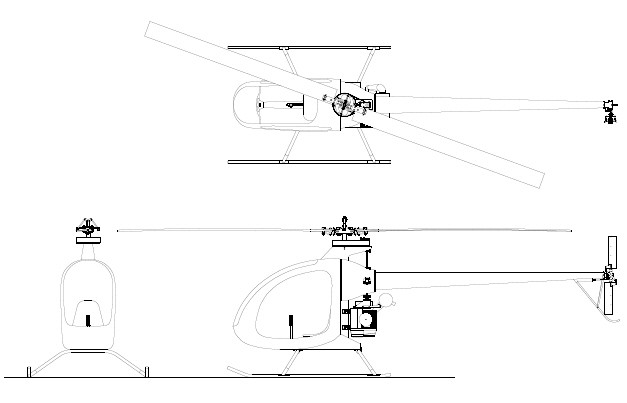
Mosquito Engine: Compact Radial Engines MZ202, 2 cylinder, 2 stroke, 60 HP (45kW) Frame Length: 16 ft. Overall Length: 20 ft Width: 72 in. Height: 83 in Main Rotor Diameter: 18 ft Tail Rotor Diameter: 40 in. Empty Weight: 254 lb. Gross Weight: 530 lbs Useful (Pilot) Load: 250 lbs Fuel Capacity: 5 US gallons Main Rotor Speed: 540 rpm Tail Rotor Speed: 2500 rpm Fuel Flow at Cruise: Approximately 4.5 U.S. Gallons per hour Flight Duration: Approx. 60 min. Hover in ground effect: 8,000 ft. (estimated) Hover out of ground effect: 6,500 ft. (estimated) Max Speed: 70 mph
Mosquito XE Frame Length: 16 ft Overall Length: 20 ft Width: 72 in Height: 84 in. Main Rotor Diameter: 19.5 ft Tail Rotor Diameter: 40 in. Empty Weight XE: 298 lb Gross Weight: 610 lbs Useful (Pilot) Load: 240 lbs. Fuel Capacity: 12 US gallons Engine: Compact Radial Engines MZ202, 2 cylinder, 2 stroke 64 HP (45kW) Electrical System: 12 volt DC battery, starter, 180 watt alternator Main Rotor Speeds: 540 rpm Tail Rotor Speeds: 2500 rpm Fuel burn: 4.5 gph Range: 150 miles Hover in ground effect: 8,000 ft. (estimated) Hover out of ground effect: 6,500 ft. (estimated) Max Speed: 80 MPH Price: $30,000 including engine/instruments (2009)
Mosquito XEL Frame Length: 16 ft Overall Length: 20 ft Width: 72 in Height: 84 in. Main Rotor Diameter: 19.5 ft Tail Rotor Diameter: 40 in. Empty Weight XEL: 312 lb Gross Weight: 610 lbs Useful (Pilot) Load: 240 lbs. Fuel Capacity: 5 US gallons Engine: Compact Radial Engines MZ202, 2 cylinder, 2 stroke 64 HP (45kW) Electrical System: 12 volt DC battery, starter, 180 watt alternator Main Rotor Speeds: 540 rpm Tail Rotor Speeds: 2500 rpm Fuel burn: 4.5 gph Range: 60 miles Hover in ground effect: 8,000 ft. (estimated) Hover out of ground effect: 6,500 ft. (estimated) Max Speed: 80 MPH Price: $31,000 including engine/instruments (2009)
Mosquito XE3 Frame Length: 16 ft Overall Length: 20 ft Width: 72 in Height: 84 in. Main Rotor Diameter: 19.5 ft Tail Rotor Diameter: 40 in. Empty wt: 360 lb Gross wt: 720 lb Useful load: 290 lb Fuel Capacity: 12 gal Range: 150 miles Cruise spd: 80 mph Max spd: 100+ mph Fuel burn at cruise: 5 gph Engine: CRE MZ301 3 cyl 2 cycle Power 85 hp Main Rotor RPM: 590 Tail rotor rpm: 2500 Hover in ground effect 9500 ft (est) Hover out of ground effect 7500 ft (est) Price: $36,000 including engine/instruments (2009)
Mosquito XET Frame Length: 16 ft Overall Length: 20 ft Width: 72 in Height: 84 in. Main Rotor Diameter: 19.5 ft Tail Rotor Diameter: 40 in. Empty wt: 433 lb Gross wt: 820 lb Useful load (with optional aux tank): 240 lb Useful load (without optional aux tank): 290 lb Fuel capacity: 12 gal Aux tank capacity: 8 gal Range (with aux tank): 160 miles Cruise spd: 80 mph Max spd: 100+ mph Fuel burn at cruise: 8.5 gph Engine: Solar T62-2A1 turbine Power: 90 hp Main Rotor RPM: 590 Tail Rotor RPM: 2500 Hover in ground effect 9000 ft (est) Hover out of ground effect 7000 ft (est) Price: $37,000 excluding engine (2009)
A flying wing, the MAI ASK was displayed publicly in 1964, developed by the Moscow Aviation Institute, powered by an 80-hp piston engine with a pusher prop mounted above the wing. It weighed 970 lb, cruises at 137 mph, has a 5 hour range, lands at 68 mph, spans 16.4 ft, is 17 ft long. Has a tricycle undercarriage and bubble canopy.