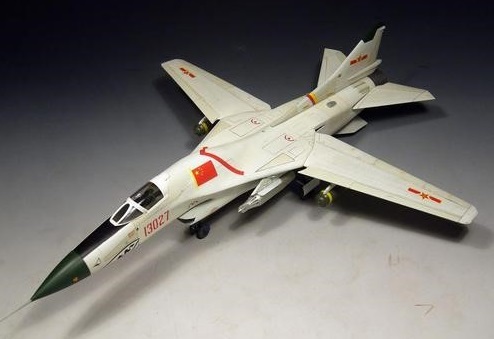
In the mid-’70s, China managed to get their hands onto Egyptian MiG-23BNs and -MSs, and downed American F-111s. Using this captured technology, Nanchang was asked to develop a swing-wing strike aircraft for the PLAAF. Originally, plans centered around a quick domestic copy of the MiG-23BN. However, when PLAAF requirements added air-to-air capabilities, the MiG-23BN would prove inadequate. Plans then shifted to repurposing the F-111 electronics for the new design. Chinese industry proved incapable of producing systems as small as the design called for, forcing a major redesign that made the Q-6 comparable in size to the Su-24. The side intakes of the MiG-23 proved inadequate for dogfighting, so they were relocated to the chin, while the inadequate engine was to be replaced with the domestically-produced WS-6 turbofan. Overall, however, the project quickly proved to be beyond the means of the Chinese aerospace industry. Development dragged on as much of the intended onboard systems proved too difficult to copy. While an advanced fly-by-wire system (first of its kind for China) was developed for the Q-6’s swing wings, it proved to be 12% heavier than the one employed on the MiG-23. The WS-6 proved to be failure as well, and thus, in 1989, with requirements shifting away from swing-wing designs, the Q-6 was finally cancelled.
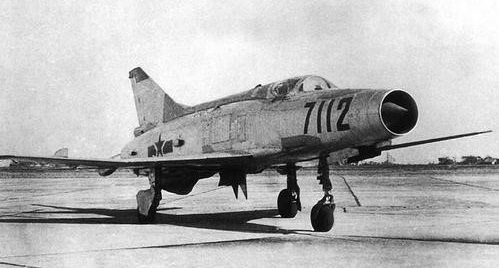
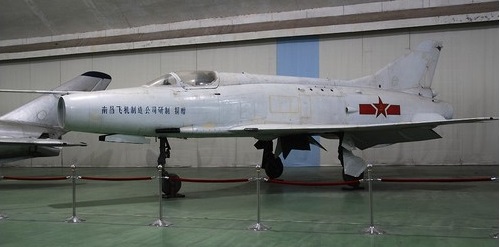
In the mid 1960s, the North Vietnamese had shown the efficacy of the use of “guerilla interceptors” – small aircraft operating from camouflaged airfields to ambush enemy aircraft. While the PLAAF recognized the practicality of such operations and wished to apply them locally, the aircraft currently available for the role – MiG-17s, -19s, and -21s – were less than ideal. Thus, in 1969, Nanchang was issued requirements for a new lightweight fighter with a loaded weight under 4,500kg. Development proceeded and by August, they were performing wind tunnel testing, and by the next year, the design had started prototyping. The resulting J-12 was simple, coming in at 4,530kg. The J-12 was armed with a single 30mm and 23mm cannon in the wing roots, and was powered by a single WP-6Z turbojet. To simplify the design, it used only an optical gunsight, and lacked area ruling. To facilitate rough airfield operations, intake flow could be diverted through auxiliary ports on the fuselage sides.
When the J-12 first flew in December 1970, testing revealed a top speed of 1,300km/h, making the J-12 the lightest supersonic fighter ever to fly. Range was a short 688km, making the design effectively a point-defence interceptor. The only guided munitions that the aircraft could carry were simple IR-guided short range AAMs. In all, nine J-12s were built, with testing continuing until 1977. At this point, the shortcomings of the design were found to greatly outweigh its benefits, and the design was cancelled in favour of further development of the J-7 and J-8.
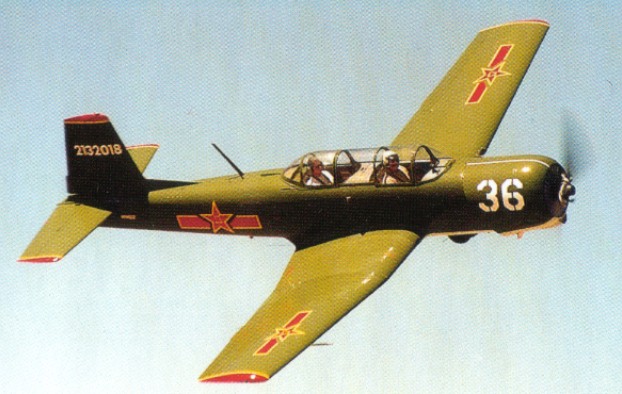
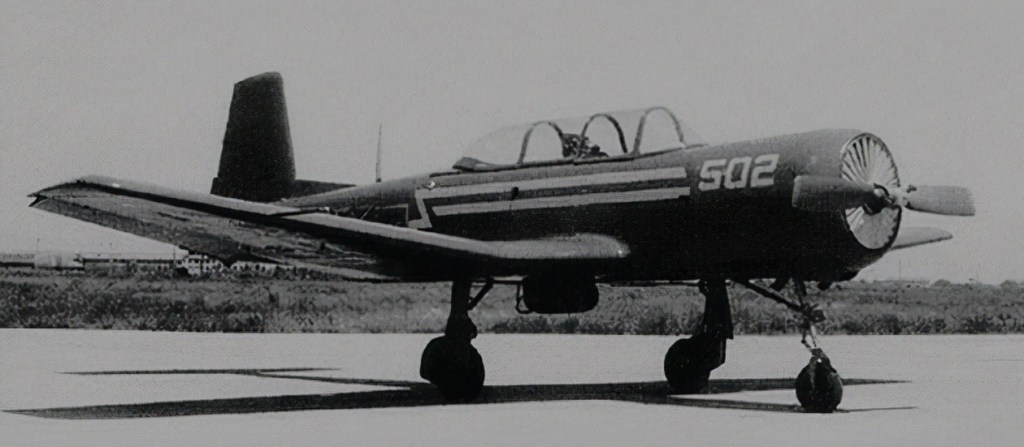
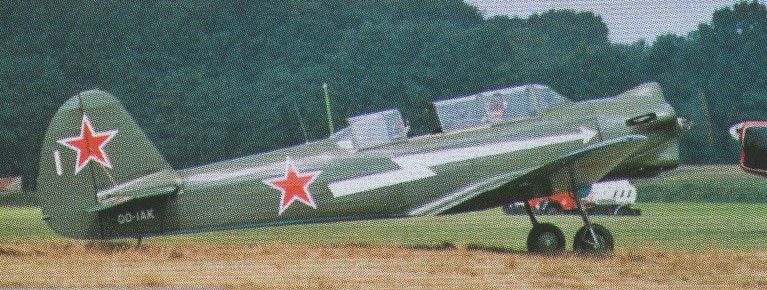
In the early 1950s, the primary trainer aircraft used by the Air Force was the Soviet Yak-18. At that time, the Nanchang Aircraft Factory was able to independently produce the aircraft in accordance with Soviet drawings. The steel frame of the Yak 18 type of steel frame, the structure of the outer cover was relatively backward, and the airborne power supply was insufficient. Designers such as Xu Shunshou believe that it is no longer necessary to introduce the improved Yak 18A, and it is entirely possible to independently develop a primary trainer based on domestic technical strength.
In July 1957, the Chujiao 6 design was begun, and the prototype flew for the first time in August of the following year. On January 5, 1962, Chujiao-6 completed the design finalization. After the successful test flight of the Chujiao 6 in Nanchang, many people in the aviation industry system and the air force still believed in the Soviet aircraft and advocated the production of the Yak 18A. Until a new leader of the Aviation Industry System took office, he decided to continue to improve the elementary trainer 6.
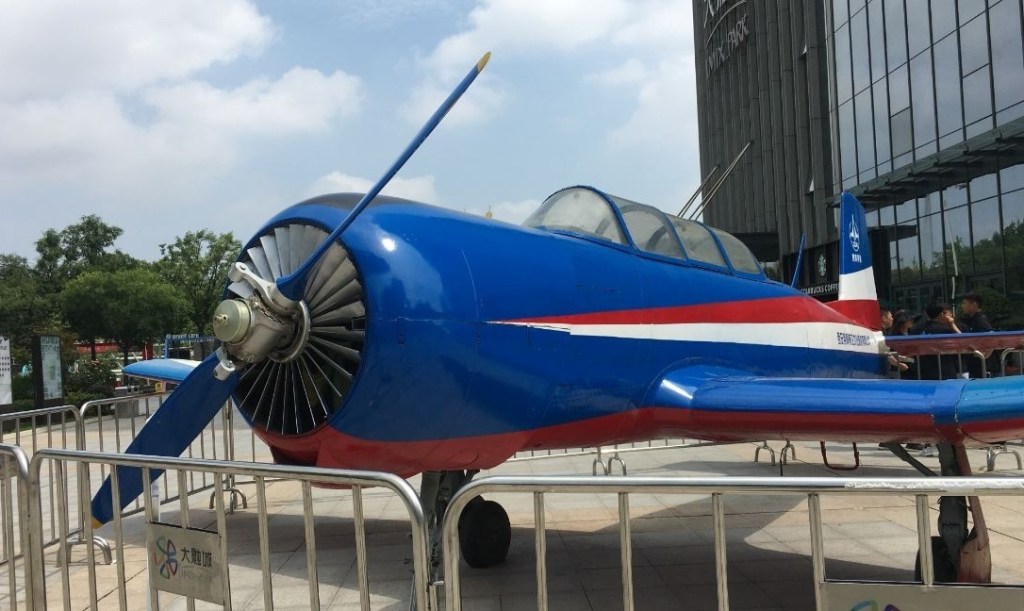
The body of Chujiao 6 adopts an all-metal thin-skinned shell structure, which is similar to the Yak 18 in appearance. The actual fuselage, wings and front three-point landing gear are all new designs.
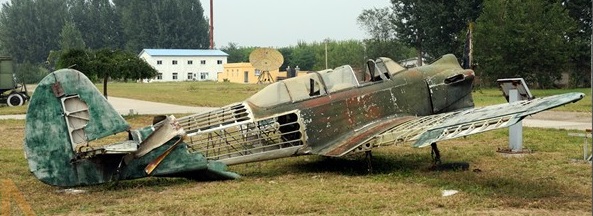
A Chinese derivative of the Yak-18, and development of the CJ-5, the CJ-6 is aerobatic, with a fully retracting undercarriage.
A military primary trainer, approximately 2000 were built for the Peoples Liberation Army Air Force from 1962. It has also served with the air forces of Albania, Bangladesh, Cambodia, Tanzania and Zambia.
The improved CJ-6A still being built in the late 1990s in very low volume for the same radial piston-engined primary training role.
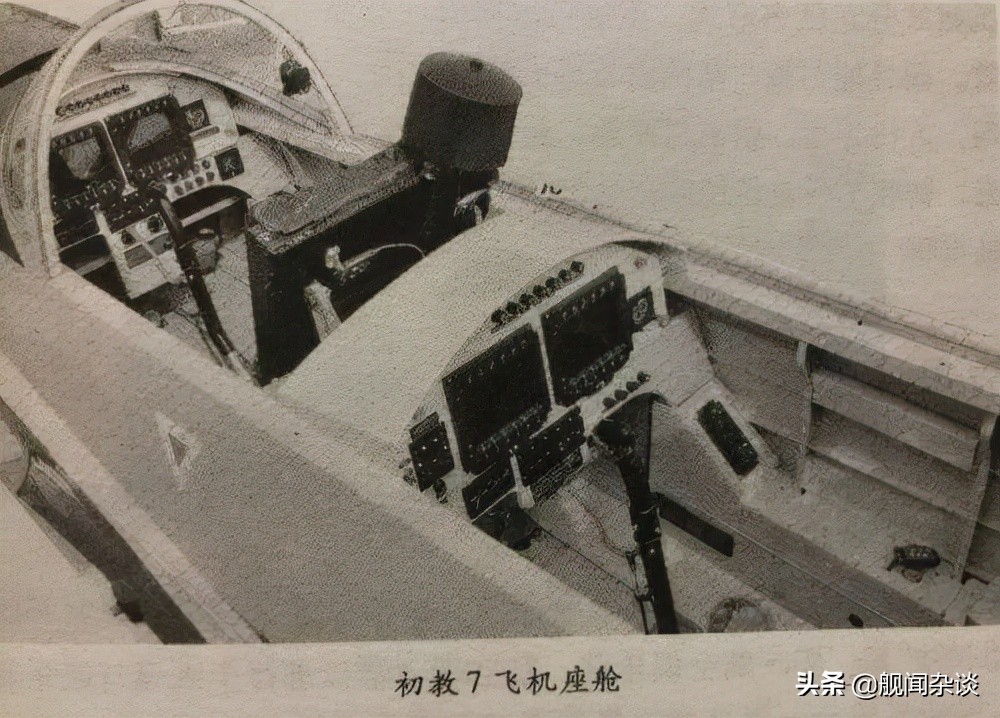
Elementary Education 6 also has many shortcomings: the onboard equipment is backward, there is no ejection rescue system, the cockpit is not sealed, the noise is loud, and the operating environment is not good in cold weather. Therefore, the domestic development of a new generation of primary trainers has been brewing since the 1990s. In August 2007, Chujiao 7 was formally established, and the first flight was successful in 2010, and it was publicly unveiled at the Zhuhai Air Show.
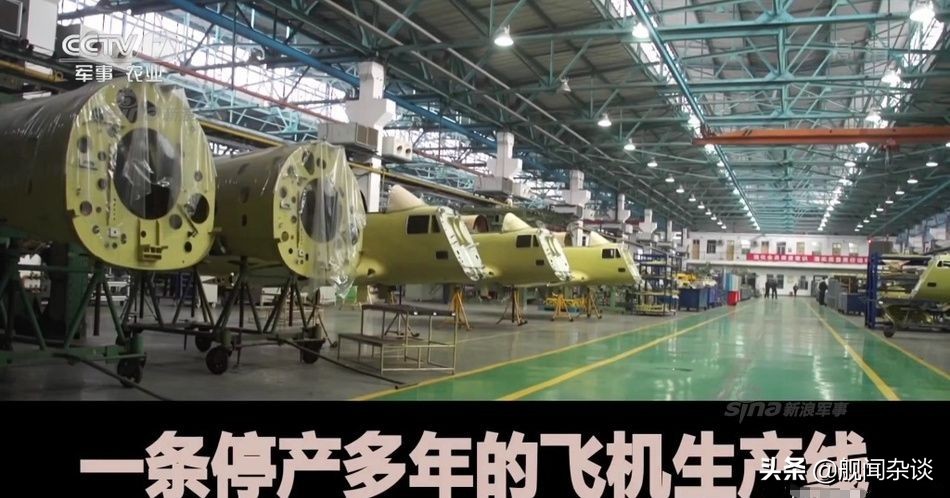
In 2015, Hongdu Company officially began to resume primary education 6. It can be seen in the news that there are a large number of newly manufactured Chujia 6 in the Hongdu Aviation Workshop. The production number of the fuselage shows that the output is at least dozens of aircraft. The Air Force has resumed bulk purchase of Chujia 6, and Chujia 7 is completely yellow.
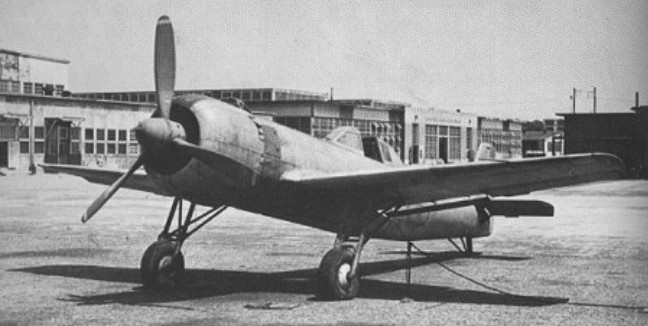
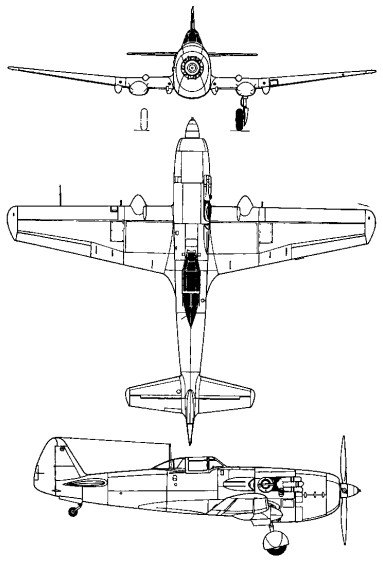
In January 1945 Nakajima was ordered by the Imperial Japanese Army to design and develop, as quickly as possible, a basic aircraft that could carry a bomb of up to 800kg weight for use in kamikaze attacks. The resulting Nakajima Ki-115 low-wing monoplane prototype was of mixed construction, powered by a Nakajima Ha-35 radial engine and had welded steel-tube main landing gear units, without any form of shock absorption, which were intended to be jettisoned after take-off on a kamikaze mission. Flight tests showed that ground handling was unacceptable in this configuration, leading to the introduction of main landing gear units with simple shock absorbers. In this form, and incorporating some minor modifications, the aircraft entered production as the Ki-115a Tsurugi (Sabre). However, Nakajima had built only 104 production aircraft by the time the war ended, and none of these was used operationally.
Ki-115 Engine: 1 x Nakajima Ha-35, 843kW Wingspan: 8.6 m / 28 ft 3 in Length: 8.55 m / 28 ft 1 in Height: 3.3 m / 10 ft 10 in Wing area: 12.4 sq.m / 133.47 sq ft Max take-off weight: 2880 kg / 6349 lb Empty weight: 1640 kg / 3616 lb Max. speed: 550 km/h / 342 mph Range: 1200 km / 746 miles Armament: 800-kg bomb Crew: 1
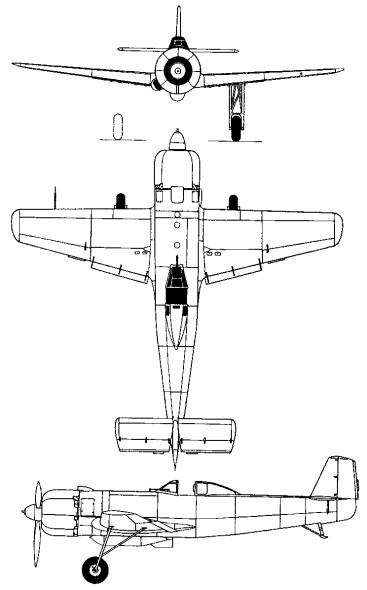
The Nakajima Ki 87 was an experimental high altitude fighter. The first and only example flew in April 1945.
Engine: 1 x Nakajima Ha-44 Model 11, 1800kW Wingspan: 13.42 m / 44 ft 0 in Length: 11.82 m / 38 ft 9 in Height: 4.5 m / 14 ft 9 in Wing area: 26 sq.m / 279.86 sq ft Max take-off weight: 5632 kg / 12416 lb Empty weight: 4387 kg / 9672 lb Max. speed: 706 km/h / 439 mph Ceiling: 12850 m / 42150 ft Armament: 2 x 30mm cannons, 2 x 20mm cannons, 250-kg bomb Crew: 1
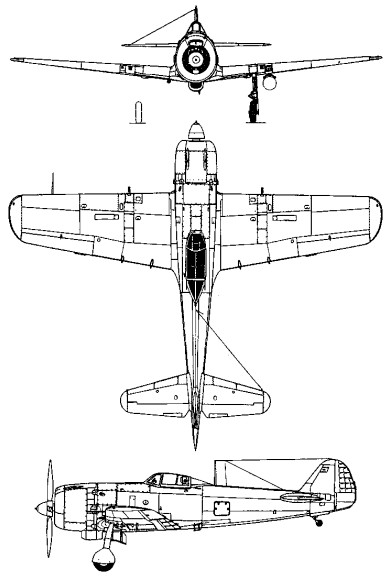
The Nakajima Ki-84 Hayate (Gale) was flown in prototype form in April 1943. The Ki-84 met with immediate approval by Japanese army air force pilots, but was subjected to lengthy service trials which undoubtedly delayed its introduction to combat operations. Production of the Ki-84-1a got under way at Nakajima’s Ota plant in April 1944, pre-production aircraft having equipped the 22nd Sentai in China the previous month. Immediately afterwards 10 sentais of the Ki-84-I, codenamed ‘Frank’ by the Allies, were deployed in the Philippines to confront the advancing American forces. As a dive bomber it was capable of carrying two underwing bombs of up to 550 lb.
In an effort to accelerate production of the new fighter, Nakajima opened up a new line at its Otsonomiya plant. The Ki-84 -1b and -1c differed in armament fitted. As Boeing B-29 raids began to take their toll of Japanese cities a new ‘bomber destroyer’, the Ki-84-Ic, was produced with an armament of two nose mounted 20mm cannon and two wing mounted 30mm cannon.
In the last 17 months of war 3,382 aircraft were completed, this despite the B-29 raids and the fact that, owing to such damage at Musashi, Nakajima’s engine plant had to be transferred elsewhere.
Named after Col. Frank MacCoy, ‘Frank’ was first assigned to an unknown fighter called the T.K.4, which was later coded ‘Harry’. The ‘Frank’ was ultimately assigned to the Ki.84.
Engine One 1416kW / 1,900 hp Nakajima Ha 45/11. Length 32 ft 7 in (9.92 m) Wing span 36.8 ft (11.21 m) Height: 3.39 m / 11 ft 1 in Wing area: 21 sq.m / 226.04 sq ft Weight empty 5,860 lb (2,660 kg) Max take-off weight: 3890 kg / 8576 lb Max speed 390 mph. (630 kph) Range: 1,080 miles (1,740 km.) Ceiling: 10500 m / 34450 ft Armament 2 x 20 mm Ho5 cannon, and 2 x 12.7 mm Ho103 machine guns Bomb load 1, 100 lb. (500 kg.) Seats: 1.
Ki.84-ia Engine: Nakajima Ha.45/11 Type 4, 1900 hp Wingspan: 36 ft 10.25 in Length: 32 ft 6.5 in Height: 11 ft 1.25 in Empty weight: 5864 lb Loaded weight: 7965 lb Max speed: 388 mph at 19,680 ft Service ceiling: 34,450 ft Max range: 1815 mi Armament: 2 x 20 mm Type 5 cannon, 2 x 12.7mm Type 103 mg Bombload: 1100 lb Crew: 1
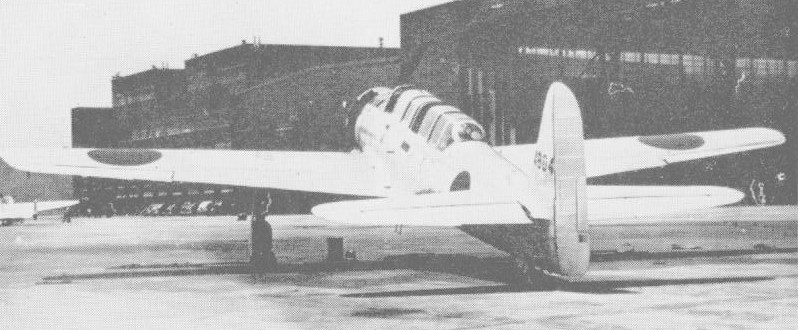
Until 1942 the Imperial Japanese Navy, like other navies, flew reconnaissance missions with aircraft designed primarily for defensive or offensive combat. In early 1942 a 17 Shi specification was issued calling for a purpose designed carrier reconnaissance aircraft, with the greatest possible speed and range.
Nakajinia’s design team under Fukuda and Yamamoto fitted a 1358kW Nakajima Homare 11 radial engine engine into the slimmest possible fuselage, and 1360 litres (299.2 Imp gal) of fuel into the small wing. The latter had a laminar flow section, and slats and tabbed Fowler flaps were used to meet the severe limit on landing speed of 70 knots (130 km/h, 81 mph).
Pilot, navigator and radio operator were seated in tandem, the navigator having cameras in the belly and ventral and side observation windows and the radio operator manning a 7.92 mm (0.31 in) Type 1 machine¬gun. The prototype flew on May 15, 1943, and altitude performance proved disappointing.
Eighteen more prototype/pre-series aircraft followed, some with the more powerful 1990 hp Nakajima NK 9H Homare 21 two row 18 cylinder engine, before the type was ordered into production in April 1944 as the Navy Carrier Reconnaissance Plane Saiun (Painted Cloud / Nakajima C6N1).
Production aircraft began to be delivered to the JNAF in august 1944 although some of the prototypes had been pressed into service some two months earlier.
After its first action in the Battle of the Marianas it was code named ‘Myrt’ by the Allies. Fitted with a drop tank it had a range of over 5300 km (3300 miles), and despite the shortfall in performance was almost impossible to catch even with a Corsair or Hellcat.
The proposed C6NI B torpedo bomber never flew, but a few aircraft were converted into C6N1 S night fighters with only the pilot and navigator and with two 20 mm (0.79 in) Type 99 cannon mounted obliquely at 30 degrees in a rebuilt rear cockpit. They had adequate speed and climb to intercept the B 29 but at night were severely handicapped by lack of radar. No radar equipped version was plan¬ned, but at the war’s end a C6N2 had flown with turbocharged NK9 L engine giving 1780 hp at 9000 m (29 530 ft) driving a four blade propeller, and this was envisaged as the power plant of an improved night fighter.
A total of 463 had been built’ when production ended in August 1945, the total including the small number of C6N1-S two-seat night-fighter conversions from C6N1 aircraft, and one C6N2 prototype with a 1476kW Homare turbocharged engine.
A Nakajima C6N1-S Saiun (MYRT) was the last aircraft shot down in World War 2. It was shot down by Lieutenant Commander Thomas Reidy of the US Navy, flying a Corsair fighter, on August 15, 1945, a day after Emperor Hirohito’s surrender announcement. The war ended five minutes later.
C6N1 Engine: 1 x Nakajima NK9H Homare-21, 1484kW / 1990 hp Max take-off weight: 5260 kg / 11596 lb Empty weight: 2968 kg / 6543 lb Wingspan: 12.5 m / 41 ft 0 in Length: 11 m / 36 ft 1 in Height: 3.95 m / 13 ft 0 in Wing area: 25.5 sq.m / 274.48 sq ft Empty weight: 6411 lb Loaded weight: 9920 lb Max. speed: 610 km/h / 379 mph at 20,000 ft Ceiling: 10740 m / 35250 ft Range w/max.fuel: 5310 km / 3300 miles Armament: 1 x 7.92mm machine-guns Crew: 3
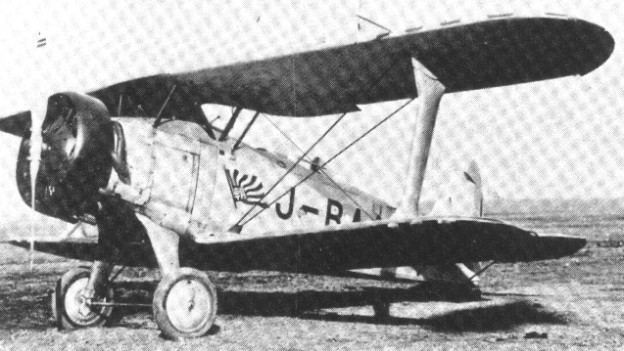
With the destruction of the NAF-1 shipboard two-seat fighter prototype in April 1933, Kiyoshi Akegawa began design of a further two-seater to meet an 8-Shi requirement, the NAF-2. Of all metal construction with fabric skinning, the NAF-2 was powered by a 580 hp Nakajiina Kotobuki 2 nine-cylinder radial and was a single-bay staggered biplane with pronounced sweepback on the upper wing. Armament comprised three 7,7-mm guns, two fixed and one on a flexible mount, and the first of two prototypes was completed in March 1934, these differing in that the first had N-type interplane struts and the second had aerofoil-section I-type struts. Although the NAF-2 met Imperial Navy requirements, a change in policy led to the abandonment of the two-seat fighter concept, and both prototypes were sold to the Asahi Press.
Engine: Nakajiina Kotobuki 2, 580 hp Max speed, 186 mph (300 km/h) Time to 9,845 ft (3 000 m), 9.66 min Endurance, 4.5 hrs Empty weight, 2,718 lb (1 233 kg) Loaded weight, 3,770 lb (1 710 kg) Span, 33 ft 9.5 in (10,30 m) Length, 23 ft 9.8 in (7,26 m) Height, 9 ft 4.2 in (2,85 m) Wing area, 283.64 sq ft (26,35 sq.m)
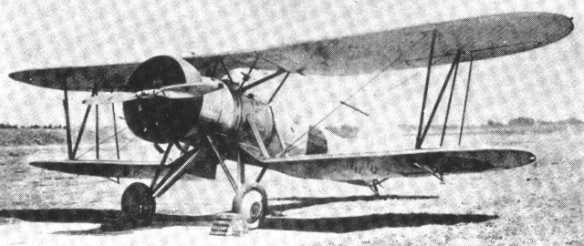
In 1931, the Imperial Navy instructed Nakajima to design and build, as part of a 6-Shi programme, a two-seat shipboard fighter with secondary dive-bombing capability and provision for an auxiliary fuel tank to suit the aircraft for long-range reconnaissance missions. Of all-metal construction with fabric skinning and designed by Kiyoshi Akegawa, the fighter received the company designation NAF-1. The wings could be folded aft, provision was made for an external 616 Imp gal (280 lt) auxiliary fuel tank and power was provided by a 530 hp Bristol Jupiter engine. Armament comprised two fixed for¬ward-firing 7,7-mm guns and a gun of similar calibre on a flexible mount. The sole prototype was completed in the summer of 1932, but delivery to the Navy did not take place until the following year, the NAF-1 being destroyed in a forced landing on 8 April 1933, and the programme being cancelled.
NAF-1 Engine: Bristol Jupiter, 530 hp Max speed, 173 mph (278 km/h) Time to 9,845 ft (3 000 m), 7.5 min Endurance (without external tank), 4 hrs Empty weight, 2,800 lb (1 270 kg) Loaded weight, 4,065 lb (1 844 kg) Span, 35 ft 2.25 in (10,72 m) Length, 23 ft 7 in (7,19 m) Height, 9 ft 3 in (2,82 m) Wing area, 316.36 sq ft (29,39 sq.m) Armament: two fixed for¬ward-firing 7.7-mm guns and 1 gun of 7.7 mm on a flexible mount.