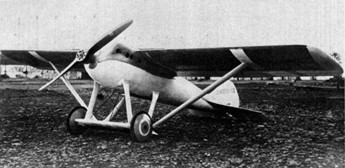
In Sept of 1921, the French Nieuport 31 held the World’s Speed Record of 205 mph.
In Sept of 1921, the French Nieuport 31 held the World’s Speed Record of 205 mph.
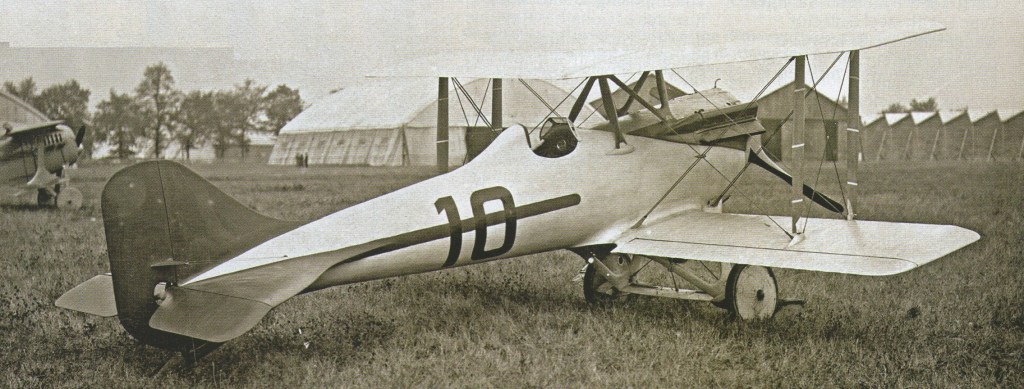
The 1924 Beaumont Cup race was won by Sadi Lecointe on the Nieuport 29, equipped with Hispano’s 450-horsepower V-engine. The Sadi-Lekuanta aircraft covered a distance of 300 kilometers in 57 minutes 50 seconds with an average speed of 312.39 km / h. Thus, a prize of 75,000 francs was awarded by Société Nieuport-Astra.
The Nieuport 29V set two world records in 1929.
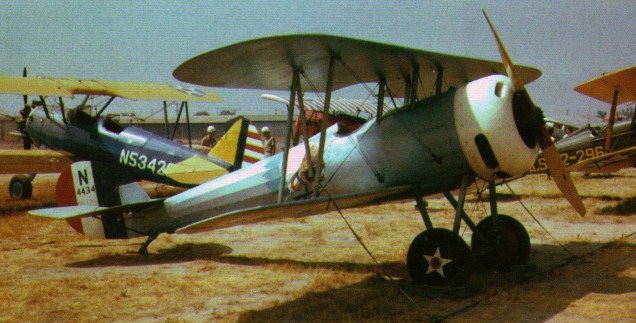
By 1917 the single-spar wing had reached the limit of development so Nieuport designed to two-spar Nieuport 28 around the new 160 hp Gnome engine.
Flying the Nieuport 28C-1 – Frank Tallman
A single bay biplane, the two-spar wooden wings have plywood on the leading edges and fabric covering aft of the front spar. The wooden fuselage has plywood covering as far as the cockpit and fabric on the rear fuselage. Conventional controls were fitted, with ailerons on the lower wings only.
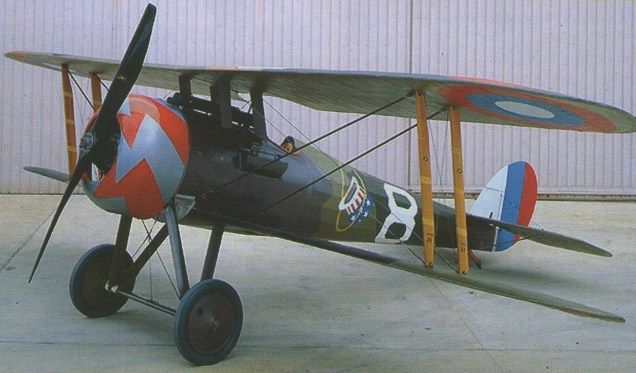
Only a few were used by the French Air Force but the Americans bought 297 to equip their Expeditionary Force.
They did have a habit of shedding fabric from its wings in a dive. Before this was fixed, the Nieuport 28 had been replaced in the US squadrons by Spad 13’s.
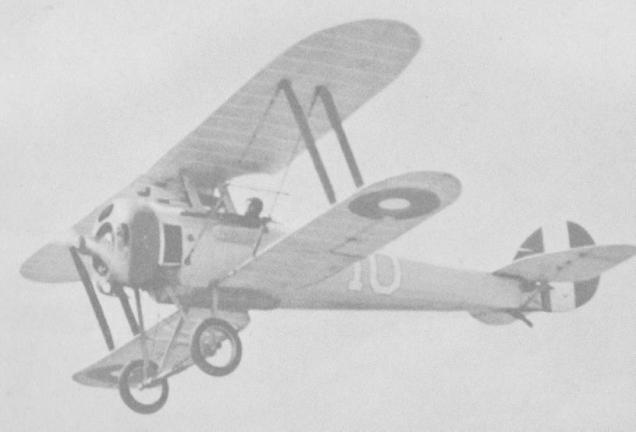
Ultralight replica:
Airdrome Airplanes Nieuport 28
28C
Engine: Gnome, 160 hp or Clerget, 160 hp
Wingspan: 26 ft 9 in
Length: 20 ft 3 in
Height: 7 ft
Max speed: 140 mph at SL
Endurance: 2 hr
Armament: 1 or 2 Vickers mg
Crew: 1
Nieuport N 28 C 1 Bébé
Engine: Gnôme-et-Rhône 9 N Monosoupape, 160 hp
Length: 21 ft 9 in / 6.4 m
Height: 8 ft 1 in / 2.5 m
Wingspan: 26 ft 9 in / 8.16 m
Wing area: 172.224 sqft / 16.0 sq.m
Max take-off weight: 1540 lb
Weight empty: 960 lb / 435.0 kg
Max. weight carried: 507.2 lb / 230.0 kg
Fuel capacity: 33 Imp.Gal
Max. speed: 128 mph / 111 kts / 206 km/h at SL
Initial climb rate: 1181.10 ft/min / 6.00 m/s
Service ceiling: 20,000 ft / 6100 m
Wing load: 8.61 lb/sq.ft / 42.00 kg/sq.m
Range: 130 nm / 240 km
Endurance: 2 h
Crew: 1
Armament: 2 x Vickers mg
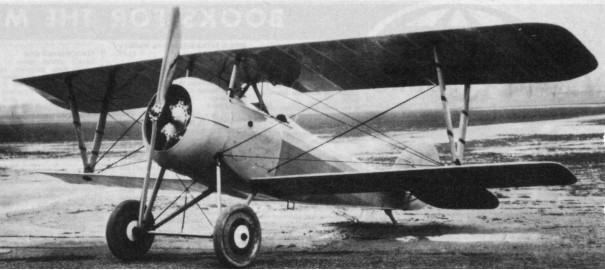
The Nieuport 27 saw comparatively little com¬bat and the AEF appear to have made the greatest use of it. Over 180 are thought to have been purchased, most being used as ‘pursuit trainers’.
The genuine Nieuport 27.Cl had the plain tailskid. The central, vertical, bracing wire to the mid point of the spreader bar where the two half axles were pivoted, and the simplified skid, distinguished the Nie 27 from the Nie 24.
Ultralight replica: Airdrome Airplanes Nieuport 27
Ultralight replica: Airdrome Airplanes Nieuport 25
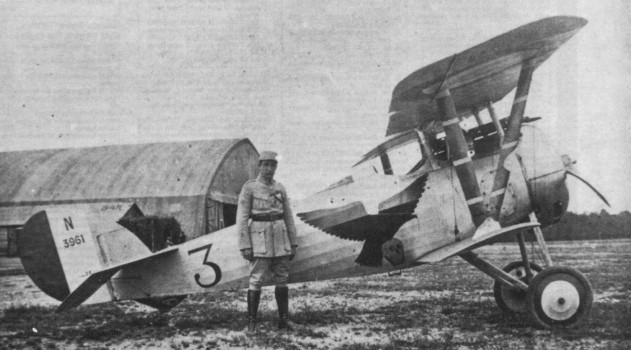
The Nieuport 24bis strongly resembled previous Nieuport designs but was lighter and had more power than the 17. It was aerodynamically cleaner through the use of fuselage side stringers.
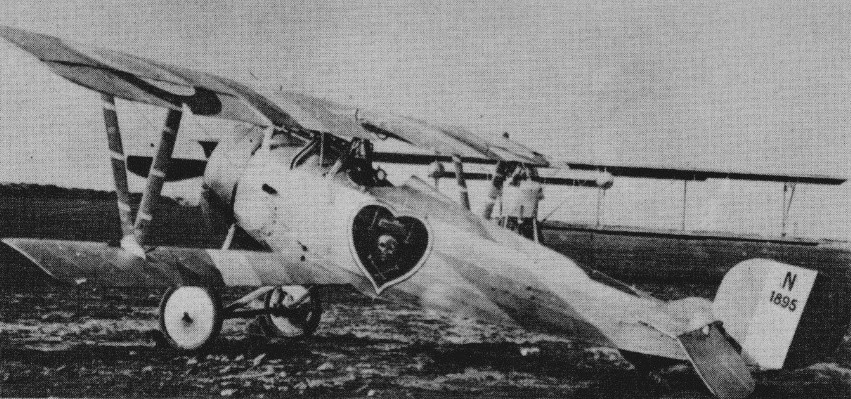
The Nieuport 24 and 27 were fitted with a round tail similar to the later type 28, whereas the type 24bis used the angular type 17 empennage.
As with all “Vee” strut Nieuport designs the 24bis possessed an inherent weakness of the lower wing. The sesquiplane configuration caused the wing to twist during prolonged high speed dives or abnormally violent maneuvers.
Shortly after its inception the 24bis was cancelled out as a first line fighter and many found their way to the rear as advanced trainers.
Replica: Redfern Nieuport 24
Ultralight replica:
Airdrome Airplanes Nieuport 24
Circa Reproductions Nieuport 24
24bis
Engine: Bentley, 130 hp
Weight: 782 lb
Max speed: 116 mph
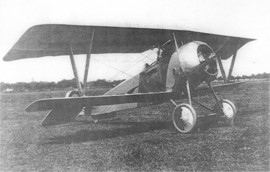
Replica: Nieuport Memorial Flyers Nieuport 23C-1
Ultralight replica: Airdrome Airplanes Nieuport 23

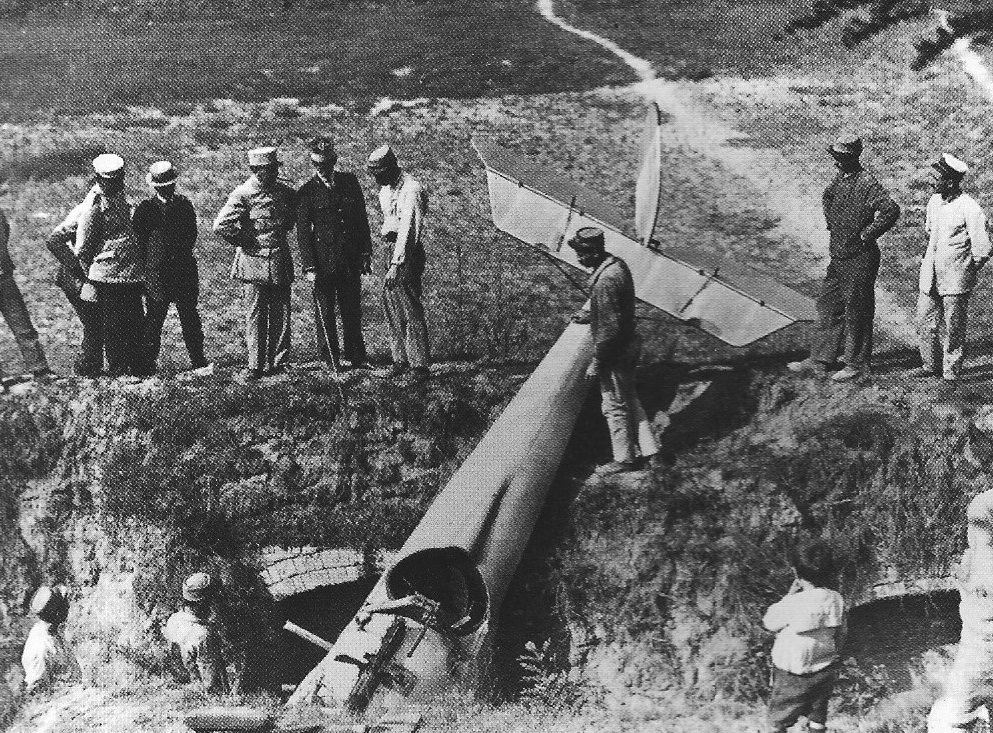
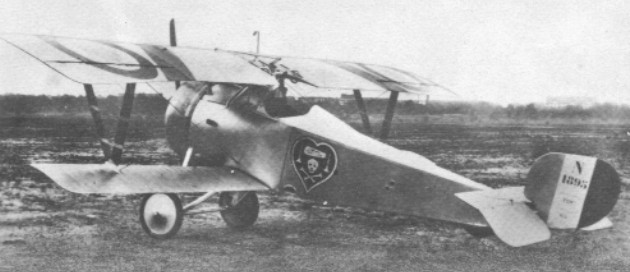
Developed over four months, the improved model 17, stronger than its predecessors, and with a 110 or 120 hp Le Rhone engine, the new model was highly manoeuvrable and had high performance with a particularly good rate of climb. A Lewis gun was mounted on the top wing to fire above the propeller with a sliding mount enabling it to be pulled down by the pilot and aimed upwards, thereby permitting an attack on enemy aircraft in their blind spot, from below.
A single-bay biplane, the wooden wings had two spars in the top wings and only one in the lower wings. Ailerons were in the top wings only. Tail surfaces were steel tube construction and no fixed fin was fitted.
Superseding the Nieuport 11 Bebe, the Nieuport Type 17 single seat fighter entered service in March 1916.
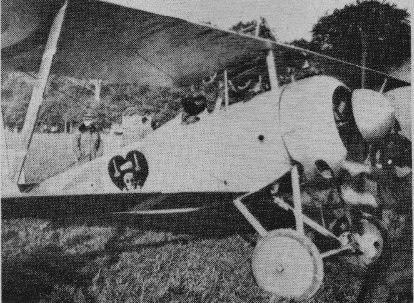
Later in the Nieuport’s service life, when a synchronising gear had been perfected to allow the gun to fire through the propeller, a Vickers machine gun was substituted. A number of French squadrons re equipped with the Type 17, together with Belgan, Italian, Russian and British RFC units, and the type rapidly made a name for itself with aces who included Nungesser, Ball and Bishop.
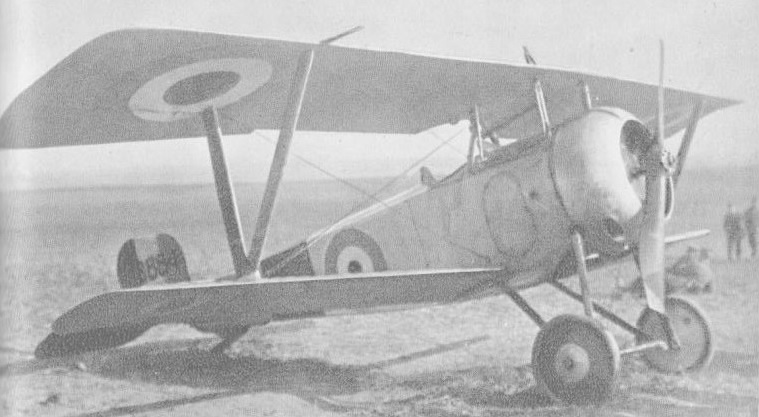
When used for attacks on German observation balloons, four Le Prieur “firework type” rockets were attached to each interplane strut, and were fired electrically.
Capt W A Bishop, 60 Squadron, in Nieuport 17, shot down 3 aircraft in single-handed attack on German aerodrome on 2 June 1917. Awarded the VC.
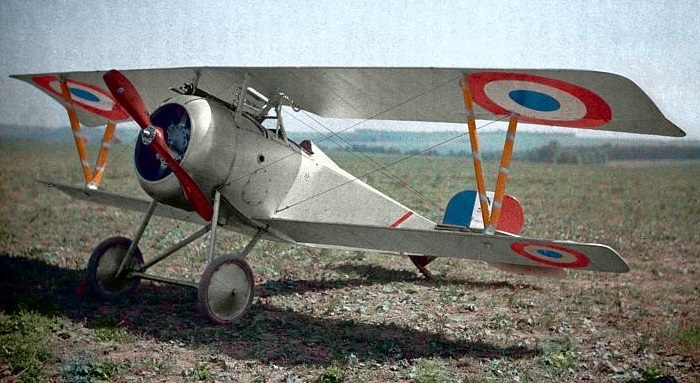
Replica:
Redfern Nieuport 17
Ultralight replica:
Airdrome Airplanes Nieuport 17
Circa Reproductions Nieuport 17
17C
Engine: Le Rhone, 110 hp
Wingspan: 26 ft
Wing area: 158.8 sq.ft
Length: 19 ft
Height: 7 ft
Empty weight: 825 lb
Loaded weight: 1232 lb
Wing loading: 7.7 lb.sq.ft
Max speed: 107 mph at 6500 ft
Service ceiling: 17,400 ft
Time to 10,000ft: 9 min
Endurance: 2 hr
Armament: 1 or 2 Vickers mg
Crew: 1
Nieuport 17
Engine: Le Rhone, 110 hp
Wing span 27.25 ft. (8.3 m)
Length 19.5 ft. (5.9 m)
Height: 8 ft
Weight empty 825 lb (374 kg)
Max wt: 560 kg (1,235 lb)
Max speed 107 mph (172 kph)
Ceiling 17,400 ft (5,300 m) fully loaded
Time to 3280 ft: 3 min
Range: 155 sm (250 km)
Endurance: 2 hr
Seats 1
Armament One machine gun, and eight Le Prieur rockets
Nieuport 17
Engine: Clerget, 130 hp
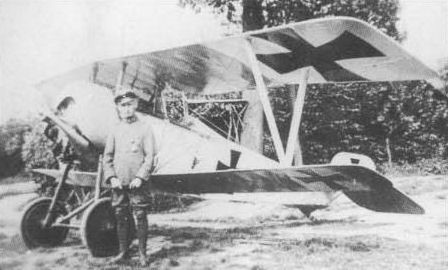
Ultralight replica:
Airdrome Airplanes Nieuport 16
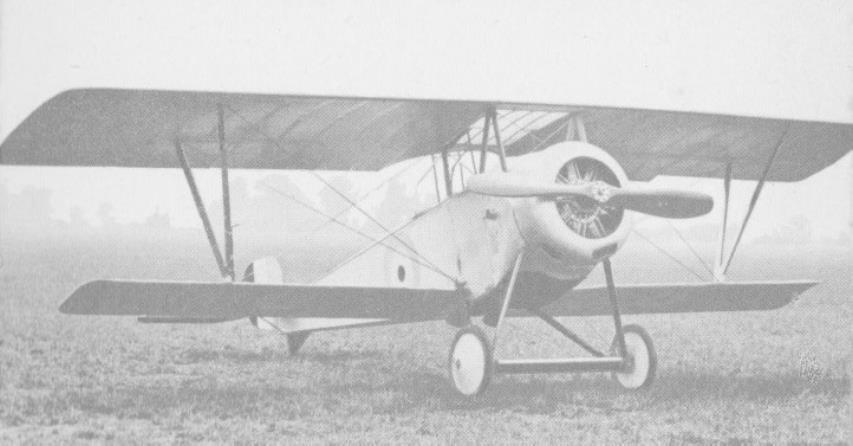
Designed by Gustave Delage, the Nieuport 12 was larger and more powerful the preceding Nieuport 10. A single bay biplane, the wooden wings have two spars in the top wing and only one in the lower wing. Ailerons are on the top wing only. The wooden fuselage and entire airframe are fabric covered. Tail surfaces are steel tube construction and there is no fixed fin.
Engine were either 110 hp or 130 hp Clerget rotary with a two blade propeller.
They were equipped with one Lewis machine gun in the ear cockpit. Some aircraft had a Lewis gun above the wing centre-section or, later, a Vickers gun above the front fuselage.
In addition to machines bought from France, 50 Nieuport 12’s were built in England for the RNAS and FC by the Beardmore company and could be recognised by their completely circular engine cowlings instead of the normal horseshoe type.
Ultralight replica:
Circa Reproductions Nieuport 12
Engine: 110 hp Clerget
Wingspan: 29 ft 7.5 in
Wing area: 236.5 sq.ft
Length: 23 ft 11.255 in
Height: 8 ft 11 in
Empty weight: 1155 lb
MTOW: 1815 lb
Max speed: 98 mpg at SL
Service ceiling: 13.000 ft
Endurance: 3 hr
Engine: 130 hp Clerget
Wingspan: 29 ft 7.5 in
Wing area: 236.5 sq.ft
Length: 23 ft 11.255 in
Height: 8 ft 11 in

