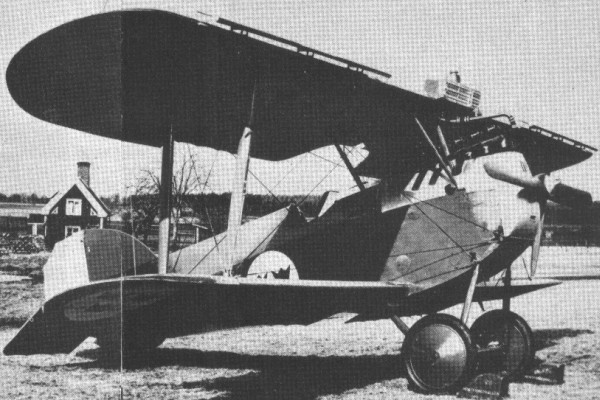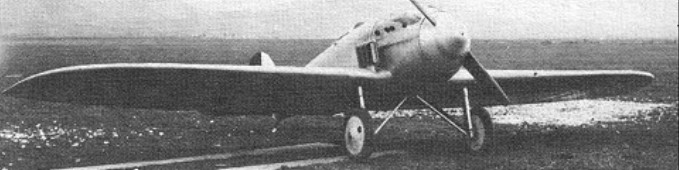
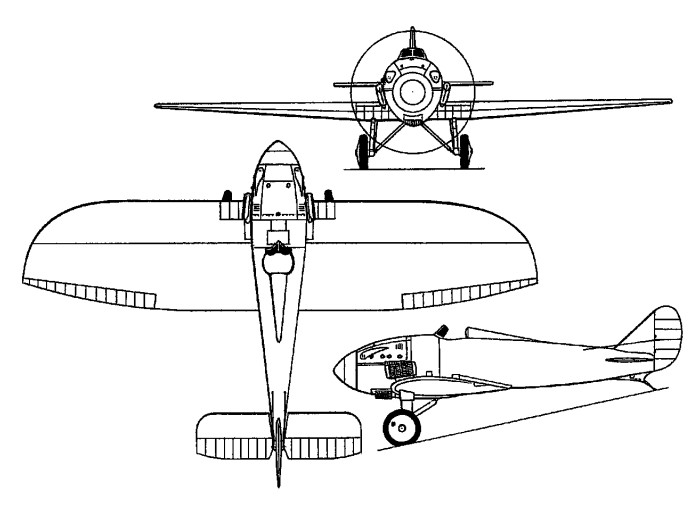
Piaggio P.2

The Piaggio P.2 was the first original design for the company by Giovanni Pegna. Constructed at the Sestri Ponente (Genoa) works in 1923, it was a cantilever low-wing monoplane single-seat fighter with a semi-mono-coque fuselage and fixed, divided landing gear. Twin radiators for the 224kW Hispano-Suiza engine were mounted on the fuselage sides just forward of the pilot’s open cockpit, and armament comprised twin synchronised Vickers 7.62mm machine-guns.

Engine: 224kW Hispano-Suiza
Wingspan: 10.5 m / 34 ft 5 in
Armament: 2 x Vickers 7.62mm machine-guns
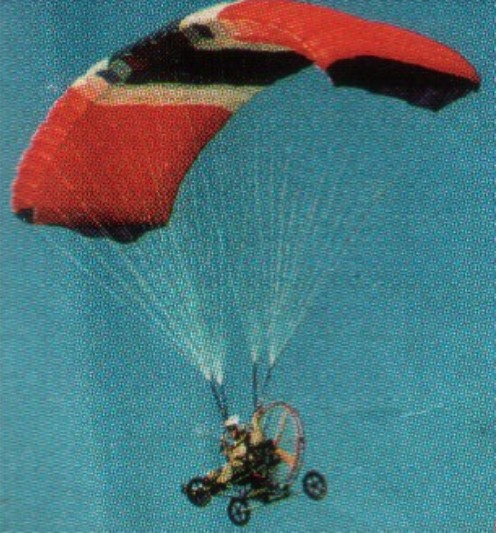
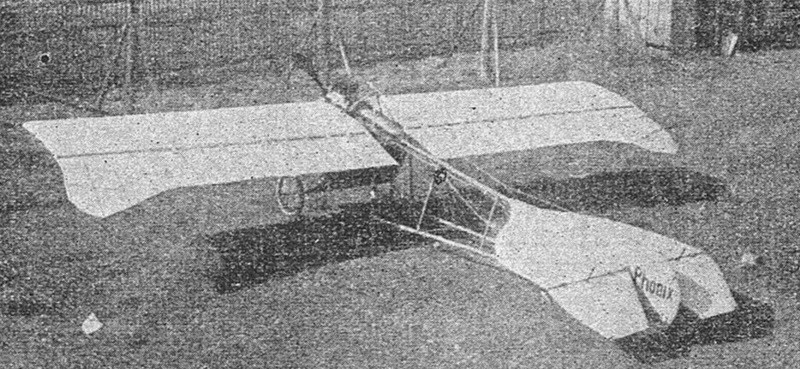
Phoenix Industries Model CV

Manufactured in the US, kit prices (US$7590) includes the engine and prop. The wing was available in two sizes, and nose wheel steerable.

Engine: Zenoah G25, 22 hp
Height: 5 ft
Length: 6 ft
Wing span: 30 ft
Wing area: 315 sq.ft
Empty weight: 120 lb
Gross weight: 360 lb
Fuel capacity: 2.5 USG
Cruise: 20 mph
Range: 30 sm
Rate of climb: 350 fpm
Takeoff dist: 150 ft
Landing dist: 0-10 ft
Service ceiling: 5000 ft
Seats: 1

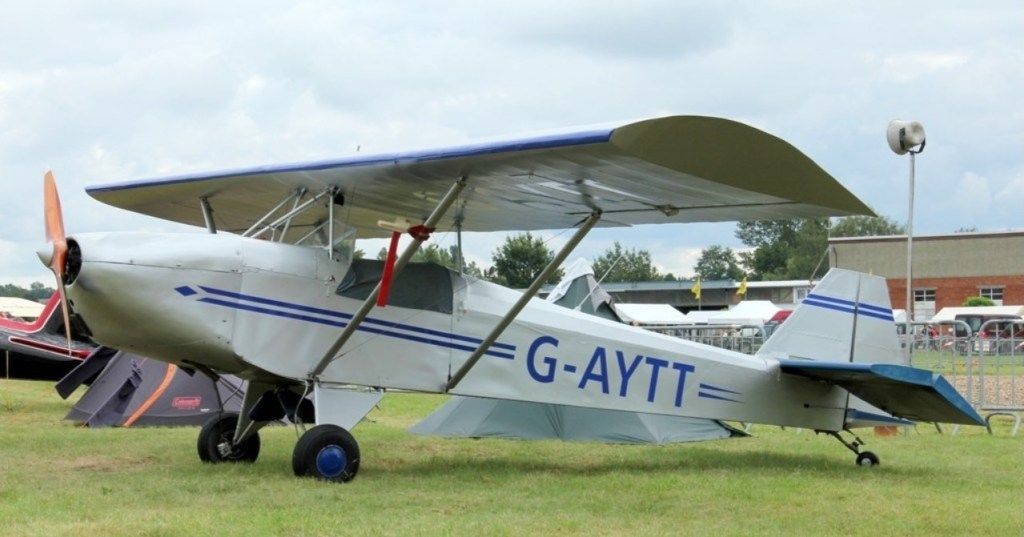
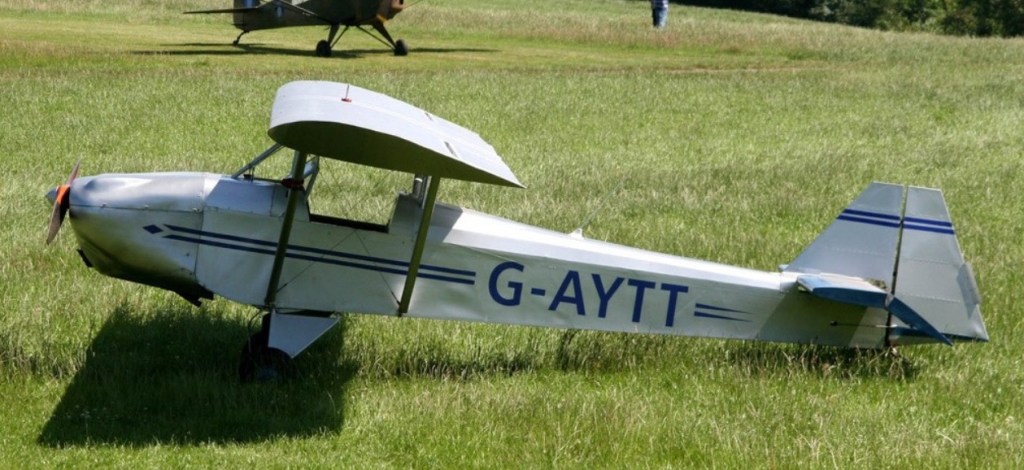
Phoenix Aircraft PM-3 Duet / Luton Minor III

The PM-3 Duet is basically an enlarged Minor airframe. The Minor fuselage is fattened to take two people side-by-side and restressed to take a larger engine. Some modification to the wing and tail surfaces is also involved.

The design was originally designated Luton Minor III but was re-designated the Phoenix PM-3 Duet.

The prototype, G-AYTT PFA.841 was built by A.S. Knowles, who was involved in the type’s development. It first flew, at Fairoaks, on 22 June 1973 with a Continental C90 engine in a Condor cowling.

Gallery

Engine: Continental C90, 90 hp
Cruise: 100 mph
Stall: 35-40 mph

Phoenix Air Phoenix Motorglider

Phoenix Air’s honcho Jim Lee counts 14 more aircraft on his backordered list—a major LSA success story. The 49-foot span, Rotax 912ULS-powered low-wing taildragger won Sun ‘n Fun’s Best Commercial LSA award in 2012 and received three more sales. Base price 2012: $149,000.
Phoenix Air was rolling out a new Phoenix S-LSA motorglider every 18 days. They registered 10 aircraft in the US in 2012.

Under development in 2012 was the all-electric ePhoenix, using an in-house built motor and electronic flight controller. So far, flights have yielded one-hour durations, this is a two-seat LSA.

Phönix D.II

J.I

The D.I and D.II were flown during First World War by the Austro-Hungarian Flying Service, a few being fitted with cameras for high-speed aerial photo-reconnaissance work. Seventeen of the final batch of 122 Phonix D.IIs were completed as improved variants and transferred to the Swedish Army Air Service after the war.

Sweden built 15 of the WW1 Phoenix D2 and designated the type J-1.

Phönix C 1

No. 121.50

Powered by a Hiero IV engine and designed by Ing. Hieronymus some were made at Skoda Mlada Boleslav Company in Bohemia.

The aircraft used by the Austrian Air Force for recce duties.

Phoenix C 1
Engine: Hiero, IV 230 hp
Span: 11 m
Length: 7.5 m
Empty weight: 820 kg
Loaded weight: 1240 kg
Maximum speed: 176 km.p.h
Service ceiling: 6 000 m
Endurance: 3 hr
Armament: one synchronized machine gun plus one flanking the cockpit
Seats: Two