Short S.B.6 Seamew

The Seamew was conceived as a cheap, rugged anti-submarine aircraft able to operate from small carriers used by the UK and some other allied nations. To this end it was built with a fixed landing gear and a strong structure. The fixed undercarriage legs could be jettisoned in the event of a ditching at sea. The need to house a large search radar under the belly led to the adoption of a tailwheel undercarriage layout. Despite this, the prototype was badly damaged on its first landing, although it was repaired in time for the Farnborough Air Show.

The Mamba powered anti submarine Short Seamew with 1,590 s.h.p. underwent intensive development with two prototypes. The higher lift characteristics at slow speeds for operation from escort type carriers have been improved by the installation of fixed slats at the mid span of each wing, while the slat under the inner tailplane leading edge was replaced by a vented fillet. The Seamew can power fold its wings and extended them.
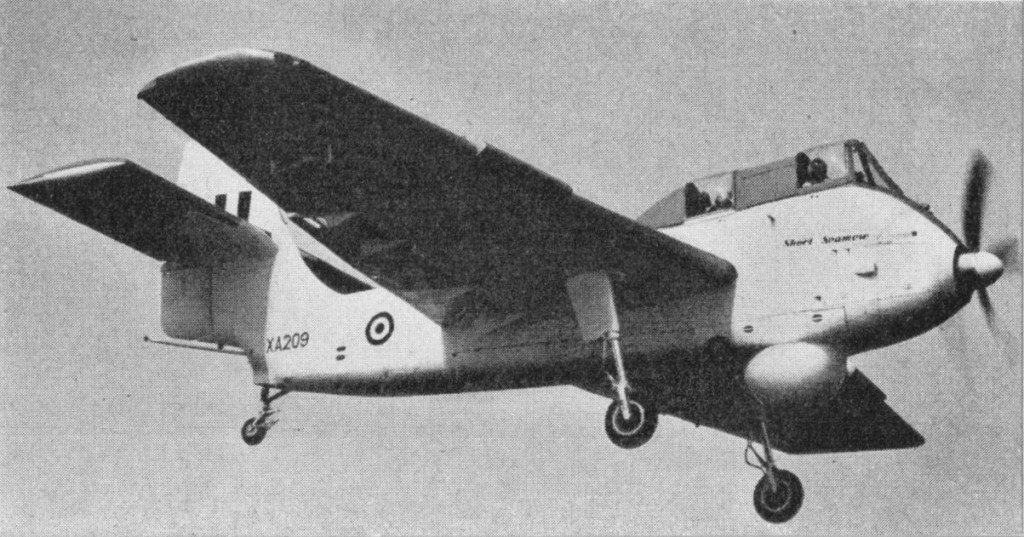
In handling terms the Seamew was described as having some ‘vicious tendencies’. It was capable of aerobatics, but the chief test pilot seemed to be the only one able to wring the full manoeuvrability out of the Seamew – until he stalled the prototype Mk.2 during a display and was killed.

Production began for RAF Coastal Command and the Royal Navy, but the RAF order was cancelled in 1956 and the Navy’s was a victim of the defence cuts of the following year. The Mk 2 was a version for Coastal Command with larger wheels and manual wing folding. It was cancelled after rwo were completed.

Short SB-6 Seamew AS1

S.B.6 Seamew
Engine: 1 x 1780hp Armstrong Siddeley Mamba turboprop
Max take-off weight: 6804 kg / 15000 lb
Wingspan: 16.75 m / 55 ft 11 in
Length: 12.50 m / 41 ft 0 in
Max. speed: 378 km/h / 235 mph
Crew: 2

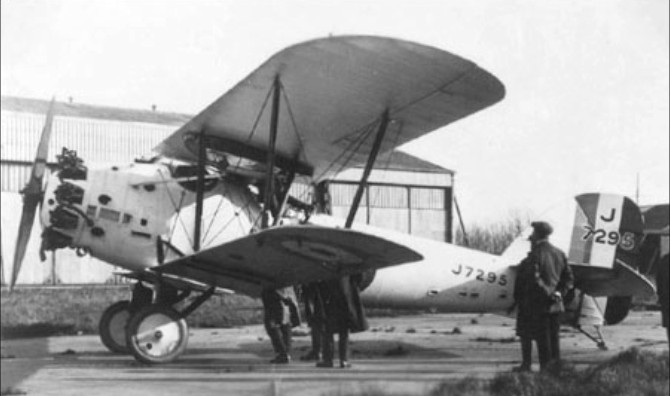
Short S.10 Gurnard

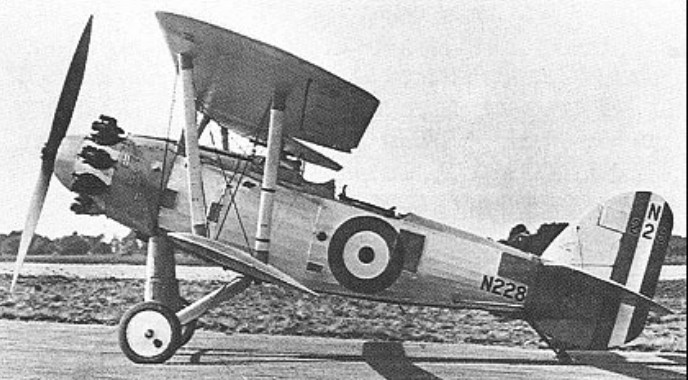
A contender to Specification 0.22/26 calling for a high-speed shipboard reconnaissance-fighter capable of being flown with either wheel or float undercarriage and suitable for catapult operation from cruisers and larger warships, the S.10 Gurnard was awarded a two-prototype contract.

One of the prototypes, the Gurnard I, was to be powered by a 525hp Bristol Jupiter X nine-cylinder air-cooled radial engine, and the other, the Gurnard II, was to have a 525hp Rolls-Royce Kestrel IIS water-cooled 12-cylinder Vee-type engine. A single-bay biplane of metal construction with fabric skinning, the Gurnard had an armament of one fixed forward-firing 7.7mm machine gun and a similar-calibre weapon on a Scarff ring for the second crew member.

The Gurnard II was the first to fly, on 16 April 1929, as a floatplane, the Gurnard I following in landplane form three weeks later, on 8 May.

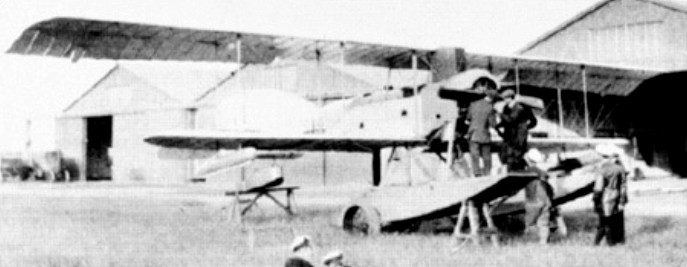
Gurnard II

Both prototypes were tested at the A&AEE, but the Hawker Osprey was selected in preference and no production of the Gurnard was ordered. The Gurnard II was flown – commencing on 15 June 1931 – as an amphibian with a single main float.

Gurnard II
Wingspan: 11.27 m / 37 ft 0 in
Length: 9.60 m / 32 ft 6 in
Wing area: 39.85 sq.m / 428.94 sq ft
Max take-off weight: 2360 kg / 5203 lb
Empty weight: 1662 kg / 3664 lb
Max. speed: 213 km/h / 132 mph at 10,000 ft
Ladng speed: 54 mph / 87 kph
Endurance full pwr: 30min at SL / + 3 hr at 10,000 ft

Short S.10 Gurnard

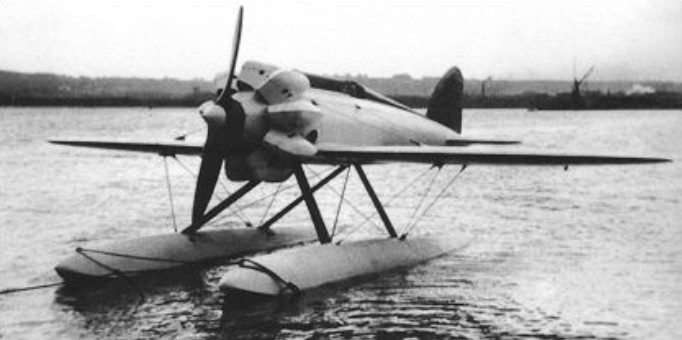
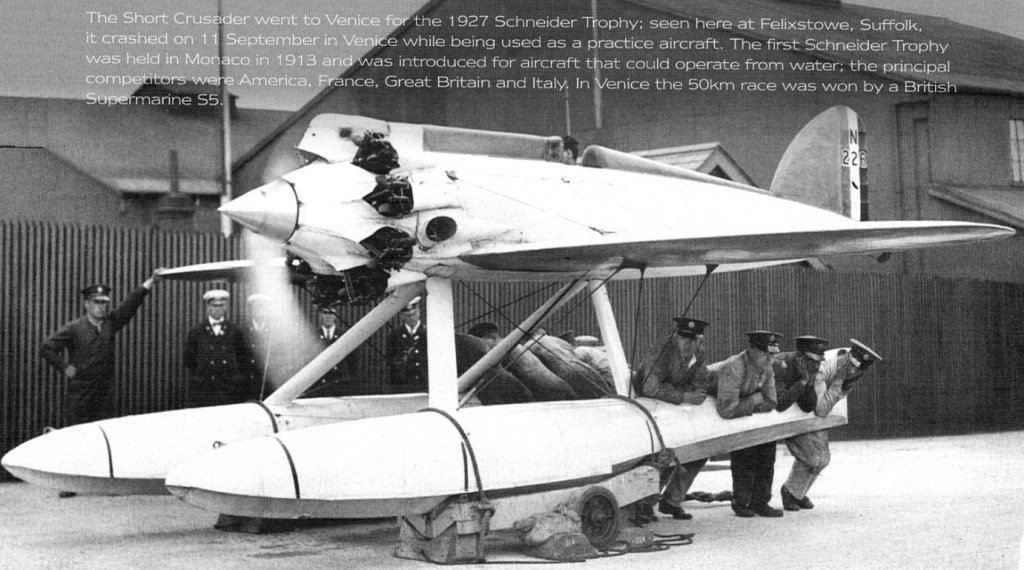
Short-Bristow Crusader

Public pressure resulted in the British government’s return to funding Schneider trophy entries from the public purse, and the 1927 entries were sponsored around two different engine types. The Bristol Mercury engine design was placed under the guidance of Colonel W.A. Bristow, who subsequently subcontracted airframe detail design of this low-wing, wooden racing floatplane to Short. The Crusader was not as fast as its Supermarine S.5 counterparts that won the race in Italy, but it travelled to the event as a back-up aircraft. Unfortunately, it was written off in an accident. Although not a landmark aircraft, the Crusader was important in developing the Mercury engine, a key component of 1930s British flying boats.

Engine: 1 x 810hp Bristol Mercury 9-cylinder air-cooled radial
Wingspan: 8.07 m / 27 ft 6 in
Length: 7.62 m / 25 ft 0 in
Max take-off weight: 1227 kg / 2705 lb
Max. speed: 435 km/h / 270 mph
Crew: 1
Passengers: 1

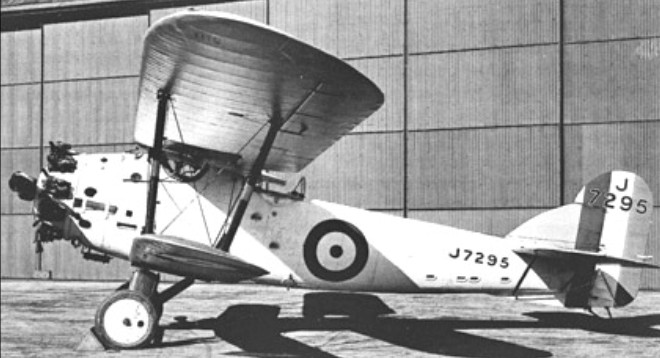
Short S.3b Chamois

One prototype flown in 1927. No production.

Engine: 1 x 425hp Bristol Jupiter 9-cylinder air-cooled radial
Wingspan: 13.74 m / 45 ft 1 in
Length: 9.17 m / 30 ft 1 in
Wing area: 40.88 sq.m / 440.03 sq ft
Max take-off weight: 1911 kg / 4213 lb
Empty weight: 1235 kg / 2723 lb
Max. speed: 187 km/h / 116 mph
Ceiling: 4450 m / 14600 ft
Armament: 1 x Lewis gun, 2 x 50kg bombs
Crew: 2

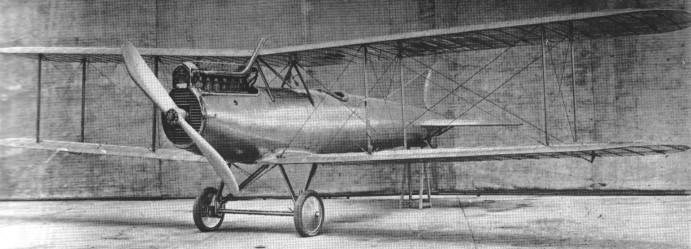
Short Silver Streak

Designers began metal construction although Britain tended to redesign biplanes of the wood era in metal. An exception was Oswald Short’s Silver Streak of 1920. An all-metal ‘monocoque’ structure with a duralumin stressed skin fuselage and wings, but this method was not generally adopted until the 1930s.

Engine: One 240 hp Siddeley Puma
Length 26.4 ft (8.04 m)
Wing span 37.5 ft (11.43 m)
Weight empty 1,865 lb (846 kg)
Cruise speed: 90 mph (145 kph)
Range: 450 miles (725 km)
Seats: 1

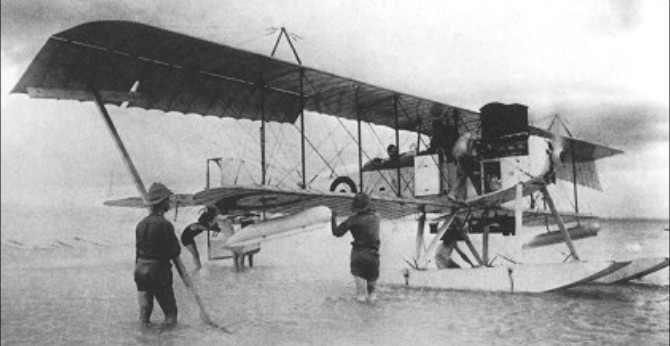
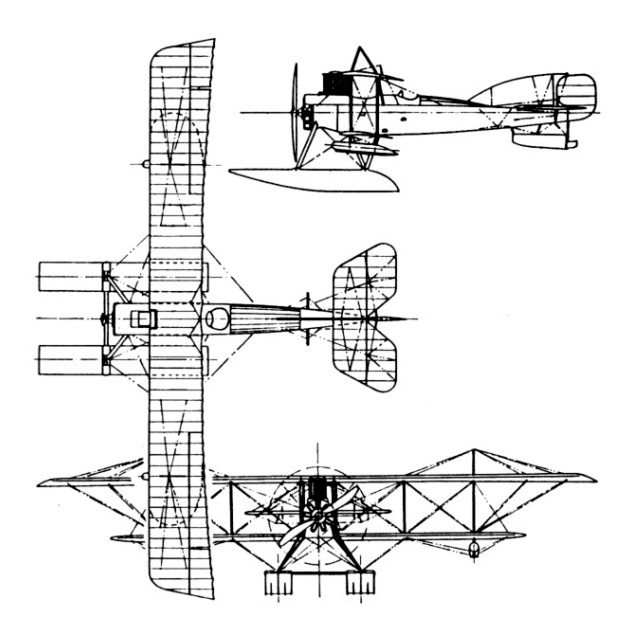
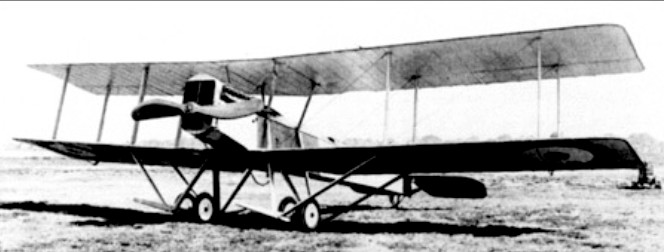
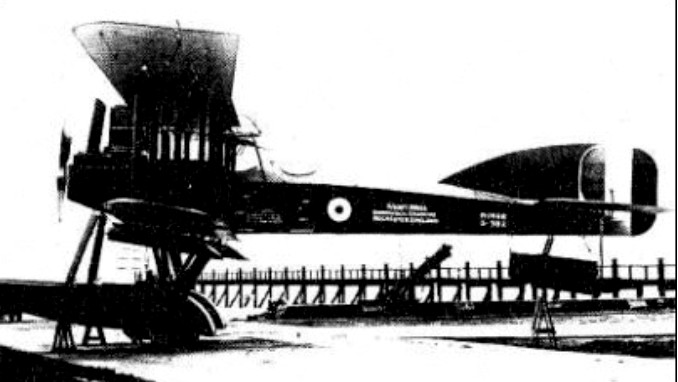
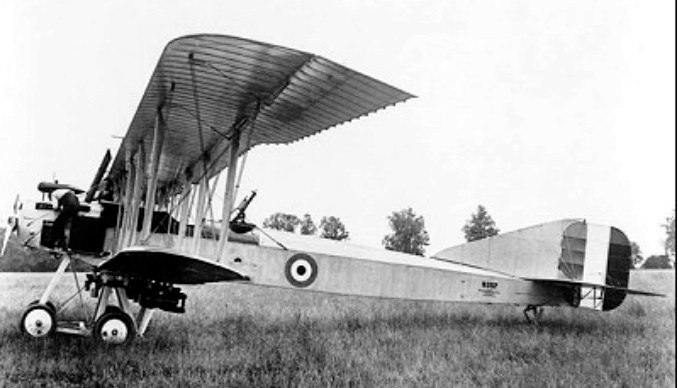
Short Bomber

Basically a 1915 landplane version of the Short 184 powered normally by a 186kW Rolls-Royce Eagle III engine and featuring a four-wheel main landing gear.

Eighty-two production aircraft were built for the RNAS out of 110 ordered, some of which were later transferred to the RFC and one was presented to the French government.

Engine: 1 x 225hp Sunbeam or 1 x 250hp Rolls-Royce (Eagle)
Max take-off weight: 3087 kg / 6806 lb
Empty weight: 2270 kg / 5005 lb
Wingspan: 85 ft 0 in
Length: 13.72 m / 45 ft 0 in
Height: 4.57 m / 15 ft 0 in
Wing area: 80.83 sq.m / 870.05 sq ft
Max. speed: 124 km/h / 77 mph
Ceiling: 3231 m / 10600 ft
Armament: 1 x 7.7mm machine-gun, 6 x 30kg bombs