Uetz Flugzeugbau developed an improved version of the French Jodel D119 two-seat lightplane known as the Uetz U2V, first flown 1962. Series production began in 1964.
1 engine
Udet U.12 Flamingo

Udet left the company in 1925, after agreeing to production of a light training biplane, the Udet U-12 Flamingo, designed by Hans Herrmann, destined to become the company’s best-known aircraft.
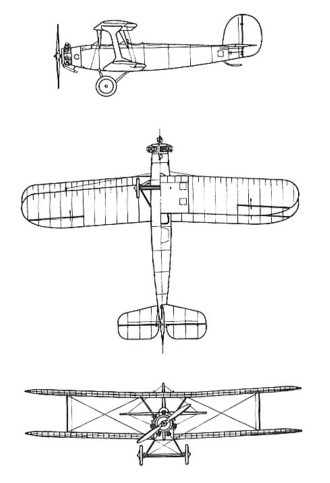
A two-seat open-cockpit biplane of wooden construction the U 12 was a conventional, single-bay biplane of wooden construction with the wings braced by large I-struts. The pilot and instructor or passenger sat in tandem.
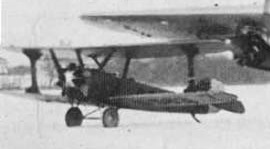
First flown on April 7, 1925, it was demonstrated throughout the world by Udet. The U 12 proved extremely popular and sold well, due in no small part to Ernst Udet’s spectacular aerobatics routines while flying the aircraft. One particularly acclaimed part of his act included swooping down towards the airfield and picking up a handkerchief with the tip of one wing.
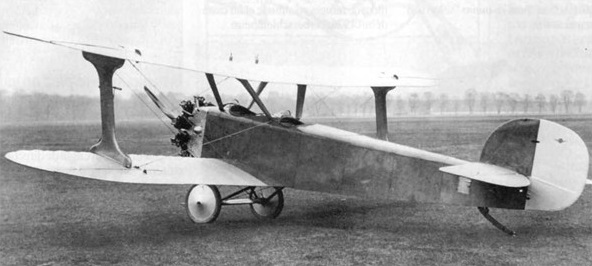
The popularity of this aircraft was insufficient to rescue Udet Flugzeugbau from its dire financial position and the company went out of business in 1925, but when the company’s assets were taken over by the state of Bavaria to form BFW in 1926, production of the U 12 soon resumed in earnest, as well as in Austria, Hungary and Latvia. BFW-built U 12s were exported to Austria, Hungary and Latvia, and later built under licence in these countries as well.

It served in many roles, notably as a trainer with the German civil flying clubs and at clandestine Luftwaffe pilot training centres. Other operators were the Austrian Air Force (1927–1938), Hungarian Air Force, and Latvian Air Force.
In the summer of 1928 two German pilots from the Bayerische Flugzeugwerke demonstrated the U-12 Flamingo in Latvia. Originally the Latvian military was considering building Avro trainers, but the license fees being demanded were excessive and this idea was dropped. Building a locally designed trainer at A.S.Christine Backman seemed to be the next best solution, until the Udet Flamingo was seen on the demonstration flights, when it immediately became the trainer of choice, equipped with dual controls with the instructor sitting in the front and the student behind.
One aircraft was purchased by Latvia and then in the summer of 1929, A.S.Christine Backman obtains a contract to build 10 U-12bs and a complete set of plans is provided by BFW. While Latvian manufacturers had no difficulty with the wooden parts (Latvian pine and birch plywood were quite suitable) they initially had to buy some of the Duralumin parts from BFW. However, the aircraft completed by the Aviation Regiment Workshops had the parts produced locally. The Hugo Heine propellers, instruments and wheels were ordered directly from their German manufacturers. In the autumn of 1929 A.S.Christine Backman begins construction of the U-12 Flamingos at their new facility in Bisumuiza, a suburb of Riga.
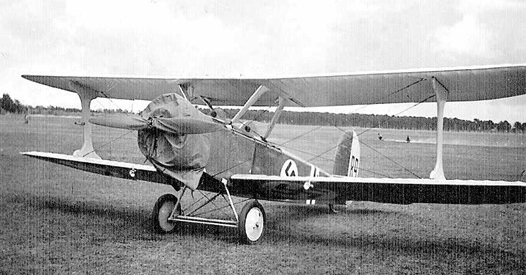
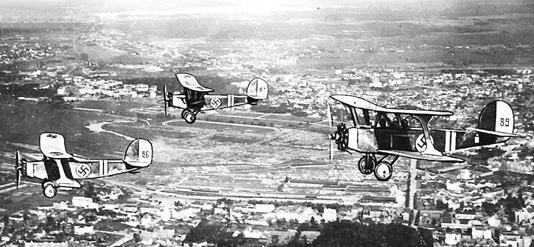
By the summer of 1930 the Flamingo aircraft are completed and delivered to the Military Aviation School. The Flamingo aircraft were flown for the first time by the Military on July 25, 1930. The pilots were the recent graduates of flight school – Jenkevics, Ozolins, Grave, Sapratnieks, Sleiters and Krastins. Some of the Latvian Flamingos were clear varnished, carrying a black number on their silver rudder, while others were dark green overall with a white outlined black number on the rudder.

In 1936 two of the Flamingos are modified to accept a full blind-flying panel and fitted with a hood over the rear cockpit to make them suitable for instrument flight training and, in an effort to standardize aircraft types by code, the Flamingos as designated as type A-1.

As the plane was used for the training of young pilots in the training squadron (LR Air Force training aircraft had a special sign – two white stripes around the fuselage), there were many accidents. only one accident, 4 November 1935, led to death, when U-12b #95 collided with AA Bristol Buldog and broke apart killing Alexander Hvastkov, Lieutenant Janis Janis and Sergeant Putniņš Ravinsh.
In the late 30’s three were passed to flying clubs with Latvian designations YL-SBX, ABV, ABY. The last of the Flamingos were still flying in the spring of 1940, where they were being utilized as Aeroclub trainers and were training the 5th graduating class at Kalnciems (they had been gifts from the Aviation Division). After the Soviet occupation, all (or most) of the Flamingos were destroyed when the building in which they were stored caught fire and burned to the ground.
Gallery
Latvian built U-12 accidents –
76
August 4, 1930 – crashed (pilot: vltn. Lakstigala)
April 30, 1931 – crashed (pilot: Goldbergs)
June 16, 1931 – crashed (pilot: ltn. Peculis)
77
Experimentally fitted with the Czech Walter Mars 145-hp radial engine, but it was later replaced with the standard SH12.
August 12, 1930 – crashed (flight instructor vltn.Trejs with student, Salmins)
86
Sept. 15, 1930 – crashed (pilot: Nikolajs Balodis)
87
June 2, 1931 – crashed (pilot: Greizis)
August 31, 1931 – crashed (pilot: Bungss)
89
May 31, 1931 – flown by J.Indans in the Aviation Festival at Riga/Spilve.
Dec. 29, 1931 – crashed (pilot: plkv. J.Indans, passenger vltn. Greizis)
95
1935 – the Aviation Division workshops builds an additional Flamingo, assigned the number 95.
July 1, 1935 – #95 is test flown and approved by capt. A.Dzenitis.
November 4, 1935 – midair collision with Bristol Bulldog #81. Three fatalities. This was the only fatality associated with the Flamingo.

No original aircraft are known to exist. An airworthy replica was kept at the Deutsches Museum, Munich, Germany, but crashed at the 2013 Tannkosh event. This example has a Sh 14 engine, a later, more powerful version of the Siemens-Halske engines fitted to original U 12s.
Production:
Udet Flugzeugbau, Ramersdorf – 35 +
Bayerische Flugzeugwerke AG – 150
Fliegerwerft Thalerhof – 20
Central Repair Workshops, Hungary – 40
Manfred Weiss, Hungary – 40
AS. Chr. Backman, Latvia – 10 (includes #s 76, 77, 86, 87, 89)
Aviation Regiment Workshop, Latvia – 2 (#s 95 and 96)
Variants:
Germany
U 12a: main production version with Siemens-Halske Sh 11 engine
U 12W: float-equipped U 12a (Wasser—”water”) with Sh 12 engine
U 12b: version strengthened for aerobatics and with improved wing profile
U 12c: advanced trainer with reduced wing area
U 12d: U 12b with Siemens-Halske Sh 12 engine
U 12e: U 12c with Siemens-Halske Sh 12 engine
Austria
20 aircraft produced by Fliegerwerft Thalerhof
U 12H: standard U 12a (Holz—”wood”)
U 12S: U 12a with redesigned fuselage of fabric-covered steel tube construction (Stahl—”steel”).
U 12Ö: alternative designation for U 12S (Österreich—”Austria”)
Hungary
Forty aircraft produced by KRG and another 40 by Manfred Weiss Works. Some examples armed and used for fighter or bomber training
Hungária I: similar to U 12a with N-type interplane struts
Hungária II: similar to U 12a with N-type interplane struts
Hungária III: similar to U 12a with N-type interplane struts, propeller spinner and Townend ring
Hungária IV: similar to U 12a. Only Hungarian-built version with I-type interplane struts
Hungária V: similar to U 12a with N-type interplane struts
Specifications:
Udet U-12 Flamingo
Engine: Siemens Halske Sh 11
Propeller: 2.36 m
Wingspan: 9.96 m
Wingarea: 23.97 sq.m
Length: 7.47 m
Height: 2.80
Ailerons area: 2.48 sq.m
Tailplane area: 1.80 sq.m
Elevator area: 1.50 sq.m
Fin area: 0.70 sq.m
Rudder area: 1.00 sq.m
Main track: 1.60 m
Mainplane dihedral: 3°
Mainplane sweepback: 3º
Empty weight: 525 kg
Flying weight: 800 kg
Fuel capacity: 96 lt
Wingload: 33.5 kg/sq.m
Max speed: 140 km/h
Cruising speed: 115 km/h
Landing speed: 75 km/h
Climb rate: 102 m/min
Climb to 1000 m: 7 min. 15 sec
Climb to 3000 m: 9 min
Service ceiling: 3350 m
Udet U-12 Flamingo
Engine: Siemens Halske Sh 5
Wingspan: 9.96 m
Wingarea: 23.97 sq.m
Length: 7.47 m
Height: 2.80
Ailerons area: 2.48 sq.m
Tailplane area: 1.80 sq.m
Elevator area: 1.50 sq.m
Fin area: 0.70 sq.m
Rudder area: 1.00 sq.m
Main track: 1.60 m
Mainplane dihedral: 3°
Mainplane sweepback: 3º
Empty weight: 500 kg
Flying weight: 775 kg
Fuel capacity: 96 lt
Max speed: 134 km/h
Cruising speed: 110 km/h
Landing speed: 75 km/h
Service ceiling: 3000 m
Range: 450 km
Udet U-12 Flamingo
Engine: Siemens Halske Sh 12
Wingspan: 9.96 m
Wingarea: 23.97 sq.m
Length: 7.47 m
Height: 2.80
Ailerons area: 2.48 sq.m
Tailplane area: 1.80 sq.m
Elevator area: 1.50 sq.m
Fin area: 0.70 sq.m
Rudder area: 1.00 sq.m
Main track: 1.60 m
Mainplane dihedral: 3°
Mainplane sweepback: 3º
Empty weight: 550 kg
Flying weight: 800 kg
Fuel capacity: 96 lt
Max speed: 145 km/h
Cruising speed: 115 km/h
Landing speed: 75 km/h
Time to 1000 m: 5 min. 57 sec
Service ceiling: 3800 m
Range: 450 km
Udet U 12 a Flamingo
Engine: Siemens Halske Sh 11, 80 hp 60 kW
Length: 24 ft 6 in / 7.4 m
Height: 9 ft 2 in / 2.8 m
Wingspan: 32 ft 8 in / 10.0 m
Wing area: 258.3 sq.ft / 24.0 sq.m
Max take-off weight: 1764.0 lb / 800.0 kg
Weight empty: 1157 lb / 525.0 kg
Max. payload: 176.4 lb / 80.0 kg
Max. speed: 76 kts / 140 km/h / 87 mph
Landing speed: 40 kts / 75 km/h
Cruising speed: 62 kts / 115 km/h
Initial climb rate: 450 ft/min / 2.3 m/s
Service ceiling: 12,100 ft / 3700 m
Wing load: 6.77 lb/sq.ft / 33.0 kg/sq.m
Range: 243 nm / 450 km / 280 mi
Fuel capacity: 12 gal / 45 lt
Crew: 2
Hungária I
Engine: WM built Sh 12
Span: 10.0 m
Length: 7.4 m
Wing area: 25.0 sq.m
Wing loading: 33.7 kg/sq.m
Empty weight: 590 kg
Loaded weight: 840 kg
Max. speed: 150 km/h
Wing strut formation: N
Armament: 2 x 8 mm Type 26/31 M Gebauer GKM machine guns or 10 – 20 kg bombs
Hungária II
Engine: WM built Sh 12
Span: 10.3 m
Length: 6.9 m
Wing area: 26.0 sq.m
Wing loading: 30.0 kg/sq.m
Empty weight: 547 kg
Loaded weight: 797 kg
Max. speed: 140 km/h
Wing strut formation: N
Armament: 2 x 8 mm Type 26/31 M Gebauer GKM machine guns or 10 – 20 kg bombs
Hungária III
Engine: WM built Sh 12
Span: 10.5 m
Length: 7.7 m
Wing area: 25.0 sq.m
Wing loading: 35.0 kg/sq.m
Empty weight: 595 kg
Loaded weight: 845 kg
Max. speed: 165 km/h
Wing strut formation: N
Armament: 2 x 8 mm Type 26/31 M Gebauer GKM machine guns or 10 – 20 kg bombs
Equipment: prop.spinner, Townend-ring and modified landing-gear
Hungária IV
Engine: WM built Sh 12
Span: 10.3 m
Length: 6.9 m
Wing area: 26.0 sq.m
Wing loading: 32.0 kg/sq.m
Empty weight: 582 kg
Loaded weight: 817 kg
Max. speed: 150 km/h
Wing strut formation: I
Armament: 2 x 8 mm Type 26/31 M Gebauer GKM machine guns or 10 – 20 kg bombs
Hungária V
Engine: WM built Sh 12
Span: 10.3 m
Length: 6.9 m
Wing area: 26.0 sq.m
Wing loading: 38.0 kg/sq.m
Empty weight: 587 kg
Loaded weight: 897 kg
Max. speed: 140 km/h
Wing strut formation: N
Armament: 2 x 8 mm Type 26/31 M Gebauer GKM machine guns or 10 – 20 kg bombs
Kristina Bakmane / Arsenals Air Force workshops U-12
Engine: Siemens Sh12, 110 hp
Wing Span: 10 m
Length: 7.4 m
Height: 2.8 m
Max Speed: 145 km/hr
Range: 450 km
Maximum Ceiling: 3800 m
Known Serial Numbers: 76, 77, 86, 87, 89, 95, 96.
#77) experimentally re-engined with 145hp Walter Mars
YL-ABX, YL-ABW and YL-ABY flown by Latvian Aeroclub flight school.

Udet U.10


Engine: Siemens & Halske SH 4
Seats: 2
Udet U-8 Limousine
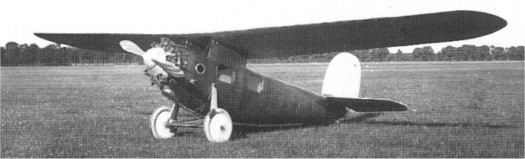
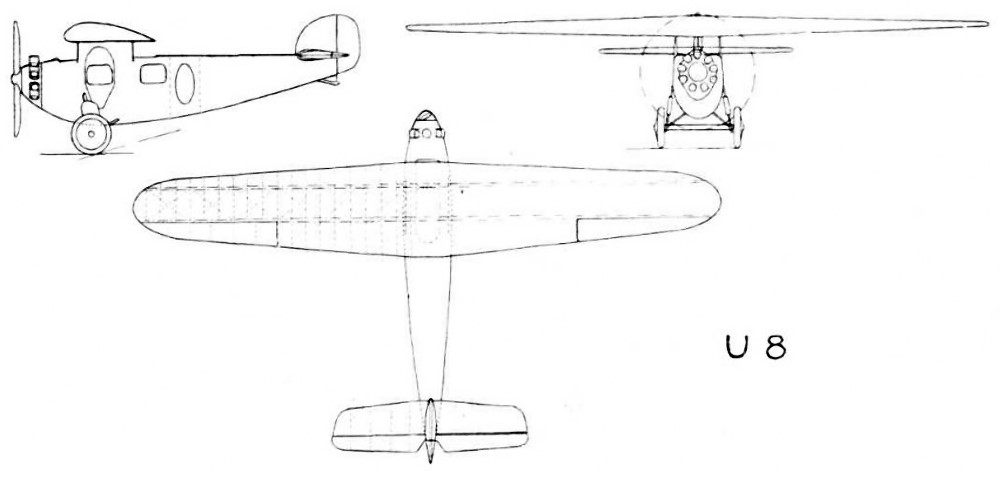
The Udet U-8 Limousine was a German transport and passenger aircraft, first flown in 1925. A high winged monoplane aircraft with seating for three passengers in an enclosed cabin, the aircraft was equipped with a fixed wheel undercarriage.
Four aircraft of the basic U 8 model were produced and three delivered to Deutsche Aero Lloyd GmbH while the fourth (D-670) was delivered to Nordbayeriche Verkehrsflug GmbH.
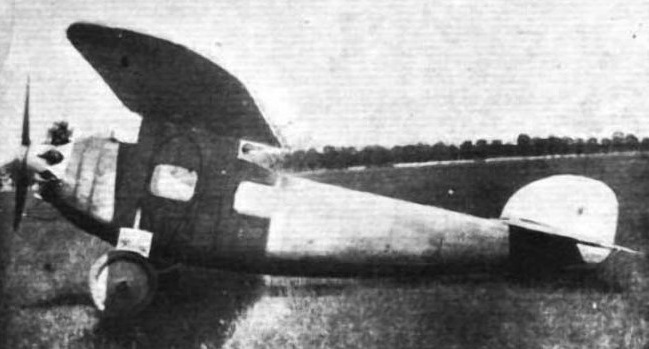
In 1926 Deutsche Aero Lloyd transferred their two remaining U 8 aircraft to DLH where they were in service until 1928. All three U-8 belonging DLH were scrapped in 1928. The Nordbayeriche Verkehrsflug aircraft crashed in 1926.

The aircraft was developed further to the Model U 8a, where the whole wing was redesigned wing area was increased by 7 m², and the aircraft was fitted with the more powerful Siemens & Halske sh 12 100-horsepower (75 kW) engine. The aircraft’s empty weight thus increased by 190 kg, despite the powerful engine maximum speed was reduced to 145 km / h while the range increased to 520 kilometers. One airplane was produced which was delivered to Nordbayeriche Verkehrsflug in 1925, and the aircraft was transferred in 1926 to DVS for evaluation. On June 26, 1929 the aircraft was completely destroyed.

Variants:
U 8 – with a Siemens & Halske Sh 6 radial engine
U 8a – with a Siemens & Halske Sh 12 radial engine and 7 m² larger wing area
Production:
U8
WerkNr.227
Registration: D-417
“Natter” from 1928 “Linde”.Used by the Deutsche Aero-Lloyd GmbH. In 1926 to DLH. In 1928 paid off
U8
WerkNr.236
Registration: D-483
“Blindschleiche”.Used by the Deutsche Aero-Lloyd GmbH. In 1926 to DLH. In 1928 paid off
U8
WerkNr.237
Registration: D-502
Used by the Deutsche Aero-Lloyd GmbH. In 1926 to DLH. In 1928 paid off
U8
Registration: D-670
Used by the Nordbayeriche Verkehrsflug GmbH in 1925. Crashed 26th of July 1926
U8a
Registration: D-839
Used by the Nordbayeriche Verkehrsflug GmbH in 1925. To DVS for trials in 1926. Crashed 26th of June 1929
Specifications:
U-8
Engine: Siemens Sh 6, 85 hp
Span : 12.00 m
Length: 7.28 m
Height: 2.67 m
Wing surface: 18.0 m²
Empty weight: 450 kg
Fuel: 75 kg
Oil: 10 kg
Max. off weight: 820 kg
Max. speed at sea level: 170 kph
Cruising speed sea level: 155 kph
Range with max. fuel: 465 km
Max. altitude: 3500 m
Climb rate: 2 m/s
Endurance: 3 hr
Cabin length: 2.5 m
Cabin height: 1.24 m
Cabin width: 0.96 m
Crew: 1
Capacity: 3 passengers
U-8a
Engine: Siemens Sh 12, 100 hp / 75 kW
Length: 7.28 m
Height: 2.67 m
Wingarea: 25.00 sq.m
Empty weight: 640 kg
Fuel: 130 kg
Oil: 13 kg
Load: 237 kg
Max weight: 1100 kg
Max. speed at sea level: 145 km/h
Cruising speed at sea level: 130 km/h
Climb rate: 2.00 m/sec
Service ceiling: 3300 m
Range: 520 km
Endurance: 4 h
Crew: 1
Capacity: 3 passengers
Udet U-7 Kolibri
A parasol-winged single-seat
Udet U-6
An ultralight two-seat
A variants of the U-1 / U-2 powered by a 62 kW (83 hp) Siemens-Halske Sh 5 radial powered with rounded rudder. 7 Built.
Udet U-4
More powerful version of the U-2.
Engine: Siemens-Halske Sh 4, 30 kW (40 hp)
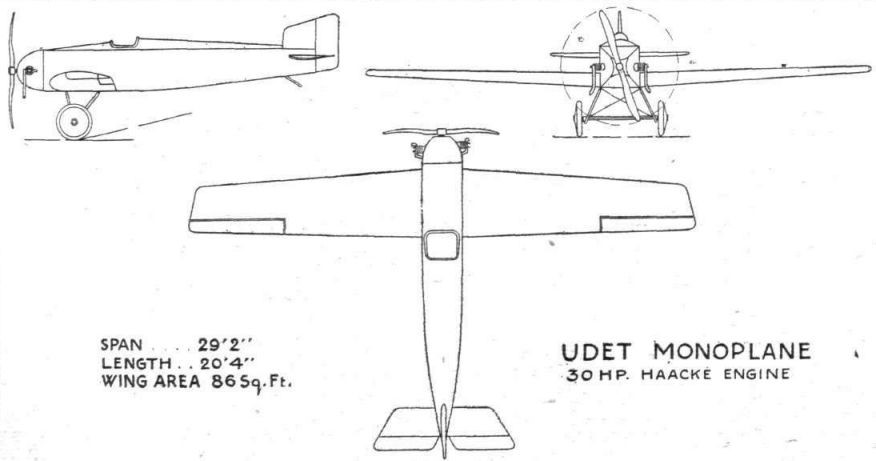
Udet U-1 / U-2
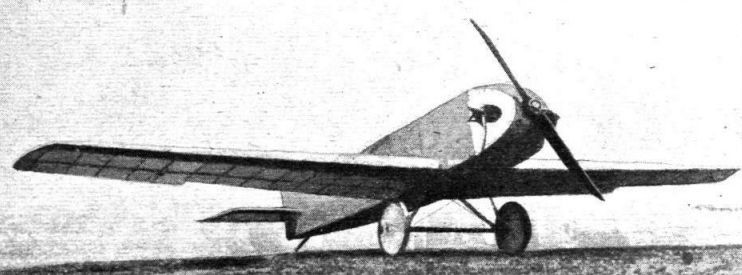
In the summer of 1921, a new aviation company was formed using the WWI German flying ace, Ernst Udet’s name. William Pohl from Milwaukee, Henry Hans Herrmann and Erich Scheuermann joined to company to fund the aircraft before wartime treaty restrictions were lifted on aircraft production with the intent of building an inexpensive aircraft for the American market. Designed by Hans Henry Herrmann, the builders produced and flew the U 1 five months before the formation of the Udet Flugzeubau GmbH company. The first flight being in May 1922.
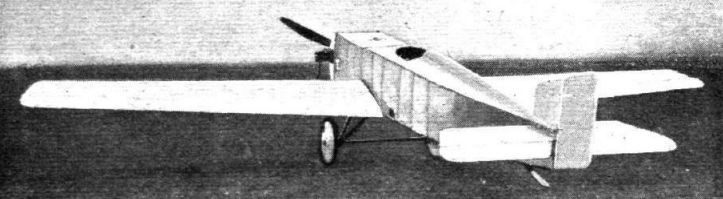
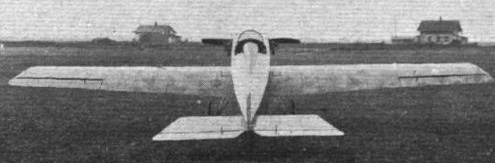
The design was a single seat low wing, open cockpit monoplane with conventional landing gear. The aircraft was large enough to accommodate two passengers, but did not have enough power for more than one person. Only the one was built.
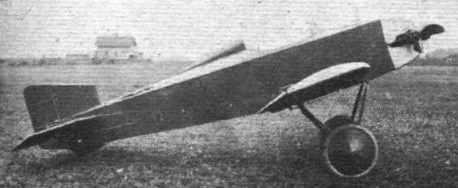
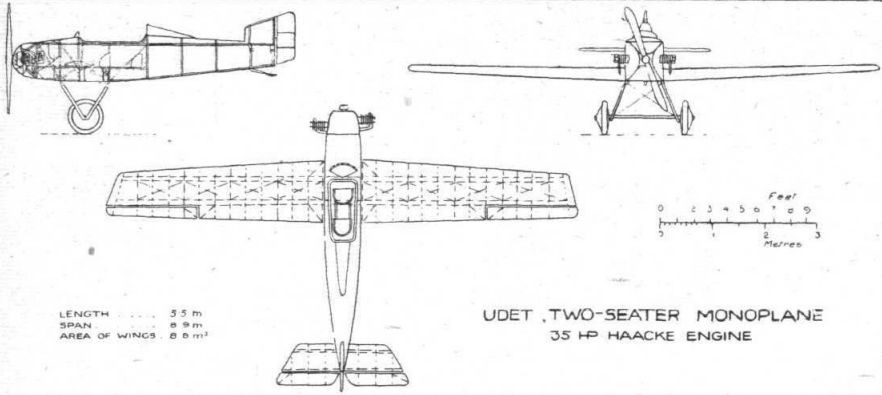
The Udet U 2 was a two seat production variant, first flying in March 1923. Four were produced.
Specifications:
U-1
Engine: 1 × Haacke, 16 kW (22 hp)
Length: 5.33 m (17 ft 6 in)
Wingspan: 8.9 m (29 ft 2 in)
Height: 1.7 m (5 ft 7 in)
Wing area: 8 m2 (86 sq ft)
Gross weight: 200 kg (441 lb)
Maximum speed: 180 km/h (112 mph; 97 kn)
Endurance: 2.5 hr
Crew: 1
U-2
Engine: Haacke, 35 hp
Wingspan: 6.9 m
Length: 5.5 m
Seats: 2
Ueda Hiryu-go Biplane
The 1909 Ueda Hiryu-go biplane was designed and built by Shoraro Ueda in Japan.
Tzusuku Monoplane No. 3
The 1913 Tsuzuku monoplane No. 3 was designed and built by Tetsaburo Tzusuku in Japan for the Revolutionary Government of China.
Span: 37’5″
Length: 24’7″
Gross weight: 1213 lb
Speed: 56 mph

