A single-seat aerobatic aircraft. Built in prototype form only.
Aircraft
Lazarow LAZ-11
An ambulance version of the LAZ-8. Built in prototype form only.
Lazarow LAZ-8
A four-seat taxi. Built in prototype form only.
Lazarow LAZ-7 / LAZ-7M
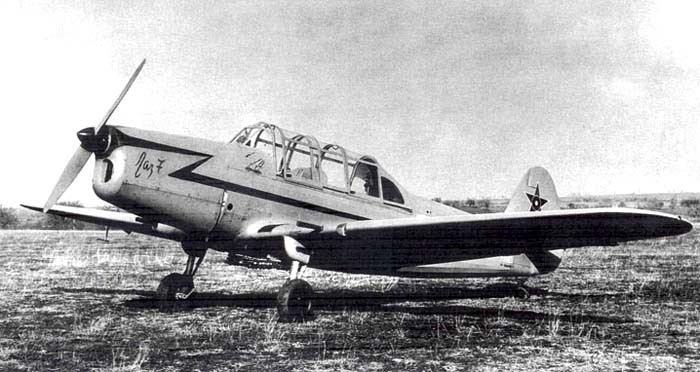
The prototype of the Bulgarian LAZ-7 two-seat primary trainer of 1946 was the first post-war design to be built in Bulgaria. The LAZ-7 was matched against the Yugoslavian Aero 2.
Both the LAZ-7 and Aero 2S were powered by the Czech 160 hp Walter Minor 6-III and in the eliminating trials the LAZ-7 was successful. The decision was taken to build the LAZ-7 in series production at the Bulgarian State Aircraft Works, and to replace the Walter engine with a Russian-designed M-11FR radial driving a controllable pitch, two blade Visch V-501 prop.
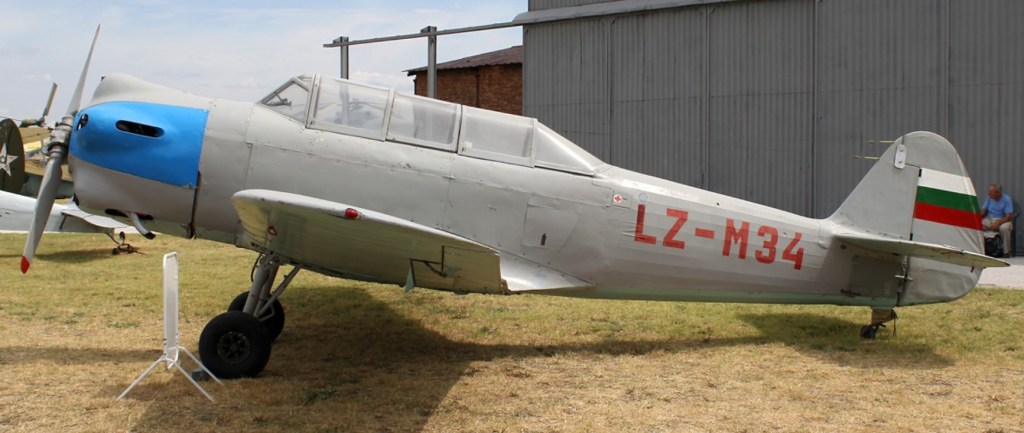
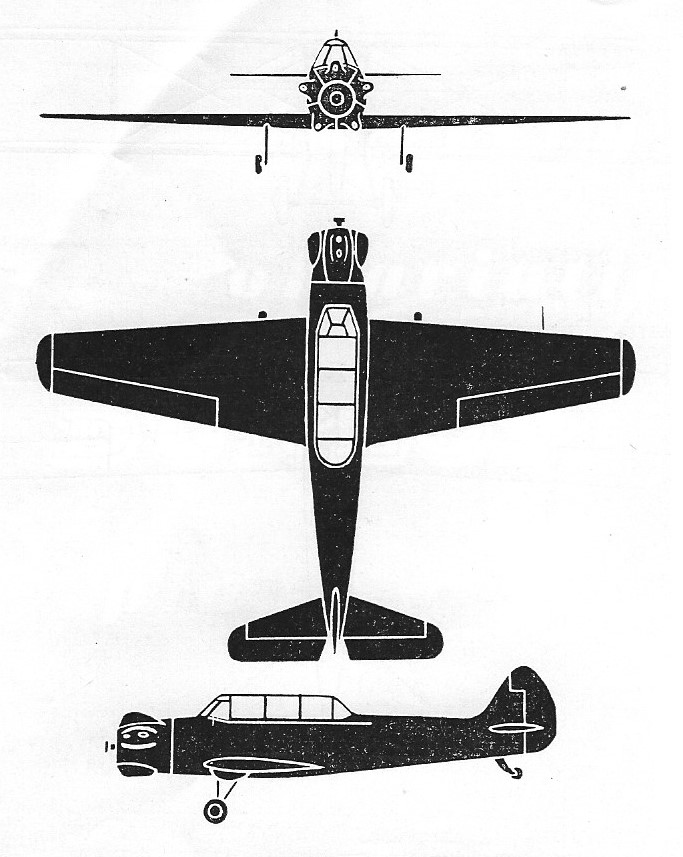
The LAZ-7M production type fuselage construction is of welded steel tube and wood, and covered with fabric. Both the wing and tailplane are fully cantilever, of mixed wood and metal construction, and fabric covered. No flaps are fitted. Both the main undercarriage and tailwheel are fixed.
LAZ-7
Engine: 160 hp Walter Minor 6-III
LAZ-7M
Engine: M-11FR
Prop: controllable pitch, two blade Visch V-501
Max speed: 149 mph
Cruise: 133 mph
AUW: 2039 lb
Landing speed: 53 mph
Service ceiling: 17,220 ft
Range: 525 mi
Endurance: 3 hr 56 min
Time to 3280 ft: 4 mn 47 sec
Lazarow, Cwietan
Bulgaria
Worked for DAR before Second World War. From 1946 built the LAZ-7M; LAZ-8 four-seat taxi; LAZ-11 ambulance version of -8; and LAZ-12 single-seat aerobatic aircraft. All except the LAZ-7 sporting monoplane were built in prototype form only. The LAZ-1 OH light helicopter was abandoned before completion. All powered aircraft production in Bulgaria ceased in 1961.
Lázaga and Carbajal Cuba
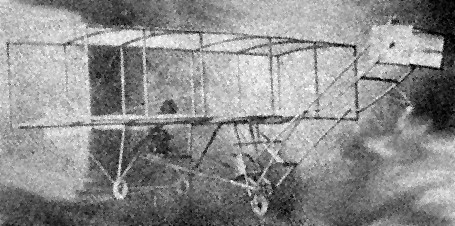
Joaquín Lázaga and Benigno Carbajal’s biplane “Cuba” was built in Cuba in 1911. A simple little pusher biplane.
Lawson L-4
The L-4 three-engined airliner of 1922-1923 had sleeper berths and a shower.
Lawson L-2
The twin-engined L-2 of 1920, built for the Lawson Airline Company.
Lawson Aircraft Corp
USA
W. Lawson of Wisconsin designed a pursuit aircraft in 1918; not built. Followed by two-seat training biplane, and the twin-engined L-2 of 1920, built for the Lawson Airline Company. The L-4 three-engined airliner of 1922-1923 had sleeper berths and a shower.
Lawrenz Taube
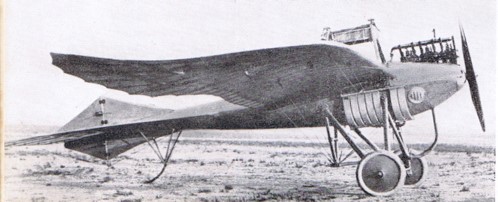
Powered by a 100 hp Argus; second of two aeroplanes built by Theodor Lawrenz, pilot brevet nr. 638 (Feb. 1, 1914), at Johannisthal.

