Lebaudy La Republic / Swan

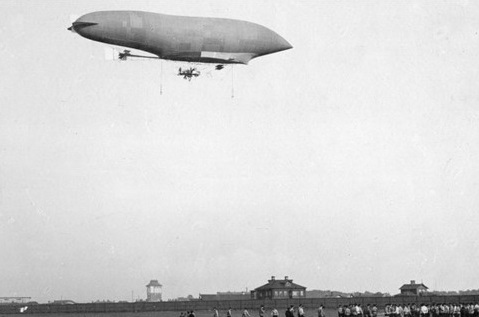
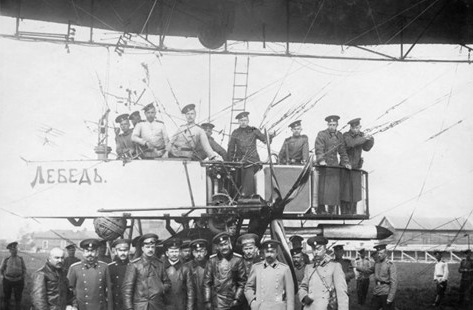
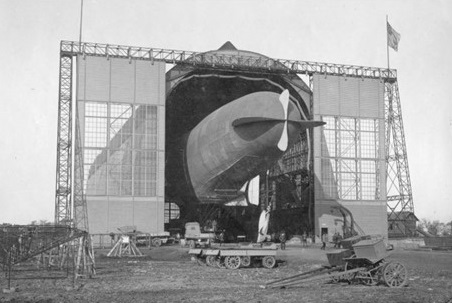
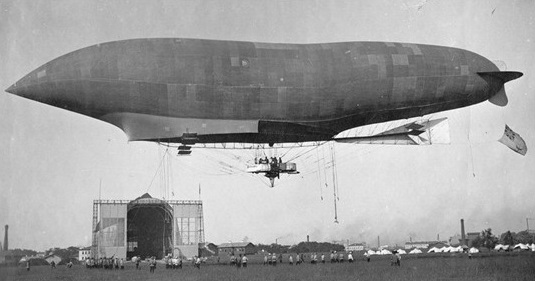
Built in 1908, it was the first airship which the Russian War Department ordered abroad (in 1909), and named “The Swan”. The airship perfected the overall suitability for the role of airships in the fighting. The results were disappointing as in the case of air defense, airships of the attacking force quickly transformed into a huge target. The airship was assigned only the role of reconnaissance.
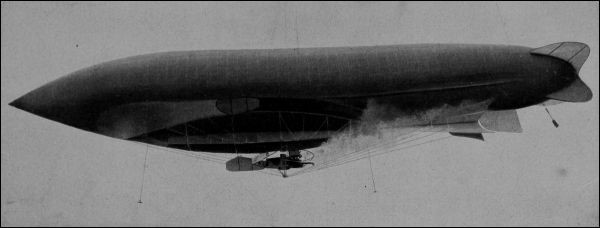
The semi-rigid La République crashed in September 1909 and all four crew members were killed.
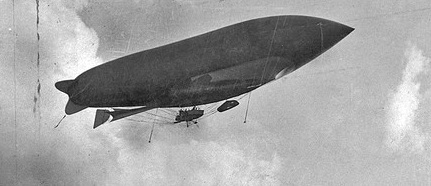
Engine: 2 x Panhard, 64 hp
Length: 200.131 ft / 61.0 m
Width of hull: 33.793 ft / 10.3 m
Contained volume: 184724 cu.ft / 5230 cu.m
Max speed: 24 kts / 45 km/h

Lebedj / Swan
Envelope volume: 3700 cu.m
Length: 61,4 m
Diameter: 11,1 m
Engine: 68 hp
Lear Fan Ltd

Founded 1980 by Learavia and British Government to produce Lear Fan 2100 twin-turboprop business aircraft (first flown 1981). Ownership passed 1982 to Fan Holdings Inc. of U.S.A., but with production in Northern Ireland. Production moved to U.S.A. 1983 but program halted 1985.

Learavia Learfan 2100 / Fan Holdings Inc Learfan 2100

LearAvia decided to increase the gross weight of its yet to be built Lear Fan 2100 turboprop from 6,000 to 7,200 pounds. This change will add only 24 extra pounds of structural material. The extra load carry¬ing capacity will cut range, speed and single engine ceiling slightly.

A successful first flight was made on 1 January 1981 by the first prototype. Powered by two pusher Pratt & Whitney PT6B-35F, two more prototypes were under construction at Reno, plus a static test example.
The Lear Fan spent all of 1981 in flight tests after a New Year’s Day first flight. The Lear Fan cabin has been stretched and much design effort has been concentrated on the single pusher propeller; however, Learavia still hoped to have the non-metal airplane certificated by the end of 1982.
Ownership passed 1982 to Fan Holdings Inc. of U.S.A., but with production in Northern Ireland. Production moved to U.S.A. 1983 but program halted 1985.

Engines: 2 x 850 hp P&W
Seats: 7.
Empty Wt: 4100 lbs.
Gross wt: 7400 lbs.
Useful load: 3300 lb
Max Cruise: 400 mph
Max range: 1800 sm

Lear Inc

USA
Founded as an electrical company at Santa Monica, California, in 1930. An aircraft engineering division produced the Learstar, a high-speed, long-range transport based on the Lockheed Lodestar, in 1953. First delivered in 1955; production taken over by PacAero Engineering Corporation in 1957.

Leach Calypso

Centre mounted joy stick, rudder pedals, nosewheel steerable through rudder pedals.
Construction: Aluminium, Dacron.

Engine: Cuyuna ULII-02 (429cc) 35hp.
Static thrust: 225 lbs.
Empty wt: 278 lbs.
Wing span: 33ft.
Wing area: 160 sq.ft.
Height: 6 ft 7 in.
Length: 19ft.
Fuel cap; 5 USG.
Max wt: 500 lbs.
Stall speed: 27 mph.
Max speed: 63 mph.
Vne: 88 mph.
Climb rate: 800 fpm @ 32 mph.
Design limit: +6, -4g.
Glide ratio: 9-1.
Wing loading: 3.13 lbs/sq.ft.
Power loading: 14.19 lbs/hp.

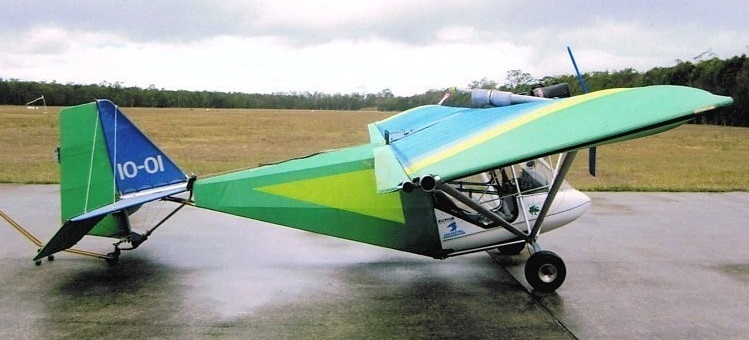
Lea Kestrel Kermit

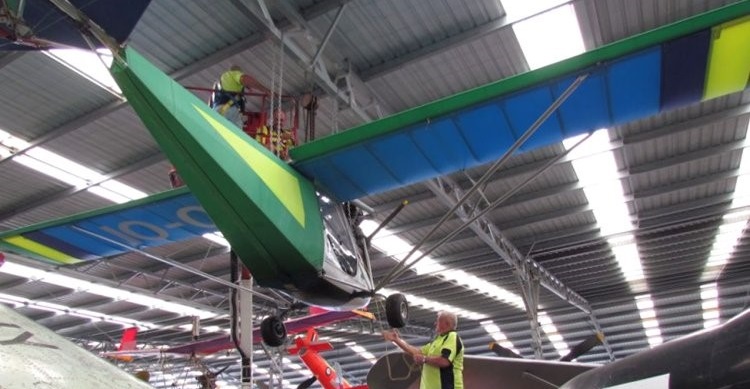
Lea Kestrel Kermit 10-001 C/N 1

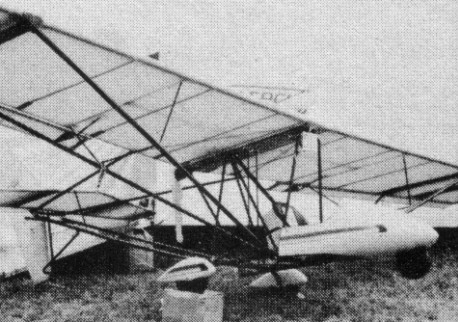
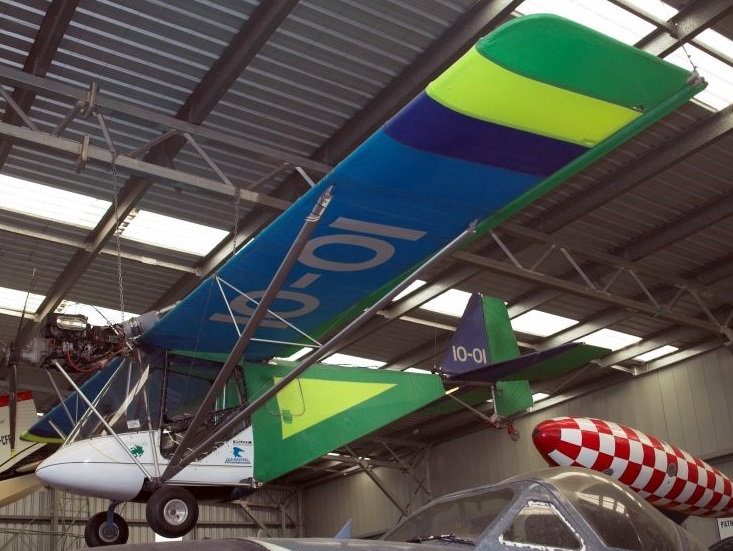
The design and production of the ultralight Kestrel was the product of the efforts of Cec Lea, one of the pioneers of ultralight aircraft design and construction in Australia. A single seat, high wing, tractor engine aircraft it first appeared about 1990 and a number of examples were registered in the 95.10 registration series as late as mid-2000.

Lea Kestrel Kermit 10-001 C/N 1

Lea sold both completed aircraft and kits for owner construction. All were powered by the Austrian Rotax 503 engine and many, if not all, were fitted with a Brolga three blade carbon/glass composite propeller. Some 16 Kestrels were built.

Lea Kestrel Kermit 10-001 C/N 1

Lea Kestrel Kermit
Engine: Rotax 503, 37kW (50hp)
Cruising Speed: 100km/hr / 67mph
Range: 280km / 175mile