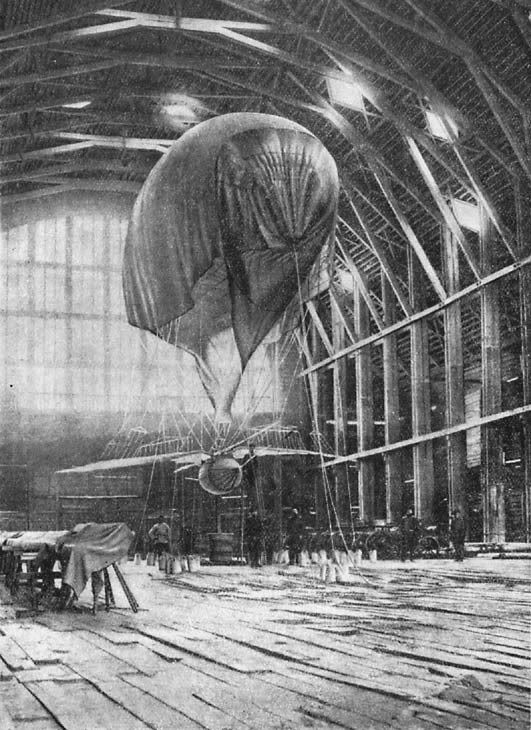
The “Mikst” of I. A. Matyunin was a mixed HTA/LTA flying machine of 1891.
The “Mikst” of I. A. Matyunin was a mixed HTA/LTA flying machine of 1891.
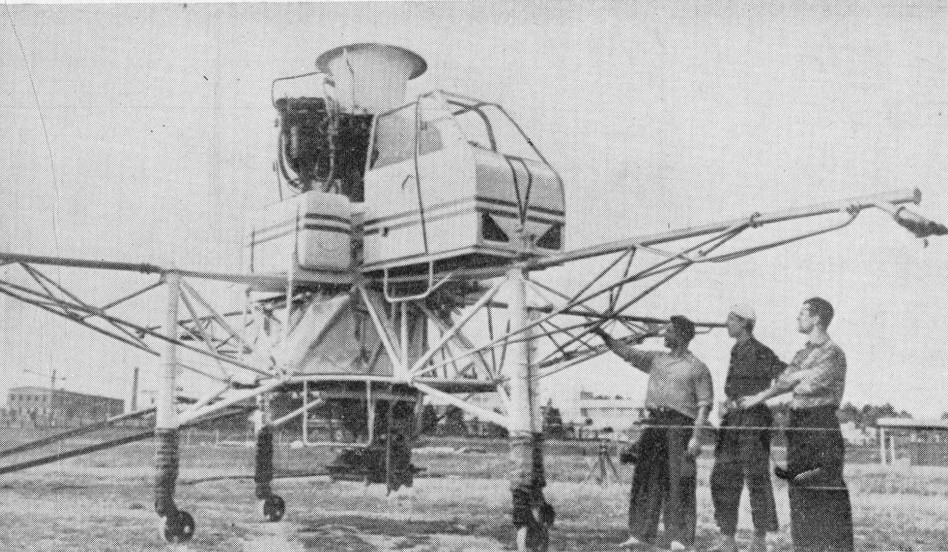
Demonstrated in Moscow during 1938, the Turbolet is a vertical take-off testbed developed by Prof. Vsevolod Matveyev. Comprising a turbojet engine mounted vertically, with fuel tanks and enclosed cockpit, the Turbolet is controlled by outrigger jet nozzles and vanes in the main jet stream.
In 1933 Mattley had in production a lightweight one/two-seat parasol-wing cabin monoplane named the Mattley Fliver, powered by a 40 hp Continental engine.
USA
Established at St Bruno, California, built a single-seat cabin monoplane known as the Fliver Plane. In 1933 had in production a lightweight one/two-seat parasol-wing monoplane named the Mattley Fliver, powered by a 40 hp Continental engine.
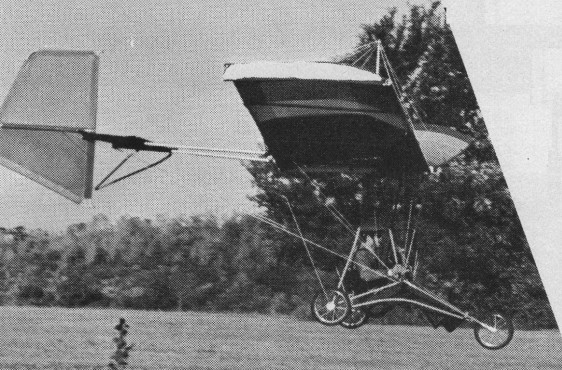
A monowing using weight shift and rudder control. The separate rudder is all flying and there are no ailerons, spoilers or wing warping to achieve roll. Construction is of aluminum tubing covered with dacron on the wings and tail surfaces. Power is a Yamaha mounted in pusher position forward of the wing. A 2:1 reduction unit turns a two-blade, wooden Ritz propeller. Fuel is carried in a plastic tank mounted above the wing. LANDING GEAR: Tricycle type shock mounted with spring action and a bicycle squeeze-type brake. The main and nose wheels are 16 inches in diameter.
In 1981 the complete MAC LST 400 sold for US$2995.
All MAC ultralites convert to floats in minutes. Mac un-breakable floats retailed for $495.00 and fit any ultralite
that has a main gear axle.
Each MAC. LST 400 series aircraft is built with 90% straight tubing joined with special fittings to allow faster assembly time, easier parts replacement and lower cost all around. Replacement parts consist of one straight tube to be cut and drilled to size. Special features are a spring shock system, sturdy all round construction. Simple engine mounting, quick folding for storage, all bags and covers included.
The MAC. MU-200 series is a sturdy constructed aircraft that has rear axle shock system, fashionable design with all the features of the 400 series. The MU-200 comes with or without the droop tips. The MU is fun, easy to fly and economic to own and operate.
The MAC. LST-300 series three axis control ultralight, everything before this was just a prototype. All the best features, design and prices. Conventional aircraft looks and operation. Just what the conventional pilot has been waiting for. A one place aircraft anyone can afford to fly. Electric start available in 40 H.P. models.
MAC
Wingspan, 32 ft
Wing area, 16.7 sq.ft
Aspect ratio, 7.1
Overall length, 16 ft
Empty weight, 165 lb
Usable payload (include fuel), 300 lb
L/D power-off glide ratio, 7:1
Cruise speed (85% power), 32 mph
Stall speed, 16 mph
Approach speed, 16 mph
Flair speed, 10 mph
Liftoff speed, 18 mph
Takeoff roll distance, 100 ft
Rate of climb, 300 fpm
Fuel capacity, 3 Usgal
Range at cruise, 75-100 mi
Engine displacement, 100cc, 15 hp
Static thrust, 120 lbs.
MU-215
15 hp
Cruise speed: 35-45 mph
Stall speed: 17-19 mph
Take off: 18-22 mph
Take off: 50-100 feet
Landing roll: 25-50 feet
Climb: 300-350 fpm
MU-230
30 hp
Cruise speed: 35-55 mph
Stall speed: 17-19 mph
Take off: 18-25 mph
Take off: 30-75 feet
Landing roll: 30-60 feet
Climb: 650-750 fpm
MU-240
40 hp
Cruise speed: 40-60 mph
Stall speed: 18-20 mph
Take off: 18-30 mph
Take off: 30-75 feet
Landing roll: 30-75 feet
Climb: 750 fpm
LST-315
15 hp
Cruise speed: 35-45 mph
Stall speed: 17-19 mph
Take off: 18-22 mph
Take off: 50-100 feet
Landing roll: 25-50 feet
Climb: 300-350 fpm
LST-330
30 hp
Cruise speed: 35-55 mph
Stall speed: 17-19 mph
Take off: 18-25 mph
Take off: 30-75 feet
Landing roll: 30-60 feet
Climb: 650-750 fpm
LST-340
40 hp
Cruise speed: 40-60 mph
Stall speed: 18-20 mph
Take off: 18-30 mph
Take off: 30-75 feet
Landing roll: 30-75 feet
Climb: 750 fpm
LST-415
15 hp
Cruise speed: 35-45 mph
Stall speed: 17-19 mph
Take off: 18-22 mph
Take off: 50-100 feet
Landing roll: 25-50 feet
Climb: 300-350 fpm
LST-430
30 hp
Cruise speed: 35-55 mph
Stall speed: 17-19 mph
Take off: 18-25 mph
Take off: 30-75 feet
Landing roll: 30-60 feet
Climb: 650-750 fpm
LST-440
40 hp
Cruise speed: 40-60 mph
Stall speed: 18-20 mph
Take off: 18-30 mph
Take off: 30-75 feet
Landing roll: 30-75 feet
Climb: 750 fpm
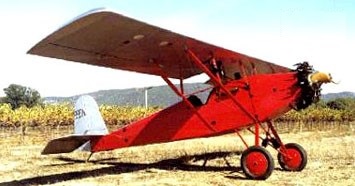
The sold 1929 Matthieu-Russell N996N c/n A-1 was designed by Russel, built by Matthieu. It was sold to Howard P Minnich in the early ’30s and was restored to flying condition in California c.2000.
It was originally powered by a 40hp Szekely SR-3 but has since been re-powered with a 40 hp Salmson AD9. A speed of 85 mph has been reported.
Mathieu and Charles Russel
Chicago IL.
USA
Circa 1929 built one aircraft
Following the collapse of Aerotecnica, Jean Cantinieau returned to France where he joined Matra. There, he designed and completed a single example of the “Bamby”.
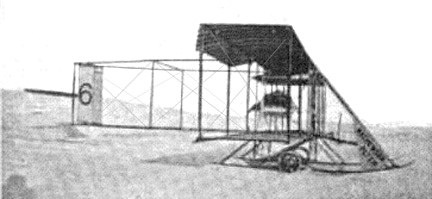
Circa 1911 several one and two place open cockpit biplane exhibition machines were produced closely following the Curtiss design at first, then diverging as knowledge was gained.
A first flight was reported on 4 January 1911 by George Van Arsdale, who flew 04m:12s around a local speedway track, powered by an Elbridge motor.
Denver CO.
USA
Circa 1911 several one and two place open cockpit biplane exhibition machines were produced by Mathewson Automobile Co, closely following the Curtiss design at first.

