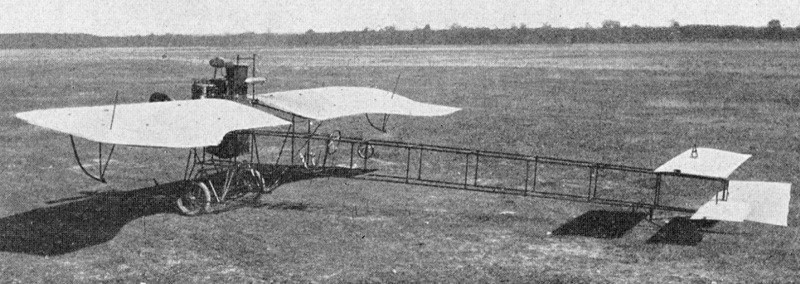
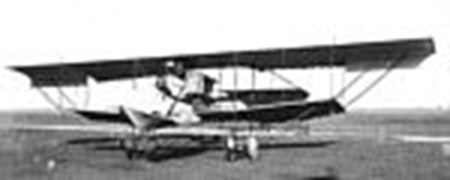
The Dr.Wittenstein “OWAM” (Oscar Wittenstein Aerodrom Milbertshofen) two-seater was built by Dr. Otto Wittenstein’s workshops at München/Milbertshofen, Germany. It was flown in 1911, powered by an 80/100 hp Argus. Oscar Wittenstein later designed a D.D. for Flugwerk Deutschland.
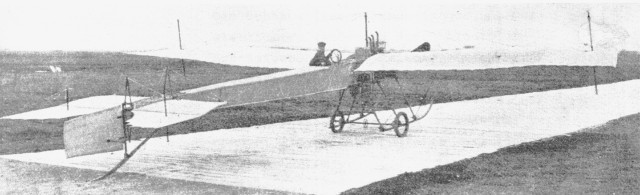
The first monoplane built by Gustav Otto in 1910, with the contemporary designation Otto-Eindecker. The engine of this single-seater was a 55 hp Daimler D4F, span 13 m, length 9.3 m. Dr. Alberti was a lawyer who financed some aeroplane designers.
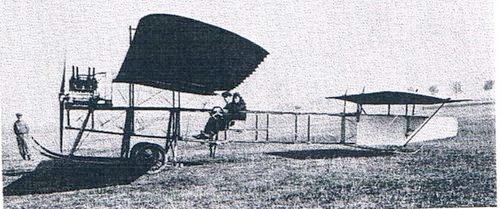
Built at the Puchheim airfield; one of the first Otto monoplanes. In all probability the later re-designed 1911 “Schule Doppeldecker,” thus converted from a tractor biplane into a monoplane.
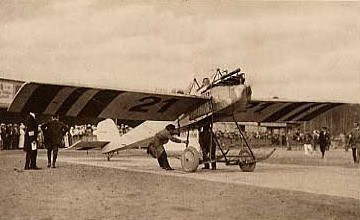
The Otto Eindecker, powered by a 100 hp Argus, won the 1913 “Rund um Berlin” race. It was designed by Hauptmann Wildt and flown in the competition by Anton Bayerlein and Lothar von Linsingen.
Reconnaissance and training aircraft, Germany, 1913
Engine: Argus As I, 99 hp Length: 34.449 ft / 10.5 m Height: 11.811 ft / 3.6 m Wingspan: 48.556 ft / 14.8 m Wing area: 484.38 sqft / 45.0 sq.m Cruising speed: 49 kts / 90 km/h Range: 162 nm / 300 km Crew: 2
Gustav Otto Flugmaschinenwerke built six M1912 two-seat biplane observation aircraft for the German Army in 1912. The aircraft was broadly similar to the French Caudron G series.
Gustav Otto Flugmaschinenwerke built six M1912 two-seat biplane observation aircraft for the German Army in 1912. The aircraft was broadly similar to the French Caudron G series.
Otto Aviation Group was secretly working on a project for about ten years in southern California.
In May 2019 the plane had been spotted at Victorville, California’s Southern California Logistics Airport on several occasions over the past year, and it recently was seen flying, according.
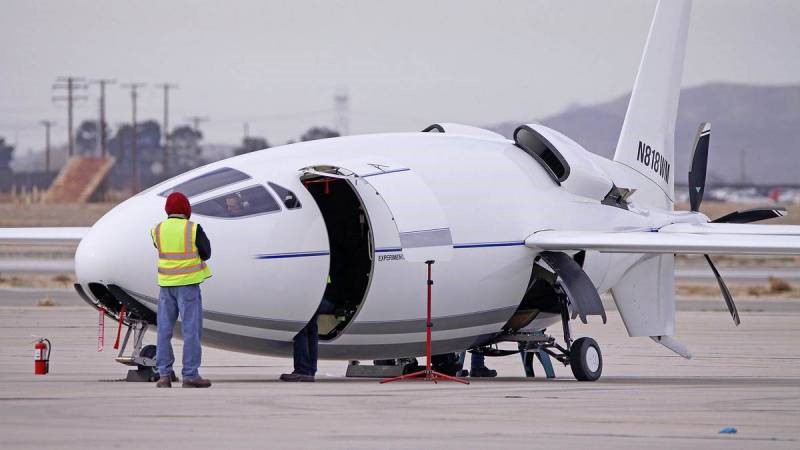
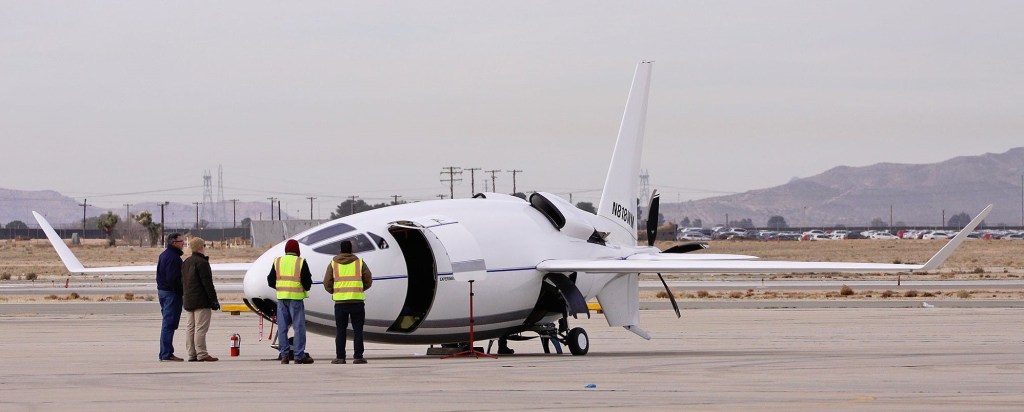
The plane features two pusher engines and a whisper-thin wing mated to a svelte blimp shaped fuselage. Claims include a ceiling of 65,000 feet with a top cruise speed of around 500 mph with a total fuel flow of between 30 and 40 gallons per hour.
In January 2019, new pictures of the pusher-propeller Celera 500L, which carries the U.S. civil registration code N818WM, emerged showing it in a markedly more mature state than in the past. The plane now has winglets at the tips of both wings. The aircraft also had a black propeller in place of the earlier white one and an aerodynamic spinner over the propeller hub. There’s also a much better view of the trapeze-like landing gear assemblies, which are of the general style found in patent documents that Otto Aviation had submitted relating to a number of the aircraft’s features.
In addition, as compared to earlier, the aircraft has conformal cowlings fitted in place over its rear-mounted engine compartment. Each one features a single large air intake and an exhaust port.
The power plant drives a single propeller. It is not clear whether a new one or two engines A03 V12. This model is in demand on the Russian Yak-52 and Yak-152.
The company appears to be affiliated with Applied Physicist William M. Otto, who was also a key player at a firm called Otto Labs. Mr. Otto was previously the chief scientist for the B-1’s avionics system development program, and held many other positions at North American-Rockwell.
Otto retired from active participation in Otto Laboratories Inc., and assumed the presidency of Otto Aviation, managing the design and production of extremely low-drag aircraft.
The Vice President of Otto Labs, Ed Cababa, is also affiliated with Otto Aviation Group LLC. Cababa has a background working with Honda in vehicle handling and testing. A tax certificate lists both Otto and Cababa as owners of Otto Aviation Group LLC and that they “manufacture composite parts for a prototype aircraft.
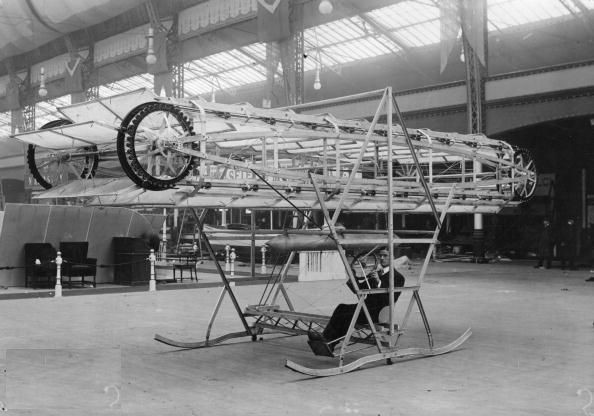
“Aerostatic and Heavier-than-air Aeronautical machine” designed by engineer Giuseppe Pietro Ottino and George Algernon Wyllie. Although the two men patented their invention (filed in 1909) as No.6378 A.D. 1909, it is very likely Ottino invented and designed the machine while Wyllie, an English gentleman, furnished the funds for its construction. A model based on a rotary plane system, it was displayed at the Olympia Aero Show in London during March 1910.