PROCAER Cobra F.400 / F.480

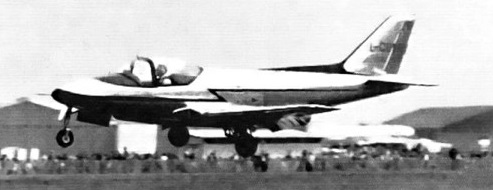
In 1960, under the direction of Stelio Frati, Procaer built the F.400 Cobra, a two-seater jet powered by a Turbomeca Marboré II.

Construction of Cobra is mixed wood and all metal and the outer coating of birch plywood covered with a pure aluminum foil bonded over the entire surface.

The prototype was destroyed during its return from the Paris Air Show to Italy.

A second prototype, with four seats and a Marboré VI, the Procaer F-480, was maintained in the collection of Charles Bezard.

Engine: Turbomeca Marboré II
Wingspan: 8.70 m
Length: 7.80 m
Height: 2.80 m
Wing area: 11.70 m²
Aspect ratio: 6.5
Empty weight: 700 kg
Loaded weight: 1300 kg
Wing loaded: 111 Kg / m²

Pritchard Rocket Air Ship

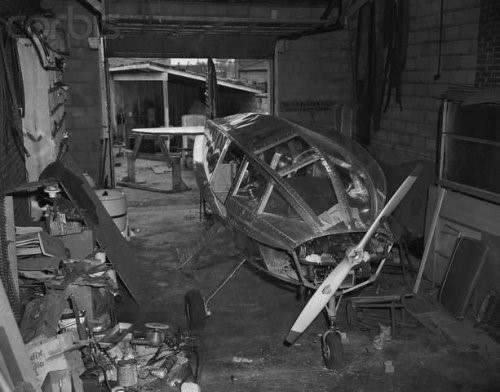
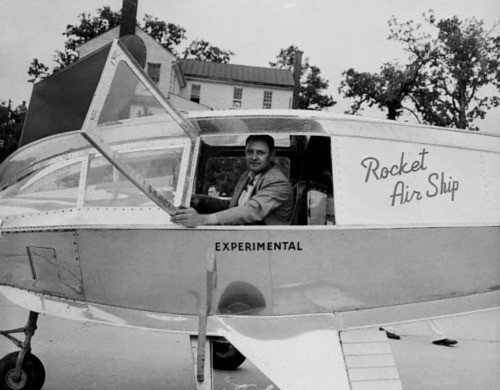
Charles Pritchard of Emporia, Virginia, was a railroader by profession, set out to build an all-aluminium wingless combined aircraft/car which had been ten years in the making.

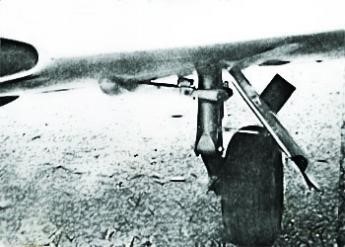
The Rocket Air Ship plane has short baffles or fins in place of wings, a 90 hp engine, a conventional propeller and tail assembly and a tricycle landing gear. It was 21 feet long, 98 inches wide and weighed 800 lbs.

The body of the plane is made entirely of aluminium. Each side has baffles (or fins) of varying length. The fins “hold air in the proper channel over the hull of the ship to give the hull its lift”.

Ailerons for changing direction in flight are on the sides of the plane. Conventional equipment on the wingless craft includes a tricycle landing gear, metal propeller, 90 hp engine and flight instruments.

Built for less than $1500, Pritchard was helped in the construction by Billy Davis of Emporia.

“Charles Pritchard, designer builder and pilot, makes first test of his wingless Rocket Air Ship on mile lone runway at Emporia, Virginia, airport.

Plane has short baffles or fins in place of wings, 90 hp engine, conventional propeller and tail assembly, tricycle landing gear, is 21 feet long 98 inches wide weighs 800 lbs. Pritchard made eight runs along runway, but didn’t; get off the ground. Says he’ll make modifications and try again.” (circa 1955)
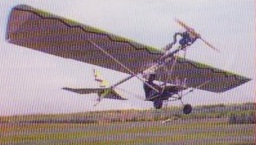
Primac Tukan

The Tukan features a composite fuselage and fabric covered wood wings. Air brakes are fitted on the upper wing surface. The engine can fold back to inside the fuselage.

Engine: Rotax 447, 40 hp
Wing span: 14.7 m
Wing area: 14.7 sq.m
MAUW: 420 kg
Empty weight: 215 kg
Fuel capacity: 32 lt
Max speed: 125 kph
Cruise speed: 85 kph
Minimum speed: 60 kph
Climb rate: 2 m/s
Fuel consumption: 8 lt/hr
Seats: 2

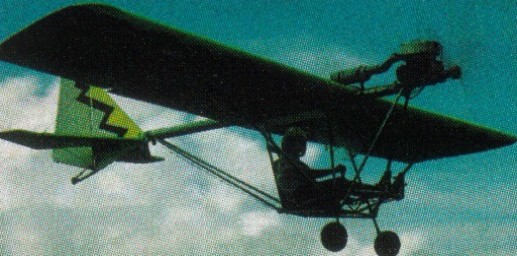
Primac Moskitto M-10

First flown in December 1996, options include a closed cockpit, and floats. The wings fold in 8 minutes. The aircraft is stressed to +6 and –3 G.

Engine: Rotax 447, 40 hp
HP range: 27-50
Wing span: 26.3 ft / 8.02 m
Wing area: 117.1 sq.ft / 10.99 sq.m
Length: 15.2 ft
Height: 5.6 ft
MAUW: 497 lb / 240 kg
Empty weight: 219 lb / 98 kg
Fuel capacity: 7.5 USG / 30 lt
Max speed: 73 mph / 110 kph
Cruise speed: 61 mph / 88 kph
Stall: 30 mph / 40 kph
Rate of climb: 1450 fpm / 6.8 m/s
Service ceiling: 10,000 ft
Range: 165 sm
Takeoff dist: 90 ft
Landing dist: 120 ft
Seats: 1
Landing gear: tailwheel
Fuel consumption: 7.2 lt/hr
Price (1998): US$12,250
Kit price (1998): US$6400

Price PL-2-DM

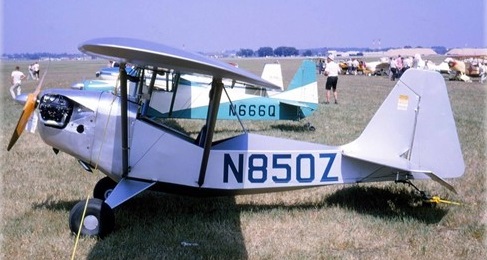
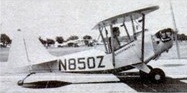
In 1962 Paul Price built the Price PL-2-DM, registered N850Z c/n 2,, which appears to be a much larger version of his Price Special. The PL-2-DM is also a single place, open cockpit high-wing monoplane.

PL-2-DM
Engine: 65hp Lycoming O-145 or Continental C-65
Wingspan: 24’0″
Length: 15’6″
Useful load: 225 lb
Max speed: 85 mph
Cruise: 60 mph
Stall: 40 mph
Range: 90 mi
Seats: 1