An 18m span single-seat glider (enclosed cockpit)
Aircraft
Rubik R-11 Cimbora (Pal)
A parasol (15m) training glider, tandem 2-seat, 60 built 1940
Rubik R-10 Szittya III (Scythian III)
A high-performance glider, 1 built 1939
Rubik R-09
The Rubik R-09 was the original designation of R-08d D-Pilis, later applied to a motor conversion, R-09 Motor Pilis – powered version of R-08d (Porsche pusher engine above wing)
Rubik R-08 Pilis (Tonsure)
A reduced-scale single-seat version of Szittya, 1938, 210 built
Variants:
R-08a – gull-wing, curvaceous semi-monocoque plywood fuselage, 1 built 1939
R-08b – simplified fuselage structure, 5 built 1938/39
R-08c – Gull replaced with pylon-mounted wing, 1939, 70 built
R-08d – An improved version with airbrakes & removeable canopy, 1943, 193 built postwar
Rubik R-04 Szittya II (Scythian II)
A gull-winged glider, 1937/38 1 built
Rubik R-03 Szittya I (Scythian I)
A gull-winged, single-seat glider, 1 built 1933
Rubik R-02 (MSrE M-19)
A 2-seat cabin monoplane tourer, 130 hp (95.5 kW) DH Gypsy Major, 1 built, 1936.
The M-19A designation applied in 1937 after a rebuild following a crash
Rubik Aero
Hungary
Ernő Rubik (Rubik Ernő in Hungarian usage) designed 28 gliders and 5 powered aircraft before his death in 1997. Only a few remained unbuilt projects. The most dramatic was the Rubik R-21 1.5-tonne military assault glider project.
Rozum-Bechiny 1910 monoplane
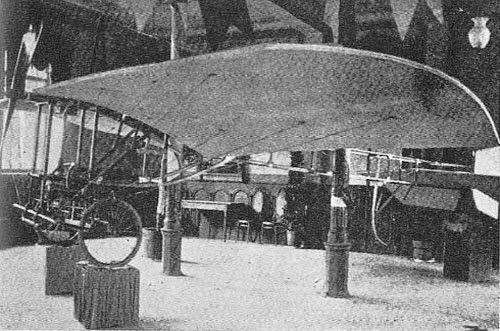
Designed by the Czech engineers Rozum and Bechyne and built by Emil Rudawski and Co. in Krakow. The construction of the aircraft was completed in April 1910. It was equipped a 40 hp air-cooled radial engine of their own design, one of the first Polish aircraft engines. It was presented at the factory on 4 April and the first flight was announced on 5 May.
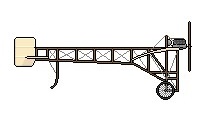
In 1910 Pole Rozum and Czech Bechiny built in Kraków, Poland, an aircraft broadly modelled after Bleriot XI and with engine of their own design. Static tests of the engine and airplane were apparently successful, but it’s unclear if there were any flights made on it.

