

Engine: Siemens & Halske SH 4
Seats: 2
Engine: Siemens & Halske SH 4
Seats: 2
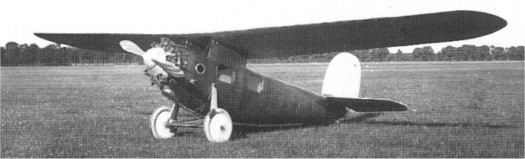
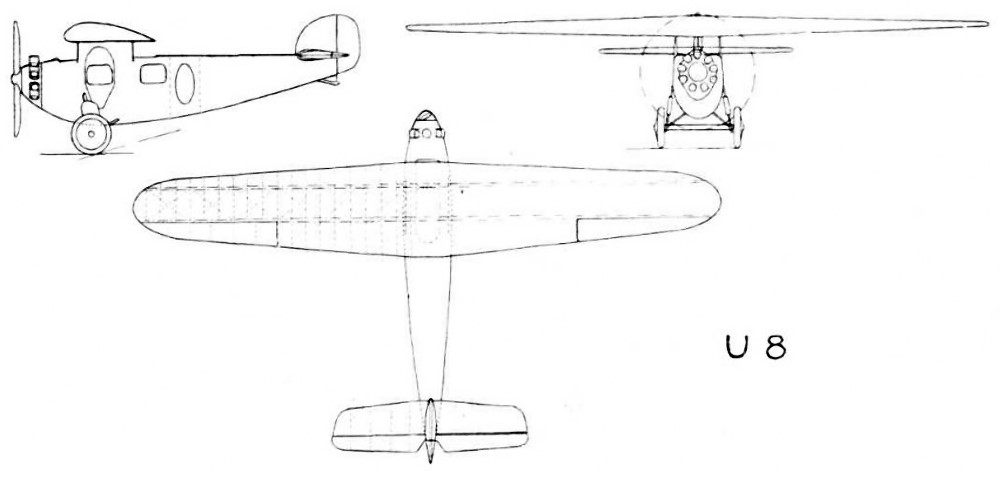
The Udet U-8 Limousine was a German transport and passenger aircraft, first flown in 1925. A high winged monoplane aircraft with seating for three passengers in an enclosed cabin, the aircraft was equipped with a fixed wheel undercarriage.
Four aircraft of the basic U 8 model were produced and three delivered to Deutsche Aero Lloyd GmbH while the fourth (D-670) was delivered to Nordbayeriche Verkehrsflug GmbH.
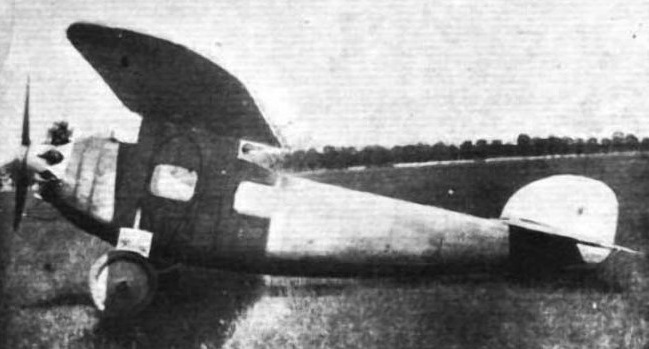
In 1926 Deutsche Aero Lloyd transferred their two remaining U 8 aircraft to DLH where they were in service until 1928. All three U-8 belonging DLH were scrapped in 1928. The Nordbayeriche Verkehrsflug aircraft crashed in 1926.

The aircraft was developed further to the Model U 8a, where the whole wing was redesigned wing area was increased by 7 m², and the aircraft was fitted with the more powerful Siemens & Halske sh 12 100-horsepower (75 kW) engine. The aircraft’s empty weight thus increased by 190 kg, despite the powerful engine maximum speed was reduced to 145 km / h while the range increased to 520 kilometers. One airplane was produced which was delivered to Nordbayeriche Verkehrsflug in 1925, and the aircraft was transferred in 1926 to DVS for evaluation. On June 26, 1929 the aircraft was completely destroyed.

Variants:
U 8 – with a Siemens & Halske Sh 6 radial engine
U 8a – with a Siemens & Halske Sh 12 radial engine and 7 m² larger wing area
Production:
U8
WerkNr.227
Registration: D-417
“Natter” from 1928 “Linde”.Used by the Deutsche Aero-Lloyd GmbH. In 1926 to DLH. In 1928 paid off
U8
WerkNr.236
Registration: D-483
“Blindschleiche”.Used by the Deutsche Aero-Lloyd GmbH. In 1926 to DLH. In 1928 paid off
U8
WerkNr.237
Registration: D-502
Used by the Deutsche Aero-Lloyd GmbH. In 1926 to DLH. In 1928 paid off
U8
Registration: D-670
Used by the Nordbayeriche Verkehrsflug GmbH in 1925. Crashed 26th of July 1926
U8a
Registration: D-839
Used by the Nordbayeriche Verkehrsflug GmbH in 1925. To DVS for trials in 1926. Crashed 26th of June 1929
Specifications:
U-8
Engine: Siemens Sh 6, 85 hp
Span : 12.00 m
Length: 7.28 m
Height: 2.67 m
Wing surface: 18.0 m²
Empty weight: 450 kg
Fuel: 75 kg
Oil: 10 kg
Max. off weight: 820 kg
Max. speed at sea level: 170 kph
Cruising speed sea level: 155 kph
Range with max. fuel: 465 km
Max. altitude: 3500 m
Climb rate: 2 m/s
Endurance: 3 hr
Cabin length: 2.5 m
Cabin height: 1.24 m
Cabin width: 0.96 m
Crew: 1
Capacity: 3 passengers
U-8a
Engine: Siemens Sh 12, 100 hp / 75 kW
Length: 7.28 m
Height: 2.67 m
Wingarea: 25.00 sq.m
Empty weight: 640 kg
Fuel: 130 kg
Oil: 13 kg
Load: 237 kg
Max weight: 1100 kg
Max. speed at sea level: 145 km/h
Cruising speed at sea level: 130 km/h
Climb rate: 2.00 m/sec
Service ceiling: 3300 m
Range: 520 km
Endurance: 4 h
Crew: 1
Capacity: 3 passengers
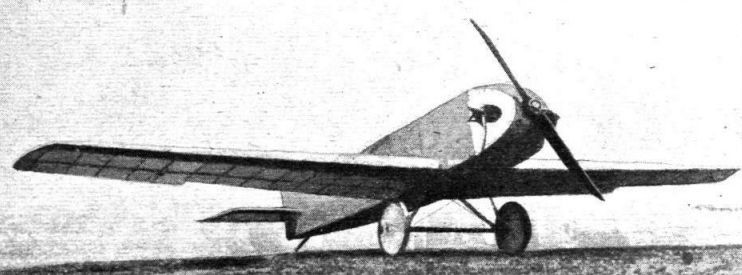
A parasol-winged single-seat
An ultralight two-seat
A variants of the U-1 / U-2 powered by a 62 kW (83 hp) Siemens-Halske Sh 5 radial powered with rounded rudder. 7 Built.
A cabin monoplane
More powerful version of the U-2.
Engine: Siemens-Halske Sh 4, 30 kW (40 hp)
In the summer of 1921, a new aviation company was formed using the WWI German flying ace, Ernst Udet’s name. William Pohl from Milwaukee, Henry Hans Herrmann and Erich Scheuermann joined to company to fund the aircraft before wartime treaty restrictions were lifted on aircraft production with the intent of building an inexpensive aircraft for the American market. Designed by Hans Henry Herrmann, the builders produced and flew the U 1 five months before the formation of the Udet Flugzeubau GmbH company. The first flight being in May 1922.
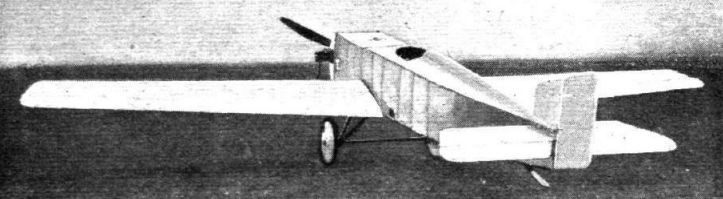
The design was a single seat low wing, open cockpit monoplane with conventional landing gear. The aircraft was large enough to accommodate two passengers, but did not have enough power for more than one person. Only the one was built.
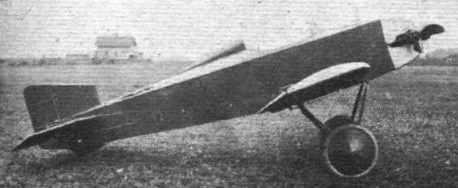
The Udet U 2 was a two seat production variant, first flying in March 1923. Four were produced.
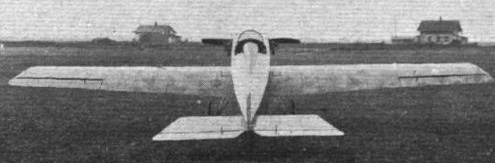
Specifications:
U-1
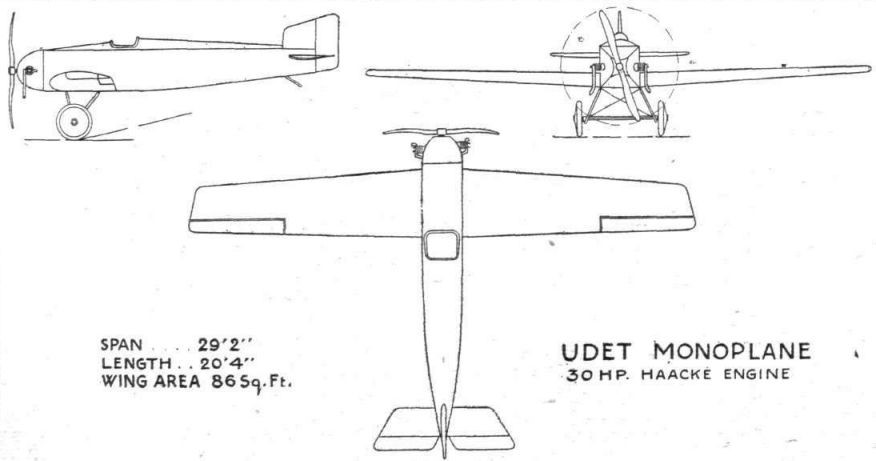
Engine: 1 × Haacke, 16 kW (22 hp)
Length: 5.33 m (17 ft 6 in)
Wingspan: 8.9 m (29 ft 2 in)
Height: 1.7 m (5 ft 7 in)
Wing area: 8 m2 (86 sq ft)
Gross weight: 200 kg (441 lb)
Maximum speed: 180 km/h (112 mph; 97 kn)
Endurance: 2.5 hr
Crew: 1
U-2
Engine: Haacke, 35 hp
Wingspan: 6.9 m
Length: 5.5 m
Seats: 2
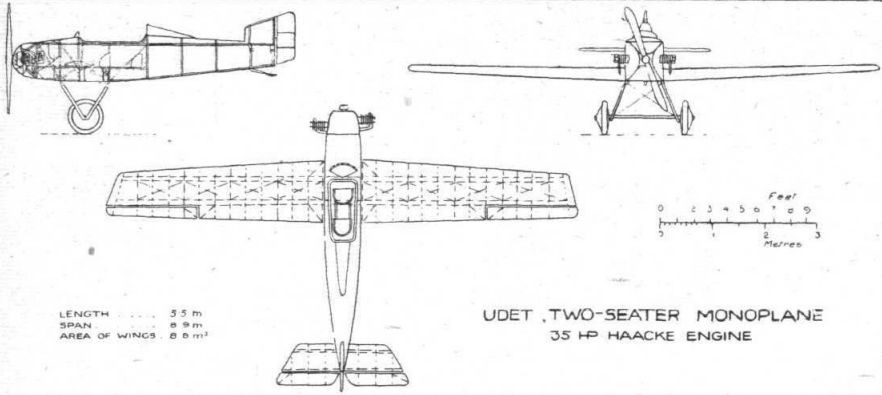
German First World War air ace Ernst Udet lent his name to this company, established near Munich in 1921 by American William Pohl. The Udet U-1 single-seat lightplane of 1922 was followed by a two-seat U-2; more powerful U-4; cabin monoplane U-5; another ultralight two-seat U-6; parasol-winged single-seat U-7 Kolibri; small airliner U-8; and an 11 seat high-wing transport U-11 Kondor. Udet left the company in 1925, after agreeing to production of a light training biplane, the Udet U-12 Flamingo, destined to become the company’s best-known aircraft. A two-seat open-cockpit biplane of wooden construction, it was demonstrated throughout the world by Udet. Although the company went out of business in 1925, Flamingo production continued as Bayerische Flugzeugwerke AG in Germany, as well as in Austria, Hungary and Latvia. It served in many roles, notably as a trainer with the German civil flying clubs and at clandestine Luftwaffe pilot training centres.
The 1909 Ueda Hiryu-go biplane was designed and built by Shoraro Ueda in Japan.
The 1913 Tsuzuku monoplane No. 3 was designed and built by Tetsaburo Tzusuku in Japan for the Revolutionary Government of China.
Span: 37’5″
Length: 24’7″
Gross weight: 1213 lb
Speed: 56 mph
 All Aero