1922 seaplane prototype for detachable-wing biplanes to be carried by submarines.
Aircraft
Caspar-Werke LJ.1
Heinkel-designed seaplane prototype for detachable-wing biplanes to be carried by submarines
Caspar-Werke S.1
twin-float monoplane seaplane
Caspar-Werke AG
Zentral-Aviatik Und Automobil Gmbh
Hansa-Flugzeugwerke
Hansa Und Brandenburgische Flegzeugwerke Gmbh
Hanseatische Flugzeugwerke Karl Caspar AG
Caspar Werke AG
Founded as the Zentrale fur Aviatik at Hamburg-Fuhlsbiittel in late 1911; began by building Etrich/RumplerTaube monoplanes. In 1913 renamed Hansa-Flugzeugwerke, merging shortly before the First World War with Brandenburgische Flugzeugwerke of Igo Etrich, becoming the Hansa and Brandenburgische Flugzeugwerke. This partnership dissolved in 1916, the Hamburg factory being renamed Hanseatische Flugzeugwerke Karl Caspar AG. Next two years spent mainly in license-building other companies’ aircraft, though an interesting cannon-armed twin-engined fighter prototype by Caspar appeared in late 1918.
With Ernst Heinkel as chief designer, this company produced the most important German seaplanes of the First World War, commencing with the KDW single-seater developed from the D1 landplane, followed by the W.12 with characteristic Hansa upswept fuselage and “upside-down” tail arrangement. The W.29 monoplane set the pattern for Heinkel’s later designs, outperforming Allied aircraft in combat from introduction in April 1918. The larger W.33 was delivered before the Armistice, and continued in production in Finland and Norway as the A-22 until the mid- 1928, as did the W.29 in Denmark.
Before end of First World War company acquired the ex- Fokker factory at Travemiinde, eventually closing the Hamburg works and transferring its activities there. Here, in 1921, the Caspar Werke AG was formed.
Established in 1921 in ex-Fokker factory at Travemunde to continue business of Hanseatische Flugzeugwerke Karl Caspar AG. of Hamburg. Started with manufacture of seaplanes, including S.1 twin-float monoplane and Heinkel-designed LJ.1 and U.2, 1922 prototypes for detachable-wing biplanes to be carried by submarines. A four-seat open-cockpit light transport was followed by the CLE.11 in 1923, a two-seat high-wing cabin monoplane. In 1925 came the CT-1 -5 series of light aircraft designed by Karl Theiss, and CLE.12 eight-seat single-engined transport. Lightplane designs C.17, 23, 24, and 26 followed; then in 1926 the C.27 seaplane training biplane; C.30 reconnaissance aircraft; C.32 agricultural biplane (one of the world’s first) with payload of 1,984 Ib (900 kg); the C.35 Priwall eight-passenger biplane of 1927 (also used by Deutsche Luft Hansa as freighter); and the C.36 reconnaissance aircraft. Lack of orders for these types caused the factory to close in 1928.
Cascade Ultralights Kasperwing 180
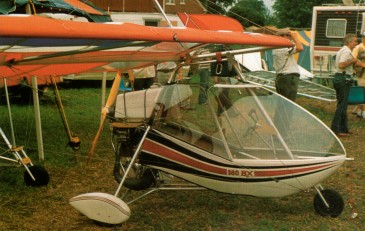
Designed by Witold Kasper and Steve Grossruck. The 180B model has a sturdier undercarriage. Control is pitch by weight shift, yaw and roll by differential wingtip rudders through control wheel. Kasper wingtips function both as ailerons and rudders to control roll and yaw through butterfly steering yoke. Rigid type undercarriage with balloon tire suspension and steerable nosewheel. Option includes shock system, bungee-operated. The 180BX is a flying wing motorglider monoplane. Control system operates independently of for¬ ward speed. Pilot module fully encloses pilot, improves handling and performance, offers year-round flying. Powered by a Zenoah G-25B with electric starter and a 2.49:1 reduction unit to 54/30 propeller, the landing gear is a rigid type, using balloon tire suspen¬sion or optional shock system. The 180C features a fully enclosed cockpit, 3 axis cxontrols with spoilers, and single-surface wing.
180
Engine: Zenoah G25B1, 23hp.
Wingspan: 10.67m.
Length: 3.86m.
Empty wt: 79 kg.
MAUW: 186kg.
Range: 137km.
180A
180B
Engine: Zenoah 242cc G-25B, 23 hp.
Prop: 54 x 27 with 2.49:1 reduction drive.
Landing gear: Aluminium tubing.
Empty wt: 215 lbs
Gross wt: 465 lbs
Payload (full std fuel): 220 lb.
Fuel cap: 5 USGal.
Wingspan: 35 ft.
Length: 12ft 8in.
Height: 90in.
Wing area: 180 sq ft.
Aspect ratio 6.8.
Wing loading: 2.6 lb/sqft.
Power loading: 20 lb/hp.
Wheel base: 62 in.
Vne: 60mph.
Max cruise: 45 mph.
Normal cruise: 38 mph.
Stall: 22 mph.
Best climb rate: 900 fpm.
Takeoff roll: 50 ft.
Ldg roll: 50 ft.
Glide ration: 10:1.
Sink rate: 200 fpm.
Static thrust 170 lbs.
180BX
Engine: Zenoah G25B, 23hp @ 6500 rpm.
Static thrust 170 lbs.
Wingspan 35 ft.
Wing area 180 sq.ft.
Aspect ratio 6.8.
Length 12 ft 8 in.
Empty weight 220 lbs.
Usable payload 250 lbs.
Wing loading 2.61 lbs/sq.ft.
L/D 12:1.
Cruise speed 48 mph.
Stall speed 22-26 mph.
Approach speed 30 mph.
Flare speed 14 mph.
Liftoff speed 16 mph.
Takeoff roll 75 ft.
Climb rate 600 fpm.
Fuel capacity 5 USG.
180C
Engine: Rotax 277, 28 hp.
Prop: Ritz 60 x 27.
Fuel cap: 5 USG.
Wingspan 35 ft.
Wing area 180 sq.ft.
Empty weight 238 lbs.
Max wt: 525 lbs.
Cruise speed 50 mph.
Stall speed 22 mph.
Vmax: 60 mph.
Climb rate 800 fpm.
Takeoff roll 75 ft.
Ldg roll: 30 ft.
Cascade Ultralights Kasperwing
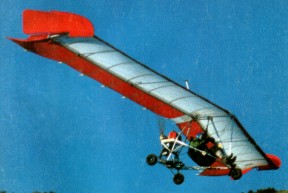
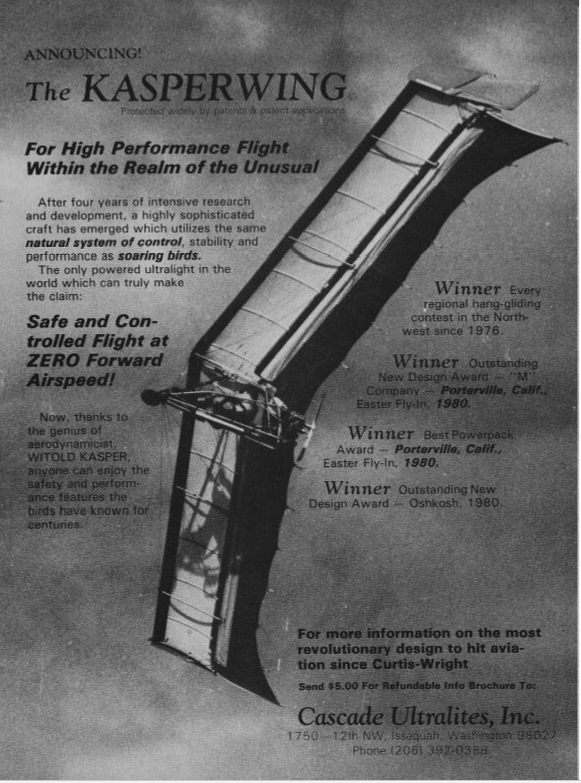
Witold Kasper never got his designs into production and it was left to someone else to harness the potential of Kasper’s “vortex lift” theory. Steve Grossruck, a US hang-glider designer, applied the Kasper wingtip controls to a Fledge hang-glider and found himself with a wing that would not stall or spin. It was also stable about all three axis at all speeds, and had a sink rate of 160 fpm with a 150 lb pilot. In keeping with the Kasper “vortex lift’ theory, the wing could be flown with hands-off stability in a vertical descent. Yaw and roll control proved to be totally independent of the craft’s forward speed.
Cascade Ultralights Kasperwing Article
The theory proven, it was decided to add power – initially with a 250cc Honda Odyssey of 23hp but later with a 242cc Zenoah 23hp engine. A special harness was designed to further realise the potential flight performance predicted by Kasper’s theories. The harness allowed faster weight shifting and enabled the pilot to make the precise trim changes required for vertical descents and safe landings.
This ability to “mush” down or fly below the stall without spinning or dropping its nose provides an ability to “parachute” vertically at about 600-800 fpm riding on a span-wise vortex of air which shears off at the leading edge of the wing, forming a low pressure area.
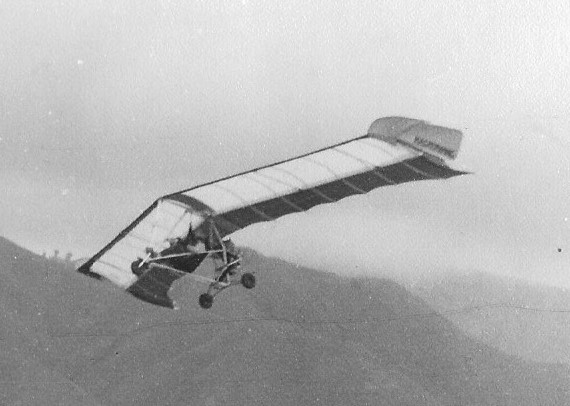
In 1980 the Kasperwing was the outstanding new design at Oshkosh and hang-glider versions have consistently won contests in the Northwest American States. The Kasperwing is the only microlight that is still controllable at zero forward speed. It then flies in a so-called “mush” without risk of spinning or loss of control. The rate of descent, 900 feet per minute, is rapid, but the experienced pilot can translate to forward momentum at any time during such a descent.
Engine: 242 cc123 hp Zenoah G-25B 1-cylinder two-stroke
Wing Span: 34 ft
Wing Area: 180 sq. ft
Length: 12 ft 8 in
Cruise speed: 35 – 45 mph
Stall speed: 18 – 22 mph
Max. rate of climb: 550 – 650 fpm
Empty weights: 150 lb
Max. pilot weight: 220 lb
Fuel consumption: 1 USG/hr
Range: 85 miles.
Engine: Rotax 277.
Prop: 152 cm.
Wing span: 10.67m.
Length: 3.86m.
Weight: 111 kg.
Fuel cap: 19 lt.
Cruise: 39 kts.
Stall: 20 kts.
CASA C-201 Alcotán / Kestrel
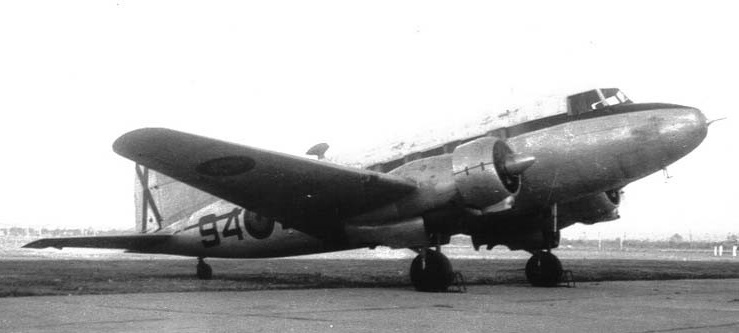
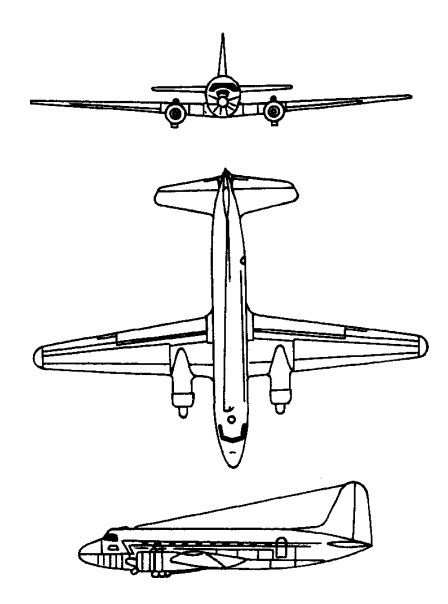
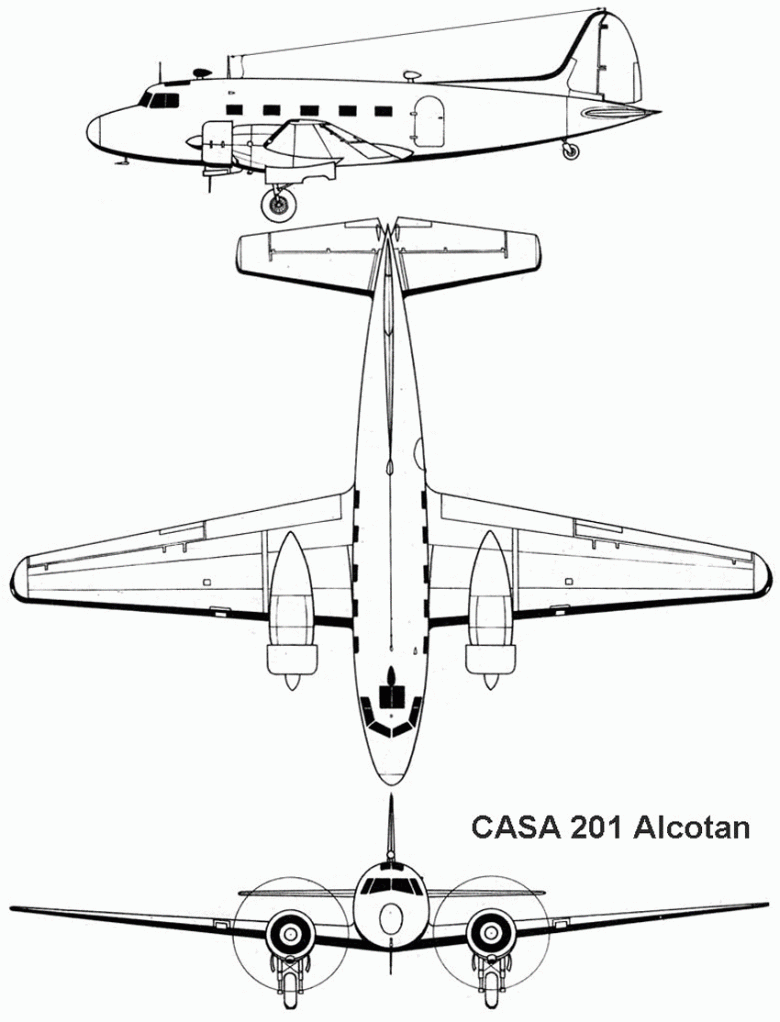
The C-201 was the result of an agreement between the Spanish government and manufacturer Construcciones Aeronáuticas SA (CASA), to develop a transport aircraft for the air force capable of carrying a payload of one tonne over a range of 1,000 km (620 mi). The design was a twin-engine low-wing cantilever monoplane of conventional configuration. The main units of the tailwheel undercarriage retracted into the engine nacelles.
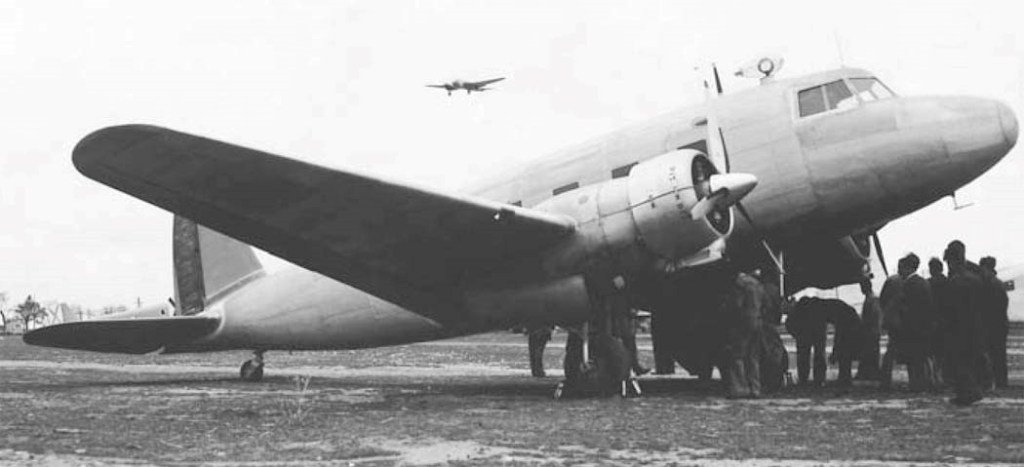
Two prototypes were constructed, and the first of those first flew on 11 February 1949. An order for twelve pre-production aircraft and one hundred (100 by the Spanish Air Force as T.5) series aircraft was then placed. The pre-production machines were planned to demonstrate a range of different equipment fits for the airframe, enabling it for a variety of roles including personnel transport, training for bombing and photo-reconnaissance work, and instrument flying training. A number of engines were also to be evaluated, including the Armstrong Siddeley Cheetah that had powered the prototypes, the Pratt & Whitney R-1340, and the locally produced ENMASA Sirio.
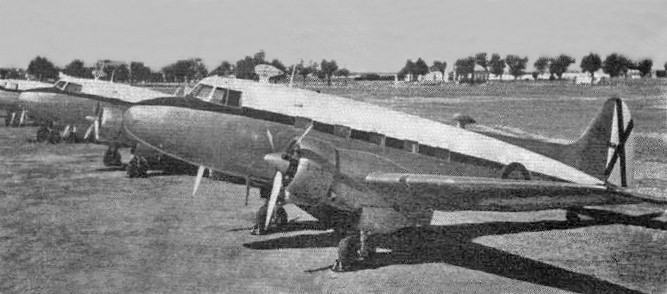
The Alcotán project stalled, due to problems in the supply of powerplants and propellers. Spain’s domestic engine industry was not capable of producing powerplants in sufficient quantity for the project, and Spain was unable to afford to import foreign engines. The production run had been scheduled to be completed before 1955, but the shortage of engines meant that by 1956, only eleven complete aircraft had been finished and delivered to the Spanish Air Force, designated T.5. In 1962, the project was finally cancelled, without the engine problem ever having been resolved. By then, CASA had 96 complete airframes in storage awaiting powerplants. Those were scrapped, and the Spanish government compensated the manufacturer for the debacle.
Variants:
C-201A – personnel transport with Armstrong Siddeley Cheetah 27 engines
C-201B – personnel transport with ENMASA Sirio S.VIIIA engines
C-201D – instrument flying, navigation, and radio training version with Armstrong Siddeley Cheetah 27 engines
C-201E – bombing and photo-reconnaissance training version with Armstrong Siddeley Cheetah 27 engines
C-201F – instrument flying, navigation, and radio training version with ENMASA Sirio S.VIIA engines
C-201G – bombing and photo-reconnaissance training version with ENMASA Sirio S.VIIA engines
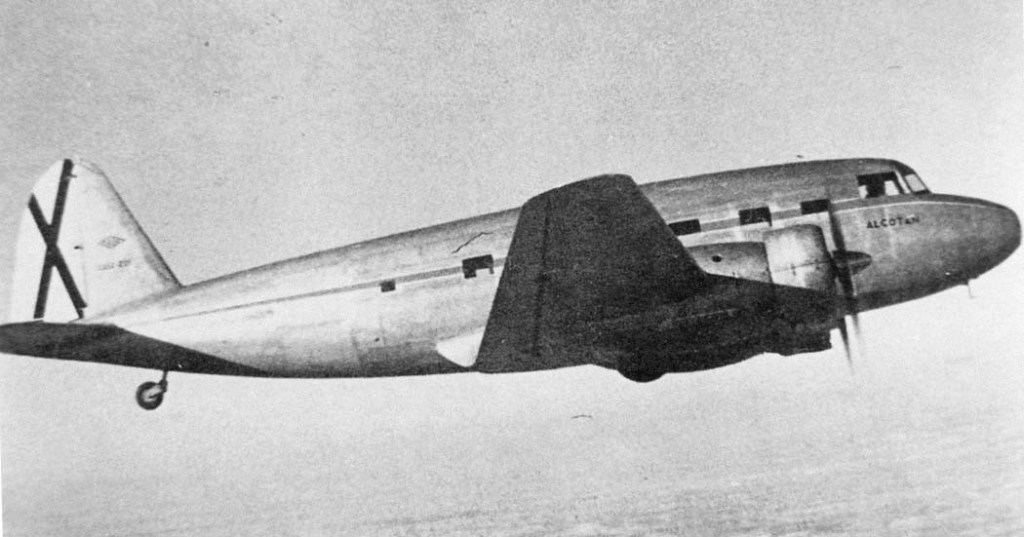
C-201A
Powerplant: 2 × Armstrong Siddeley Cheetah XXVII, 354 kW (475 hp) each
Wingspan: 18.40 m (60 ft 4 in)
Wing area: 41.80 m2 (450 ft2)
Length: 13.80 m (45 ft 3 in)
Height: 3.85 m (12 ft 8 in)
Empty weight: 3,560 kg (7,830 lb)
Gross weight: 5,100 kg (11,230 lb)
Maximum speed: 325 km/h (203 mph)
Range: 1,000 km (620 miles)
Endurance: 4 hours
Service ceiling: 5,600 m (18,370 ft)
Crew: Two pilots
Capacity: 10 passengers
201-D
Crew trainer
Engines: 2 x Armstrong Siddeley Cheetah 27, 475 hp
Wingspan: 60 ft 4 in
Wing area: 450 sq.ft
Length: 45 ft 3 in
Height: 12 ft 8 in
Empty weight: 7830 lb
Loaded weight: 11,230 lb
Max speed: 203 mph
Service ceiling: 18,370 ft
Range: 621 mi
Endurance: 4 hr
201-E
Crew trainer
Engines: 2 x Armstrong Siddeley Cheetah 27, 475 hp
Wingspan: 60 ft 4 in
Wing area: 450 sq.ft
Length: 45 ft 3 in
Height: 12 ft 8 in
Empty weight: 7830 lb
Loaded weight: 11,230 lb
Max speed: 203 mph
Service ceiling: 18,370 ft
Range: 621 mi
Endurance: 4 hr
201-F
Engines: 2 x E.N.M.A. Sirio-VII-A, 500 hp
Wingspan: 60 ft 4 in
Wing area: 450 sq.ft
Length: 45 ft 3 in
Height: 12 ft 8 in
Empty weight: 7920 lb
Loaded weight: 12,100 lb
Max speed: 219 mph
Service ceiling: 20,000 ft
Range: 621 mi
Endurance: 4 hr
201-G
Engines: 2 x E.N.M.A. Sirio-VII-A, 500 hp
Wingspan: 60 ft 4 in
Wing area: 450 sq.ft
Length: 45 ft 3 in
Height: 12 ft 8 in
Empty weight: 7920 lb
Loaded weight: 12,100 lb
Max speed: 219 mph
Service ceiling: 20,000 ft
Range: 621 mi
Endurance: 4 hr
CASA CN-295 Persuader / Airbus C-295
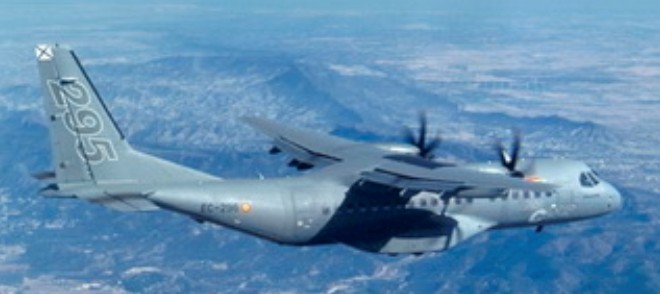
Designed with the same operating criteria as the CASA CN-135, the C-295 has high commonality.
The CN-295 received FAA FAR-25 certification on 17 December 1999.
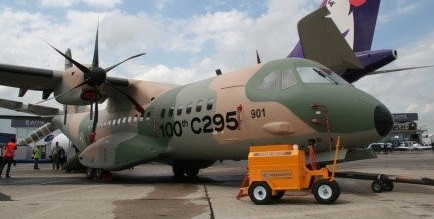
The Brazilian Air Force (FAB) received its third and final Airbus SC-105 Amazonas search and rescue (SAR) aircraft on December 9, 2020, during a handover ceremony at the company’s production facility in Seville, Spain.
Following the delivery, the aircraft – serial 6552 – departed Spain on December 11 for Campo Grande air base in Brazil’s Mato Grosso do Sul state. There it will be operated by the 2nd Squadron of the 10th Aviation Group (2°/10° GAv) ‘Pelicano (Pelican)’, alongside serials 6550 and 6551, which were delivered in August 2017 and October 2019, respectively. Locally designated the SC-105 Amazonas, this dedicated SAR platform is a variant of Airbus’ C-295MPA Persuader twin-turboprop maritime patrol aircraft.
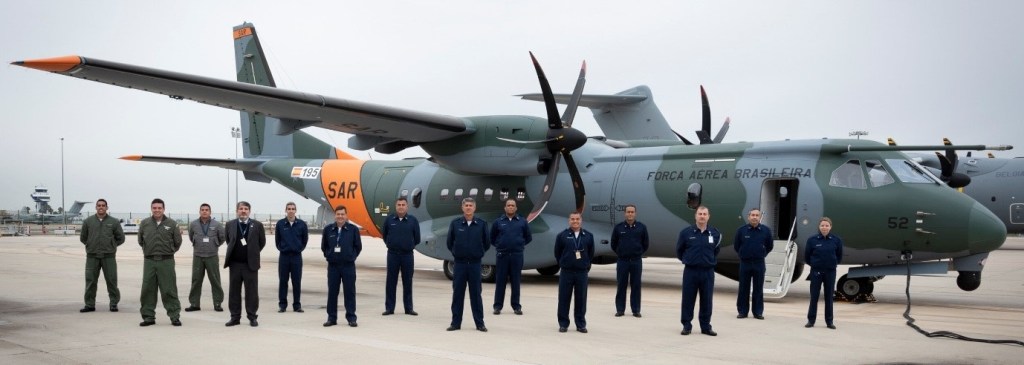
The first SC-105 entered service with Brazil in April 2009, when two SAR-equipped variants of the C-105 Amazonas tactical transport (based on the C-295M) operated as an interim solution for the FAB. In July 2014, Airbus announced that the South American nation had contracted it to produce and deliver three fully SAR-configured SC-105s to the air force.
The two interim examples are being reconverted into C-105 tactical transports. One has already reverted back to its original configuration and was redelivered to the FAB after SC-105, serial 6550, was handed over in 2017. The second will undergo the same process now that the third and final fully SAR-configured SC-105 has arrived in Brazil.
The Tata Aerospace Complex in Vododara, Gujarat, India was opened in 2024, dedicated to manufacturing C-295. Under the deal, 57 C-295 were to be supplied to the IAF, with 16 aircraft manufactured in Spain and the remaining 40 produced in India. The first Indian-assembled C-295 was expected September 2026.
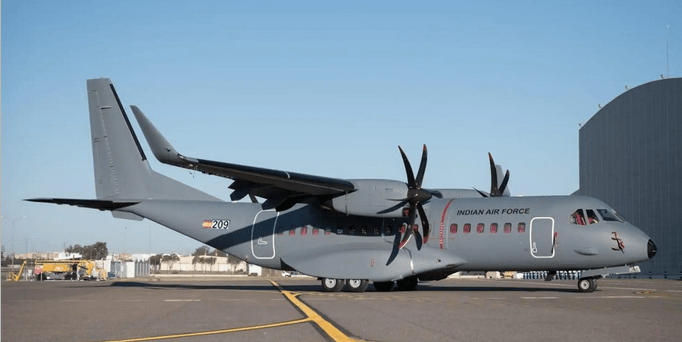
Ceiling: 30,000 ft
Range: 2850 nm
Payload: 9700 kg
Capacity: 78 troops.
CASA C-212 Aviocar / IPTN NC-212
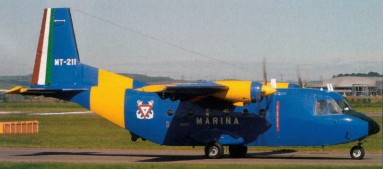
Design of the Aviocar originated to provide the Spanish Air Force with a general purpose transport and first flight was made on 26 March 1971. Active military roles include ASW and Maritime Patrol, with nose-mounted radar, specified role equipment and fuselage hardpoints for torpedoes, rockets or depth charges. Specially equipped ELINT/ECM versions of the Aviocar are used by Portuguese Air Force and others.
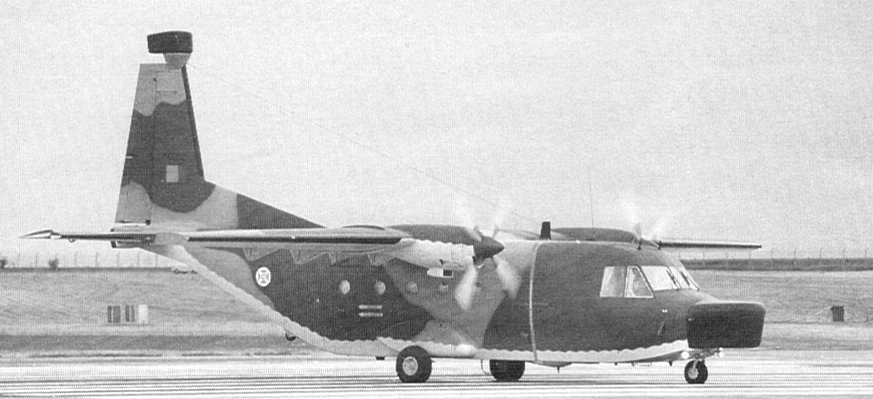
Powered by two 776 hp AiResearch TPE331 251C turboprops driving four blade propellers, the C.212 has an unpressurized fuselage with full section rear doors for heavy freight or for paradropping. Able to operate from unimproved 2,000-foot strips, loads, with a flight crew of two, include 2000 kg (4410 lb) of cargo, 15 paratroops and jumpmaster, or 12 stretcher patients and three attendants or sitting casualties. Versions are available for navigational instruction, air survey and other special roles, and studies have been made of armament schemes which include stores pylons for guns, bombs or rockets under the fuselage and wings. The prototype flew on March 26, 1971, and by late 1976 well over 100 had been sold.
Since early 1987 the standard production version was the Series 300, which has an increased maximum take-off weight of 8,000kg (for the military variant), improved range and payload, and structural modifications including a redesigned nose and glassfibre wingtips. The military version can carry two 500 litre auxiliary fuel tanks on underwing hardpoints. The 26-seat commercial Series 300 flew in September 1984.
Several special-mission Aviocars are offered, including an Elint/ECM version and an ASW/maritime patrol model. The ASW/maritime patrol model is equipped with a nose-mounted 270Oscan APS-128 search radar for maritime patrol or a 3600 radar for ASW duties. Two underwing hardpoints are provided.
The Mexican Navy purchased nine Aviocars for maritime duties (plus another for VIP transport) without radar but retaining other maritime equipment.
The 212 was manufactured under licence by IPTN from 1976 as the NC-212.
By 1990 a total of 435 aircraft were built.
Engines two 908 shp Garrett-AiResearch turboprops
Seats 26.
Gross wt. 16,091 lb
Empty wt. 9,072 lb
Fuel capacity 555 USG
Top speed 242 mph
Initial climb rate 1,730 fpm
Ceiling 28,000 ft
Range 1,070 miles.
Takeoff distance (50 ft) 1,588 ft.
Landing distance (50 ft) 1,700 ft.
C-212-200
Engines: 2 x Garrett TPE331-10 turboprops, 671kW
Max Take-off weight: 7450 kg / 16425 lb
Loaded weight: 3915 kg / 8631 lb
Empty wt: 4115 kg.
Payload: 2770 kg.
Wingspan: 19 m / 62 ft 4 in
Length: 15.16 m / 49 ft 9 in
Height: 6.68 m / 21 ft 11 in
Wing area: 40 sq.m / 430.56 sq ft
Cruise speed: 385 km/h / 239 mph
Initial ROC: 455 m / min.
Ceiling: 8500+ m.
T/O run: 440 m.
Ldg run: 250 m.
Fuel internal: 2000 lt.
Range w/max.fuel: 1620 km / 1007 miles
Range w/max.payload: 760 km / 472 miles
Crew: 2
Passengers: 15-26
C.212-200 CC
First built: 1971.
Engines: 2 x Garrett TPE-331-501 C, 900 shp.
Props: Hartzell 4-blade, 110-in.
Seats: 28.
Length: 49.8 ft.
Height: 21.8 ft.
Wingspan: 62.3 ft.
Wing area: 430 sq.ft.
Wing aspect ratio: 9.
Maximum ramp weight: 16,537 lbs.
Maximum takeoff weight: 16,427 lbs.
Standard empty weight: 9700 lbs.
Maximum useful load: 6272 lbs.
Maximum landing weight: 16,207 lbs.
Wing loading: 38.2 lbs/sq.ft.
Power loading: 9.1 lbs/hp.
Maximum usable fuel: 3538 lbs.
Best rate of climb: 1735 fpm.
Service ceiling: 28,000 ft.
Maximum single-engine rate of climb: 345 fpm @ 112 kts.
Single-engine climb gradient: 182 ft/nm.
Single-engine ceiling: 11,500 ft.
Maximum speed: 200 kts.
Normal cruise @ 10,000ft: 192 kts.
Fuel flow @ normal cruise: 650 pph.
Endurance at normal cruise: 4.9 hrs:
Stalling speed clean: 84 kts.
Stalling speed gear/flaps down: 71 kts.
Turbulent-air penetration speed: 147 kts.
CASA C 212-300 Aviocar
Engine: 2 x AlliedSignal TPE 331 10R, 662 shp
Length: 53.15 ft / 16.2 m
Height: 20.669 ft / 6.3 m
Wingspan: 66.929 ft / 20.4 m
Wing area: 441.324 sqft / 41.0 sqm
Max take off weight: 16978.5 lb / 7700.0 kg
Weight empty: 10650.2 lb / 4830.0 kg
Max. weight carried: 6328.4 lb / 2870.0 kg
Max. speed: 200 kts / 370 km/h
Landing speed: 83 kts / 154 km/h
Cruising speed: 166 kts / 308 km/h
Initial climb rate: 1574.80 ft/min / 8.00 m/s
Service ceiling: 26083 ft / 7950 m
Wing load: 38.54 lb/sq.ft / 188.0 kg/sq.m
Range: 329 nm / 610 km
Crew: 2
Payload: 23-26 pax
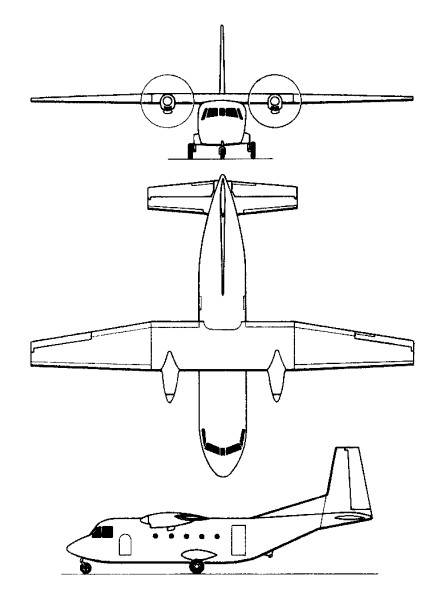
CASA C-207 Azor
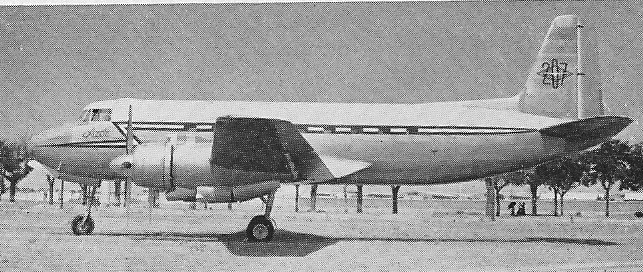
The Azor is basically a scaled-up version of the CASA 202 Halcon, intended as a 30-38 seat commercial transport.
The prototype, completed in August 1955, was powered by two 2040 hp Bristol Hercules 730 engines.
Following the production of ten of the basic C-207-A 30-passenger transport aircraft for the Spanish Air Force (designated T.7A), CASA completed ten C-207-C (T.7B) Azors equipped for cargo carrying.
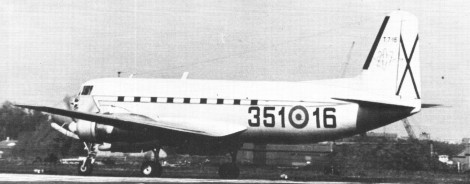
C-207
Engines: 2 x Bristol Hercules 730, 1522kW
Max Take-off weight: 16500 kg / 36376 lb
Empty weight: 10600 kg / 23369 lb
Payload: 3000kg / 6614 lb
Wingspan: 27.8 m / 91 ft 2 in
Length: 20.85 m / 68 ft 5 in
Height: 7.75 m / 25 ft 5 in
Wing area: 85.8 sq.m / 923.54 sq ft
Max. speed: 420 km/h / 261 mph
Cruise speed: 400 km/h / 249 mph
Ceiling: 8000 m / 26250 ft
Range w/max.payload: 2350 km / 1460 miles
Crew: 4
Passengers: 40