In the Fifties, Georges Briffaud designed the GB-6, a tailless airplane with a high wing and a Lutétia 44 hp engine. Inspired by the work of Abrial and Fauvel, he provided his airplane with an inherently stable wing allowing the horizontal tail to be omitted. The wing, however, had an original airfoil section, based on the NACA 23012, whose inherent stability was achieved by raising the trailing edge. Assembled by SAN (Société Aéronautique Normande), this airplane took off with Lucien Quérey (Director of SAN) at the controls in June 1955, from the Bernay airport. While landing on a wet section of the runway, however, the nosewheel dug in and the GB-6 flipped over violently. The pilot was only slightly injured. Only the wing was salvageable.
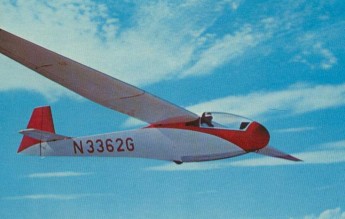
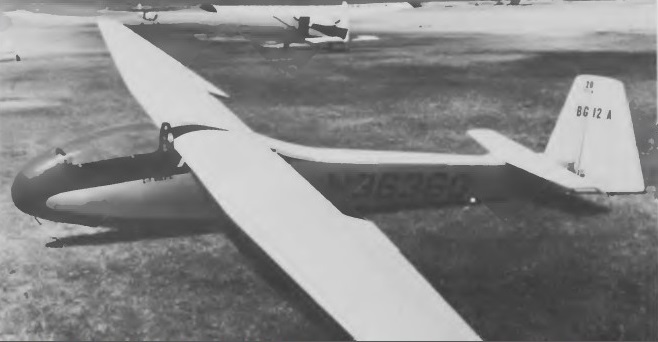
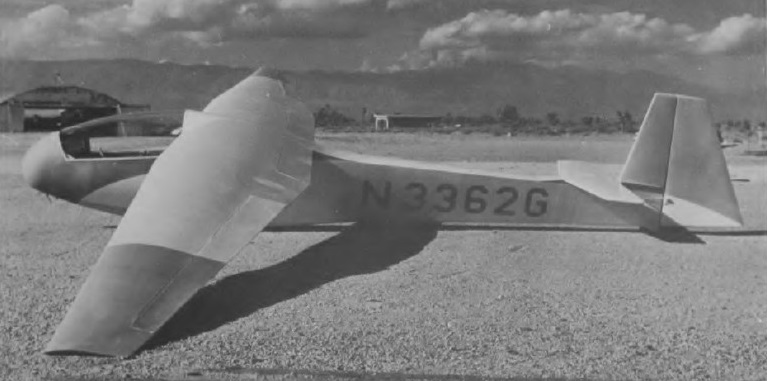
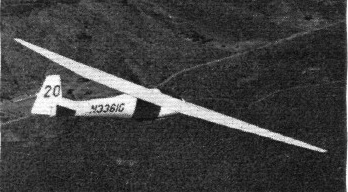
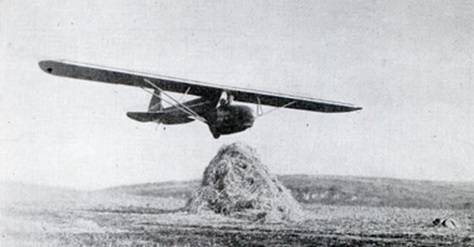
The BG 12 is a single-seat high performance sailplane the sole prototype of which first flew in March 1956, and the basic design was intended especially for homebuilt construction in kit or plan form. Designed by William G. Briegleb, the BG-12 series prototype used a modified BG-6 fuselage. All wing ribs and fuselage bulkheads are cut from plywood and construction is similar to that of a model aeroplane, with spruce longerons being covered with plywood.
First production version was the BG 12A, first flown in July 1958, which had a three-piece cantilever wooden wing of 15% thickness/chord ratio and NACA 44-series section, the control system utilising aluminium tubes and castings.
Briegleb BG 12A
A lighter 2- piece 18% thick wing was developed in 1963 as the BG-12B. Both have flaps for glidepath control. The BG 12B, which first flew in July 1963 and had a two-piece wing with a thicker 18% section at the root, and a welded system of control linkages.
The BG 12C was a Standard Class version with a span of exactly 15m instead of the 15.24m (50ft 0in) of the A and B, and this version also featured air brakes, the flaps being used as air brakes on the A and B models at speeds up to 130mph.
One flapless B-12C model was built with a 2 piece 15-meter span wing with air brakes to meet FAI/OSTIV Standard Class requirements.
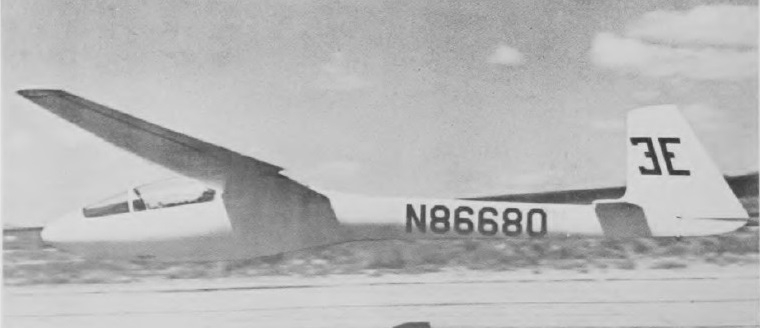
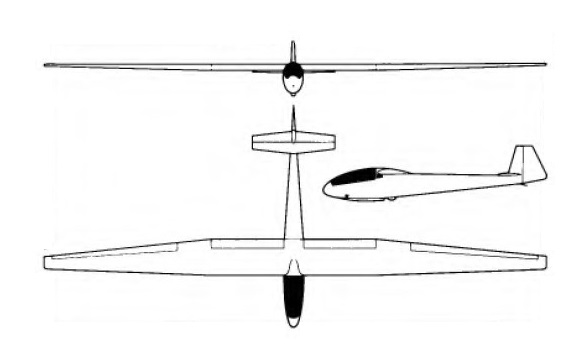
The production BG 12BD, which first flew in July 1973 reverts to the 15% wing root section of the A. The BG-12BD model eliminates three degrees of wing twist, accomplishing the same effet by an aileron linkage applicable only in the low-speed range. On all versions, both ailerons and flaps are of wood and covered by plywood, while the tail unit is also of wood; the tailplane incidence can be adjusted on the ground and there are no tabs. The undercarriage consists of a fixed unsprung monowheel with a Briegleb circumferential brake, a shock-mounted nose skid and a spring tail skid. The pilot sits under a large one-piece moulded Plexiglas canopy and has an adjustable seat and rudder pedals.
BG-12BD
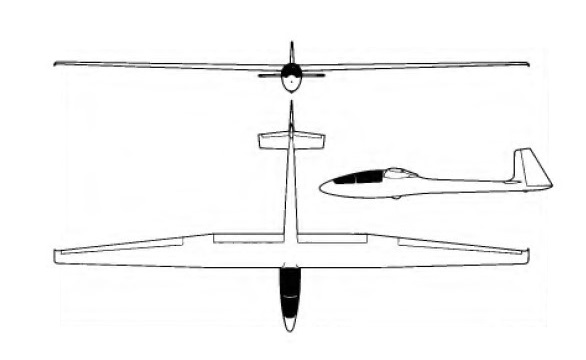
The BG 12-16 was developed from the single-seat BG 12BR, a special contest version of the BG 12 which was flown into seventh place in the 1964 US National Championships by Ross Briegleb. This later damaged its fuselage in a landing accident and was given a new fuselage originally built for the BG 16, a projected new design, thus becoming the BG 12-16 prototype; it made its first flight in this form in June1969. The new low profile fuselage is slimmer than the BG 12’s, with a glassfibre forward section containing the pilot in a semi-reclining seat under a two-piece canopy, the aft section of which is detachable; this tapers into a slim rear fuselage of circular section instead of the rectangular section of the BG 12’s. A distinctive forward-swept fin and rudder is featured, and the all-flying tailplane, built in two halves, is of metal construction with glassfibre covering, and has two anti-balance servo tabs. L/D max. is 36. The wing and its construction is similar to the BG 12’s but with longer span flaps; the flaps, ailerons and rudder are built of ply-covered wood using spruce and Douglas fir. The undercarriage consists of a fixed unsprung monowheel, a shock-absorbing nose skid and a sprung tailwheel or tail skid. By the beginning of 1978 kits and/or plans for homebuilt construction of 58 BG 12-16s had been sold, although Mr William Briegleb has now retired from sailplane design and ceased all advertising.
BG 12-16
Kits and/or plans for a total of 257 BG 12s and 58 of the later BG 12-16 had been sold by early 1978; about 100 of these have been completed. As a homebuilt sailplane, around 350 kits or sets of plans having been delivered to customers. A number of modifications were incorporated by individual kitbuilders. One example is the Niedrauer NG-1 which has a BG-12/16 fuselage with a BG-12B tail and cockpit depth reduced by 9 in /23 cm to 34 in /86 cm, and lengthened to accommodate the pilot in a semi-reclining position.
BG-12C
BG-12BD Wing span: 15.24m / 50ft Wing area: 13.1sq.m / 141sq.ft Length: 6.68 m / 21ft 11 in Height: 1.22 m / 4ft 0in Empty Weight: 227kg / 500lb Payload: 113kg / 250lb Gross Weight: 340kg / 750lb Water ballast: None Wing Load: 25.95kg/sq.m / 5.3lb/sq.ft Aspect ratio: 17.7 Airfoil: NACA 4419R, 4406R Max speed: 140mph / 121 kt / 225 km/h (in smooth air) Max rough air speed: 112 kt / 210 km/h Stalling speed: 33 kt / 61 km/h Min sink: 2.26ft/sec / 0.69m/sec at 47mph / 41 kt / 76 km/h L/DMax: 34 at 90 kph/ 49 kt/ 56 mph No. of Seats: 1
BG 12-16 Span: 15.24 m / 50ft 0in Length: 7.32 m / 24ft 0in Height: 1.27 m / 4ft 2in Wing area: 13.2 sq.m / 142.1 sq.ft Wing section NACA 4415R/4406R Aspect ratio: 17.9 Empty weight: 238 kg / 525 lb Max weight: 385 kg / 850 lb Water ballast: None Max speed: 140 mph / 121 kt / 225 km/h (in smooth air) Stall speed: 29.5 kt / 55 km/h Max rough air speed: 112 kt / 210 km/h Min sinking speed: 0.68 m/sec / 2.23 ft/sec at 48 mph / 41.5 kt / 77 km/h Best glide ratio: 34:1 at 56 mph / 48.5 kt / 90 km/h
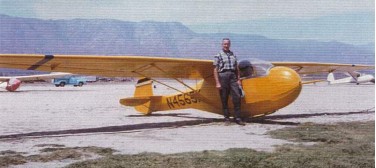
Designed by William G. Briegleb, the BG-7 was developed in 1940 by adding longer, tapered wings to the BG-6. Most have spoilers fitted, which the BG-6 lacked. Modifications were common, frequently in the cockpit area. The added span created some directional instabillity, so many BG-7s had the rear fuselage lengthened or area added to the vertical fin.
Mr Briegleb’s firm re-introduced construction of the BG 6 and BG 7 as a plans-only service to homebuilders, and by the beginning of 1978 59 sets of BG 6 plans and 29 sets of the BG 7 had been sold.
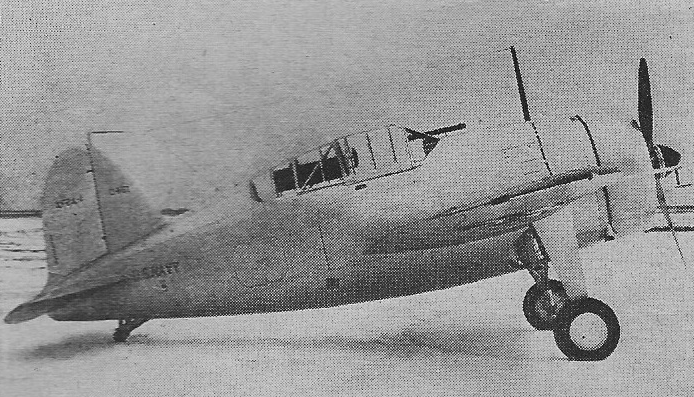
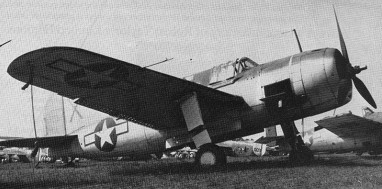
The prototype of this single-seat all-metal fighter flew for the first time in December 1937.
1938 XF2A-1
The first production version was the F2A-1 powered by a 700.4kW Wright R-1820-34 radial engine which went into service with the US Navy in 1939. From the initial order of 54, only 11 were actually accepted into service with US forces. The eleven were operated by the US Navy on board USS Saratoga and 44 were exported to Finland. The F2A-1 was the US Navy’s first monoplane fighter.
These were followed by 43 894kW R-1820-40-engined F2A-2 and 108 F2A-3 for the US Navy. Addition of armour plate on the F2A-2 version reduced any performance advantage the basic Buffalo may have had over Japanese fighters.
A contract was placed by the RAF in 1939 for 170 Brewster Model 339’s (called Buffalos) to be operated as a land fighter. Meanwhile a few fighters had reached Belgium and others were in service in the Netherlands East Indies and with the RAF.
Finland bought 44 Brewster 239 from USA 1939-1940. Basically 43 Brewsters were on sale (US Navy order was 54 and only 11 was delivered). But Finland bought 44 and 38 came from US Navy order and six from Belgium order. Since Belgium has ordered Brewster 339, the factory had to make rather big modification to front fuselage.
After the Russian invasion of Finland in 1940, slowly reinforcements began to arrive for the Finnish air force. The first to come were 5 Gloster Gladiators, 12 Hurricanes, 17 Lysanders and 24 Blenheims, all from Britain. After that, 76 Morane-Saulnier and Koolhoven F.K. fighters arrived from France. Italy sent 17 Fiat fighters, Sweden 12 Gloster Gladiators, and the USA 44 Brewster Buffalo, of which however only 5 reached Finland in time. Even the Union of South Africa sent 25 Gloster Gladiators. Pilots and ground personnel from a number of countries also volunteered to assist them.
Apart from the Finnish fighters which fought well against the Russians, F2A were used almost exclusively against the Japanese and in all cases met superior aircraft. Heavy British losses in the Far East led to their withdrawal and US Navy action during the Battle of Midway was equally unsuccessful as 13 out of the 19 available Buffalos were lost to enemy fire.
In an attempt to improve performance against the Japanese Zero, the .50 in mgs were replaced by .303s and the number of rounds reduced to 350. The fuel was restricted to 80 gallons.
A total of more than 500 F2A were built.
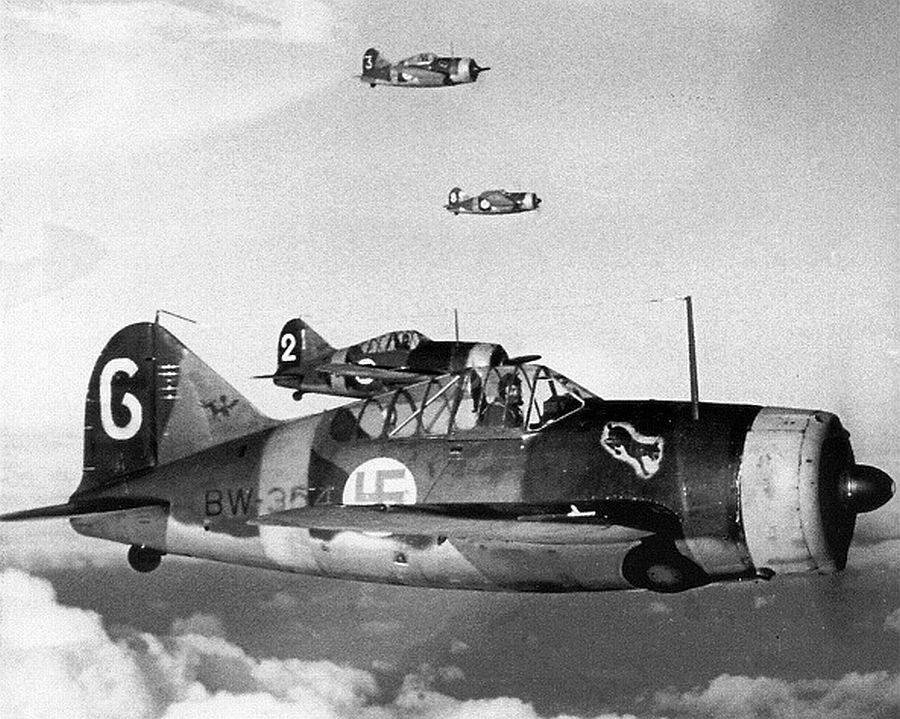
In 1939, following requests by the Finnish Embassy in Washington, D.C., a total of forty-four U.S. Brewster F2A-1 “Buffalo” aircraft that were originally intended for the U.S. Navy were diverted at the behest of the U.S. State Department to Finland for use by the Finnish Air Force (FAF) and designated by Brewster as the Model B-239E. They were flown at first during the Winter War of 1939-40 between the Soviet Union and Finland. There they were never referred to as the “Buffalo” by the FAF, but merely “Brewster” or by nicknames such as “Sky Pearl” and “Pearl of the Northern Skies” and “Butt-Walter” (or “Pylly-Walter”) and “American Hardware” (American metal) and “Flying Beer Bottle,” and they received FAF serial numbers BW-351 though BW-394 (“BW” aircraft).
Brewster B-239s over Lake Tikshozero, 1942.
The Finns liked the Buffalo enough to design a version called the Humu (‘Reckless’) with a wooden wing and a Russian engine. It proved unsatisfactory in trials and only a single example was built.
The one Brewster 239 (F2A-1) is in The Aviation Museum of Central Finland in Tikkakoski, Finland. There is also the prototype of VL Humu which is the clone of F2A-1 or 239.
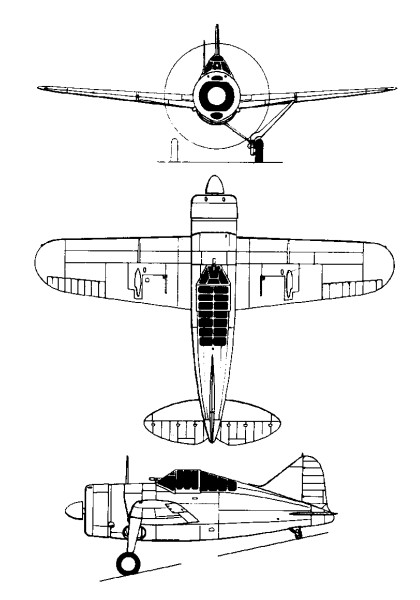
Brewster F 2 A Buffalo Carrier based fighter aircraft 1938 Length: 26.345 ft / 8.03 m Height: 12.073 ft / 3.68 m Wingspan: 35.007 ft / 10.67 m Wing area: 208.929 sqft / 19.41 sq.m Max take off weight: 7159.6 lb / 3247.0 kg Weight empty: 4731.9 lb / 2146.0 kg Max. speed: 279 kts / 517 km/h Cruising speed: 224 kts / 415 km/h Service ceiling: 33202 ft / 10120 m Wing load: 34.24 lbs/sq.ft / 167.00 kg/sq.m Range: 839 nm / 1553 km Engine: Wright R 1820-40 Cyclone, 1184 hp Crew: 1 Armament: 4x cal.50 MG (12,7mm), 2x 45kg Bomb.
F2A-2 Engine: 1100 hp Wright R-1820-40 (G-205A) Cyclone Wingspan: 35 ft / 10.67 m Length: 26 ft 4 in / 8 m Height: 12 ft 1 in / 3.7 m Empty weight: 4630 lb / 2100 kg Loaded weight: 7055 lb / 3200 kg Max speed: 300 mph / 483 km ROC: 3070 fpm / 935 m/min Service ceiling: 30,500 ft 9300 m Range: 650-950 mi / 1045-1530 km Armament: 4 x mg, 0.30 in, 0.303 in, or 0.50 in
Brewster F2A-3 Buffalo Length: 26 ft 4 in (8.03m) Wingspan: 35 ft 0 in (10.67m) Height: 12 ft 1 in (3.68m) Wing area: 19.41 sq.m / 208.93 sq ft Maximum Speed: 321mph (517kmh; 279kts) Cruise speed: 415 km/h / 258 mph Maximum Range: 965miles (1,553km) Rate-of-Climb: 3,070ft/min (936m/min) Service Ceiling: 33,202ft (10,120m) Armament:4 x 12.7mm machine guns, 2 x 45-kg bombs Accommodation: 1 Empty Weight: 4,731lbs (2,146kg) Maximum Take-Off Weight: 7,158lbs (3,247kg) Engine: 1 x Wright R-1820-40 cyclone radial piston , 895kW
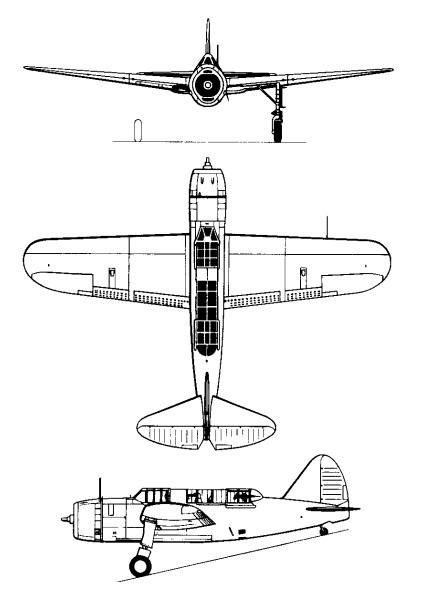
The US Navy issued a requirement for a new scout/dive bomber aircraft early in 1938. From half a dozen designs submitted, those of Brewster and Curtiss were considered most suitable, both incorporating the new 1700 hp Wright R 2600 Cyclone 14 cylinder two row radial, conforming adequately with the Navy Bureau of Aeronautics specifica¬tion. In January 1939, prototypes of the XSB2A1 (Brewster) and XSWC 1 (Curtiss) were ordered.
First flown on 17 June 1941, this was a mid-wing all-metal monoplane fitted with a 1,267kW Wright Double-Row Cyclone R-2600-8 engine. The prototype was tested with a mock-up powered dorsal turret, but this caused such buffeting that it was abandoned and traditional hand-aimed guns were used instead.
Production deliveries were made to the RAF in 1942 as SB2A-1 (known as Bermuda and quickly relegated to training and target-towing duties), and to the US Navy from 1943 as SB2A-2, -3 and -4; the latter were produced for the Netherlands East Indies but were not delivered and were used instead as trainers. The RAF’s Bermudas lacked the arrester hook and folding wings of the US Navy’s SB2As.
The Bermuda has split flaps which act as dive brakes, reducing the operational diving speed to a maximum of 240 mph.
Mr. Orin Z. Brenning started work on his B-Liner push/pull two-seater in 1970 and the aircraft was completed in 1986 with the first flight taking place on 31 July of that year, registered N285TT. The aircraft featured a mixed wood, steel, composites construction and was purely intended for personal use, so no plans/kits were made available.
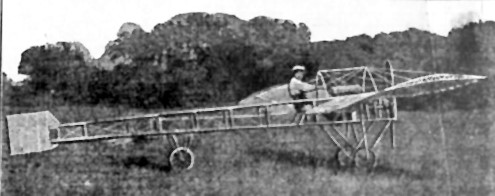
This machine was built by two brothers, Hino and Kurt Brendel, of German nationality but living in Topeka, Kansas. It made three successful, if short, flights but crashed on its fourth because of high wind. It was repaired and put on display but it’s uncertain if it flew again. In any event, the builders did not consider it very successful and built a second machine, basing it more closely on the Blériot type. One of the brothers used it in exhibition work, not only in Kansas but also in Canada.
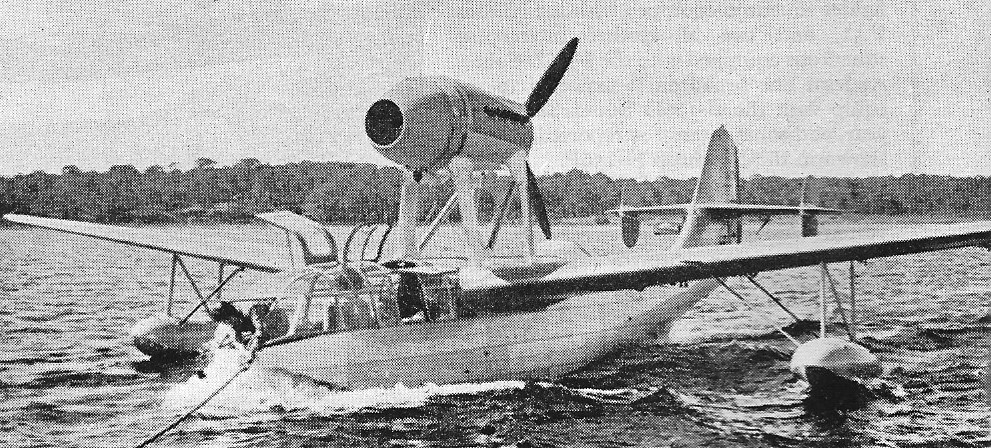
The Breguet Br.790 Nautilus light reconnaissance flying boat had completed flight tests by November 1939, and preparations were being made for the quantity manufacture of the type for the French Navy at the Toulon Arsenal at the time of the armistice.