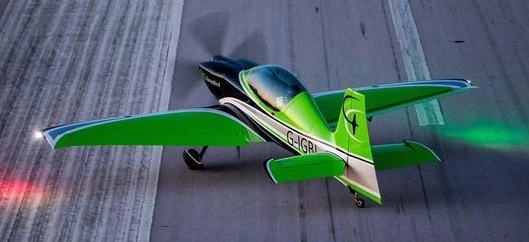
Game Composites GB1 GameBird

The GameBird was begun in 2013, when aerobatic pilot and designer Philipp Steinbach and a small team started drawing the initial shape of the airplane. The design was created using CAD software in England, where all of the initial development was done.

The GameBird is a versatile aerobatic airplane, with quick handling characteristics, capable of unlimited aerobatics at plus and minus 10 G with a roll rate of 400 degrees per second at 200 kias. However, with the ability to quickly shift its CG with a removable 25-pound weight in the tail section, the airplane can go from an unlimited aerobatic performer to a stable cross-country platform with an impressive 1,000 nm range. There is also a 30-pound baggage compartment for added versatility.

Even with the international move to Bentonville last year, the small team was able to get the airplane certified in 4 years. In August 2017 the team at Bentonville, Arkansas-based Game Composites saw their GB1 GameBird receive its certification. The FAA signed the Part 23 paperwork about four months after the European Aviation Safety Agency gave its approval.
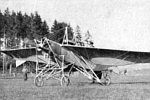
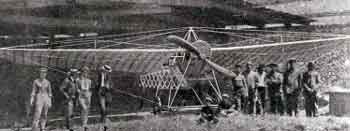
Galleao Niess Maranho

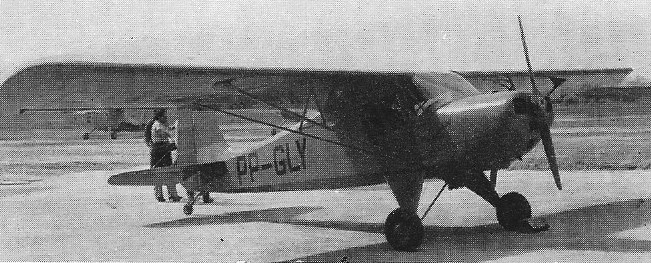
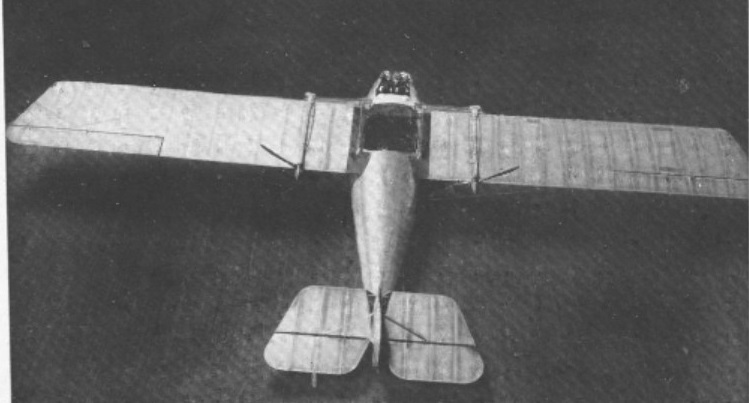
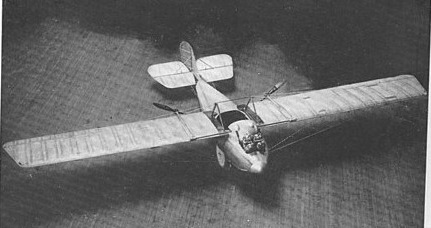
Built in quantity by Fabrica do Galleao at Rio de Janeiro, Brasil, the Niess Maranho side-by-side two seat cabin monoplane was used by several Brazilian flying clubs.

Powered by a Continental C85. The Maranho has dual controls and is of mixed construction with plywood and fabric covering.

Engine: Continental C85, 85 hp
Wingspan: 34 ft 6 in
Length: 22 ft
Height: 6 ft 6 in
Empty weight: 886 lb
Loaded weight: 1270 lb
Max speed: 110 mph
Cruise: 97 mph
ROC: 770 fpm
Range: 280 mi

Gallaudet DB-1

DB-1 AS64238

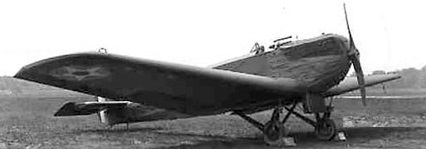
The Gallaudet DB-1 Army Day Bomber AS64238 of 1923 was so overweight it was used for ground tests only. It was an open cockpit, low wing monoplane.

DB-1 AS64238

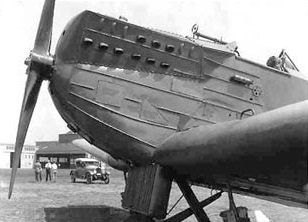
The DB-1B AS64239 was a new and modified biplane design. It flew on 1 August 1923, but displayed enough bad habits to warrant rejection by the military.

DB-1
Engine: 700hp Engineering Division W-1A-18
Wingspan: 67’0″
Length: 44’0″
Useful load: 1953 lb
Max speed: 144 mph
Cruise: 128 mph
Range (est): 900 mi
Seats: 2

DB-1B
Wingspan: 66’7″
Length: 42’0″
Useful load: 5340 lb
Seats: 2

Gallaudet Chummy Flyabout

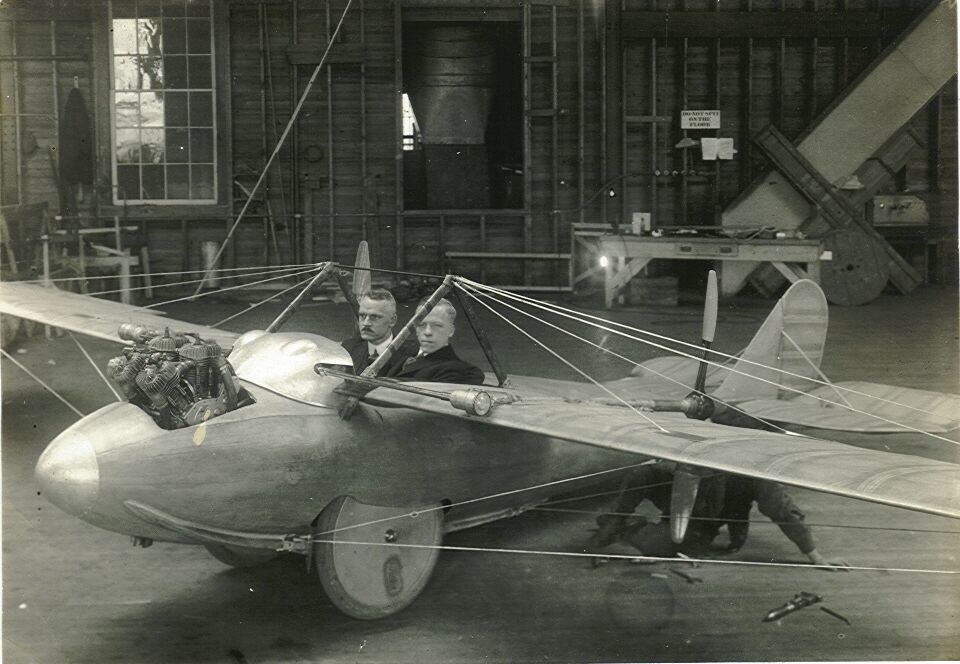
Edson Gallaudet and David Dunlap in the cockpit.

Gallaudet took advantage of the tremendous public fascination with flight and came up with an unusual twin-pusher prop sport plane with a pair of 18 horsepower engines called the Chummy Flyabout.

The little two-seater, built in the Warwick factory, was priced at $3,500, a hefty sum for the day. A 1919 glossy marketing brochure suggested the plane could “be flown to the golf or country club and landed on the fairways.” Readers were tempted with “the joy of flying is to be had for the asking” and “weekend trips to neighboring estates.” Owners could fly “around the ranch or commute to the office by air.” A newspaper advertisement offered the plane as an alternative to courting by automobile and suggested “imagine calling for your young lady in a Flyabout and soaring above the clouds.”

The Chummy was only eighteen feet, seven inches in length, with a 33-foot wingspan. The cockpit was a tight fit for two adults. The Chummy Flyabout was a two-seat biplane, powered with two 18 hp Indian motors driving pusher propellers. Either or both of the air-cooled engines could power the twin 48-inch props through complicated shaft and bevel transmissions. The whole plane weighed only 600 pounds empty (the literature does not indicate how much weight it could carry).

Gallaudet’s company even offered to provide plans for a complete aviation club, including flying lessons, hangars, fuelling station, tools, and a support staff. But only a handful of the little planes were ever built.

Gallaudet B

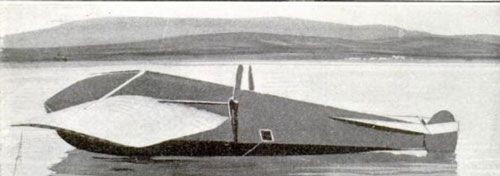
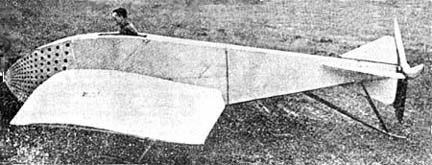
Gallaudet’s second aircraft, the Model B monoplane flying boat, continued the arrangement of an engine enclosed in the fuselage driving remote propellers, in this case a pusher propeller behind that trailing edge of each wing panel. The Model B was flown several times during 1913 and 1914 with several different engines, but does not appear to have been particularly successful.