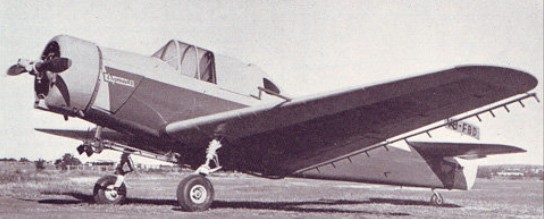
The 1959 Cropmaster was a low-wing monoplane, modified from the CAC Wackett.
Engine: 1 x 170hp Warner Super Scarab
Wing area: 17.6 sq.m / 189.44 sq ft
Cruise speed: 158 km/h / 98 mph
The 1959 Cropmaster was a low-wing monoplane, modified from the CAC Wackett.
Engine: 1 x 170hp Warner Super Scarab
Wing area: 17.6 sq.m / 189.44 sq ft
Cruise speed: 158 km/h / 98 mph

A 1959 modified Auster J5G fitted with a 180hp Lycoming O-360 engine
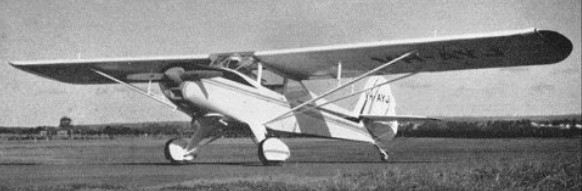
An Auster Autocrat J1 conversion with the 150hp Lycoming O-320 engine
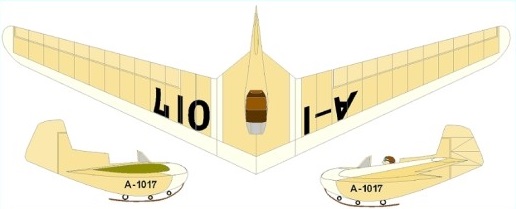
The Kimura HK-1 was a glider designed by Hidemasa Kimura and built by Ito Airplane Works in Japan in 1939 to investigate the possibilities of tailless aircraft. It was a single-seat design with an open cockpit, swept wings, and a single tail fin. The HK-1 made a total of 169 test flights between 15 December 1939 and 7 March 1940, towed aloft behind a car.
By this time, the glider’s success had attracted the attention of the Army, which arranged to purchase the aircraft. It was taken to the Tachikawa factory for testing, but was crashed after only 13 flights, on 16 April 1940. The design proved sufficiently interesting for the Army to commission further research into the tailless concept, which would lead to the Kayaba Ku-2.
Wingspan: 10.00 m (32 ft 10 in)
Length: 3.50 m (11 ft 6 in)
Height: 1.80 m (5 ft 11 in)
Wing area: 14.0 m2 (151 ft2)
Maximum speed: 85 km/h (53 mph)
Crew: One pilot
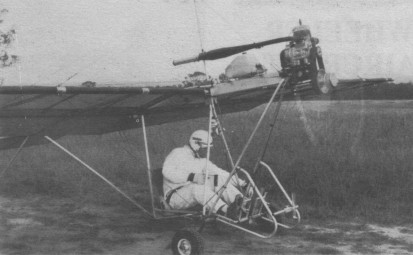
Single seat single engined high wing mono¬plane with conventional three axis control. Wing has unswept leading edge, swept for¬ward trailing edge and tapering chord; flaps fitted. Cruciform tail. Pitch control by fully flying tail; yaw control by fully flying rudder; roll control by half span ailerons; control inputs through stick for pitch/roll and pedals for yaw. Wing braced from above by kingpost and cables, from below by cables; single surface. Undercarriage has three wheels in tail dragger formation. Ground steering by differential braking; castoring tailwheel. Brakes on main wheels. Aluminium tube framework, without pod. Engine mounted at wing height driving tractor propeller.
The original Sky Rider was built purely as a one off experimental machine, but aroused so much interest amongst enthusiasts worldwide, not least because of its ‘outstanding individual achievement’ award from the EAA in 1978, that Gary decided to market the design.
Conceptually the design is a fairly straight forward high wing tube and Dacron machine, using a single surface wing (in standard form at least) and fully flying cruciform tail. The engine is hung out front with a tractor propeller, a position which allows easy fitment of a number of different power plants up to a recommended maximum of 50 hp. The most popular among Sky Rider builders are McCulloch Mc101, Robin EC25PS and Cuyuna 430.
Quite the most unusual aspect of the design is its use of flaps, which are more normally found on aircraft with much higher landing speeds, at the top end of the microlight category. Fitted to the trailing edge of the wing, the flaps give stalling speeds as low as 18mph (29kph) on the McCulloch engined version.
Ground steering arrangements are also unusual. The tailwheel is castoring rather than steerable, while the main wheels can be braked independently, allowing the aircraft to be steered effectively on the rudder.
Engine: McCulloch Mc101, 12hp.
Propeller diameter and pitch 54 x 27 inch, 1.37 x 0.69m.
Chain reduction, ratio 4.0/1.
Power per unit area 0.08hp/sq.ft, 0.9hp/sq.m.
Standard fuel capacity 1.2 US gal, 1.0 Imp gal, 4.5 litre; 3.6 US gal, 3.0 Imp gal, 13.6 litre tank optional.
Length overall 19.0 ft, 5.79 m.
Height over¬all 7.8 ft, 2.38 m.
Wing span 32.3 ft, 9.85 m.
Chord at root 5.0ft, 1.52m.
Chord at tip 4.0ft, 1.22m.
Dihedral 2 deg
Sweepback 0 deg
Elevator span 10.3 ft, 3.14 m.
Rudder height 5.0ft, 1.52 m.
Total wing area 144 sq.ft, 13.4 sq.m.
Total aileron area 17.5 sq.ft, 1.63 sq.m.
Rudder area 9.5 sq.ft, 0.88 sq.m.
Total elevator area 20.0 sq.ft, 1.86 sq.m.
Wing aspect ratio 7.1/1.
Wheel track 4.5 ft, 1.37 m.
Wheelbase 13.0 ft, 3.96 m.
Tailwheel diameter overall 4 inch, 10 cm.
Main wheels diameter overall 12 inch, 30 cm.
Empty weight 195 lb, 88kg.
Max take off weight 400 lb, 181 kg.
Payload 205 lb, 93 kg.
Max wing loading 2.78 lb/sq.ft, 13.5 kg/sq.m.
Max power loading 33.3 lb/hp, 15.1 kg/hp.
Load factors +3.0, 1.0 design limit; >+4.5, > 1.0 ultimate.
Max level speed 43 mph, 69kph.
Never ex¬ceed speed 65mph, 105kph.
Cruising speed 40 mph, 64 kph.
Stalling speed (flaps up) 25 mph, 40 kph.
Stalling speed (ground effect) 18 mph, 29 kph.
Max climb rate at sea level 150ft/min, 0.8m/s.
Min sink rate 300ft/min at 28mph, 1.5m/s at 45 kph.
Best glide ratio with power off 6/1 at 33 mph, 53 kph.
Take off distance 250 ft, 75 m.
Landing distance 160 ft, 50 m.
Service ceiling 5000 ft, 1520 m.
Range at average cruising speed 40 mile, 64 km.
Engine: Robin EC25PS, 20hp.
Belt reduction, ratio 2.5/1.
Power per unit area 0.14hp/sq.ft, 1.5 hp/sq.m.
Standard fuel capacity 1.2 US gal, 1.0 Imp gal, 4.5 litre; 3.6 US gal, 3.0 Imp gal, 13.6 litre tank optional.
Length overall 19. 0 ft, 5. 79 m.
Height over¬all 7.8 ft, 2.38 m.
Wing span 32.3 ft, 9.85 m.
Chord at root 5.0ft, 1.52m.
Chord at tip 4.0ft, 1.22m.
Dihedral 2 deg
Sweepback 0 deg
Elevator span 10.3 ft, 3.14 m.
Rudder height 5.0ft, 1.52 m.
Total wing area 144 sq.ft, 13.4 sq.m.
Total aileron area 17.5 sq.ft, 1.63 sq.m.
Rudder area 9.5 sq.ft, 0.88 sq.m.
Total elevator area 20.0 sq.ft, 1.86 sq.m.
Wing aspect ratio 7.1/1.
Wheel track 4.5 ft, 1.37 m.
Wheelbase 13.0 ft, 3.96 m.
Tailwheel diameter overall 4 inch, 10 cm.
Main wheels diameter overall 12 inch, 30 cm.
Empty weight 210 lb, 95kg.
Max take off weight 400 lb, 181 kg.
Payload 190 lb, 86 kg.
Max wing loading 2.78 lb/sq.ft, 13.5 kg/sq.m.
Max power loading 20.0 lb/hp, 9.1 kg/hp.
Load factors +3.0, 1.0 design limit; >+4.5, > 1.0 ultimate.
Max level speed 50mph, 80kph.
Never ex¬ceed speed 65mph, 105kph.
Cruising speed 45 mph, 72 kph.
Stalling speed (land flap) 21 mph, 34 kph.
Max climb rate at sea level 300ft/min, 1.5m/s.
Min sink rate 300ft/min at 28mph, 1.5m/s at 45 kph.
Best glide ratio with power off 6/1 at 33 mph, 53 kph.
Take off distance 200 ft, 60 m.
Landing distance 200 ft, 60 m.
Service ceiling 10,000 ft, 3050 m.
Range at average cruising speed 30 mile, 48 km.
Engine: Cuyuna 430, 30hp.
Power per unit area 0.21hp/sq.ft, 2.2 hp/sq.m
Standard fuel capacity 1.2 US gal, 1.0 Imp gal, 4.5 litre; 3.6 US gal, 3.0 Imp gal, 13.6 litre tank optional.
Length overall 19. 0 ft, 5. 79 m.
Height over¬all 7.8 ft, 2.38 m.
Wing span 32.3 ft, 9.85 m.
Chord at root 5.0ft, 1.52m.
Chord at tip 4.0ft, 1.22m.
Dihedral 2 deg
Sweepback 0 deg
Elevator span 10.3 ft, 3.14 m.
Rudder height 5.0ft, 1.52 m.
Total wing area 144 sq.ft, 13.4 sq.m.
Total aileron area 17.5 sq.ft, 1.63 sq.m.
Rudder area 9.5 sq.ft, 0.88 sq.m
Total elevator area 20.0 sq.ft, 1.86 sq.m.
Wing aspect ratio 7.1/1.
Wheel track 4.5 ft, 1.37 m.
Wheelbase 13.0 ft, 3.96 m.
Tailwheel diameter overall 4 inch, 10 cm.
Main wheels diameter overall 12 inch, 30 cm.
Empty weight 220 lb, 100kg.
Max take off weight 400 lb, 181 kg.
Payload 180 lb, 82 kg.
Max wing loading 2.78 lb/sq.ft, 13.5 kg/sq.m.
Max power loading 13.3 lb/hp, 6 kg/hp.
Load factors +3.0, 1.0 design limit; >+4.5, > 1.0 ultimate.
Never ex¬ceed speed 65mph, 105kph.
Cruising speed 48 mph, 77 kph.
Max climb rate at sea level 400ft/min, 2m/s.
Min sink rate 300ft/min at 28mph, 1.5m/s at 45 kph.
Best glide ratio with power off 6/1 at 33 mph, 53 kph.
1983: Gary Kimberley, 255 Woniora Road, Blakenhurst, NSW 2221, Australia.
Built the UL Skyrider

The Icarus 1 was a 1971 hang glider.
The 1971 Icarus 2 was built in a powered version as the UFM Icarus II / Aeroplane ultralight.
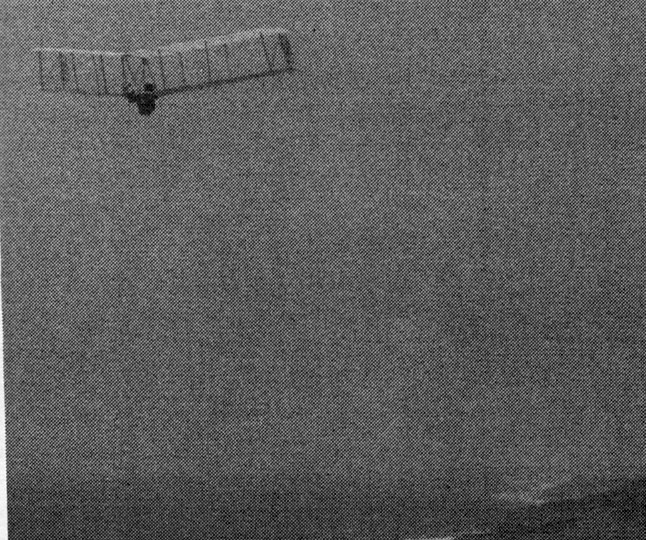
The 1973 Icarus 5 is a rigid aircraft controlled by displacement of the center of gravity in pitch and by action of the control surfaces in roll / lace (a little like a fledge except that there the pilot is seated). It could be bought in the United States as a kit.

Icarus 1
Wing span: 9.17 m
Hang glider weight: 25 kg
Icarus II
Wing span (trailing edge): 30 ft
Wing area: 192 sq ft
Aspect ratio: 5.6
Wing loading: 0.88-1.28 lb/sq.ft
Chord: 41″
Airfoil: Eiffel.07
Sweep: 15 degrees
Washout: 4.5 degrees
Weight: 55 lb
Max Pilot weight: 200
Speed range: 18 – 45 mph
Take-off airspeed: 20 mph
Landing airspeed approach: 20-25 mph
Landing airspeed, flare: 4-6 mph
Stall speed: 18 mph
Best glide speed: 20 mph
Minimum sink speed: 19 mph
Sink rate minimum: 210 ft/min
Glide ratio maximum: 8.5
Glide ratio minimum: 1.0
Design “G” load: 4
Ultimate “G” load: 6
Folded size: 16″x41″x16′
Icarus 5
Wing area: 14.9 m²
Wing span: 9.75 m
Aspect ratio: 6.4
Hang glider weight: 36 kg
Minimum pilot weight: 60 kg
Maximum pilot weight: 110 kg
Minimum speed: 16 km/h
Maximum speed: 60 km/h
Max glide ratio speed: 12 km/h

A wing-flapping glider built and tested with moderate success by early Austrian experimenter and nobleman Graf Georg Khevenhüller at his castle, Burg Hochosterwitz, in Kärnten. In 1913 Count Khevenhüller built his last Schwingenflieger (as photographed), without any help of Wels. The machine had a weight of 50 kg and was constructed from bamboo, metal tubing and the wings of duralumin and balloon silk. The Count had the idea to flap the 12 meter span wings using human power, whereby a pulley construction was devised so that a person could beat the wings and hold the machine in the air. To give the glider its needed initial speed, a launching railway of 40 meters was laid down with a maximum slope of 20 degrees on the eastern part of Burg Hochosterwitz. Although this aircraft purportedly flew up to 100 meters in October 1913, all the attempts failed to make more than one flap of the wings, partly because of the instability of the machine in the air. After a severe crash, further attempts to fly the machine were halted and apparently remains preserved at Hochosterwitz.
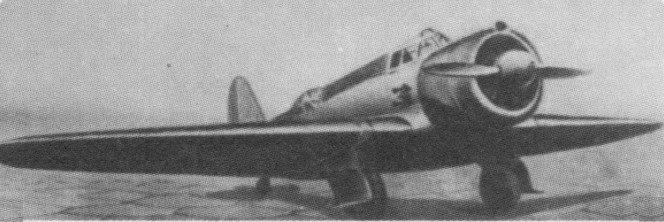
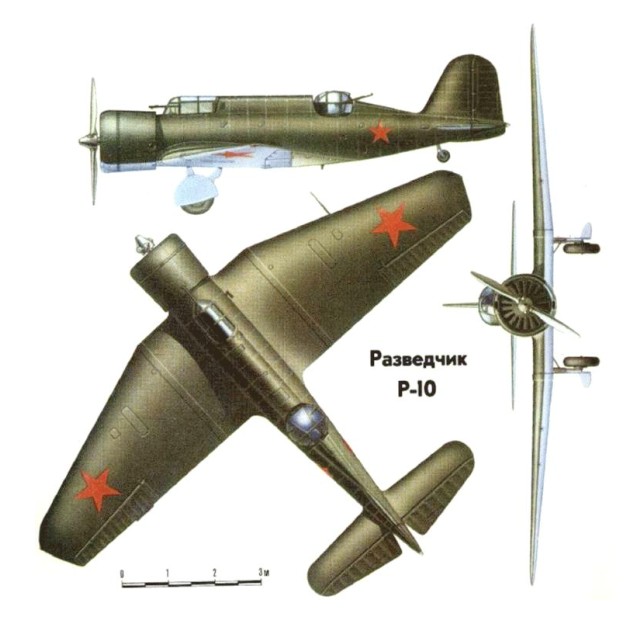
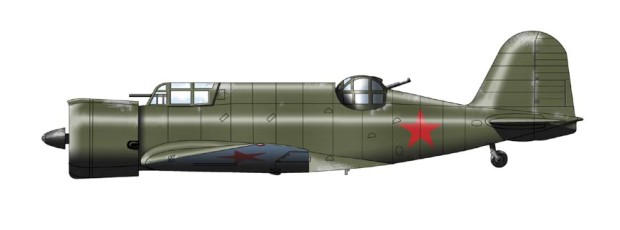
KhAI-5 was a prototype of the fast photoreconnaissance aircraft. It featured numerous innovations developed for KhAI-1 aircraft, including retractable gear, wing and control surfaces with stressed skin, internal bomb/camera bay, new type of gunner’s turret, and remotely controlled camera capable to make shots at 80° relatively to flight direction. Neman’s slogan was “No parts in the air flow”, so the whole design was very clean.
The KhAI-5 had low, plywood-covered wooden wings. The fuselage was of semi-monocoque construction. The undercarriage retracted into the wings. The crew consisted of two: a pilot and an observer-rear gunner in separate compartments; the observer sat in a turret with one machine gun. In the observer compartment’s floor there was an AFA-13 camera for reconnaissance duties. Between the crew compartments there were fuel tanks and a vertical bomb bay. The maximum bomb load was 300 kg/661 lb (6 × 50 kg/110 lb or 10 × 25 kg/55 lb). The plane was powered initially by the M-25A, later M-25V radial engine power: 540 kW (730 hp). The two-blade propeller was made of metal. Armament consisted of 2 x fixed forward firing 7.62 mm (0.300 in) ShKAS machine-guns in the forward top decking and 1 x manually aimed ShKAS machine-gun in the rear turret.
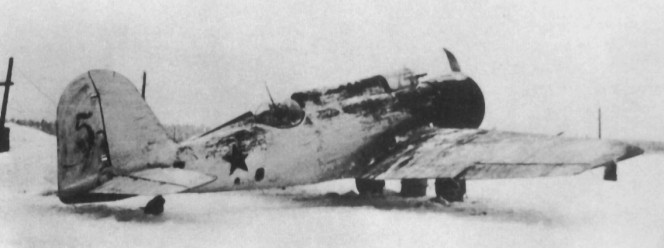
The first prototype of the plane, with a factory designation KhAI-5 (ХАИ-5), flew in June 1936. Despite a lower performance, the aircraft won a contest against another reconnaissance plane design, the Kotcherigin R-9, and was accepted for a production with the military designation R-10 (‘R’ for razvyedchik – reconnaissance). 493 R-10s had been manufactured in Kharkiv and Saratov aviation plants by early 1940. The first series showed some teething problems, and because of these I. Neman was arrested by the NKVD on December 11, 1938 under false accusation of sabotage and espionage.
In 1938, a variant KhAI-5bis was tested – fitted with an M-25E engine, it developed a speed of 425 km/h (264 mph). In 1938, the KhAI-52 ground attack aircraft, based on the R-10, was also developed. It was fitted with an M-63 670 kW (900 hp) engine and armed with seven machine guns and 400 kg (882 lb) bombs. A production run of an experimental series of 10 aircraft was prepared, but it was cancelled after one was produced and I. Neman had been arrested.
In total over 490 were built.
Some production R-10s were fitted with more powerful Tumansky M-88, Shvetsov M-62 and M-63 engines. Over 60 aircraft, withdrawn from the Air Force, were used from 1940 as mail carriers by Aeroflot, under the designation PS-5 (Russian: ПС-5), with 3 passenger seats.
The aircraft entered service in the Soviet Air Force in 1937, replacing some Polikarpov R-5s. R-10s were first used in combat in the Soviet-Japanese Battle of Khalkhin Gol in 1939. Then, they were used in the initial stage of the World War II, starting with use against Poland in the Invasion of Poland (without combat encounters) and against Finland in the Winter War (1939–1940). R-10s were next used in the first period of the German-Soviet war, following the German attack on June 22, 1941. By this time, they were outdated and suffered heavy losses. They were used as close reconnaissance aircraft, and, in need, also as light attack bombers. Later many were used as night bombers, to avoid losses in encounters with fighters. The remaining R-10s were withdrawn from combat service in 1943 (two Finnish pilots claimed shooting R-10 in 1944).
Variants
R-10 – Production version of KhAI-5
KhAI-5bis / KhAI-51 – Improved R-10/KhAI-5, one example flown early 1939.
KhAI-52 – Production version of KhAI-51. Ten ordered but production halted with the arrest of I.Nyeman.
Specifications
Engine: 1 × Shvetsov M-25V, 531 kW (712 hp)
Propellers: 2-bladed Hamilton Standard two-pitch propeller
Length: 9.3 m (30 ft 6 in)
Wingspan: 12.2 m (40 ft 0 in)
Wing area: 26.8 sq.m (288 sq ft)
Empty weight: 1,823 kg (4,019 lb)
Gross weight: 2,515 kg (5,545 lb)
Fuel capacity: 260 kg (573 lb) fuel + 30 kg (66 lb) oil
Maximum speed: 350 km/h (217 mph; 189 kn) at sea level, 388 km/h (241 mph) at 2,500 m (8,202 ft)
Landing speed: 125 km/h (78 mph)
Range: 1,450 km (901 mi; 783 nmi)
Service ceiling: 7,700 m (25,262 ft)
Time to altitude: 1,000 m (3,281 ft) in 2 min 24 sec, 5,000 m (16,404 ft) in 12 min
Take-off distance: 250 m (820 ft)
Landing distance: 230 m (755 ft)
Crew: 2
Armament:
2 x fixed forward firing 7.62 mm (0.300 in) ShKAS machine-guns in the forward top decking
1 x manually aimed ShKAS machine-gun in the rear turret
Bombload: 6 x 50 kg (110 lb) FAB 50 bombs in internal bays

Patrician was three-engined 20-passenger monoplane.
 All Aero