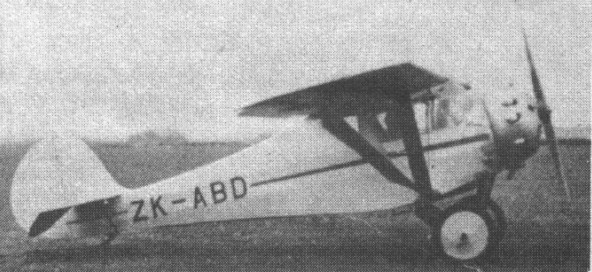
An American design circa 1929, with an enclosed cabin.
Engine: Veille 5-cyl, 65 hp
Seats: 2
An American design circa 1929, with an enclosed cabin.
Engine: Veille 5-cyl, 65 hp
Seats: 2
The Monocoupe 110 was powered by a Warner Scarab.
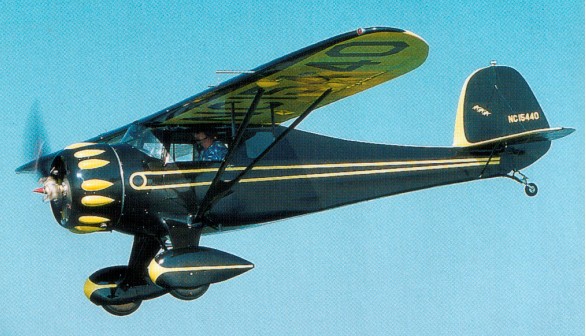
Only eleven Mono¬coupe 90AL were built.

90A
90AL
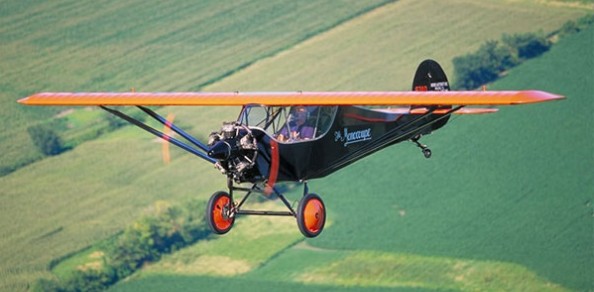
The Monocoupe 70 was powered with a Velie radial engine.
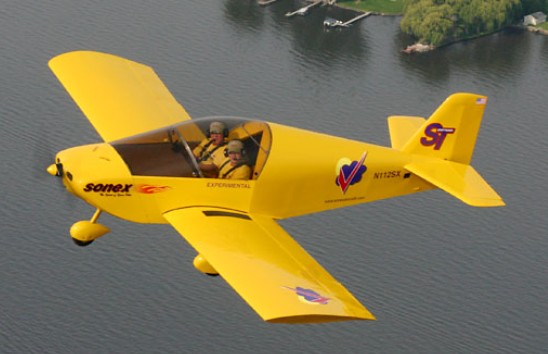
Sonex, Ltd. is a kit manufacturer in Oshkosh, Wisconsin. Their original design, the all-metal, two-seat Sonex single engine monoplane morphed into the V-tailed Waiex. Add a 45′ wingspan to that airplane, and a motorglider, the Xenos, is born. The company boasts the talents of John Monnett, creator of the Monerai sailplane and the Moni motorglider.
Designed by John Monnett as a simple airframe and power plant to create a fun VFR machine. A basic and economical all metal, two place monoplane with a hp range of 80-120. With all the metal except the main spar, pop-riveted, options include nose or tail wheel.
Designed to meet the needs of the European and Domestic sport aircraft markets, it can incorporate various light weight engines of 80 to 120 hp (engine package weight of less than 200 lbs.), and is perfectly suited to the new US Sport Pilot/LSA regulations. The three recommended powerplants include the 2180cc Volkswagon, 2200 Jabiru, and 3300 Jabiru.
Performance is achieved through its clean aerodynamic shape and simple, light weight construction. The Sonex plans contain many options, including a tailwheel or tricycle landing gear along with a center or dual stick. Motor mount drawings are supplied for all three recommended powerplants.
The Sonex features easily removable wings for transport and storage.
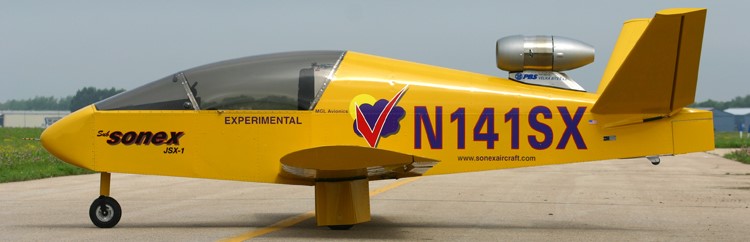
The SubSonex jet aircraft prototype, JSX-1, made its first flight on August 10, 2011 at Wittman Airport in Oshkosh, Wisconsin. Piloted by Bob Carlton, the flight lasted approximately 14 minutes and focused on low-end speed, including stalls and low approaches in the landing configuration. The engine selected for the SubSonex is the Czech-built PBS TJ-100 turbojet.
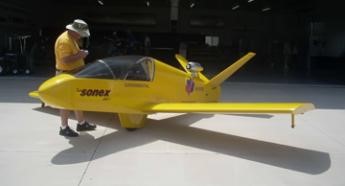
Through the course of a series of high-speed taxi tests, Sonex design team has identified some issues with controllability of the aircraft in the transition phase approaching takeoff speeds, and has decided to enter a thorough design review process aimed at making the aircraft easier to handle for the average recreational pilot.
The Subsonex originally sported a tandem landing gear with outrigger gear on each wing tip. Due to the increased power offered by the new PBS TJ-100 engine selected for the SubSonex, it was determined that a tricycle gear configuration would be needed to increase yaw stability on the ground in the transition phase approaching takeoff speeds.
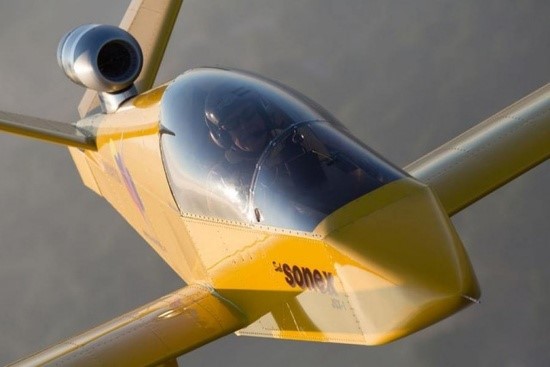
During Air Venture 2010, it was presented with the new fixed tricycle landing gear and the PBS TJ-100 turboJet engine.
Sonex
Engine: 80 hp 2180 AeroVee
Wing span: 22 ft
Wing Area: 98.0 sq. ft.
Length: 17.5 ft
Tail Height (Std Gear): 56″
Tail Height (Tri-Gear): 74″
Main Gear Width: 71″ (with wheel pants)
Air Foil: 64-415
Cockpit Width: 40 in.
Fuel Capacity: 16 US Gal.
Empty Weight (average): 620 lbs.
Range: 550 miles
Cruise Speed @ Sea Level: 130 mph
Cruise Speed @ 8000 ft (TAS): 150 mph
Power Loading (GW/HP): 13.125
T.O. Distance: 400 ft
Landing Distance: 500 ft
Max Flap Extended Speed (Vfe): 100 mph / 161 km/h
Maneuvering Speed: 125 mph / 201 km/h
Never Exceed Speed (Vne): 171 kt / 197 mph / 317 km/h
Stall Speed (full flaps): 35 kt / 40 mph / 64 km/h
Stall Speed (clean): 46 mph / 74 km/h
Utility Category
Engine: 80 hp Jabiru 2200
Wing span: 22 ft
Wing Area: 98.0 sq. ft.
Length: 17.5 ft
Tail Height (Std Gear): 56″
Tail Height (Tri-Gear): 74″
Main Gear Width: 71″ (with wheel pants)
Air Foil: 64-415
Cockpit Width: 40 in.
Fuel Capacity: 16 US Gal.
Empty Weight (average): 620 lbs.
Range: 550 miles
Cruise Speed @ Sea Level: 130 mph
Cruise Speed @ 8000 ft (TAS): 150 mph
Power Loading (GW/HP): 13.125
T.O. Distance: 400 ft
Landing Distance: 500 ft
Max Flap Extended Speed (Vfe): 100 mph / 161 km/h
Maneuvering Speed: 125 mph / 201 km/h
Never Exceed Speed (Vne): 171 kt / 197 mph / 317 km/h
Stall Speed (full flaps): 35 kt / 40 mph / 64 km/h
Stall Speed (clean): 46 mph / 74 km/h
Fuel consumption: 14 lt/hr.
Utility Category
Engine: 120 hp Jabiru
Wing span: 22 ft
Wing Area: 98.0 sq. ft.
Length: 17.5 ft
Tail Height (Std Gear): 56″
Tail Height (Tri-Gear): 74″
Main Gear Width: 71″ (with wheel pants)
Air Foil: 64-415
Cockpit Width: 40 in.
Fuel Capacity: 16 US Gal.
Empty Weight (average): 620 lbs.
Range: 400 miles
Cruise Speed @ Sea Level: 135 mph
Cruise Speed @ 8000 ft (TAS): 170 mph
Power Loading (GW/HP): 9.583
T.O. Distance: 250 ft
Landing Distance: 500 ft
Max Flap Extended Speed (Vfe): 100 mph / 161 km/h
Maneuvering Speed: 125 mph / 201 km/h
Never Exceed Speed (Vne): 171 kt / 197 mph / 317 km/h
Stall Speed (full flaps): 35 kt / 40 mph / 64 km/h
Stall Speed (clean): 46 mph / 74 km/h
Utility Category
Subsonex JSX-1
Engine: PBS TJ100, 240 lb / 105 kg
Wing Span: 18′ / 5,49m
Length: 15’9″ / 4,80m
Wing area: 60 sq.ft / 5,57 sq.m
Empty weight: 330 lb / 150 kg
Max.Gross Weight: 750 lb / 340,2 kh
Fuel Capacity: 32 US.Gal. / 121 lt

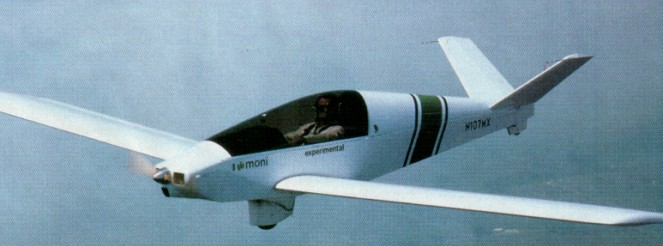
Single seat single engined low wing mono¬plane with conventional three axis control. Wing has unswept leading and trailing edges, and constant chord; V tail. Pitch/yaw control by elevon; roll control by full span ailerons; control inputs through stick for pitch/roll and pedals for yaw. Cantilever wing; wing profile; double surface. Undercarriage has two wheels in tandem with wing tip wheels; no suspension on either wheel. No ground steer¬ing. Aluminium tube/glass fibre fuselage totally enclosed. Engine mounted at wing height driving tractor propeller.
Shown for the first time at the 1981 homebuilders’ convention at Oshkosh, the Moni is defined by its creator as an aerial leisure vehicle, ARV standing for Air Recreational Vehicle. A maximum speed of 120mph (193kph), together with a remarkably well thought out set of aerodynamics classify it as a very light aircraft rather than as a single seater ultra¬light for home building. Following from the single seat Sonerai of 1970 and the two seater Sonerai II of 1973, the Moni benefits from this experience and particularly from that of the 1980 Monex, from which it takes its aerodyna¬mic configuration (basically rectangular wing, V tail set at 110O and a canopy which does not deviate from the fuselage line) and its construction method and with 200mph (322 kph) straight and level on 65 hp, there is clearly not much wrong with the Monex’s configuration.
Whereas the Monex uses a two stroke twin cylinder Zenoah engine of 440 cc, the Moni has KFM 107. It delivers 22 hp at 6000 rpm which, with direct drive to a 38 inch (96 cm) diameter twin blade propeller, gives a tip speed of some 300 m/s. The wing has an I-shaped extruded alumi¬nium spar together with a false spar on which is hinged the full span ailerons which also serve as flaps, hinging upwards as much as 8 degrees to reduce the drag in cruise by altering the camber. The skinning is made from a single¬sheet rolled around the leading edge, bonded to the ribs and riveted to the false spar. Each wing weighs only 50 lb (23 kg) and is de¬mountable for ease of garaging and trailer transport.
In 1983 this aircraft was only sold as a kit, for $6000, and no assembly time was quoted.
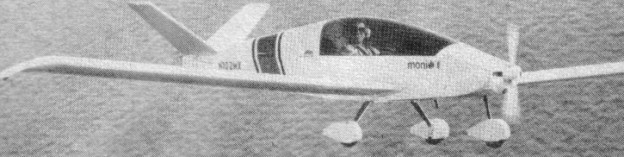
The Moni Tri-Gear is designed for the low-time pilot. Nosewheel is direct steering. A belly flap provides glidepath control. Wings are removable for trailering.
Moni
Engine: KFM 107, 22 hp at 6300 rpm
Propeller diameter 37 inch, 0.96m
No reduction
Power per unit area 0.29hp/sq.ft, 3.2 hp/sq.m
Fuel capacity 4.0 US gal, 3.3 Imp gal, 15.1 litre
Length overall 15.0 ft, 4.57 m
Height overall 3.3ft, 0.99m
Wing span 27.6ft, 8.38m
Constant chord 2.9 ft, 0.88 m
Sweepback 0 deg
Total wing area 75 sq.ft, 7.0 sq.m
Wing aspect ratio 10/1
Empty weight 260 lb, 118kg
Max take off weight 500 lb, 227kg
Payload 240 lb, 109kg
Max wing loading 6.66 lb/sq.ft, 32.4kg/sq.m
Max power loading 22.7 lb/hp, 10.3kg/hp
Load factors +6.0, 4.0 design
Max level speed 120 mph, 193 kph
Max cruising speed 110mph, 177kph
Economic cruising speed 80mph, 129kph
Stalling speed 38mph. 61 kph
Max climb rate at sea level 500 ft/min. 2.5 m/s
Best glide ratio with power off 20/1 at 50 mph, 80 kph
Take off distance 400 ft. 122 m
Range at average cruising speed 320 mile, 515km
Moni Tri-Gear
Engine KFM 107, 2 cylinder, 22 hp electric start.
Wingspan: 27’6”
Length: 15’
Gross Wt: 560lbs
Empty wt: 280 lbs
Fuel cap: 4 US Gal
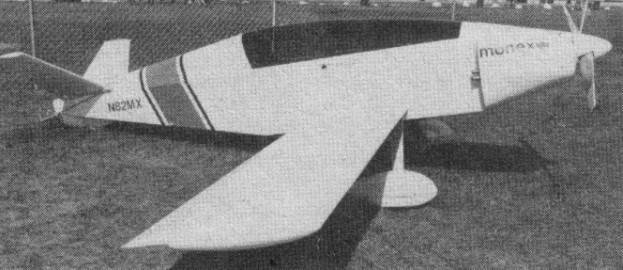
The Monex made its maiden flight on September 30, 1980. It is a high-performance, single-place, conventionally geared aircraft, and was used primarily as a research and development airplane for the Moni. The construction technique used in Monex is reflected in the Moni series of aircraft available in kit form.
Engine Monnett “Aero Vee” VW 2180 cc
Gross Wt. 650 lb
Empty Wt. 380 lb
Wingspan 16’8”
Length 15’2”
Fuel capacity 10 USG
Top speed 230 mph
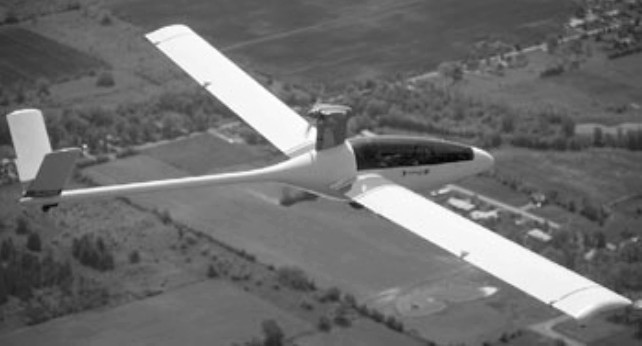
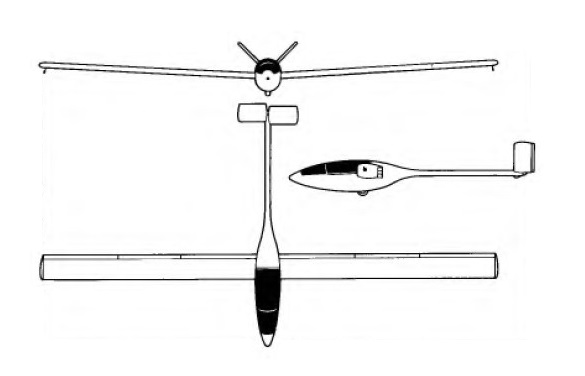
John Monnett became interested in gliding and produced a single seat average performance glider called the Monerai which had a 28/1 glide angle at 60 mph (97 kph) and a sink of 160 ft/min (0.8 m/s) and was available as a kit. The Monerai prototype flew for the first time in February 1978 with Monnett at the controls. This was later designated the Monerai S (for sailplane) after the development of the motor glider Monerai P (for powered) version.
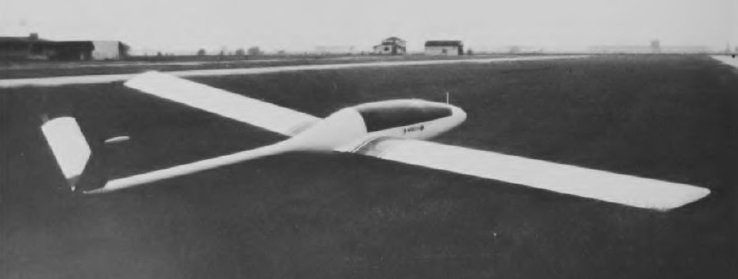
The Monerai follows the precedents set by Sonerai I and II, by offering simplified construction and economy with high performance. Designed for the first-time builder or the expert, the Monerai can be either a true sailplane for the purist or, with the addition of a pod-mounted engine (Monerai P), a self-launching sailplane for those who wish to operate independent of tow planes. A chrome-moly tubing primary fuselage structure combines with a molded fuselage shell and extruded aluminum tail boom to make up a lightweight, ultrasmooth exterior with integral structural integrity for pilot safety. The tubular aluminium tailboom is bolted to the pod. The preformed canopy, molded ABS components, sewn seat sling and simplified control-system components are offered to make construction easier. The pilot is accommodated in a reclining sling-type seat, and headrest and rudder pedals are adjustable. The control stick is mounted on the right of the cockpit. On the left a lever operates the trailing-edge flaps, which travel from —8° to +90°. The optional engine is designed to be removed easily so that the ship can be used as a pure sailplane at the pilot’s whim. The wing uses a single-piece skin bonded to an extruded main spar and completely formed pressed ribs.
Each wing panel weighs only 23.6 kg (52 lb), making rigging easy. Like the wing, the V-tail has pressed aluminium ribs. The all-moving tailplane has its port panel slightly forward of the starboard panel; the two are identical and interchangeable.
Single seat single engined mid wing mono¬plane with conventional three axis control. Wing has unswept leading and trailing edges, and constant chord; V tail. Pitch/yaw control by elevon; roll control by full span ailerons; control inputs through stick for pitch/roll and pedals for yaw. Cantilever wing; wing profile; double surface. Undercarriage has two wheels in tandem; no suspension on either wheel. No ground steering. Brake on main wheel. Aluminium tube/glass fibre totally en¬closed. Engine mounted above wing driving pusher propeller.
Neither the latter’s characteristics (max¬imum and minimum weights and wing load¬ing), nor its performance figures (maximum and minimum speeds straight and level) allow the classification of this machine as an ultralight or microlight. The Monerai P is sold as a kit for $3950 in 1983, with no precise figure for completion time, or as plans for $200. The standard motor offered is the single cylinder Zenoah G25B of 20 hp, but since the summer of 1982, this can be replaced by a twin cylinder KFM 107 engine delivering 25hp at 7300rpm. A standard Monerai feature is full span flaps (except for the ailerons) designed for negative (up) settings for high speed flight and positive (down) settings for thermalling, with 90 deg down for landing. Also notable is the single pin tail¬-surface attachment, adjustable controls and seating, and the inclusion of a wheel brake on the flap handle. A side stick is fitted with a bungee trim system, and there is provision for oxygen and radio.
The Monerai Max wingtip extension kit was conceived to add more than three feet to the span, bringing it to 12 meters, and raising the L/D to more than 30:1. It uses flaps, which can be lowered to 90 degree, for approach control.
Monerai S
Wing span: 11.0 m (36 ft 0 in)
Length: 6.0 m (19 ft 7 in)
Height: 89 cm (35 in)
Wing area: 7.25 sq.m (78 sq ft)
Wing section: Wortmann FX-61192 mod
Aspect ratio: 16.6
Empty weight: 99.8 kg (220 lb)
Max weight: 204.12 kg (450 lb)
Water ballast: None
Max wing loading: 28.12 kg/sq.m (5.76 lb/sq ft)
Max speed: 104 kt (193 km/h)
Stalling speed: 33 kt (61 km/h)
Min sinking speed: 0.85 m (2.8 ft)/sec at 48 kt (89 km/h)
Max rough air speed: 78 kt (145 km/h)
Best glide ratio: 28 at 52 kt (97 km/h)
Monerai P
Engine: Zenoah G25B, 20 hp at 6500 rpm
Belt reduction
Power per unit area 0.26 hp/sq.ft, 2.8 hp/sq.m
Fuel capacity 1.0 US gal, 0.8 Imp gal, 3.8 litre
Length overall 19.7 ft, 5.96 m
Height overall 4.3ft, 1.32m
Wing span 36.0ft, 10.97m
Constant chord 2.2 ft, 0.66 m
Sweepback 0 deg
Total wing area 78 sq.ft, 7.2 sq.m
Wing aspect ratio 16.6/1
Empty weight 270 lb, 122 kg
Max take off weight 500 lb, 227kg
Payload 230 lb, 104 kg
Max wing loading 6.41 lb/sq.ft, 31.2 kg/sq.m
Max power loading 25.0 lb/hp, 11.33kg/hp
Load factors; +5.2, 5.2 ultimate
Max level speed 90mph, 145kph
Never exceed speed 120mph, 193kph
Max cruising speed 60mph, 97kph
Stalling speed 40mph, 64 kph
Max climb rate at sea level 300 ft/min, 1.5m/s
Min sink rate 160ft/min at 55mph, 0.8 m/s at 88 kph
Best glide ratio with power off 22/1 at 60mph, 97kph
Take off distance 500 ft, 150 m
Monerai P
Engine: Zenoah/KFM 107
Wing span: 10.97m / 36ft
Wing area: 7.25sq.m / 78sq.ft
Aspect ratio: 16.6
Empty Weight: 100kg / 220lb
Payload: 104kg / 230lb
Gross Weight: 204kg / 450lb
Wing Load: 28.14kg/sq.m / 5.76lb/sq.ft
L/DMax: 28 97 kph / 52 kt / 60 mph
MinSink: 0.85 m/s / 2.8 fps / 1.66 kt
Airfoil: Wortmann Fx 61192 mod
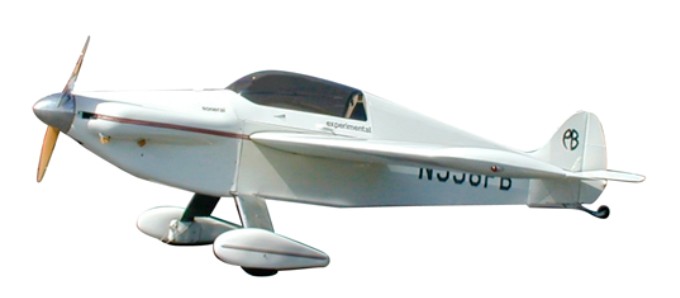
After enjoying success with his original VW-powered Sonerai, John Monnett decided to develop the Sonerai II, a tandem-seated version. Both pilot and passenger sit under a bubble canopy which is hinged on the right side. The Sonerai II differs mainly by being slightly larger, making use of a more powerful engine, and by being stressed for aerobatics when flown by the pilot alone.
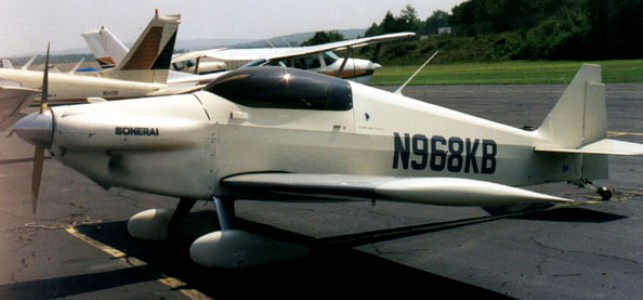
The II-L is the same aircraft but with a “low-wing”. The low-wing version is especially popular with 6 foot plus pilots, as the pilot legs go over the main spar carry through structure.
The Sonari II was also available as a low-wing nose gear two place, or the Sonerai II-Stretch: A low-wing model 18″ longer than the original, as a low-wing taildragger and a low-wing tri-gear. The Sonerai II-LT is the steerable nose wheel version.
The Sonerai II series will accept VW power plants from 1700cc – 2276cc.
Price in 1982: $2,742 (Excludes engine).
Monnet Sonerai II November 1983 article
All models of the Sonerai II use a minimum of different sizes of materials to reduce the cost, without hampering the integrity of the design. The wing is all aluminum and is composed of two panels that easily fold along side the fuselage enabling the Sonerai II, II-L and II-LT to be towed tail first on its own gear. Stainless steel cherry rivets are used to skin the wing. The fuselage and tail surfaces are constructed of standard sizes of 4130 steel tubing that are fabric covered. All aluminum sheet used is 2024-T3 .025″ except for the spars which are .040″.
The fiberglass cowling removes easily to allow complete access to the engine, magneto, tank and instruments. The landing gear is a formed aluminum spring with 5″ wheels and 3/4″ axles. A tapered tailspring rod is used for the tailwheel (II and II-L) All Sonerai II’s feature a l0 US gallon main tank with the option of a 6 gallon auxiliary tank carried on the passengers floor board (without passenger).
Sonerari II
Engine: VW 1700 – 2180cc, 65-70-hp
Span: 18′ 8″
Length: 18′ 10″
Height: 5′ 5″
Wing area: 84 sq.ft
Empty weight (no starter): 236 kg /520 lb
Useful load: 430 lb
MTOW Weight: 431 kg / 950 lbs
Wing loading at gross: 11.3 lb/sq.ft
Fuel capacity – std: 10 USG
Fuel capacity – opt: 6 USG
Seats: 2 tandem
Design limit at full gross: +/- 4 G
Aerobatic limit solo w/755 lb: +/- 6 G
Take off distance: 900 ft
Stall speed: 39 kt / 45 mph / 72 kmh
Landing speed: 58 mph
Maneuvering speed: 115 mph
Cruising spped at 75%: 122 kt / 140 mph / 225 kmh
Vne: 174 kt / 200 mph / 322 kmh
Range w/45 minute reserve: 245 sm
Rate of climb at gross: 500 fpm / 3 m/s
Takeoff run 900 ft
Take-off distance (50ft obstacle): 900 ft / 274 m
Landing roll 500 ft
Service ceiling: 14,000 ft
Seats: 2
Sonerai II-L
Engine: VW 2180cc, 70 hp
Max wt: 925 lbs
Empty wt: 510 lbs
Fuel capaci¬ty 10 USG
Height: 5.5 ft
Wingspan 18.8 ft
Length 18.7 ft
Climb rate: 500 fpm
Top speed: 175 mph
Cruise: 140 mph
Stall 45 mph
Range: 245 sm
Takeoff run: 900 ft
Landing roll: 900 ft
Service ceiling: 14,000 ft
Seats: 2
Wing area: 84 sq.ft
Tail wheel
Sonerai II-LS
Engine: VW 2180cc, 70 hp
Max wt: 1150 lbs
Empty wt: 540 lbs
Fuel capaci¬ty 10 USG
Height: 5.5 ft
Wingspan 20.4 ft
Length 18.7 ft
Wing area: 84 sq.ft
Climb rate: 700 fpm
Top speed 170 mph
Cruise 140 mph
Stall 50 mph
Range: 600 sm
Takeoff run: 700 ft
Landing roll: 900 ft
Service ceiling: 14,000 ft
Seats: 2
Tail wheel
Sonerai II-LT
Engine: VW 2180cc, 70 hp
Max wt: 1150 lbs
Empty wt: 540 lbs
Fuel capaci¬ty 10 USG
Height: 5.5 ft
Wingspan 18.8 ft
Length 20.4ft
Climb rate: 700 fpm
Top speed: 170 mph
Cruise 140 mph
Stall 50 mph
Range: 245 sm
Takeoff run: 700 ft
Landing roll: 900 ft
Service ceiling: 14,000 ft
Seats: 2
Wing area: 84 sq.ft
Nose wheel
Sonerai II-LTS
Engine: VW 2180cc, 70 hp
Max wt: 1150 lbs.
Empty wt: 540 lbs
Fuel capaci¬ty 10 USG
Height: 5.5 ft
Wingspan 20.4 ft
Length 18.7 ft
Wing area: 84 sq.ft
Climb rate: 700 fpm
Top speed 170 mph
Cruise 140 mph
Stall 50 mph
Range: 600 sm
Takeoff run: 700 ft
Landing roll: 900 ft
Service ceiling: 14,000 ft
Seats: 2
Nose wheel
Great Plains Soneri II
Empty weight: 227 kg
Wing span: 5.7 m
Wing area: 7.73 sq.m
Fuel capacity: 38 lt
Engine: VW 2100, 70 hp
MAUW: 522 kg
Seats: 2
Max speed: 282 kph
Cruise speed: 225 kph
Minimum speed: 80 kph
Climb rate: 3 m/s
Fuel consumption: 12 lt/hr
Plan price (1998): US$99.95
Kit price (1998): US$5500

The Sonerai I is a mid-wing sport plane, racer, designed and first built in 1971to meet all Professional Race Pilots Association (PRPA) and Formula Vee Racing requirements for 1600cc Volkswagen powered aircraft. Its wings are 2024-T3 aluminum.025″ except for the spars which are .040″. The wing is composed of two panels that fold along side the fuselage, enabling the Sonerai I to be towed tail first on it’s own gear. Stainless steel cherry rivets are used to skin the wing. The fuselage and tail are of standard 4130 chrome moly tubing.

The Sonerai I uses a minimum of different sizes of tubing to reduce the cost. Cowling is fiberglass, and fuselage and tail surfaces are fabric covered. The fiberglass cowling removes easily to allow complete access to the engine, magneto, tank and instruments. The landing gear is manufactured from 1/2″ x 5″ 2024T-351 aluminum. The Sonerai I will accept engine displacements from 1600cc through 2180cc.

Price in 1982: $2,527.
The Sonerai was also marketed as the Great Plains Aircraft Sonerai (1998). The Sonerai I can handle +/- 6 G’s with the “S” wing and will do 170 mph flat out with a Great Plains 2180cc engine.

Engine: VW 1600 – 2180cc
Span: 16 ‘ 8″
Length: 16′ 8″
Height: 5 ‘
Wing area: 75 sq.ft
Empty weight: 200 kg / 440 lb
Useful load: 260 lb
Gross weight: 318 kg / 700 lb
Fuel capacity – std: 11 USG
Design limit at full gross: +/- 6 G
Take off distance: 600 ft
Stall speed: 39 kt / 45 mph / 72 kmh
Landing speed: 54 mph
Cruising speed at 85%: 130 kt / 150 mph / 241 kmh
Vne: 196 kt / 225 mph / 362 kmh
Range w/45 minute res: 300 sm
Rate of climb at gross: 1000 fpm / 5 m/s
Takeoff run 500 ft
Take-off distance (50ft obstacle): 600 ft / 183 m
Landing roll 500 ft
Seats: 1
Undercarriage: tail wheel.
Service ceiling: 14,000 ft.
 All Aero