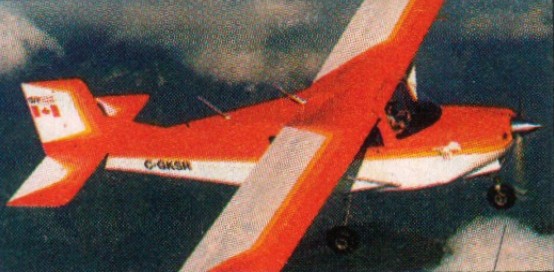
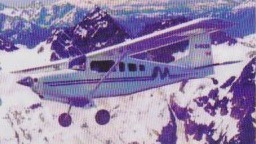
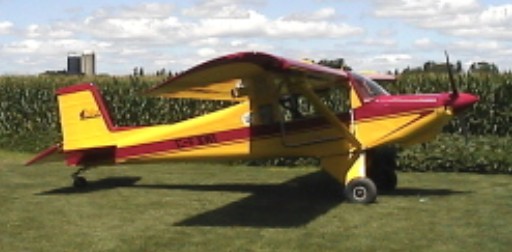
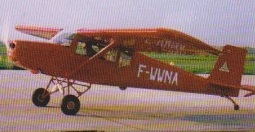
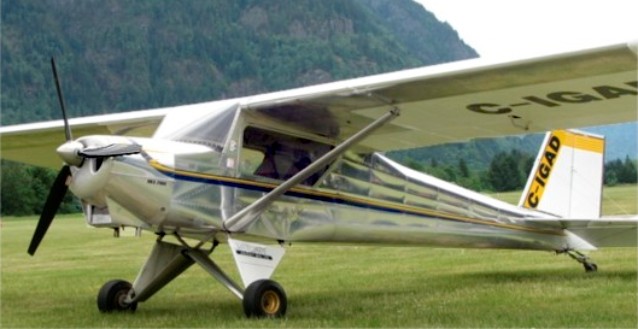
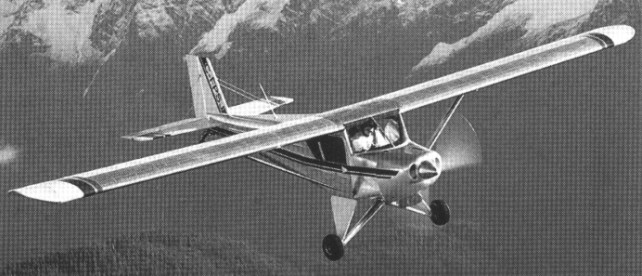
Designed by Daryl Murphy, the Murphy Rebel is an all-metal, 3 seat, high wing aircraft constructed using semi-monocoupe construction techniques. Built for strength and longevity, the Rebel is designed to endure tough bush plane-like conditions with low maintenance costs. The Rebel was designed to accommodate a variety of powerplants including the Rotax 912, Lycoming O-235 and Lycoming O-320. The Rebel is easily stored or trailered due to its removable wings and folding tailfeathers. The cabin is a comfortable 44″ wide and provides a large wrap around instrument panel, skylights, and large doors. Pre-formed and pre-aligned punched holes make eliminate the need for jigs & special tools, making the Rebel a simple aircraft to build. The Rebel is at home on floats and skis as on standard wheels.
The structure of the Murphy Rebel has been designed to meet the airworthiness standards of the U.S.A. FAR Part 23, Subpart C, the U.K. BCAR Section S. and the Canadian TP10141E. Depending on the gross weight and power selected, it will comply with the acceleration factors and airspeeds specified for the normal, utility or aerobatic categories of Part 23.
In general, the structure is conventional and compliance with these standards has been demonstrated by detailed analysis using well established methods. In many areas of the primary structure the strength is set by the minimum gauges of available material and the margins of safety are very large. A major portion of the wing structure is redundant and a full scale component has been tested to support the analysis.
The maximum design loads on the horizontal tail result from a combination of Balancing and Gust loads at V (D) on the flight envelope. In addition to the analysis, this structure has been tested to ultimate loads.
The fuselage is a rugged metal box for “crash-worthiness”, stiffened with a substantial main frame to support the undercarriage and provide a carry-through structure for the wing reactions. Engine mounting pick-up points have been designed for a range of engines up to 160 HP. Provision has been made for up to three seat and harness attachments that will accept load factors in excess of 9 G. The fuselage strength has been verified by static tests.
Since the structure is governed to a major extent by minimum gauges of stiffness (EI) considerations, high strength alloys with debatable characteristics from the standpoint of corrosion and fatigue are not required. Most of the preliminary structure is comprised of flat skins or formed parts using 6061-T6 alloy. Margins of safety on joints are large and “fail safe” provisions have been made in many instances.
The original Rebel design was a delightful Light Sport Aircraft, almost 20 years ago, well before the LSA category was introduced. The Rebel Sport meets LSA requirements.
The Rebel Sport is a two seat STOL aircraft capable of operating from wheels, floats, or skis, featuring all metal construction.
The two-place Elite is a Rebel, originally redesigned for the use of tricycle gear. It was then usually ordered with conventional gear, for grass field operations. The redesign required a strengthened, heavier fuselage to handle the gear loads. Other design features include a new cantilevered stabilizer, one-piece elevator, all-metal control surfaces, split flaps, and heavier, beefed-up wing attach points and leading edges. All of these changes give the Elite an 1800-lb. gross weight and the ability to accommodate engines up to 180 hp.
Engine: Rotax / Lycoming
Wing span: 9.14 m
Wing area: 13.8 sq.m
MAUW: 748 kg
Empty weight: 397 kg
Fuel capacity: 164 lt
Max speed: 225 kph
Cruise speed: 193 kph
Minimum speed: 64 kph
Climb rate: 6 m/s
Seats: 3
Kit price (1998): $17,985
Homebuilt / Experimental
Engine: Lyc O-320, 160 hp
Gross weight: 1650 lb
Empty weight: 800-950 lb
G-loading (normal): +5.7 -3.8
Power range: 80-160 HP
Wing span: 30′ 0″
Length: 21′ 4″
Fuselage width: 44″
Wing chord: 60″
Airfoil: 4415 (modified)
Power Loading: 10.3 lb./hp
Gross Weight: 1650 lb
Empty Weight: 950 lb
Useful Load: 700 lb
Wing Area: 150 sq. ft
Wing Loading: 11.0 lb./sq. ft
Rate of Climb @ Gross: 1200 ft/min
Climb Speed: 65 mph
Take Off Run: 300 ft
Landing Roll: 400 ft
50′ Obstacle Clearance: 533 ft
Stall (No Flap) Power Off: 44 mph
Stall (FULL FLAP) Power On: 40 mph
Cruise (65% POWER): 120 mph
Vne: 151 mph
Top Speed: 140 mph
Fuel Burn: 7 USgal/hr
Fuel Capacity: 44 US gal
Range: 6.1 hr
Range: 733 sm
G Limit (Ultimate): +5.7 -3.8
Canadian
Engine: Lyc O-235, 116 hp
Gross weight: 1650 lb
Empty weight: 800-950 lb
G-loading (normal): +5.7 -3.8
Power range: 80-160 HP
Wing span: 30′ 0″
Length: 21′ 4″
Fuselage width: 44″
Wing chord: 60″
Airfoil: 4415 (modified)
Power Loading: 14.2 lb./hp
Gross Weight: 1650 lb
Empty Weight: 900 lb
Useful Load: 750 lb
Wing Area: 150 sq. ft
Wing Loading: 11.0 lb./sq. ft
Rate of Climb @ Gross: 800 ft/min
Climb Speed: 65 mph
Take Off Run: 400 ft
Landing Roll: 400 ft
50′ Obstacle Clearance: 754 ft
Stall (No Flap) Power Off: 44 mph
Stall (FULL FLAP) Power On: 40 mph
Cruise (65% POWER): 105 mph
Vne: 151 mph
Top Speed: 125 mph
Fuel Burn: 6 USgal/hr
Fuel Capacity: 44 US gal
Range: 7.6 hr
Range: 797 sm
G Limit (Ultimate): +5.7 -3.8
Ultralight
Engine: Rotax 912, 80 hp
Gross weight: 1650 lb
Empty weight: 800-950 lb
G-loading (normal): +5.7 -3.8
Power range: 80-160 HP
Wing span: 30′ 0″
Length: 21′ 4″
Fuselage width: 44″
Wing chord: 60″
Airfoil: 4415 (modified)
Power Loading: 18.1 lb./hp
Gross Weight: 1450 lb
Empty Weight: 700 lb
Useful Load: 750 lb
Wing Area: 150 sq. ft
Wing Loading: 9.7 lb./sq. ft
Rate of Climb @ Gross: 500 ft/min
Climb Speed: 60 mph
Take Off Run: 450 ft
Landing Roll: 300 ft
50′ Obstacle Clearance: 976 ft
Stall (No Flap) Power Off: 40 mph
Stall (FULL FLAP) Power On: 36 mph
Cruise (65% POWER): 100 mph
Vne: 143 mph
Top Speed: 100 mph
Fuel Burn: 4 USgal/hr
Fuel Capacity: 44 US gal
Range: 11.0 hr
Range: 880 sm
G Limit (Ultimate): +5.7 -3.8
U.S.
Engine: Rotax 912, 80 hp
Gross weight: 1650 lb
Empty weight: 800-950 lb
G-loading (normal): +5.7 -3.8
Power range: 80-160 HP
Wing span: 30′ 0″
Length: 21′ 4″
Fuselage width: 44″
Wing chord: 60″
Airfoil: 4415 (modified)
Power Loading: 15.4 lb./hp
Gross Weight: 1232 lb
Empty Weight: 625 lb
Useful Load: 607 lb
Wing Area: 150 sq. ft
Wing Loading: 7.0 lb./sq. ft
Rate of Climb @ Gross: 800 ft/min
Climb Speed: 60 mph
Take Off Run: 300 ft
Landing Roll: 200 ft
50′ Obstacle Clearance: 626 ft
Stall (No Flap) Power Off: 38 mph
Stall (FULL FLAP) Power On: 35 mph
Cruise (65% POWER): 85 mph
Vne: 143 mph
Top Speed: 105 mph
Fuel Burn: 4 USgal/hr
Fuel Capacity: 22 US gal
Range: 5.5 hr
Range: 468 sm
G Limit (Ultimate): +5.7 -3.8
Sport Pilot
Engine: Rotax 912, 80 hp
Gross weight: 1650 lb
Empty weight: 800-950 lb
G-loading (normal): +5.7 -3.8
Power range: 80-160 HP
Wing span: 30′ 0″
Length: 21′ 4″
Fuselage width: 44″
Wing chord: 60″
Airfoil: 4415 (modified)
Power Loading: 16.88 lb./hp
Gross Weight: 1320 lb
Empty Weight: 700 lb
Useful Load: 650 lb
Wing Area: 150 sq. ft
Wing Loading: 9 lb./sq. ft
Rate of Climb @ Gross: 550 ft/min
Climb Speed: 60 mph
Take Off Run: 450 ft
Landing Roll: 300 ft
50′ Obstacle Clearance: 976 ft
Stall (No Flap) Power Off: 40 mph
Stall (FULL FLAP) Power On: 36 mph
Cruise (65% POWER): 100 mph
Vne: 143 mph
Top Speed: 100 mph
Fuel Burn: 4 USgal/hr
Fuel Capacity: 44 US gal
Range: 11 hr
Range: 880 sm
G Limit (Ultimate): +5.7 -3.8
Murphy Rebel Sport
Engine: Lyc O-235, 116 hp
Gross weight: 1320 lb
Empty weight: 700-890 lb
G-loading (normal): +5.7 -3.8
Power range: 80-120 HP
Wing span: 30′ 0″
Length: 21′ 4″
Fuselage width: 44″
Wing chord: 60″
Airfoil: 4415 (modified)
Power Loading: 11.4 lb./hp
Gross Weight: 1320 lb
Empty Weight: 880 lb
Useful Load: 440 lb
Wing Area: 150 sq. ft
Wing Loading: 9 lb./sq. ft
Rate of Climb @ Gross: 700 ft/min
Climb Speed: 65 mph
Take Off Run: 400 ft
Landing Roll: 400 ft
50′ Obstacle Clearance: 780 ft
Stall (No Flap) Power Off: 45 mph
Stall (FULL FLAP) Power Off: 42 mph
Cruise (65% POWER): 105 mph
Vne: 151 mph
Top Speed: 115 mph
Fuel Burn: 6 USgal/hr
Fuel Capacity: 32 US gal
Endurance (no reserve): 5 hr
Range (no res.): 525 sm
G Limit (Ultimate): +5.7 -3.8
Murphy Rebel Sport
Engine: Rotax 912, 80 hp
Gross weight: 1320 lb
Empty weight: 700-890 lb
G-loading (normal): +5.7 -3.8
Power range: 80-120 HP
Wing span: 30′ 0″
Length: 21′ 4″
Fuselage width: 44″
Wing chord: 60″
Airfoil: 4415 (modified)
Power Loading: 16.5 lb./hp
Gross Weight: 1320 lb
Empty Weight: 725 lb
Useful Load: 595 lb
Wing Area: 150 sq. ft
Wing Loading: 9 lb./sq. ft
Rate of Climb @ Gross: 550 ft/min
Climb Speed: 60 mph
Take Off Run: 350 ft
Landing Roll: 350 ft
50′ Obstacle Clearance: 850 ft
Stall (No Flap) Power Off: 40 mph
Stall (FULL FLAP) Power Off: 35 mph
Cruise (65% POWER): 95 mph
Vne: 143 mph
Top Speed: 105 mph
Fuel Burn: 3.5 USgal/hr
Fuel Capacity: 32 US gal
Endurance (no reserve): 8 hr
Range (no res.): 760 sm
G Limit (Ultimate): +5.7 -3.8
Murphy Rebel Sport
Engine: Rotax 912-S, 100 hp
Gross weight: 1320 lb
Empty weight: 700-890 lb
G-loading (normal): +5.7 -3.8
Power range: 80-120 HP
Wing span: 30′ 0″
Length: 21′ 4″
Fuselage width: 44″
Wing chord: 60″
Airfoil: 4415 (modified)
Power Loading: 13.2 lb./hp
Gross Weight: 1320 lb
Empty Weight: 730 lb
Useful Load: 590 lb
Wing Area: 150 sq. ft
Wing Loading: 9 lb./sq. ft
Rate of Climb @ Gross: 670 ft/min
Climb Speed: 60 mph
Take Off Run: 300 ft
Landing Roll: 350 ft
50′ Obstacle Clearance: 750 ft
Stall (No Flap) Power Off: 40 mph
Stall (FULL FLAP) Power Off: 36 mph
Cruise (65% POWER): 100 mph
Vne: 143 mph
Top Speed: 110 mph
Fuel Burn: 5 USgal/hr
Fuel Capacity: 32 US gal
Endurance (no reserve): 6 hr
Range (no res.): 600 sm
G Limit (Ultimate): +5.7 -3.8
Murphy Elite
Engine: Lycoming O-235, 116 hp
Gross weight: 1800 lb
Empty weight: 920 lb
G-loading (normal): +5.7 -3.8
Power range: 116-180 HP
Wing span: 30′ 4 “
Length: 22′ 3″
Fuselage width: 44″
Wing Chord: 60″
Tail Span: 110″
Tail Chord: 38″
Airfoil: 4415 (modified)
Power Loading: 15.5 lb./hp
Useful Load: 880 lb
Wing Area: 152 sq. ft
Wing Loading: 11.8 lb./sq. ft
Rate of Climb @ Gross: 600 ft/min
Take Off Run: 700 ft
Landing Roll: 400 ft
Stall (No Flap)Power Off: 46 mph
Stall (Full Flap) Power On: 42 mph
Cruise (65% POWER): 118 mph
Vne: 157 mph
Top Speed: 130 mph
Fuel Burn: 6.3 USgal/hr
Fuel Capacity: 44 US gal
Endurance: 7.0 hr
Range: 824 statute miles
G Limit (Ultimate): +5.7 -3.8
Murphy Elite
Engine: Lycoming O-320, 150 hp
Gross weight: 1800 lb
Empty weight: 950 lb
G-loading (normal): +5.7 -3.8
Power range: 116-180 HP
Wing span: 30′ 4 “
Length: 22′ 3″
Fuselage width: 44″
Wing Chord: 60″
Tail Span: 110″
Tail Chord: 38″
Airfoil: 4415 (modified)
Power Loading: 12.0 lb./hp
Useful Load: 850 lb
Wing Area: 152 sq. ft
Wing Loading: 11.8 lb./sq. ft
Rate of Climb @ Gross: 1000 ft/min
Take Off Run: 600 ft
Landing Roll: 400 ft
Stall (No Flap)Power Off: 46 mph
Stall (Full Flap) Power On: 42 mph
Cruise (65% POWER): 127 mph
Vne: 157 mph
Top Speed: 140 mph
Fuel Burn: 7.5 USgal/hr
Fuel Capacity: 44 US gal
Endurance: 5.9 hr
Range: 745 statute miles
G Limit (Ultimate): +5.7 -3.8
Murphy Elite
Engine: Lycoming O-360, 180 hp
Gross weight: 1800 lb
Empty weight: 980 lb
G-loading (normal): +5.7 -3.8
Power range: 116-180 HP
Wing span: 30′ 4 “
Length: 22′ 3″
Fuselage width: 44″
Wing Chord: 60″
Tail Span: 110″
Tail Chord: 38″
Airfoil: 4415 (modified)
Power Loading: 10.0 lb./hp
Useful Load: 820 lb
Wing Area: 152 sq. ft
Wing Loading: 11.8 lb./sq. ft
Rate of Climb @ Gross: 1500 ft/min
Take Off Run: 470 ft
Landing Roll: 400 ft
Stall (No Flap)Power Off: 46 mph
Stall (Full Flap) Power On: 42 mph
Cruise (65% POWER): 132 mph
Vne: 157 mph
Top Speed: 145 mph
Fuel Burn: 8.5 USgal/hr
Fuel Capacity: 44 US gal
Endurance: 5.2 hr
Range: 683 statute miles
G Limit (Ultimate): +5.7 -3.8



 All Aero