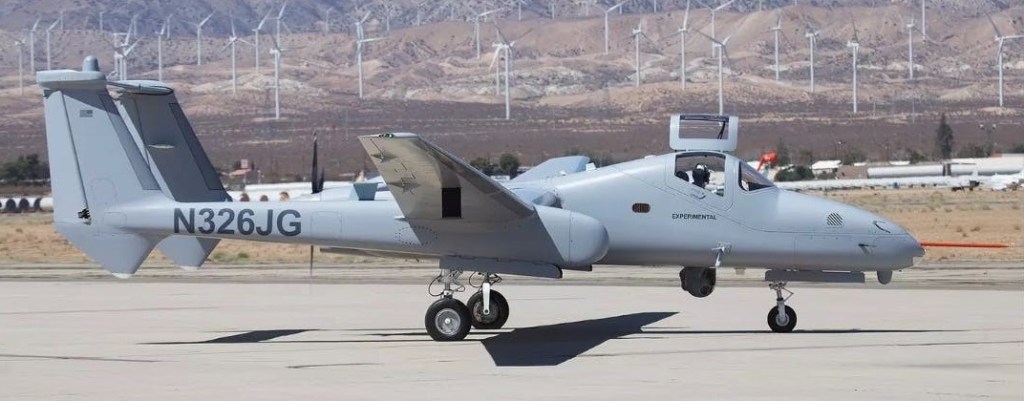
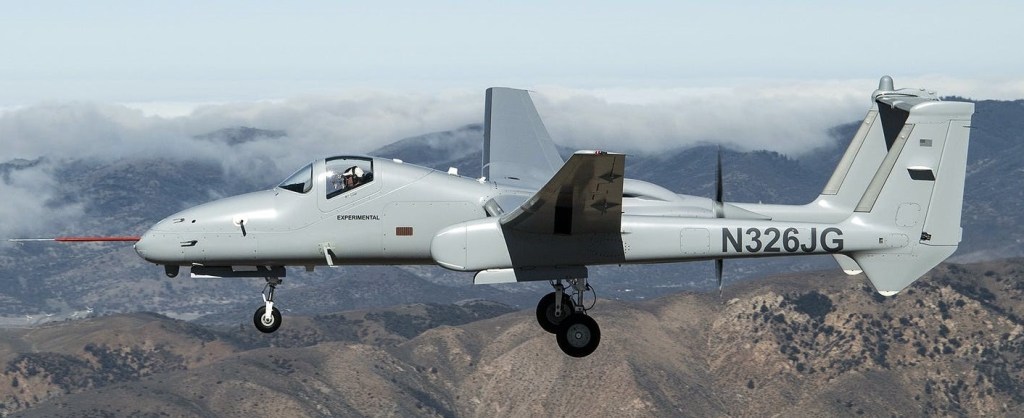
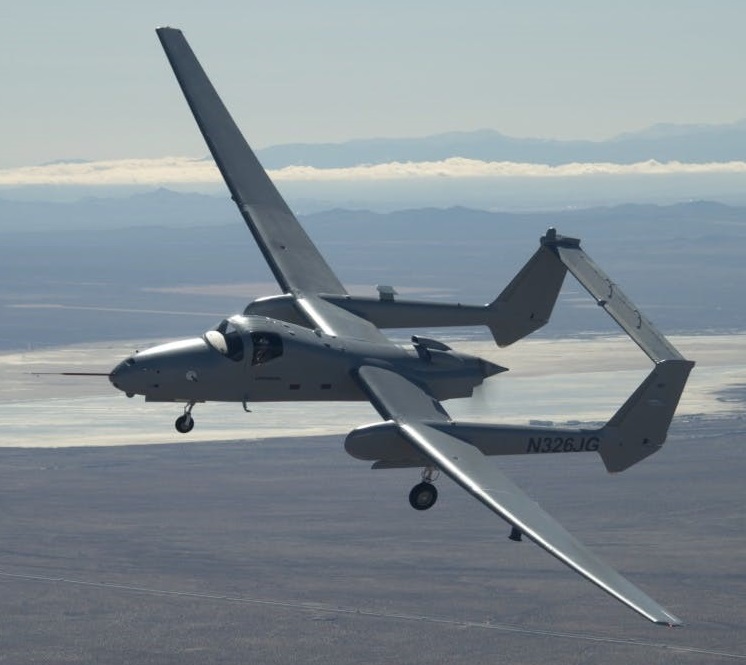
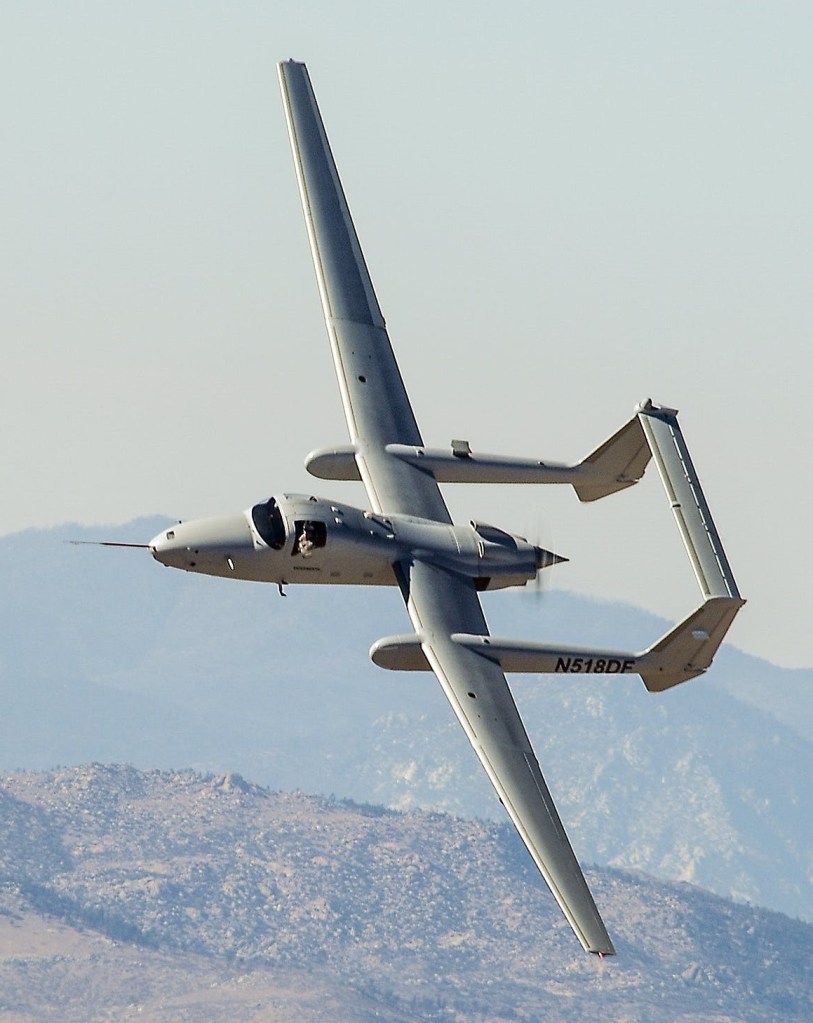
The Firebird concept actually dates the back to the latter half of the 2000s, with Scaled Composites, Northrop Grumman’s storied subsidiary, eventually building a technology demonstrator. That highly experimental aircraft was a forerunner to the current Northrop Grumman designed Firebird, which is a clean-sheet, production-ready aircraft. Scaled Composites’ Firebird demonstrator first flew in 2010 and proved that an optionally manned, highly flexible surveillance aircraft could not only work, but it could compete for missions with both unmanned and manned platforms at the same time.
Firebird in manned configuration. It can be flown by one or two pilots and uses open architecture Garmin 3000 avionics.
Firebird is that it can self-deploy anywhere in the world with a pilot at its controls and even work out of small, rough airfields. Once forward deployed, it can then be converted into unmanned configuration and fly missions lasting over 30 hours. It single six-cylinder Lycoming TEO-540 engine runs on avgas.
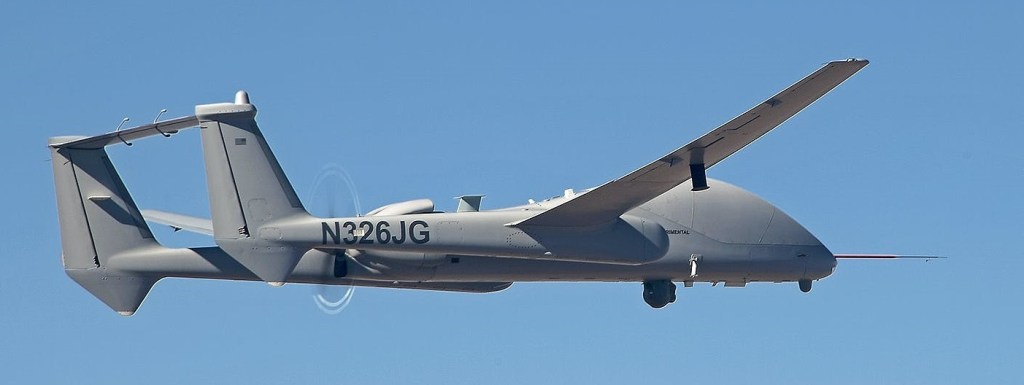
Firebird in unmanned mode.
Being able to tailor payloads to the operating environment and mission, some operations and operating areas benefit from or even necessitate a human in the cockpit, while others largely benefit from long-duration missions run from a ground station. Being able to provide both in one airframe is revolutionary, at least in terms of a purpose-built aircraft being sold and sustained by an American aerospace-defense prime contractor.
The Firebird can be easily broken down and flown on a transport. Its modular carbon fiber design made this nearly a default capability.
Firebird was into the back half of its flight test program circa 2019.
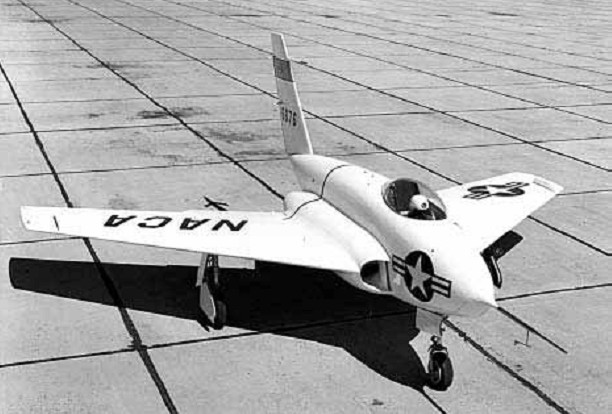
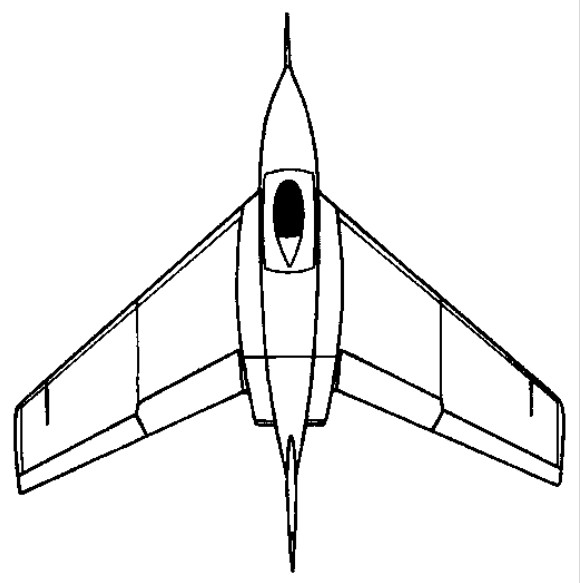
The Northrop X-4 was the first example of an X-vehicle intended to research something besides supersonic flight. The jet-powered X-4 was designed to evaluate the characteristics of a tailless aircraft at high subsonic speeds, a configuration believed to hold a great deal of promise for future aircraft.
The final Northrop flying wing design, although it could more accurately be described as a tailless aircraft, was the XS-4 Skylancer, a transonic research vehicle with two 726kg thrust Westinghouse turbojets. Later redesignated X-4, the first of two aircraft flew at Muroc on 16 December 1948, followed by the second on 7 June 1949.
Although not designed for supersonic speeds, the X-4 nevertheless proved that tailless swept-wing aircraft were not well suited for high transonic or supersonic performance. Pitch, roll, and yaw instabilities were very pronounced at speeds in excess of Mach 0.88, and there was no solution to the problem using the technology available at the time. The last flight was made on 29 September 1953. After a total of 102 flights, the highest achieved was 42,300 feet (approx) and fastest Mach 0.90 (630 mph) (approx).
Both aircraft survived the flight test program, and there were no serious accidents during the 102 flights. The first X-4 was on display at Edwards AFB. The second aircraft, after long being displayed at Maxwell AFB, Alabama, moved to the Air Force Museum in Dayton, Ohio.
X-4 Bantam Engines: 2 x Westinghouse turbojets, 726kg each Max take-off weight: 3175 kg / 7000 lb Wingspan: 8.18 m / 26 ft 10 in Length: 7.1 m / 23 ft 4 in Wing area: 19 sq.m / 204.51 sq ft Max. speed: 1000 km/h / 621 mph Crew: 1
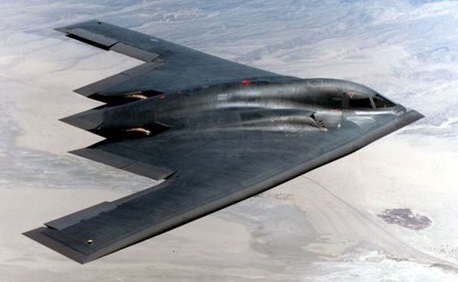
Development of the B-2 was begun in 1978, and in designing the Advanced Technology Bomber (ATB), as the B-2 project was originally known, the Northrop Company decided on an all-wing configuration from the outset. Flying-wing devotees such as Hugo Junkers and Jack Northrop argue that a flying wing will carry the same payload as a conventional aircraft while weighing less and using less fuel. The weight and drag of the tail surfaces are absent, as is the weight of the structure that supports them. The wing structure itself is far more efficient because the weight of the aircraft is spread across the wing, rather than concentrated in the centre.
The B-2 design is a flying wing with straight 40 degree sweep leading-edges and a sawtooth trailing edge. Its centrebody is smoothly contoured into the upper wing surface. The centrebody houses the two-man crew compartment and the two weapons bays, one on each side of the centreline. The cockpit compartment is accessed through a ventral hatch and has large cockpit windows to improve the pilots angular field of view, yet the nose-down view remains very limited. The engines lay outboard the weapon bays in the upper wing surface. The exhausts are positioned forward of the wing trailing edge to reduce heat signature.
Because of the big wing area and wing span, the lift needed per square foot of wing is not as high compared to other designs of the same weight. Therefor the B-2 does not need complex flaps. It operates over a smaller angle of attack.
The all-wing approach was selected because it promised to result in an exceptionally clean configuration for minimizing radar cross-section, including the elimination of vertical tail surfaces, with added benefits such as span-loading structural efficiency and high lift/drag ratio for efficient cruise. Outboard wing panels were added for longitudinal balance to increase lift/drag ratio and to provide sufficient span for pitch, roll and yaw control. Leading-edge sweep was selected for balance and trans-sonic aerodynamics, while the overall planform was designed for neutral longitudinal (pitch) static stability. Because of its short length, the aircraft had to produce stabilizing pitchdown moments beyond the stall for positive recovery. The original ATB design had elevons on the outboard wing panels only but, as the design progressed, additional elevons were added inboard, giving the B-2 its distinctive ‘double-W trailing edge. The flight-control surfaces are operated by a fly-by-wire control system to ensure optimum control responses in this design of relaxed stability intended for positive aerodynamic control at all times, throughout the airframe, emphasis is placed on completely smooth. The wing leading edge is so designed that air is channelled into the engine intakes from all directions, allowing the engines to operate at high power and zero airspeed. In trans-sonic cruise, air is slowed from supersonic speed before it enters the hidden compressor faces of the GE F118 engines.
A stores management processor is in place to handle the B-2’s 22,730kg weapons load. A separate processor controls the Hughes APQ-181 synthetic-aperture radar and its input to the display processor. The Ku-band radar has 21 operational modes, including high-resolution ground mapping. The B-2 lifts off at 260km/h, the speed independent of take-off weight. Normal operating speed is in the high subsonic range and maximum altitude around 15,240m. The aircraft is highly manoeuvrable, with fighter-like handling characteristics.
The US Air Force originally wanted 133 examples, but by 1991 successive budget cuts had reduced this to 21 aircraft.
First revealed in November 1988, the prototype flew on 17 July 1989, and the first production B-2 was delivered to the 393rd Bomb Squadron of the 509th Bomb Wing at Whiteman AFB, Missouri, on 17 December 1993. Northrop delivered 21 B-2A Spirit stealth bombers, achieving initial operational capability with the USAF in April 1997 and full capability with the 715th Bomb Squadron in 1999.
With a crew of two, it is powered by four 19,0001b thrust F 118 GE 100 engines (as used in the F 16) and has a published speed of 0.72 Mach. The multi role bomber is publicised as fuel efficient, able to carry a “substantial bomb load” and with “excellent range”. Unit cost: Approximately US$750 million
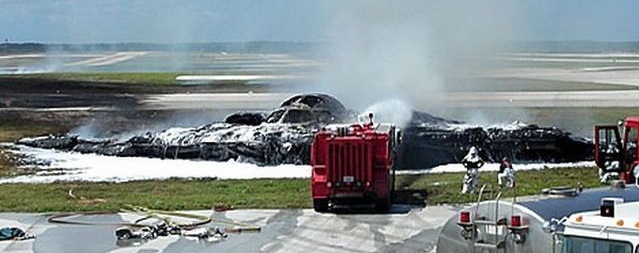
When B-2 89-0127, named the Spirit of Kansas, crashed on takeoff at Andersen Air Force Base in Guam, it immediately became the most expensive accident in USAF history. The crash was determined to have been caused by moisture in the port transducer units which resulted in the distortion of information sent to the aircraft’s air data system. The B-2’s flight control computers calculated an incorrect air speed and angle of attack, causing the nose to pitch-up 30 degrees and sending the aircraft into an unrecoverable stall. The pilots ejected safely, though the Spirit of Kansas was reduced to a $1.4 billion pile of burning wreckage.
Northrop B-2A Spirit Engines: 4 x General Electric F-118-GE-100 turbofan, 17,300 lb / 7,847 kg Length: 69 ft (20.9 m Height: 17 ft / 5.1 m Wingspan: 172 ft / 52.12 m Wing area: 3982.68 sq.ft / 370.0 sq.m Takeoff Weight (Typical): 336,500 lb / 152,635 kg MTOW: 371,000 lb / 168,286 kg Max speed: 475 mph / M0.76 Cruising speed: 516 kt / 955 km/h Ceiling: 50,000 ft / 15,152 m Op radius: 3800 mile / 6115 km Payload: 40,000 lb / 18,144 kg Crew: Two pilots, with provisions for a third crew station
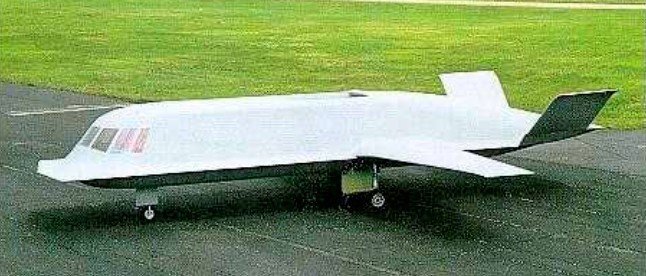
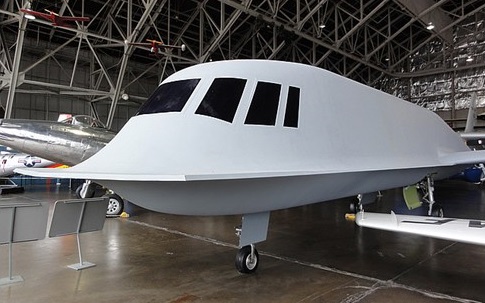
The “Tacit Blue” was built to test the advances in stealth technology. The aircraft made its first flight in February 1982 and by the conclusion of the program in 1985 had flown 135 times.
The entire program cost $165 million and Northrop, as the main contractor, received $136 million. The data collected from the Tacit Blue project was later used on the B-2 Spirit, also made by Northrop.
Tacit Blue Engines: 2 x Garrett ATF3-6 Max take-off weight: 13500 kg / 29763 lb Wingspan: 14.69 m / 48 ft 2 in Length: 17.0 m / 55 ft 9 in Height: 3.23 m / 10 ft 7 in Cruise speed: 460 km/h / 286 mph Ceiling: 9000 m / 29550 ft
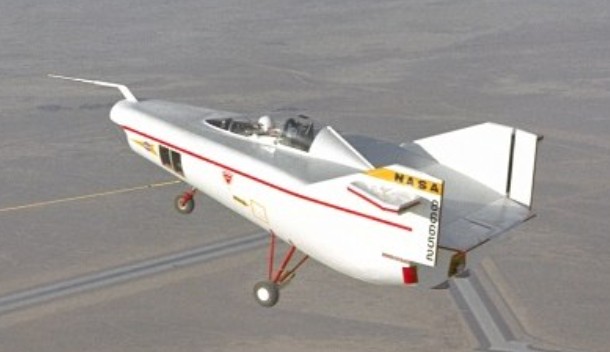
In mid-1964 Northrop was contracted by the US National Aeronautics and Space Administration (NASA) to produce two all-metal wingless lifting-body re-entry research vehicles, based on experience gained with the Northrop M2-F1 wooden glider, which made more than 500 flights in 1963-64. These lifting-body vehicles were intended to prove the viability of wingless flying machines that could re-enter the atmosphere at hypersonic speed after orbital flight and fly back to their bases.
The two new vehicles were designated M2-F2 and HL-10 and differed in under- and upper-surface fuselage shapes. First flight of the M2-F2 as a glider was made on 12 July 1966 when it was dropped from beneath the wing of a Boeing B-52 at 14235m to make a successful 306km/h landing four minutes later.
Bruce A. Peterson, NASA test pilot, piloted the M2F2 on 10 May 1967 landing accident that served as the opening footage for the television show ‘The six million dollar man’.
Wreck of NASA 803, 10 May 1967
The M2-F2 was badly damaged and, subsequently rebuilt as the M2-F3 made its first powered flight on 2 June 1970, attaining Mach 0.8 at 16155m on three of its four XLR11 rocket chambers. Later in the programme it recorded a height of nearly 27430m and speed of Mach 1.7. The M2-F3 had triple rather than double vertical tail surfaces.
When testing ended in 1973 these aircraft had provided much information which was to prove invaluable for NASA’s Space Shuttle programme.
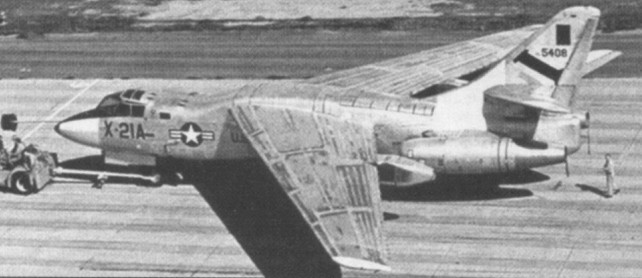
Sponsored by the USAF, the X-21A was designed to explore the feasibility of utilizing full-scale boundary layer control on a large aircraft. Paper and wind tunnel studies conducted by Northrop had indicated boundary layer control would offer numerous performance benefits. After successfully demonstrating the ability to achieve laminar flow over approximately 75 percent of the wing surface, the X-21As were used to explore the impact of rain, sleet, snow, and other weather anomalies on the system.
The two X-21As were modified from Douglas WB-66D Destroyer light bombers that had been retired from active service, and were equipped with a completely new wing and engine nacelles that were hung on either side of the aft fuselage.
First flown on 18 April 1963, the X-21As demonstrated that the boundary layer control technique, called laminar flow control, was both effective and viable. However, they also showed that these benefits came at a significant maintenance penalty as the numerous small slots required for the airflow constantly plugged up.
Last flown in 1964, the highest speed achieved was 560 mph (approx) and an altitude of 42,500 feet (approx).
Both X-21As survived the flight test program and were left in a bad state of repair on the photo range at Edwards AFB.
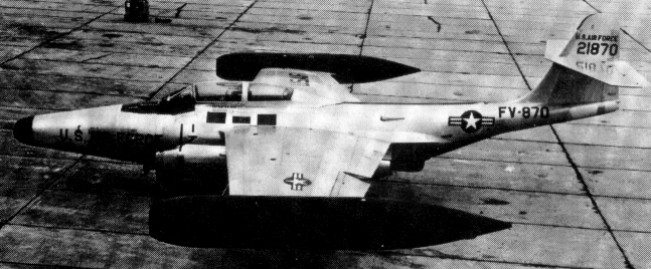
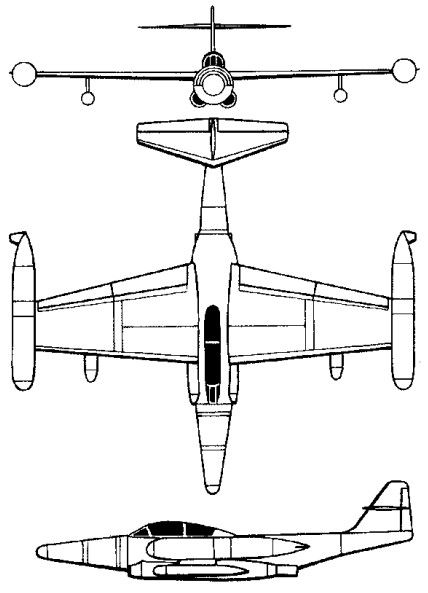
Basic development of the Northrop F-89 Scorpion began during 1945 in response to a general requirement issued by the then US Army Air Force calling for an aircraft capable of a speed of 845 km/h (525 mph) at 10670 m (35,000 if) with a 965-km (600-mile) combat radius and the ability to operate with air-to-air rockets. Although the jet era had already begun, the original requirement called for a propeller-driven aircraft, but most of the six companies which responded submitted proposals based upon the use of jet power. In March of the following year, one of the four Northrop candidates was selected for further development and rewarded with a contract for two XP-89 prototypes on 13 June 1946, flown for the first time on 16 August 1948.
Northrop F-89 Scorpion Article
Initial trials revealed few problems, and the type was ordered into production as the F-89A in 1949. Soon afterwards, the Scorpion began to run into difficulties, most of which centred around inadequate performance; but there was also serious concern about structural integrity and it was decided to suspend production until Northrop had eradicated these failings. In the event, only 11 examples of the F-89A were completed, most of these being emplayed on operational trials, and it was the F-89B which became the first operational model, entering service at Hamilton AFB, California, in June 1951.
A total of 37 F-89Bs was built before production switched to the essentially-similar F-89C. It was at about this time that the Scorpion gained a reputation as ‘the world’s largest vacuum cleaner’, the low-slung engines being prone to damage by objects ingested on takeoff and during taxiing; inlet screens helped to overcome this difficulty.
F-89D Scorpion
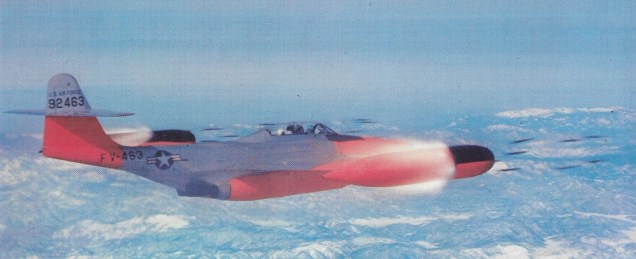
The most numerous sub-type was the F-89D with revised engines and improved fire-control and armament systems, no less than 682 being built by March 1956. The standard fighter equipment with U.S.A.F. in 1955, early F-89A, B and C had six 20 mm. cannon in nose. F-89C could also carry 16×5 in. rockets under wings. They were followed by the rather more heavily-armed F-89H, almost all of the 156 aircraft of this version being accepted in 1956. Subsequently, 350 of the earlier F-89Ds were fitted with a new fire-control system and revised armament in the form of the Douglas MB-i Genie missile, these henceforth being known under the designation F-89Js. The first nuclear-armed interceptor to make its debut, the F-89J began to enter service at Hamilton in January 1957 but enjoyed only a short front-line career, giving way to more sophisticated interceptors like the McDonnell F-101B, Convair F-102A and Convair F-106A in 1960. Many Scorpions did, however, continue to fly with the Air National Guard until 1968.
A total of 1232 were built.
F-89D Engines: 2 x Allison J35-A-35, -33A, -41, -47 afterburning turbo-jet, 3266kg / 5,600 lb Max take-off weight: 19160 kg / 42241 lb Empty weight: 11428 kg / 25195 lb Wingspan: 18.19 m / 59 ft 8 in Length: 16.41 m / 53 ft 10 in Height: 5.36 m / 17 ft 7 in Wing area: 52.21 sq.m / 561.98 sq ft Max. speed: 1024 km/h / 636 mph Ceiling: 14995 m / 49200 ft Range: 4184 km / 2600 miles Armament: 3 x “Falcon” guided missiles, 104 x 70mm missiles Crew: 2
F-89J Scorpion Powerplant: two 3266-kg (7,200-lb) afterburning thrust Allison J35-A-35 turbojets Maximum speed 958 km/h (595 mph) at 10970 m (36,000 ft) Initial climb rate 1573 m (5,160 ft) per minute Service ceiling 15600 m (51,180 ft) Maximum range 1720 km (1,690 miles) Maximum take-off weight 19319 kg (42,590 lb) Wing span 18.19 m (59 ft 8 in) Length 16.33 m (53 ft 7 in) Height 5.36 m (17 ft 7 in) Wing area 52.2 sq.m (562 sq ft) Armament: two MB-i (AIR-2A) Genie nuclear-tipped rockets and 104 FFAR rockets.
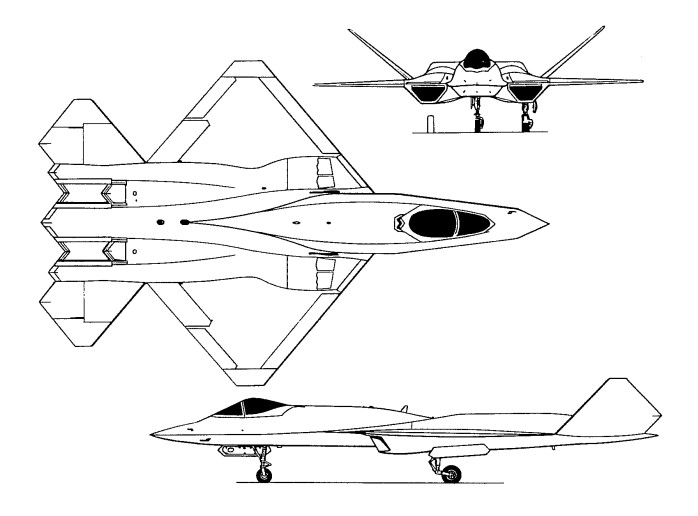
The first prototype, 87-800 (N23IYF reserved, but not used) was rolled out at Edwards AFB on 22 June 1990. The first flight was achieved on 27 August 1990 powered by P&W YF119s. The first air refuelling was achieved on the fourth sortie, on 14 September 1990. Mach 1.43 ‘supercruise’ was achieved on 18 September 1990 (the fifth sortie). The first use of afterburner was on the sixth sortie, on 21 September 1990. An altitude of almost 50,000ft was reached on 25 September 1990 (seventh sortie), and the final flight was on 30 November 1990. A total of 34 sorties/43hr.
The second prototype, 87-801 (N232YF reserved, but not used) had GE F120 powerplants, and had a first flight at Edwards 26 October 1990. ‘Supercruise’ in excess of Mach 1.6 was achieved on 29 November 1990. The final flight was made on 18 December 1990 after a total of 16 sorties/22 hrs.
The YF-23 had achieved Mach 1.8 at 50,000ft (15,240m) in afterburner. No missile launches were made, and no thrust vectoring was used. The aircraft were in storage at Edwards AFB from December 1990.
YF-23 Engines: 2 x Pratt & Whitney YF119-PW-100, 155.7kN with afterburner Max take-off weight: 29030 kg / 64001 lb Empty weight: 16783 kg / 37000 lb Wing span 43ft 7.25in / 13.29m Length overall 67ft 4.75in / 20.54m Height overall 13ft 10.75in / 4.24m Wing area: 87.8 sq.m / 945.07 sq ft Max. speed: 2080 km/h / 1292 mph Ceiling: 19800 m / 64950 ft Range: 1200 km / 746 miles Crew: 1
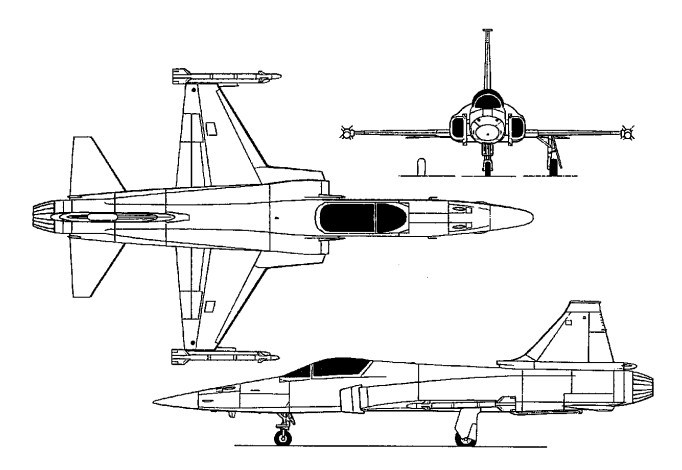
Initially known as the F-5G and officially redesignated F-20 in November 1982, the Tigershark single-seat tactical fighter was evolved as a company-funded development of the basic F-5E, having an 80% increase in engine thrust and only 21% increase in empty weight.
1981
A much modified F-5E, the F-5G / F-20 has a General Electric F404-GE-100 low-bypass turbofan of 10,900 lb (4 943kg) dry thrust and 16,390 lb (7 433 kg) with afterburning, and an armament of two 20mm cannon and could carry up to 3175kg of ordnance on five stations. Three prototypes of the F-20, each embodying progressive improvements, were flown, these entering flight test on 30 August 1982, 26 August 1983 and 12 May 1984. A fourth prototype in the proposed fully-operational configuration was under construction when, following the October 1986 decision that an upgraded F-16A was to succeed F-4 and F-106 as the USAF’s air defence fighter, Northrop terminated further development of the F-20 and ceased marketing efforts.
The danger of G-LOC was brought home when two of the three prototype F-20 crashed during demonstration routines killing their pilots only months apart. One was lost during a demonstration at Suwon, South Korea, in October 1984, and the other crashed at Goose Bay, Newfoundland, in May 1985, during practice for the Paris Air Show.
F-5G / F-20A Tigershark General Electric F404-GE-100 turbofan, 10,900 lb (4 943kg) dry thrust / 16,390 lb (7433 kg) afterburning Span: 7.70 m (25 ft 3 in) Length: 14.38 m (47 ft 2 in) Height: 4.22 m / 13 ft 10 in Wing area: 186 sq ft (17,1 sq.m) Empty weight: 11,220 lb (5 088 kg) Loaded weight: 17,500 lb (7 936 kg) Gross weight: 9379 kg (20 680 lb) Wing loading: 94 lb/sq ft (464 kg/ sq.m) Internal fuel: 4,440 lb (2 013 kg) Maximum speed: 1489 km/h (925 mph) Thrust/weight ratio: 0.94 Fuel fraction: 25.4 per cent Range w/max.fuel: 2965 km / 1842 miles
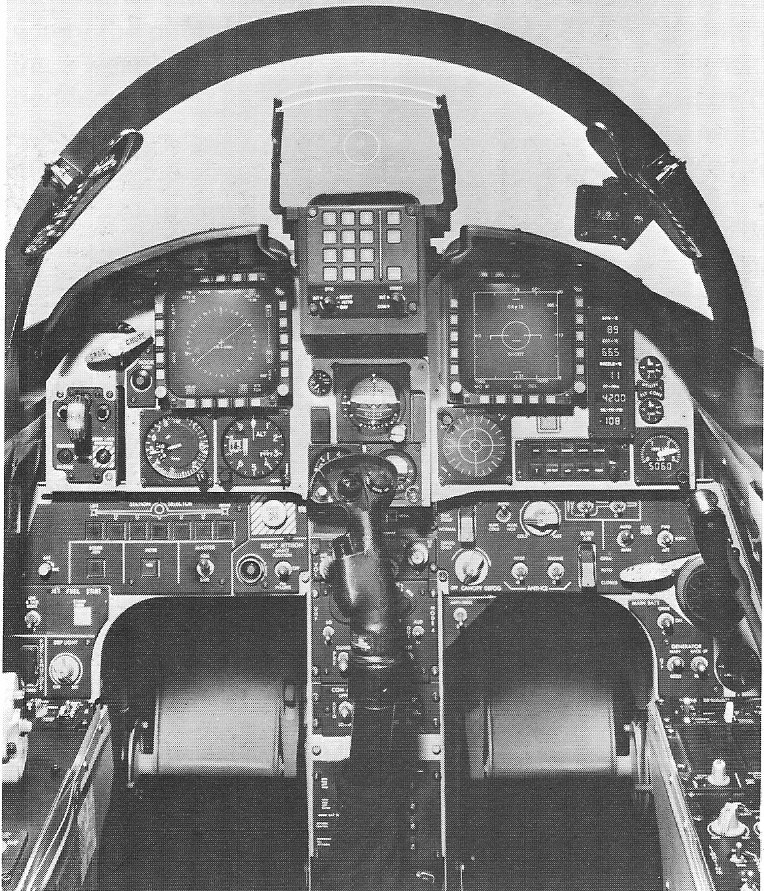
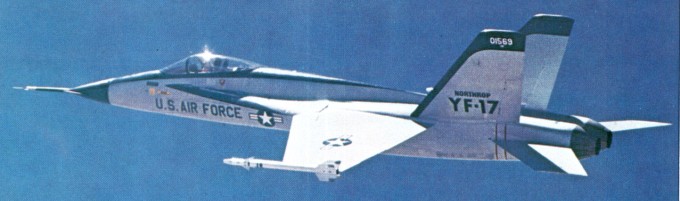
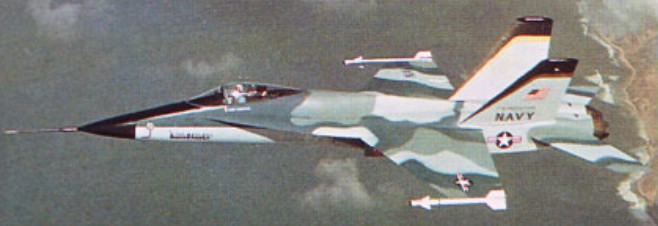
Based on the company-funded P530 Cobra project, the YF-17 was developed to meet a USAF Request for Proposals for a lightweight day air superiority fighter. Of the companies making submissions for the RFP, Northrop and General Dynamics were each awarded contracts on 13 April 1972 for their contenders as the YF-17 and YF-16 respectively.
The YF-17 Cobra prototype (72-01569), the first of two for competitive evaluation against the General Dynamics YF-16, made its maiden flight on 9 June 1974. The second prototype made its first flight on August 21 1974 from Edwards AFB, California. These were powered by two General Electric YJ101-GE-100 engines rated at 6532kg with afterburning. Proposed armament comprised one 20mm rotary cannon and two AIM-9 Sidewinder AAMs, provision being made for one centreline and four wing stores stations to give the YF-17 multi-mission capability.
Northrop’s YF-17A prototypes failed to win a production contract for the USAFs LWF (lightweight fighter) requirement, losing out to the General Dynamics YF-16A in 1974. Developed later by Northrop and McDonnell Douglas, it is in production for the US Navy as the F/A-18 Hornet single-seat naval strike fighter.
North¬rop’s YF 17 #1 prototype was flying a number of research missions for NASA at Edwards AFB in California. One of two ob¬jectives for the twin engine fighter was collection of in flight pressure data around the afterbody of the air¬craft and engine nozzles. The data was to be compared with wind tunnel information in an effort to improve wind tunnel prediction techniques which will help de¬signers of future fighter aircraft.
YF 17 Engines: two General Electric YJ101-GE-100, 6532kg with afterburning Span: 10.67 m (35 ft 0 in) Length: 16.92 m / 55 ft 6 in Height: 4.42 m / 14 ft 6 in Wing area: 32.51 sq.m / 349.93 sq ft Max take-off weight: 13894 kg / 30631 lb Loaded weight: 9526 kg / 21001 lb Maximum speed: Mach 2+ / 2071 km/h / 1287 mph Range w/max.fuel: 4506 km / 2800 miles











 All Aero