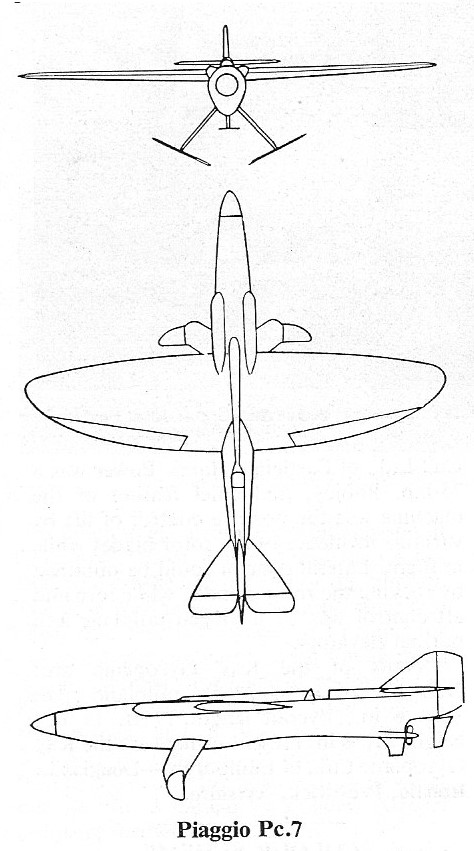
Piaggio P.7 / Piaggio-Pegna P.c.7

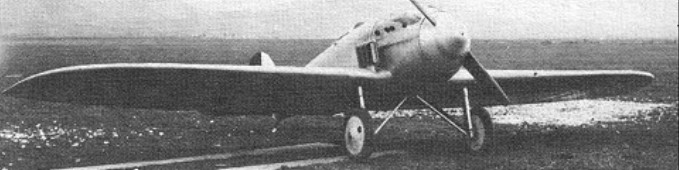
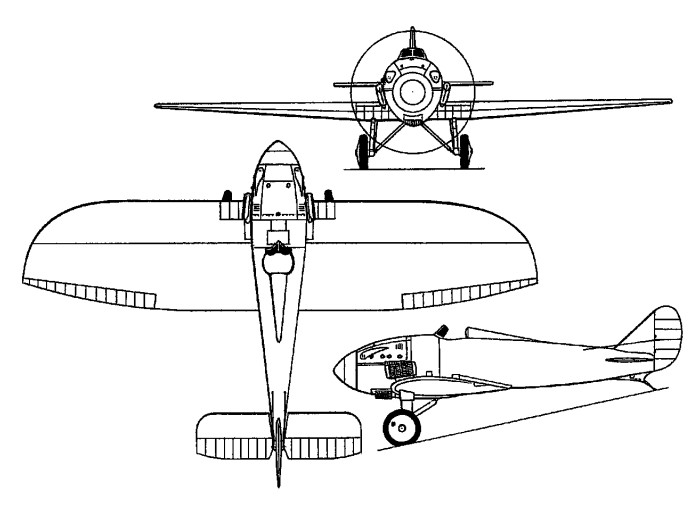
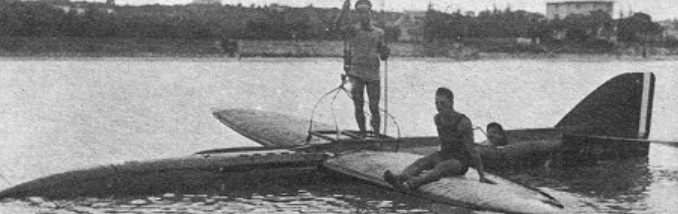
A truly remarkable design, the Piaggio P.7 or Piaggio-Pegna P.c.7 was built for the 1929 Schneider Trophy contest. A cantilever high-wing monoplane with long slender fuselage, it had twin hydrofoils instead of floats and was intended to float with the wing resting on the surface of the water. While water-borne it was to be driven by an ordinary marine propeller connected by a shaft and clutch to the rear of the 723kW Isotta Fraschini Special V.6 engine. Once sufficient speed had been attained to lift the aircraft on to the hydrofoils and the normal tractor propeller was clear of the water, this latter propeller would be clutched-in, the marine propeller disengaged, and a conventional take-off would follow.
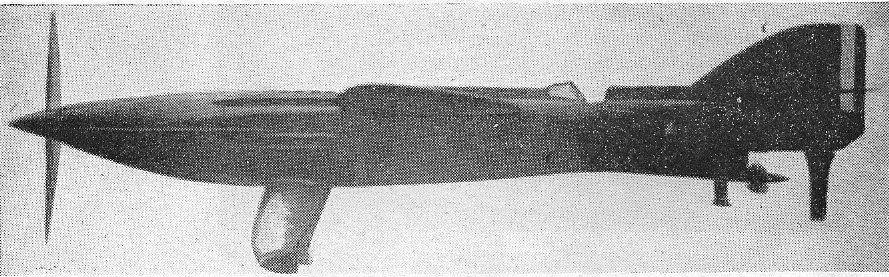
In practice, problems with the respective clutches prevented the P.c.7 from ever taking off, and although water trials were conducted on Lake Garda by Dal Molin of the Italian Schneider team, the construction of a second aircraft was abandoned.

Engine: 1 x Isotta-Fraschini Special, 723kW / 850 hp
Wingspan: 28 ft 8.5 in
Length: 29 ft
Height: 8 ft
Empty weight: 3093 lb
Loaded weight: 3709 lb
Max take-off weight: 1738 kg / 3832 lb
Crew: 1
Piaggio P.2

The Piaggio P.2 was the first original design for the company by Giovanni Pegna. Constructed at the Sestri Ponente (Genoa) works in 1923, it was a cantilever low-wing monoplane single-seat fighter with a semi-mono-coque fuselage and fixed, divided landing gear. Twin radiators for the 224kW Hispano-Suiza engine were mounted on the fuselage sides just forward of the pilot’s open cockpit, and armament comprised twin synchronised Vickers 7.62mm machine-guns.

Engine: 224kW Hispano-Suiza
Wingspan: 10.5 m / 34 ft 5 in
Armament: 2 x Vickers 7.62mm machine-guns

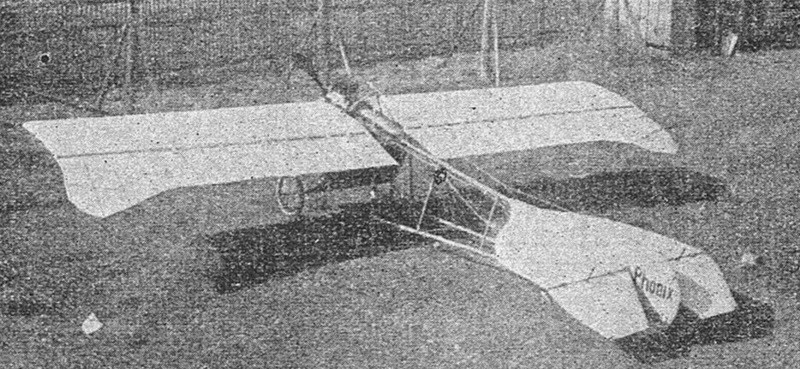
Phoenix Aircraft PM-3 Duet / Luton Minor III

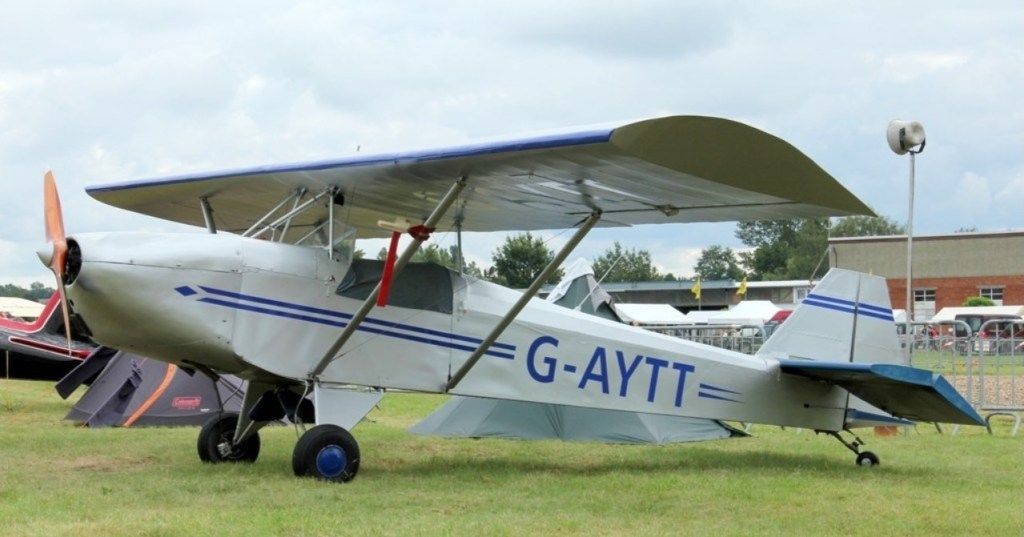
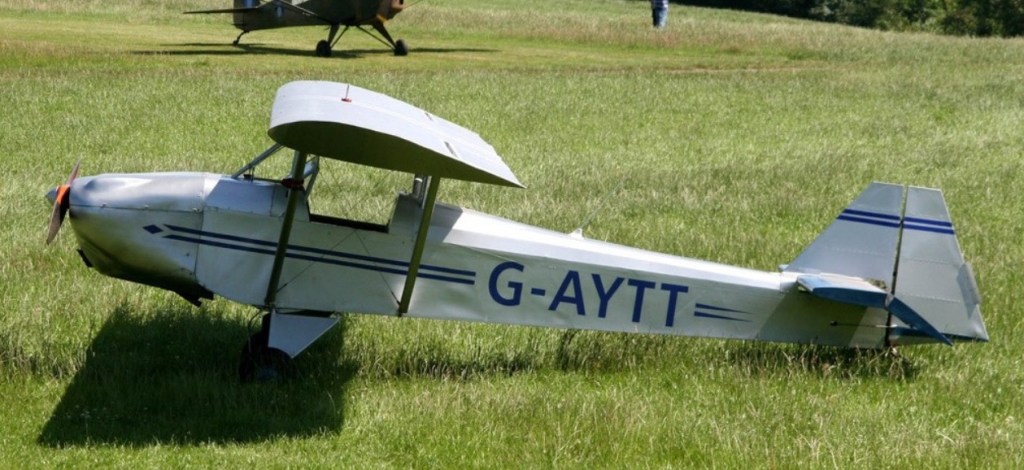
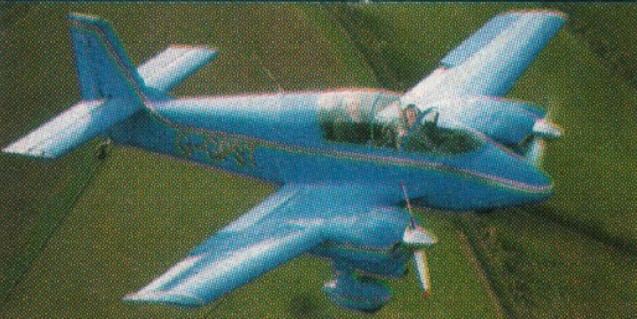
The PM-3 Duet is basically an enlarged Minor airframe. The Minor fuselage is fattened to take two people side-by-side and restressed to take a larger engine. Some modification to the wing and tail surfaces is also involved.

The design was originally designated Luton Minor III but was re-designated the Phoenix PM-3 Duet.

The prototype, G-AYTT PFA.841 was built by A.S. Knowles, who was involved in the type’s development. It first flew, at Fairoaks, on 22 June 1973 with a Continental C90 engine in a Condor cowling.

Gallery

Engine: Continental C90, 90 hp
Cruise: 100 mph
Stall: 35-40 mph

Phoenix Air Phoenix Motorglider

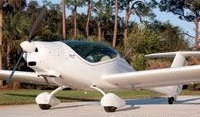
Phoenix Air’s honcho Jim Lee counts 14 more aircraft on his backordered list—a major LSA success story. The 49-foot span, Rotax 912ULS-powered low-wing taildragger won Sun ‘n Fun’s Best Commercial LSA award in 2012 and received three more sales. Base price 2012: $149,000.
Phoenix Air was rolling out a new Phoenix S-LSA motorglider every 18 days. They registered 10 aircraft in the US in 2012.

Under development in 2012 was the all-electric ePhoenix, using an in-house built motor and electronic flight controller. So far, flights have yielded one-hour durations, this is a two-seat LSA.

Phillips 1-B Aeroneer / XPT

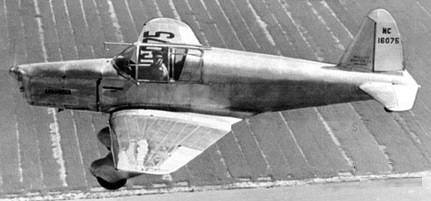
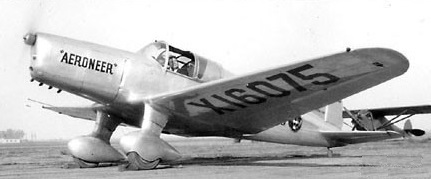
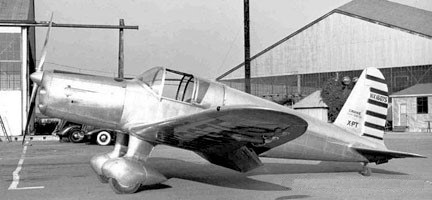
Phillips Aviation Co was founded at end of 1930s in Los Angeles, California, to continue development of light two-seat monoplane, the 1936 Phillips I-B (ATC 693), designed originally by Aero Engineering Corporation.

The one built, NC16075, was rebuilt in 1939 with a 145hp Ranger 6 engine as XPT (Experimental Primary Trainer) in an attempt to get an USAAC contract.

This failed, then MGM Studios reportedly bought it, as it has appeared in several films.

NX16075 posing as “Crane XPT” for a bit part in 1940 film, “House Across the Bay”
Actor Ray Milland spots it in a Burbank hangar during filming of “Men With Wings”

In 2005 it was stored in a hangar in Arizona. FAA says registered owner is, or was, in Oklahoma City but “sale reported” (2007).

1-B Aeroneer
Engine: 125hp Menasco C-4
Wingspan: 32’6″
Length: 24’0″
Useful load: 695 lb
Max speed: 140 mph
Cruise: 130 mph
Stall: 49 mph
Range: 600 mi
Seats: 2

XPT
Engine: 145hp Ranger 6
Wingspan: 32’6″
Length: 23’6″
Useful load: 810 lb
Max speed: 150 mph
Cruise: 130 mph
Stall: 46
Range: 500 mi
Seats: 2

Phillips ST-1 Speedtwin

A fully aerobatic light twin, first flown in 1991. Partial and or prefabricated parts were available.

Mk.I
Engine: 2 x Continental O-200, 100 hp

Mk.II
Speed max: 220 mph
Cruise: 200 mph
Range: 1300 sm
Stall: 60 mph
ROC: 3500 fpm
Take-off dist: 600 ft
Landing dist: 600 ft
Service ceiling: 25,000 ft
Engines: 2 x Lycoming IO-320, 160 hp
Fuel cap: 96 USG
Weight empty: 1500 lb
Gross: 2250 lb
Height: 6.83 ft
Length: 22.83 ft
Wing span: 26 ft
Wing area: 120 sq.ft
Seats: 2
Landing gear: tail wheel

Philippine Air Force XT-001 Marko 1

The PAF XT-001 Marko 1 was a basic trainer aircraft developed by the Philippine Air Force Self-Reliance Development Wing (PAFSRDW). It was designed and built by the Self-Reliance Development Wing of the Philippine Air Force in 1975 from locally designed jigs and fixtures.

It closely resembles the SIAI-Marchetti SF.260MP trainer, but with modified wingtips and cockpit. The prototype was initially thought to be a modified SF.260MP. Comparison of data with those for the SF.260MP indicates a slight increase in wingspan (though not in gross wing area), a lower empty weight, and (despite a similar powerplant and identical maximum takeoff weight) a slightly reduced performance.

The first test flight was on May 21, 1975.

XT-001 Marko
Engine: 1 × Lycoming O-540-E4A5, 194 kW (260 hp)
Propeller: 2-bladed
Wingspan: 8.4 m (27 ft 7 in)
Height: 2.4 m (7 ft 10 in)
Wing area: 10.10 m2 (108.7 sq ft)
Length: 7.1 m (23 ft 4 in)
Empty weight: 720 kg (1,587 lb)
Max takeoff weight: 1,200 kg (2,646 lb)
Maximum speed: 260 km/h (160 mph, 140 kn)
Stall speed: 120 km/h (75 mph, 65 kn)
Seats: 3