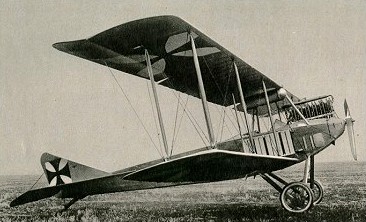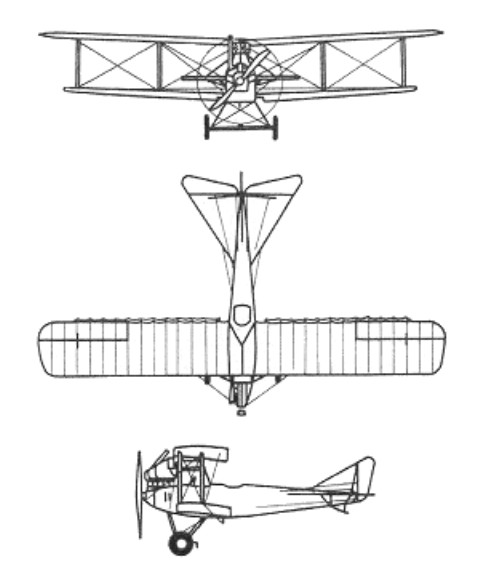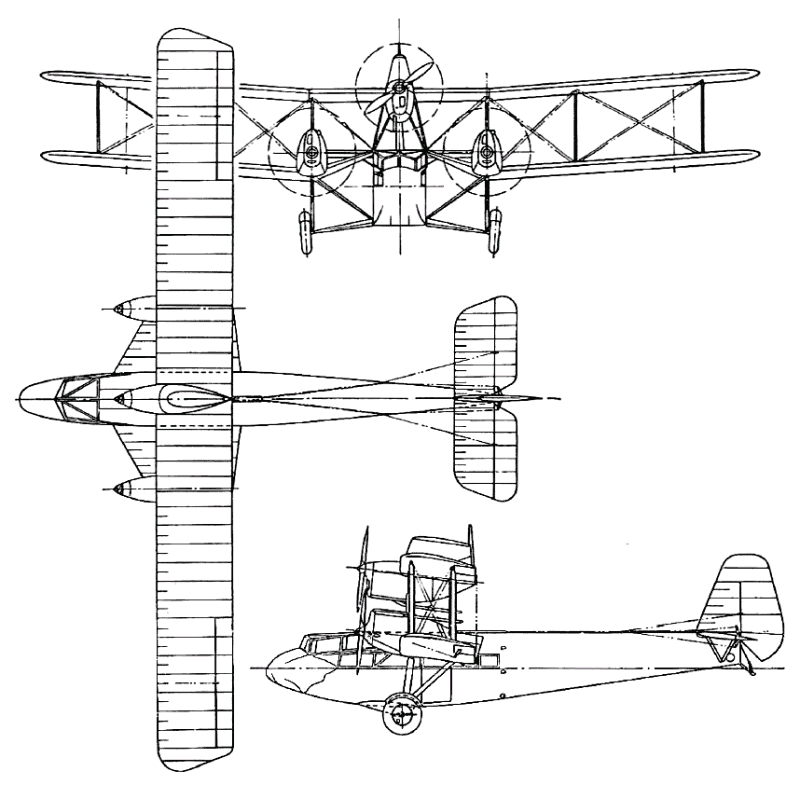
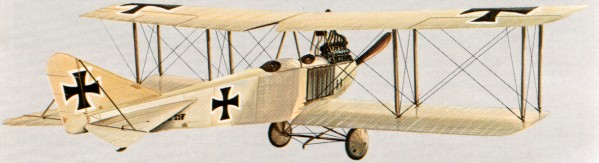
Albatros Werke C.III

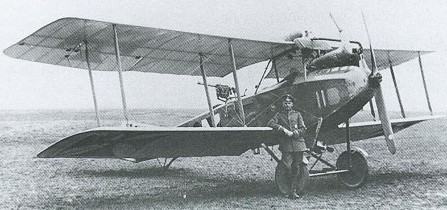
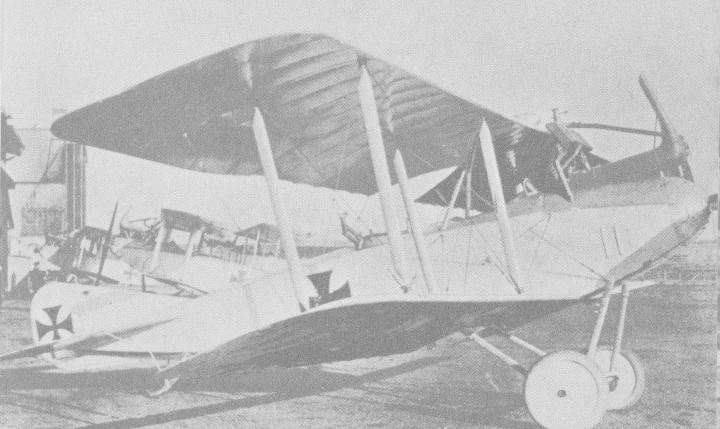
Appearing outwardly nearly identical to the Albatros B.III of 1914, the C.III model entered service in 1915. Like the unarmed B.III, the C.III had a fish style tail that not only improved handling but became a distinguishing feature of the Albatros single-seat scouts. With a two-bay biplane of two-spar wooden construction (ailerons on top wing only), the ply covered fuselage had a roomy rear cockpit for the observer, with Schneider ring mount for the Parabellum machine gun. Nearly all also had a fixed Spandau (almost the same 7.92 mm gun) firing ahead on the right side of the engine, and equipped with synchronization gear to enable it to fire between the propeller blades.
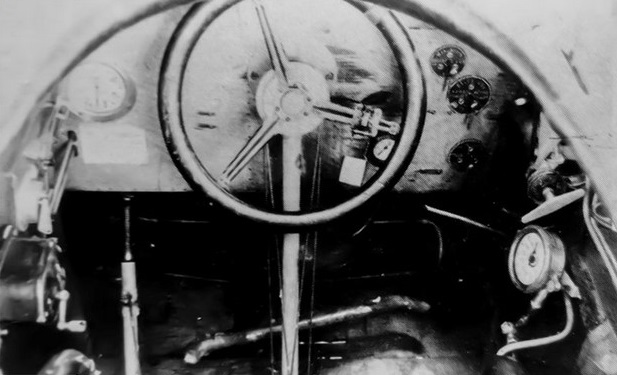
Albatros C-III

Though used mainly for reconnaissance and artillery spotting, the C.III could carry 100 kg (220 lb) of bombs in a compartment between the cockpits. Powered by the 160 hp Mercedes D.III engine, the C.III was built by seven manufacturers and served on all fronts until mid 1917 when it was withdrawn for use in the training role.
Albatros C.III
Engine: 1 x Benz Bz.III, 150 hp or Mercedes DIIIe, 160hp.
Wingspan: 38 ft 4 in (11.70m)
Wingarea: 397.3 sq.ft
Length: 26 ft 3 in (8m)
Height: 10.17ft (3.10m)
Empty weight: 1876 lb
Maximum Take-Off Weight: 2,983lbs (1,353kg)
Fuel capacity: 56 Gal
Maximum Speed: 87mph (140kmh; 76kts)
Service Ceiling: 11,155ft (3,400m; 2.1miles)
Endurance: 4 hr
Accommodation: 2
Armament: 1 or 2 x 7.92mm Parabellum machine gun and 1x Spandau 7.92 mm machine-gun (most)
Bombload: 100 kg (220 lb)
Albatros Werke C.I

The Albatros C.I series of aircraft was the next evolution in the brand’s reconnaissance aircraft line. Stemming from the development of the production Albatros B.II, the C.I shared many of the common characteristics in the initial design including the biplane wing assembly and basic fuselage design. Where it differed from the B.II, however, was in crew layout, the implementation of self-defense armament and improved performance capabilities. The C.I would become the aircraft on which many a German ace would be introduced to aerial combat and hone his skills on before graduating to the new breed of true fighter.

The C.I, like the B.II before it, featured crew accommodations for two personnel in the form of one pilot and a rear “observer” that doubled as a gunner. Unlike the B.II, the C.I switched the positions of the pilot and observer to a more traditional layout, putting the pilot forward just behind the engine, and the observer to the rear. This allowed the pilot a more traditional viewpoint from the front of his machine while allowing the rear observer/gunner a greater area to which train his gun in for self-defense. Armament consisted of a single 7.5mm Parabellum machine gun in the rear gunner area. Beyond that, the system was a reconnaissance aircraft not built for straight up engagements, though the C.I did find its fair share of success in that field.

The Albatros C.I offered up performance improvements thanks to the Mercedes D.III liquid-cooled inline engine. Performance increased the maximum speed from the B.II’s 66 miles per hour to the C.I’s 87 miles per hour. The endurance of the newer C.I did suffer quite a bit, however, from 4 hours of flightier in the B.I to just 2 hours of flight time in the C.I. Nevertheless, the powerplant was one of the best and most powerful available when compared to its contemporaries and handling was reported as good to excellent, making for a lethal weapon despite these shortcomings.

Albatros C.I
Engine: 1 x Mercedes D.III, 160hp.
Length: 25.75ft (7.85m)
Wingspan: 42.32ft (12.90m)
Height: 10.30ft (3.14m)
Maximum Speed: 87mph (140kmh; 76kts)
Service Ceiling: 9,843ft (3,000m)
Armament: 1 x 7.5mm Parabellum machine gun in rear gunner position.
Accommodation: 2
Maximum Take-Off Weight: 2,624lbs (1,190kg)

Albatros Werke B.I / B.II

The Albatros B.I and smaller B.II were developed in 1914, before the outbreak of war and were roughly equivalent to the British Royal Aircraft Factory B.E.2, although slower. Of conventional layout, with the pilot occupying the rear cockpit and the observer the front. No armament was carried. Powered by a 74.5kW Mercedes D.I or an 82kW Benz Bz.II engine.

B-1

In October 1916 Kondor Flugzeug-Werke was awarded an order for 50 Albatros B.IIa (Kon.) s/n 390-439/16 or use as trainers. The B.IIa designation denotes a change in engine and Kondor did some redesign of the empennage.

Albatros B.IIa (Kon.) 417/16 built by Kondor Flugzeug-Werke GmbH of Essen

The Albatros B.II was a reconnaissance biplane used in the early years of the First World War. Though phased out after several months in the reconnaissance role, the B.II would live on throughout the war and even some years later as a trainer elsewhere. In 1917 the B.II was ordered back into service as the B.IIa dual-control trainer, powered by an 89.4kW Mercedes D.II or Argus As.II engine.

The Albatros B.II was of a standard biplane design, with a twin-bladed propelled and engine mounted at front, followed by the upper and lower wings. The fuselage was slim and square, allowing for two crewmembers. The aircraft was not armed and served as a true reconnaissance platform.

In the beginning of its service tour, the B.II was able to attain altitudes of nearly 15,000 feet. The system would later be fielded in quantity throughout 1914, though it was already outclassed and being replaced as soon as 1915. Though its days as a frontline reconnaissance platform were over, the aircraft played a role in the training until the closing months of the war.

Manufacture was undertaken by several companies. A seaplane version was also built in small numbers and a few B.II were operated by Austro-Hungary.

Long time in the arsenal VVS of Sweden were found Albatros aircraft, the basic model of which was B.IIa. One of such aircraft arrived in Sweden in 1914, but it was damaged on landing. Albatros B.IIa’s were operated by the Swedes until 1926 as Sk.I (training type 1). In August 1925 they were replaced by the Heinkel HD.35.

Engine: 1 x Mercedes D.1, 74kW
Take-off weight: 800 kg / 1764 lb
Empty weight: 600 kg / 1323 lb
Wingspan: 14.3 m / 46 ft 11 in
Length: 8.6 m / 28 ft 3 in
Height: 3.5 m / 11 ft 6 in
Wing area: 43.0 sq.m / 462.85 sq ft
Max. speed: 100 km/h / 62 mph
Ceiling: 3000 m / 9850 ft
Range w/max.fuel: 650 km / 404 miles
Crew: 2

1913 Albatros B-1 biplane
Span: 46’10”
Length: 28’3″
Weight: 1760 lbs
Speed: 68 mph

Albatros B.II
Engine: 1 x Mercedes 6-cylinder, 100hp.
Length: 25.03ft (7.63m)
Wingspan: 41.99ft (12.80m)
Height: 10.33ft (3.15m)
Maximum Speed: 65mph (105kmh; 57kts)
Service Ceiling: 9,843ft (3,000m)
Accommodation: 2
Maximum Take-Off Weight: 2,361lbs (1,071kg)

Albatros B I/B II

Akaflieg Darmstadt FSV.X             

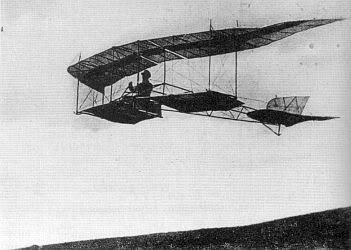
The foundation laid by Lilienthal and Ursinus was advanced by Darmstadt Technical Institute’s tests at Wasserkuppe in July 22, 1912 when a new record for time aloft and distance was established by pilot Hans Gutermuth, who flew the F.S.V. X. glider for one minute fifty-two seconds covering a distance of 840 meters. A replica of that plane, built by Otto Becker’s team is now on display in the Glider Museum at Wasserkuppe.

Airspeed AS.30 Queen Wasp

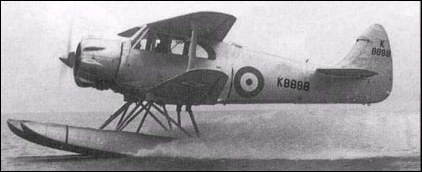
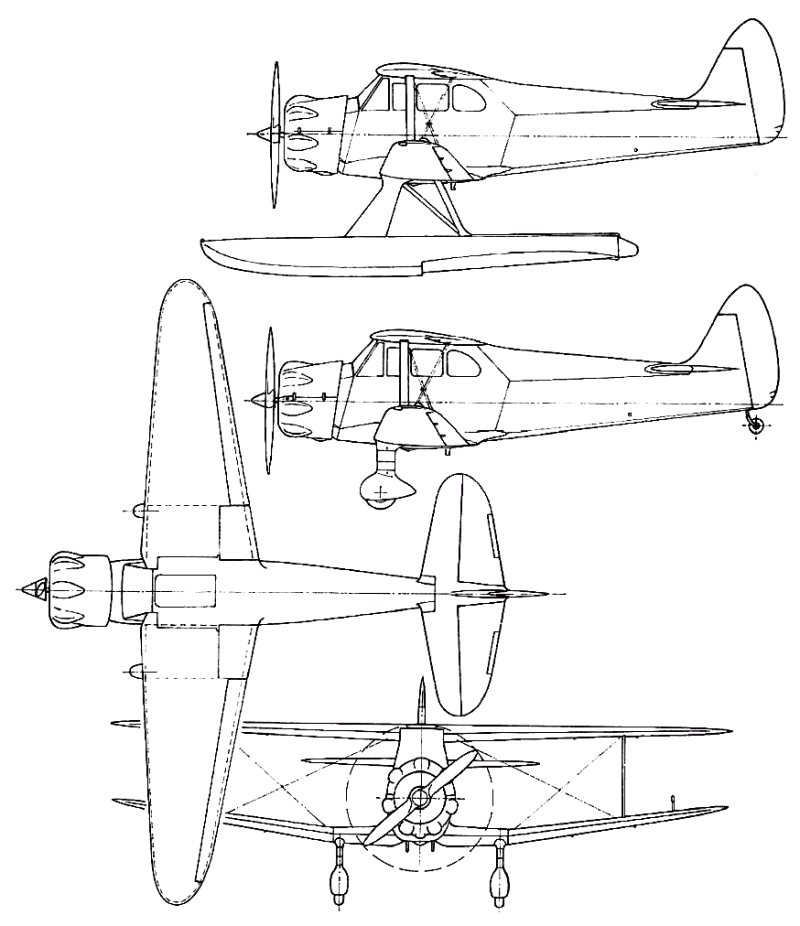
Designed as a radio-controlled and unmanned target aircraft, first flown as a piloted aircraft in 1937. A total of seven aircraft were built (including prototypes) of 65 production aircraft ordered.

Engine: Armstrong Siddeley Cheetah IX, 345 hp
Length: 29.068 ft / 8.86 m
Wingspan: 31.004 ft / 9.45 m
Max take off weight: 3801.4 lb / 1724.0 kg
Max. speed: 150 kt / 277 km/h
Cruising speed: 131 kt / 243 km/h
Service ceiling: 20013 ft / 6100 m
Crew: 1