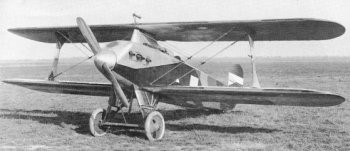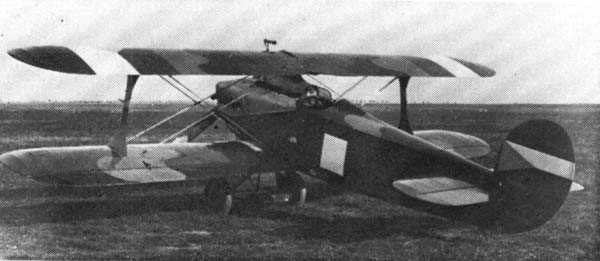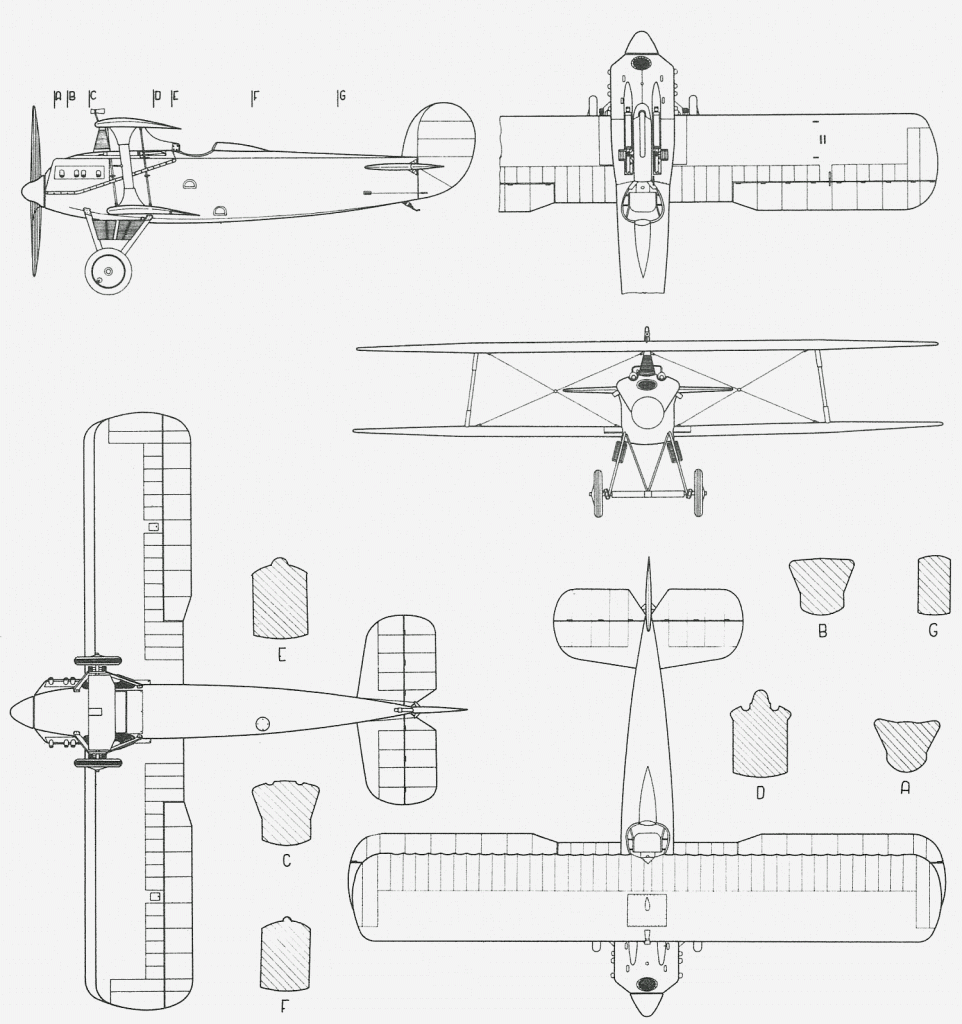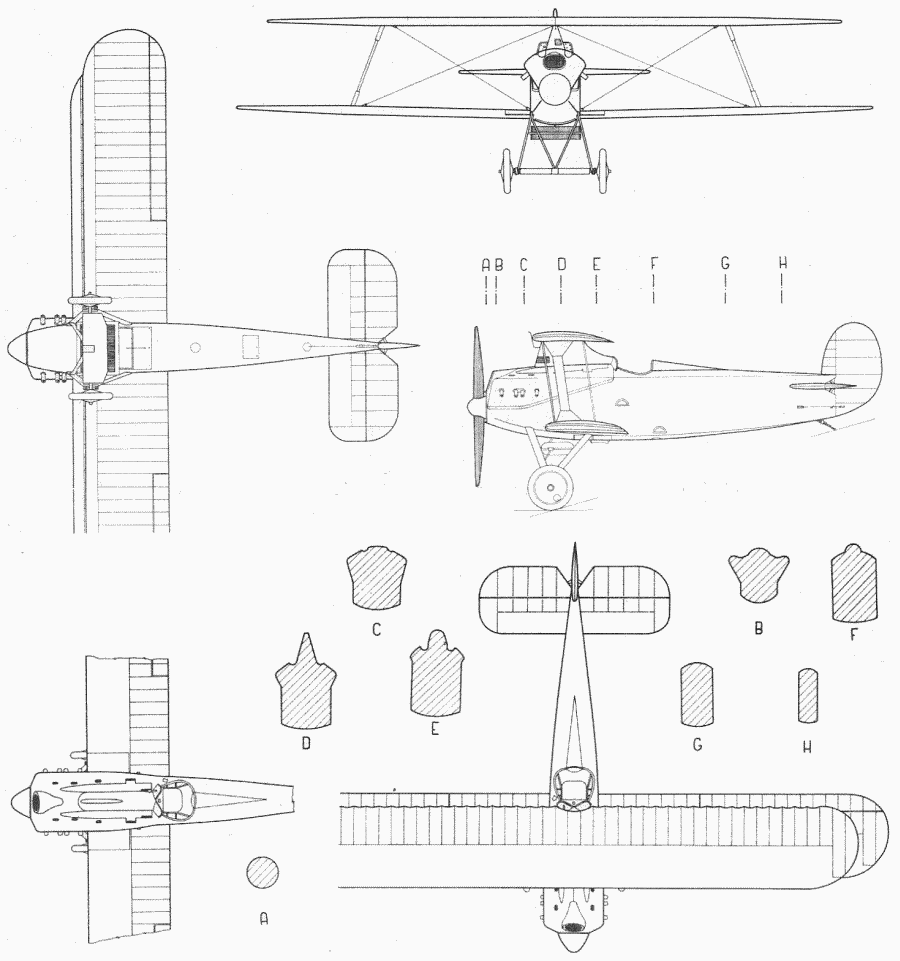
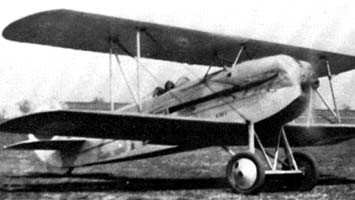
Avia Akciova Spolecnost Pro Prumysl Letecky BH-25

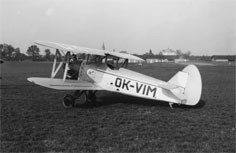
In 1925, a competition was announced for the construction of a transport airplane for the needs of Czechoslovak State Airways. Pavel Beneš and Miroslav Hajn responded to the request of the Ministry of Public Works and the design began in 1925 in the Holešovice offices, where Avia moved from Vysočany.
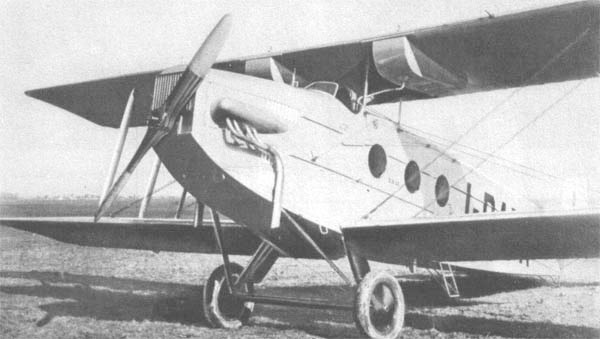
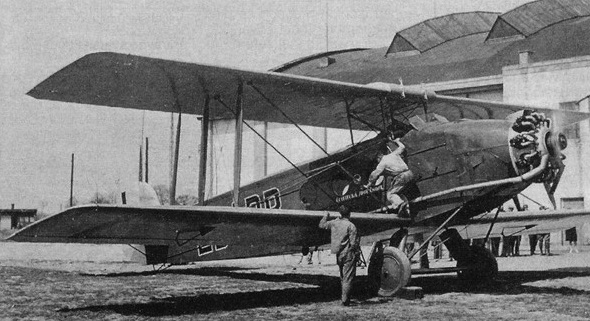
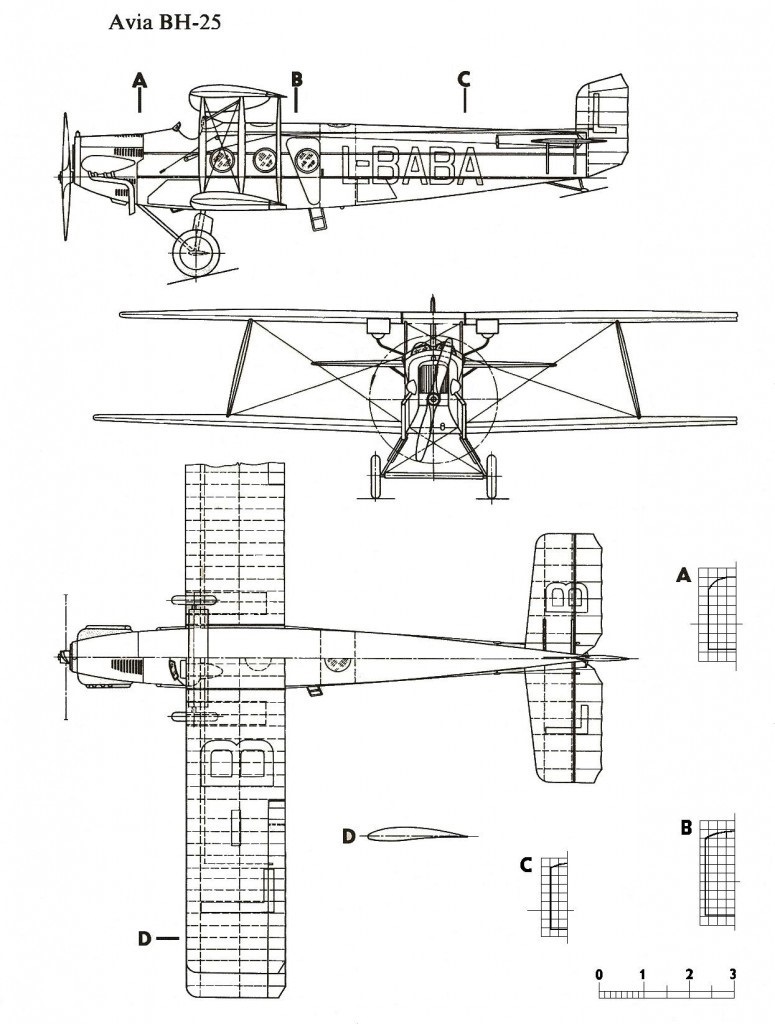
A single-engine biplane was created for two pilots and five passengers. The passengers sat in the wicker seats inside the fuselage, entering through a side door. The pilots were housed in an open cockpit on the back of the fuselage. Of conventional configuration, it was a single-bay biplane of equal span and unstaggered wings, with fixed tailskid landing gear. Power was a Lorraine Dietrich series engine.

In the summer of 1926 the first prototype, designated as BH.25, began tests. Avia failed the competition (CSA bought a competitive Aero A-23), however the prototypes and subsequent Avi series were bought by the Czechoslovak Airline, which put the new Avia on international lines. Here the transport avia successfully served until 1931, when it flew 800,000 km.
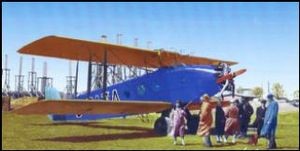
In 1928 trial operation of VN.25 on Czechoslovak airlines began. By this time, the production aircraft, BH-25J, were distinguished by some modifications in the design and replacement of the Lorraine-Dietrich engine by Bristol “Jupiter”. Operations ended at the end of 1936, and in 1937 several aircraft were handed over to the Air Force. Until the full occupation of the country in 1939, they were used for courier purposes and were soon scrapped.
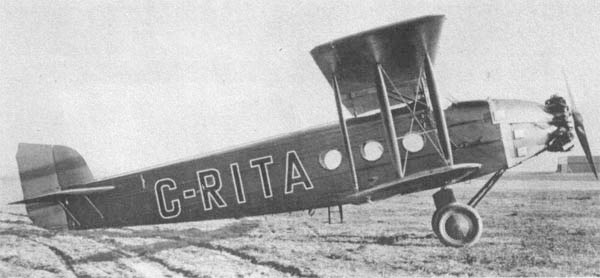
BH-25J

Of the 12 aircraft built, eight remained in Czechoslovakia and were used by CLS. The remaining four BH.25 were sold to the Romanian airline SNNA.
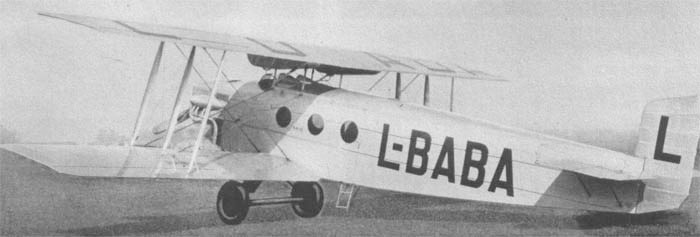
Engine: Lorraine Dietrich 12Cc, 331 kW / 450 hp
Propeller: wooden two-blade
Wingspan: 15.30 m / 50 ft 2.36 in
Wing Area: 62.5 sq.m / 672.74 sq.ft
Length: 12.82 m / 42 ft 0.72 in
Empty Weight: 1950 kg / 4299 lb
Take-off weight: 2970 kg / 6548 lb
Maximum Speed: 180 kph / 111.8 mph
Cruise Speed: 150 kph /93.2 mph
Time to Climb: 20 min to 2000 m / 6562 ft
Service Ceiling: 4000 m / 13,123 ft
Range: 600 km / 372.8 mi

Engine: 1 × Walter-built Bristol Jupiter, 336 kW (450 hp)
Wingspan: 15.3 m (50 ft 2 in)
Wing area: 62.5 sq.m (672 sq.ft)
Length: 12.82 m (42 ft 1 in)
Empty weight: 1,800 kg (3,968 lb)
Gross weight: 2,900 kg (6,393 lb)
Maximum speed: 180 km/h (112 mph)
Range: 600 km (373 miles)
Service ceiling: 4,000 m (13,123 ft)
Rate of climb: 1.7 m/s (330 ft/min)
Cruising speed: 150 km / h
Crew: two pilots
Capacity: five passengers, plus 100 kg (220 lb) of luggage
Avia Akciova Spolecnost Pro Prumysl Letecky BH-23

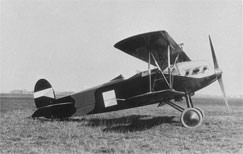
The Avia BH-23 was a prototype night fighter aircraft designed by Pavel Beneš and Miroslav Hajn and built in Czechoslovakia in 1926. First flown in 1926, the design was derived from the BH-21 day fighter, incorporating structural changes made to the BH-22 trainer, and the type was originally designated BH-22N.

The aircraft received two synchronized 7.7-mm Vickers machine gun and searchlights and other night-flying equipment were added, but the Czechoslovak Air Force were not interested in the project and no sale resulted. Only two were built.

Engine: 1 × Skoda-built Hispano-Suiza 8Aa, 134 kW (180 hp)
Wingspan: 8.90 m (29 ft 2 in)
Wing area: 22.0 m2 (237 ft2)
Length: 6.87 m (22 ft 6 in)
Height: 2.74 m (9 ft 0 in)
Empty weight: 705 kg (1,554 lb)
Gross weight: 879 kg (1,938 lb)
Maximum speed: 210 km/h (130 mph)
Cruising speed: 190 km / h
Range: 480 km
Ceiling: 5500 m
Armament: 2 front 7.7 mm machine gun
Crew: one, pilot

Avia Akciova Spolecnost Pro Prumysl Letecky BH-22

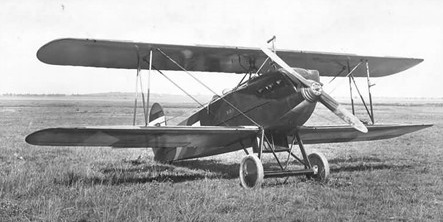
In the twenties, it was customary in Czechoslovakia with the introduction of a new type to order trainer version of the aircraft. The trainer should have its flying qualities and characteristics as close as possible to the fighting machines, and lower operating costs due to a smaller engine. With the B-21 Avia anticipated this need and began work on the new aircraft.

Based on the B-21, the fundamental change was the replacement of the HS-8Fb engine with a less powerful HS-8AA. It had smaller dimensions and weight and only 180 hp, compared to 300 in B-21s. The B-22 was also slightly shorter than the B-21 and was not armed. The weapons of the BH-21 were deleted and replaced by a camera gun. The structure was strengthened overall to allow for aerobatics.

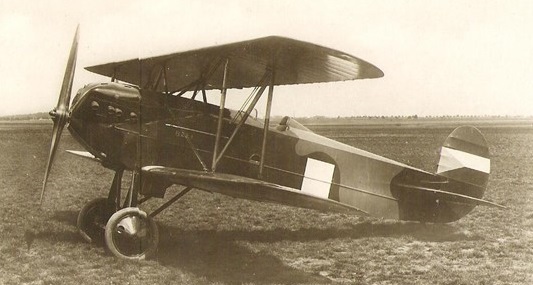
In 1925, designers Pavel Benes and Miroslav Hain built the plane, receiving the BH-22 designation.

The prototype was ready in the first half of 1925 and flew 29 July 1925 with the original French motor HS 8A.

In August 1925, representative defense and military pilots conducted several tests at Kbelská airport. Evaluation of the new machine was positive and the first order for 18 aircraft was handed to Avia on 20 July 1926. The factory was already sure of his success, so preparation for serial production had started in April 1926, hence the first production B-22 was completed in July 1926. In January 1928 a second order was received, the dvacetikusová series. Delivery took place in October 1928.

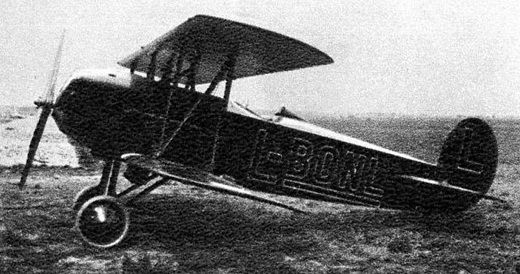
The total number of machines was forty – 38 series for MNO, one prototype and one aircraft has remained in the ownership of AVI (BH-22.3, license plate L-BONL), among others. In 1927 it attended an aviation meeting in Zurich). Most production B-22 went to Cheb flying school, with air regiments using two aircraft for aerobatics currency.

In 1926 a pair of B-22 aircraft modified for training in night flying. The new designation for these aircraft was BH-22N or later, BH-23.

The type saw long service as a special aerobatic trainer and eventually several examples found their way into Czechoslovakia’s aero clubs.

During service in Czechoslovakia, Air Force B-22 changed colour schemes several times. Initially available in conventional three-color camouflage with silver bottom surfaces.

A BA-22 was specially built aircraft for performing low-level aerobatics flown by Siroky and Hubacek. Its predecessor had been a special aeronautic version of BH-22 built in 1925. This BH-22 piloted by Staff Cpt Malkovsky triumped in the 1927 Zuerich International Flying Meeting. Malkovsky lost his life in June 1930 while performing aerobatics on this BH-22 type at the Carlsbad Air Show. His plane broke up and crashed.

Engine: 1 × Skoda-built Hispano-Suiza 8Aa, 134 kW (180 hp)
Wingspan upper: 8.50 m
Wingspan lower: 8.90 m / 29 ft 2 in
Wing area: 21.96 sq.m / 237 sq.ft
Wing chord: 1.35 m
Length: 6.87 m / 22 ft 6 in
Height: 2.74 m
Empty weight: 686 kg / 1,512 lb
Gross weight: 860 kg / 1,896 lb
Wing loading: 37.7 kg/sq.m
Maximum speed: 216 km/h / 134 mph
Cruising speed: 181 km / h
Landing speed: 75 kph
Service ceiling: 6,200 m / 20,341 ft
Rate of climb: 3.8 m/s / 745 ft/min
Climb to 5,000m: 22 min
Range: 600 km
Crew: two, pilot and instructor

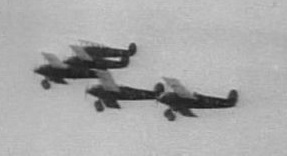
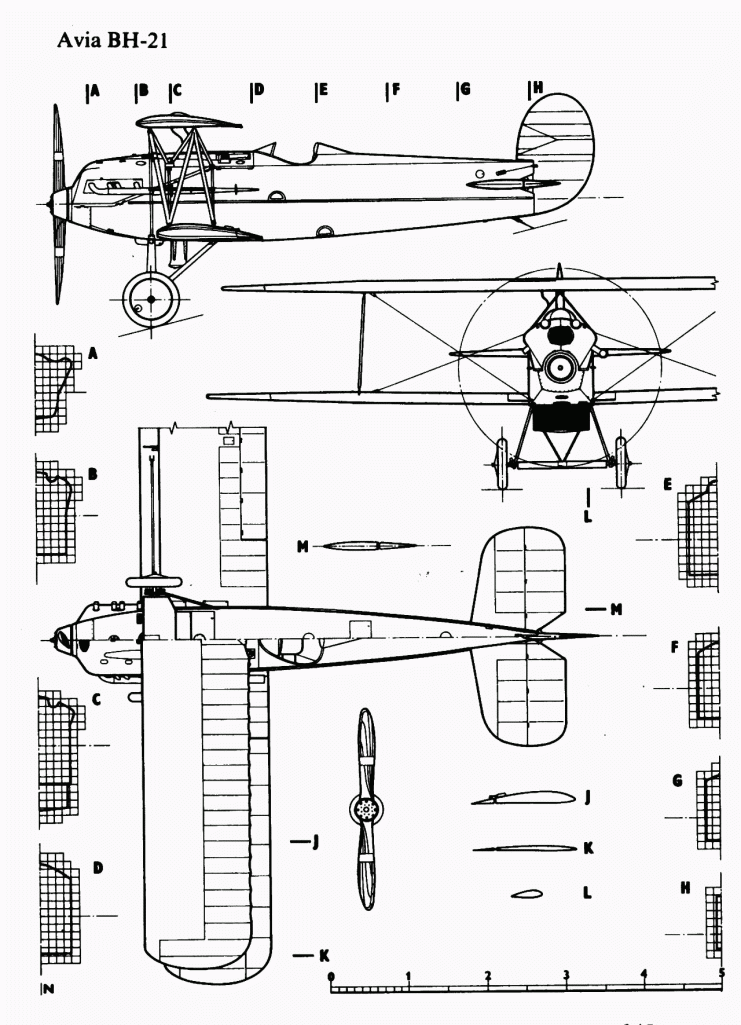
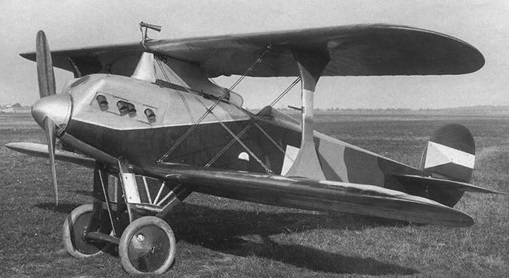
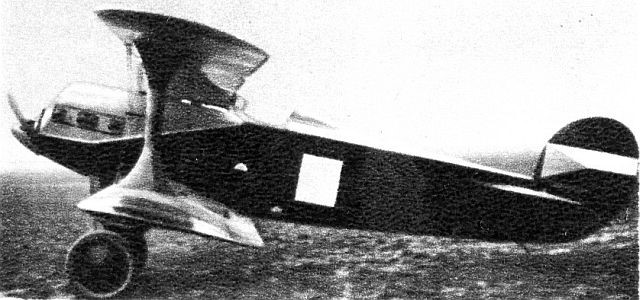
Avia Akciova Spolecnost Pro Prumysl Letecky BH-21

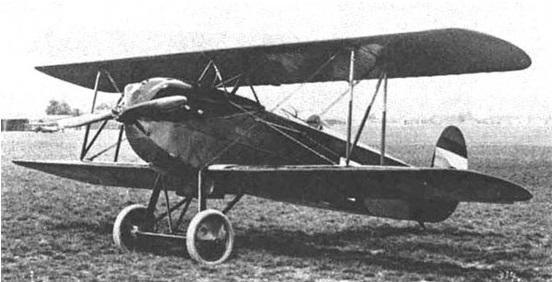
The 1925 BH-21 single-piston-engine one-seat biplane fighter/racing aircraft was a forerunner of a BH-22 military training fighter. A conventional biplane, the predecessor of the BH-21, the Avia BH-17, was designed by Pavel Beneš and Miroslav Hajn in 1922 as a response to a Czechoslovak Defense Department requirement for a new fighter aircraft. The BH-17 was actually only part of five Avia designs submitted to the Defense Department along with competing designs from the Letov Kbely and Aero companies. After extensive review, the BH-17, one of Avia’s three biplane designs, was chosen and limited production initiated for evaluative purposes.

Wings, tailplane, rudder and elevator wood-framed, covered by fabric. The steel-tube skeletal structure of fuselage covered by plywood, and fin fabric-covered.

Testing revealed some deficiencies in the BH-17 and a subsequent redesign in 1924 morphed the BH-17 into its final form as the BH-21 which included straightened interplane bracing and allowed for better field of view for the pilot.

A special training version, designated the BH-22, was also created. Both versions utilized 224 kW (300 hp) Hispano-Suiza 8fb engines built under license by Škoda.

The BH-21 was put into production in 1925 and had a one-year production run which yielded 182 aircraft with 137 being produced by Avia for the Czechoslovak Air Force, one more was built by Avia for SABCA and another 44 were produced under license by the Belgian company, Société Anonyme Belge de Constructions Aéronautiques “SABCA” for the Belgian Air Force.

There were also two experimental variants: BH-21J with Bristol Jupiter engine (predecessor of BH-33) and a single-seat clipped-wing race plane BH-21R with boosted HS-8Fb engine (298 kW/400 hp).

While in service, the BH-21 saw no combat as it was retired before the outbreak of World War II. In spite of this, it served as a stepping stone to the more advanced BH-33 and BH-34 types.

The BH-21’s most lasting achievement came when a racing version, the BH-21R, won several national air-race competitions in 1925 sporting an upgraded HS 8Fb engine producing over 298 kW (400 hp).

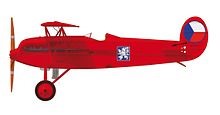
Avia B.21.96, nicknamed “Red devil”, which flew Czechoslovak acrobatic flyer František Malkovský. He died in its cockpith after the crash in Karlovy Vary on 8th June 1930

BH-21
Engine: 1 × Hispano-Suiza 8Fb, 227 kW (304 hp) @ 1,850rpm
Wingspan: 8.9 m (29 ft 2 in)
Wing area: 21.96 m2 (236.4 sq ft)
Length: 6.87 m (22 ft 6 in)
Height: 2.74 m (9 ft 0 in)
Empty weight: 720 kg (1,587 lb)
Max takeoff weight: 1,085 kg (2,392 lb)
Maximum speed: 245 km/h (152 mph; 132 kn) at 3,000 m (9,843 ft)
Endurance: 2 hours
Service ceiling: 5,500 m (18,045 ft)
Rate of climb: 521 m/s (102,600 ft/min)
Time to altitude: 5,000 m (16,404 ft) in 16 minutes
Crew: 1
Armament: 2 × 7.7 mm (.303 in) Vickers machine guns

Avia Akciova Spolecnost Pro Prumysl Letecky BH-17

Although the prototype BH-8 designed by Pavel Benes and Miroslav Hein, beat competing Letov S-7 and Aero A-20 types in competition, it was never accepted by the military. The IMO and engineers were not fully satisfied with its performance and characteristics. The original model BH-8 was reworked, as the Avia BH-17.

A number of characteristics of BH-8 was maintained – still it was the all-wood biplane upper wing seated on a central pylon, box structure of the fuselage and tail surfaces were not changed. Among the most significant structural changes include reduced wingspan, increased area of the wings and extended fuselage. Coolers were moved between the undercarriage struts. The oil tank was placed in the leading edge of the central pylon.

The first prototype was powered with a Hispano-Suiza 8Fb engine of 310 hp, and first flew September 5, 1923 with a demonstration to the Army on December 31 the same year. The BH-17 was armed with two 7.7-mm machine guns Vickers, mounted above the engine.

After successful completion of military trials, in June 1924 were ordered 24 BH-17. The first was B-17.2, which first flew 16 July 1924 (pilot Černohous). On August 16, 1924 it was followed by B-17.1 (Karl Fritsch).

The BH-17 first entered the fighter squadron in 1924. 32 and 34 squadron Aviation Regiment 1 in Prague received BH-17 from January to April 1925.

Although the aircraft Avia B-17 represented a considerable improvement to the previous BH-6 and BH-8, there were still problems. The fuel system failures occurred after just a few hours flown. Several times there was fire and subsequent destruction of virtually new aircraft. All B-17s were therefore withdrawn from use and passed back to the factory where they reconstructed fuel installations, and also rebuilt wings and tail.

Refurbished machines were returned to combat units, but were handed over to the fighter pilot school in Cheb. Here they lasted into the late twenties, when they were replaced by B-21.

Coloring all machines were classic – on upper and side surfaces tri-color camouflage, lower surfaces painted with aluminum paint. Engine cover, center pylon and spinner remained in the color of unpolished aluminum. Feathered coats of arms on the wing and tail, the fuselage side regimental emblem and the model and serial number. Propeller remained in the color of wood, varnished.

Further development of the B-17 was the construction of Avia B-21.

BH-17
Engine: Hispano-Suiza 8Fb, 221 kW / 310 hp
Propeller: Two-blade wooden
Upper wing span: 8.73 m
Lower wing span: 8.86 m / 29 ft 0,81in
Wing chord: 1.80 m
Length: 6.73 m / 22 ft 0,95in
Height: 2.65 m / 8 ft 8,32in
Wing area: 21. 30 sq.m / 229.27 ft 2
Empty weight: 762 kg / 1680 lb
Normal takeoff weight: 1072 kg / 2363 lb
Maximum speed: 238 kph / 147.9 mph
Cruising speed: 206 kph / 128 mph
Practical range: 500 km / 310 mi
Rate of climb: 358 m / min
Practical ceiling: 8000 m / 26247 ft
Climb to 3000 m: 7 min 10 s
Climb to 5,000m / 16404 ft: 13 min
Load factor: 10
Crew: 1
Armament: 2 x 7.7-mm Vickers Mk. 09 machine gun, 300 rpg