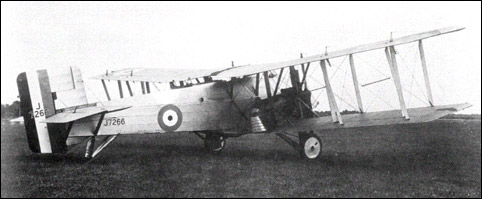
1923
P25 Bugle Mark I
Engine: 2 x 400hp Bristol Jupiter II
Take-off weight: 3682 kg / 8117 lb
Empty weight: 2306 kg / 5084 lb
Wingspan: 19.81 m / 64 ft 12 in
Max. speed: 193 km/h / 120 mph
Armament: 2 x 7.7mm machine-guns, 300kg of bombs
Crew: 3-4
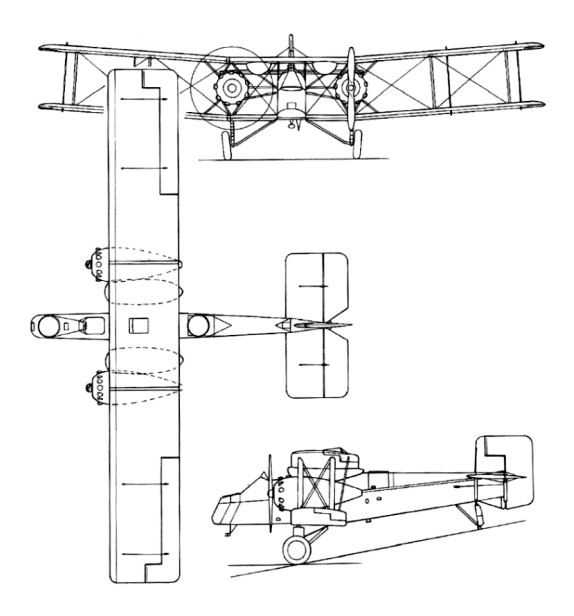
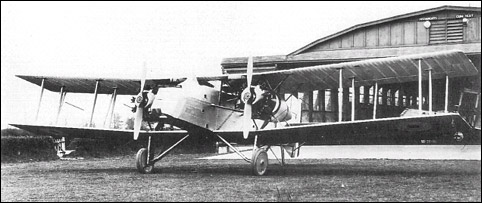
1923
P25 Bugle Mark I
Engine: 2 x 400hp Bristol Jupiter II
Take-off weight: 3682 kg / 8117 lb
Empty weight: 2306 kg / 5084 lb
Wingspan: 19.81 m / 64 ft 12 in
Max. speed: 193 km/h / 120 mph
Armament: 2 x 7.7mm machine-guns, 300kg of bombs
Crew: 3-4
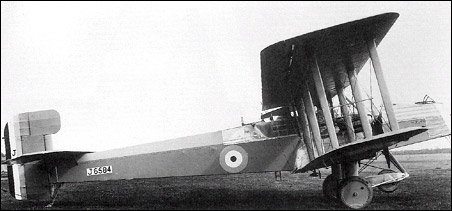
The one prototype built was flown in November 1922. No production.
Engine: 2 x 450hp Napier Lion II
Take-off weight: 4313 kg / 9509 lb
Wingspan: 19.05 m / 62 ft 6 in
Armament: 2 x 7.7mm machine-guns, 4 x 100kg bombs
Crew: 3
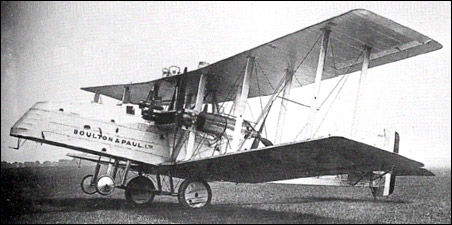
1924
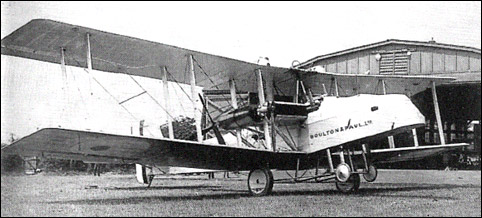
Engine: 2 x 450hp Napier Lion
Take-off weight: 4994 kg / 11010 lb
Empty weight: 3596 kg / 7928 lb
Wingspan: 21.34 m / 70 ft 0 in
Length: 16.26 m / 53 ft 4 in
Wing area: 111.86 sqm / 1204.05 sq ft
Max. speed: 187 km/h / 116 mph
Ceiling: 4877 m / 16000 ft
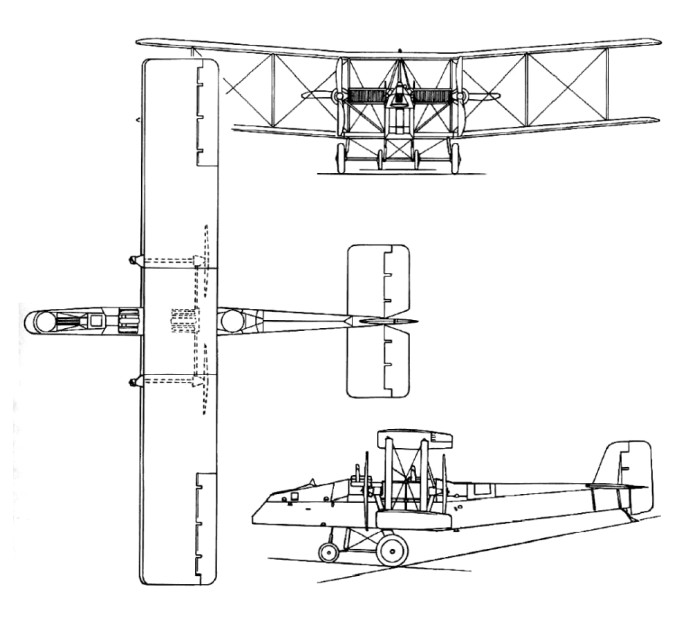
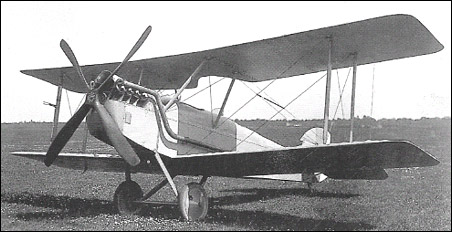
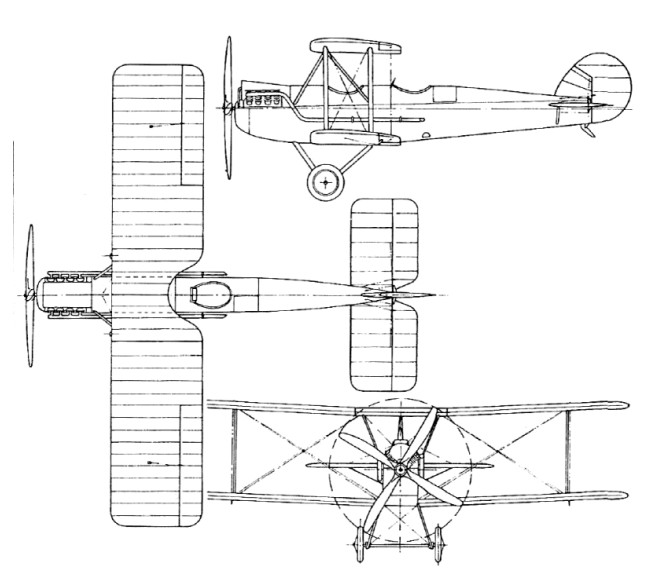
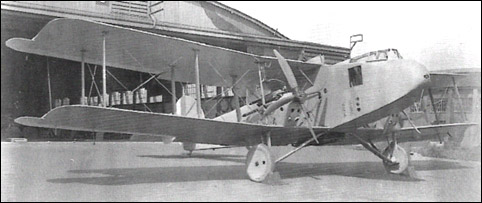
1919
Engine: 1 x 90hp RAF 1a
Take-off weight: 804 kg / 1773 lb
Empty weight: 565 kg / 1246 lb
Wingspan: 8.38 m / 27 ft 6 in
Length: 7.62 m / 25 ft 0 in
Height: 3.05 m / 10 ft 0 in
Wing area: 30.01 sqm / 323.02 sq ft
Max. speed: 167 km/h / 104 mph
Ceiling: 4267 m / 14000 ft
Range: 483 km / 300 miles
1918
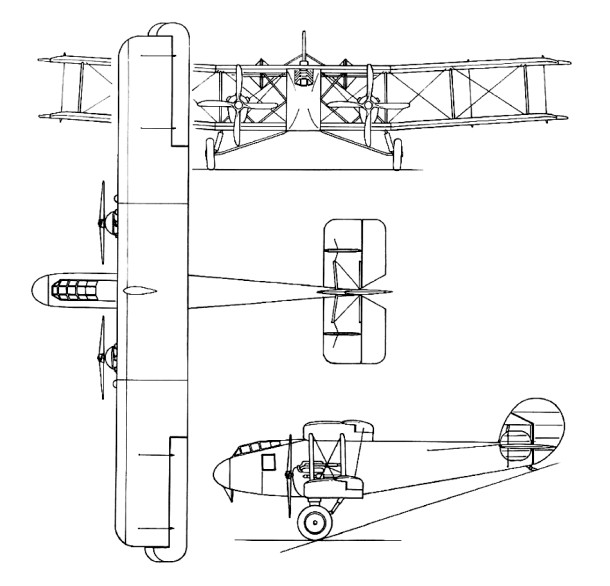
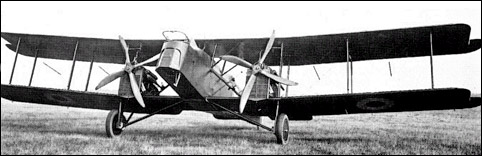
Engine: 2 x 450hp Napier Lion
Take-off weight: 3578 kg / 7888 lb
Empty weight: 2347 kg / 5174 lb
Wingspan: 18.39 m / 60 ft 4 in
Length: 12.19 m / 39 ft 12 in
Height: 3.76 m / 12 ft 4 in
Wing area: 71.54 sqm / 770.05 sq ft
Max. speed: 240 km/h / 149 mph
Ceiling: 7620 m / 25000 ft
1919
P.7 Mark II
Engine” 2 x 230hp Bently B.R.2 rotary engines
Take-off weight: 2872 kg / 6332 lb
Empty weight: 1734 kg / 3823 lb
Wingspan: 17.48 m / 57 ft 4 in
Length: 11.28 m / 37 ft 0 in
Height: 3.66 m / 12 ft 0 in
Wing area: 68.56 sqm / 737.97 sq ft
Armament: 2 x 7.7mm machine-guns, 4 x 100kg bombs
Crew: 3
Engine: 1 x 90hp RAF 1a
Take-off weight: 783 kg / 1726 lb
Empty weight: 499 kg / 1100 lb
Wingspan: 7.62 m / 25 ft 0 in
Length: 5.79 m / 18 ft 12 in
Height: 2.44 m / 8 ft 0 in
Wing area: 21.83 sqm / 234.98 sq ft
Max. speed: 166 km/h / 103 mph
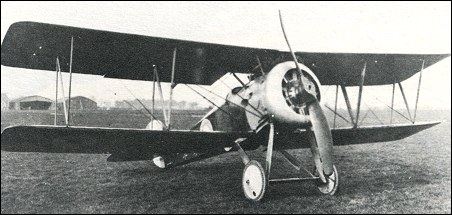
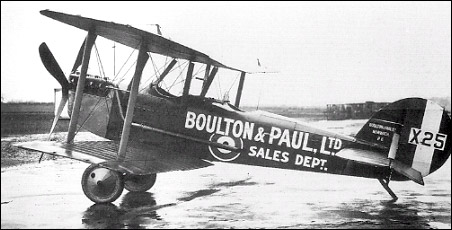
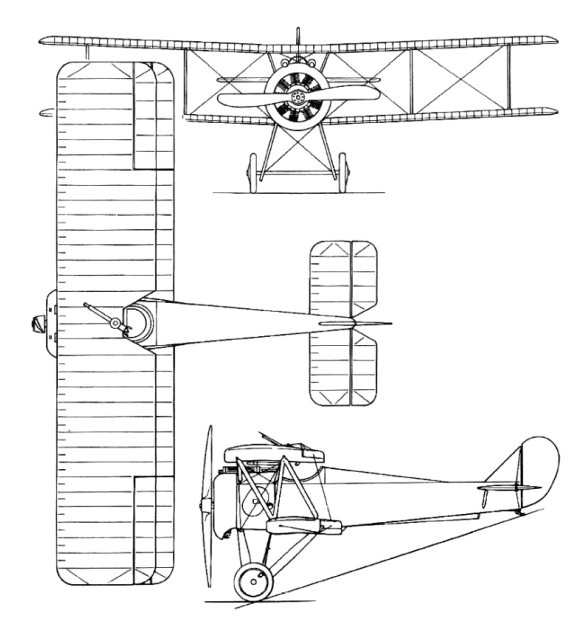
Boulton & Paul had manufactured wooden buildings at its Norwich factory, and during World War I built aircraft under sub-contract. Among the types produced were the FE.2b and Camel, and the Bobolink was the result of a design competition to find a Camel replacement. Boulton & Paul’s first aeroplane, the P.3 Bobolink designed by John D. North, was built only in prototype form.
The winner of the competition was the Sopwith Snipe, and the Boulton & Paul aircraft did not enter production. Three serial numbers were allocated for the prototypes, but records suggest that only one was built.
A Bobolink feature made it possible for the pilot to jettison its main fuel tanks in the event of an in-flight fire.
Engine: 1 x Bentley B.R.2 rotary piston engine, 172kW
Take-off weight: 904 kg / 1993 lb
Empty weight: 556 kg / 1226 lb
Wingspan: 8.84 m / 29 ft 0 in
Length: 6.10 m / 20 ft 0 in
Height: 2.54 m / 8 ft 4 in
Wing area: 24.71 sqm / 265.98 sq ft
Max. speed: 201 km/h / 125 mph
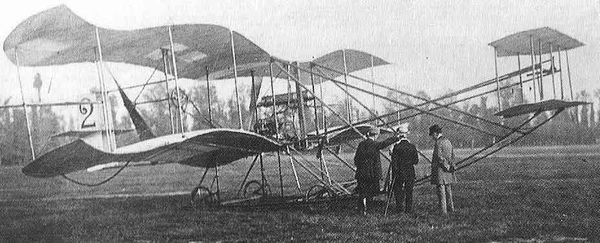
Characterized by the wavy wings, powered by a Zust motor and built by the firm of the Italian Zari brothers in 1909. Enea Bossi emigrated to the USA after WWI.
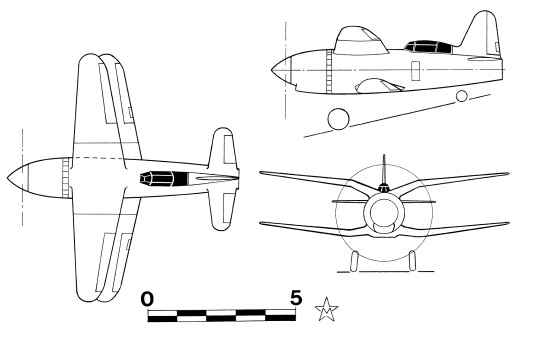
After the “Object 10” project, the Borovkov and Florov working group got to work on a new version known as “Object 11” or simply No.11. In some literature it has also been called I-207/6. This new project owed its origin to the intention to comply with the requirements issued by BN Yuriev during the review of the “Object 10” project as a way to achieve its serial production.
This new project returns to the conception of pure fighter with high manoeuvrability and to the conventional type landing gear. The armament included two 12.7 mm machine guns and two 7.62 mm ShKAS, but the possibility of carrying two FAB-250 250 kg bombs or instead two detachable containers with PTB-23 23 mm cannons remained.
It was smaller and lighter derivative of the “10”. Maintaining the same wing configuration of gull and inverted gull, the new model included two Merkulov DM ramjets in its metallic tail section, located side by side and with side gates for the air intakes. Instead of one large DM ramjet, it has two smaller ones placed side-by-side. This arrangement made it possible to install the tail wheel between them.
The project kept the Shvietsov M-71 engine, but in this case a variant with an elongated shaft was used, which made it possible to improve the aerodynamics of the forward section of the fuselage.
All efforts in the design of this new version were directed to obtain the lowest possible weight. The calculated speed of the project in fighter configuration at 5830 meters and without the auxiliary engines gave 654 km / h. With the bomb load the speed decreased to 611 km / h. The ascent time to 5000 meters was 3.7 and 4.5 minutes respectively.
The conceptual project for “Object 11” was presented in the fall of 1940. The evaluation commission considered that the calculated speed was a bit high and recalculated it to 630 km / h, leaving the speed with bombs at 585 km / h. The commission proposed to include the model in the plan of experimental works for the next year, obtaining the approval of AS Yakovlev.
In October 1940 the project was presented at the NII VVS and the conclusions of its evaluation were signed by PV Rychagov on December 9 1940. In general, the evaluation was positive and it was again recommended to include the fighter in the experimental construction plan for 1941 with the condition of increasing its range to 1000 km in normal version and 1400 km with auxiliary fuel (taking into account that “Object 11” it was not foreseen as an escort fighter, such range value was exaggerated and forced to considerably increase the weight of the aircraft in fuel).
The position of the GUAP, together with the negative perception of the industry and the air forces towards the biplane wing structure, resulted in the work on the project being closed. The deputy commissioner for experimental aviation AS Yakovlev, in a meeting informed the constructors of the decision not to include new proposals for two-plane configurations in the future work plans of the Narkomat.
Borovkov-Florov Object 11
Powerplant: One Shvietsov M-71 (1700/2000 hp) and two Merkulov DM ramjet
Wingspan: 8.5 m
Wing area: 22.0 m²
Length: 7.85 m
Flying weight: 3250 kg
Wing loading: 148 kg / m²
Maximum speed: 790 – 800 km / h
Ascent time at 8000 m: 6 – 7 min
Range: 800 km
Accommodation: 1
 All Aero