Bronislawski Farman

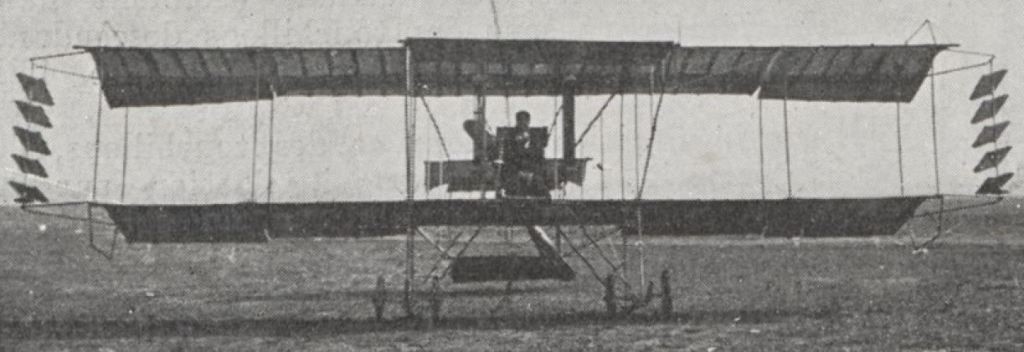
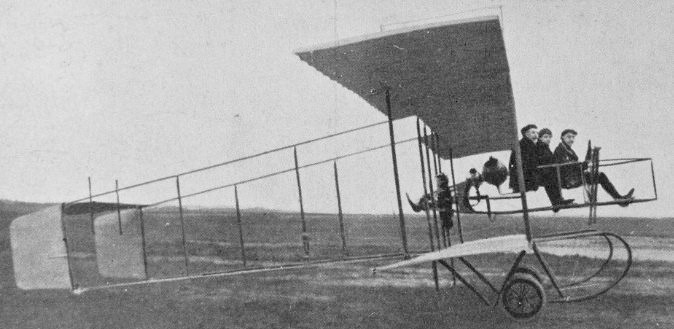
A standard Farman with the ailerons locked (otherwise they would be hanging down on stationary plane) and replaced by a system of five stabilizing surfaces at each wing tip, invented by Boleslaw Bronislawski, a Polish doctor of science working in France. The plane was tested at Port-Aviation in late 1911 by Florentin Champel, who might also have been the owner of the Farman.

Bronislawski II Biplane

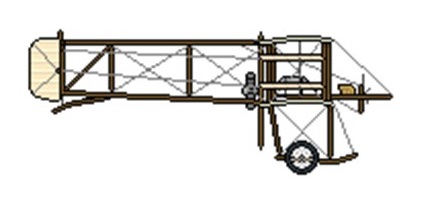
In 1910-1911 dr.eng. Bolesław Bronisławski developed in France the original system of the airplane steering in longitudinal axis by other means than conventional ailerons or by twisting the wingtips. His design utilized vertical axis on wingtips which had several surfaces mounted diagonally to the flight level and were rotated to achieve roll movement. Initial trials were conducted on modified Farman III aircraft. After relatively successful trials the system was further refined and installed on a new aircraft that was built utilizing large parts of Farman and tested 1911-1912.

Brodbeck Air Ship            

In 1863 Jacob Brodbeck built a small model with a rudder, wings, and a propeller powered by coiled springs. Encouraged by the success of his model at various local fairs, Brodbeck set about raising more funds to build a full-sized version of his craft. On September 20, 1865, a small crowd gathered in a field near Luckenbach to see if the spring coil air ship could actually fly. The airship featured an enclosed space for the “aeronaut,” a water propeller in case of accidental landings on water, a compass, and a barometer. According to published accounts, Brodbeck’s air ship managed to lift off from the ground above 12 feet and fly a distance of about 100 feet before the coil came unwound and the ship crashed into a chicken coup injuring the inventor.

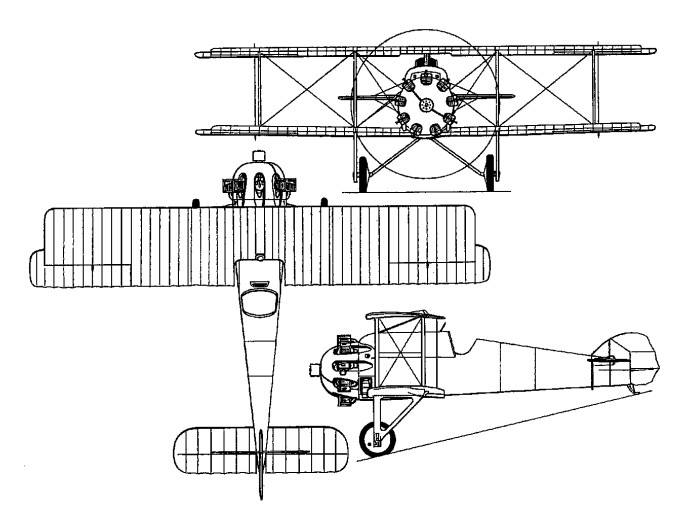
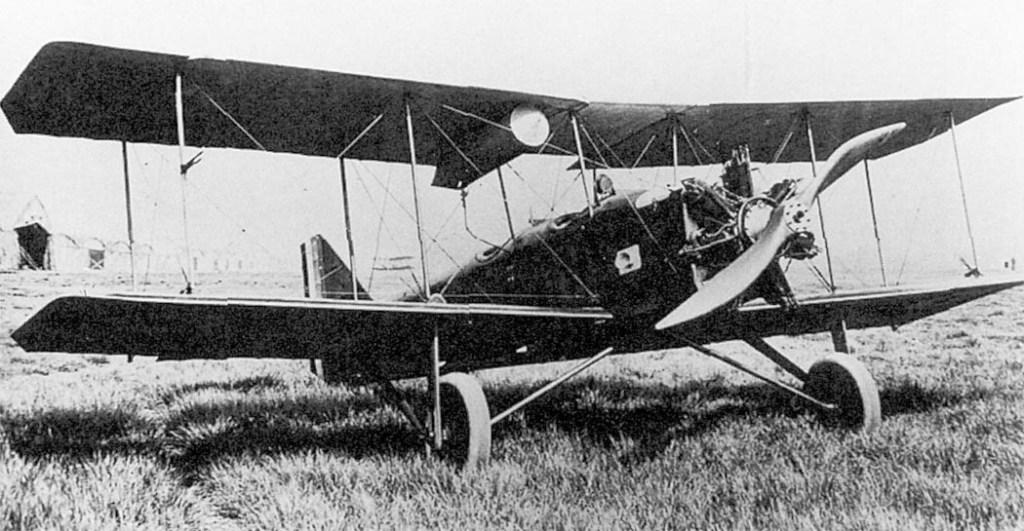
British Aerial Transport Co. / BAT FK.25 Basilisk

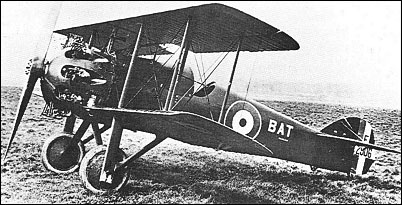
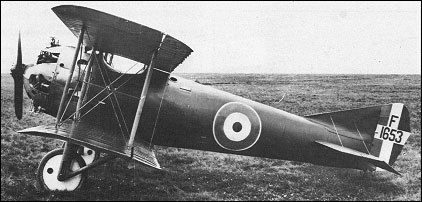
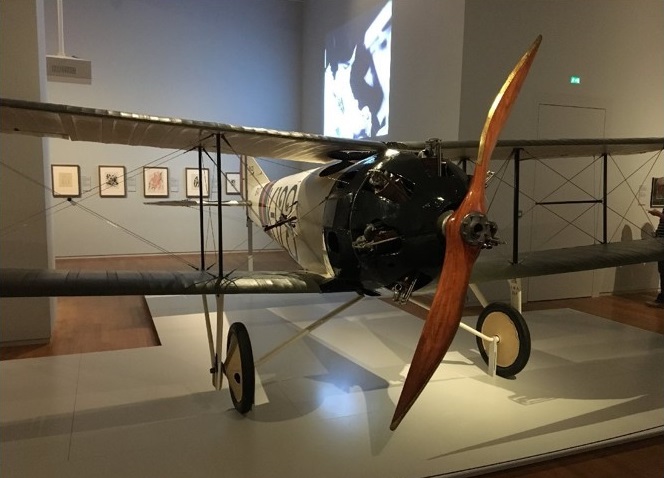
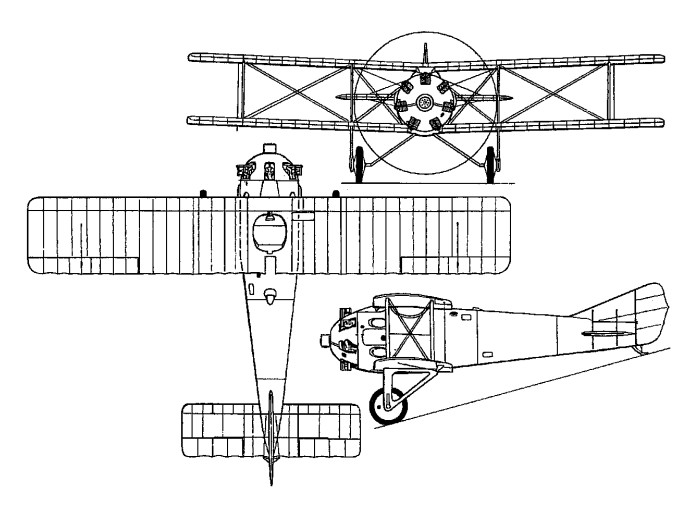
The last single-seat fighter of Koolhoven design built by the British Aerial Transport Company, the F.K.25 Basilisk was designed around the 350hp A.B.C. Dragonfly I nine-cylinder radial engine and carried the usual armament of twin synchronised 7.7mm Vickers guns. Of wooden construction with a monocoque fuselage, the Basilisk featured a hood-like fairing, ahead of the cockpit, which enclosed the guns and shielded the pilot. Three prototypes were ordered, the first of these flying during the summer of 1918. The second prototype, completed in 1919, differed from its predecessor primarily in having a deeper fairing ahead of the cockpit. Further work on the Basilisk was abandoned at the end of 1919.

Engine: 350hp A.B.C. Dragonfly I nine-cylinder radial
Take-off weight: 990 kg / 2183 lb
Empty weight: 659 kg / 1453 lb
Wingspan: 7.72 m / 25 ft 4 in
Length: 6.22 m / 20 ft 5 in
Height: 2.49 m / 8 ft 2 in
Wing area: 19.69 sq.m / 211.94 sq ft
Max. speed: 228 km/h / 142 mph
Armament: 2 x 7.7mm Vickers

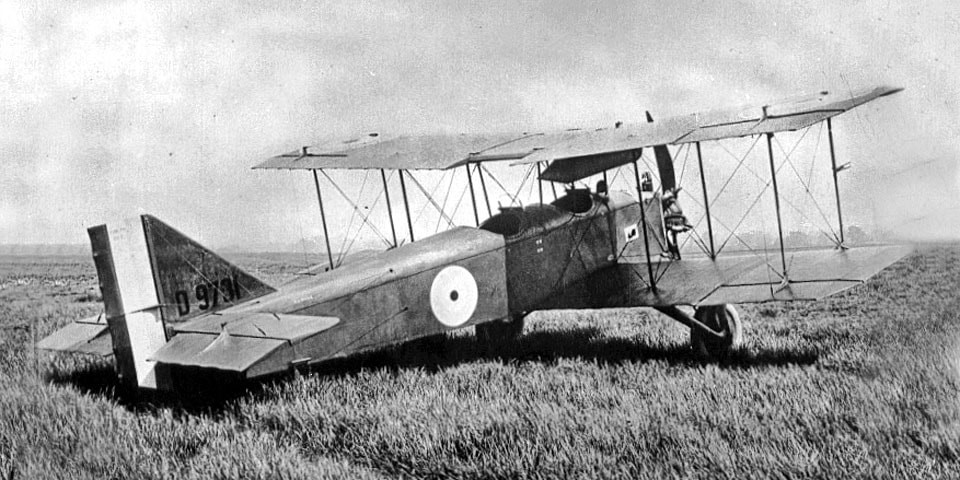
British Aerial Transport Co. / BAT F.K.24 Baboon

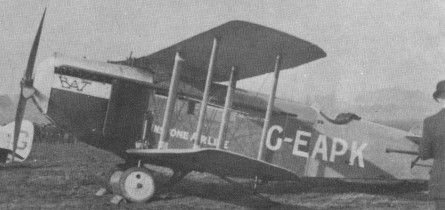
The British Aerial Transport Company Limited F.K.24 Baboon was a two-seat training biplane produced during World War I. Using experience gained designing the Bantam, aircraft designer Frederick Koolhoven (assisted by Robert Noorduyn) designed the two-bay biplane elementary trainer.

The aircraft had a flat-sided fuselage and an uncowled 170 hp (127 kW) ABC Wasp engine simply bolted to the firewall. Maintenance and repair costs have been kept to a minimum through the use of interchangeable upper and lower wing panels, ailerons, elevators and rudders.

Six aircraft were planned but only one was built in July 1918 as a consequence of the end of the First World War and the subsequent sharp reduction in orders for military aircraft.

The Baboon was registered with British Aerial Transport Co. Ltd in May 1919. The only notable act was when it won the Hendon Trophy Race over a 20-mile (32-km) circuit in July 1919 flown by Major Christopher Draper. The Baboon was scrapped at Hendon in 1920.

Powerplant: 1 × ABC Wasp I, 170 hp (130 kW)
Propellers 2-bladed BAT tractor, 5 ft (1.52 m), 7 ft 10 in (2.39 m) diameter
Wingspan: 25 ft (7.6 m)
Wing area: 259 sq ft (24.1 m2)
Length: 22 ft 8 in (6.91 m)
Height: 8 ft 10 in (2.69 m)
Empty weight: 950 lb (431 kg)
Gross weight: 1,350 lb (612 kg)
Fuel capacity: 12 imp gal (54.55 l; 14.41 US gal)
Maximum speed: 90 mph (140 km/h, 78 kn)
Landing speed: 40 mph (64 km/h; 35 kn)
Endurance: 2 hours
Rate of climb: 833.33 ft/min (4.2333 m/s)
Time to altitude: 10,000 ft (3,048.0 m) in 12 minutes
Wing loading: 5.2 lb/sq ft (25 kg/m2)
Power/mass: 0.126 hp/lb (0.206 kW/kg)
Crew: 2
Capacity: 400 lb (181.44 kg) disposable load

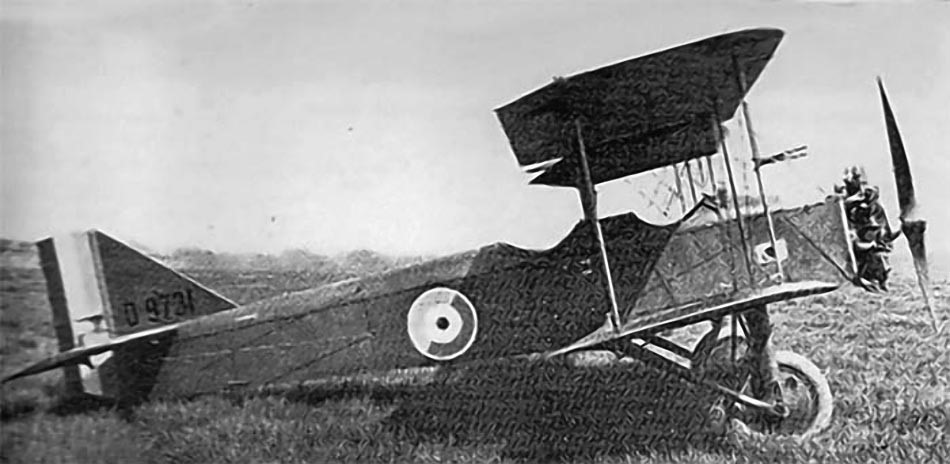
British Aerial Transport Co. / BAT FK.23 Bantam I

The first prototype F.K.23 was originally ordered as the fourth of a batch of six development F.K.22s, and while retaining the wooden structure with monocoque fuselage, it embodied extensive redesign. Overall span and wing area were reduced to 6.09m and 14.86sq.m respectively, and the tail surfaces were redesigned. Armament comprised two synchronised 7.7mm Vickers guns and power was provided by a 170hp A.B.C. Wasp I, flight testing being initiated in May 1918. Two further prototypes (originally ordered as the fifth and sixth F.K.22s) were similarly powered, but dimensionally larger, and after further redesign resulting from initial flight trials, a batch of 12 F.K.23 Bantam Is was ordered, the first of these being delivered to the RAE at Farnborough on 26 July 1918. At least nine Bantam Is were completed, one of these being sent to France and evaluated at Villacoublay in the late summer of 1918. One example was sent to the USA for evaluation at Wright Field, but this fighter’s principal shortcoming was the poor reliability of its Wasp I engine.

Engine: 170hp A.B.C. Wasp I
Wingspan: 6.09m
Wing area: 14.86 sq.m