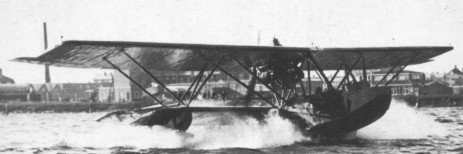
The B.I Flying Boat was designed by Rethel at Veere. One aircraft was delivered to the Navy Air Service and used in the Dutch East Indies.
The B.I Flying Boat was designed by Rethel at Veere. One aircraft was delivered to the Navy Air Service and used in the Dutch East Indies.
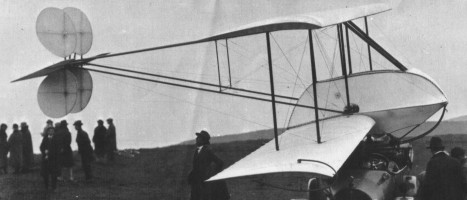
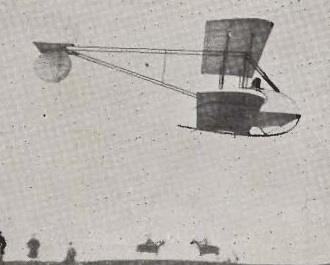
Fokker made the headlines in August 1922 when he participated in the Rhon gliding competition with his FG.1 and FG.II, single and two seat gliders. At the start he made a few modest hops, but it soon became obvious that this type of flying was no problem to him either. With the FG.II he made the first passenger carrying glider flight in the world.
Seats: 2
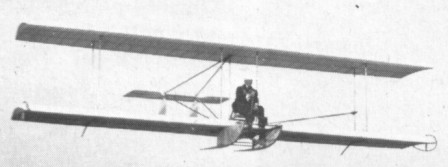
Fokker made the headlines in August 1922 when he participated in the Rhon gliding competition with his FG.1 and FG.II, single and two seat gliders. At the start he made a few modest hops, but it soon became obvious that this type of flying was no problem to him either.
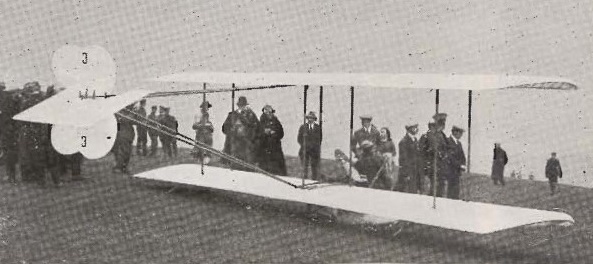
Seats: 1
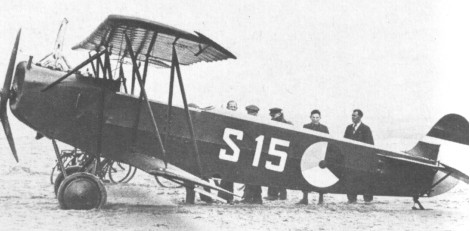
Unlike the S.II, the S.III trainer had the seats in tandem. The Naval Air Service bought 18 of these aircraft and built one themselves. Two were sold to the Danish Air Force.
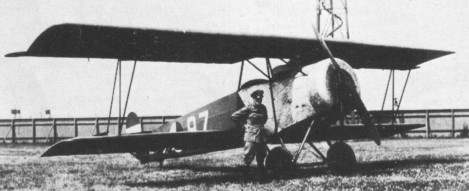
S.II Trainer with side by side seats for pupil and tutor. The aircraft was fitted successively with Thulin, Oberursel and Curtiss engines. The Aviation Department purchased 15 S.IIs with the registration numbers 84 to 98.
At least one was an S.IIA Ambulance aircraft, an S.II modified at Soesterberg Airfield, the open space between the top wing and fuselage top surface being covered in with transparent panels. The patient lay on a stretcher with his legs towards the tailplane.
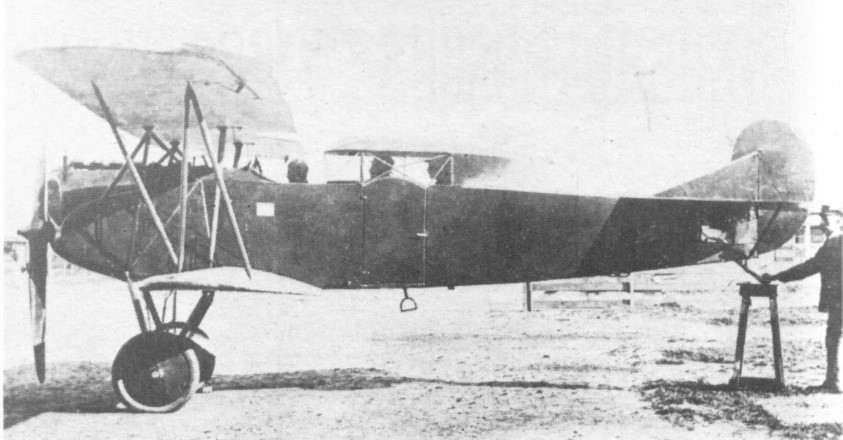
The C.II “passenger” version of the C.I had a two seat cabin. 1920
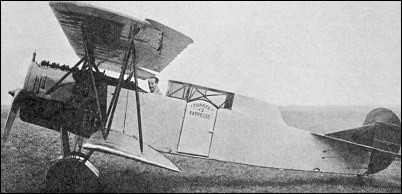
Engine: 1 x 138kW BMW inline
Wingspan: 10.61 m / 34 ft 10 in
Length: 7.44 m / 24 ft 5 in
Height: 2.86 m / 9 ft 5 in
Max take-off weight: 1170 kg / 2579 lb
Max. speed: 150 km/h / 93 mph
Crew: 1
Passengers: 2
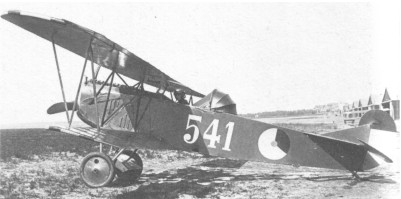
The C.I was put in production in Germany in anticipation of an order.
The C.IA was a modernised C.I with a radial engine. Although the flight characteristics were not improved, the Aviation Department converted 21.
The seaplane version of the C.I, the C.IW, was built and tested a Schwerin. It was intended for sea reconnaissance and advanced pilot training, but only one was produced.
The DC.I was a fighter version of the C.IV, with a shorter-span wing.
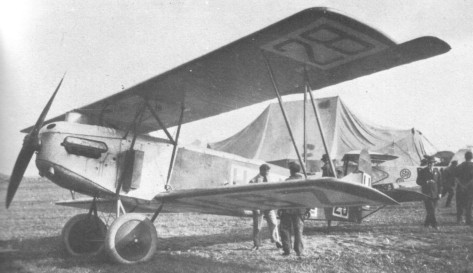
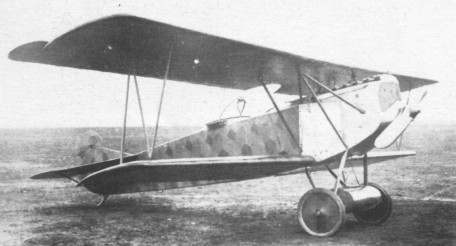
The V.38 was an enlarged D.VII. It served as the prototype for the C. I scout, which arrived too late at the Front to participate in the War. Fokker took approximately 70 of these with him to Holland.
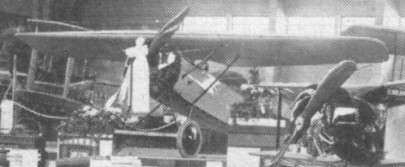
The third D-¬Flugzeug Weitbewerb competition, in October 1918, was terminated by the end of the war, but the Fokker V.29 and V.36 were well in the running.
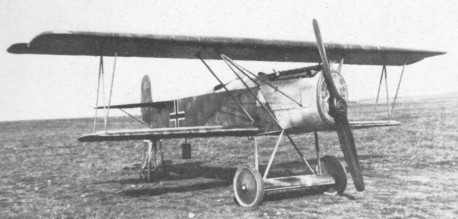
The V.34 single seat fighter appeared in the summer of 1918. Derived from the D.VII, it had a 185h.p. BMW engine and was not mass produced.

