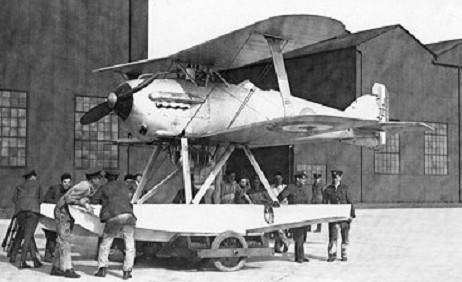
Gloster I

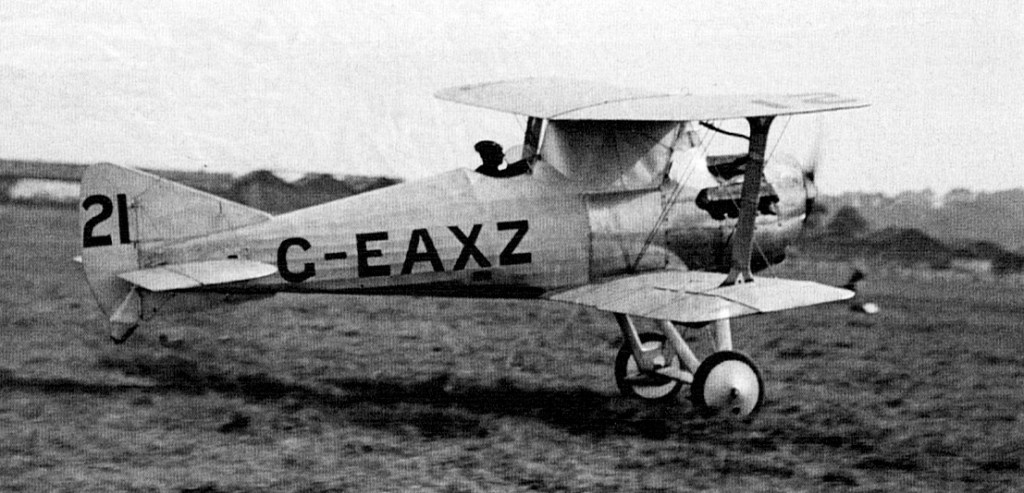
During early 1923 the Mars I was given extensively modified wings, had the fuel and water header tanks transferred within the fuselage to lose the view-limiting cabane structure, and had a more powerful Lion engine installed, being re-designated Gloster I. After winning the Aerial Derby of 1923, it was acquired by the RAF and with float landing gear, was used by the RAF’s High Speed Flight at Felixstowe for training purposes.

Engine: 1 x Napier Lion, 395kW
Max take-off weight: 1202 kg / 2650 lb
Empty weight: 894 kg / 1971 lb
Wingspan: 6.10 m / 20 ft 0 in
Length: 7.01 m / 22 ft 12 in
Height: 2.84 m / 9 ft 4 in
Wing area: 15.33 sq.m / 165.01 sq ft
Max. speed: 354 km/h / 220 mph
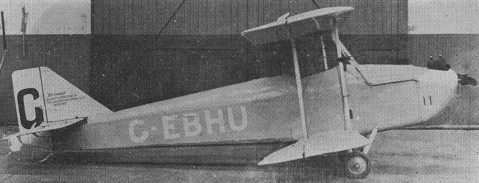
Gloster G.14 Gannet

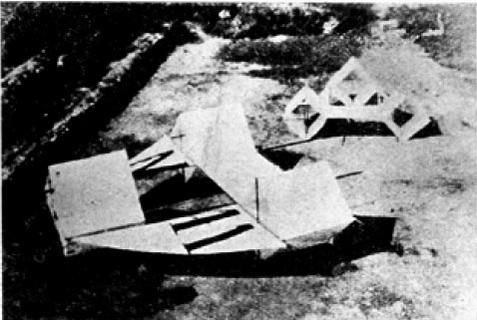
The Gloster G.14 Gannet, G EBHU, was registered on August 15, 1923 to the Gloucestershire Aircraft Co. Ltd. it was designed by H. P. Folland and built for the 1923 Lympne Trials, from which it retired when its 750cc Carden two stroke engine had cooling troubles.
In 1924 it was re engined with a 698cc Blackburne Tomtit, with which it had a top speed of 72 m.p.h. Although its registration was cancelled on January 25, 1928, the Gannet was exhibited at the 1929 Aero Show at Olympia.

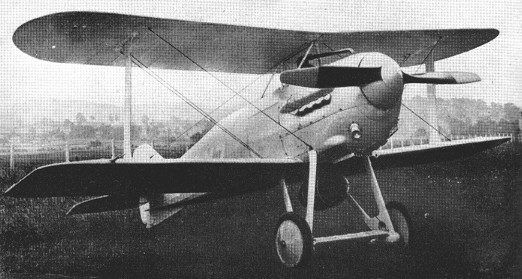
Gloster Mars 1 / Bamel

Britain’s Gloucestershire (Gloster) Company designed, built and flew the Mars 1 single seat racer in three weeks, as the prototype for a new fighter. It won the Aerial Derby in 1921, 1922 and 1923, and set up a British speed record of 196.6 mph.

Jimmy James, Gloster test pilot, taking off from Hendon at the start of the Aerial Derby on 16 July 1921. James won the Hendon-West Thurrock-Epping-Essex-Hertford-Hendon at 163 mph winning trophy and £600.

Designed by H. P. Folland, the Mars I or ‘Bamel’ was a single-seat racing biplane: the greater part of the fuselage, landing gear and tail unit being constructed from components similar to those used in the well-known Nieuport Nighthawk, which the company took over in 1920.

Engine: 1 x Napier Lion, 336kW
Max. speed: 316 km/h / 196 mph

Glenn H. Curtiss Museum H.1 America Replica

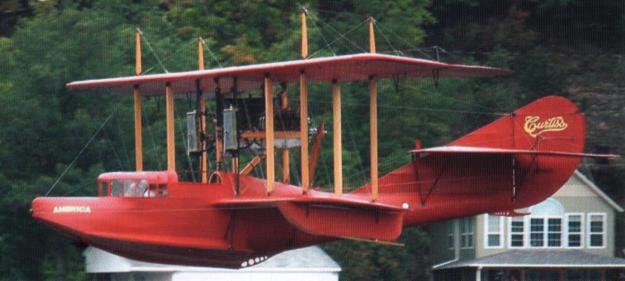
Construction of the replica Curtiss H-1 America began in the spring of 2004 and a total of 6000 man hours went into the construction at the Glenn H. Curtiss Musem at Hammondsport, New York. It has been built using the same materials as the originals with the exception of the glue and fabric covering.
At Keuka Lake, New York, attempts were made to fly the replica but despite rigging changes and engine tuning it refused to fly.

The engines were then changed from the 90 hp OX-5 units to counter rotating OXX-6 of 100 hp.
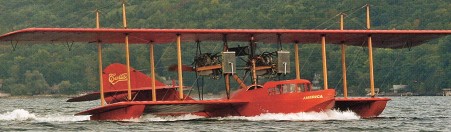
The aircraft then flew at Keuka Lake, New York on 13-14 September 2007, piloted by Jim Poel.

Ginocchio Idro-canotto

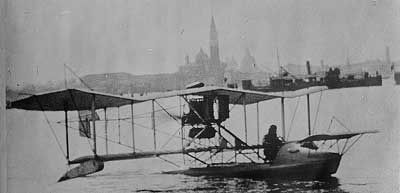
Ginocchio biplane flying boat seen here in 1913 at Venezia (Venice)

Manlio Ginocchio was an Italian aviation pioneer, and an officer in the Italian Navy. After earlier experiences with flying and designing of machines, he designed and built his “Idro-canotto” and powered it with a 90 hp Salmson engine. The machine was not very successful and remained in one example, although it was acquired by the Italian Navy and became part of the early Italian naval establishment in Venice.

Gibus Autoplano

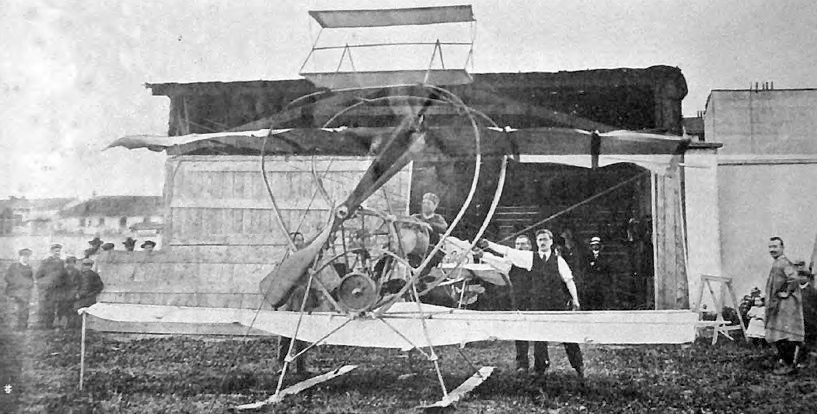
This plane was built by the Milanese, Italy, firm Gibus e C. and was tested privately in 1910. Not much is known about the machine, which was a tractor biplane with a circular strut arrangement between the wings and a very high-mounted front elevator. The propeller was driven via chain by a five-cylinder Gibus engine mounted on the lower wing.