Back to Quercy CQR 01


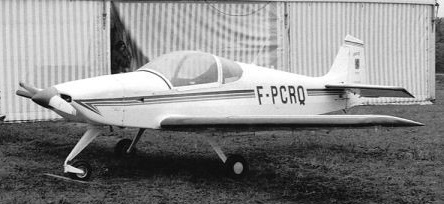
The CQR-1 two-seat homebuilt aircraft was more or less a scaled-up development of the Roussoulières Occitan and was a design of Louis Cariou, former RSA President.
The prototype CQR-1 was constructed by the RSA at Centre Régional de Construction Aéronautique Amateur Quercy-Rouergue (CQR) under the leadership of Charles Roussoulières and it flew for the first time on March 2, 1997. This aircraft was powered by a 90 hp Limbach L2400EO3 engine.
A second very similar aircraft was also completed in France in 1998 or 1999 and by late 2010 at least 6 were constructed.
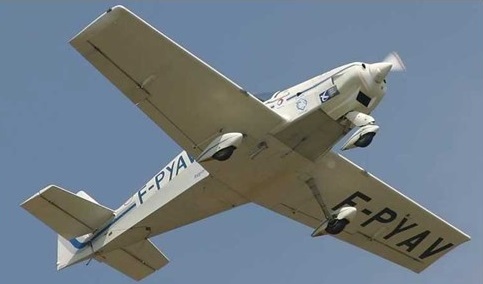
Engine: JPX / Limbach , 90 hp
Wing span: 7.4 m
Wing area: 8.9 sq.m
MAUW: 588 kg
Empty weight: 358 kg
Fuel capacity: 73 lt
Max speed: 250 kph
Cruise speed: 210 kph
Climb rate: 5 m/s
Seats: 2
Fuel consumption: 14 lt/hr
Plan price (1998): 1600 Fttc
Kit price (1998): 70 000 Fttc
1998
Aerodrome
F-82000 Montauban
France
Built the CQR 01
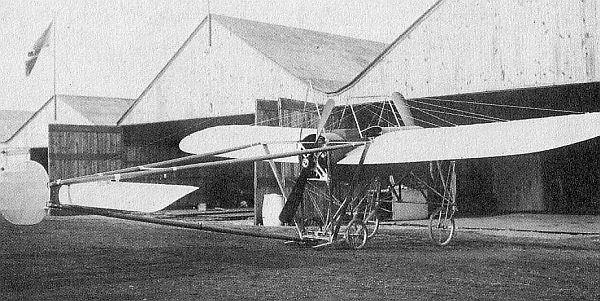
Taken at Mineola airfield, the Queen Speed Monoplane / Double Gnome Monoplane; fitted with two Gnôme rotary engines of 50 hp – the two bladed propellers driven in opposite direction to prevent torque. Its design influenced by the Blériot monoplane (Queen built Blériot XI monoplanes under license at the time), the twin engine construction was thought to be safer, that in the case of malfunction of one, flight could continue using the other. The machine was financed by the banker Willis McCormick, who was president of the New York Aeronautical Society. Built in Fort George, New York in 1911, its first flight was made by Frank Stone on July 10, 1911. Unfortunately the machine was unstable during the climb, turned and crashed, injuring the fearless Stone. The machine was ruined, never to fly again.
Span: 26’4″
Hang glider
Wing area: 16.2 m²
Wing span: 9.8 m
Aspect ratio: 5.9
Minimum pilot weight: 55 kg
Maximum pilot weight: 95 kg
Nose angle: 120°
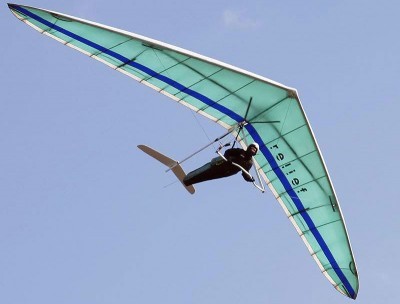
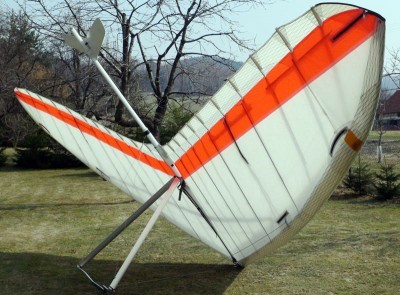
The 2007 Relief R2C is for advanced pilots.
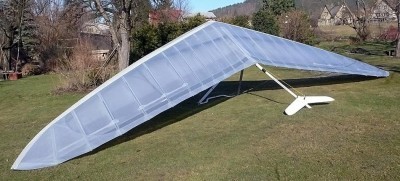
The 2008 model Relief, the Relief Pro 2008, is for advanced pilots.
Relief 14
Wing area: 13.6 m²
Wing span: 10.3 m
Aspect ratio: 7.8
Minimum pilot weight: 60 kg
Maximum pilot weight: 100 kg
Nose angle: 127°
Relief 15
Wing area: 14.8 m²
Wing span: 10.5 m
Aspect ratio: 7.4
Minimum pilot weight: 75 kg
Maximum pilot weight: 110 kg
Nose angle: 127°
Relief R2C S13
Wing area: 13 m²
Wing span: 10.4 m
Aspect ratio: 8.3
Minimum pilot weight: 55 kg
Maximum pilot weight: 80 kg
Nose angle: 132°
Relief R2C S14
Wing area: 14 m²
Wing span: 10.6 m
Aspect ratio: 8.0
Minimum pilot weight: 70 kg
Maximum pilot weight: 90 kg
Nose angle: 132°
Relief R2C S15
Wing area: 15 m²
Wing span: 10.6 m
Aspect ratio: 7.5
Minimum pilot weight: 80 kg
Maximum pilot weight: 110 kg
Nose angle: 132°
Relief RX 13
Wing area: 13 m²
Wing span: 10.2 m
Aspect ratio: 8
Minimum pilot weight: 55 kg
Maximum pilot weight: 90 kg
Nose angle: 127°
Relief RX 14
Wing area: 14.2 m²
Wing span: 10.5 m
Aspect ratio: 7.8
Minimum pilot weight: 75 kg
Maximum pilot weight: 110 kg
Nose angle: 127°
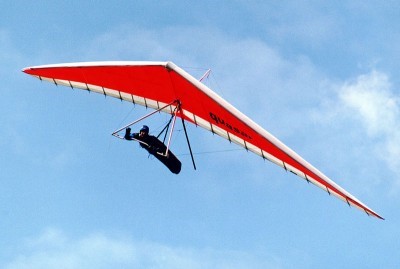
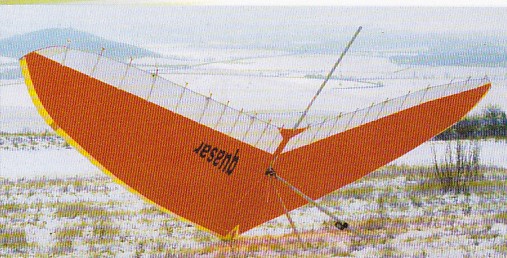
The Quasar 13 was introduced to the Quasar range in 1998.
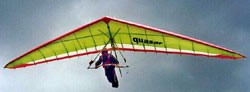
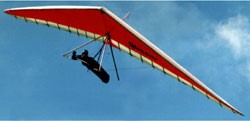
Quasar 13
Wing area: 13 sq.m
Certification: LAA
Pilot weight: 55-75 kg
Wing span: 10 m
Nose Angle: 127 deg
Aspect ratio: 7.7
Quasar 14
Wing area: 14 sq.m
Certification: LAA
Pilot weight: 65-85 kg
Wing span: 10.2 m
Nose Angle: 127 deg
Aspect ratio: 7.4
Quasar 15
Wing area: 15 sq.m
Certification: LAA
Pilot weight: 75-100 kg
Wing span: 10.4 m
Nose Angle: 127 deg
Aspect ratio: 7.2
Quasar 16
Wing area: 16.4 m²
Wing span: 10.6 m
Aspect ratio: 6.9
Minimum pilot weight: 85 kg
Maximum pilot weight: 120 kg
Nose angle: 127°
Quasar 2000
Wing area: 13 m²
Wing span: 10.2 m
Aspect ratio: 8
Minimum pilot weight: 55 kg
Maximum pilot weight: 80 kg
Nose angle: 127°
Quasar 2000
Wing area: 13.6 m²
Wing span: 10.3 m
Aspect ratio: 7.8
Minimum pilot weight: 65 kg
Maximum pilot weight: 90 kg
Nose angle: 127°
Quasar 2000
Wing area: 14.8 m²
Wing span: 10.5 m
Aspect ratio: 7.4
Minimum pilot weight: 75 kg
Maximum pilot weight: 100 kg
Nose angle: 127°
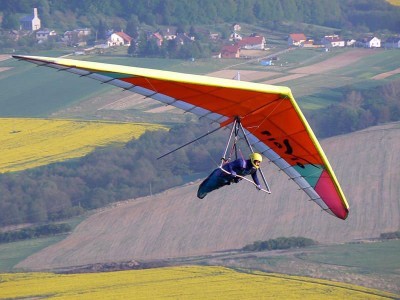
Hang glider circa 1998.
Wing area: 13.8 sq.m
Certification: LAA
Pilot weight: 60-100 kg
Wing span: 10.3 m
Nose Angle: 127 deg
Aspect ratio: 7.7
1998: Dolni Becva 266, CZ-75655 Dolni Becva, Czech Republic
Hang glider builder

