Back to Rihn One Design
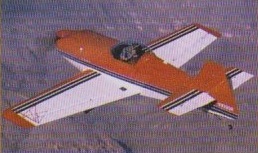
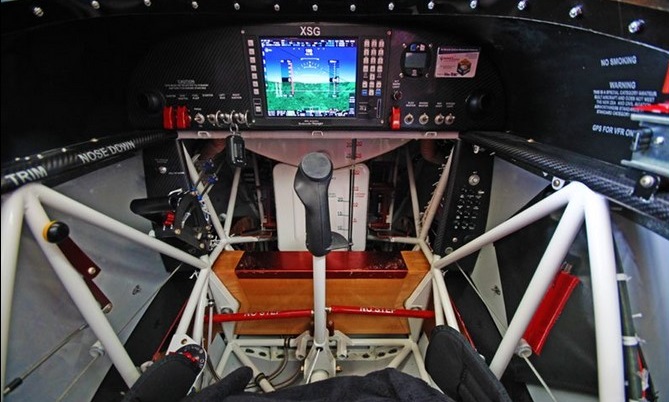
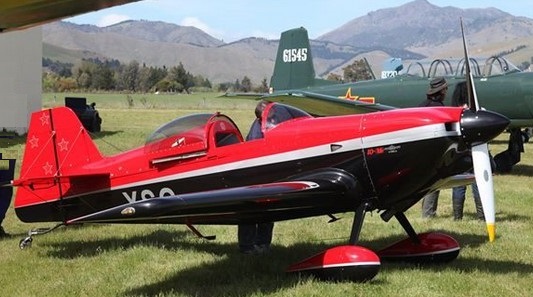
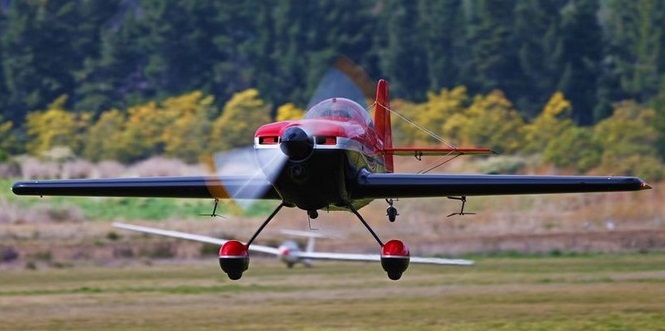
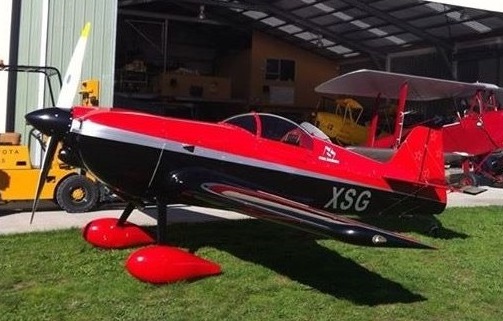
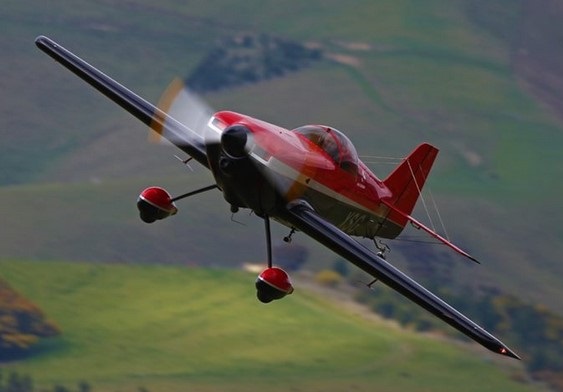
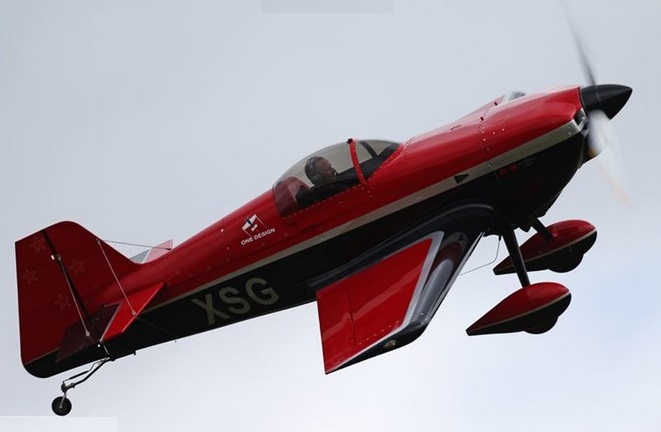
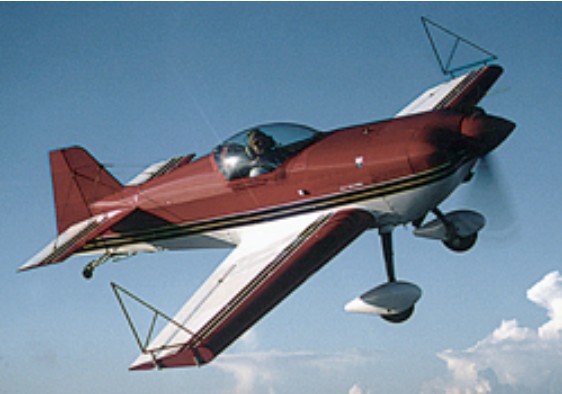
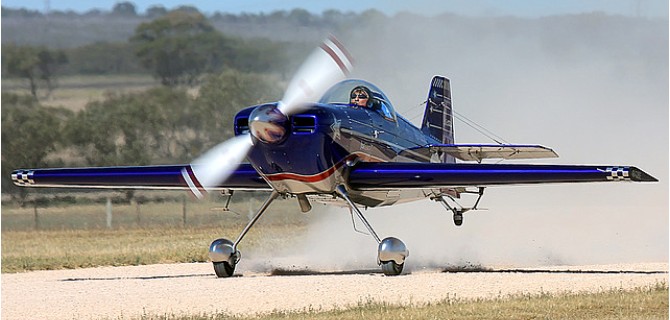
Designed by Dan Rihn as a plans built aircraft for single class competition aerobatics.
Created by Dan Rihn as an economical answer for pilots wishing to fly Basic through Advanced aerobatics, the One Design features quick, easy construction and excellent performance. Wings for the One Design are all wood, the fuselage is steel truss, covered with aluminum sheet from the firewall to the rear of the cockpit. The turtle deck is also aluminum and the lower half of the aft fuselage is fabric covered. The tail is fabric covered. A one piece aluminum spring gear is used for the main wheels and a steerable tailwheel is used.
Power for the One Design is obtained from a 0-360 and modified with an inverted oil system, high compression cylinders and fuel injection. Stressed for +/- 10 Gs, the One Design has a max. level speed of 184 mph, and cruises with a 75% power setting at 160 mph.
Aircraft Spruce & Specialty Company offers a complete set of plans for the single seat aerobatic aircraft.
Engine: Lycoming AEIO-360, 180 hp
HP range: 150-200
Height: 5 ft
Length: 17 ft
Wing span: 19.3 ft
Fuel cap: 20 USG
Empty wt: 740 lb
MTOW: 1140 lb
Top speed: 195 mph
Cruise: 160 mph
Stall: 63 mph
Range: 350 sm
ROC: 2000 fpm
Seats: 1
Undercarriage: tailwheel
Engine: Lycoming AEIO-320
Wing span: 5.88 m
Wing area: 6.9 sq.m
MAUW: 517 kg
Empty weight: 336 kg
Fuel capacity: 76 lt
Max speed: 314 kph
Cruise speed: 257 kph
Minimum speed: 101 kph
Climb rate: 10 m/s
Seats: 1
Fuel consumption: 35 lt/hr
Plan price (1998): $300
Kit price (1998): $50,000
AC-pi
Sportflugzeugbau Rieseler built a single-engine single-seat light sporting parasol monoplane with a two cylinder Haacke engine which was put into production by Stahlwerk Mark at Breslau. A two-seat version, the R.IV/23, was subsequently developed.
Germany
Established at Berlin/Johannisthal Aerodrome after First World War, Sportflugzeugbau Rieseler built a single-engine single-seat light sporting parasol monoplane with a two cylinder Haacke engine which was put into production by Stahlwerk Mark at Breslau. A two-seat version, the R.IV/23, was subsequently developed.
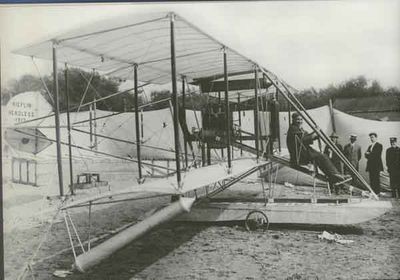
The Rieflin Headless Aeroplane Co Hydro-aeroplane of 1912 set a world’s record for sustained hydro-aeroplane flight over water when piloted by Fred C. Eels on June 25, 1912 over Irondequoit Bay, New York, seventy-three miles in 1:21:00, at an average speed of fifty-four miles per hour. Eells’ flight was cut short when his supply of gasoline gave out and he dropped his machine to the bay. The best previous record for sustained flight was forty-six miles.
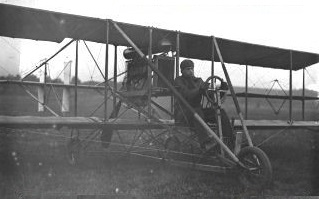
Soaring plane, Germany, 1929
Hang glider
Wing area: 13 m²
Wing span: 11 m
Aspect ratio: 9.3
Hang glider weight: 33 kg
Minimum speed: 29 km/h
Max glide ratio (L/H): 17.5
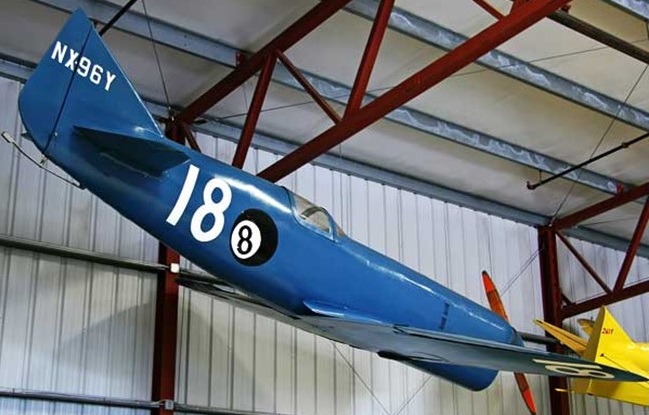
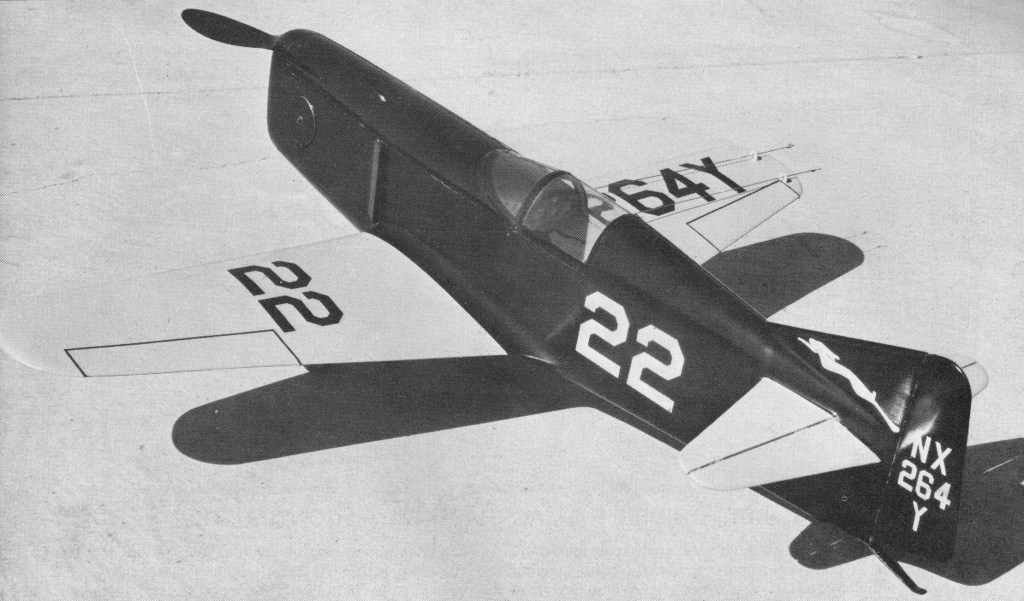
Keith Rider was a designer of the 1930’s air racing era. “Jackrabbit,” as it was called by its last racing owner, started life as a model R-5 and first appeared at the 1936 National Air Races. Its owner, Dave Elmendorf, painted it a cream yellow and gave it race number #22, which he had used on his Wedell Williams racer the previous year. The “Elmendorf Special” placed third in the 500 cu. in. event with a speed of 224.551 m.p.h.
The ship was not seen at the 1937 races, but was entered in the 1938 Nationals by its new owners, Marcoux and Bromberg. It had been rebuilt and sported a new black and yellow paint job. Race number #22 was retained but the name was changed to “Jackrabbit.” It was flown to fourth place in the 550 cu. in. event with a speed of 192.50. “Jackrabbit” last appeared at the 1939 races but did not race because of engine trouble.
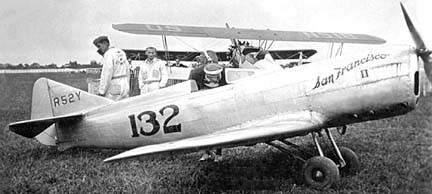
Built in 1931, the Rider R-1 was racer San Francisco II, piloted by Bob Clampett and Ray Moore, registered NX52Y.
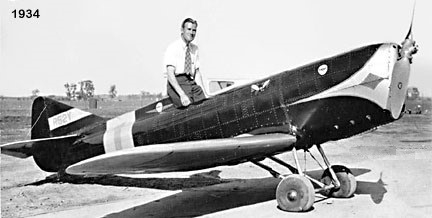
It was modified as 1933-34 Bumblebee (p: George Hague, Earl Ortman) and did not reappear until the 1938 Nationals as 260hp Bushey-McGrew B7M1 Bumblebee, re-registered NX98Y.
Engine: 200hp Menasco C-4
Wingspan: 17’0″
Length: 19’0″
Useful load: 300 lb approx.
Speed: 210 mph
Seats: 1

