In 1929 Dale “Red” Walter built an aircraft powered by a 40hp engine, with a 25’0″ wingspan.
It crashed on 17 October 1929.
In 1929 Dale “Red” Walter built an aircraft powered by a 40hp engine, with a 25’0″ wingspan.
It crashed on 17 October 1929.
Dale “Red” Walter & Roy Campbell
Severy KS.
USA
Circa 1929-32
Campbell was Walter’s flight student at Severy Flying Club.
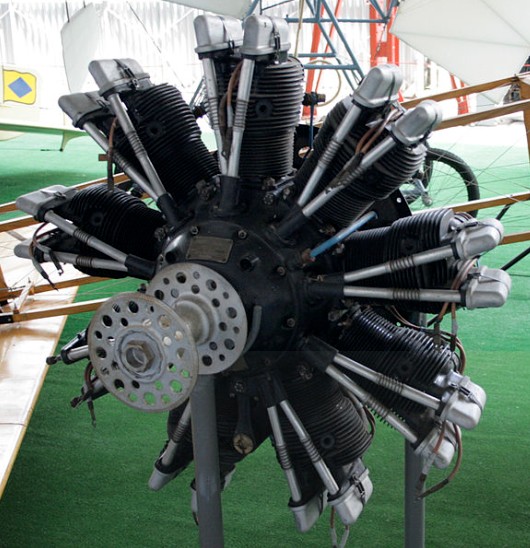
The Walter Scolar was a Czechoslovakian nine-cylinder, aircooled, radial engine for powering light aircraft that first ran in 1936. With a displacement of 8 litres (490 cu in), it produced 132 kW (180 hp) at 2,500 rpm.
Applications:
Beneš-Mráz Beta-Scolar
Specifications:
Scolar
Type: 9-cylinder radial piston engine
Bore: 105 mm (4.13 in)
Stroke: 100 mm (3.94 in)
Displacement: 7.8 L (488 cu in)
Dry weight: 155 kg (342 lb)
Valvetrain: One intake and one exhaust valve per cylinder
Fuel system: Carburettor
Fuel type: Petrol
Cooling system: Air-cooled
Power output: 132 kW (180 hp) at 2,500 rpm
Compression ratio: 5.4:1
Power-to-weight ratio: 0.85 kW/kg (0.52 hp/lb)
The Walter Venus was a seven-cylinder, air-cooled, radial engine for aircraft use built in Czechoslovakia and first run in 1929.
Applications:
Aero A.34
ANBO V
Savoia-Marchetti S.56A
Specifications:
Type: 7-cylinder radial engine
Bore: 105 mm (4.1 in)
Stroke: 120 mm (4.7 in)
Dry weight: 178 kg (393 lb)
Valvetrain: Overhead valve, one inlet and one exhaust valve per cylinder
Fuel system: Zenith Type 50J carburettor
Fuel type: Petrol
Oil system: Pressure and scavenge pump
Cooling system: Air-cooled
Reduction gear: Direct-drive
Power output: 82 kW (110 hp) at 1,750 rpm
Compression ratio: 5.15:1
Power-to-weight ratio: 0.46 kW/kg (0.28 hp/lb)
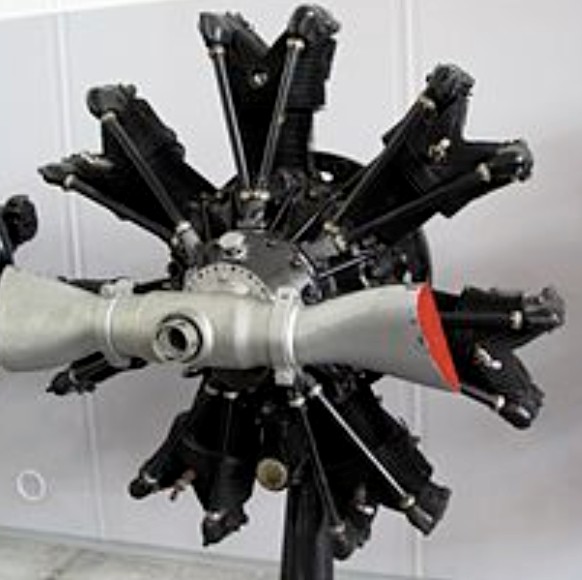
The Walter Castor was a Czechoslovakian seven-cylinder, aircooled, radial engine for powering aircraft that was first run in 1929. The Super Castor was a nine-cylinder development.
Applications:
Aero A.35
Aero A.304 (Super Castor)
Airspeed Envoy
Breda Ba.25
Dornier Do K
Fizir F1V
Hopfner HV-6/28
Letov Š-28
Rogozarski AZR
Savoia-Marchetti S.71
Specifications:
Castor
Type: 7-cylinder radial piston engine
Bore: 135 mm (5.3 in)
Stroke: 170 mm (6.7 in)
Dry weight: 248 kg (547 lb)
Valvetrain: One intake and one exhaust valve per cylinder
Fuel system: Zenith carburettor
Fuel type: Petrol
Cooling system: Air-cooled
Power output: 194 kW (260 hp) at 1,850 rpm (maximum power)
Compression ratio: 6:1
Power-to-weight ratio: 0.78 kW/kg (0.48 hp/lb)
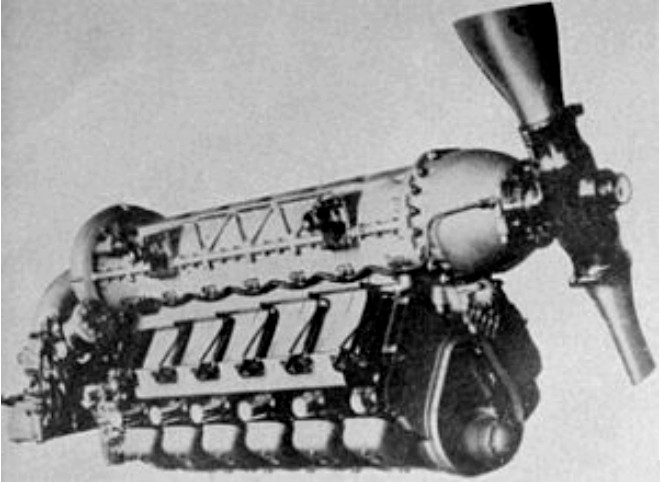
The Walter Sagitta was a Czechoslovakian, air-cooled, inverted V-12 engine that first ran in 1937. With a displacement of 18.4 litres (1,123 cu in), it produced up to 373 kW (550 hp) at 2,500 rpm.
Variants:
Sagitta I-MR
550 hp (410 kW) at 2,500rpm at 2,500 m (8,202 ft) – rated height
Sagitta I-SR
535 hp (399 kW) at 2,500rpm at 3,800 m (12,467 ft) – rated height
Sagitta II R.C.
Fully supercharged, 388 kW (520 hp).
Applications:
Fokker D.XXIII
Rogožarski R-313
Savoia-Marchetti SM.86
VEF I-16
Specifications:
Sagitta I-SR
Type: 12-cylinder inverted vee piston engine
Bore: 118 mm (4.65 in)
Stroke: 140 mm (5.51 in)
Displacement: 18.4 l (1,122.84 cu in)
Length: 19,140 mm (753.54 in)
Width: 725 mm (28.54 in)
Height: 796 mm (31.34 in)
Dry weight: 372 kg (820 lb) – Direct drive, 385 kg (849 lb) – Geared 2:3
Valvetrain: enclosed push-rod operated rockers, two valves per cylinder closed by triple springs
Supercharger: 8.7 times crankshaft speed
Fuel system: Automatic boost and mixture control by a horizontal carburrettor
Fuel type: 85 Octane Aviation Gasoline
Oil system: Dry sump, one pressure pump and two scavenge pumps
Cooling system: Air-cooled
Power output:
Take-off: 460 hp (343 kW) at 2,500rpm
Rated power: 535 hp (399 kW) at 2,500rpm at 3,800 m (12,467 ft)
Maximum Power: 540 hp (403 kW) at 2,600rpm at 4,000 m (13,123 ft)
Specific power: 24.29 kW/l (0.534 hp/cu.in)
Compression ratio: 6.25:1
Specific fuel consumption: 0.315 – 0.328 kg/kW/hr (0.525 – 0.548 lb/hp/hr)
Oil consumption: 0.004 – 0.0067 kg/kW hr (0.0067 – 0.11 lb/hp hour)
Power-to-weight ratio: 1.046 kW/kg (0.636 hp/lb)
Sagitta I-MR
Type: 12-cylinder inverted vee piston engine
Bore: 118 mm (4.65 in)
Stroke: 140 mm (5.51 in)
Displacement: 18.4 l (1,122.84 cu in)
Length: 19,140 mm (753.54 in)
Width: 725 mm (28.54 in)
Height: 796 mm (31.34 in)
Dry weight: 372 kg (820 lb) – Direct drive, 385 kg (849 lb) – Geared 2:3
Valvetrain: enclosed push-rod operated rockers, two valves per cylinder closed by triple springs
Supercharger: 10.2 times crankshaft speed
Fuel system: Automatic boost and mixture control by a horizontal carburrettor
Fuel type: 85 Octane Aviation Gasoline
Oil system: Dry sump, one pressure pump and two scavenge pumps
Cooling system: Air-cooled
Power output:
Take-off: 560 hp (418 kW) at 2,500rpm
Rated power: 550 hp (410 kW) at 2,500rpm at 2,300 m (7,546 ft)
Maximum Power: 600 hp (447 kW) at 2,500rpm at 1,750 m (5,741 ft)
Specific power: 24.29 kW/l (0.534 hp/cu.in)
Compression ratio: 6.25:1
Specific fuel consumption: 0.315 – 0.328 kg/kW/hr (0.525 – 0.548 lb/hp/hr)
Oil consumption: 0.004 – 0.0067 kg/kW hr (0.0067 – 0.11 lb/hp hour)
Power-to-weight ratio: 1.046 kW/kg (0.636 hp/lb)
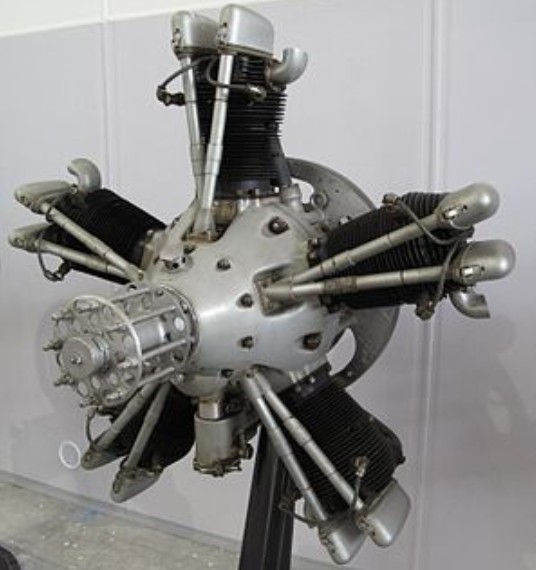
The Walter Regulus was a Czechoslovakian five-cylinder, aircooled, radial engine for powering light aircraft that first ran in 1934. The engine produced 186 kW (250 hp).
Regulus
Type: 5-cylinder radial piston engine
Valvetrain: One intake and one exhaust valve per cylinder
Fuel system: Carburettor
Fuel type: Petrol
Cooling system: Air-cooled
Power output: 186 kW (250 hp)
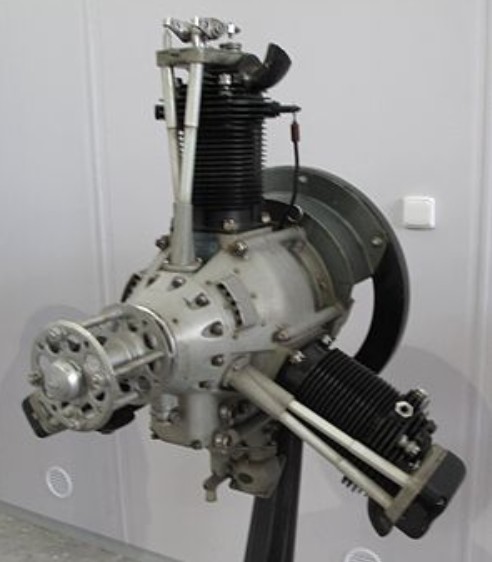
The Walter Polaris was a Czechoslovakian three-cylinder, aircooled, radial engine for powering light aircraft that was developed in the 1930s.
Applications:
Letov Š-39
Specifications
Polaris
Type: 3-cylinder radial piston engine
Valvetrain: One intake and one exhaust valve per cylinder
Fuel system: Carburettor
Fuel type: Petrol
Cooling system: Air-cooled
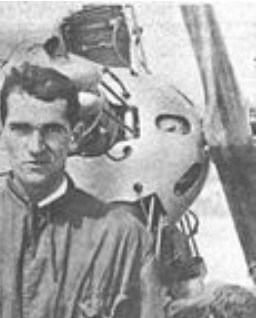
The Walter Vega was a five-cylinder, air-cooled, radial engine for aircraft first run in 1929.
Applications:
Aero A.34
ANBO V
Avia BH-11
Specifications:
Type: 5-cylinder radial engine
Bore: 105 mm (4.1 in)
Stroke: 120 mm (4.7 in)
Dry weight: 102.5 kg (226 lb)
Valvetrain: Overhead valve, one inlet and one exhaust valve per cylinder
Fuel system: Zenith Type 50J carburettor
Fuel type: Petrol
Oil system: Pressure and scavenge pump
Cooling system: Air-cooled
Reduction gear: Direct-drive
Power output: 63 kW (85 hp) at 1,750 rpm
Compression ratio: 5.15:1
Power-to-weight ratio: 0.61 kW/kg (0.37 hp/lb)
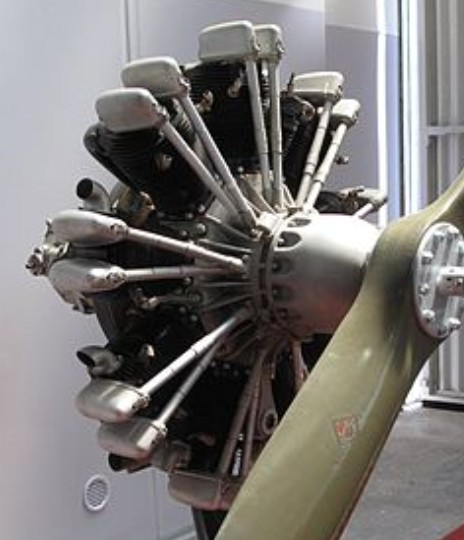
The Walter Pollux was a Czechoslovakian nine-cylinder, aircooled, radial engine for powering light aircraft that first ran in 1936. The engine produced 335 kW (450 hp) at 1,800 rpm.
The first known use was on the Fieseler F 2 Tiger in 1934.
Variants:
Pollux II
Direct drive engine
Pollux II-R
Geared engine, reduction ratio 0.666:1
Applications:
Aero A.204
Avia B.122
Fieseler F2 Tiger
Praga BH-41
Specifications:
Pollux IIR
Type: 9-cylinder radial piston engine
Bore: 135 mm (5.3 in)
Stroke: 170 mm (6.7 in)
Dry weight: 340.6 kg (751 lb)
Valvetrain: One intake and one exhaust valve per cylinder
Fuel system: Carburettor
Fuel type: Petrol
Cooling system: Air-cooled
Power output: 358 kW (480 hp) at 2,070 rpm
Compression ratio: 6:1
Power-to-weight ratio: 1 kW/kg (0.64 hp/lb)

