Germany Markets in completed and kit forms the Dallach Sunrise II tandem two-seat microlight in monoplane or biplane configurations, plus D.3 Sunwheel tandem two-seat biplane and D.4 Fascination side-by-side two-seat monoplane.
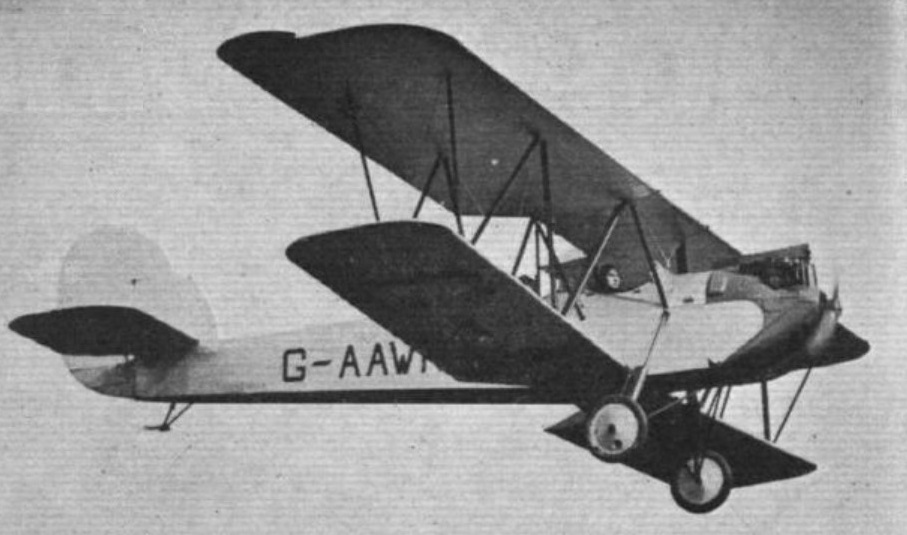
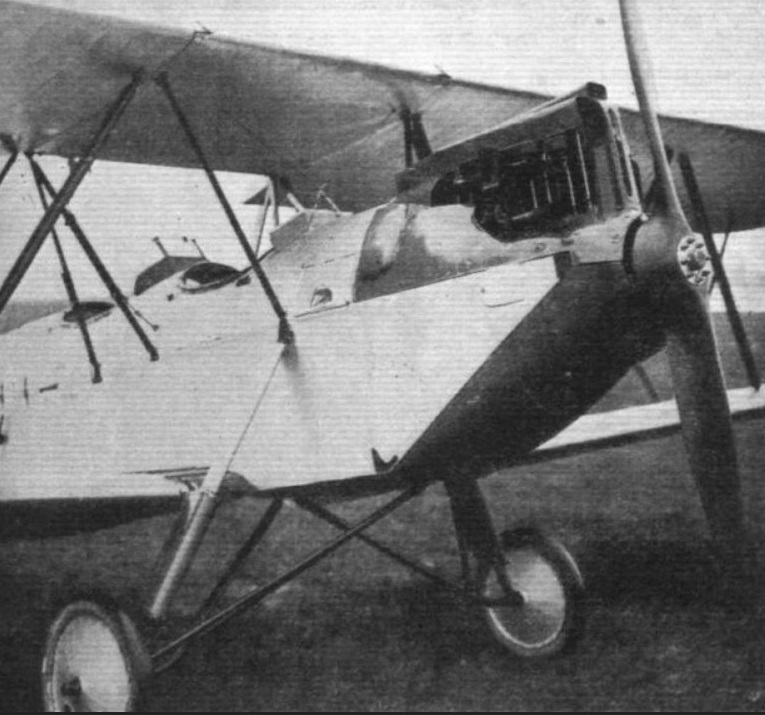
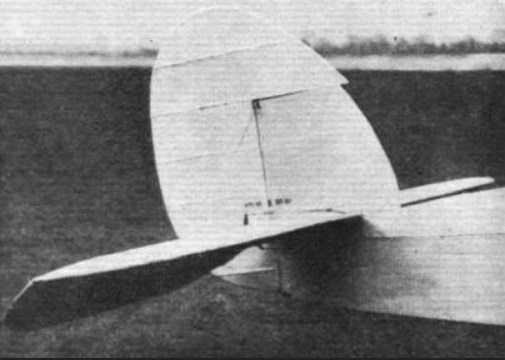
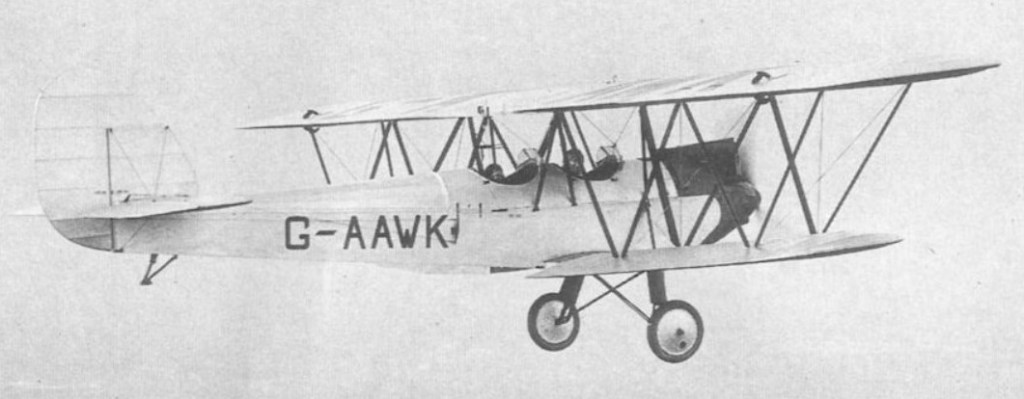
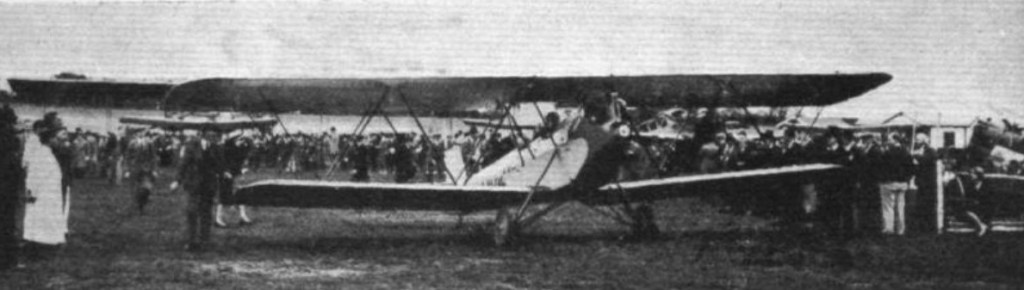
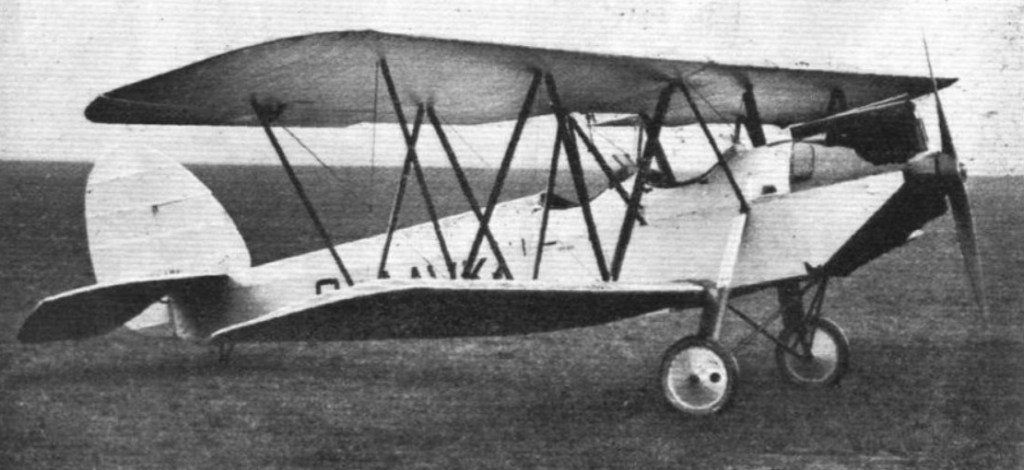
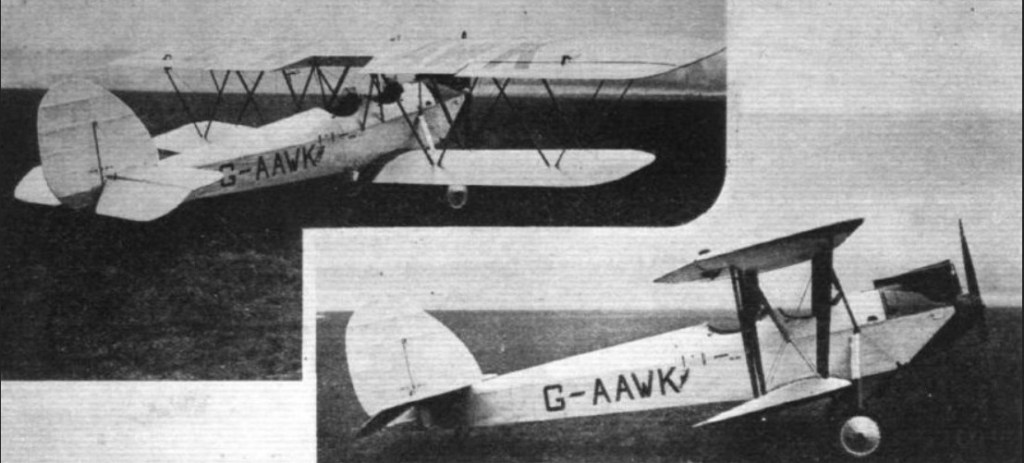
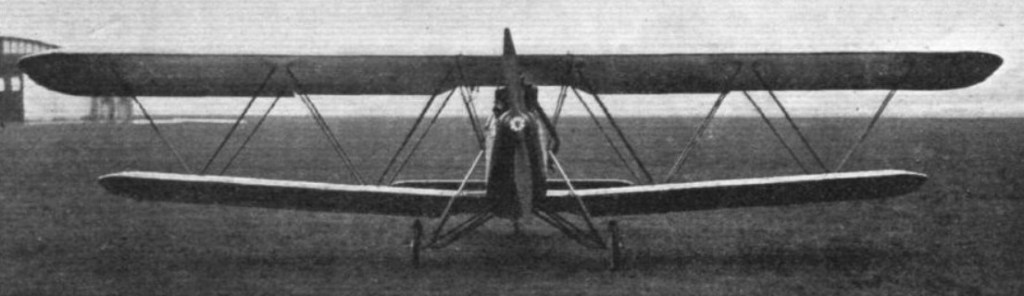
The Dudley Watt D.W.2 was a 1930s British two-seat light biplane designed by K.N. Pearson for Dudley Watt. The D.W.2 was built at Brooklands and was a wood and fabric biplane with a tailskid landing gear. It had two open cockpits and was powered by a 90 hp (67 kW) ADC Cirrus III piston engine.
The D.W.2 was designed to be offer exceptional handling at low speeds and to be a competitor for the de Havilland Moth family.
Construction was started in 1929 and it was built by K.N. Pearson at Brooklands, first flying on 17 May 1930.
Only one D.W.2 (registered G-AAWK cn.1) was built and this was sold by Dudley Watt in February 1934, it had been dismantled at Selsey by the end of year.
Powerplant: 1 × ADC Cirrus III, 67 hp (90 kW) Wingspan: 39 ft 8 in (12.09 m) Wing area: 350 ft2 (32.5 m2) Length: 25 ft 10 in (7.87 m) Empty weight: 1050 lb (476 kg) Gross weight: 1224 lb (555 kg) Maximum speed: 90 mph (145 km/h) Crew: 2
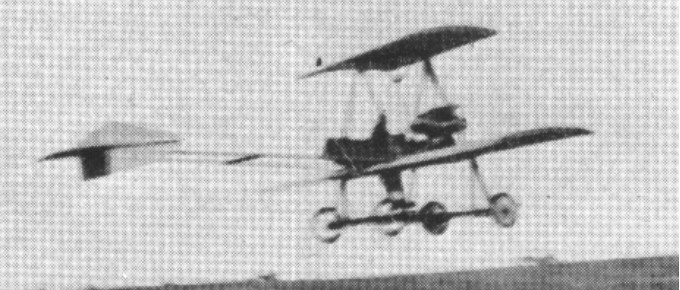
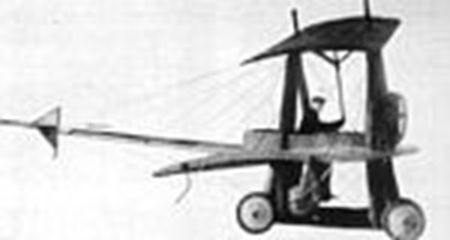
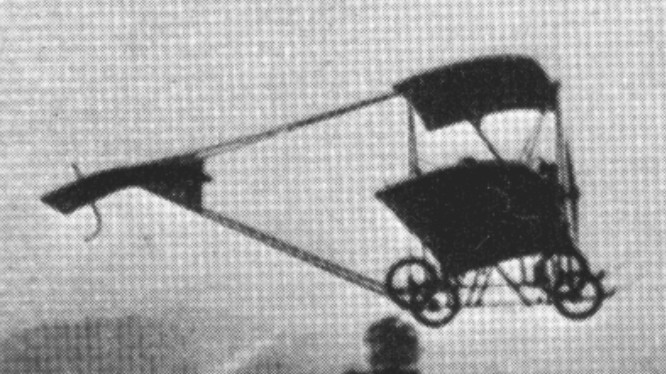
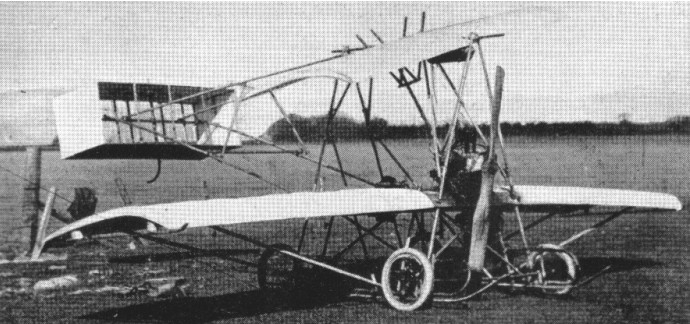
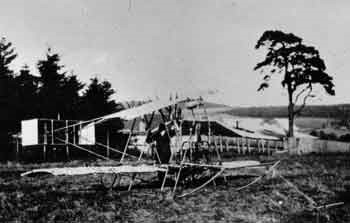
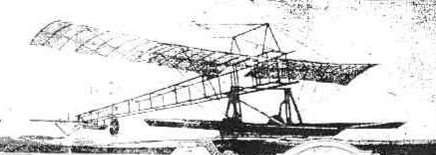
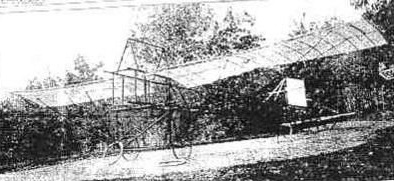
In 1902 Scotsman Preston Watson is said to have fitted a Santos-Dumont engine to a biplane glider and flown it successfully. The improved version is said to have made many successful flights in 1908.
Preston Watson’s first aeroplane, photographed at Errol, Perthshire, Scotland.
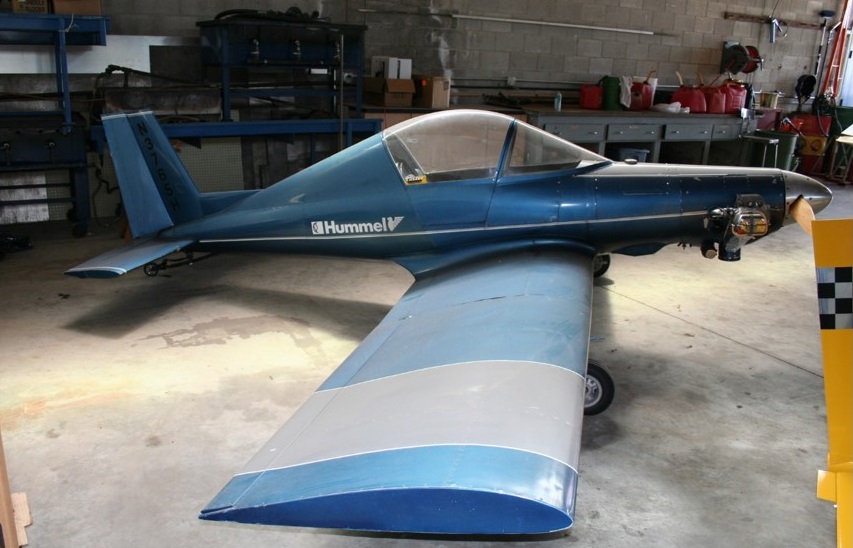
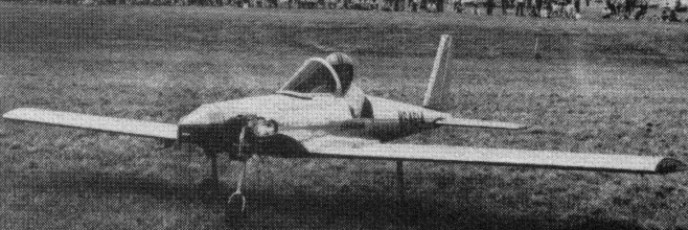
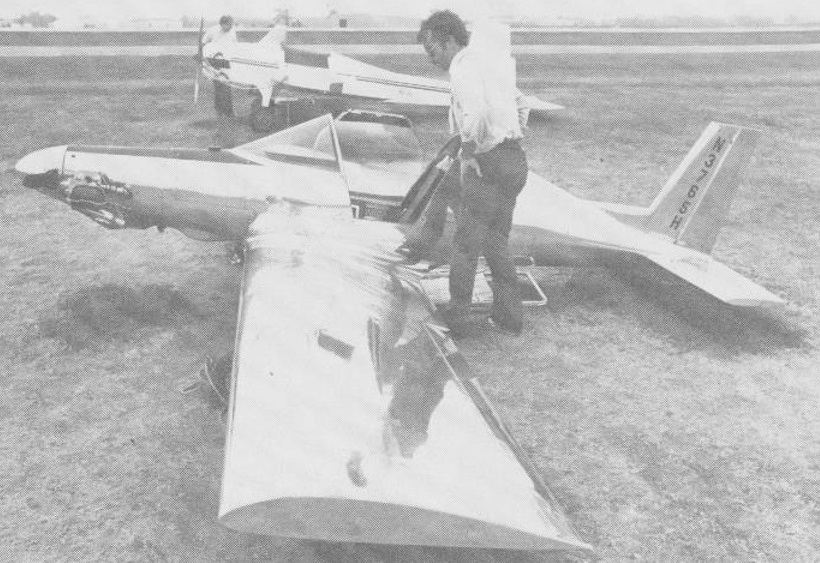
The original Wind Wagon was built in Texas by Gary Wilson and was based on the Teenie Two and used the similar wing ribs that slipped onto the “C” spar. The fuselage was a tapered tube from the seat backward and from the seat to the firewall. The aircraft was equipped with tricycle undercarriage and a ½ VW.
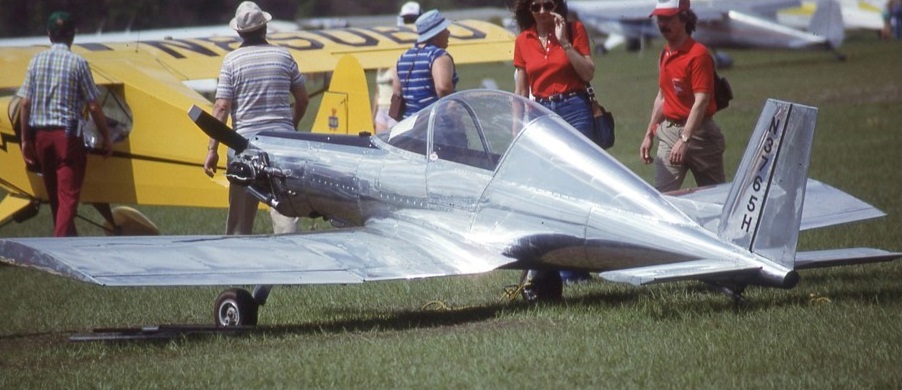
1981 Watson Windwagon N3765H C/N 147
First flown on 19 April 1977 (N64614), the Windwagon measures 18 feet from wingtip to wingtip and it features all-aluminum construction with pop rivets. The tricycle gear are nonretractable, but the wings are removable for storage or transportation. The powerplant is a 900 cc half-Volkswagen modified engine and drives a four-blade propeller. On just two cylinders tip speed is 110 mph, and climb rate is 450 to 500 fpm. The wing features a Clark Y wing section with constant chord. There are conventional ailerons and no flaps. The fuselage is a conventional semimonocoque structure made from pop-riveted aluminum. Morry Hummel introduced a few changes.