Wolseley 1910 Type C 60 hp V-8 / 1911 Type B 80 hp V-8

Wolseley 60 hp

First run in 1910, the Wolseley 60 hp or Type C was a British liquid-cooled V-8 aero engine that first ran in 1910, it was designed and built by Wolseley Motors. The engine featured water-cooled exhaust ports and employed a 20 lb (9 kg) flywheel. During an official four-hour test the engine produced an average of 55 horsepower (41 kW). A larger capacity variant known as the 80 hp or Type B used an internal camshaft and propeller reduction gear.

Applications:
60 hp
Royal Aircraft Factory B.E.1
Royal Aircraft Factory B.E.2

80 hp
Vickers E.F.B.1

Specifications:
60 hp
Type: 8-cylinder, upright, 90-degree Vee engine
Bore: 3.74 in (95 mm)
Stroke: 5.51 in (140 mm)
Displacement: 482 cu in (7.9 L)
Dry weight: 385 lb (175 kg)
Valvetrain: Sidevalve with single external camshaft
Fuel system: Single Zenith carburettor
Fuel type: 40-50 octane petrol
Cooling system: Air-cooled with liquid-cooled exhausts
Reduction gear: Direct drive, left-hand tractor
Power output: 60 hp (45 kW) at 1,800 rpm (maximum power)
Specific power: 0.12 hp/cu in (5.7 kw/L)
Power-to-weight ratio: 0.15 hp/lb (0.25 kW/kg)
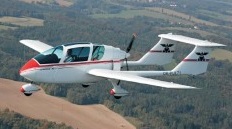
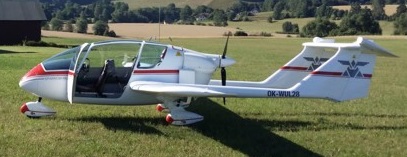
Wolfsberg Letecka Tovrna Sparrow

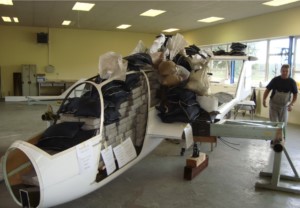
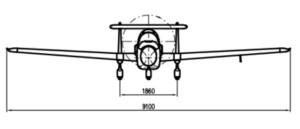
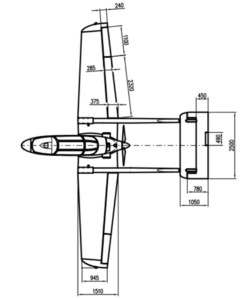
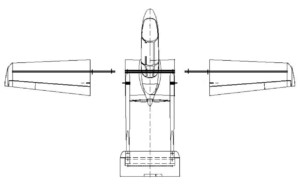
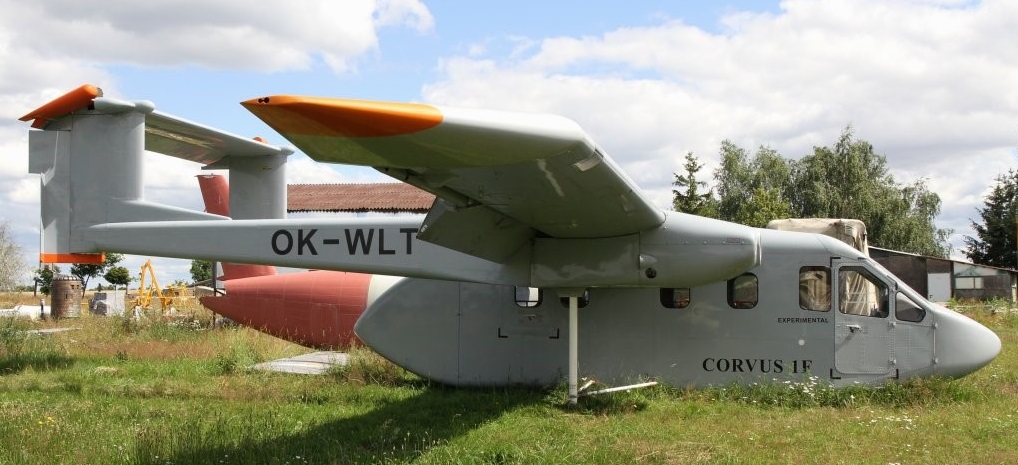
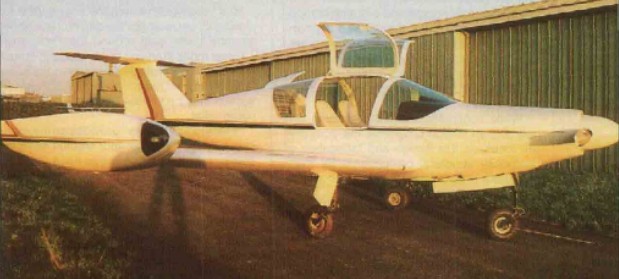
The Wolfsberg Letecka Tovrna Sparrow ML is a twin tail boom airplane with a pusher propeller. The design features large car-like doors that can be opened up to 90°. The pilot position in front of the wing brings excellent view.

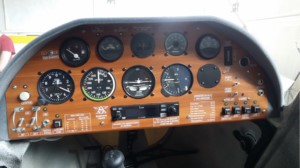
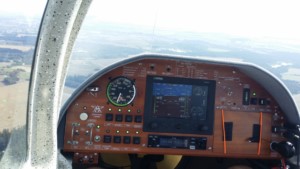
The Sparrow is equipped with the 80hp and 100 hp Rotax engines. The main undercarriage is equipped with oil dampers, the wheels of the main chassis are fitted with hydraulic disc brakes. The dashboard is designed for mounting both classic mechanical devices and state-of-the-art glass cockpit.

Sparrow ML was designed, calculated and tested to fulfill all requirements of Ultralight and LSA standards.

The airplane has modern light carbon fiber construction and conventional controls with control stick and pedals and electric flaps and trim control. Sparrow ML can have full dual controls or only pilot control on front seat.

The dashboard position allows convenient control of all devices and switches.

The aircraft is equipped with a proven ballistic rescue system.

Engine: Rotax 912 ULS: 80-100 hp
Wing span: 9.1m / 29.9 ft
Wing area: 11.6 sq.m / 124.9 sq.ft
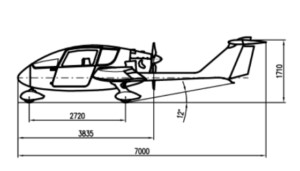
Length: 7 m / 23.0 ft
Height: 1.7 m / 5.6 ft
Empty weight: 272 kg / 600 lb
Gross weight: 600 kg / 1323 kg
Fuel capacity: 60 lt / 15.9 gal
Min pilot weight: 75 kg / 165 lb
Max baggage weight: 8 kg / 17.6 lb
Stall clean: 60 kph / 32.4 kt
Stall ldg config: 57 kph / 30.8 kt
Maneuvering speed: 160 kph / 86.4 kt
Max speed ldg config: 115 kph / 62.1 kt
Max cruise: 210 kph / 113.4 kt
Vne: 234 kph / 126.4 kt

Wolfmüller, Alois

Alois Wolfmüller was born in Landsberg am Lech. Together with Heinrich and Wilhelm Hildebrand he developed the 1894 Hildebrand & Wolfmüller motorcycle, the first in the world to be produced in series.

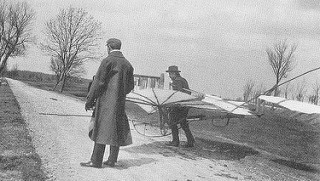
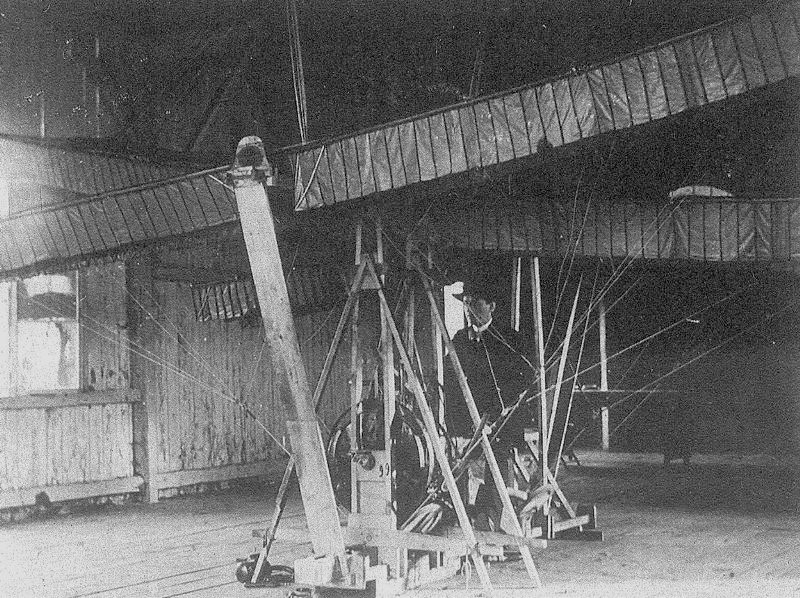
Wolfmüller’s “Schlagflügelapparatur”, or “Standflugmaschine” ornithopter, dated from December 1901.

Wolff Sky-Wolff

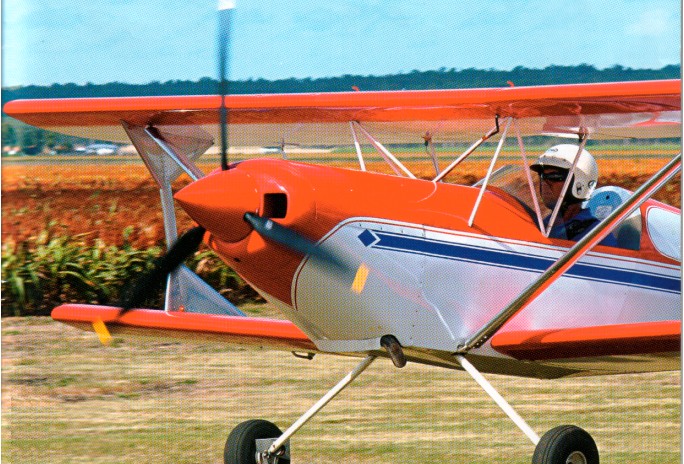
Paul Wolff’s 4 place, all composite Sky-Wolff was intended to make Oshkosh 1988, but was not flying in time, later, flying from Findel Airport in Luxembourg.

Aimed at a US25,000 kit price, The Sky-Wolff will have removeable wings, an electric/hydraulic retractable gear, and wet wing with additional tip tanks. The wing is equipped wih flaps and drooping ailerons.

Fuel capacity: 169.3 USG
Range: 4200 miles
Engine: Lycoming O-320
Cruise 75%: 186 kt / 214 mph
Stall: 50 mph