Kansas City MO.
USA
Aircraft builder circa 1963
Kansas City MO.
USA
Aircraft builder circa 1963
The 1955 CR-1 Little Monster built by Charles A Wood of Clay Center KS., N2752C, used some Piper J-3 parts used in construction. It was a high wing monoplane with a two place cabin.
Engine: Continental A-65, 65 hp
Wingspan: 25’9″
Length: 19’0″
Max speed: 120 mph
Cruise speed: 95 mph
Stall: 40 mph
Range: 400 mi
Seats: 2
Charles A Wood
Clay Center KS.
USA
Aircraft builder circa 1955.
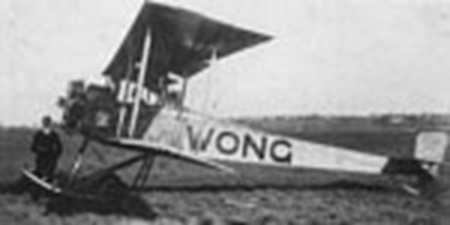
Equipped with a 40 hp ABC inline four, built by Tsoe K. Wong. Designed and built in the UK in 1913, and initially flown there, the craft was later shipped to Kuala Lumpur, in what was then known as the Federated Malay States. The craft met its end on July 19 1914, due to a demo flight that concluded with a fairly emphatic crash.
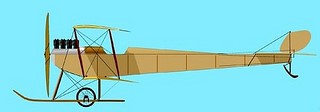
A single seat partially enclosed autogyro. Composite body, airframe of round tubing. Steel parts are T45 and powder coated, alloy members are anodized. Large rudder. Two versions: one with 17 USG tank; one with 15 USG tank and low profile seat to allow a full blown canopy. Designed by Chris Jullian. Engine: Rotax 582 or Honda. Prop: 3 blade wood. Rotor blades: 23’ Rotor Hawk aluminium.
Rotax 532
Min speed: 20 mph
Cruise: 60-80 mph
Top speed: 115 mph
Gross wt: 1432 lbs
Width: 5’
Height: 7’6”
Length: 12’
UK
Developed the Wombat Gyrocopter single-seat autogyro in the 1990s.
The Wolverine Aeronautic Co, Albion MI., USA circa 1911 was a supplier of home-builders’ kits and materials. They featured two open cockpit biplane models with 25hp (span: 26’0″) and 30hp (span: 30’0″), powered by Wolverine’s own-brand motor.
One machine was reported by Aeronautics to have been built for the Chinese revolutionary party, representatives of which watched it in demonstration at Hempstead, but that “apparently the idea of using aeroplanes was given up at the time.”
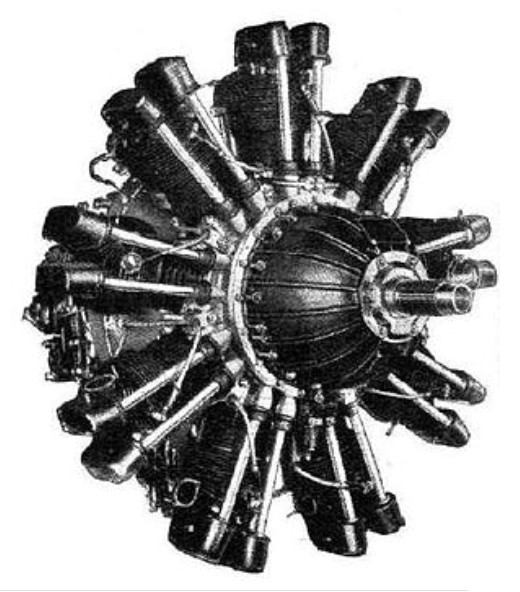
The Wolseley Aries III or A.R.9 was a British nine-cylinder, air-cooled radial aero engine that first ran in 1933, it was designed and built by Wolseley Motors. Intended for the military trainer aircraft market few were produced as Wolseley withdrew from the aero-engine market in 1936, see Airspeed Ltd.. A larger capacity version was known as the Wolseley Scorpio, further enlarged versions, the Leo and Libra were test run but did not fly.
Variants:
A.R.9 Mk I
203 horsepower (151 kW).
A.R.9 Mk II
205 horsepower (153 kW). Higher permissible rpm version of Mk I.
A.R.9 Aries Mk III
225 horsepower (168 kW), low boost supercharger fitted.
Scorpio I
250 horsepower (186 kW), (230 bhp at 2,250 rpm), increased bore (111mm x 120 mm) to give a displacement of 9,477 cc, increased compression ratio. Reduction gearing.
Scorpio II and III
250 horsepower (186 kW), designed to run on 87 octane fuel with 6.5:1 ratio.
Leo
280 horsepower (209 kW), few details, not flown or produced.
Libra
390 hp at 6,000 ft. 725 lbs (329 kg). Tested but not flown or produced.
Applications:
Airspeed Envoy
Hawker Tomtit
Specifications:
A.R.9 Aries Mk III
Type: 9-cylinder, single row, radial engine
Bore: 4.19 in (106 mm)
Stroke: 4.75 in (120 mm)
Displacement: 588.6 cu in (9.654 L)
Length: 42 in (1,067 mm)
Diameter: 41.25 in (1,048 mm)
Dry weight: 510 lb (231 kg)
Valvetrain: Overhead valve
Supercharger: Single speed, geared induction fan, slight positive pressure
Fuel type: Petrol
Cooling system: Air-cooled
Reduction gear: Epicyclic spur geared, right-hand tractor, reduction ratio 0.629:1
Power output: 225 hp (168 kW) at 2,475 rpm (maximum power)
Specific power: 0.38 hp/cu in (17.4 kw/L)
Compression ratio: 5.35:1
Power-to-weight ratio: 0.49 hp/lb (0.72 kW/kg)

The Wolseley Aquarius I or A.R.7 was a British seven-cylinder, air-cooled radial aero engine that first ran in 1933, it was designed and built by Wolseley Motors. Intended for the military trainer aircraft market few were produced, as Wolseley withdrew from the aero-engine market in 1936.
Applications:
Hawker Tomtit
A.R.7
Type: 7-cylinder, single row, radial engine
Bore: 4.188 in (106 mm)
Stroke: 4.75 in (120 mm)
Displacement: 458 cu in (7.5 L)
Length: 36.4 in (925 mm)
Diameter: 40.25 in (1,029 mm)
Dry weight: 375 lb (170 kg)
Valvetrain: Overhead valve
Fuel type: Petrol
Cooling system: Air-cooled
Reduction gear: Direct drive, left-hand tractor
Power output: 170 hp (127 kW) at 2,475 rpm (maximum power)
Specific power: 0.37 hp/cu in (16.9 kw/L)
Compression ratio: 5.35:1
Power-to-weight ratio: 0.45 hp/lb (0.75 kW/kg)
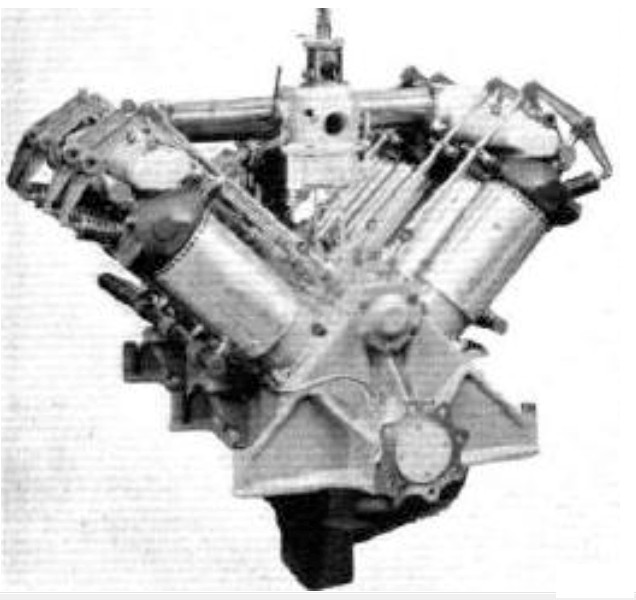
The Wolseley 160 hp was a British V-8, water-cooled aero engine that first ran in 1910, it was designed and built by Wolseley Motors. Its sole known use was in the ill-fated HMA No. 1 airship which broke in two while being removed from its shed on 24 September 1911.
160 hp
Type: eight-cylinder, 90 degree, upright V-engine
Bore: 5.0 in (127 mm)
Stroke: 7.0 in (178 mm)
Displacement: 1,100 cu in (18 L)
Fuel type: Petrol
Cooling system: Water-cooled
Reduction gear: Direct drive, right-hand tractor
Power output: 147 hp (110 kW) at 1,200 rpm (maximum power for “short periods”)
Specific power: 0.13 hp/cu in (6.1 kw/L)

