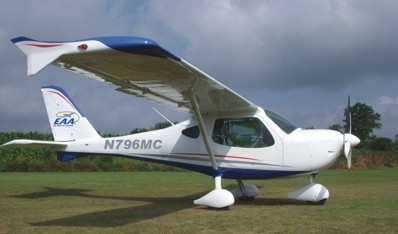
Created to complement the existing CTsw and CTLS, the MC offers utility and performance in a metal airframe. Constructed from Aluminum, steel and composites, the MC features a steel space frame, all aluminum flying surfaces and a composite cabin and cowling. The focus with the MC was to provide more utility with a giant cabin and easy-to-maintain modular construction. Designed with training and commercial fleet uses in mind, the MC visibility, baggage area and easy cabin entry are features. The metal flying surfaces of the MC are buck riveted and corrosion proofed for maintenance free flying. The steel pilot cage is covered with easy to remove composite shells to allow quick access to the landing gear and controls for annual or 100 hour inspections. The main landing gear is the Flight Design nobounce composite gear introduced on the CTLS. The cabin of the MC has a width of nearly 52 inches, 2-way adjustable seats and extra-wide cabin doors. The four-point safety harnesses, wing located fuel tanks and the BRS 1350 parachute system are standard. Standard features include 2 blade composite propeller, conventional three-axis controls, electric pitch trim system, cabin door gas struts, two large capacity baggage compartments, two cockpit storage compartments, electric pre-selector flap system, one piece molded windshield, steerable nose wheel, hydraulic brakes, durable, two-part urethane paint.
An ultralight composite aircraft, the Flight Design CT2K has been developed, and now has less weight, increased power and higher performance, with additional load-carrying capability. The design of the wing and the aircraft structure has been tested for a take-off weight up to 600 kg, so the Flight Design CT2K can comply with different certification criteria in different countries. 2009 CT2K price: 55862 EURO In spring 2003 CT2K was complimented with the CTSW (CTSW = CT Short Wing). Due to 80 cm shorter wings and increased ground effect CTSW has even greater aerodynamic stability and is easy to land. This aircraft had 5 km/h increased maximum level-flight speed while having slightly reduced climb speed. Both CT2K and CTSW were also available as VLA versions. 2009 price for the CTSW was 60000 EURO.
CT 180
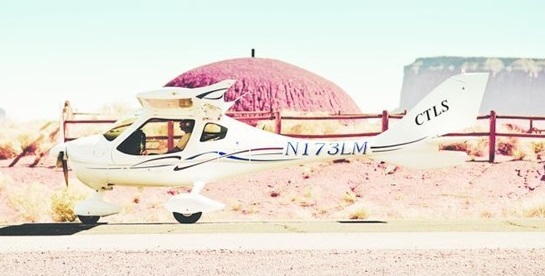
In 2012 Flight Design had 11 registrations in the US. CTLSi (with the fuel-injected Rotax 912iS engine) are selling well, and the CTLS, MC and CTLS-Club models continue in the popular lineup. 2012 Prices: US$156,500 (CTLSi); US$143,800 (CTLS); US$136,860 (CTLS-Club).
CTLS
CT 180 Engine: Rotax 912, 80 hp Wing span: 9.30 m Wing area: 10.80 sq.m MAUW: 450 kg Empty weight: 275 kg Fuel capacity: 100 lt Max speed: 225 kph Cruise speed: 210 kph Minimum speed: 64.4 kph Climb rate: 5 m/s Certification: VZ Seats: 2 Fuel consumption: 15 lt/hr Price (1998): 60 000 DM
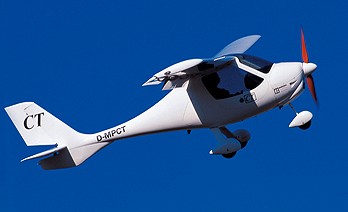
Flight Design CT Engine: Rotax 912S, 100@SL TBO: 1500 hrs. Fuel type:100/100LL Propeller: Neuform FP Landing gear type: Tri./Fixed Max ramp weight: 1320 lb Gross weight: 1320 lb Landing weight: 1320 lb Empty weight, std: 646 lb Useful load, std: 674 lb Useful fuel, std: 34 USgals Payload, full std. fuel: 470 lb Wingspan: 28 ft Overall length: 20 ft. 4 in Height: 7 ft. 11 in Wing area:107 sq. ft Wing loading: 12.3 lbs./sq. ft Power loading: 13.2 lbs./hp Wheel size: 6.00 x 6 in Seating capacity: 2 Cabin doors: 2 Cabin width: 49 in Cruise speed 75% power: 112 kt Max range (w/ reserve) 75% power: 600 nm Fuel consumption 75% power: 4.5 USgph Vso: 39 kt Best rate of climb SL: 960 fpm Service ceiling: 14,000 ft Takeoff ground roll: 295 ft Takeoff over 50-ft. obstacle: 525 ft 2006 price: US$92,900
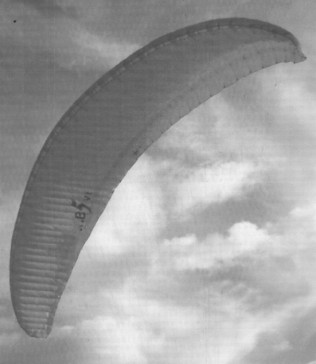
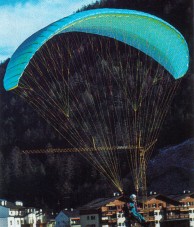
B4 VT 23 Paraglider circa 1998. Wing area: 24.2 sq.m Certification: Afnor Pilot weight: 65-85 kg No. of cells: 66 Wing span: 12 m Aspect ratio: 6 Min sink: 1.1 m/s Max speed: 51 kph Price (1998) £ 2400
B4 VT 26 Paraglider circa 1998. Wing area: 27.8 sq.m Certification: DHV 3GH / Afnor Pilot weight: 81-105 kg No. of cells: 66 Wing span: 12.9 m Aspect ratio: 6 Min sink: 1.1 m/s Max speed: 51 kph Price (1998) £ 2500
B4 VT 30 Paraglider circa 1998. Wing area: 31.2 sq.m Certification: DHV 3 / Afnor Pilot weight: 95-125 kg No. of cells: 66 Wing span: 13.7 m Aspect ratio: 6 Min sink: 1.1 m/s Max speed: 51 kph Price (1998) £ 2600
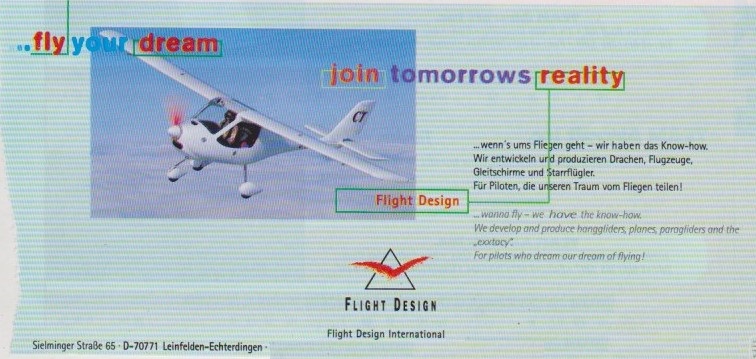
Offered the CT two-seat very light composites cabin lightplane (first flown 1996 and produced in association with Albert Schulze-Oechterding from ASO Flugsport), hang gliders and paragliders.
Flight Design entered receivership in 2016. Work on the C4 had come to a standstill after the company ran into financial difficulty. Production had also slowed to a trickle as the company workforce was trimmed to 10 people in Germany and around 60 in the Ukraine.
German investment group Lift Holding purchased Flight Design in 2017, allowing for the resumption of production of the C4. Flight Design completed the sale of all major company assets to the German investment group Lift Holding, allowing for the resumption of work on the C4, a Part 23-certified four-seater with a projected selling price of $250,000.
The newly realigned company was to be based at a new facility near Eisenach in the Thuringia region of Germany. The company will now be called Flight Design General Aviation GmbH. Lift Holding will combine the technical expertise of Flight Design with its other recently acquired aviation asset, gyrocopter producer Rotorvox. Both companies were to be headquartered at the Kindel Airport near Eisenach.