Founded in 2018, Aura Aero has already made notable steps forward towards certification and commercialisation of its light aircraft family – becoming a certified aircraft manufacturer in October 2023 following receipt of EASA Part 21J approval.
Author: Terry
TL Ultralights TL Stream

In 2025 Czech aircraft manufacturer TL-Ultralight gained UK Type Approval for its tandem Stream light sport microlight aircraft. This accomplishment follows over two years of development in collaboration with the UK Civil Aviation Authority (CAA), the British Microlight Aircraft Association (BMAA), and TL’s UK agents, TL-Sting UK Limited.
The United Kingdom is the first country outside the Czech Republic to grant approval for the Stream, following a UK BCAR Section S standard certification.
Cubcrafters Carbon Cub UL

In 2025 American manufacturer CubCrafters commenced production of the first microlight version of its popular Carbon Cub, named the Carbon Cub UL. The 160hp two-seater is powered by a Rotax 916iS and will be available in the US as a factory-built Light Sport Aircraft (LSA) and as a ‘factory builder assist’ Experimental Amateur Built (EAB) aircraft.
By using carbon-fibre in its construction, CubCrafters has reduced the empty weight to 390kg which, meeting the LSA maximum all-up weight of 600kg, provides a useful load of 210kg. The company stated that the UL is specifically designed to comply with the new Modernization of Special Airworthiness Certification (MOSAIC) rules, expected to be introduced by the FAA later this year. It also fits into the UK’s 600kg Light Sport Microlight category.
Engine: Rotax 916iS
Maximum cruise: 113kt
Stall speed: 28kt
Takeoff roll: 15m
Landing roll: 27m
Avro Canada CF-100 Article
Back to Avro Canada CF-100

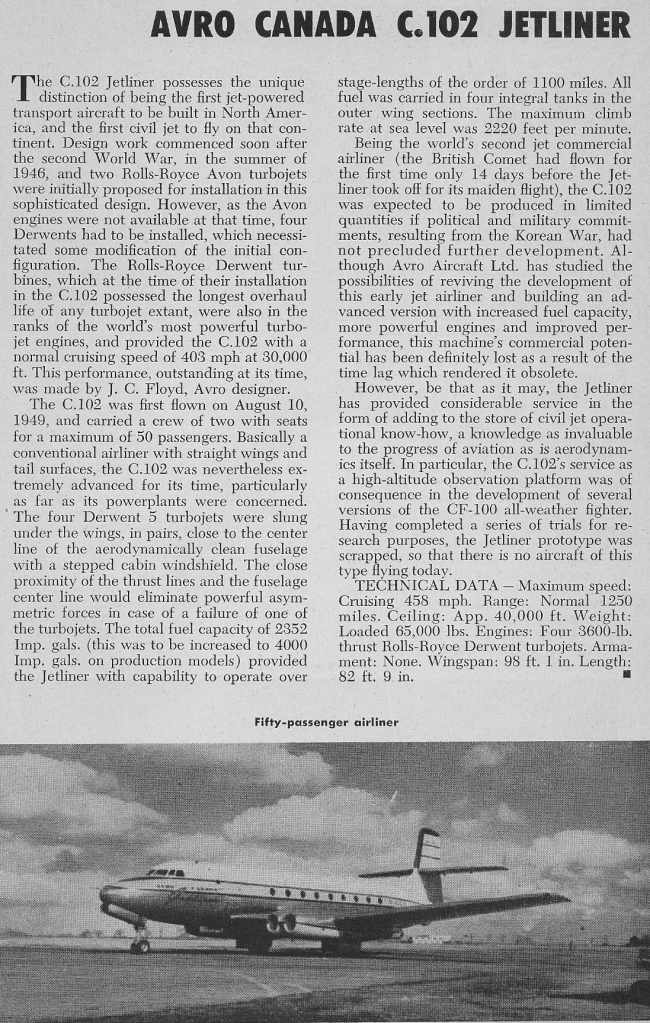
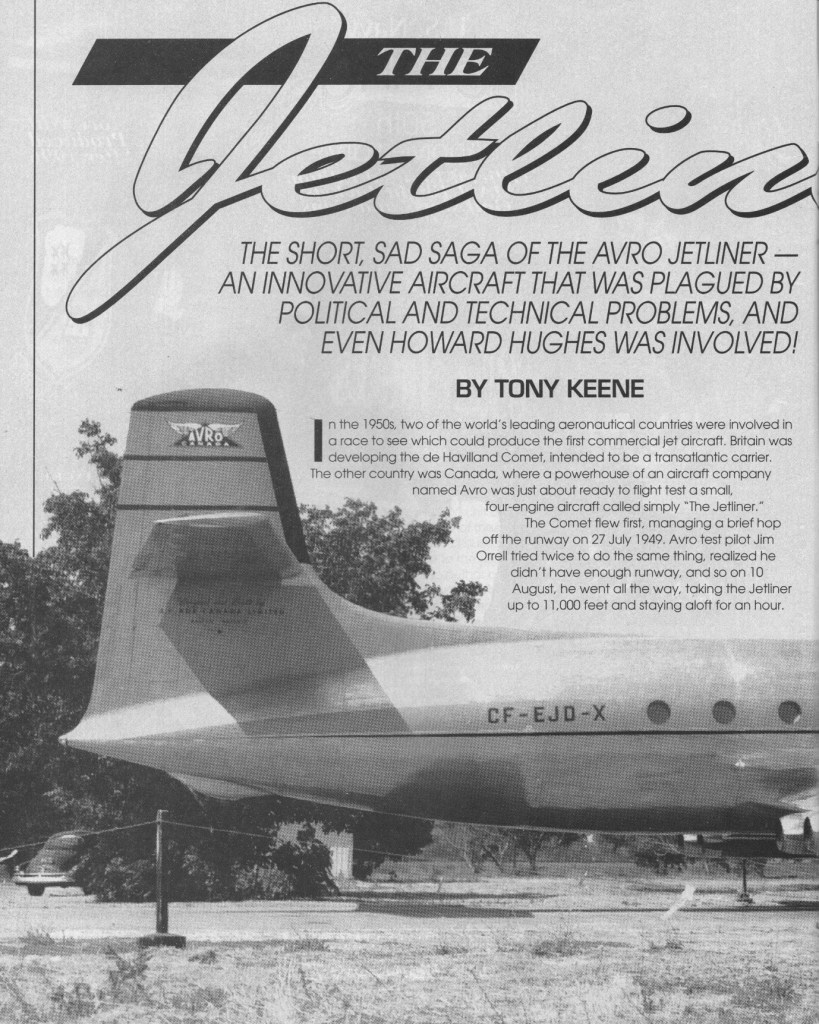
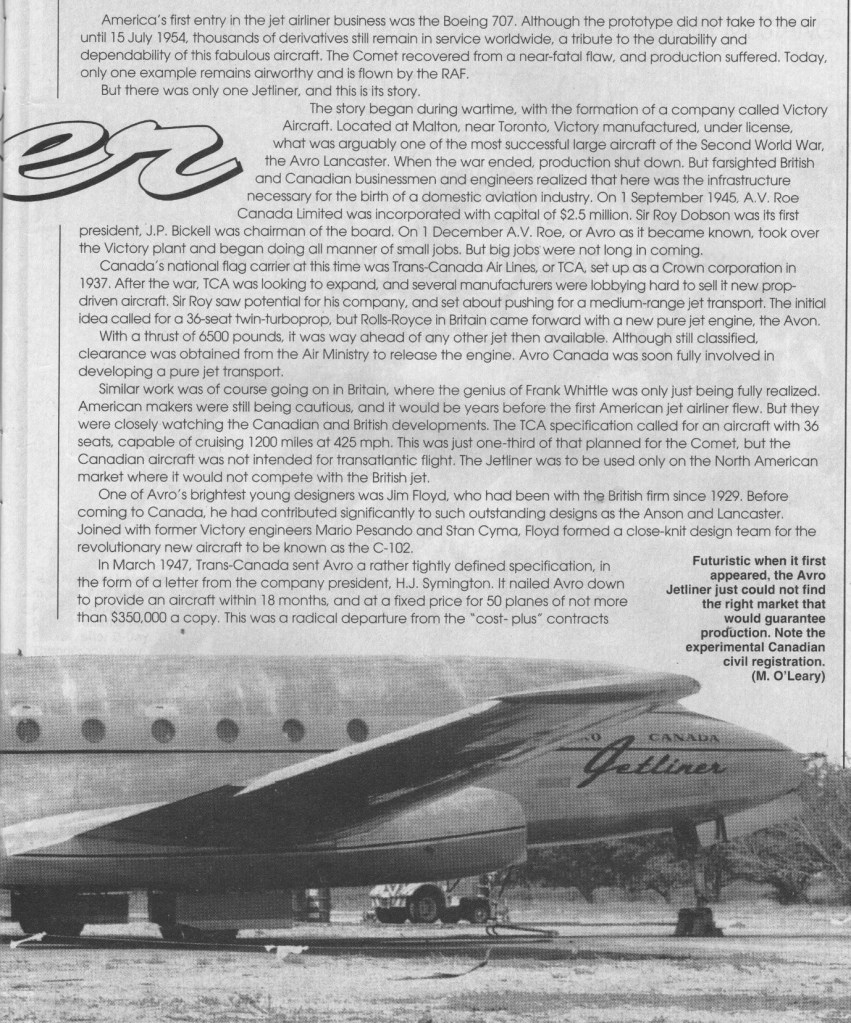
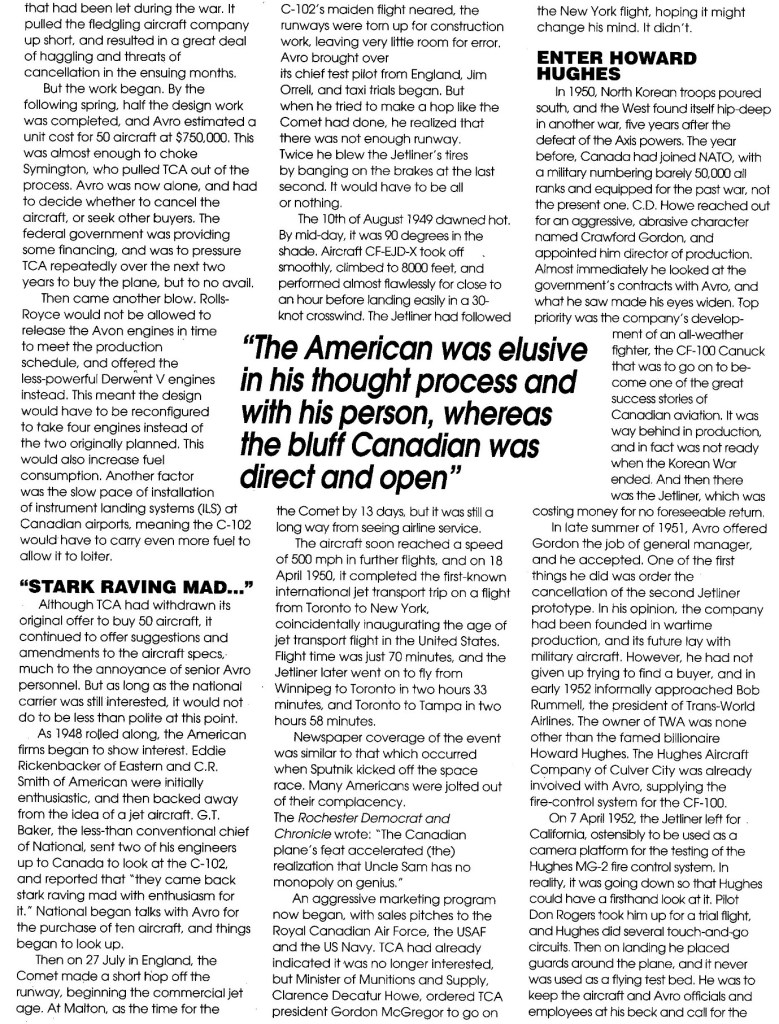
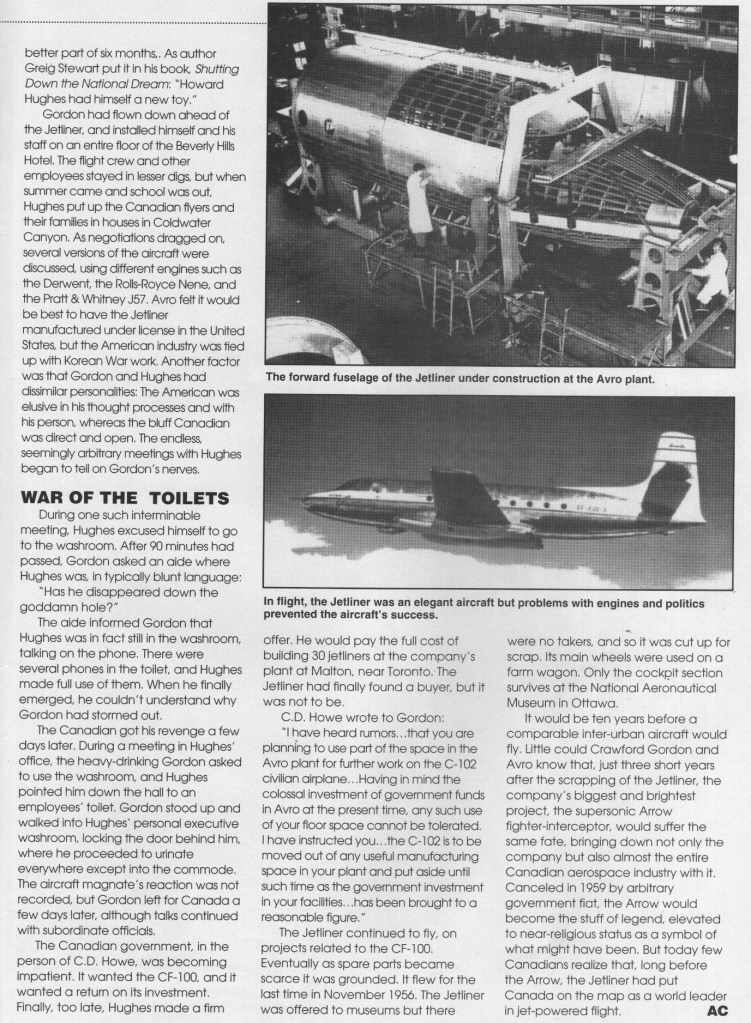
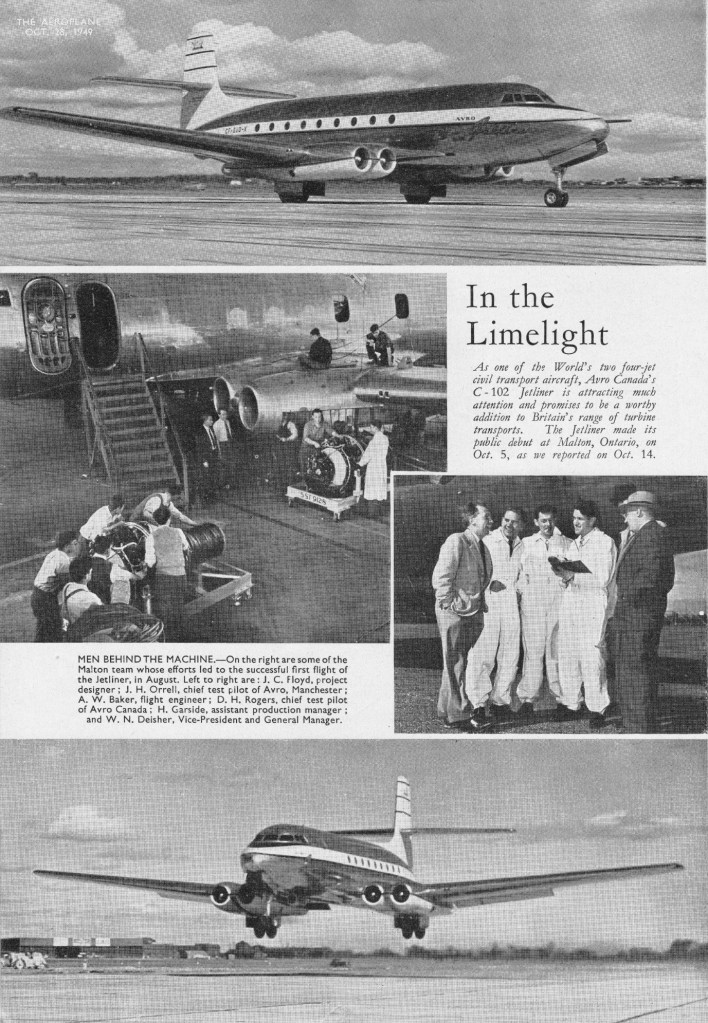
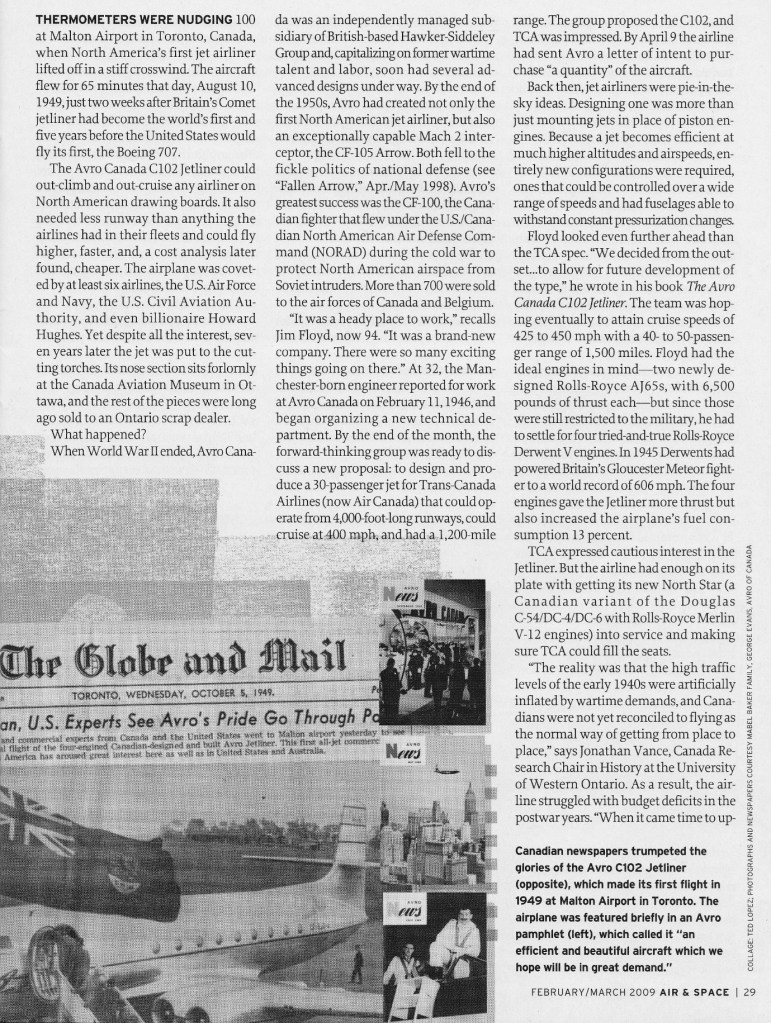
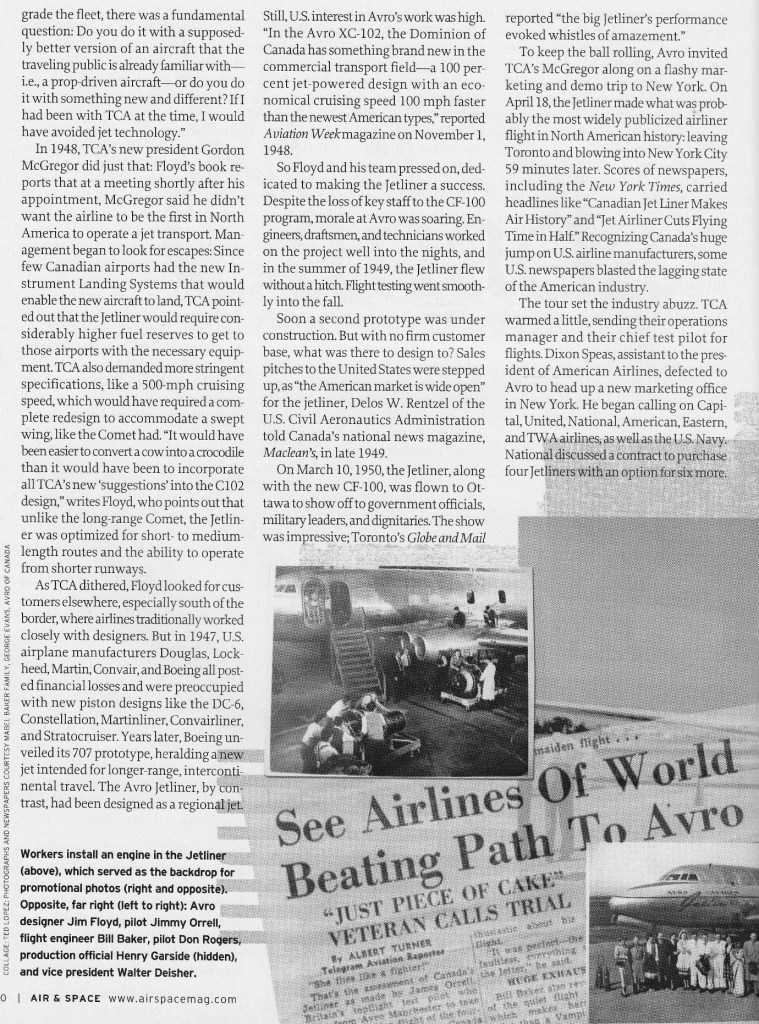
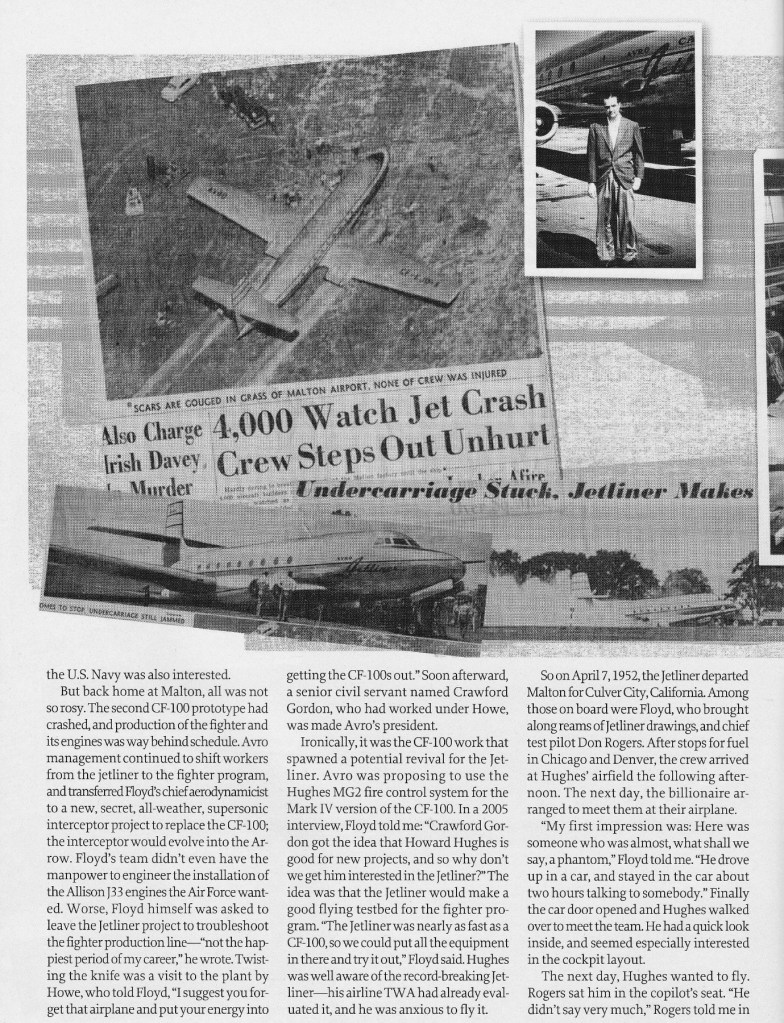
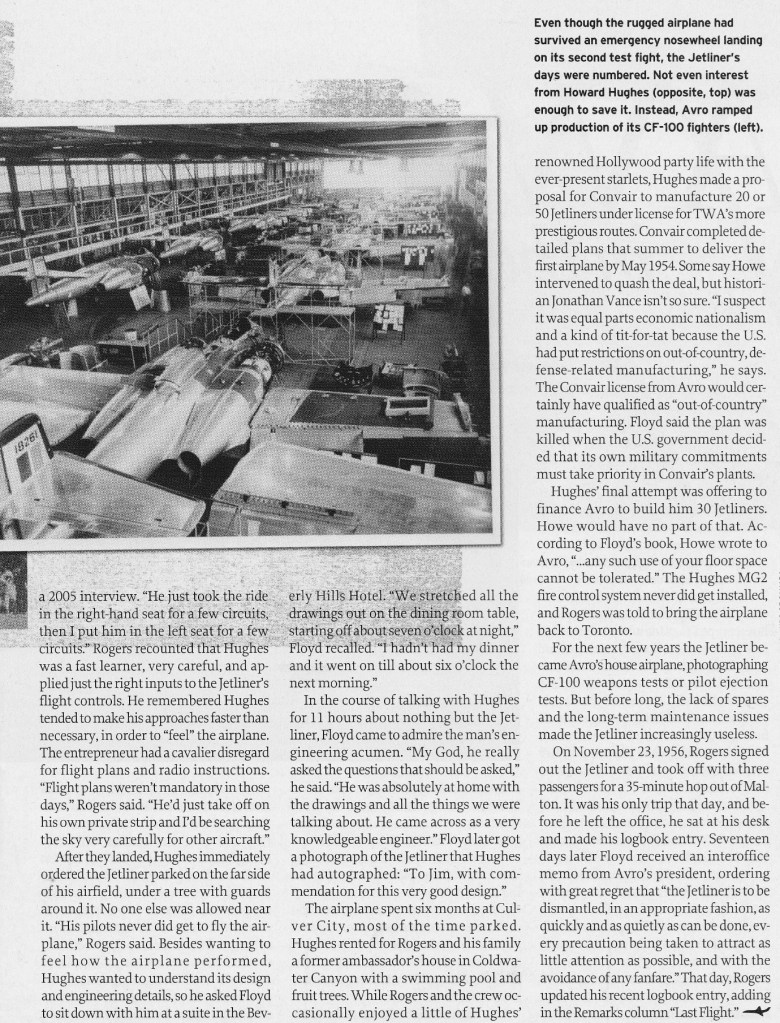
Avro Canada C-102 Article

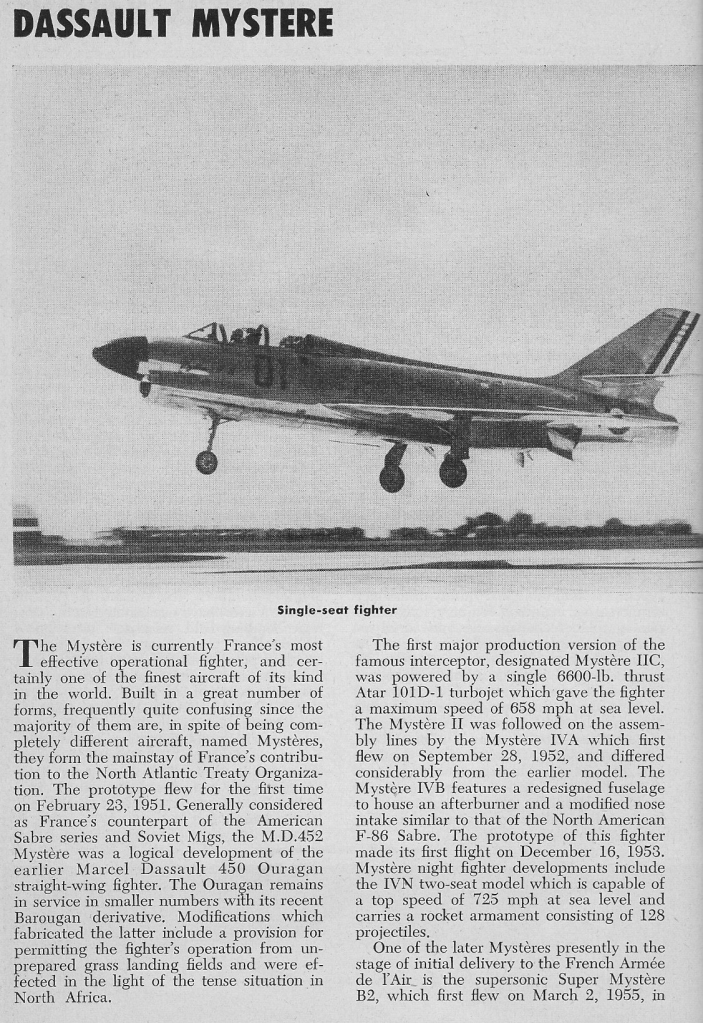
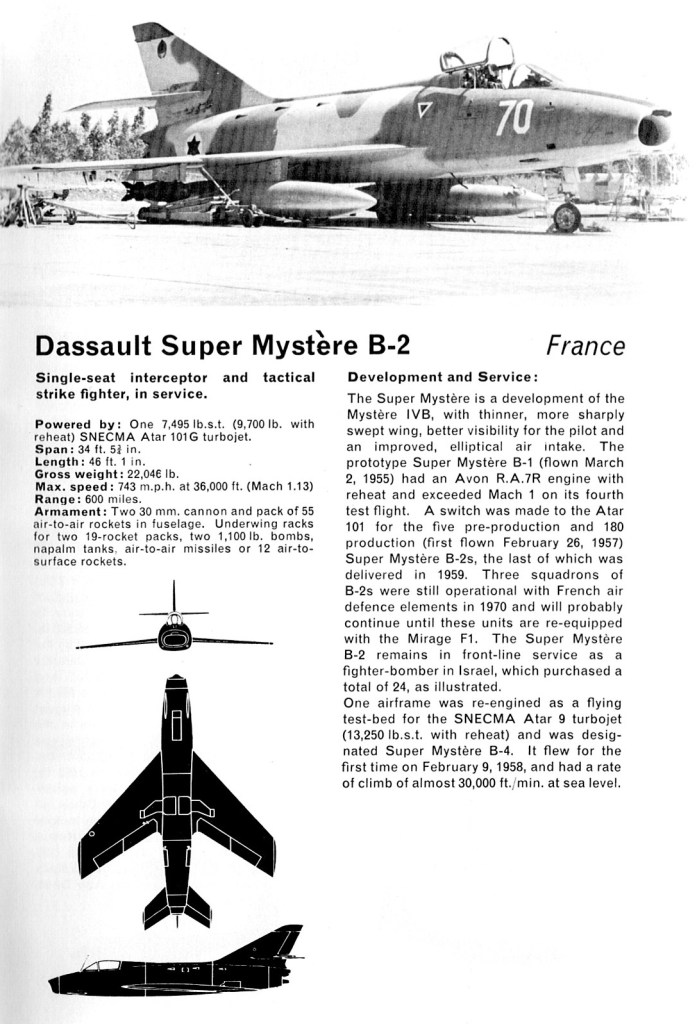
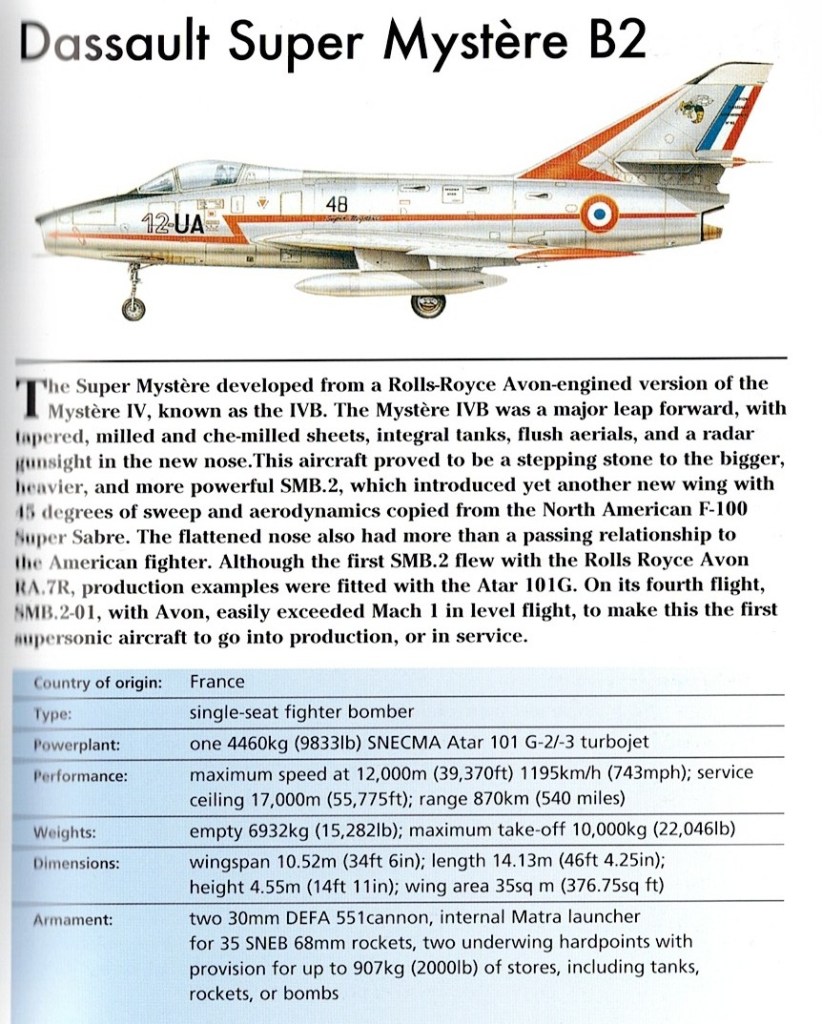
Dassault Super Mystere Article

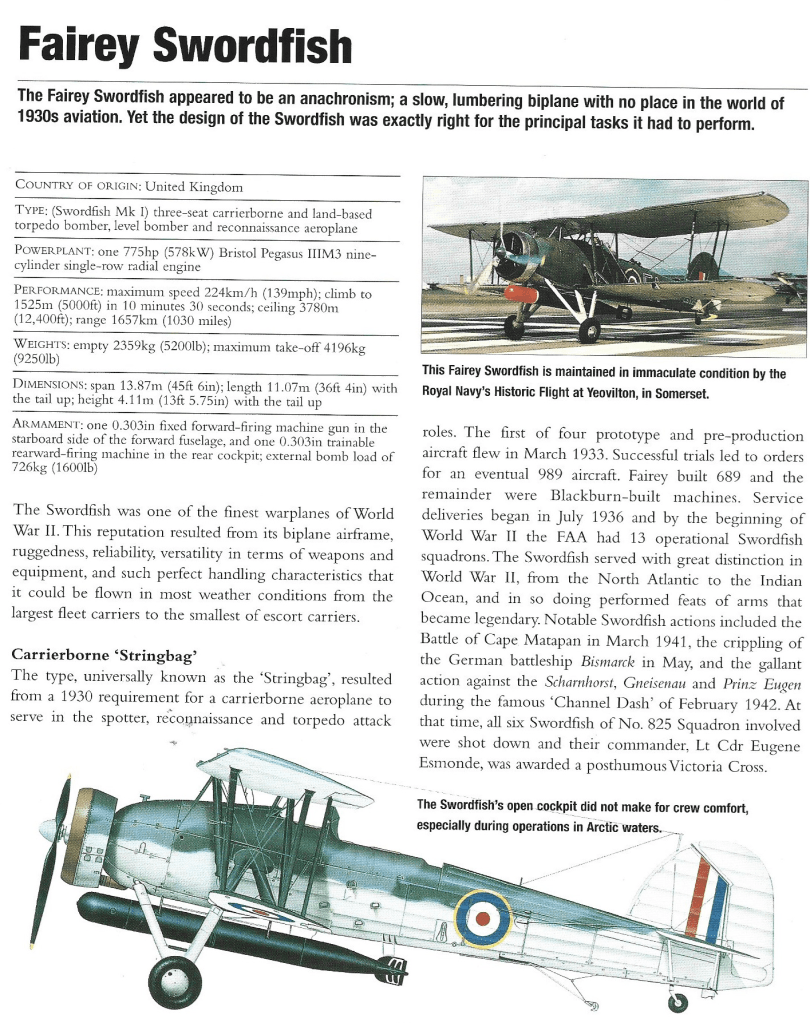
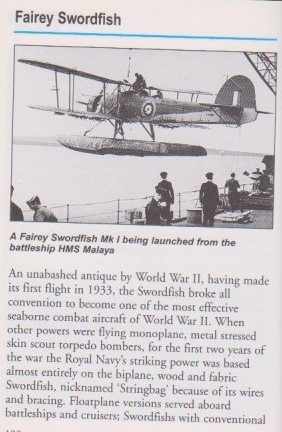
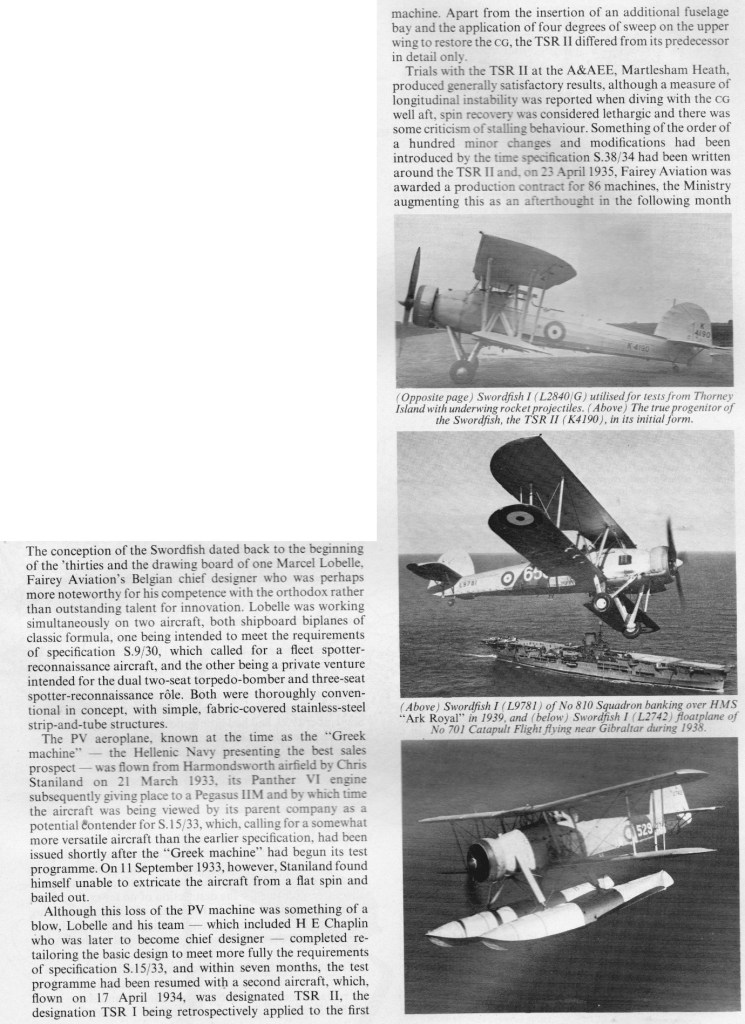
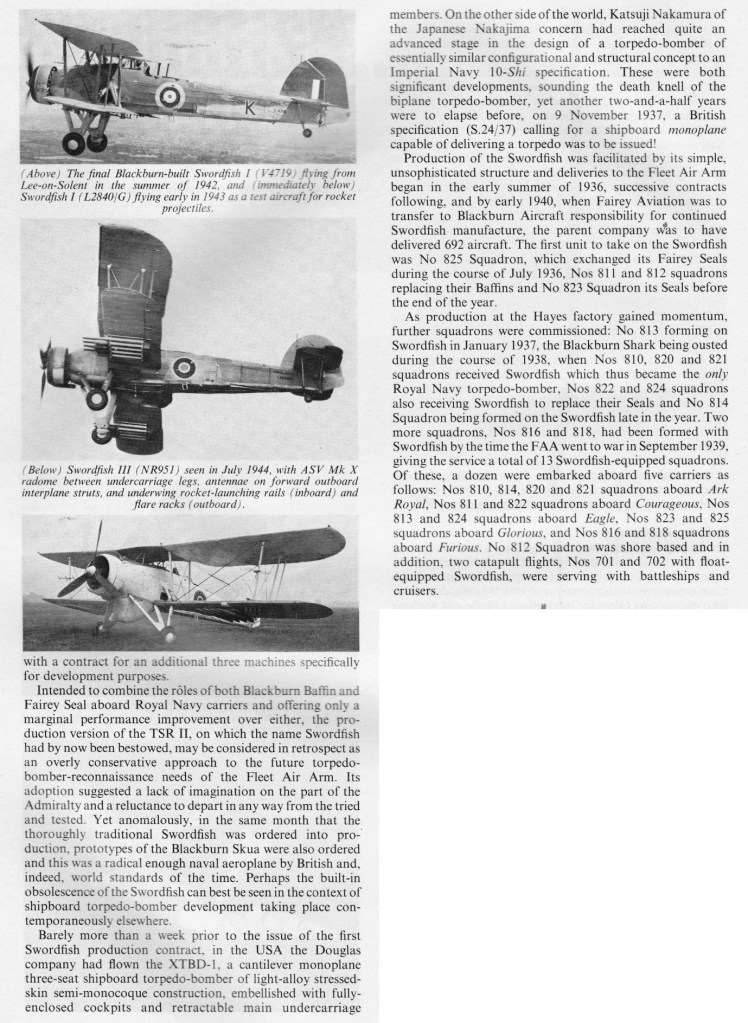
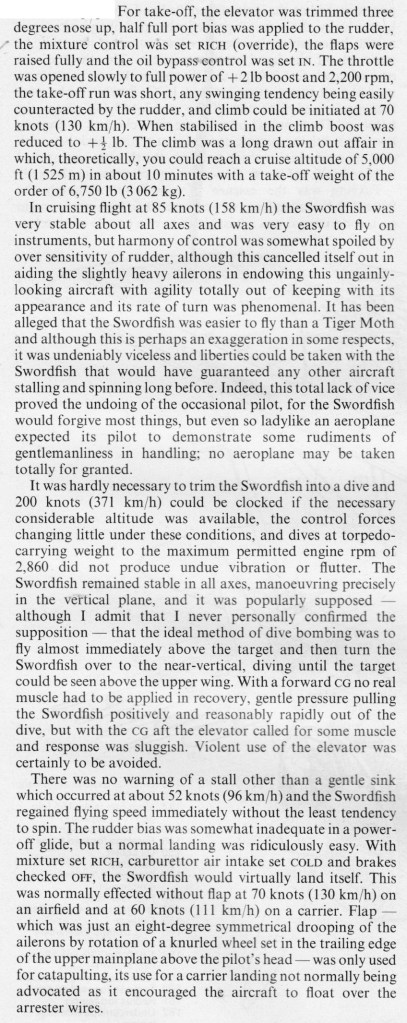
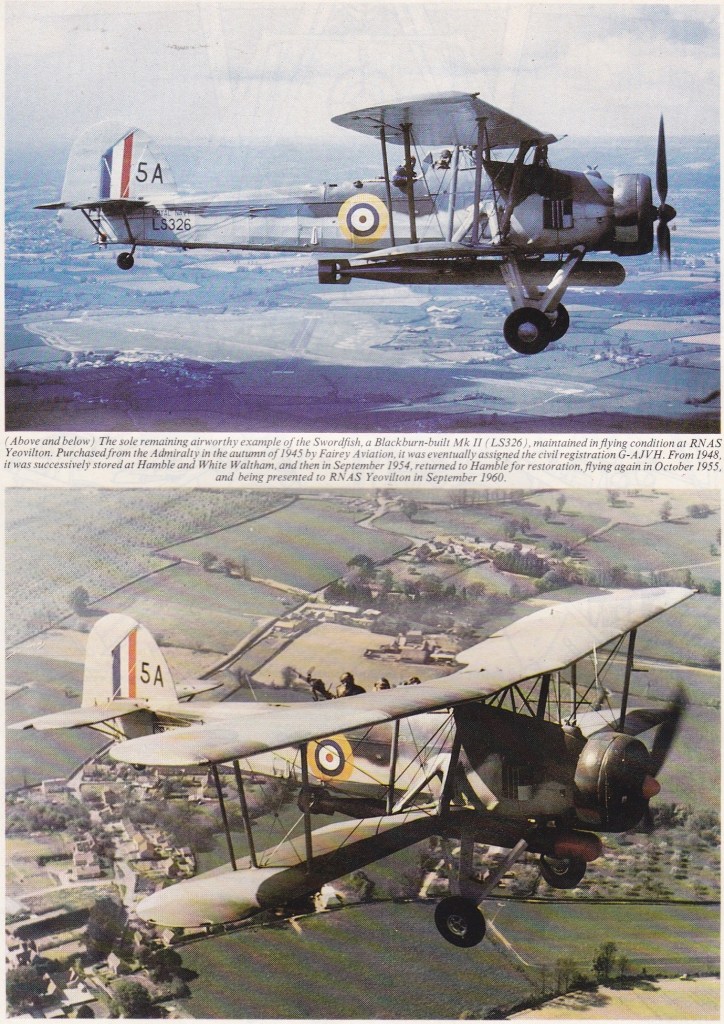
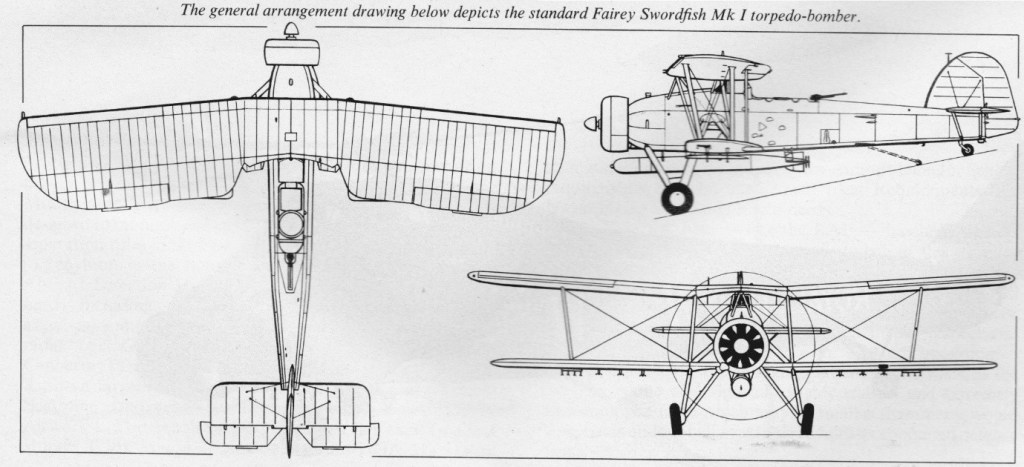
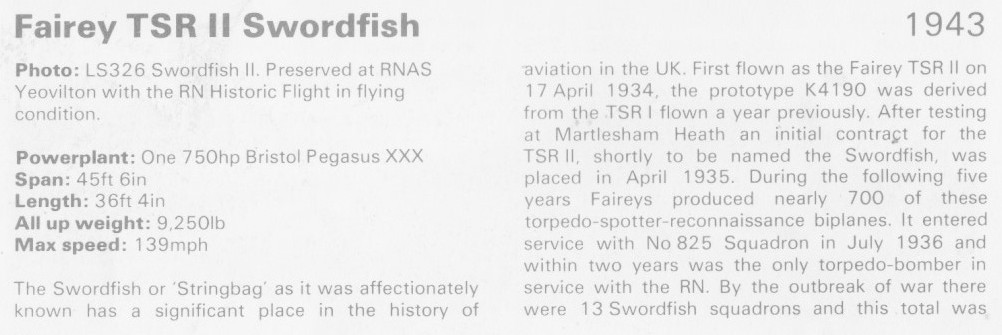
Fairey TSR.II / Fairey Swordfish Article




Fairey FD.2 Delta Article
Back to Fairey FD.2 Delta
Bell V-280 / MV-75 Valor

The V-280 Valor first took to the sky in 2017, and logged over 200 hours of flight time before the prototype was grounded in 2021. Bell has claimed that the aircraft is capable of top speeds of up to 280 knots with a range of up to 800 nautical miles, double the top speed and operational range of the Black Hawk. The Valor can also reportedly carry 23% more troops and 25% more cargo than the Black Hawk.
The biggest difference between the Black Hawk and the Valor is, of course, the tiltrotors. While it looks similar to the V-22 Osprey, the Valor works somewhat differently. The engines remain in place in nacelles, streamlined containers, on the wing — it’s the rotors themselves that tilt up and down. They’re also what give the aircraft its high speed, which is more than 100 miles per hour faster than the Black Hawk’s top speed of 222 miles per hour.
With a crew of four, along with up to 14 passengers, the Valor would replace the Black Hawk in its myriad of missions, from carrying supplies to air assault missions to medical evacuation. The more than three years of flight testing, which included Army test pilots, with the Valor prototype demonstrated its flight capabilities, survivability, and sling loading ability, according to Bell.
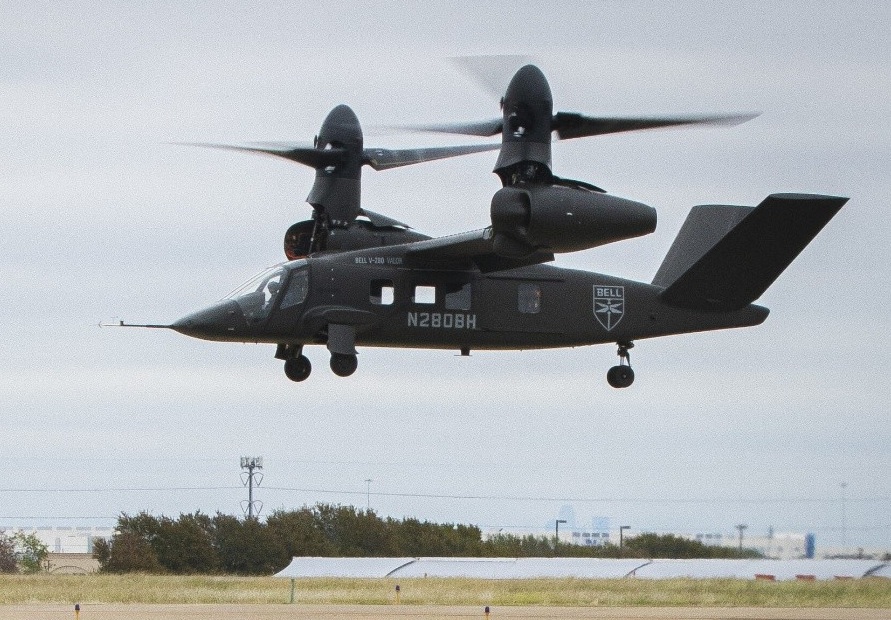
The Valor has a wider footprint than the Black Hawk, but is 20% shorter, which Bell said gives it greater flexibility in landing.
U.S. Special Operations Command said that the V-280 was changed in development to allow it to carry more weight, with the intention of making it more easily convertible for use by special operations units. The Army’s 160th Special Operations Aviation Regiment currently uses MH-60M variants of Black Hawks, which require extensive modifications to be mission ready.
Bell’s V-280 Valor, was selected in 2022 as the winner of the Army’s Future Long-Range Assault Aircraft competition. The vertical take off and landing craft has two engines and is designed for both assault and transport purposes. The newly designated MV-75 is meant to eventually replace the Army’s H-60 Black Hawk helicopters, including in special operations missions.
The initial contract, for $232 million, is to continue development of the aircraft, but then expands to $1.2 billion and then perhaps as much as $7 billion to begin building the new fleet of Valor aircraft that will begin replacing the Black Hawk in the mid-2030s. The Army operates roughly 2,000 Black Hawk helicopters, which have been in use since the 1970s. The Army previously said it expects to field the MV-75 by 2030. The MV-75 designation is an homage to the year 1775, the birth year of the U.S. Army.
The initial testing by the 101st Airborne Division will be used to shape MV-75 tactics and doctrine.