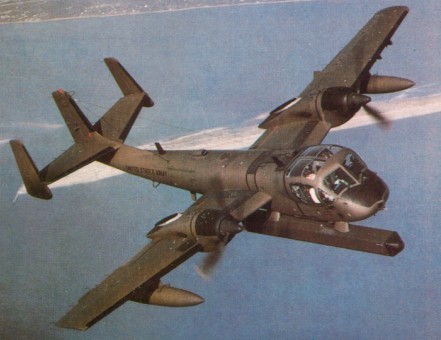
Grumman OV-1 Mohawk

OV-1D

The first of 380 Grumman Mohawk battlefield surveillance aircraft made its first flight on April 14,1959 at Bethpage, New York.

Grumman OV-1 Mohawk Article

Initial variants were reasonably unsophisticated but progressive modification efforts over the years have brought about a significant improvement in its sensor systems. The first production model to see service was the OV-1A, essentially intended to fulfil photographic reconnaissance duties by day or night, being fitted with cameras, flares and advanced navigation equipment.

The type entered service with the US Army in February 1961 and became a stalwart of the Vietnam conflict. Six JOV-1As with additional under-wing weapon stations to take an incredible arsenal, including Sidewinder heat-seeking missiles, were evaluated in South East Asia.

Grumman OV-1 Mohawk in Vietnam

It was succeeded by he OV-1B which was the first model to incorporate SLAR (Side-Looking Airborne Radar), this AN/APS-94 equipment being housed in a prominent pod carried externally under the lower starboard forward fuselage.

The next derivative was the OV-1C, which utilised the AN/AAS-24 infra-red sensor in place of the SLAR gear, while the final new-build member of the family was the OV-1D, basically a quick-change aircraft capable of operating with either infra-red or SLAR sensors. The standard OV-1D is equipped with infrared or radar sensors in addition to two panoramic cameras (horizontal and vertical) and one vertical/oblique camera, plus inertial navigation systems and full communication navigation packages. Deliveries of the OV-1D terminated in 1970, bringing total production to 375. Additional OV-1Ds were made available by the relatively simple conversion of most of the 100-plus OV-1Bs and OV-1Cs which remained.

A number of other derivatives appeared, including the RV-1D and the EV-1E, The former version is a conversion of the OV-1B specifically intended for Elint (electronic intelligence) duty, the dozen or so aircraft known to exist being fitted with a multiplicity of passive receivers, analysers and recorders to gather unknown or ‘hostile’ signals. The EV-1E, again a rebuilt OV-1B, is fitted with AN/ALQ-133 ‘Quick Look II’ surveillance radar, additional Elint equipment and electronic warfare pods. At least 16 conversions have been produced.

The latter type was also converted into the dedicated electronic intelligence gathering RV-1D. Israel received two OV-1Ds for use in the mid-1970s, with the designation EV-IE attributed to them. The only other export customer was Argentina, which still operates a small number of OV-IDs. Production ended in late 1970 after 265 were built and the US Army retired its Mohawks in 1996.
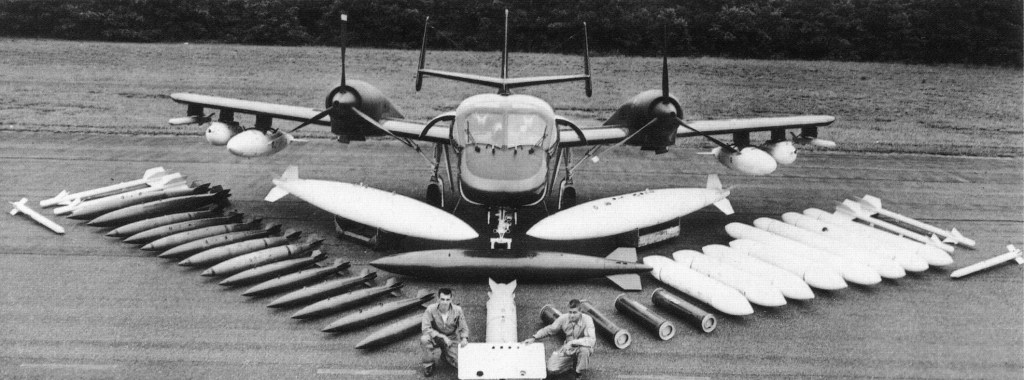
JOV-1A

Israel’s air force has received two OV-1Ds, and continued updating effort should result in updated or converted OV-1Ds for various customers, including Pakistan and the US Army.

The JOV-1B was an armed version used in Vietnam. Israel operated two EV-1Es equipped for ELINT surveillance.

The Army maintained a Mohawk fleet at 110 OV-lDs and 28 RV-1D electronic-intelligence-gathering aircraft.

Gallery

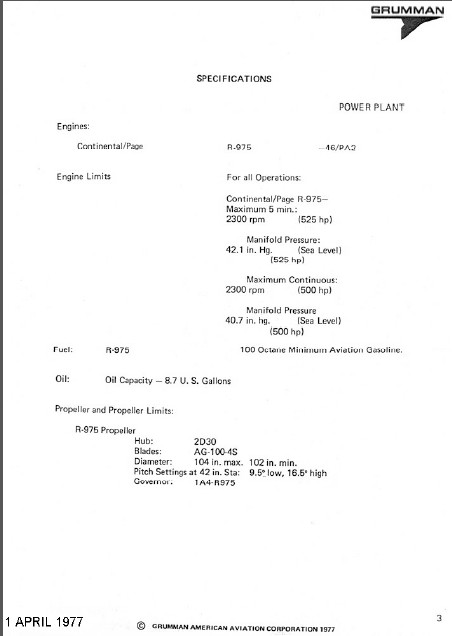
Engine: 2 x Lycoming T-53-L-7, 810kW
Max take-off weight: 5546-7365 kg / 12227 – 16237 lb
Empty weight: 4339 kg / 9566 lb
Wingspan: 12.8 m / 41 ft 12 in
Length: 12.5 m / 41 ft 0 in
Height: 3.9 m / 12 ft 10 in
Wing area: 30.7 sq.m / 330.45 sq ft
Max. speed: 558 km/h / 347 mph
Cruise speed: 345 km/h / 214 mph
Ceiling: 10700 m / 35100 ft
Range w/max.fuel: 2770 km / 1721 miles
Crew: 2

OV-1D
Engines: two Avco Lycoming T53L-701 turboprops, 1,400 hp (1044 kW)
Maximum speed 465 km/h (289 mph)
Range 1520 km (944 miles)
Empty weight 5467 kg (12,053 lb)
Maximum take-off 8214 kg (18,109 lb)
Wing span 14.63 m (48 ft 0 in)
Height 3.86 m (12 ft 8 in)
Wing area: 30.66 sq.m (330 sq ft)
Length (with SLAR) 13.69 m (44 ft 11 in).
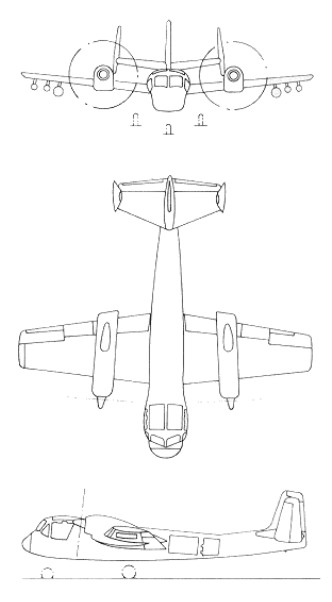
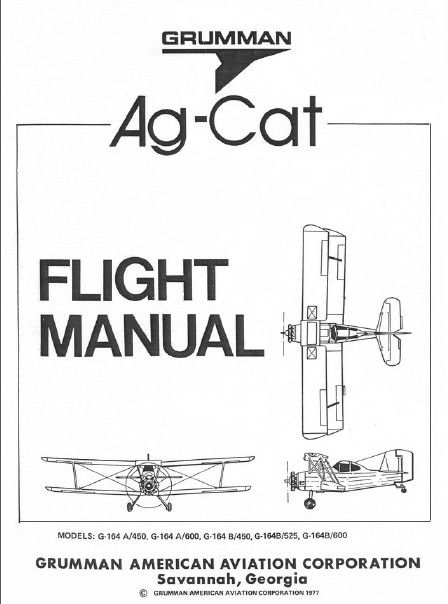
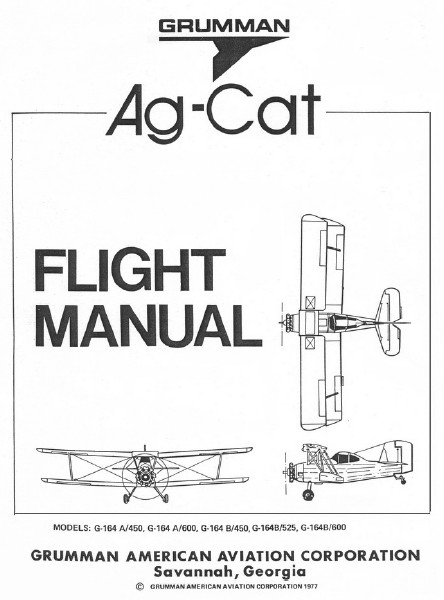
Grumman G-164 Ag-Cat / Agro Aircraft Eshet

Ag-Cat B

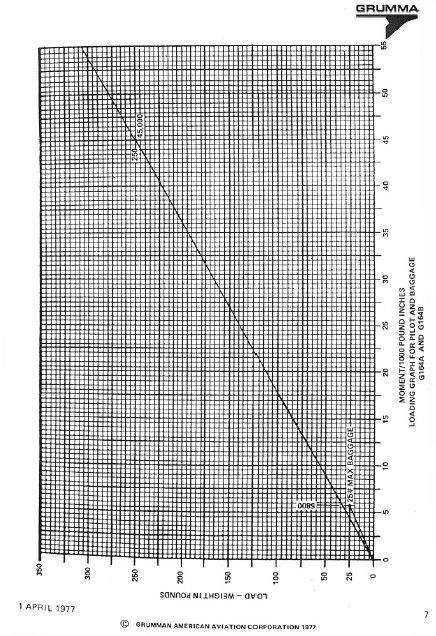
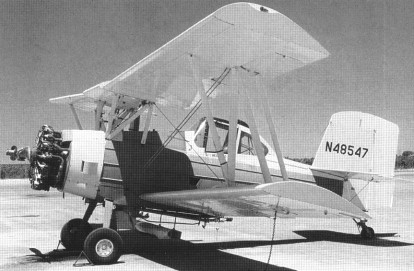
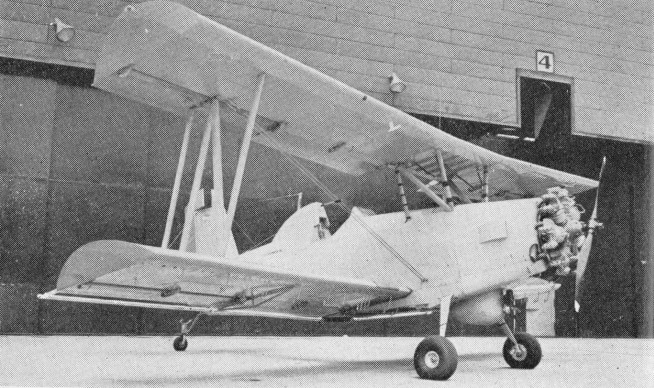
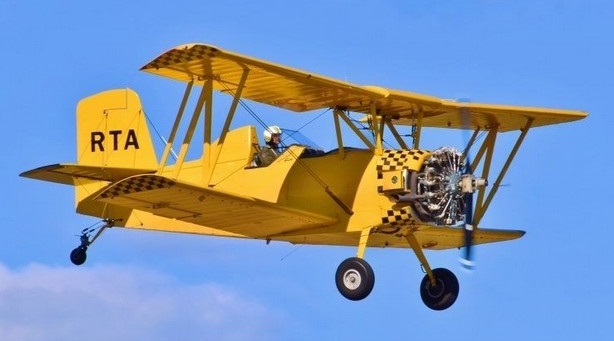
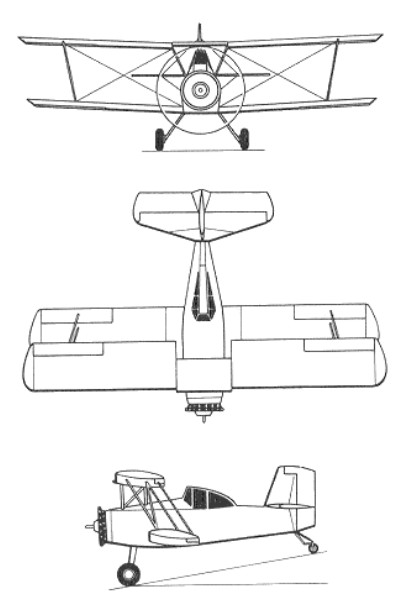
The Grumman Aircraft Corporation designed the G-164 Ag-Cat in the middle of the l950s but only built two aircraft, the first, N74054 (#X1) being flown on 27 May 1957, as later that year Grumman contracted the Schweizer Aircraft Corporation of Elmira, in New York State, to build 100 aircraft. The first of these, N10200, was flown on 17 October 1958 and the Grumman G-164 Ag-Cat was certified by the FAA in the restricted category in January 1959. The engine for the prototypes and early production aircraft was the Continental W670-6N seven-cylinder radial of 220 hp. Because of its lighter weight than other engines, the longer engine mounts were cowled and gave the Ag-Cat a length of 24 feet and six inches. The wing-span was 35 ft8 in.
The first twenty-odd aircraft had flat fuselage side panels, rather than the more familiar ribbed panels. These early model aircraft were fitted with 215 US gallon hoppers.

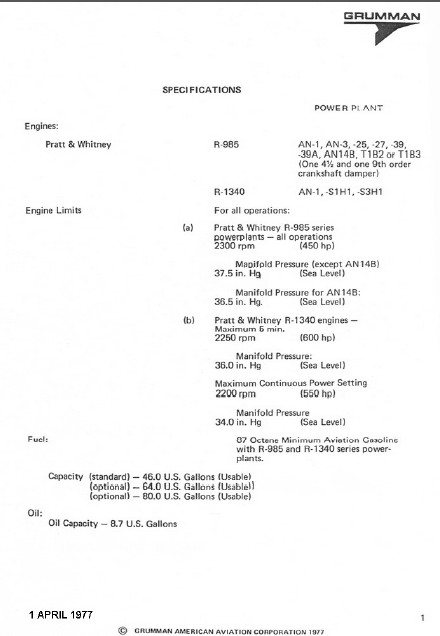
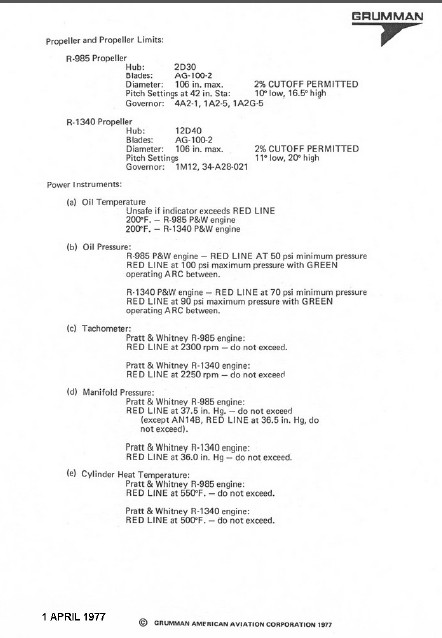
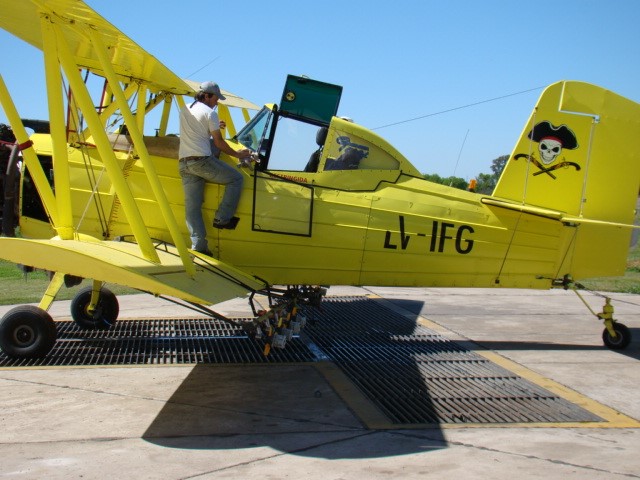
The G-l 64 was also certified for the 220-225 hp Gulf Coast W670-240 (a modified Continental tank engine) and the 245 hp L4M or L4MB, 275-300 hp Jacobs R-755. Once with operators, some aircraft were converted to the 450 hp Pratt & Whitney R-985 or the 600 hp R-1340, the latter readily recognised by extremely short engine mounts. Aircraft in the serial range 301-400 were built new with a 300 hp Jacobs R755 and an aluminium hopper of 245 US gallons installed. Nearly all of these aircraft were fitted with an enclosed canopy, which were also retrofitted to earlier aircraft.
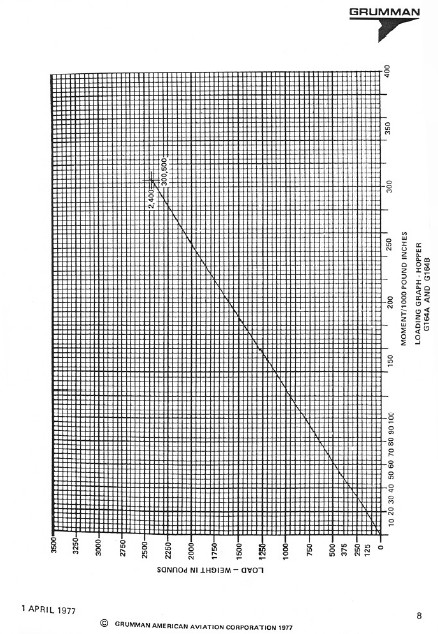
Production of the G-164A Super Ag-Cat, with the P&W R-985 and a 300 US gallon fibreglass hopper, began in 1966 with number 401, N895X. The R-1340 engine was also fitted to these aircraft. Production of the G-164A ended at number 1730 with N6894Q.

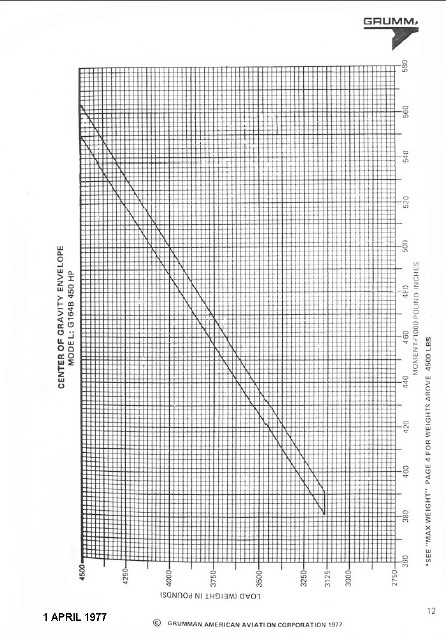
In 1974 Grumman American announced a new model Ag-Cat. The wingspan had been increased from 36 feet to 42 feet 3 inches, but the hopper size remained at 300 US gallons and the new model was introduced with the 450 hp R-985 and, again, the R-1340 was later fitted. The recognition feature of the G-164B was the broad cord fin and rudder. With the R-985 installed the length of the G-164B is 25 feet, 7 inches. N88348 (#1B) was the first G-164B completed and over 800 were manufactured before production ended. The G 164B was certified under the A model banner.
In 1976 a stretched version, the G-164C, was flown and put into production. This was followed by the many turbine conversions.
Grumman American introduced in 1978 the Ag Cat C duster, powered by a 600 hp Pratt & Whitney radial. It carries a 500 galIon hopper the biggest dustbin available in any production agplane. In February 1976 the Super Ag-Cat C was flown, and in November 1977 was certificated; it has a deeper and longer fuselage accommodating a 500 US gallon hopper.

The factory PT6 turbine conversion kit weighing in some 230 kgs lighter, is around 10 to 12 knots faster and the PT6 power will enable a full load of 1500 litres to be carried for most operations. Fitted will be a three bladed Harztell prop, providing for a quieter operation and a reversing capability if ever required.
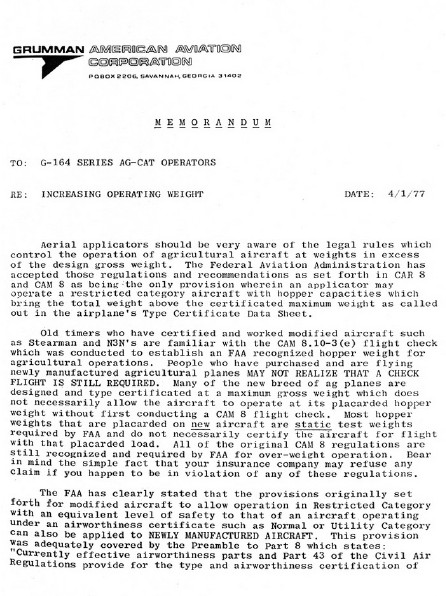
Although the Grumman Aircraft Engineering Company designed the Ag-Cat, built the two prototypes and marketed the type (subsequently through its subsidiary Grumman American Aviation Company), Schweizer Aircraft Corporation manufactured all the production Ag-Cats. Schweizer built 1400 aircraft between 1959 and 1975 and, with the exception of the engine fitted, the appearance of Grumman’s Ag-Cat hardly changed. In 1978 Gulfstream American bought Grumman American, and in 1979 a dual trainer Ag-Cat was shown at the Paris Air Show, although this was apparently designed and manufactured by some other company.

By 1979 Schweizer had produced 2,455 Ag-Cats at its Elmira, New York factory: 1,730 G-164As, 659 G-164Bs, 44 G-164Cs, and 22 G-164Ds – Super Ag-Cat Cs with a PT6A turbo-prop.

Reported in March 1979 was the Gulfstream American Ag-Cat B fitted, by Page Industries, with a 600 shp Lycoming LTP 101 turboprop. First flight of the prototype was made on 22 November 1978 and the installation was notable for being 34 in / 86.4cm shorter than the PT6 in the Ag-Cat. Another installation in an Ag-Cat, flight tested late 1978, was a 650 hp liquid-cooed Vee engine developed by Stage II from the Chrysler “hemi-head” auto engine and offering less drag than the Ag-Cat’s usual radial. Mid-Continent of Hayli, Missouri fitted a 1200 hp Wright Cyclone R-1820 in an Ag-Cat to produce the King Cat, which will take off at its 9500 lb / 4313 kg gross weight from a 1000 ft / 305 m strip.

In 1981 Schweizer bought the Ag-Cat manufacturing and marketing rights from Gulfstream American, and produced an improved G-164B known as the Ag-Cat B-Plus and powered by either a 450-hp R-985 or a 600-hp R-1340 Pratt & Whitney nine-cylinder radial.

A Hershy FatCat modification widens the fuselage and raises the top wing some 8 inches.
Some have been powered by a Walter 601-F-II turbine engine delivering 750 hp using a five-bladed propeller, or the 600 hp Polish PZL 3S radial, and at least one has been equipped with two Lycoming TIO-540s, in separate Piper Seneca cowlings, mounted side-by-side, in the nose.

Ethiopian Airlines sc Company’s Agro Aircraft Manufacturing division produced the Ag-Cat Corporation Ag-Cat G164B Turbine under the name Eshet for distribution and operation in Ethiopia and African countries except Algeria, South Africa, and Tunisia.
Admas Air Service in Ethiopia has produced over 10 Grumman Ag-Cats under licence from Schweitzer.

Courtesy Jorge

Development: Frakes Turbo Cat

Gallery

G-164 Ag-Cat
Engine: Jacobs, 300 hp.
Useful load: 1800 lbs.

G-164A Ag-Cat
Engines: P&W R-985, 450 hp.
Seats: 1.
Wing loading: 18.52 lb/sq.ft.
Pwr loading: 13.5 lb/hp.
Max TO wt: 6075 lb.
Empty wt: 2870 lb.
Equipped useful load: 3168 lb.
Payload max fuel: 2688 lb.
Range max fuel/ 75% pwr: 244 nm/ 2.8 hr.
Service ceiling: 13,000 ft.
Hopper cap: 300 USG.
75% cruise: 89 kt.
Working speed: 89 kt.
Working endurance: 3.4 hr.
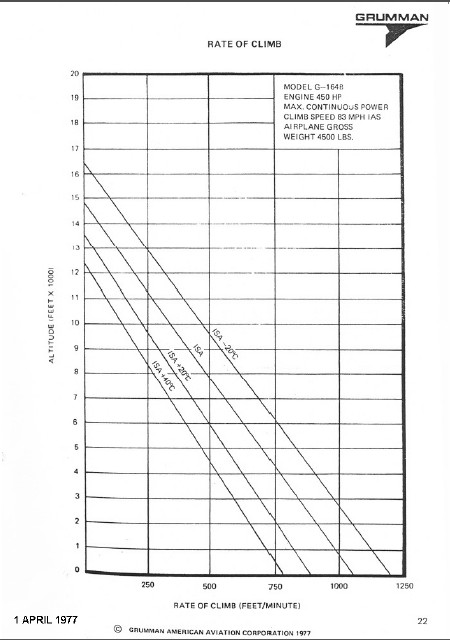
Stall: 68 kt. ROC: 400 fpm.
Min field length: 2320 ft.
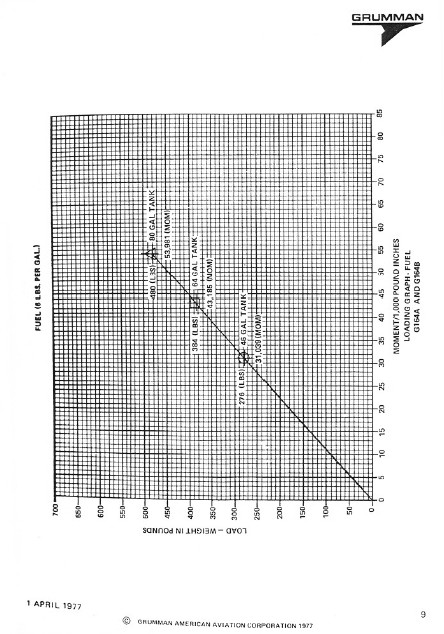
Fuel cap: 276/480 lb.

G-164A Super Ag-Cat
Engine; 600-hp Pratt & Whitney R-1340 nine-cylinder radial.
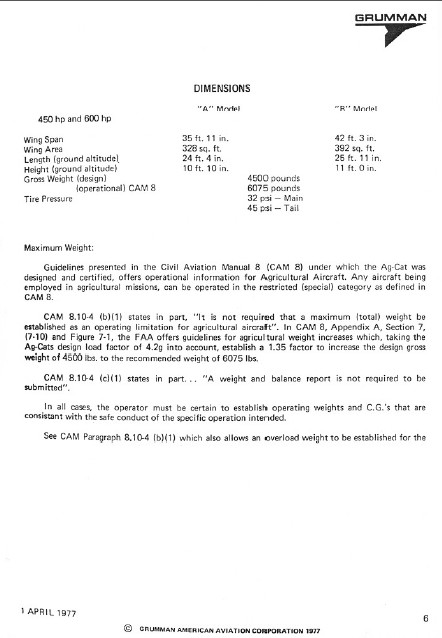
Wing span; 35 ft 11 in.
Wing chord (constant); 4 ft 10 in.
Length; 24 ft 3in.
Height; l0 ft 9 in.
Wing area; 328 sq ft.
Empty, equipped; 3,159 lb.
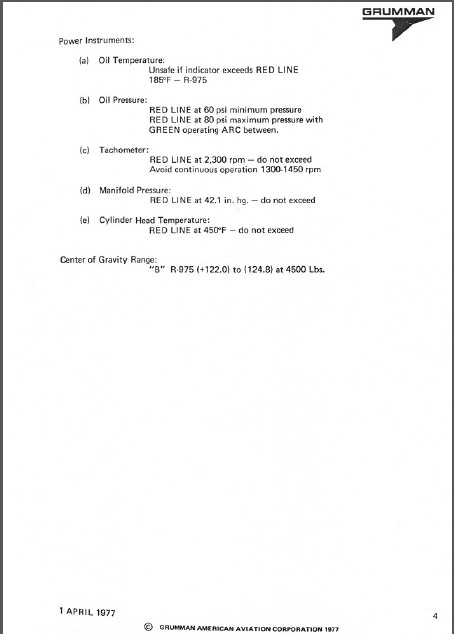
Certificated max T-O; 4,500 lb.
Max TO wt: 6075 lb.
Power loading; 7.5 lb/hp.
Equipped useful load: 2893 lb.
Payload max fuel: 2413 lb.
Range max fuel/ 75% pwr: 171 nm/ 1.8 hr.
Service ceiling: 16,000 ft.
Hopper capacity; 33 or 40 cu ft.
Fuel capacity; 46, 69 or 80 US galls.
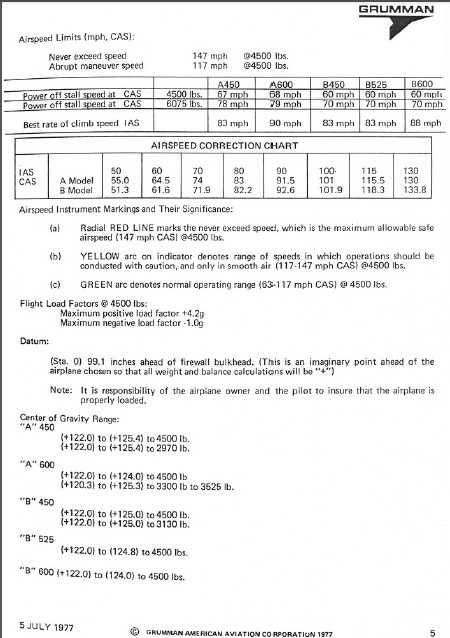
Never-exceed speed; 128 kt.
75% cruise: 98 kt.
Abrupt manoeuvre speed; 102 kt.
Working speed; 82-91 kt.
Working endurance: 2.9 hr.
Stall speed, power off; 59 kt.
Stall clean: 69 kt.
Rate of climb; 710 ft/min.
Take-off run; 395 ft.
Seats: 1.
Wing loading: 18.52 lb/sq.ft.
Fuel cap: 276/480 lb.

G 164B
Engines: P&W R-985, 450 hp.
Seats: 1.
Wing loading: 15.5 lb/sq.ft.
Pwr loading: 13.5 lb/hp.
Max TO wt: 6075 lb.
Empty wt: 3025 lb.
Equipped useful load: 3023 lb.
Payload max fuel: 2543 lb.
Range max fuel/ 75% pwr: 283 nm/ 2.8 hr.
Service ceiling: 14,000 ft.
Hopper cap: 300 USG.
75% cruise: 103 kt.
Working speed: 91 kt.
Working endurance: 3 hr.
Stall: 61 kt.
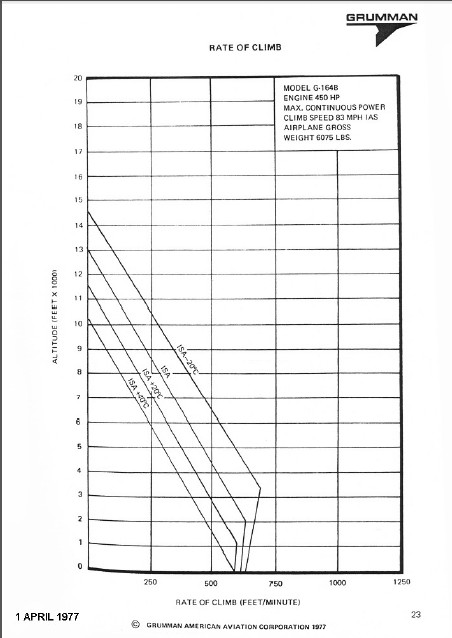
ROC: 625 fpm.
Min field length: 1820 ft.
Fuel cap: 276/480 lb.

G-164B
Engine: P&W R-1340, 600 hp.

Schweizer Super Ag-Cat 164B/600
Engine: P&W R-1340, 600 hp.
TBO: 1200 hrs.
Prop: Hamilton Standard 2-blade, 108-in.
Seats: 1.
Length: 25.9 ft.
Height: 11.3 ft.
Wingspan: 42.3 ft.
Wing area: 392 sq.ft.
Wing aspect ratio: 5.49.
Maximum ramp weight: 6075 lbs.
Maximum takeoff weight: 6075 lbs.
Standard empty weight: 3255 lbs.
Maximum useful load: 2820 lbs.
Maximum landing weight: 6075 lbs.
Wing loading: 15.5 lbs/sq.ft.
Power loading: 10.1 lbs/hp.
Maximum usable fuel: 480 lbs.
Hopper capacity: 400 USG.
Best rate of climb: 576 fpm.
ROC @ 6000ft: 379 fpm.
Service ceiling: 17,000 ft.
Maximum speed: 128 kts.
Working speed: 100 kts.
Fuel flow @ working speed: 192 pph.
Endurance at working speed: 2.4 hrs:
Stalling speed clean: 50 kts.
Stalling speed flaps down: 52 kts.
Turbulent-air penetration speed: 102 kts.
Fixed tail wheel undercarriage.

Grumman G.73 Mallard

The Mallard was Grumman’s entry into the civilian/commercial use amphibian category. Based on the smaller Goose and Widgeon designs, the larger G73 featured tricycle landing gear. Only 59 Mallards were ever built, but some saw a new life as a turboprop with Pratt & Whitney PT6A out front. A supplemental type certificate was issued for the kerosene burning versions in 1960, but even the performance boost delivered by the more powerful engines was not enough to keep the Mallards in service.
Only 59 were built.

Gallery

G-73
Engines: 2 x Pratt & Whitney R-1340 Wasp Junior, 600 hp.
Gross wt. 12,750.
Empty wt. 8,750.
Max Speed 187-191 kts.
Cruise 157-187 kts.
Initial climb rate 1,290-1,350 fpm.
Range 1,655 nm.
Ceiling 23,000-24,500 ft.
Cruise: 160 mph.
Pax cap: 12.

G-73T
Engines: 2 x Pratt & Whitney PT6A turboprop.
Seats: 12

Grumman G-64 / HU-16 Albatross / UF-1

HU-16C

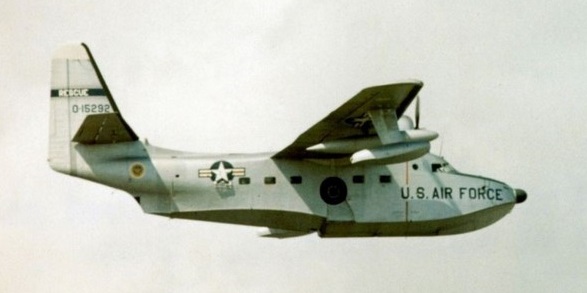
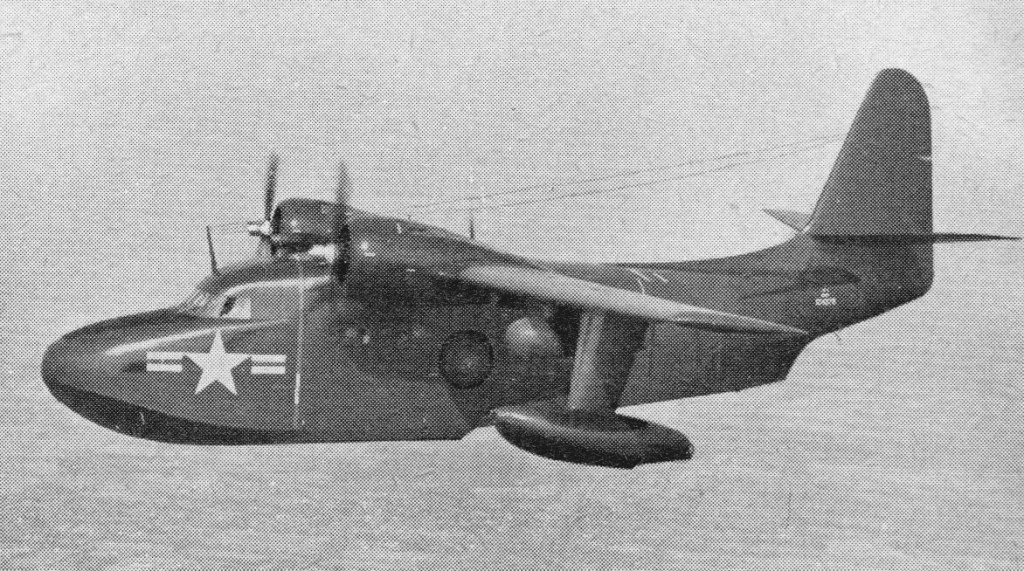
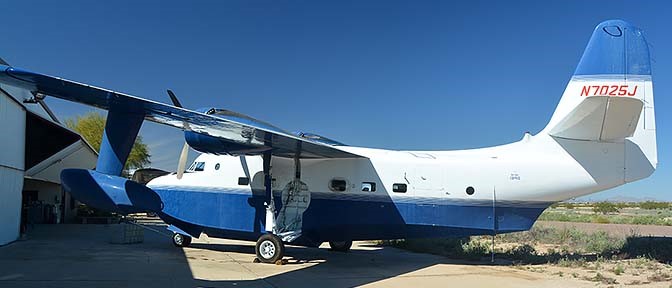
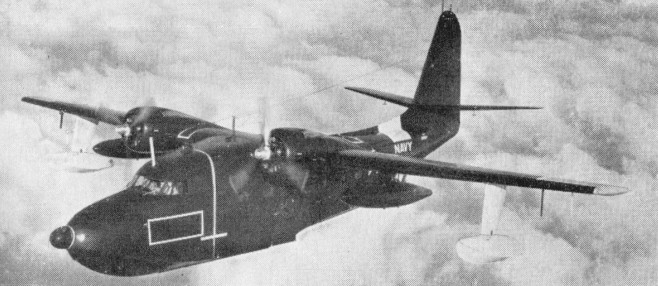
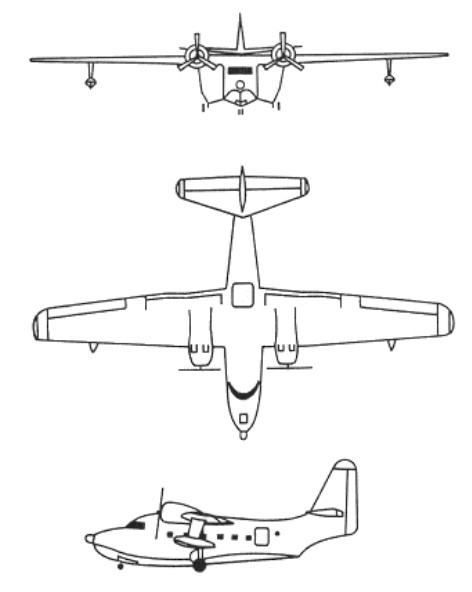
In 1944 Grumman initiated design of its Grumman G-64 aircraft, which was to be named Albatross, and which saw service with the US Air Force, US Coast Guard and US Navy. The Albatross was first ordered as the XJR2F 1 utility transport for the US Navy and the prototype was flown first on 24 October 1947, and was of generally similar configuration to its predecessor. Fixed underwing floats were retained, but these and the entire structure had been considerably refined to reduce drag. Other changes included the provision of a cantilever, instead of strut-braced, tailplane; tricycle type retractable landing gear; and pylons beneath the wing, outboard of the engines, which could carry weapons, or drop-tanks to increase range. The wings and tailplane are unswept, the tailplane with dihedral. The controls are conventional and flaps are split trailing edge type. Additional fuel could also be carried in the underwing, non-retractable, floats. Accommodation was provided for a crew of four and the cabin could accommodate 10 passengers, stretchers, or cargo, according to requirements.

Grumman G-64 / HU-16 Albatross Article

Initial production was of the UF-1 model, and a modified version introduced in 1955 was the UF-2. This latter aircraft had a 16 ft 6 in increased span, a cambered wing leading edge, ailerons and tail surfaces of increased area, and more effective de-icing boots for all aerofoil leading edges.

Many SA-16A were modified to SA-16B standard.

In the tri-service rationalisation of designations in 1962, these aircraft became HU-16C and HU-16D respectively.

Winterised aircraft for Antarctic service were designated UF-1L (later LU-16C), and five UF-1T dual-control trainers were re-designated TU-16C.

The US Navy’s UF-2 general duties amphibian and Coast Guard’s UF-2G were similar to the SA-16B. In 1965 the Coast Guard operated 71 UF-2Gs.

Also operated by the US Navy as the UF-1F and UF-1L. The UF-2S was a modification of the UF-2 for anti-submarine hunter-killer duties. It utilizes much of the equipment developed for the S2F Tracker. Norway ordered 16 examples of the UF-2S. More than 450 Albatross were built.

The USAF found the G-64 attractive for rescue operations, the majority of the 305 ordered serving with the MATS Air Rescue Service under the designation SA-16A. Most of which were converted to SA 16B form with extended wings and tail for operation at greater weight. An improved version, equivalent to the US Navy’s UF-2, entered service in 1957 as the SA-16B; in 1962 these became HU-16A and HU-16B respectively. HU-16E was the designation (originally UF-1F) of Albatross aircraft operated by the US Coast Guard, and 10 supplied to Canada were designated CSR-110.

In service in 1955 with air-sea rescue units of the U.S.A.F. (SA-16A) and with the U.S.N. (UF-1) and U.S.C.G. (UF-1G) for general utility duties. One version has a sprung ski under the hull and small skis under the wing-tip floats, to permit operation from land, water or ice without modification.

An anti-submarine version with nose radome, retractable MAD gear, ECM radome and searchlight was introduced in 1961, and was equipped to carry a small number of depth charges. The versatile Albatross continues in service with a few air forces and navies, but its powerful and fuel-hungry engines have meant that surplus aircraft which became available for use were not a particularly attractive proposition to airline operators, and in consequence few were adapted for such a role.

Several nations used the Albatross, including Argentina, Brazil, Canada, Chile, Greece, Indonesia, Italy, Japan, Norway, Philippines, Portugal and Spain. Many still in service are of the anti-submarine type first flown in 1961, with nose radome, tail MAD boom, underwing searchlight, ECM installations and provision for carrying antisubmarine depth charges, torpedoes or other stores. Full all weather electronics and anti icing equipment are standard.

Grumman HU-16C N7025J

The unique capabilities of the big amphib have caused numerous attempts to modernize the basic hull. In the 1970s, Grumman reconfigured the military design to make room for 28 passengers, and added a galley for food and room for a fight attendant. The new airplane was designated the G111 and awarded FAA certification in 1980. Other Albatrosses have been converted to turbine power.

The Grumman G-111, civilianised version of the HU-16 Albatross, entered service on 1 July 1981 with Chalks International Airline to operate scheduled service between Fort Lauderdale and Paradise Island, Nassau. Chalks is a subsidiary of Resorts International, which has arranged the programme to convert U-16 to G-111 standard. Sub-contracted to Grumman, Chalks took two of the initial batch of five G-111. Up to 50 more were available for conversion.

Transland Aircraft modified HU-16B for civilian use with ATC A2GL.

Principal versions – UH-16A (short-span navy model), UH-16B (long-span navy model), UH-16C (short- span air force model), UH-16D (long-span air force model), and UH-16F (coast guard model).

UF-1 Albatross

Gallery

UF-1
Air-sea rescue amphibian.
Engines: 2x 1,425 h.p. Wright R1820-76B
Wingspan: 80 ft
Length: 62 ft. 2 in.
Loaded weight: 27,025 lb.
Max. speed: 247 mph
Typical range: 2,700 miles at 225 mph with 2×300 USG external tanks.
Armament: None.
Crew: 4-6
Capacity: 10 passengers or 12 stretchers.

UF-2S
Engines: 2 x Wright R-1820-76A, 1425 hp
Props: 3 blade
Wing span: 96 ft 8 in
Length: 62 ft 10 in
Height: 25 ft 10 in
Wing area: 1035 sq.ft
MTOW: 37,500 lb
Fuel capacity centre section: 562 Gal
Float fuel capacity: 2 x 166 Gal
Underwing fuel capacity: 2 x 250 Gal
Service ceiling: 21,500 ft
Range: 2850 mi at 124 mph
Wing Hardpoints: 4

HU-16C Albatross
Engines: 2 x 1,425-hp (l,063-kW) Wright R-l820-76A Cyclone
Max range: 2200 nm.
Crew: 4-6

HU-16D Albatross
Engines: 2 x 1,425-hp (l,063-kW) Wright R-l820-76 Cyclone
Maximum speed 236 mph (205 kts / 380 km/h)
Cruise speed: 360 km/h / 224 mph
Service ceiling 21,500 ft (6,555 m)
Range 2,850 nm (4,587 km)
Empty wt.: 22,883 lb (10,380 kg)
MTOW: 35,700 lb (16,193 kg)
Wing span: 96 ft 8 in (29.46 m)
Length 61 ft 3 in (18.67 m)
Height 25 ft 10 in (7.87 m)
Wing area 1,035.0 sq ft (96.15 sq.m).
Crew: 4-6

Grumman F-14 Tomcat

F-14A

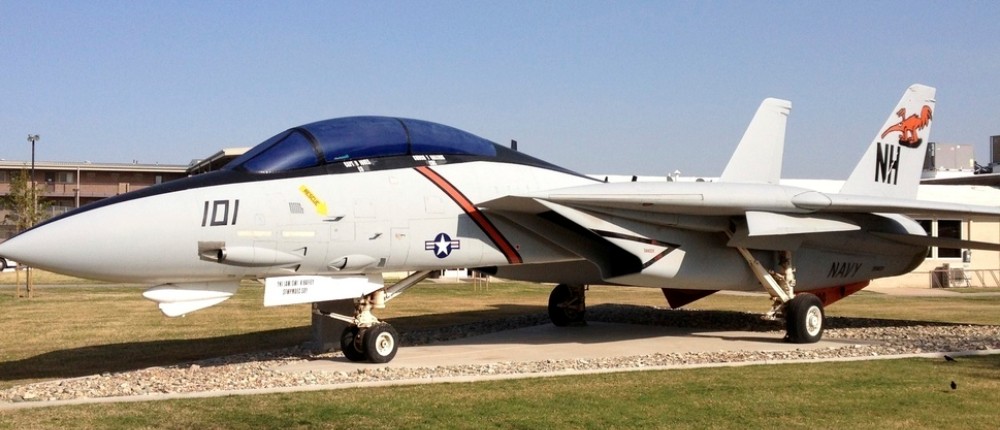
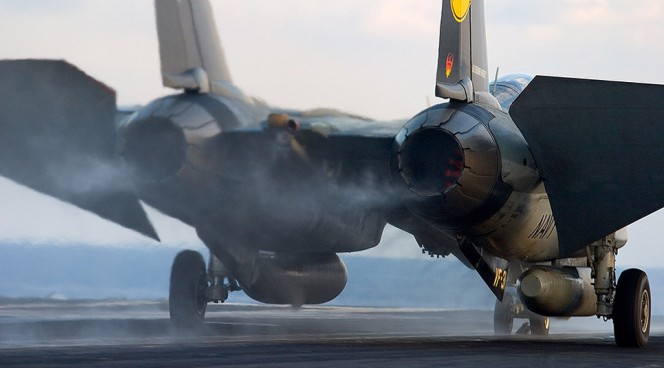
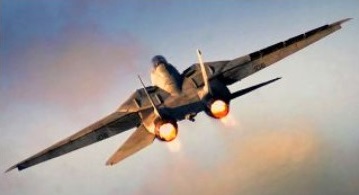
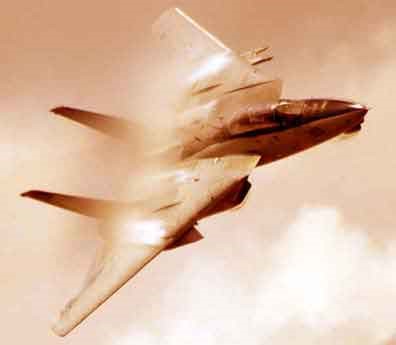
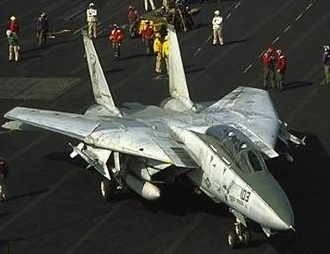
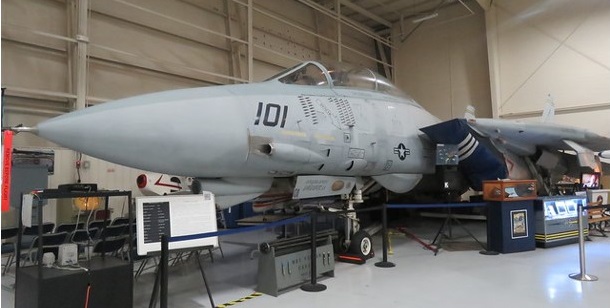
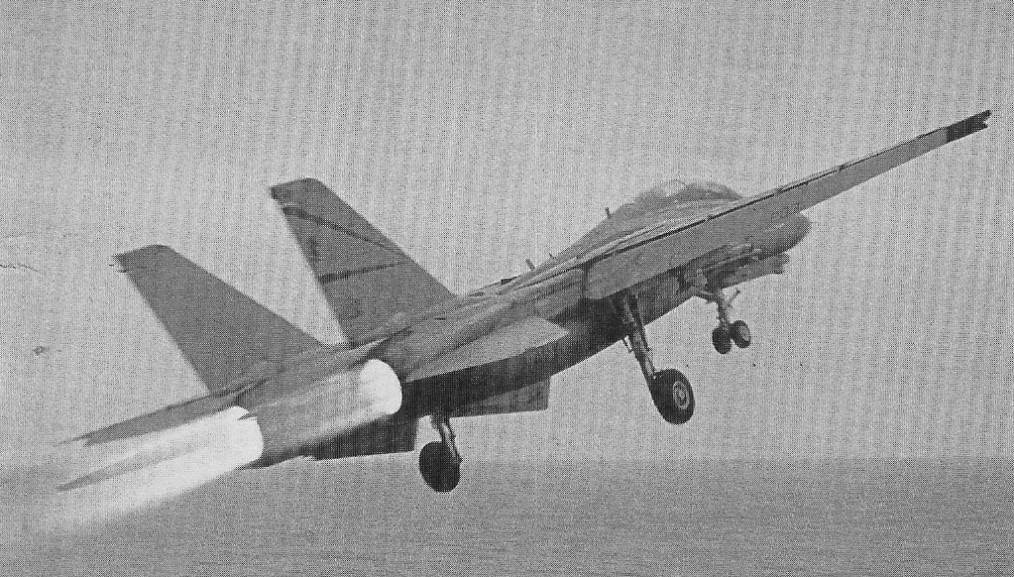
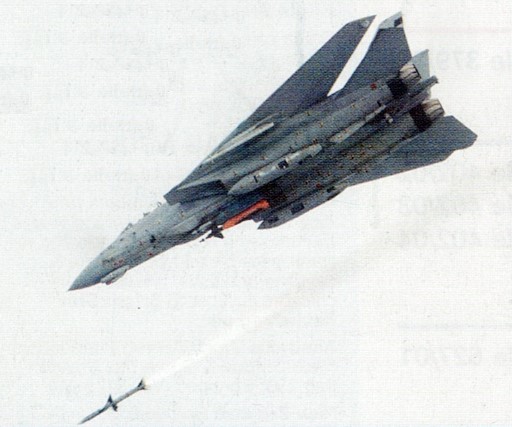
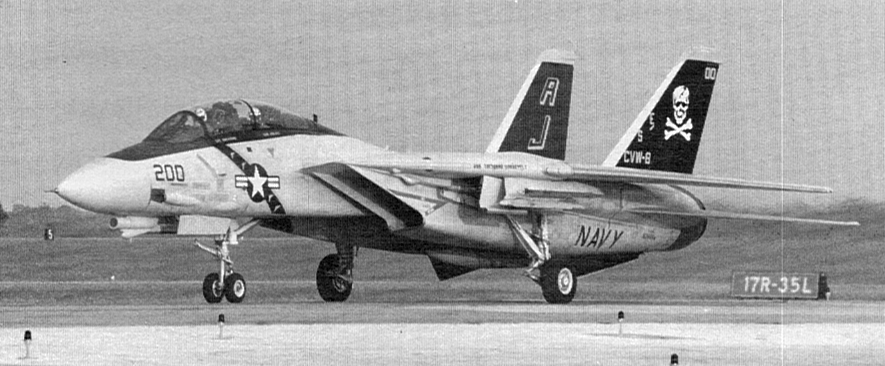
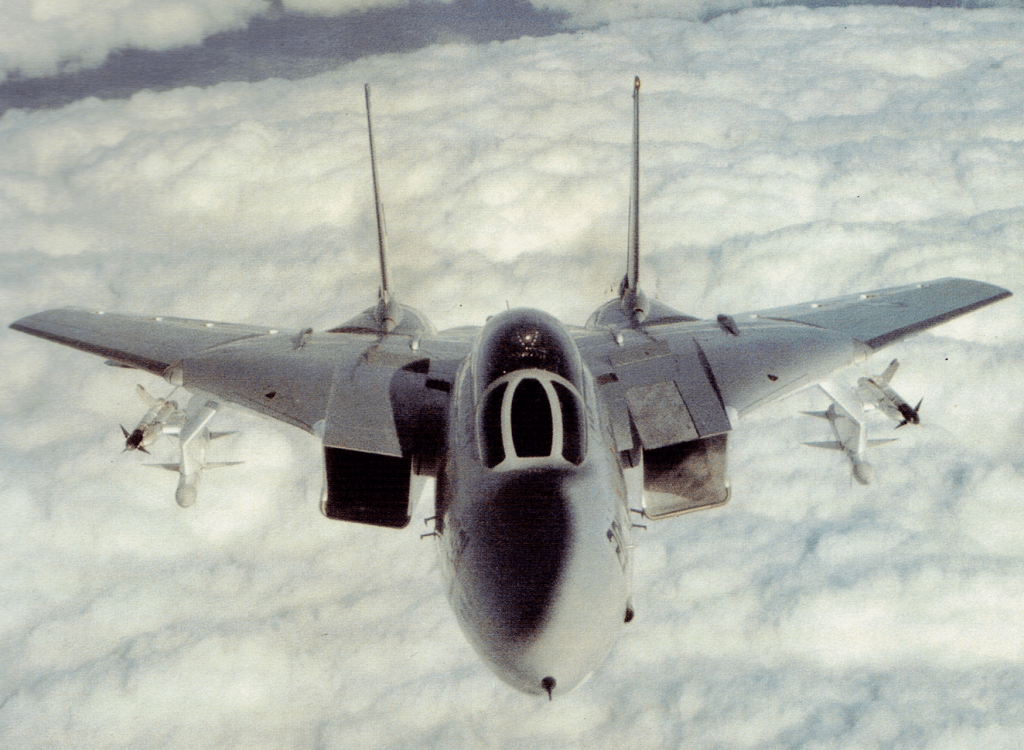
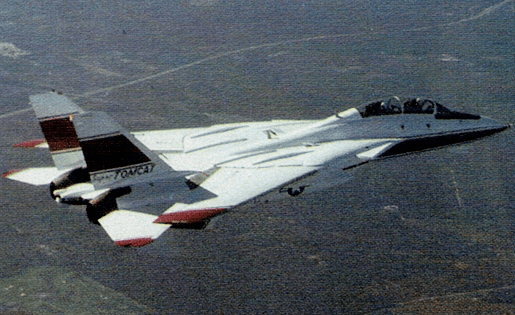
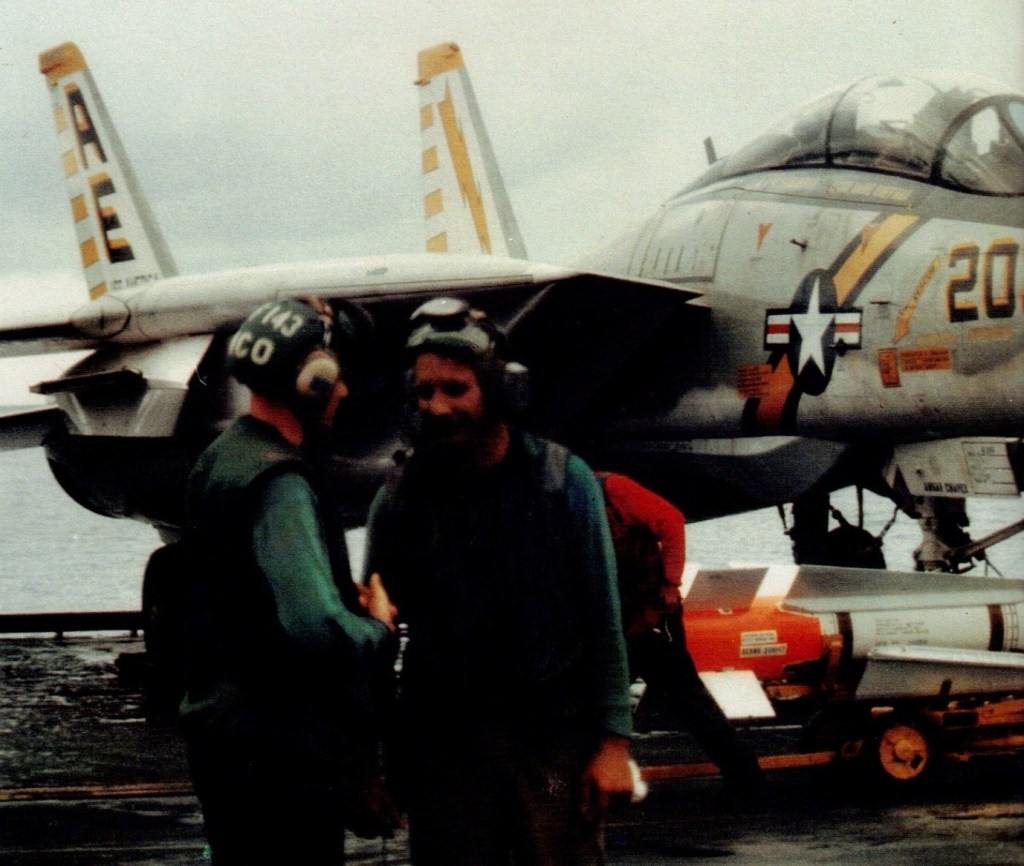
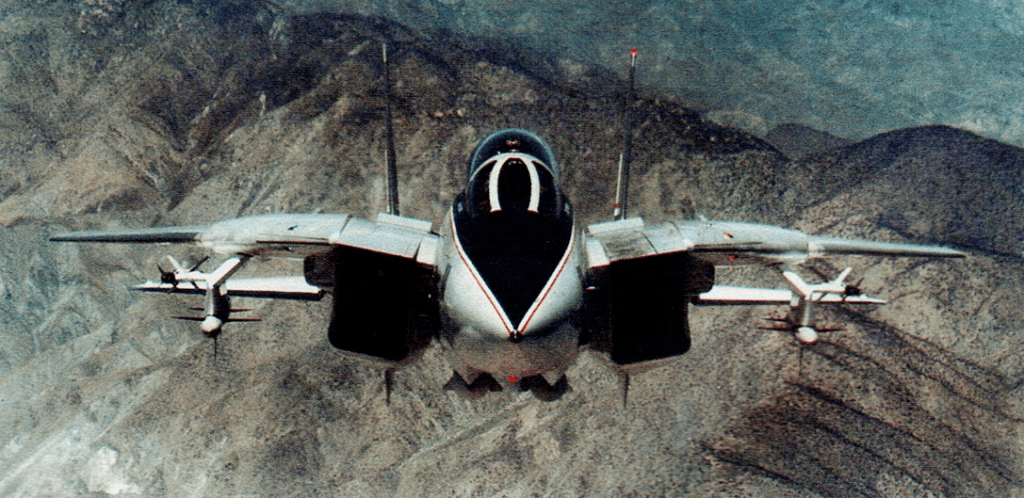
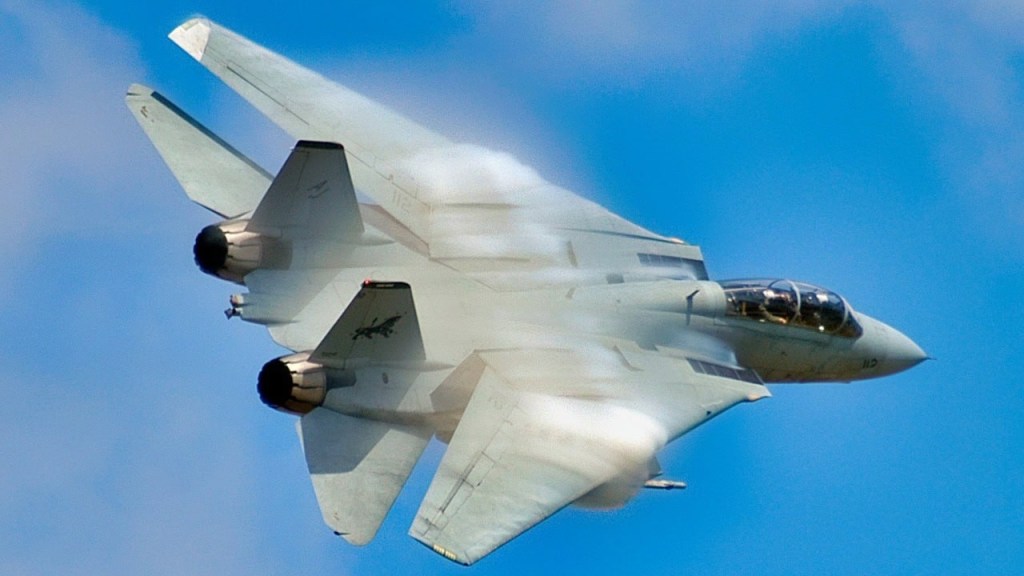
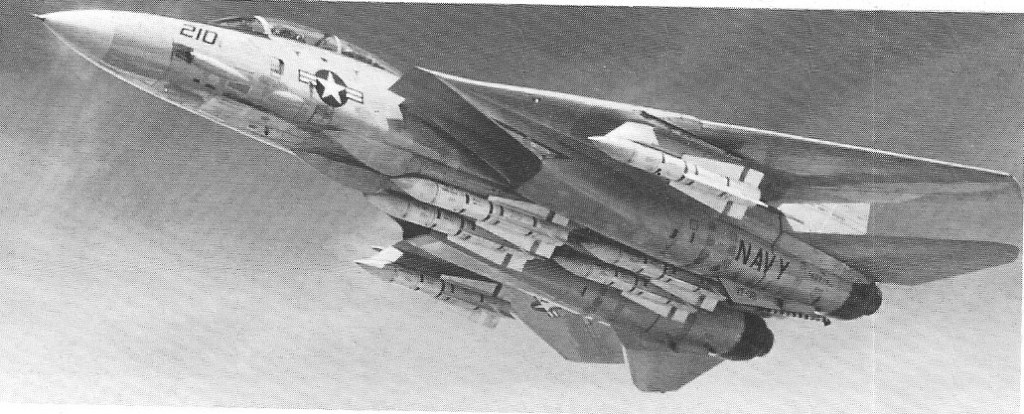
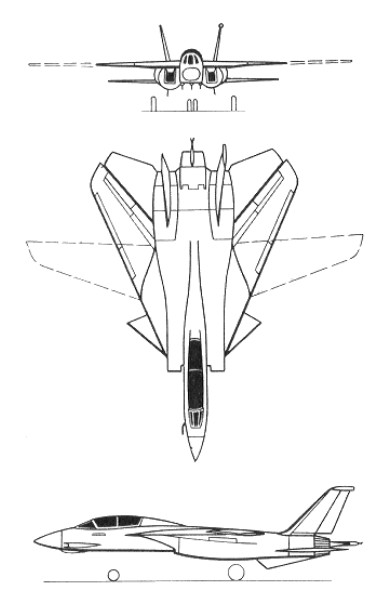
The F-14 Tomcat is a supersonic, twin-engine, variable sweep wing, two-place fighter designed to attack and destroy enemy aircraft at night and in all weather conditions.

Grumman F-14 Tomcat Article

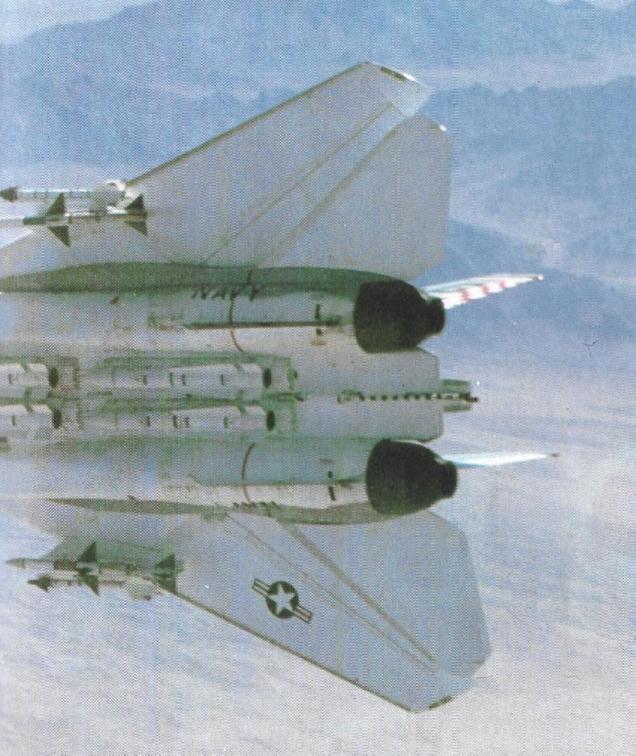
The F-14 can track up to 24 targets simultaneously with its advanced weapons control system and attack six with Phoenix AIM-54A missiles while continuing to scan the airspace. It can also deliver free-fall or guided bombs.
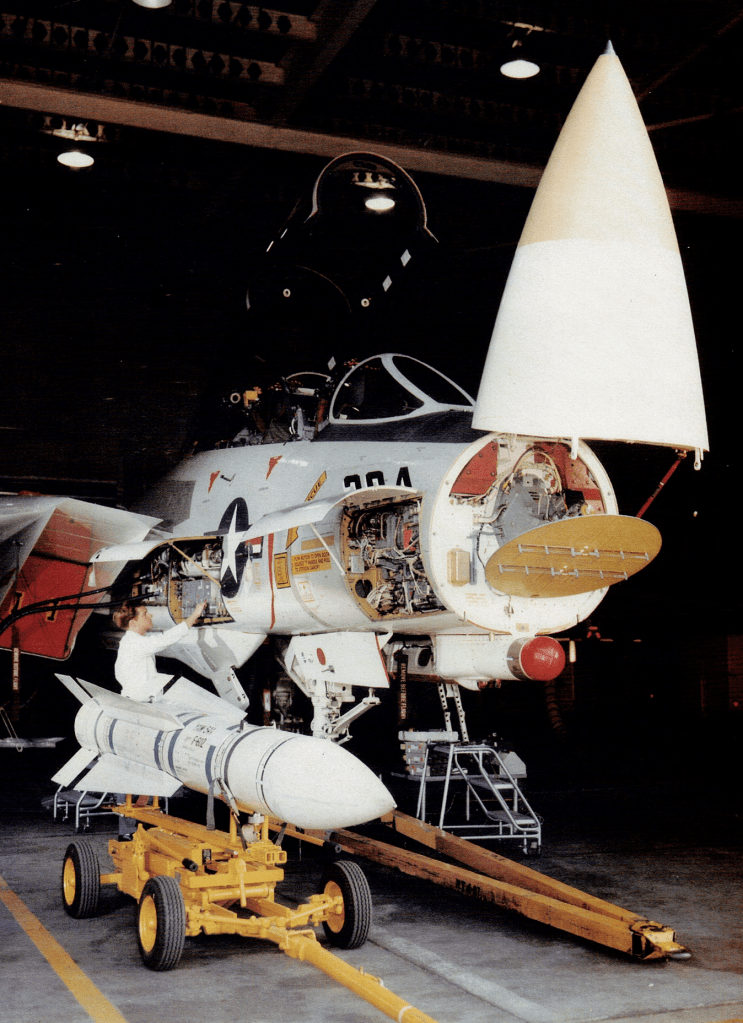
Unique to the F-14 is the AWG-9 doppler radar which can track 24 targets simultaneously and engage six. These six targets can then be attacked with the AIM-54 Phoenix long range missile. The Phoenix can only be fired by the F-14 and it is the only long range standoff air-air missile employed by the United States armed forces. The F-14 also features a maximum speed of over Mach 2 and automatically sweeping wings which enhance the plane’s ability to maintain control in the air.
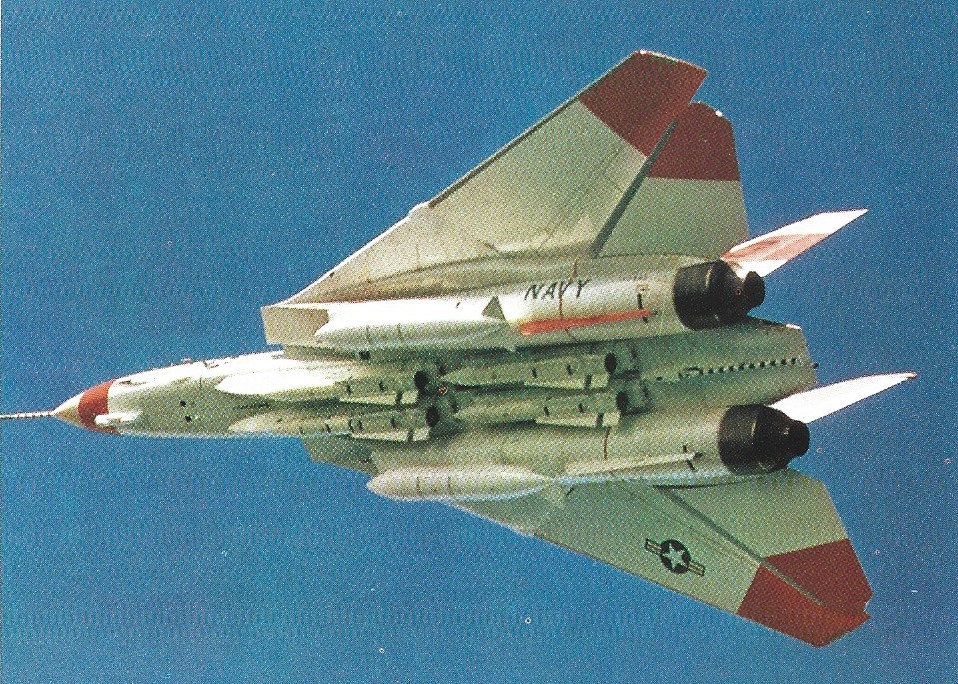
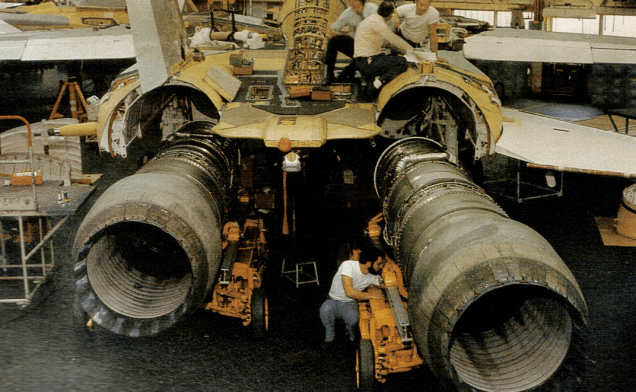
The first R&D aircraft was flown on 21 December 1970, and the production F-14A is powered by two Pratt & Whitney T1730-P-412A turbofans each having a maximum reheat rating of 20,900 lb (9 480 kg). Armament consists of an internally housed 20-mm M-61 A1 rotary cannon and (intercept mission) six AIM-7E/F Sparrow and four AIM-9G/H Sidewinder AAMs, or six AIM54A Phoenix and two Sidewinder AAMs.

US Navy F-14A

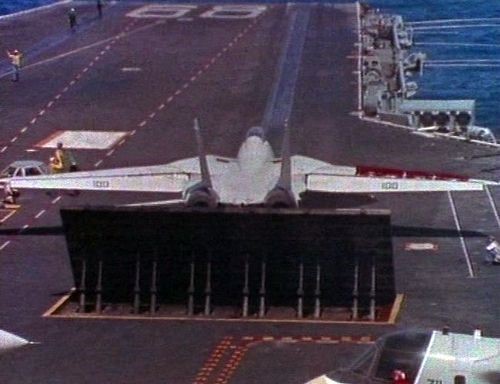
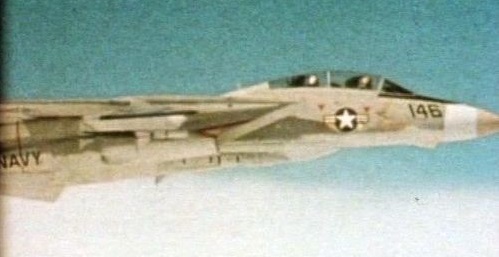
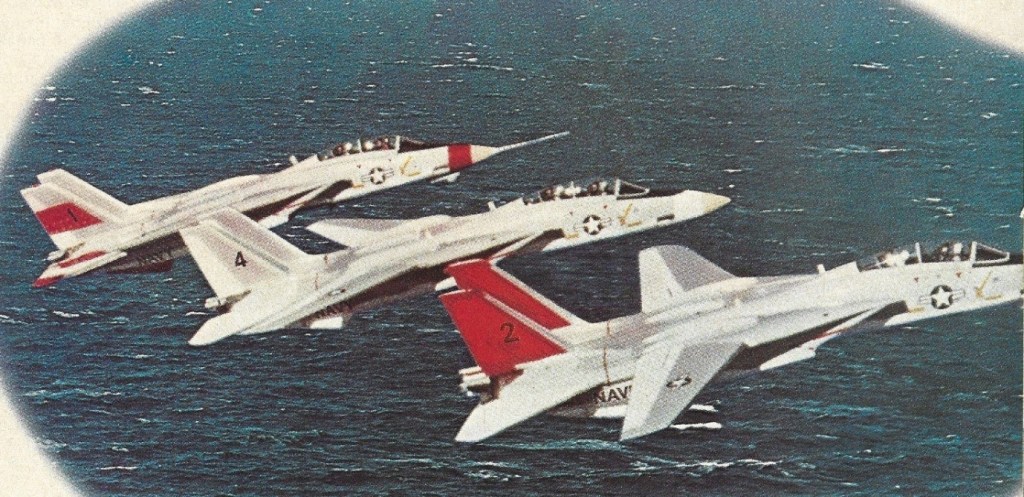
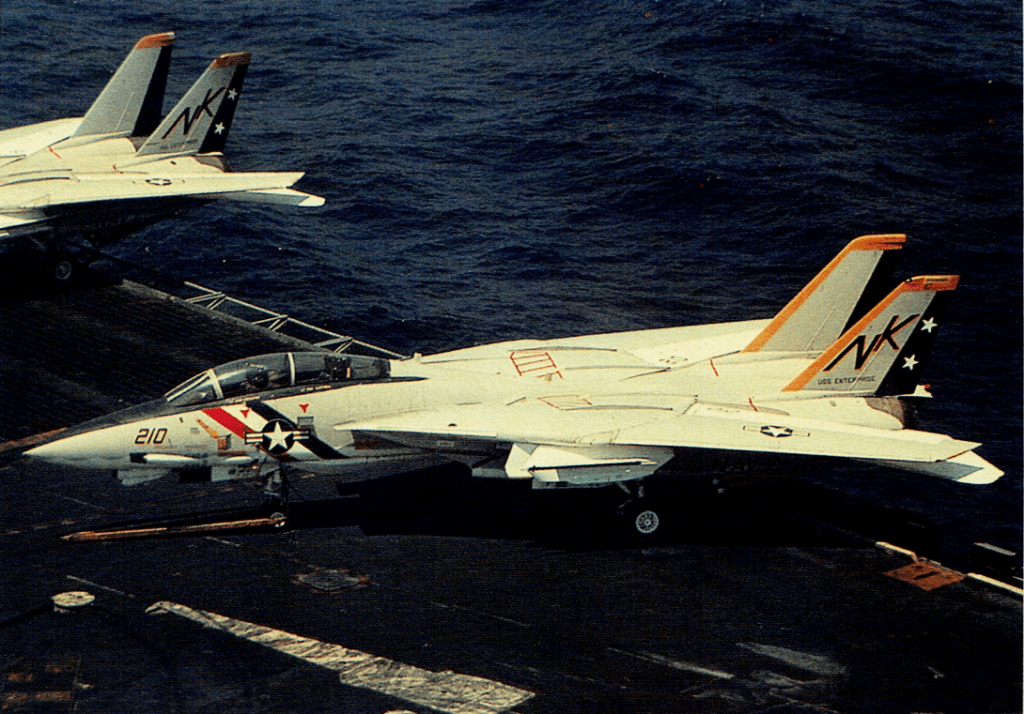
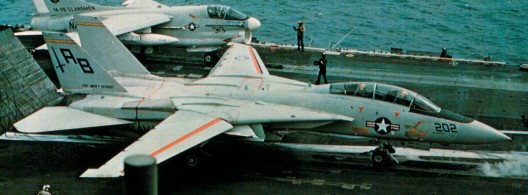
The first of 478 F-14A aircraft entered US Navy service in October 1972 and saw it’s first operational flight in September 1974. Tomcats first went to sea on board the aircraft carriers USS Enterprise and USS John F. Kennedy in 1974 75. By 1980 more than 340 of the 521 Tomcats expected to be purchased for the US Navy had been delivered. Power is provided by two 20,900 lb thrust (with afterburning) Pratt & Whitney TF30 P 412A turbofan engines, and armament can include one 20 mm General Electric M61A 1 cannon and four Sparrow or Phoenix air to air missiles under the fuselage, plus two more Sparrow or Phoenix missiles and two Sidewinders, or four Sidewinders under the fixed section of the wings. Alternatively, up to 14,500 lb (6,577 kg) of weapons can be carried for ground attack.

Delivered from September 1974, initial Pratt & Whitney TF30-P-414A-powered F-14As experienced problems from fan-blade failures and compressor stalls, the latter often at high angles-of-attack, leading to numerous irrecoverable “departures from controlled flight”. Usually in the form of flat spins, these contributed to annual losses peaking to 9-10 in the 1970s-80s, but diminishing somewhat when F110-GE-400 turbofans were introduced in F-14Ds.
GEC-Marconi digital flight-control systems and Martin-Baker zero-zero ejection-seats brought further F-14 safety improvements, although compressor stalls were not entirely eliminated.
A total of 377 had been delivered to service by the beginning of 1981.
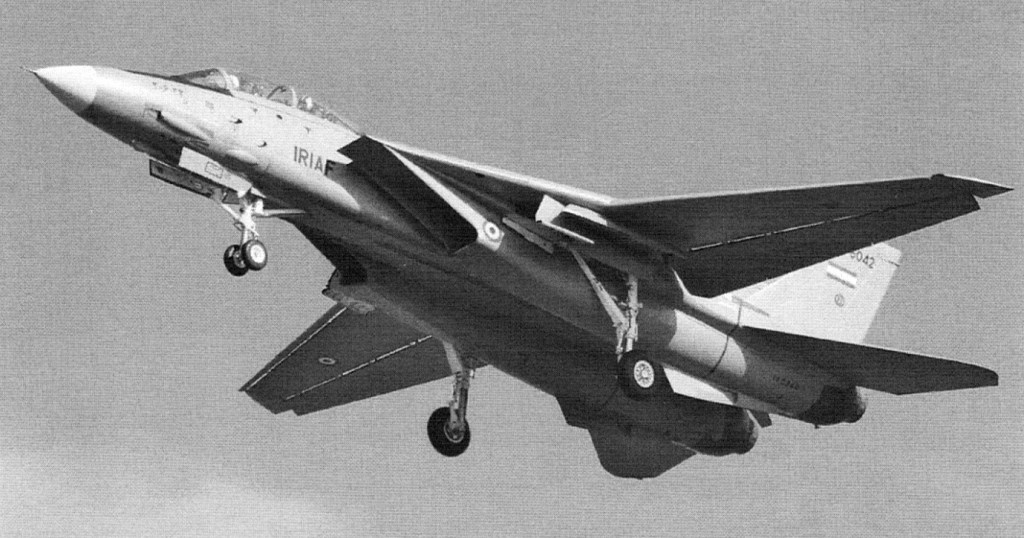
A total of 79 F-14 A models were exported to Iran 1976-78. The Imperial Irani Air Force during the reign of the Shah of Iran ordered 80 aircraft, but only 79 were delivered, as the last unit was embargoed and turned over to the United States Navy.
The original F-14A was soon found to be slightly underpowered, and handicapped by engine reliability problems. Two prototypes were built with Pratt & Whitney F401-P-400 turbofans as F-14Bs, but the F-14B did not enter production. The F-14C was an unbuilt version with F401-P-400s and new avionics. One of the F-14Bs was later re-engined with the General Electric F101 (now F110-GE-400) as the F-14DFE to serve as the prototype F-14A (Plus). Thirty-eight of these aircraft are being newly built, and 32 F-14As are being re-engined. The F-14A+ (later designated F-14B) entered service in 1987.
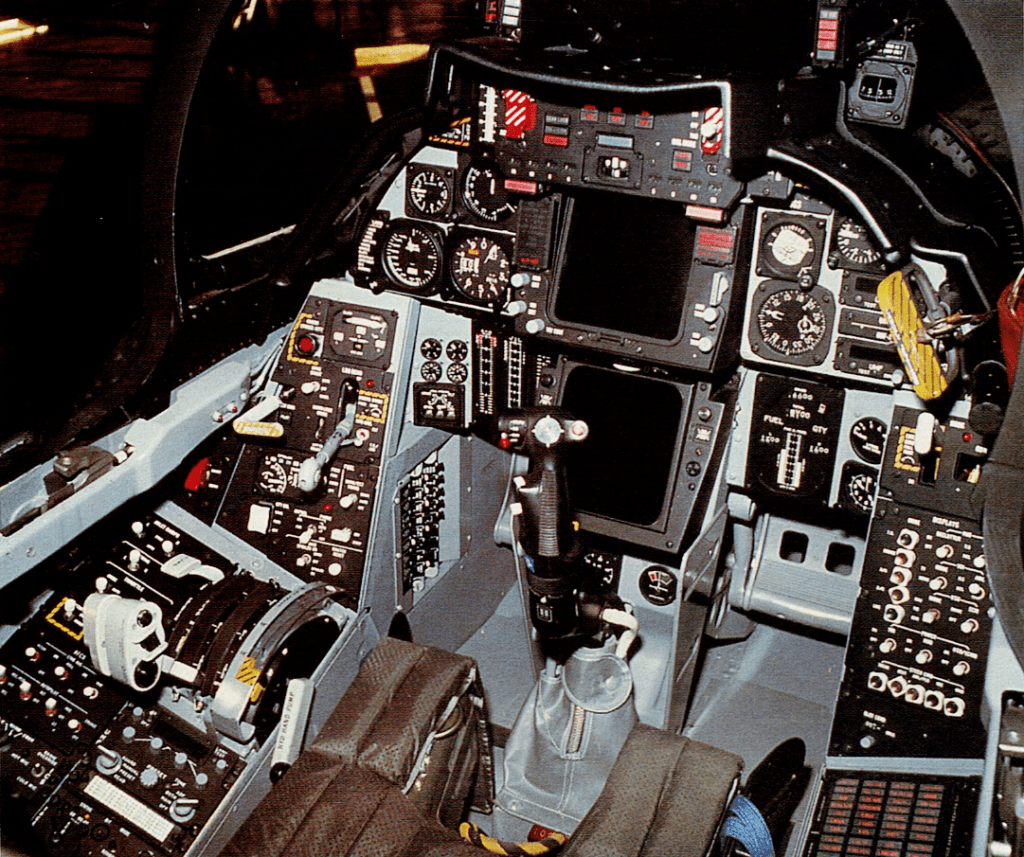
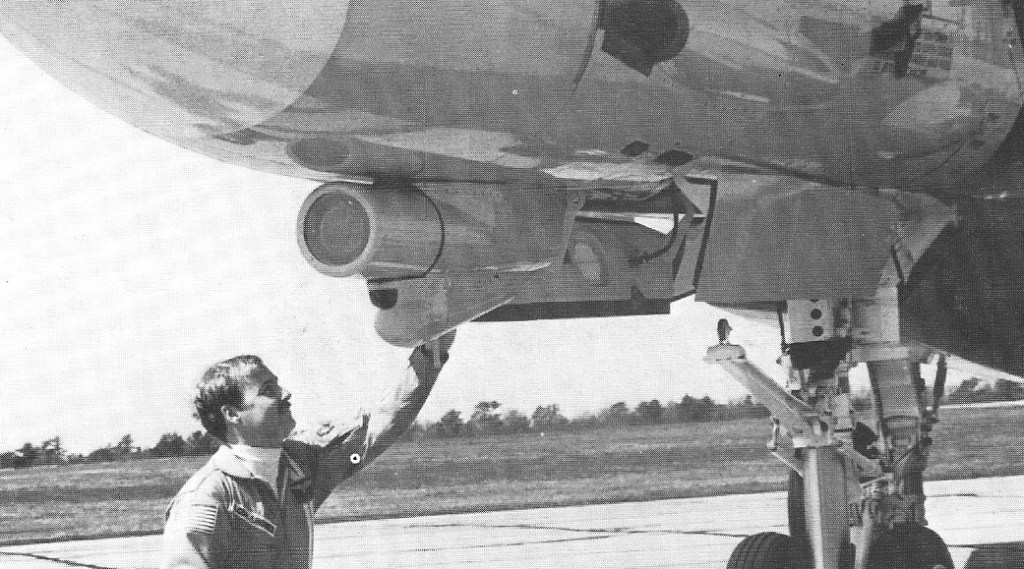
The F-14D Super Tomcat first took to the air on February 9, 1980. The upgrade included enhanced APG-71 radar and cockpit, a dual IRST/TV undernose pod, and increased AAM capability. The Tomcat has now been equipped for night-attack bombing duty with the use of a LANTIRN (Low Altitude Navigation and Targeting InfraRed for Night) pod. The upgrade allows the F-14 to remain in service until the arrival of the F/A-18E/F Super Hornet.

Production of the F-14A ship-borne interceptor will switch to the A(Plus) model in FY1987, and to the D version in FY1988. The F-14A(Plus)/F-14D development programme was initiated in July 1984, and consists principally of upgrades to the F-14A radar, avionics, and power plant systems, together with integration of the ALQ-165 airborne self-protection jammer, the Jtids secure datalink, an infrared search and track sensor (IRST), and the LAR-67 threat warning and recognition system. The new radar, the APG-71, based on the F-14A’s AN/AWG-9 system, includes a high-speed digital signal processor.
These upgrades will be incorporated into production Tomcats in two stages. The first will involve the engine upgrade only, the F-14A’s TF30 power plant being replaced by the General Electric F110 turbofan in some FY1987/1988 procured aircraft which will be known as F-14A(Plus). The second step combines the engine upgrade with the new radar and avionics, the resulting aircraft becoming the F-14D. F-14D procurement begins in FY1988.
In September 1986 the US Navy revised its F-14A(Plus)/F-14D purchase plans. Only seven production A(Plus) will now be acquired, two in FY1987 and five in FY1988, to be followed by a total of 127 Ds instead of the 304 originally planned. Seven F-l4Ds are to be funded in FY1988, and 12 per year will be procured there¬after until the planned total is reached. The first production F-14A(Plus) is scheduled for delivery in November 1987, followed by the F-14D from March 1990. Approximately 400 F-14A/A(Plus) Tomcats will be retrofitted with F110 engines and upgraded equipment to give an all-D-model F-14 fleet by 1998.

On 4 January 1989 two US Navy F-14 downed two Libyan MiG-23.

The USN lost nearly 170, mainly from accidents rather than operational attrition over Iraq and elsewhere.

F-14 retirement was accelerated by it being the USN’s most costly combat aircraft to operate, from requiring 40-60 maintenance man-hours (MMH) per flight-hour. This compares with 10-15 MMH for the latest Boeing F/A-18E

The US Navy planned to retire its Mach 2.34 multi-role Grumman F-14s, when VF-31, the last Tomcat squadron, begins conversion to Boeing F/AA8E/F Super Hornets at NAS Oceana, Virginia, in September 2009. The F-14 was formally retired from the US Navy on 22 September 2006.

Gallery

F-14 Tomcat
Engines: 2 x GE F110 GE400, 27,800 lb
Wingspan Open: 64 ft. 0 in
Wingspan Swept: 38 ft. 0 in.
Length: 61 ft. 9 in
Weight Empty: 40,100 lb
Max. Weight: 74,350 lb
Payload: 14,500 lb
Range: 1,842 mi
Fuel External: 4,070 lb
Fuel, Internal: 17,340 lb
Ceiling: 55,000 ft
Climb Rate: 45,000 fpm
Max. Speed: 1,585 mph
Cruise Speed: 610 mph
Hardpoints: six
Cannons: 1x 20 mm
Crew: 2

F-14A Tomcat
Engines: 2 x P&W TF30-P-412A or -414A turbofan.
Installed thrust (reheat): 20,900 lb st. / 92.97 kN
Span (max), 64 ft 1.5 in (19,55 m), (min) 37 ft 7 in (11,45 m).
Length, 61 ft 11 in (18,90 m).
Height: 16 ft (4,88 m).
Wing area: 565 sq ft (52,50sq.m).
Tactical radius (internal fuel and four Sparrow AAMs), 450 mls (725 km).
Empty wt: 18,290 kg.
MTOW: 68,567 lb (31 101 kg).
Empty equipped wt: 40,070 lb (18 176 kg).
Warload: 8618 kg.
Max level speed at 10.975m (36,000 ft) Mach 2.37 or 2.517 km/h (1,564 mph)
Service ceiling: 17,070+m (56,000+ ft)
TO run: 427 m.
Ldg run: 884 m.
Fuel internal (external): 7174 kg (1720 kg ).
Air refuel: Yes.
Armament: 8 x AAM / 14225kg, 1 x 20 mm M61A1 Vulcan six-barrel cannon with 675 rounds.
Crew: 2

F-14A+ Tomcat
Engine: 2 x General Electric F110-GE-400 turbofan, 23,100 lb st.

F-14B Tomcat
Engine: 2 x Pratt & Whitney F404-P-400 turbofan

F-14D Tomcat
Engine: 2 x General Electric F110-GE-400 turbofan, 23,100 lb st.

F-14DFE Tomcat
Engine: 2 x General Electric F101 turbofan

Grumman C-1 Trader

C-1A

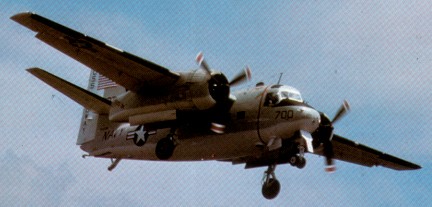
Requiring a transport able to support aircraft carriers at sea with high-priority freight and personnel, the US Navy contracted with Grumman for a derivative of its S2F (later S-2) Tracker carrierborne anti-submarine plane for the COD (Carrier Onboard Delivery) role in succession to considerably more limited types such as the 12-passenger version of the Douglas AD-5 Skyraider. The G-96 design was based closely on the S2F with its fuselage remodelled for the transport role, and as such was fully compatible with 52F support equipment on board American carriers. The type appeared in 1955 as the TF-l Trader, and 87 aircraft were produced. In 1962 these were redesignated C-lA, and the machines were eventually supplemented and finally supplanted by the same company’s C-2A Greyhound.

Grumman C-1 Trader Article

Principal versions -TF-l (COD plane later redesignated C-1A) and TF-1Q (four aircraft modified for electronic countermeasures training, later redesignated EC-1A). Generally one C-lA Trader was permanently attached to each American carrier, and others were allocated at strategically placed naval air stations to support carriers operating round the USA, Europe, and the Far East.
The C 1A is run with a three man crew. All seats in the cabin face the rear, and the accommodations are far from plush. Double strap shoulder harnesses are standard. The C 1A is a relatively slow airplane indicating 150 knot cruise. The C 1A can make a deck run takeoff, but the catapult is preferable, because after a deck run the airplane goes off the end below its engine out minimum control speed. The C-1A leaves the cat at 112 knots, the best single engine rate of climb speed with one third flaps.

C-lA Trader
Two/three-crew carrier onboard delivery plane.
Engines: 2 x 1,525-hp (1,137-kW) Wright R-l820-82 Cyclone radial.
Maximum speed 290 mph (467 km/h) at 4,500 ft (1,370 m)
Initial climb rate about 1,800 ft (549 m) per minute
Service ceiling 22,000 ft (6,705 m)
Range about 800 miles (1,288 km)
MTOW: 27,000 lb (12,247 kg).
Wing span 72 ft 7 in (22.12 m)
Length 43 ft 6 in (13.26 m)
Height 16 ft 7 in (5.05 m)
Wing area 499.0 sq ft (46.36 sq.m).
Payload: nine passengers or freight.

E-1B Tracer –