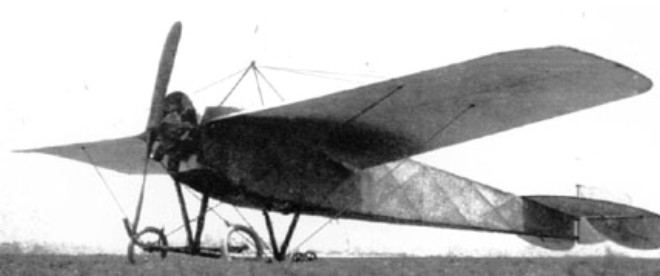
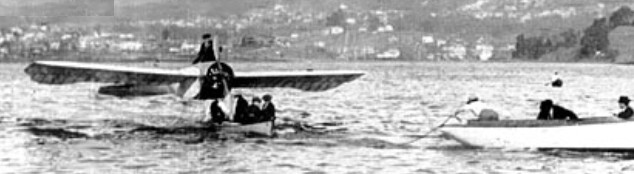
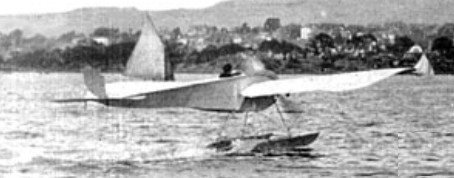
Stanley Hiller Snr began designing gliders in 1909 and this, his first powered aircraft, flew at Alameda and a 1911 air meet at Tanforan race track in South San Francisco. On pontoons, it was flown from Lake Merritt, Oakland, by Charles Patterson in August 1912.
Power was 60hp and 80hp Hiller rotary built from Hiller’s plans by C E Kelsey, San Francisco.
Stanley Hiller Snr began designing gliders in 1909 and this, his first powered aircraft, flew at Alameda and a 1911 air meet at Tanforan race track in South San Francisco. He also built engines.
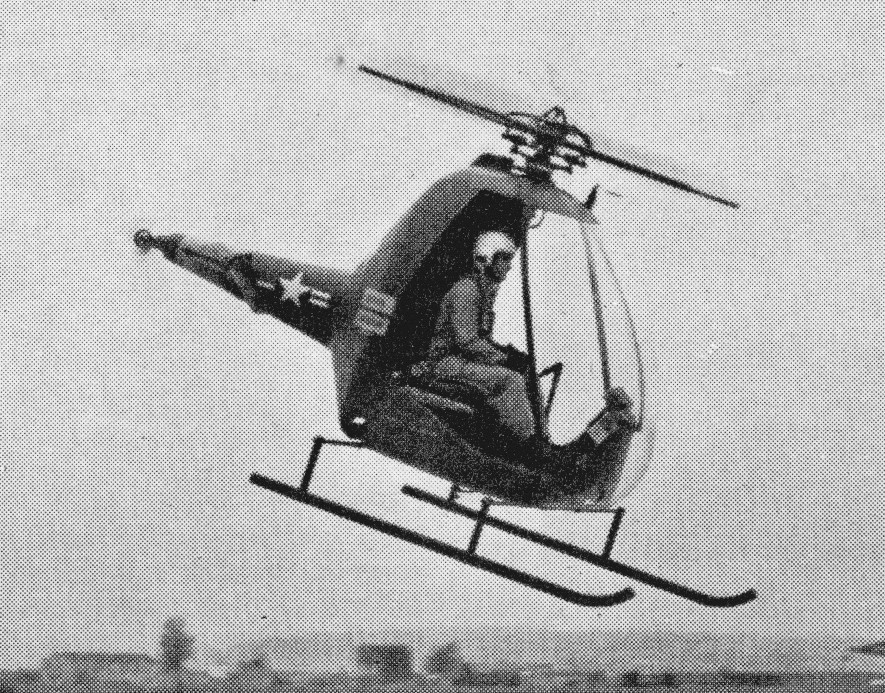
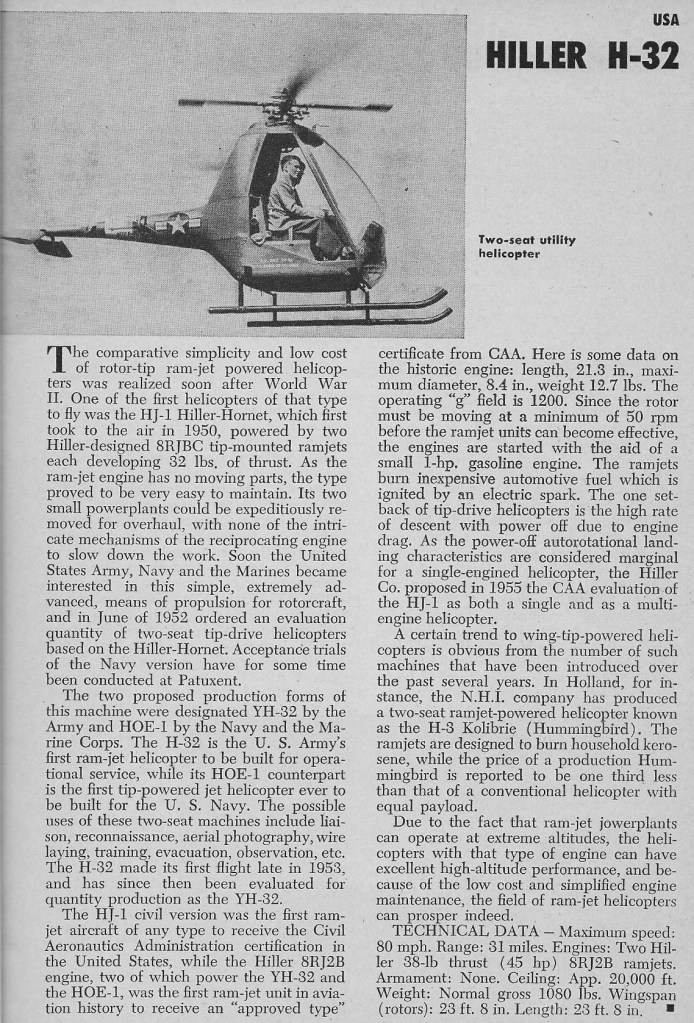
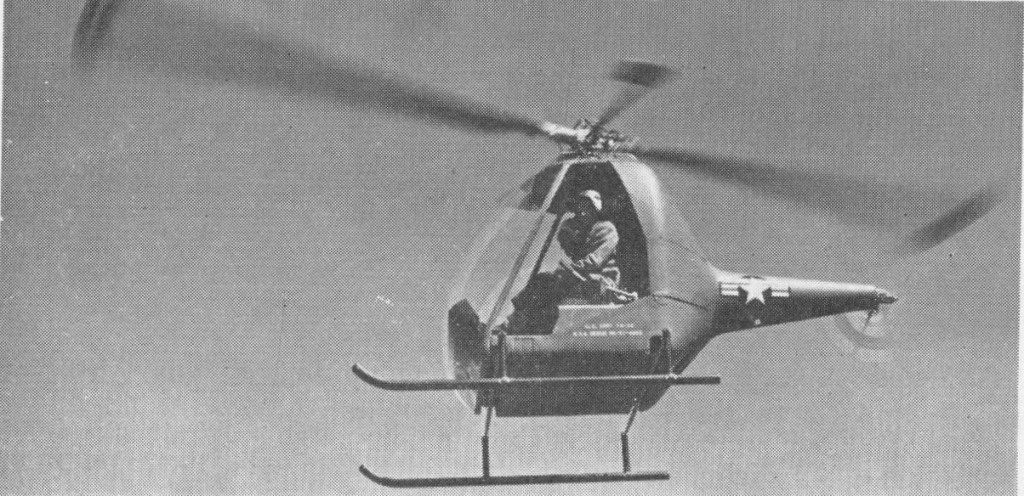
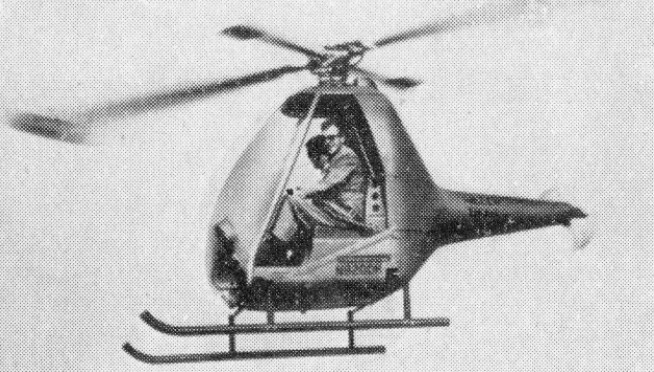
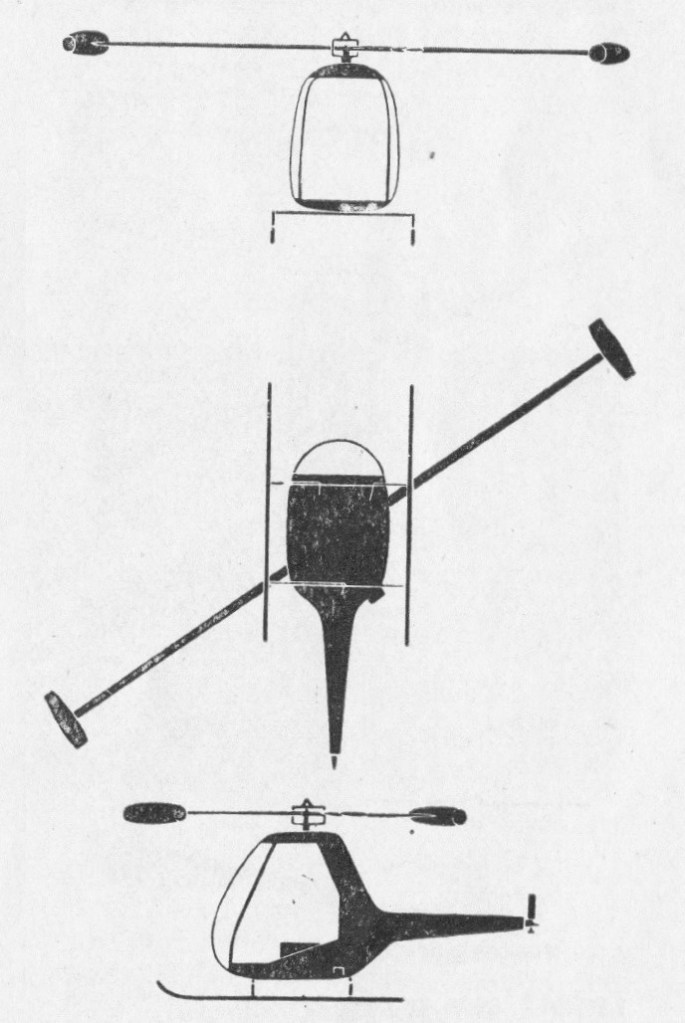
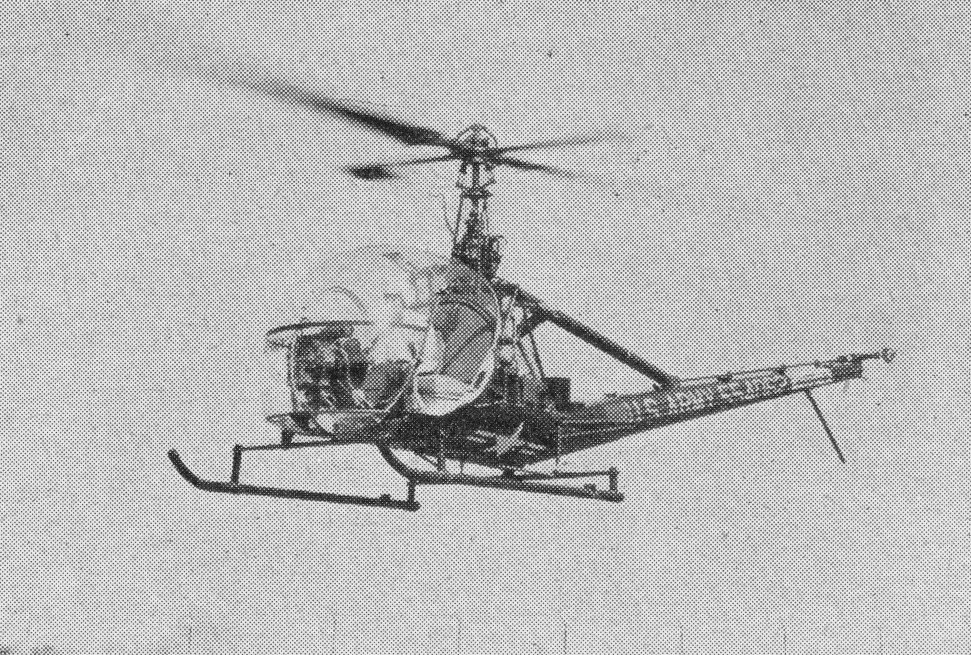
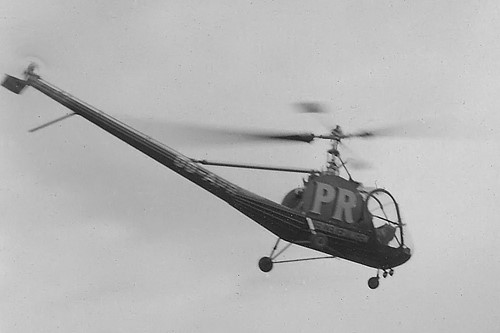
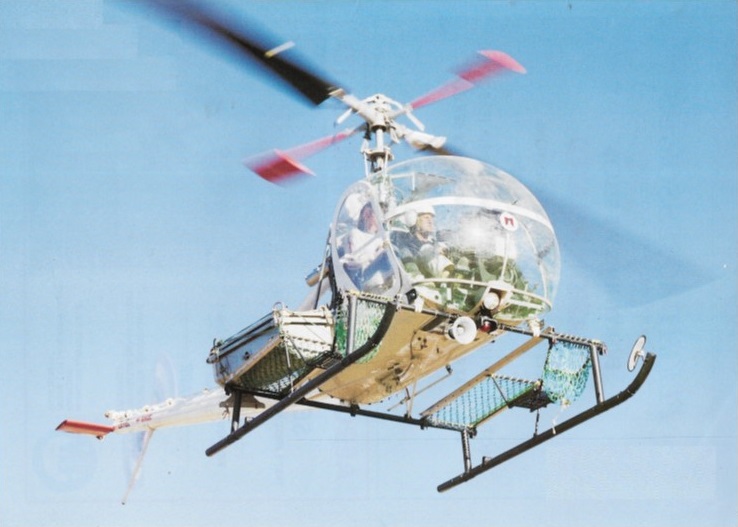
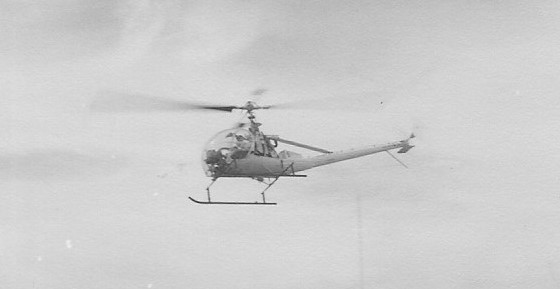
Early in 1952, Hiller approached the Navy about authorizing construction of an evaluation quantity of Hornets. The proposal was accepted because it was felt that a revised Hornet might meet a Marine Corps requirement for an ultralight flying vehicle. By summer a fixed-price contract had been negotiated for delivery of five units, three to go to the Navy as the HOE-1. Impressed by the simplicity of the original HJ-1, the Army asked to take the remaining two (serials 53-4663 and -4664) under the designation YH-32. At the end of 1954, Army officials ordered a dozen more Hornets (55-4963 through -4974), and Hiller’s own test and demonstration requirements brought the total of second-generation Hornets to twenty-five, including the three ULV gunships. The twelve aircraft were all delivered by late 1956. This evaluation quantity of HOEs and YH-32s marked the first production of tip-jet-powered helicopters in history, and the first procurement of such vehicles by U.S. military services.
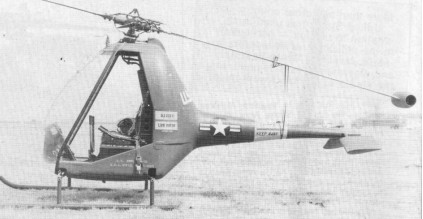
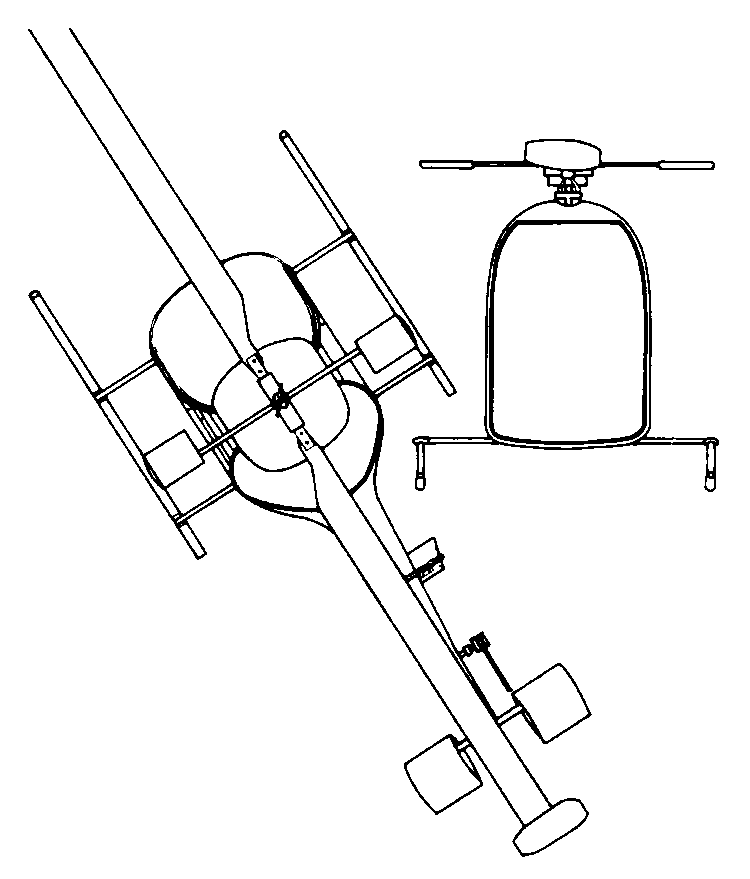
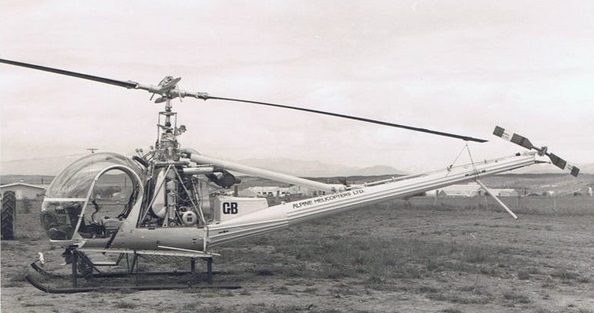
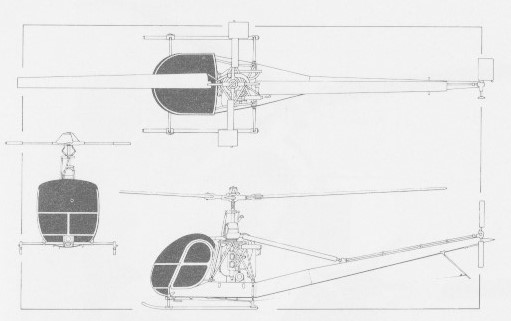
Although the new military helicopter shared the name and designation of the original HJ-1 “Hornet”, it was an all-new machine with no commonality. It had lightweight skids, and it had rudder pedals controlling a single-blade tail rotor. While not needed to offset torque, the tail rotor – which furnished crisper yaw control than was provided by the earlier Hornet’s rudder – helped during autorotation and permitted rapid sideways flight as required by increasingly stringent military control requirements.
The HOE-1/H-32 was designed by both Bob Anderson and James B. Edwards, the vice president of engineering, who had come to Hiller in January 1952 from Douglas Aircraft. The HJ-1 suffered a growth in size and weight. A larger cockpit, fiberglass body and tail boom (the first structural use of fiberglass in aircraft construction), and other changes raised the empty weight from the original Hornet’s 160kg to 240kg, and the gross weight climbed to 480kg. As a result, the service ceiling fell from 3350m to 2100m. Even with 200 litres of fuel, the craft’s range shrank from 65km to 45km, its maximum powered endurance at economy cruise being roughly thirty minutes.
The joint military program by the Army and Navy had many extra-contractual changes that – including the dual certification programs – eventually consumed more than a million dollars of Hiller resources.
The first of the HOE/H-32 series flew in September 1953, with deliveries to commence the following spring. The services did not receive them until the end of 1954, because these machines had been procured on a “certification specification” basis rather than on the standard “mil. spec.” basis, and civil certification of the helicopter and its engine would take time, as both were new to the experience of the CAA. The 8RJ2B ramjet engine was a refined and uprated version of the unit Hiller had developed in 1949. Now eight inches in diameter and weighing 5.7kg, it produced the equivalent of 45hp. Manufactured by Ryan in San Diego under license from Hiller, the 8RJ2B was made out of lnconel X, a high-nickel alloy. Because Inconel X corrodes on contact with lead – then commonly found in automotive gasoline, which was a likely fuel for this engine – the engine’s interior was coated with a protective ceramic material. By August, the 8RJ2B had logged 559 hours in the air, 2104 hours on the whirlstand, and 1545 hours in free airstream static tests. Its early teething troubles had been completely solved, even the once nagging problem of flameouts. If flameouts should occur, the engine now reignited itself so quickly that the pilot never perceived the problem. Another selling point was the remarkable portability and simplicity of the 8RJ2B. An untrained person could change a Hiller Hornet’s engine in just three minutes with a screwdriver.
Ramjet testing on the ground included static duration runs, which were a sore point with residents of Belle Haven and East Palo Alto. One test in March 1953 lasted 200 hours, while another the following February ran for 150 hours. At night an inversion would often form over the entire San Francisco Bay area, causing the bam-bam-bam of the whirling ramjets to skip over much of the local area and bounce squarely into the fashionable Atherton and Menio Park neighborhoods. Residents often telephoning the plant at Palo Alto to complain. The problem was significantly reduced in the spring of 1954 by construction of a circular barrier 5.5m high and 12m in diameter, which was designed to muffle jet engine noise. During the last days of ramjet certification in 1954, several overspeed runs were conducted on the whirlstand. At peak rpm, when the tip jet was subjected to as much as 14000 Gs (boosting its “weight” to some 80300kg), supporting bolts sheared and the 8RJ2B shot away through protective walls, acoustical barriers, and property fences before coming to rest some 150m from the test site. The test stand also departed the area, flying off toward San Francisco Bay. It was later recovered from nearby mud flats. The only known structural failure of a Hiller tip-power rotor, this test far exceeded expectations and overwhelmingly satisfied the stringent certification requirements. On October 28, 1954, the CAA awarded Hiller’s 8RJ2B engine Type Certificate No. 280, officially approving it for commercial production and sale should Hiller so desire.
Parallel certification for the “Hornet” helicopter was not granted. The reason was the cold drag problem associated with autorotation, as with the earlier HJ-1. The new military Hornets descended steeply at almost 18m/s, but their massive rotors stored so much energy that landings were simple after one became accustomed to the high sink rate. Hiller test pilot and marketing executive Robert Boughton found that whereas one would begin to flare 15 to 18m above the ground in a normal helicopter, the “Hornet” demanded that one begin pulling up on the collective a full two to three hundred feet off the ground. Enough inertia was stored in the tip engines to permit the pilot to touch down, rise into the air again, and land a second time. A solution to the unacceptably high sink rate was proposed to the military during development of the H-32 and HOE. The company suggested that the flameholders in the mouths of the ramjets be modified to function like controllable shutters. During autorotation, they could simply rotate shut to close off air-flow through the engine and greatly reduce cold drag. If one engine failed, the “Hornet” could be flown some distance to a safe landing, although it could not maintain altitude. An automatic low-fuel power reduction further enhanced safety by alerting the pilot to land while sufficient fuel remained to do so under power. Still, with range so limited and the possibility of fuel starvation so great, flameholder shutters were clearly a desirable feature. The military declined because its strict acceptance standards made no provision for such devices. Without them, the Hornet’s autorotation proved unacceptable to the CAA, which otherwise found the diminutive craft satisfactory. Civil certification was accordingly denied. Failure to achieve this production license removed any possibility of Hornets reaching the private market, although it is doubtful that Hiller would have chosen to market a civil version in any event.
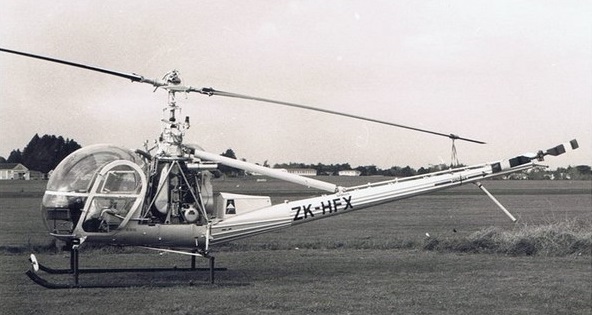
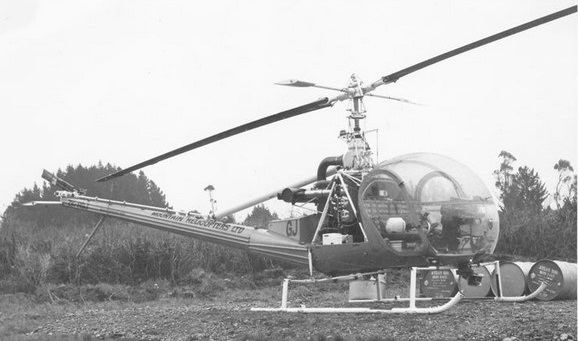
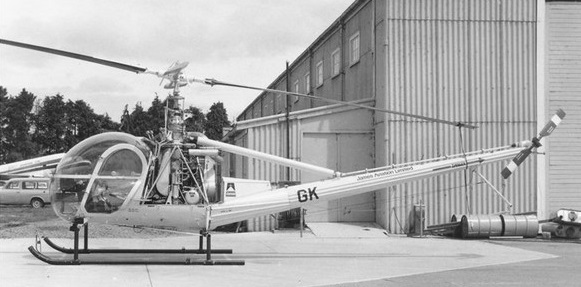
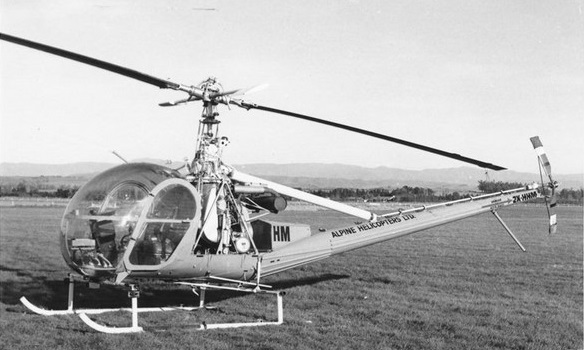
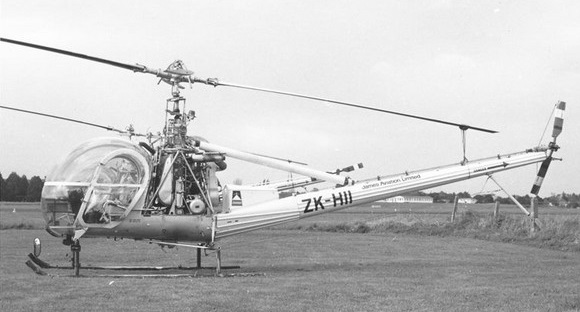
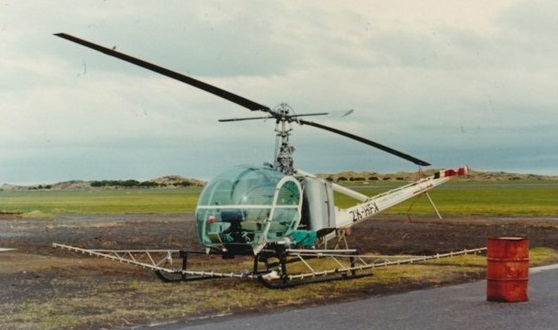
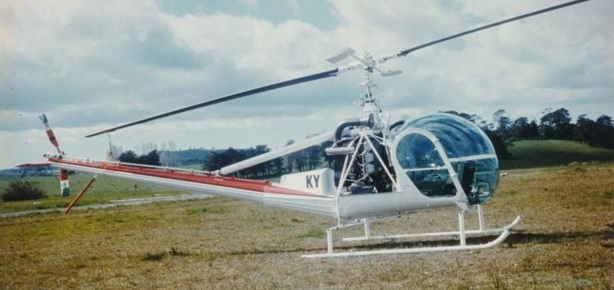
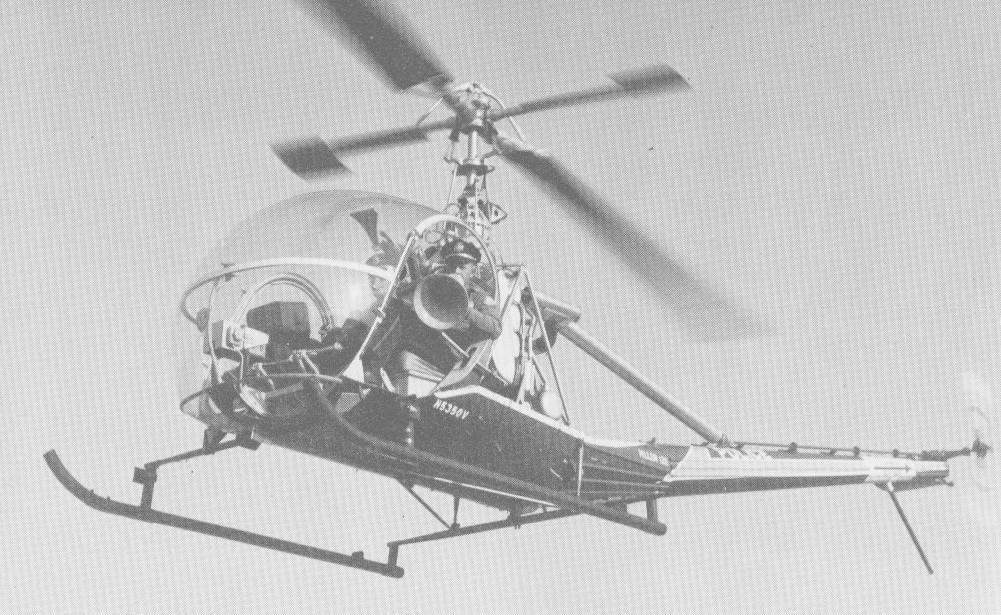
YH-32
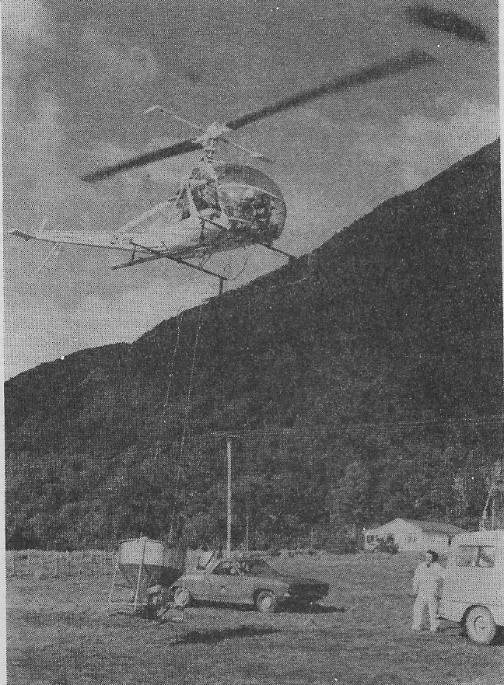
On a warm day the Hornet could barely hover over a metre above the ground with two people and a full fuel load. The Hornet was able to run on a wide variety of fuels, but the fuel tank held only enough for 25 minutes flying or 65km range. The rotor needed to be spun to 50 rpm by a small motor before the ramjets would start. Normal operating speed was 550 rpm. Fuel pressure was then built up, fuel flow valves were opened, and the starter button was depressed to fire a spark plug in each ramjet. Ninety seconds later, the Hornet’s rotor reached 450-500 rpm and away it flew. Pilots who had the chance to try it out reported generally pleasant and forgiving characteristics.
The museum owning the only remaining flyable example of the 17 Hornets built received complaints from neighbours a mile and a half away when they last flew it.
HOE-1 Engine: 2 x 8RJ2B ramjets, 17kg / 31 lb of thrust each Main rotor diameter: 7.0m / 23 ft Fuselage length: 3.45m / 12 ft. 8 in Height: 2.44m Take-off weight: 487kg Loaded weight: 1,200 lb. Empty weight: 239kg Max speed: 129km/h / 80 m.p.h Cruising speed: 111km/h Service ceiling: 3500m / 12,000 ft Range: 450km Typical range: 31 miles at 70 m.p.h. with full load. Seats: 2
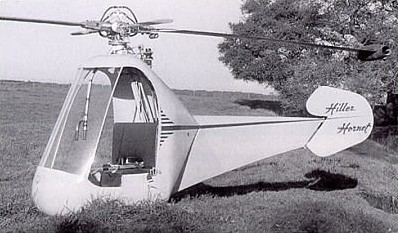
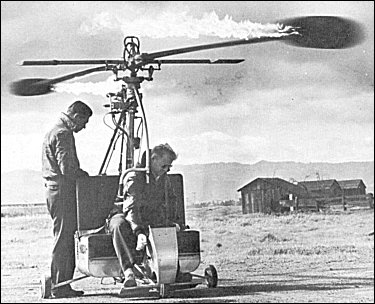
Originally intended for the civil market with a price as little as $5,000, the Hiller Hornet was a tiny helicopter powered by ramjet engines mounted on the rotor tips. Although Hiller never realized the long-held dream of flying crane production for want of government sponsorship, this program did have conspicuous successes. The comprehensive body of research it generated has paved the way for such helicopters to be built in the future, eliminating every real or imagined obstacle to their construction. This program also fostered the development of two generations of the Hiller HJ-1 Hornet. The first of these generations began with the construction of three HJ-1s in Palo Alto in 1950. Just 2.1m high, weighing 400kg fully loaded, and topped with 7m-diameter rotors, these machines were far less complex than conventional helicopters. Only their Rotormatic paddles revealed them to be Hiller machines. Frank Peterson flew the first Hiller HJ-1 “Hornet” in August day in 1950. The two-place craft was of simple construction, consisting mainly of a reinforced steel tube framework overlaid with a skin of fiberglass and plastic laminate. The Hornet was powered by two Hiller 8RJ2B ramjets, one fixed to the end of each main rotor blade, with an auxiliary one horsepower gasoline engine being used to spin the rotor blades up to the 50 rpm required prior to ignition of the ramjets. The HJ-1 “Hornet” generated substantial public interest when unveiled by Hiller in February 1951. At that time it was announced that the company might offer them for sale at less than $5,000 each. Its top speed was 130km/h, cruise was 110km/h, the service ceiling was 3350m, and the initial rate of climb was 5.6m/s. The only drawback was range, as a fully loaded HJ-1 could travel only a little under 65km. The HJ-1 was stable for a small helicopter because of its Rotormatic paddles and high-inertia rotor. The docile manners ended at autorotation. Whereas conventional helicopters autorotate at 9m/s or so, the Hiller “Hornet” plummeted at 15m/s, because the intakes of its ramjets retarded rotor windmilling. Hiller’s aeronautical engineers christened this aerodynamic braking “cold drag”. However slowly it turned during autorotation, the rotor – with the weight of ramjets at its tips – had plenty of accumulated kinetic energy left to trade for lift when the time came. One merely needed skill, nerve, and fast reflexes to know when to haul up on the collective lever. Hiller Test Pilot Bruce Jones was the first person to autorotate a tip-powered helicopter. Ground observers stood aghast as he hurtled downward in the HJ-1, came to a radical flare in the nick of time, and settled to the ground. With a mix of relief and anger, Hiller’s non-pilot contracts manager ran up to the Hornet, shouting that the craft was not insured. “Listen,” the pilot replied hotly, steadying himself on rubbery legs. “I’m lucky to be alive! The aircraft was falling at 15m/s and I was falling at 10, and I barely caught up with the controls to land the damn thing!” Jones, a veteran World War II flier and a former Bell helicopter demonstration pilot, soon became the undisputed master of Hornet autorotations. An argument arose on the Hiller flight line one summer day in 1951 over what accuracy, if any, was possible during “deadstick” landings. Jones settled the issue once and for all by autorotating from 900m to land within 15m of dead center of the Hiller apron. With no torque to counter, the “Hornet” dispensed with a tail rotor in favor of a simple airplane-style rudder canted to take advantage of rotor downwash. Pedals were likewise eliminated; side-to-side movement of the collective lever worked the rudder to provide yaw control. An overhead cyclic stick provided lateral and longitudinal control as in the early model 360. On the touchy subject of noise, Hiller publicity releases optimistically stated that “the Hornet’s sound range compares favorably with that of a conventional-powered helicopter.” The “Hornet” had just two controls (cyclic and collective-cum-rudder) and tachometer, fuel flow gauge, airspeed indicator, altimeter, and starter button on its instrument panel. The Korean War preempted plans to market the HJ-1. Viewing its rapidly expanding backlog of military helicopter orders, and an uncertain public demand for the HJ-1, Hiller Helicopters announced in September 1951 that plans for marketing a civil version of the Hornet had been indefinitely deferred.
A side-by-side two seat ultra-light helicopter with two Hiller ramjets attached to the ends of the rotor blades. No tail rotor and fixed tricycle undercarriage. One prototype was built, registered N6728C.
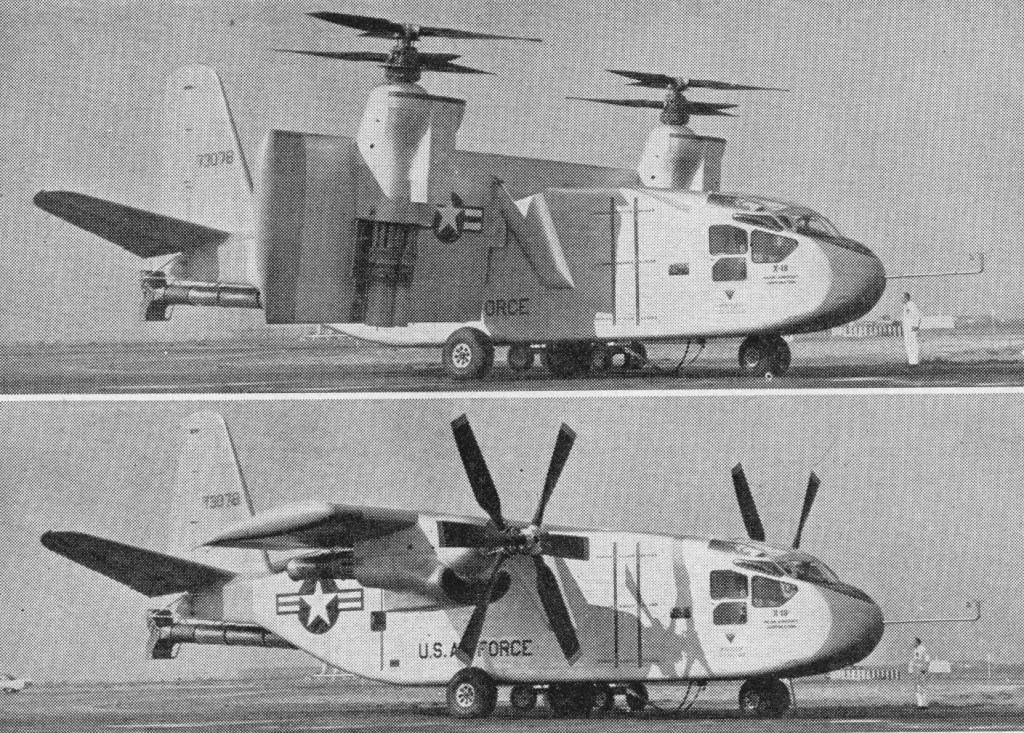
A prototype in the VTOL arena was the 33,000 lb Hiller X-18 tilt-wing convertiplane. The X-18 took to the air for the first time in November 1959, and in overall concept was configured as a transport type. Power was provided by two 5850-shp (4362-kW) Allison T40-A-14 turboshafts driving the two contra-rotating propeller/rotor units located one on each wing, and a 3400-lb (1542-kg) thrust J34 turbojet providing exhaust gases to a tail-mounted thrust diverter used for longitudinal control in vertical flight.
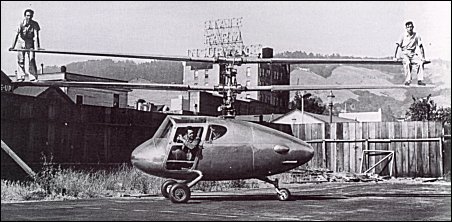
Work had begun in October 1944 on three Hiller X-2-235’s, two-place metal-clad successors to the XH-44, each powered by a 235hp Lycoming engine. Whereas the XH-44 was the world’s first successful rigid-rotor helicopter, the X-2-235 featured super-rigid rotors. This unprecedented degree of rigidity was provided to ensure that the opposite-turning rotors would never touch during even the most violent maneuvering. As built, the blades could support a person standing at the tip without noticeable deflection. Ground tests of the first example began in the summer of 1945 at the Old Berkeley Armory. Although no specific military requirement yet existed for such a machine, the X-2-235 was intended primarily for U.S. Navy use in the light utility, observation, and training roles. The Navy did not actually order the type, but it did procure the third uncompleted X-2-235 under the designation UH-1X, for evaluation in NACA wind tunnels at Langley Field, Virginia. Vibration problems curtailed these tests for fear of damaging the wind tunnel, but not before results vindicated the Hiller group’s belief that super-rigid coaxial rotors were a valid approach to very highspeed helicopter flight. The UH-1X, Hiller’s first military contract, clearly ran counter to normal aircraft engineering, but then the team building it had experience only in designing ships, bridges, and similar beefy structures. The lack of even a single aeronautical engineer on Hiller’s payroll to introduce that field’s antipathy to heavy structures was, ironically, an advantage in the uncharted terrain being explored. As a result of the NACA tests, Hiller initiated redesign of the X-2-235 to incorporate three-bladed coaxial rotors augmented by an aft-thrusting rear propeller. The reworked craft was obviously geared to flight at speeds substantially higher than those attained by existing helicopters. Main wheels retracting into sleek wing stubs further confirmed this supposition. The X-2-235s themselves had progressed to tethered flight.