Kramme & Zeuthen KZ.I / SAI KZ I

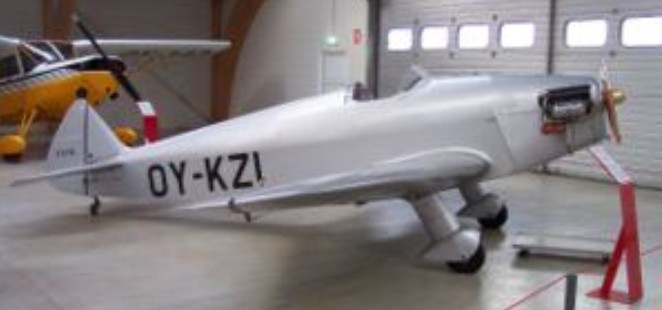
KZ I replica in Danmarks Flymuseum

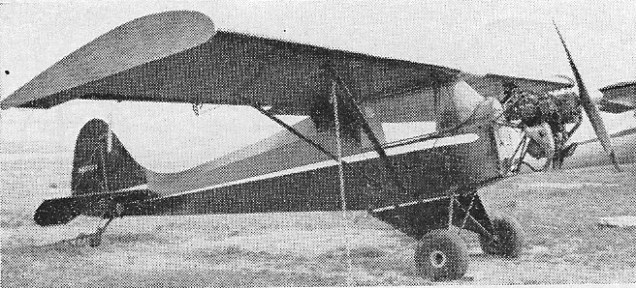
The SAI KZ I was a sport aircraft built in Denmark in 1937, the first aircraft built by the Kramme & Zeuthen firm. First flying on 24 February 1937, it was a low-wing cantilever monoplane of conventional design, with fixed tailwheel undercarriage and an open cockpit with a single seat. Construction throughout was of wood.

Only a single KZ I was constructed, and it disappeared during the course of World War II. During the 1970s, a flying replica was built, with work started by Gunnar Fjord Christensen in 1972 and sold to the Danmarks Flymuseum in 1977. The completed aircraft flew for the first time on 20 November 1988, and in 2008 remains part of the museum’s collection.
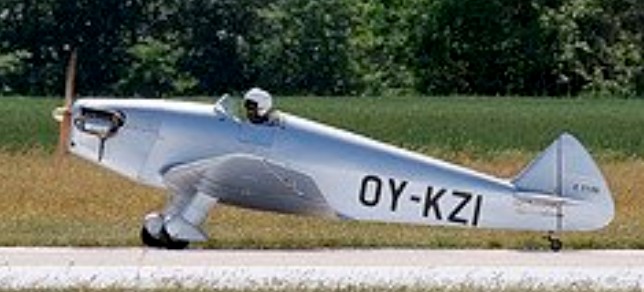
KZ I replica

Engine: 1 × ABC Scorpion, 37 kW (50 hp)
Wingspan: 7.20 m (23 ft 8 in)
Wing area: 8.4 sq.m (90 sq.ft)
Empty weight: 192 kg (422 lb)
Gross weight: 325 kg (715 lb)
Maximum speed: 180 km/h (110 mph)
Crew: One, pilot
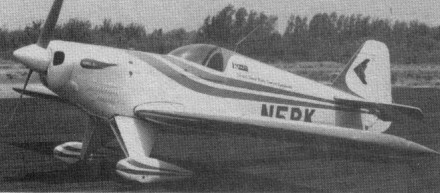
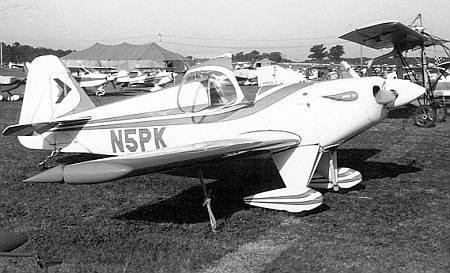
Kraft Super Fli

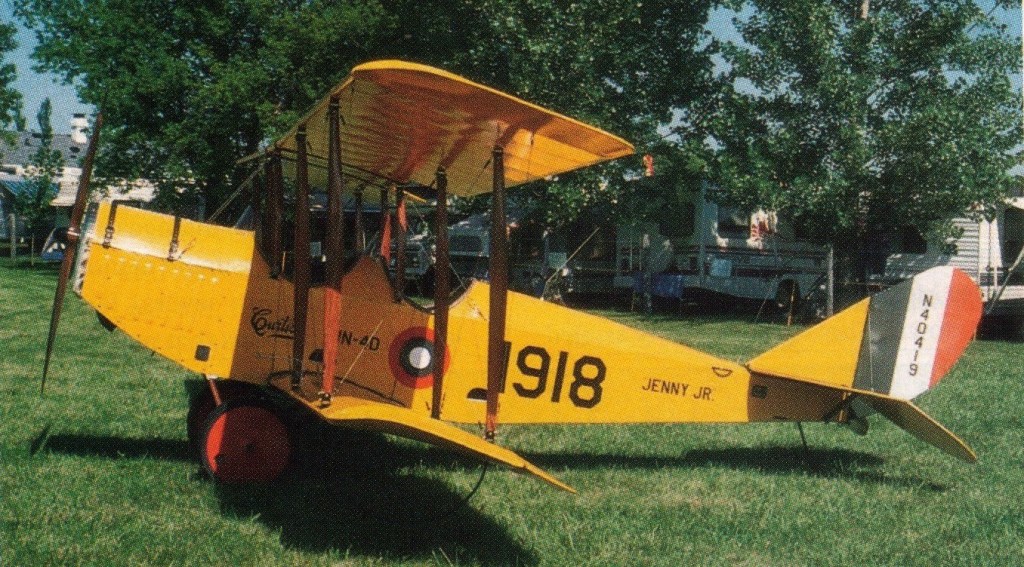
Designer Phil Kraft is a world champion model-builder, and he used his know-how to construct the Super Fli N5PK with assistance by Paul White. This unlimited aerobatic low-¬winger has seating for one under a transparent canopy. Fuselage construction is a steel-tube frame covered by aluminum, while the wings are a spruce and plywood structure covered with plywood.

The K-1 Super-Fli first flew in December 1974 under the power of a 200hp Lycoming AIO-360-A1D engine.

Although the K-1 was made available for amateur construction, no addition aircraft were completed. It is possible that a later owner (Ian Paden) installed a more powerful IO-540 engine.

The N5PK registration for the aircraft was cancelled in March 1990.

Gross Wt. 1450 lb.
Empty Wt. 1060 lb.
Fuel capacity 23 USG.
Wingspan 24’6”.
Length 20’.
Engine 200-hp Lycoming.
Top mph 185.
Cruise mph 135.
Stall mph 48.
Climb rate 1800 fpm.
Ceiling 12,000 ft
Takeoff run 800 ft.
Landing roll 1000 ft.
Range 400 miles.

Kozlov PS

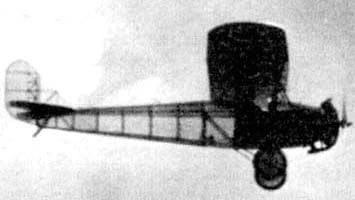
After a preliminary experiment using a Polikarpov U-2, Professor Sergei Grigorevich Kozlov, of the Nikolai Zhukovsky Air Force Engineering Academy, modified a Yakovlev AIR-4, in 1935, to produce the Kozlov PS (Prozrachnyy Samolyot — transparent aircraft). Fabric covering on the fuselage and wings was replaced with a transparent plastic material, called ”Cellon” or ”Rhodoid”, and the opaque structure was painted with a white paint mixed with aluminium powder. Trials with ground and airborne observations confirmed Kozlov’s theories, with the bonus of excellent visibility for the crew. After the initial success, the film was found to become opaque through dirt collection and the effects of the sun, diminishing the ”invisibility effect”.

Kozlov proposed an invisible single-seat reconnaissance aircraft using the transparent plastic material, but doubts about structural strength of the material precluded development. Further studies into transparent aircraft were ordered from the experimental institute headed by Pyotr I. Grokhovskii but no more transparent aircraft were built using Kozlov’s methods.”

Kosch Ornithopter

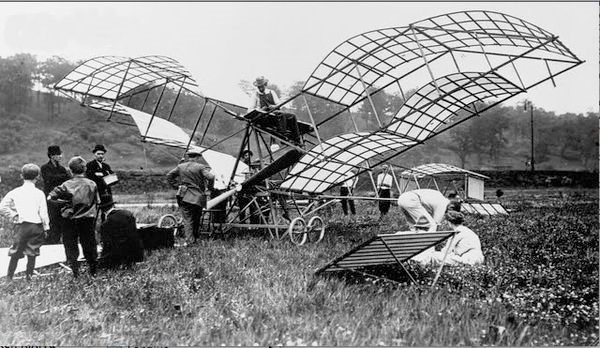
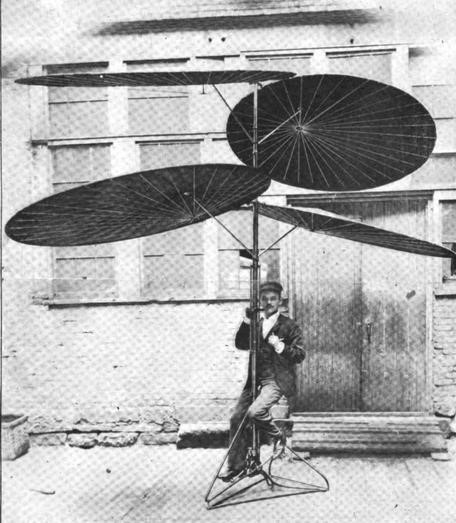
A patented experimental human-powered machine for aerial navigation built in Cleveland, Ohio, by Rudolph Kosch. The machine was published in the USA and in several magazines in Europe. In a French article from October 1896 the machine was identified as “un hélicoptère à ailes battantes” – a helicopter having flapping wings.