Panama City
Powered parachute builders
Panama City
Powered parachute builders
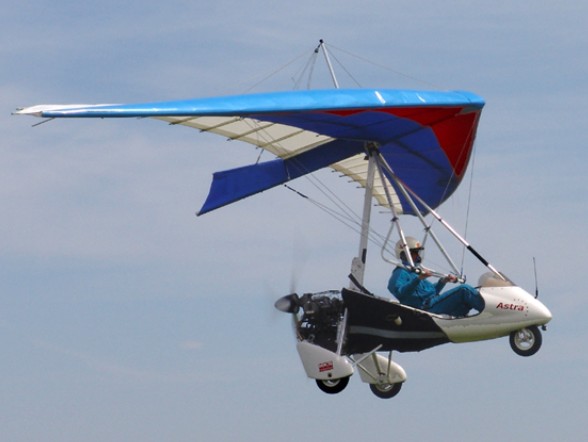
Designed by Allistair Wilson and built in Bloomfield, Indiana, the Astra trike is built to exceed the Light Sport Aircraft standards. The Astra has wide comfortable seating and can be used for serious cross country flying or simply enjoying the scenery.
The Astra Trike is manufactured in the American Mid West and has been developed using British technology. Two engine options were available: the HKS 700E – 60 BHP – 2 cylinder – 4 stroke or the 4 cylinder- 4 stroke – Rotax 912. The Astra Trike has been designed and manufactured to comply with the requirements of BCAR Section S Issue 2, and the American Sportplane aircraft design category.
Many parts for the wing are manufactured by Sport Flight International, including the wing sail, storage bag, wing bag and packing set. Sport Flight International also manufacture the structural wing frame tubes for the Astra Trike. Bill Sherlock test flew the first complete Astra Trike at Shawnee airport, Bloomfield Indiana, on the 26th April 2005.
The Astra Trike is the product of years of research and development, bringing to America a world class trike, capable of effortless cross country flying, with the reliability of a four stroke engine at an affordable 2009 Price.
The Astra 912 is powered by the 80 hp Rotax 912 four cylinder four stroke engine, allowing the trike to cruise at 70 mph, and burn just over 3.0 gallons per hour. Maximum level speed is 80 mph, VNE is 90 mph. Stall speed occurs at 32 mph. Rate of climb 800-1100 feet per minute depending on load and density altitude. Take off run 180 – 250 feet depndent on load and dnsity altitude. Astra 15.6 m double surface wing. Composite front fairing with windshield, Instrument panel, and composite wheel pants.
Dual rear brakes with parking brake, Warp Drive composite 3-blade propeller, Polyurethane shock absorber suspension system, Fabric skirt, 11.5 gallon fuel tank, Rotax mechanical fuel pump system, Cast aluminum spoked wheels, Wide composite seat with folding backrest, Chrome Moly steel maingear, Rear seat nose-wheel steering. Dual stainless steel muffler system, Pod storage bag, 10-row oil cooler, all aluminum radiator.
Standard instrument fit on the Astra 912 are Airspeed Indicator, Sensitive Altimeter, Fuel gauge, Digital engine monitoring which includes dual CHT and quadruple EGT, Hour meter, Flight timer, Voltage, Oil temperature, Oil pressure, Tachometer and In-dash Compass. Available Options include: Ballistic Recovery System Parachute, Vertical Speed Indicator, Fuel computer, Lynx Radio antenna, Dual Strobe system, High intensity headlight, Complete Lynx system including, Helmets, Vizors, Headsets, Intercom (self or aircraft powered), Radio, PTT cable, Windshield extension, Gas lift strut to assist in lifting the wing during set-up and takedown.
The Astra HKS is powered by the 60 hp Japanese HKS twin cylinder four stroke engine. This allows the trike to cruise at 55 – 65 mph, while burning just over 2.2 gallons per hour. Maximum level speed is 75 mph, VNE is 90 mph. Stall speed occurs at 32 mph Rate of Climb is 400 – 800 feet per minute depending on flight loads and density altitude. Astra 15.6 m double surface wing Composite front fairing with windshield and Instrument panel, composite wheel pants.
Dual rear brakes with parking brake, composite 3-blade propeller with reinforced leading edge, Polyurethane shock absorber suspension, Fabric skirt, 11.5 gallon fuel tank, Electric and mechanical fuel pump system, Cast aluminum spoked wheels, Wide composite seat with folding backrest, Chrome Moly steel maingear, Rear seat nose-wheel steering. Standard instrument fit on the Astra HKS are Airspeed Indicator, Sensitive Altimeter, Fuel gauge, Dual CHT, Dual EGT, RPM , Hourmeter, Voltmeter and In Dash Compass. Available Options include: Digital engine monitoring with warning light for out of range engine parameters, Jet Hot coating on the Muffler, Ballistic Recovery System Parachute, Vertical Speed Indicator, Fuel computer, Lynx Radio antenna,Dual Strobe system, headlight, Complete Lynx system including, Helmets, vizor, headsets, intercom (self or aircraft powered), Radio, PTT cable, Windshield extension, Gas lift strut to assist in lifting the wing during set-up and takedown.
The Astra S2 is powered by the 100 hp Rotax 912S four cylinder four stroke engine. A reliable, efficient and powerful engine that allows the trike an effortless cruise anywhere between 55 and 100 mph, and burn just over 3.5 gallons per hour. Maximum level speed is 105 mph, VNE is 115 mph. Stall speed occurs at 38 mph. Rate of climb is normally between 1000 -1300 feet per minute depending on load and density altitude. Take off run is typically 300 – 450 feet again dependent on load and density altitude. Astra S2 10.6 m double surface wing Composite front fairing with extended two piece windshield and Instrument panel, composite Pylon fairing and stabiliser wheel pants. Electric trim, Dual rear brakes with parking brake, composite 3-blade propeller with reinforced leading edge and prop spinner, Polyurethane maingear shock absorber suspension, Fabric skirt, 11.5 gallon fuel tank, Rotax mechanical fuel pump system, Cast aluminum spoked wheels, Wide composite seat with folding backrest, Chrome Moly steel maingear, Rear seat nose-wheel steering. Standard instrument fit on the Astra S2 are Airspeed Indicator, Sensitive Altimeter, Fuel gauge, Digital engine monitoring which includes dual CHT and quadruple EGT, Hour meter, Flight timer, Voltage, Oil temperature, Oil pressure, Tachometer and In-dash Compass. Available Options include: Ballistic Recovery System Parachute, Vertical Speed Indicator, Fuel computer, Lynx Radio antenna, Dual Streamlined Strobe System, High intensity headlight, Complete Lynx system including, Helmets, Vizors, Headsets, Intercom (self or aircraft powered), Radio, PTT cable, Windshield extension, Gas lift strut to assist in lifting the wing during set-up and takedown. Instructor Training Bars.
The Astra 503 is powered by the 54 hp Rotax 503 two cylinder four stroke engine. It powers the trike to a cruise speed between 55 and 65 mph, burning just over 4 gallons per hour. Maximum level speed is 70 mph, VNE is 90 mph. Stall speed occurs at 32 mph. Rate of climb is normally 250 -700 feet per minute depending on load and density altitude. Take off run is typically 200- 400 feet again dependent on load and density altitude. Astra A1 15.6 m double surface wing Composite front fairing with extended two piece windshield and Instrument panel, and wheel pants. Dual rear brakes with parking brake, composite warp drive 3-blade propeller, Polyurethane maingear shock absorber suspension, Fabric skirt, 11.5 gallon fuel tank, Rotax mechanical fuel pump system, Cast aluminum spoked wheels, Wide composite seat with folding backrest, Chrome Moly steel maingear, Rear seat nose-wheel steering. Standard instrument fit on the Astra 503 are Airspeed Indicator, Fuel gauge, Digital Altimeter and VSI, digital engine monitoring which includes dual CHT and dual EGT, Hour meter, Flight timer, Voltage, Tachometer and In-dash Compass. Available Options include: Ballistic Recovery System Parachute, Analogue Altimeter and Vertical Speed Indicator, Lynx Radio antenna, Dual Strobe System, High intensity headlight, Complete Lynx system including, Helmets, Vizors, Headsets, Intercom (self or aircraft powered), Radio, PTT cable, Windshield extension, Gas lift strut to assist in lifting the wing during set-up and takedown. Instructor Training Bars.
The Astra 103 is powered by the Rotax 503 two cylinder two cycle engine. This allows the trike a cruise speed between 55 and 63 mph, and burn just over 4 gallons per hour. Maximum level speed is 63 mph, VNE is 90 mph. Stall speed occurs at 25 mph. Rate of climb is normally between 300 and 500 feet per minute depending on load and density altitude. Take off run is typically 300 – 450 feet, again dependent on load and density altitude. Astra 103 10.6 m double surface wing. Composite front fairing with windshield and Instrument panel, and stabiliser wheel pants., Wooden 2 -blade propeller with protected leading edge, Bungee maingear shock absorber suspension, Fabric skirt, 5 gallon fuel tank, Rotax mechanical fuel pump system, Cast Nylon wheels, Wide fabric seat, Chrome Moly steel maingear. Standard instrument fit on the Astra 103 are Airspeed Indicator, Digital Altimeter and VSI, engine monitoring which includes dual CHT and dual EGT, Hour meter, Flight timer, Voltage, Tachometer. Available Options include: Ballistic Recovery System Parachute, Lynx Radio Antenna, Dual Streamlined Strobe System, High intensity headlight, Complete Lynx system including, Helmet, Vizor, Headset, Radio, PTT cable, Windshield extension, Gas lift strut to assist in lifting the wing during set-up and takedown.
Sport Flight International LLC is a small company dedicated to producing trikes available in America.
SMD/Flexiform Sky Sails Gazelle/Medium Striker is a single seat single engined flex wing aircraft with weight shift control. Rogallo wing with keel pocket. Pilot suspended below wing in trike unit, using bar to control pitch and yaw/roll by altering relative positions of trike unit and wing. Wing braced from above by kingpost and cables, from below by cables; bowsprit construction with >70% double-surface; pre formed ribs. Undercarriage has three wheels in tricycle formation; no suspension on any wheels. Push right go left nosewheel steering independent from yaw control. Optional brakes on main wheels. Aluminium -tube trike unit, without pod. Engine mounted below wing driving pusher propeller.
Chris Scoble of Southern Microlight Developments builds only the trike unit, and normally mates it to a Flexiform Sky Sails Medium Striker wing, which he strengthens in a similar fashion to the one plus one Striker wing used on the Mainair Rapier.
Gazelles tend to be tailored to the customer’s own requirements and therefore vary in specification, but they are all double pole machines with the poles placed at the extreme ends of the axle for maximum strength, rather in the manner of a UAS Storm Buggy. Normal engine fitment is a 440 cc Robin, with electric start. Heavy duty alloy main wheels are standard.
Living near the sea has encouraged Chris to take an interest in float flying and in spring 1983 he introduced them as an option. The SMD floats can be fitted without disturbing the wheels and are constructed from glass-reinforced polyester in a colour to the customer’s choice. Each has three separate compartments to minimise the effect of leakage. Along the top of each float is a GRP beam which allows the fixing points to be moved at will until correct weight distribution is attained.
Engine: Robin EC44, 40 hp at 6500 rpm
Propeller diameter 58 inch, 1.47 m
V belt reduction, ratio 2.4/1
Max static thrust 270 lb, 122 kg
Power per unit area 0.20 hp/sq.ft, 2.2 hp/sq.m
Fuel capacity 6.0 US gal, 5.0 Imp gal, 22.7 litre
Length overall 11.0ft, 3.35m
Wing span 34.5ft, 10.52m
Sweepback 15 deg
Total wing area 200 sq.ft, 18.6 sq.m
Wing aspect ratio 7.5/1
Wheel track 5.0 ft, 1.52 m
Wheelbase 5.6ft, 1.70 m
Nosewheel diameter overall 13 inch, 33 cm
Main wheels diameter overall 16 inch, 41 cm
Optional floats: length 12.5 ft, 3.81 m; weight 38 lb, 17 kg each
1982: Southern Microlight Developments, 121 Sandybourne, Upton, Poole, Dorset BH16 5LT, Great Britain.
Trike builder
The Scorpion was grounded by the UK Civil Aviation Authority. This followed a series of three in flight structural failures, two on single seaters and one on a two seater, which resulted in three deaths and one serious injury. Subsequent investigation by the Accident Investigation Branch revealed a lack of torsional stiffness in the main structural components, as well as a poor standard of detail engineering. The company went into liquidation shortly after the accidents. By 1982 were no longer trading.
Between 30 and 40 Scorpions were made, in various guises, all using Robin engines of either 330 or 440 cc.
1982: Southern Aero Sports Ltd, 145 Punchcroft, New Ash Green, Kent DA3 8HS, Great Britain.
Trike builder.
The company went into liquidation shortly after the Scorpion accidents. By 1982 were no longer trading.
A Puma is a combination of the South¬down Sailwings Lightning DS wing and a Southdown Sailwings approved two seat trike unit. The first such combination used an Ultra Sports trike unit and is known simply as the Puma. Later combinations carry a suffix to show the trike unit manufacturer, viz: Puma MS (Mainair Tri Flyer Two Seater trike unit) and Puma SS (Southdown Sailwings’ own trike unit).
A Puma Sprint is a combination of the Southdown Sailwings Sprint wing and a Southdown Sailwings approved two seat trike unit. The first such combination used Southdown Sailwings’ own trike unit and is known simply as the Puma Sprint. Later combinations carry a suffix to show the trike unit manufacturer. One such combination uses the Mainair Tri Flyer Two Seater trike unit and is called the Puma Sprint Ms.
The Sea Puma is a combination of the modified Southdown Sailwings Lightning DS wing and a modified version of Southdown Sailwings’ own two seater trike unit.
Thus there is no such thing as a single seat Puma.
Puma MS
Puma Sprint MS
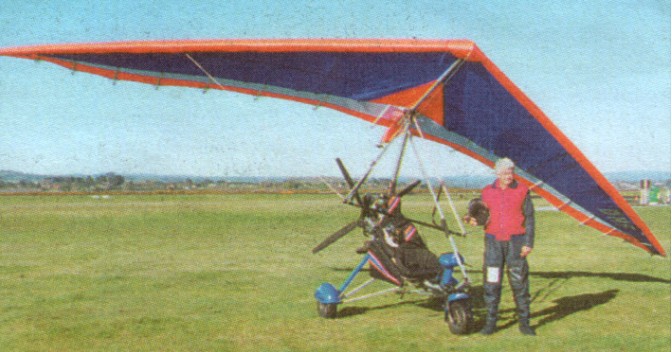
A trike and wing style ultralight from South Africa.
Engine: Rotax 582
Wing area: 14sq.m
Seats: 2
Cruise: 36-54 kts
Engine: Rotax 503
Also available as a single seater, the two seater seats side-by-side.

The Solid Air Diamant LP (English: Diamond, Light Performance) is a German ultralight trike, designed and produced by Solid Air UL-Bau Franz of Hundheim, Rheinland-Pfalz. The aircraft was supplied as a complete ready-to-fly-aircraft.
The Solid Air Diamant Twin (English: Diamond) ultralight trike was supplied as a complete ready-to-fly-aircraft.
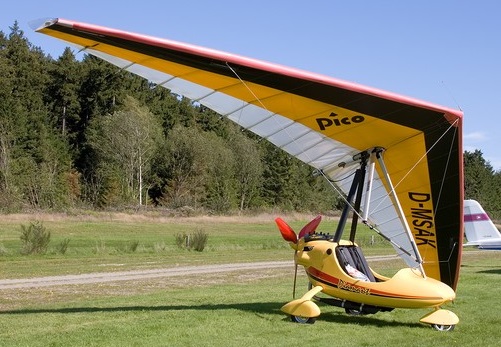
Diamant Twin Hazard
Empty weight: 170 kg
Wing span: 10.50 m
Wing area: 13 sq.m
Fuel capacity: 40-60 lt
Certification: Vz
Engine: Hirth F 30, 60 hp
MAUW: 383 kg
Seats: 2
Max speed: 120 kph
Cruise speed: 110 kph
Minimum speed: 50 kph
Climb rate: 3.5 m/s
Fuel consumption: 8 lt/hr
Price (1998): 41 000 DM
 All Aero