The third highest scoring ace from Austria-Hungary during World War 1, with about 30 victories.
People
Lindbergh, Charles – Pioneer pilot
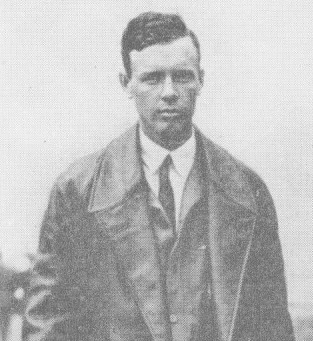
In 1927 Charles Lindbergh flew across the Atlantic Ocean. He flew the 3610 miles from Paris to New York alone, in thirty-three and a half hours.
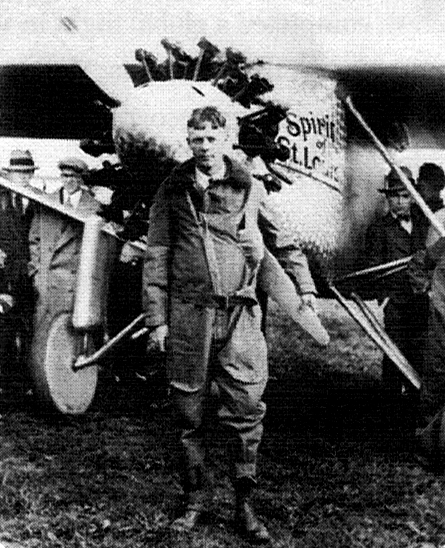
Lindbergh’s aircraft was a single-engined Ryan monoplane. ‘Spirit of St. Louis’. It had an enclosed cabin behind the engine and to see in front he had to use a periscope. After crossing the coast of Newfoundland, 1150 miles from New York, Lindbergh flew into fog and storm clouds and had to fly blind until he was half way across the ocean.
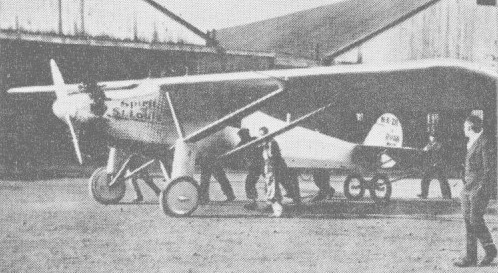
He had a brown-paper bag od sandwiches with him but ate none because he thought it would be easier to keep awake if he was hungry. One hundred thousand people welcomed him when he landed in Paris. He escaped them by lending his flying helmet to an American reporter who was promptly mobbed by the crowd.
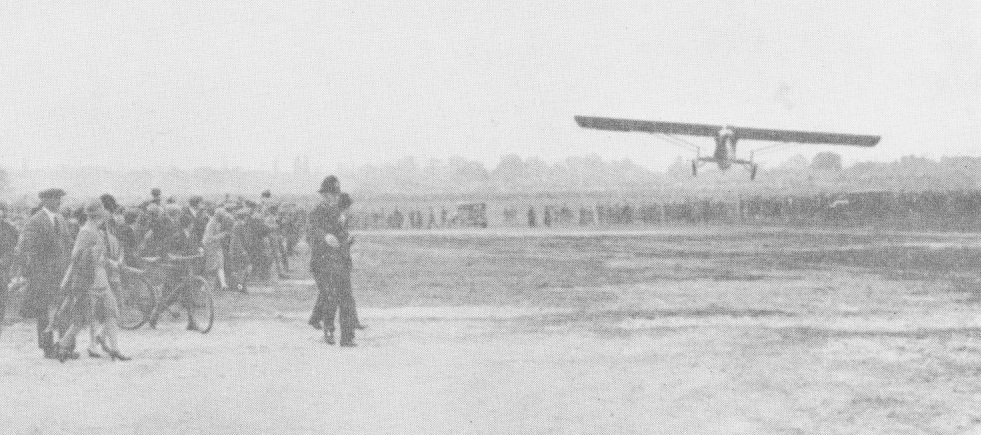
Everywhere he went afterwards he was treated as a hero. In France he received the Legion of Honour, and in England the Air Force Cross. He received about two million letters of congratulations and hundreds of thousands of telegrams. A town was named after him and a special stamp was issued bearing a picture of his plane.
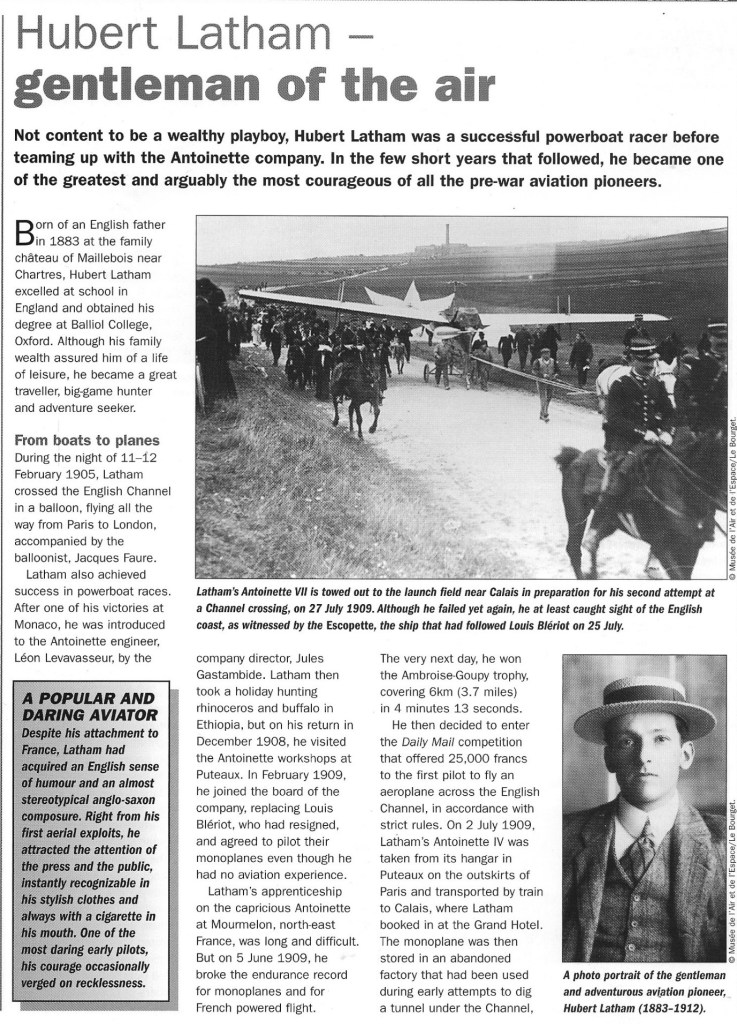
Latham, Hubert – Pioneer pilot
Kirschstein, Hans – Germany WW 1 ace
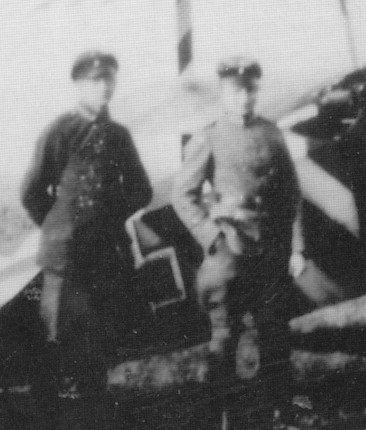
Born in Koblenz on 5 August 1896, Kirschstein served in the 3rd Pioneer Battalion in France and Galicia until May 1917, when he transferred into Aviation. Assigned to Flieger Abteilung 19, he took part in a bombing raid on Dover and straffed British tanks over Flanders. Kirschstein subsequently flew with Fl Abt 256 and Fl Abt 3, before joining Jasta 6 on 13 March 1918. He scored his first victory, a Camel flown by Capt. F.L.Luxmoore, commander of No.54 Sqn, RFC, five days later. On the 27th Kirschstein downed a two seat Armstrong Whitworth FK 8 of No. 2 Sqn RFC, and a Camel.
On 6 April, Kirschstein brought down a Camel from No.3 Sqn RAF, 2 Lt D.G.Gold being taken POW, and the next day he downed Lt. Ronald G. H. Adams of No.73 Sqn RAF.
On 10 May Jasta 6 caught No.80 Sqn’s Camels on a straffing mission and claimed three. Kirschstein downing 2Lt. G.A.Wateley.
His last Camel fell east of Demuin on 15 May, killing Lt. G.Wilson of No.209 Sqn RAF, and he added two Bristol F2Bs during the course of the day.
Ltn Hans Kirschstein was a Dr.1 exponent in the Red Baron’s Circus. Fifteen of his 27 victories, including six camels, were scored with the Dr.1.
Jasta 6 identified itself within JG 1 by black and white tailplane bands, but Kirschstein extended that motif to the after part of the fuselage, the upper wing and the interplane struts of his Dr.1 586/17 in a diagonal manner that Staffel mate Ltn Richard Wenzl called an ‘optische Täuschung’, or optical illusion.
Switching to the Fokker D.VII, which he completely overpainted in his diagonal black and white ‘optische Täuschng’ bands, Kirschstein had raised his tally to 24 by the time he was given command of Jasta 6 on 10 June. Exactly two weeks later, in addition to receiving the Orden Pour le Mérite, Kirschstein downed a Breguet 14 for his 27th victory.
On 16 July Kirschstein flew his D.VII to the aircraft park at Fismes for overhaul and Ltn Johannes Markgraf, who had joined the Staffel only five days earlier, arrived to fly him back to Jasta 6 in a Hannover CL.II. Markgraf had little experience in the Hannover and over controlled the machine. They crashed from an altitude of 50 metres and died soon afterwards.
Kingsford-Smith, Charles – Pioneer pilot
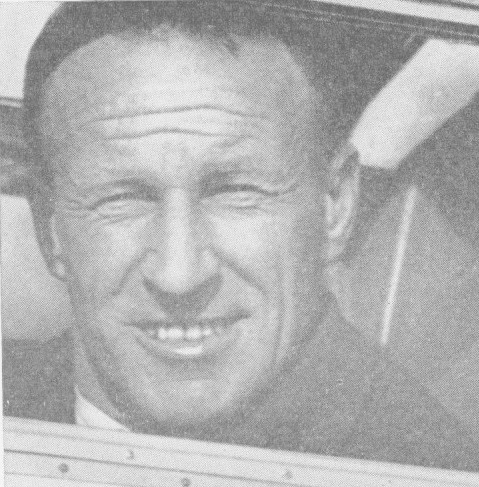
In 1927, the first flight across the Pacific Ocean from the USA to Australia was made by Charles Kingsford-Smith, Charles Ulm, Harry Lyon and James Warner, in a three-engined Fokker monoplane, ‘Southern Cross’.
They made the 7000 mile journey in three stages; 2100 miles San Francisco-Hawaii, 3100 miles Hawaii-Fiji, and 1700 miles Fiji-Brisbane. Only the leg San Francisco-Hawaii had been done before.

In September 1928, Kingsford-Smith and Ulm made the first crossing of the Tasman Sea, 1400 miles wide, from Australia to New Zealand. Thy returned the following month.
In June and July of 1929, they flew to London, completing the journey from Australia in twelve days fourteen hours eighteen minutes. Then in June 1930, after the Southern Cross had been overhauled at the Fokker Works in Holland, Kingsford-Smith, with Evert van Dyk as co-pilot and John Stannage and Patrick Saul as crew, made the flight from Great Britain to the USA.
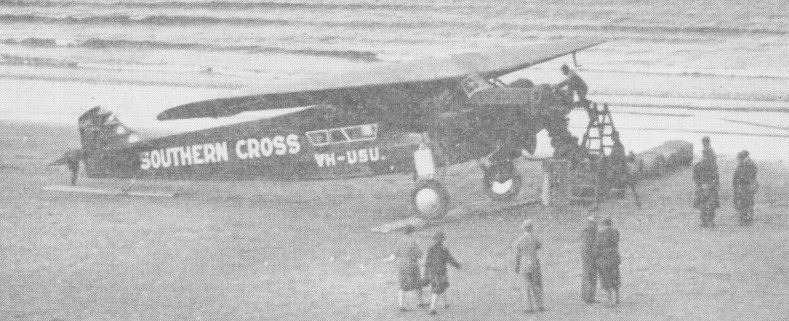
He flew on to San Francisco to complete the 25,000 mile circuit of the world. Kingsford-Smith was knighted in 1932.
Kazakov, Staff Capt. Aleksandrovich – Russia WW1 ace
The highest scoring ace from Imperial Russia during World War 1, with 17 victories.
Kazakov was awarded the DSO, MC, and DFC.
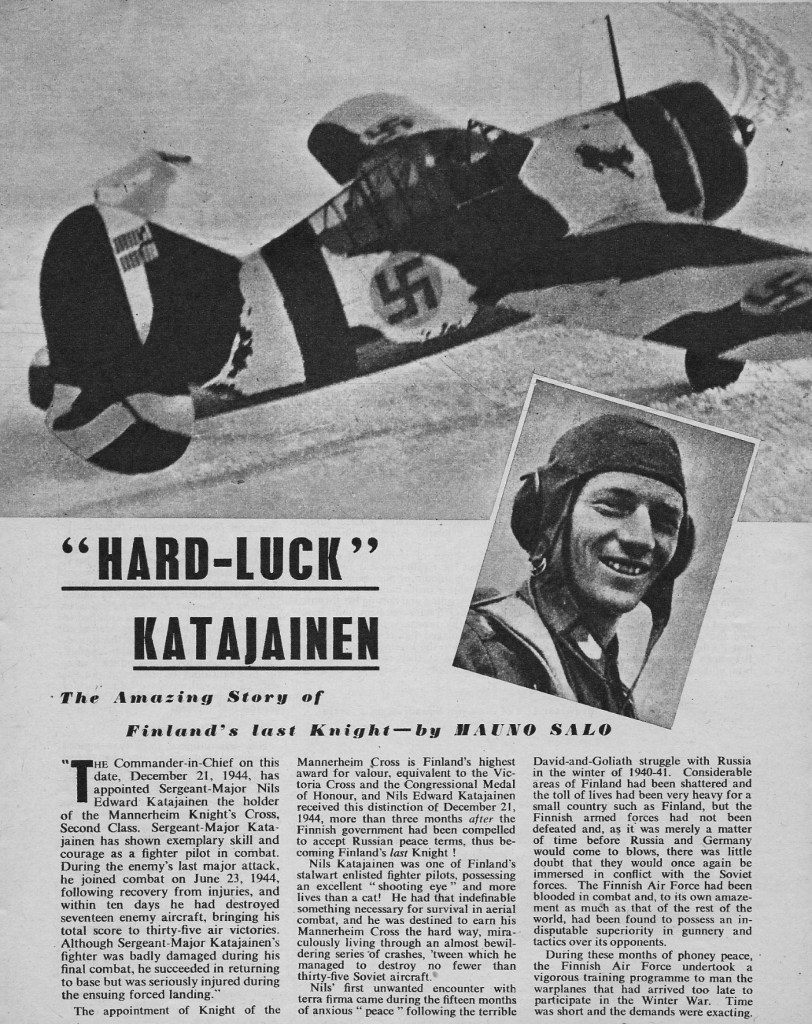
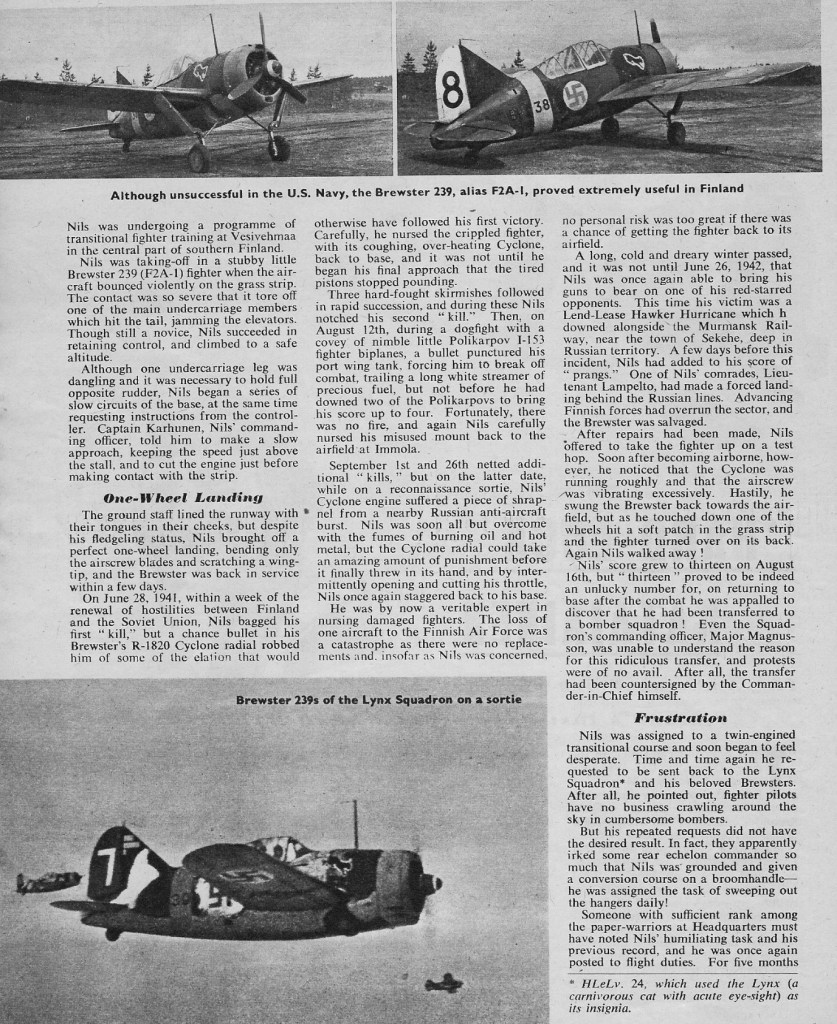
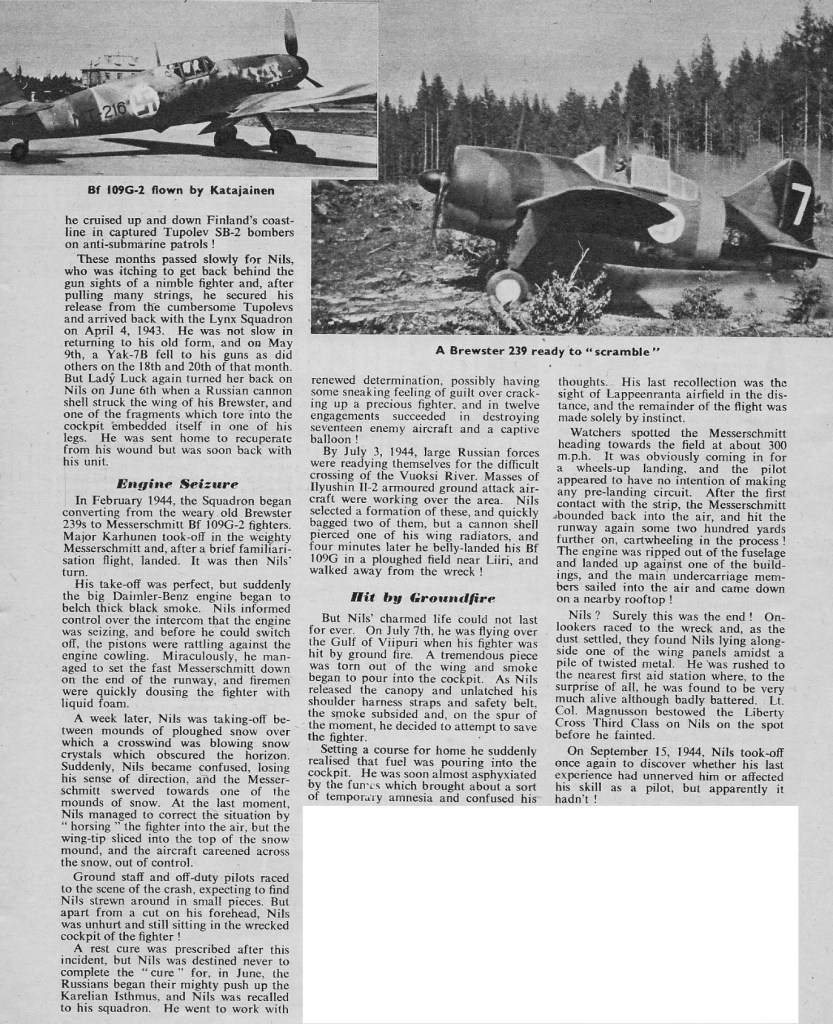
Katajainen, Sgt-Major Nils Edward – Finland WW2 Ace
Jordan, William L. – South Africa WW 1 ace RNAS / RAF
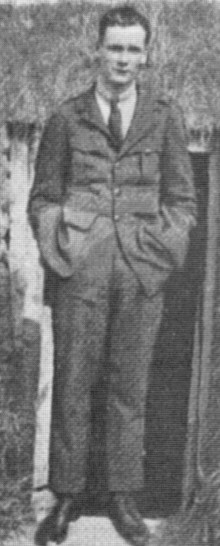
Born in Georgetown, South Africa, on 3 December 1896, William Lancelot Jordan was living in London when war broke out and he enlisted in the RNAS as an air mechanic. From here he became an air gunner, and eventually moved on to pilot training and was posted to No.8 Sqn RNAS.
By July 1917 the unit had replaced its Sopwith Triplanes with Camels, and on 13 July 1917 Jordan downed a Rumpler two-seater for his first victory.
On 11 August Jordan and Flt Cdr Charles Dawson Booker shared in the destruction of a black Albatros D.V near Acheville, this aircraft having been flown by Oblt Adolf Ritter von Tutschek of Jasta 12, who had 23 victories to his credit.
Jordan scored his ninth victory, an Albatros D.V, in concert with Flt Sub-Lt Edward G. Johnstone and Flt Sub-Lt Reid on New Year’s Day 1918, and his tally stood at 20 by mid-April, when he was promoted to Captain in the newly formed RAF.
Jordan claimed his first Dr.1 on 23 May, as his 24th.
Jordan, along with Lts R.L.Johns, P.M.Dennett and J.S.McDonald drove a Dr.1 out of control near Merville. The victim was Ltn Hans Grabe of Jasta 14, who died of his wounds on 7 June. Jordan was awarded the DFC soon afterwards.
His nect triplane claims came on 7 July, two miles east of La Bassée, and at 0750 hrs the following day between Meurchin and Epinoy, followed by a Pfalz D.IIIa ten minutes later. By then the triplane had passed its prime.
Jordan’s last success was an LVG out of control 1.5 miles north east of Pacaut Wood on 12 August, after which he returned to the UK on rest leave.
Twenty of his 39 credited victories were shared, and five were over triplanes. Jordan is credited with the most triplanes downed by any Camel pilot.
Jordan was killed in a car crash in late 1931.
Johnson, Kelly – Designer
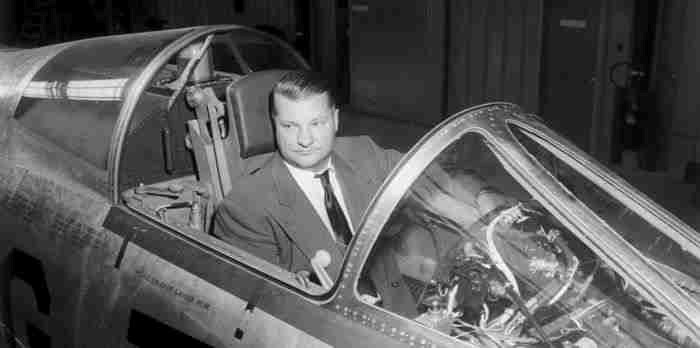
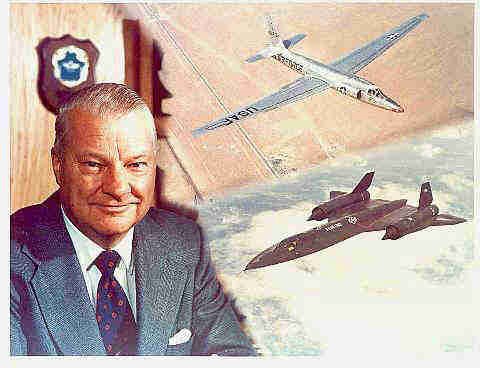
Clarence Leonard “Kelly” Johnson was born in 1910, the son of Swedish immigrants, Johnson would win his first prize for aircraft design at the age of 13. By the time he was 22 years old, he was working as an engineer at Lockheed.
At 28, Kelly Johnson’s role at Lockheed would bring him to London. At the time, Britain was preparing for the onslaught to come just three years later in the Battle of Britain. The British were unconvinced that such a young man could produce an aircraft that could turn the tides of an air war, but the fruit of Kelly Johnson’s labour, dubbed the P-38 Lightning, would go on to become one of the most iconic airframes of the entire war.
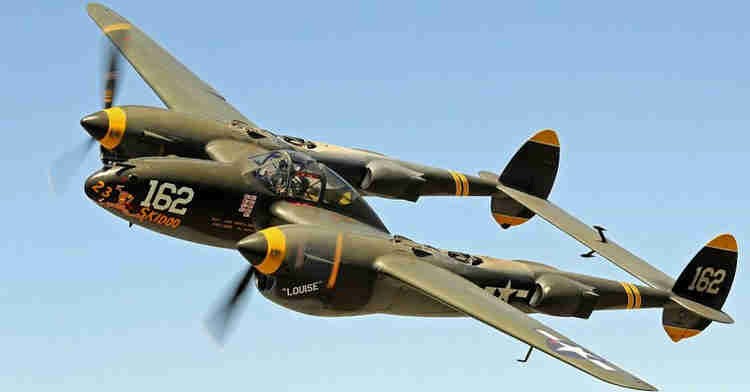
It was during World War II that Kelly Johnson and fellow engineer Ben Rich first established what was to become the Lockheed Skunk Works. Today, the Skunk Works name is synonymous with some of the most advanced aircraft ever to take to the skies. But its earliest iteration was nothing more than a walled-off portion of a factory in which Johnson and his team experimented with new technologies for the P-38, developing the first 400 mile-per-hour fighter in the world for their trouble, in the XP-38.
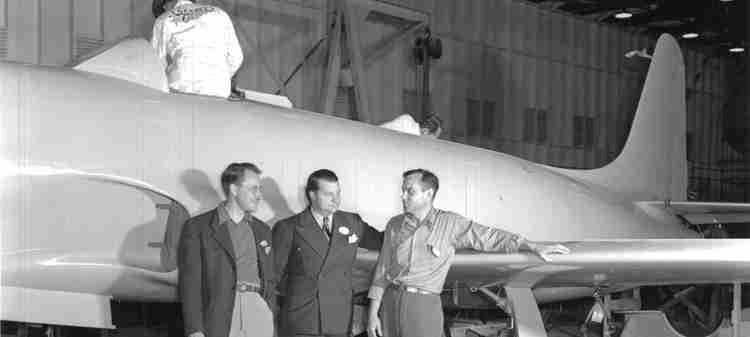
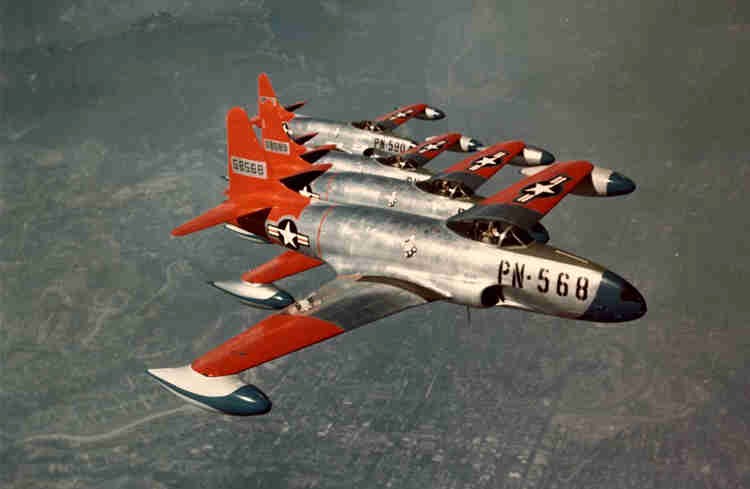
By the end of World War II, Kelly Johnson and his team had delivered the United States its first-ever operational jet-powered fighter, the Lockheed P-80 Shooting Star. Johnson had been tasked with building an aircraft around the new Halford H.1B turbojet engine that could compete with Germany’s Messerschmitt Me 262 Schwalbe. In just an astonishing 143 days, Kelly had gone from the drawing board to delivering the first operational P-80s.
Later, Kelly’s team came through with the design and production of the C-130 Hercules. Then, in 1955, they received yet another assignment: The United States needed an aircraft that could fly so high it would avoid being shot down, or potentially even detected.
President Eisenhower wanted eyes on the Soviet nuclear program, and Johnson’s unusual aircraft design with long slender wings and no retractable landing gear seemed like it could do the job, despite its shortcomings. Johnson and his team were given a contract to design and build their high-flying spy plane. In just eight months, they delivered the U-2 Dragon Lady.
In order to test this incredible new aircraft, Kelly Johnson needed a remote airstrip, far from the prying eyes of the American public. He chose a dry lake bed in Nevada for the job. It proved particularly well suited for testing classified aircraft. Eventually, that little airstrip and accompanying hangars and office buildings would come to be known popularly as Area 51.
The U-2 may have been an immense success, but just as aviation advancements were progressing quickly, so too were air defences. In 1960, Soviet surface-to-air missiles finally managed to get a piece of a CIA operated U-2 flown by pilot Gary Powers. The aircraft was flying at 70,000 feet, higher than the Americans thought it could be spotted or targeted by Soviet radar, when it was struck by an SA-2 Guideline missile. Powers had to ride the Dragon Lady down from 70,000 feet to 30,000 feet before he could safely eject. As the secretive spy plane was plummeting to the ground, Kelly Johnson and his team at Skunk Works were already developing a platform to replace it.
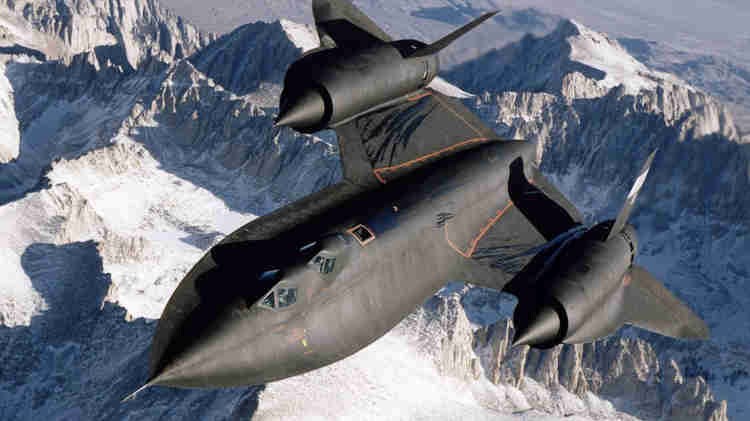
It would need to not only fly higher than the U-2 but also faster — much faster, so even if it were detected, no missile could reach it. Johnson and his team designed a twin-engine aircraft with astonishing capabilities in the A-12. This then led to the operational SR-71 Blackbird — an aircraft that retained the title of the fastest operational plane in history. Lockheed’s SR-71 could sustain speeds in excess of Mach 3.2, flying at altitudes higher than 78,000 feet. During its 43 years in service, the SR-71 had over 4,000 missiles fired at it from ground assets and other aircraft. Not a single one ever found its target.
Johnson and his team needed to develop an aircraft that could defeat detection from not only enemy radar, but also other common forms of detection and targeting, like infra-red. Using the most advanced computers available at the time, Skunk Works first developed an unusual angular design they dubbed “the hopeless diamond” as it seemed unlikely that such a shape could ever produce aerodynamic lift.
Undaunted, development continued and by 1976, they had built a flyable prototype. The aircraft was called Have Blue, and it would lead to the first operational stealth aircraft ever in service to any nation, the legendary F-117 Nighthawk.
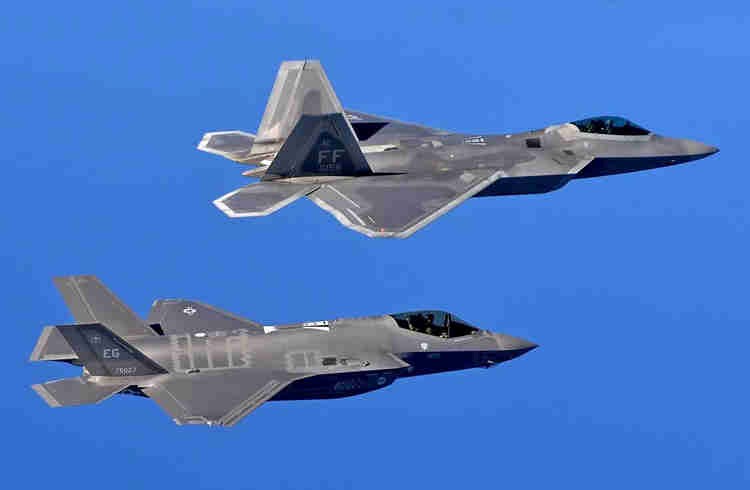
The F-117, or “stealth fighter” as it would come to be known, played a vital role in America’s combat operations over Iraq in Desert Storm and elsewhere — but this program produced more than battlefield engagements. The technology developed for the F-117 directly led to America’s premier stealth fighters of today: the F-22 Raptor and F-35 Joint Strike Fighter.
In total, Kelly Johnson had a hand in the design and development of some 40 aircraft for commercial and military purposes. He has seemingly countless awards and credits to his name for his engineering prowess. The man had a genuine affection for his work, to the degree that he turned down the presidency of Lockheed on three separate occasions to retain his role within the Skunk Works he helped to found.
Kelly’s boss at Lockheed, Hall Hibbard, once exclaimed, “The damn Swede can actually see air,” as he tried to understand how one man managed to play such a pivotal role in so many aircraft, and in turn, in how the Cold War unfolded. Finally, Kelly retired in 1975 but remained a senior advisor to Skunk Works for years thereafter. He passed away in 1990 at age 80.
Johnson, Amy – Pioneer pilot
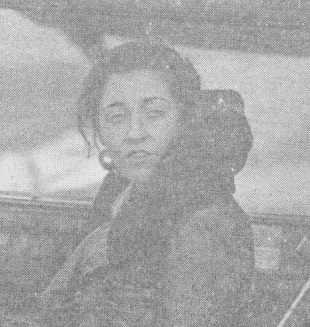
Amy Johnson (1903-1941) was born in Hull, UK, and studied at Sheffield University.
She was the first woman to make a solo flight from England to Australia. She made the flight in 1940, taking 19 and a half days. With only 90 hours flying experience, set out alone on May 5, 1930, in a DH Moth named ‘Jason’, in an attempt to beat Hinkler’s time for the flight from England to Australia.
Although she did not beat the record, she was world famous when she reached Australia.
She made other record breaking trips. Including a flight to Japan (1931), to Cape Town in South Africa (1932), and, with her husband James Mollison, to Karachi (1934).
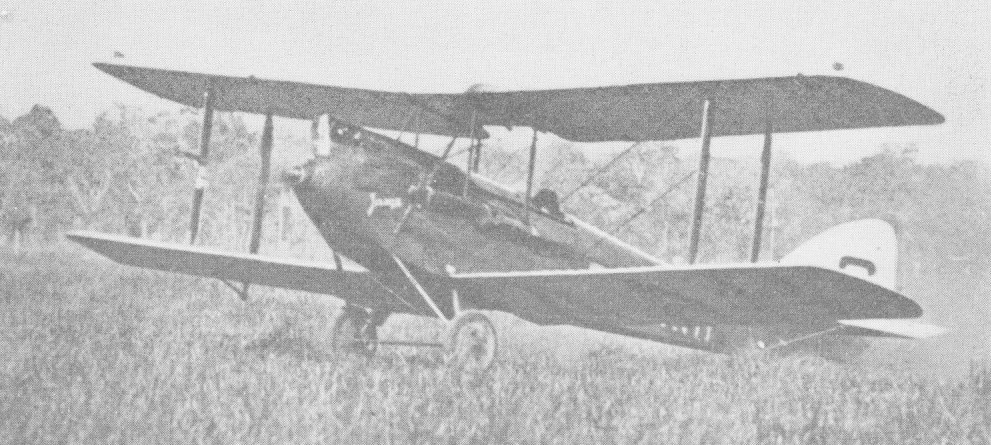
She drowned after bailing from an aeroplane over the Thames Estuary.
 All Aero