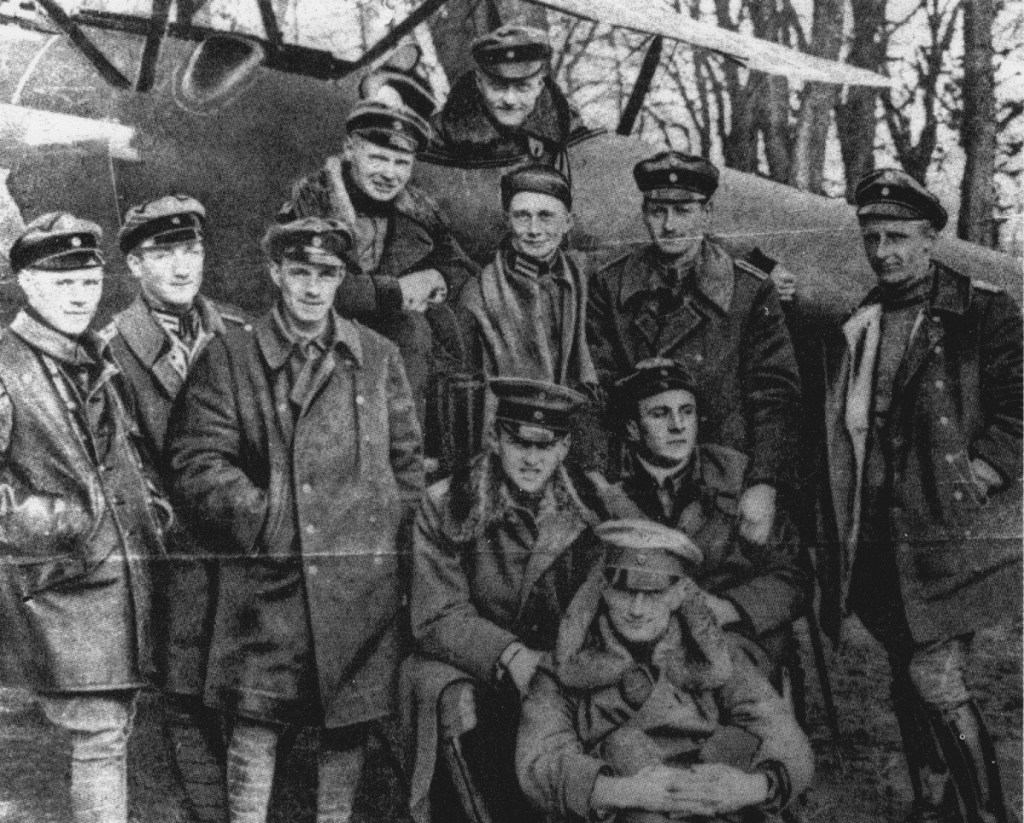
Stephenson, William S. – Canada WW 1 RFC

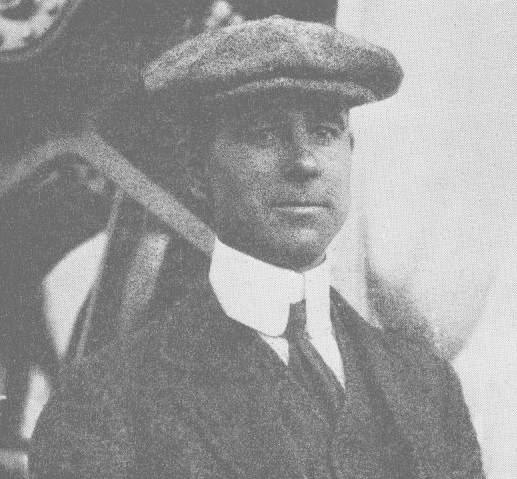
William Samuel Stephenson was born in Winnepeg, British Columbia, on 11 January 1896. He began the war in the Winnipeg Light Infantry, served as an engineer and survived being gassed in 1916. Stephenson applied to the RFC on 16 August 1917 and joined No.73 Sqn on 9 February 1918. He scored his first victory over an Albatros D.V on 22 March, followed by an LVG in flames two days later.

On 3 May Stephenson was credited with a Dr.1 near Ploegsteert but his next claim did not come until 9 July, west of Moncheaux. Twelve days later he shared in the destruction of a Dr.1 north-east of Oulchy le Chêteau with eight others.Stephenson claimed his fourth triplane, as well as a Fokker D.VII over Bazoches, the following day.

After sharing in the destruction of an LVG on 25 July, Stephenson went missing for three days. He was last seen battling seven Fokker D.VIIs, one in flames became his 12th victory. As he came down over German lines, he was hit by a machine gunner, force landed, and was taken prisoner.

Stephenson later escaped from the POW camp, taking note of every German installation of possible military value as he made his way back to join his squadron. In addition to the Military Cross, Stephenson was gazetted for the Distinguished Flying Cross.

Moving to England in 1924, Stephenson became a wealthy industrialist whose international business dealings allowed him to acquire information on Nazi rearmament which he passed on to opposition MP Winston Churchill as early as April 1936. In World War II he rose to prominence in the counterintelligence role in North America using the code name ‘Intrepid’. Nighted by King George VI and awarded the Presidential Medal for Merit by the Americans, in 1976 he wrote a best selling autobiography, ‘A Man Called Intrepid”.

Stephenson died in Paget, Bermuda, in January 1989. Ian Fleming, who used him as the model for ‘spymaster M’ in his novels, summed his career up in 1962 when he wrote ‘James Bond is a highly romanticised version of a true spy. The real thing is William Stephenson’,

Steinhoff, Johannes – Germany WW2 ace

In December 1939, the RAF sent two dozen unescorted Wellington bombers to raid Wilhelmshaven. It was the first British loss of the war. The Staffelkapitan, a Lieutenant Steinhoff, scored two victories.

In 1945 Lt. Gen. Adolf Galland was fired as General of the Fighters and allowed to form JV 44, the “Squadron of Experts.” One of his first staff members was Lieutenant Colonel Steinhoff, who was put in charge of pilot recruiting. And one of Steinhoff’s first choices was a onetime member of his Battle of Britain staffel, Maj. Gerd Barkhorn,

The last six of Steinhoff’s 27 Western Front victories were scored in the Me 262, raising his final tally to 176. The end came for him on April 18, 1945.

Led by Galland, six jets were taking off across a bomb-pocked, hastily patched runway. Steinhoff, one of the last away, had reached some 125 mph when a wheel of his speeding fighter hit a partly filled crater. The plane yawed, shed a gear, skidded up an incline at the end of the runway, sailed 50 yards through the air and crashed in a bare field across a perimeter road. The jet promptly burst into flame.

Somehow, the flesh peeling off his body, he fought free and fled just as the four dozen R4M 55mm rockets slung under the wings began exploding.

Horribly burned about the face, Steinhoff never closed his eyes from 1945 until 1969. He had no eyelids, and was forced to wear a black bandage to sleep at night. Now an RAF surgeon has fashioned new eyelids for him from skin taken from an arm.

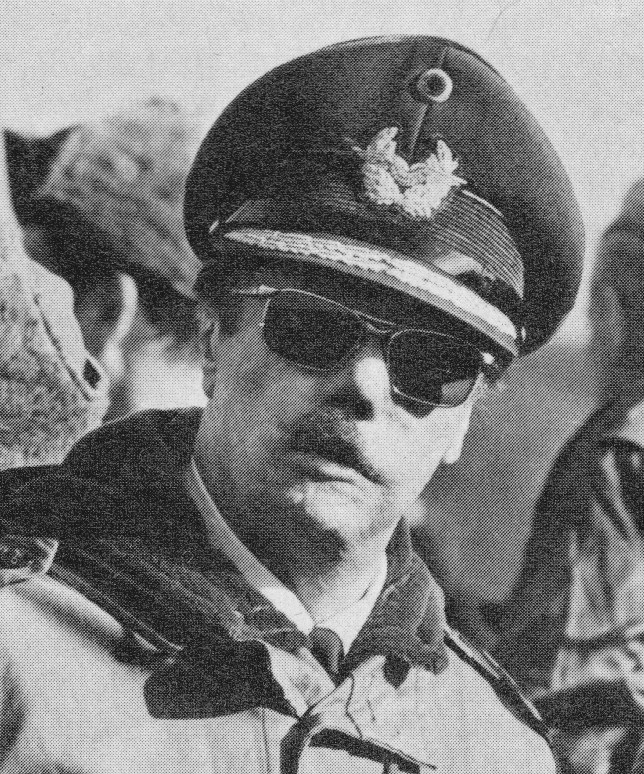
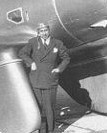
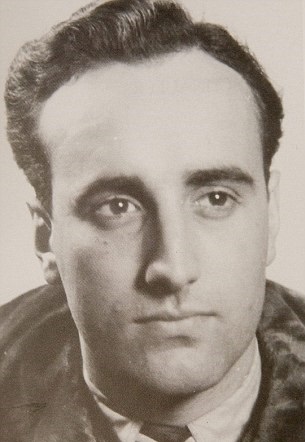
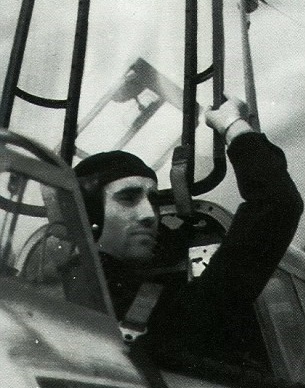
Lt.Gen Johannes Steinhoff

An enthusiastic jet pilot, Steinhoff personally selected the F-104 as the reconstituted Luftwaffe’s standard operational fighter of the 1960s. As Barkhom says, it’s like the 109.

Johannes Steinhoff was the chief of staff of the German Air Force in 1969.

Seversky, Lt.Cdr A.P. – Russia WW1 ace

Of noble Russian parentage, Alexander Nikolaievich Prokofiev de Seversky was born in Tbilisi, then part of the Russian Empire (now Georgia) and called Tiflis, June 7, 1894. He entered a military school at age 10. Seversky’s father was one of the first Russian aviators to own an aircraft (a modified Bleriot XI built by Mikheil Grigorashvili) and by the age of 14, when Seversky entered the Imperial Russian Naval Academy, his father had already taught him how to fly. Graduating in 1914 with an engineering degree, Lieutenant Seversky was serving at sea with a destroyer flotilla when World War I began.

Seversky was selected for duty as a naval aviator, transferring to the Military School of Aeronautics at Sebastopol, Crimea. After completing a postgraduate program on aeronautics in 1914–15, he was reassigned as a pilot in the summer of 1915 to an aviation unit in the Baltic Fleet. While stationed in the Gulf of Riga, on his first mission, he attacked a German destroyer but was shot down by enemy anti-aircraft fire before he could drop his bombs. The bombs exploded in the crash, killing his observer and badly wounding Seversky. Doctors amputated his leg below the knee and although he was fitted with an artificial leg, despite his protests, authorities deemed him unfit to return to combat. To prove to his superiors that he could still fly, Seversky appeared unannounced at an air show, but was quickly arrested following his impromptu spirited aerial performance.

Tsar Nicholas II intervened on his behalf and in July 1916, de Seversky returned to combat duty, downing his first enemy aircraft three days later. In February 1917, he assumed command of the 2nd Naval Fighter Detachment, until he was seriously injured in an accident where a horse drawn wagon broke his good leg. After serving in Moscow, as the Chief of Pursuit Aviation, Seversky returned to combat duty. On 14 October 1916, he was forced down in enemy territory but made it back to the safety of his own lines. He went on to fly 57 combat missions, shooting down six German aircraft (his claims for 13 victories would make him Russia’s third-ranking World War I ace although the claims are disputed). Seversky was the leading Russian naval ace in the conflict. For his wartime service, Seversky was awarded the Order of St. George (4th Class); Order of St. Vladimir (4th Class); Order of St. Stanislaus (2nd & 3rd Class); Order of St. Anne (2nd; 3rd; and 4th class).

During the 1917 Revolution, Seversky was stationed in St. Petersburg and remained in uniform at the request of the commander-in-chief of the Baltic Fleet. In March 1918, he was selected as an assistant naval attaché in the Russian Naval Aviation Mission to the United States. Seversky departed via Siberia and while in the U.S., decided to remain there rather than return to a Russia torn apart by the Revolution. Settling in Manhattan, he briefly operated a restaurant.

In 1918, Seversky offered his services to the War Department as a pilot with General Kenly, Chief of the Signal Corps appointing him as a consulting engineer and test pilot assigned to the Buffalo District of aircraft production. After the Armistice, Seversky became an assistant to air power advocate General Billy Mitchell, aiding him in his push to prove air power’s ability to sink battleships. Seversky applied for and received the first patent for air-to-air refueling in 1921. Over the next few years, 364 patent claims were made, among them the first gyroscopically stabilized bombsight, which Seversky developed with Sperry Gyroscope Company in 1923. After joining the Army Air Corps Reserve, Seversky was commissioned a major in 1928.

Using the $50,000 from the sale of his bombsight to the U. S. Government, Seversky founded the Seversky Aero Corporation in 1923. When Seversky left for Europe on a sales tour in the winter of 1938–39, the Board reorganized the operation on October 13, 1939, renamed as Republic Aviation Corporation with Kellett becoming the new president. Seversky sued for redress but while legal actions dragged on, the Board of Directors voted him out of the company he had created.

As World War II approached, Seversky became engrossed in formulating his theories of air warfare. Shortly after the December 7, 1941 attack on Pearl Harbor, he wrote Victory Through Air Power, published in April 1942, advocating the strategic use of air bombardment. The best-selling book (No. 1 on the New York Times bestseller list, appearing first in mid-August 1942 and remaining in first place for four weeks) with five million copies sold. The book’s popularity and hard-hitting message led to Walt Disney adapting the book into an animated motion picture (1943) of the same name where Seversky (who also served as the film’s technical consultant) and General Mitchell provided live-action commentary. The Disney animated film received a lukewarm reception at the box office and from critics who felt it was an unusual departure from the standard Disney studio fare, sending out a powerful propaganda message based on an abstract political argument. The influence of both the book and film in wartime, however, was significant, stimulating popular awareness and driving the national debate on strategic air power.

Seversky was one of a number of strategic air advocates whose vision was realized in the 1946 creation of the Strategic Air Command and the development of aircraft such as the Convair B-36 and B-47 Stratojet. Seversky continued to publicize his ideas for innovative aircraft and weaponry, notably the 1964 Ionocraft which was to be a single-man aircraft powered by the ionic wind from a high-voltage discharge. A laboratory demonstration was acknowledged to require 90 watts to lift a two ounce (60 g) model, and no man-carrying version was ever built.

In postwar years, Seversky continued to lecture and write about aviation and the strategic use of air power, following up his landmark treatise with Air Power: Key to Survival (1950) and America: Too Young to Die! (1961).

Seversky died in 1974 at New York’s Memorial Hospital, and was buried in the Woodlawn Cemetery in the Bronx.

He received the Harmon Trophy in 1939 for advances in aviation. For his work on air power, Seversky received the Medal of Merit in 1945 from President Harry Truman and the Exceptional Service Medal in 1969 in recognition of his service as a special consultant to the Chiefs of Staff of the USAF. In 1970, Seversky was enshrined in the National Aviation Hall of Fame.
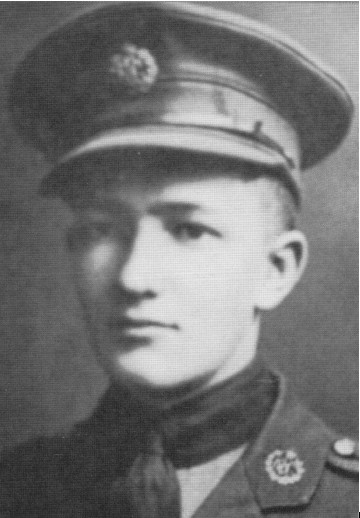
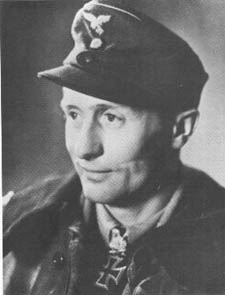
Schnaufer, Heinz-Wolfgang – WW2 pilot

Heinz-Wolfgang Schnaufer shot down 121 aircraft during the Second World War. Most of them were four-engined British bombers, such as the Lancaster.

Born in Calw, Schnaufer achieved his 100th aerial victory on 9 October 1944 and was awarded the Diamonds to his Knight’s Cross of the Iron Cross with Oak Leaves and Swords on 16 October. He is one of only 27 men to have received the award, at the time Germany’s highest military decoration.

The night pilot was nicknamed ‘The Spook of St. Trond’, after the location of his unit’s base in occupied Belgium, from where he would fly out to intercept bombing attacks.

By the end of the war, Schnaufer’s night fighter crew held the unique distinction that every member was decorated with the Knight’s Cross of the Iron Cross.

Schnaufer was taken prisoner of war by British forces in May 1945. After his release a year later, he returned to his home town and took over the family wine business.

The pilot died in 1950 following a road accident.

The tail fin of a German plane that was flown during the Second World War by fighter pilot Heinz-Wolfgang Schnaufer was discovered by a military-air historian in the 1960s, who spotted the unique artifact being used to patch up a roof in the village of Hillegossen, Germany. The bullet-ridden section of the Messerschmitt is covered with stencil paintings of the 121 British and Commonwealth aircraft shot down by Luftwaffe pilot Schnaufer.

Wolfgang Lohmann, an expert on Luftwaffe aircraft, bought the fin from its owner – who had picked it out of wreckage after the war – and has had it on display at his home in Germany ever since.

The fin, which also features a large swastika, was expected to fetch up to £20,000 when it went up for sale, but it sold on 15 May 2016 at Dominic Winter Auctioneers Ltd in Cirencester, Gloucestershire, for £90,000.

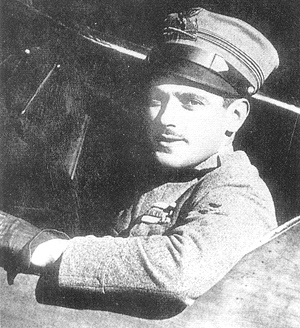
Scaroni, Tenente Silvio – Italy WW1 ace

Silvio Scaroni joined the 2nd Field Artillery Regiment of the Italian Army as a corporal. He was serving with that unit when World War I avalanched through the rest of Europe. On 2 August 1914, Italy announced its neutrality as sides formed up for the conflict.

Scaroni transferred to the Corpo Aeronautico Militare in March 1915. He began training to fly Bleriots and Caudrons shortly before Italy entered the war on the side of the Triple Entente on 26 April 1915. In September 1915, Scaroni was assigned as a reconnaissance pilot with Squadriglia 4a. In January 1917, he was promoted to first lieutenant and assigned to Squadriglia 43a. Subsequently, he was reassigned to Squadriglia 86a, then to Squadriglia 76a as a fighter pilot.

On 3 November 1917, Scaroni filed his first claim for an aerial victory, but it went unconfirmed and uncredited. On 14 November, Scaroni scored his first official victory, while flying a Nieuport 17. By 19 December, he had scored six victories, and his squadron phased out the Nieuports.

For the remainder of his victories, Scaroni would fly a Hanriot HD.I. His 25 victories would make him second only to Belgium’s Willy Coppens for success with this type of airplane.

His success with the Hanriot began only four days later, as he scored victory number two on the 18th. A win the following day, and one each on the 5th and 10 December made him an ace in less than a month. He scored once more on 19 December. Then, the day after Christmas, he was the leading gun in one of the most lopsided aerial battles in World War I.

As he himself described it in a magazine article he penned for Nel Cielo, his airfield was attacked by ten enemy bombers. He shot down one of the bombers in flames at 9 AM. He then dueled with another for twenty minutes before it crashed. The observer leapt from the wreckage and lit it on fire to deny its capture. Unfortunately, the observer managed to catch his own clothing on fire in the process. Still more unfortunately, the pilot was still pinned under the debris and burned to death. Meanwhile, Scaroni’s squadron-mates shot down six more of the raiders. Scaroni capped off the day by downing another, even larger, bomber at 12:35. He thus ended the year with nine wins.

He accumulated another ten victories by 16 June 1918. On that day, or the next, he doubled his firepower by installing a second machine gun on his plane.

He scored four more times in June, including a double on the 25th. July saw him with two confirmed victories and two unconfirmed on the 7th, and a confirmed and an unconfirmed on the 12th. He was wounded the following day, and saw no further combat in the war.

Scaroni attended the Schneider Trophy air races in November, 1926 as part of his duties as Italy’s Air Attache to the United States. The race was held just outside Washington, D.C., in the Chesapeake Bay. Italy had a racing team entered; they had come with such expectation of victory that they had smuggled celebratory Chianti in their seaplane floats in violation of America’s Prohibition. When they had engine problems, Scaroni suggested switching American spark plugs and gasoline into the Italian planes. That solved their engine woes.

Italy sent a military mission to aid the Nationalist Chinese government in 1933. Circa 1934, as part of this mission to China, Colonel Scaroni established a flying school for the Chinese Air Force at Loyang. Its policy was to graduate every pupil. This was done to ingratiate the Italians to the ruling class parents of the flying cadets, and to undercut the popularity of a previously established flying school at Hangchow, which was staffed and run by Americans to stricter United States Army Air Corps standards. The mission would remain in China until 1936. Scaroni would serve there through 1937.

The Italian mission also set up an aircraft manufactory to produce Fiat fighters and Savoia-Marchetti bombers under license.

During World War II, Scaroni commanded the Italian air forces in Sicily. Scaroni, who published his wartime memoirs as Impressions and Memories of Aerial Warfare, died in Milan on 16 February 1977 aged 83.

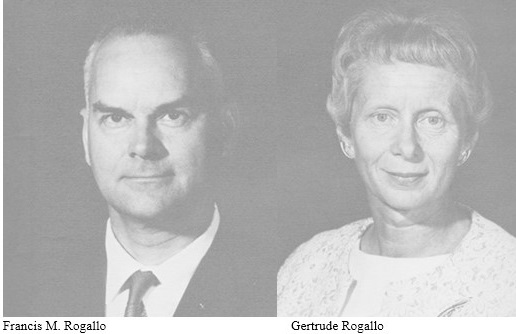
Rogallo, Frances M. & Gertrude – Designers

In 1919, when Francis M. Rogallo was seven years old, an aeroplane flew over his town (Sanger, California) and he decided to make aeronautics a career. Around 1925 when he was 23, he saved enough money to buy a ride in a Curtiss Jenny in Fresno without consulting his parents.

In 1933 and about 1937 he applied for the US Army Air Corps flight training program but was turned down. The Navy turned him down around 1934 before because a childhood accident had eliminated the two largest toes on his right foot.

In 1946 Rogallo spent several days in Lock Haven, Pennsylvania, helping the Piper company build an experimental airplane with a full-span slotted flaps and plug-type spoiler aileron. Shortly, Meyers, a Piper pilot, gave him about 10 hours of dual instruction and he got a student permit to solo.

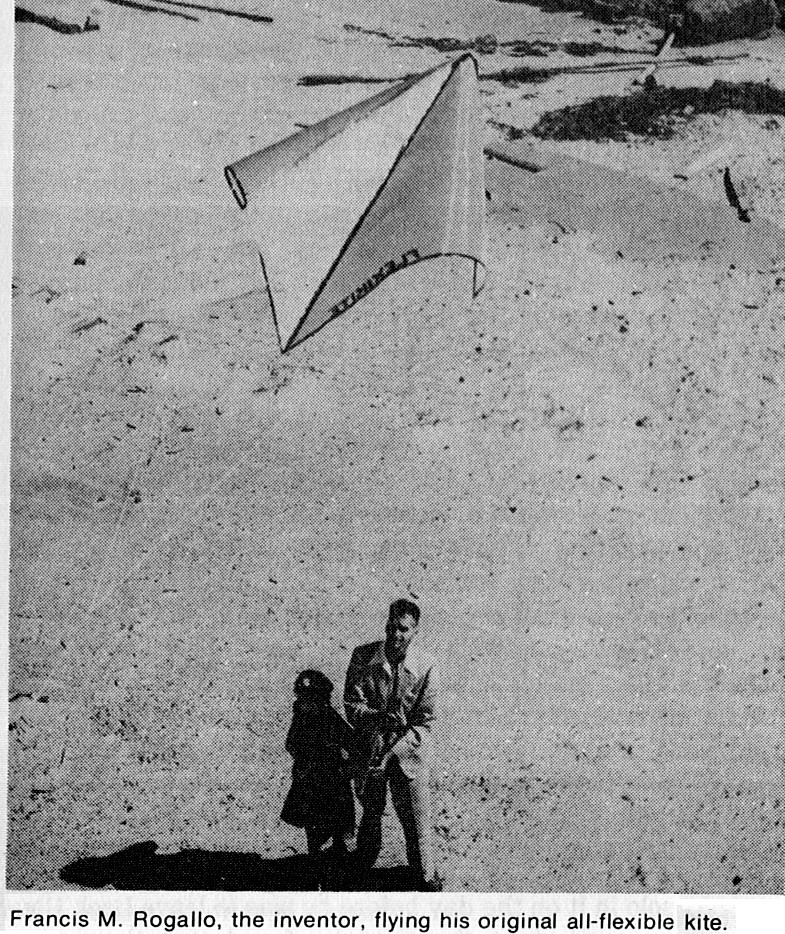
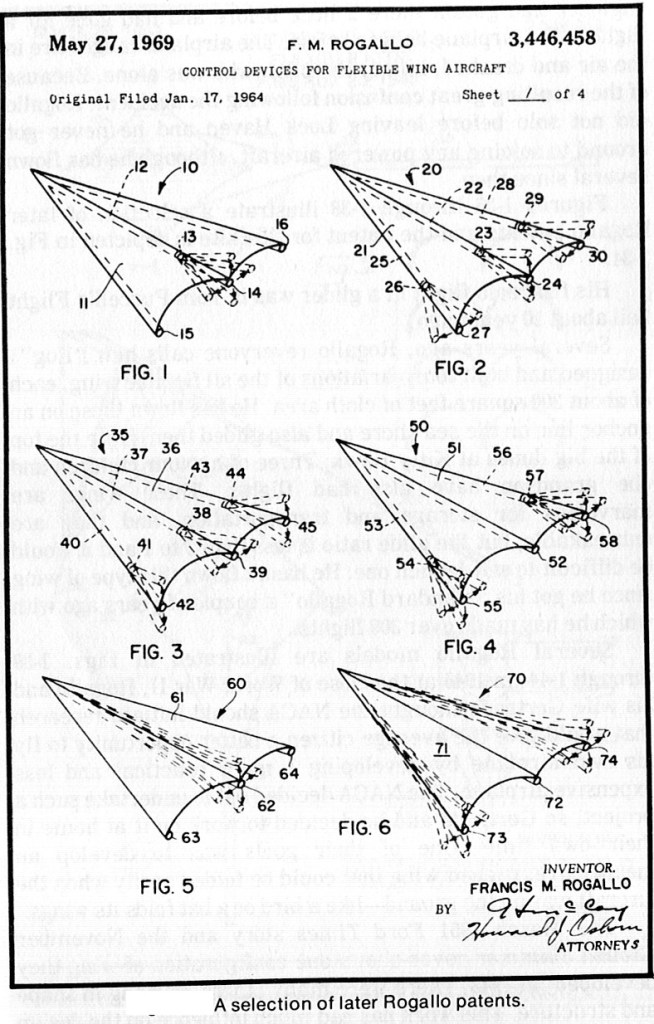
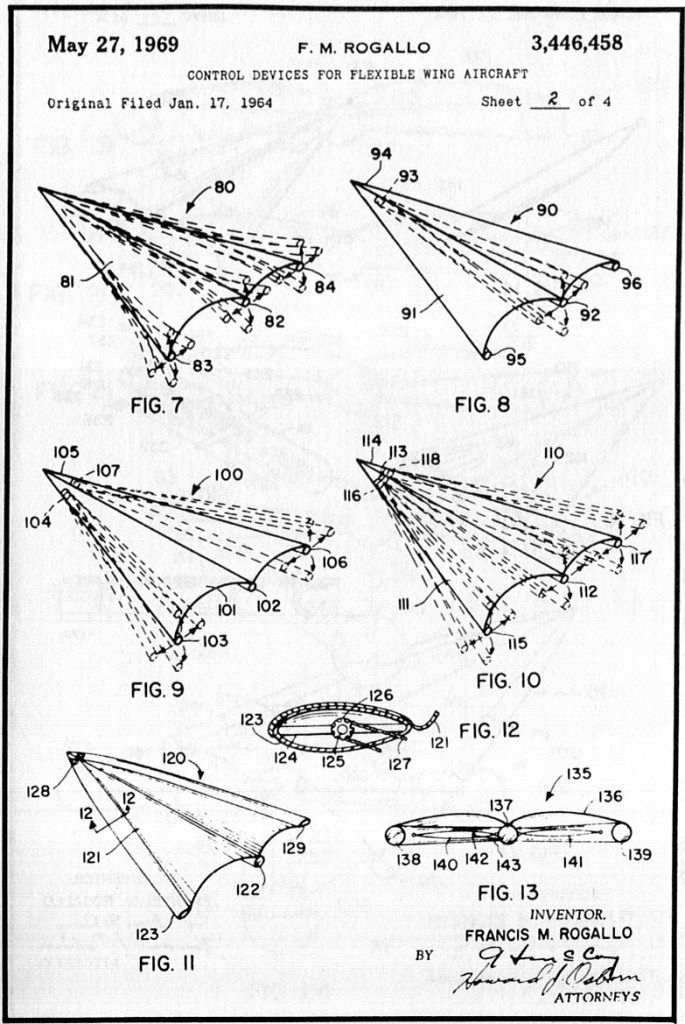
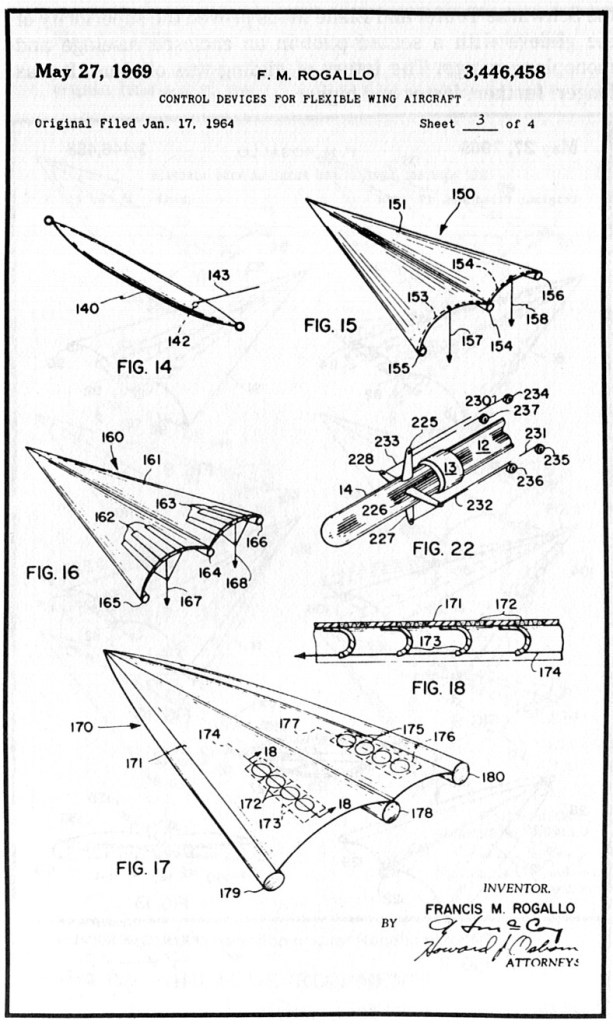
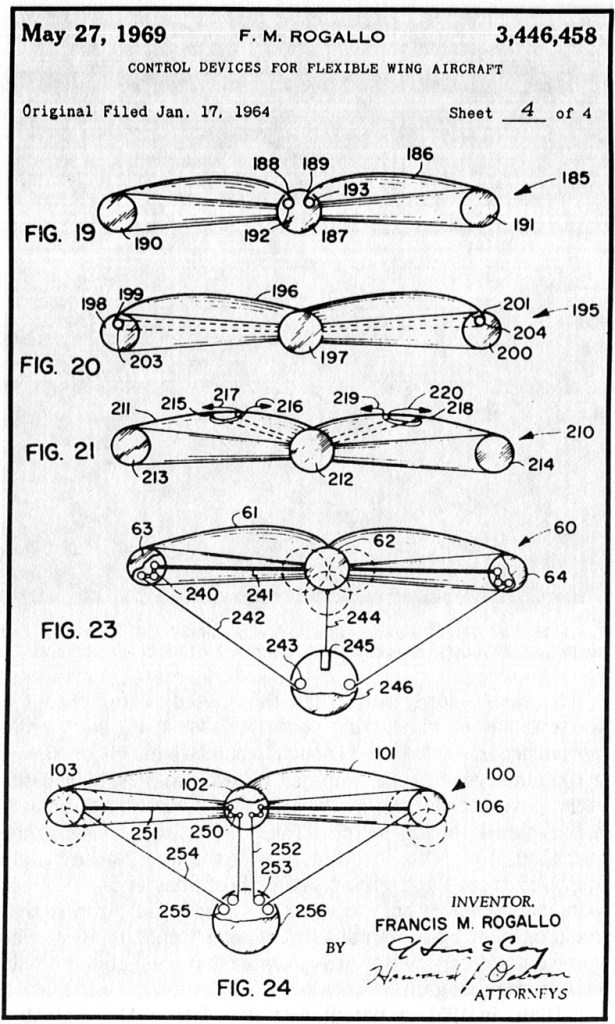
In the late 1940s Francis M. Rogallo was working at the Langley Research Center for a government agency soon to be known as NASA. Rogallo’s working concern was with the stability of conventional aircraft, but at home he and Gertrude Rogallo, his wife, began to tinker with kite designs.
Rogallo had been fascinated with kites since childhood, but as a skilled engineer he felt that not only could kite designs be improved, but that the flexible surface and easy dismantling of kites could in some way be adapted to low speed flight situations.

The Rogallos made numerous paper models and flew or towed them with thread around their living room. The parachute had the collapsible characteristics they were looking for, but they wanted a more streamlined design that could glide and maneuver as well as float. When they had some success with a paper model, they would take a larger version to the beach for testing.

When the design showed particular efficiency, Rogallo built a wind tunnel from a 36 inch fan to test it more thoroughly. Gertrude then cut pieces for the finished design from an old curtain of flowered chintz and rummaged through the children’s toys for a small, plastic astronaut to tie below the kite.

The model flew amazingly well and in 1948, after continual testing under various conditions, they applied for a patent. Their design (which came to be known as the flexible parawing) was an original concept involving a flexible fabric lifting surface of delta shape. Its in-flight biconical form was determined by a balance between the forces of the air load on the canopy and the tension in the suspension lines. Unlike the parachute, the parawing could maintain a forward glide angle by venting air out its loose trailing edge. Rogallo envisioned a multitude of possibilities for his stable, easily guidable aircraft, including use as a re-entry vehicle for space equipment, but NASA at first ignored his invention. The only commercial interest was from the Silly Putty people who made a mylar kite with the Rogallo’s design.

Roe, Alliott Verdon – Designer & Builder

Alliott Verdon Roe, after a varied career in surveying, tree-planting, fishing, post-office management and marine engineering began aircraft design in 1906. Spurred by winning £75 in a model aircraft contest held in London in 1907. Roe built a full-size biplane, which made some tentative hops from the motor racing circuit at Brooklands in 1908.

Moving to an abandoned railway arch on Lea Marshes in Essex, he built the Roe I Triplane which weighed less than 91 kg (200 lb) and was covered in brown wrapping paper. He called it the Bull’s-Eye Avroplane after the brand-name of men’s trouser braces whose manufacturer had supported him. In July 1909 the Roe I Triplane made the first official powered flights in Britain by an all-British aircraft.

Alliott Roe subsequently developed three other triplane designs, one of which he flew (and crashed three times) at the great Boston-Harvard Aviation Meeting of 1910.

A.V. Roe and Company was established at Brownsfield Mill, Great Ancoats Street, Manchester, by Alliott Verdon Roe and his brother Humphrey Verdon Roe on 1 January 1910. Humphrey’s contribution was chiefly financial and organizational; funding it from the earnings of the family webbing business and acting as Managing Director until he joined the RFC in 1917.

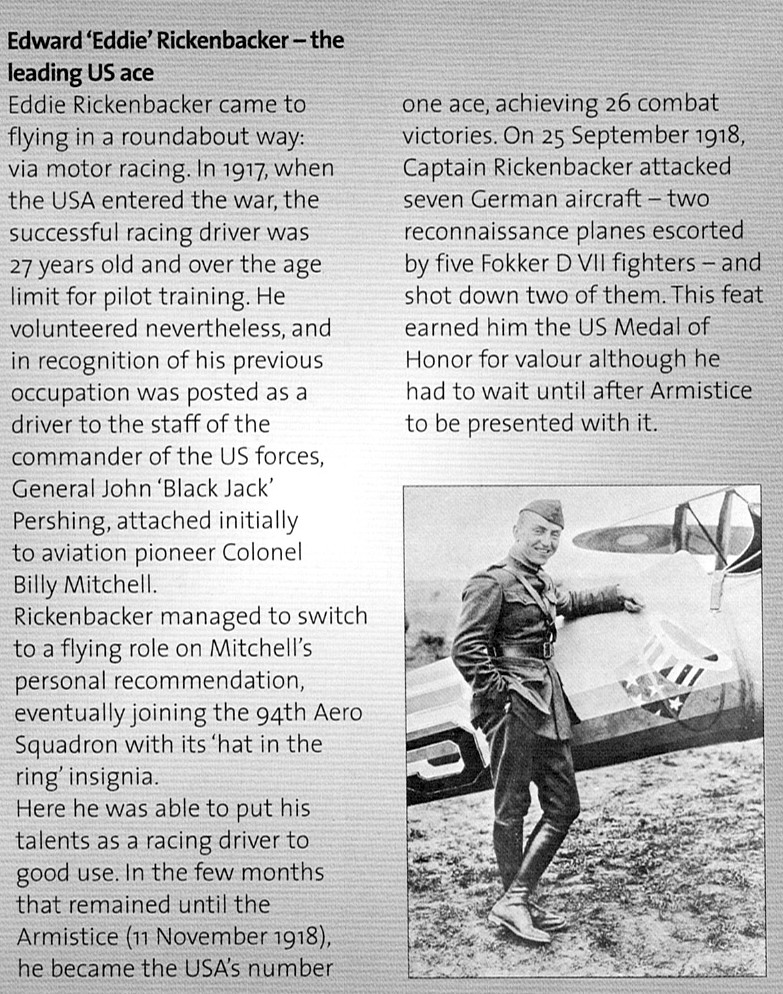
Rickenbacker, Captain Edward (Eddie) Vernon – USA WW1 ace

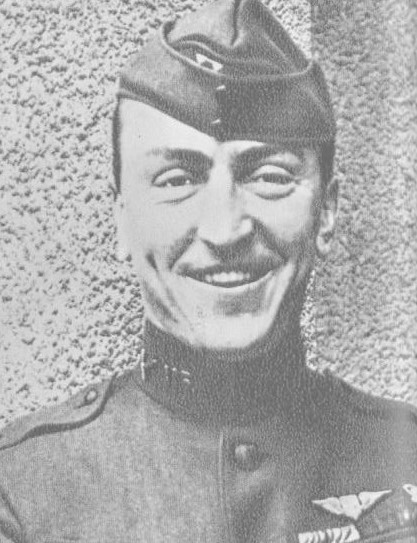
Born in Columbus, Ohio, in 1890, and a pre-war racing driver, Eddie Rickenbacker was posted to France in 1917 as General Pershing’s army chauffeur, but took flying lessons in his spare time. In March 1918 he secured a posting to fly with the 94th Aero Squadron, then commanded by Raoul
Lufbery. He had already destroyed seven enemy aircraft when given command of the squadron that September. Between then and the Armistice Rickenbacker destroyed 19 further enemy aeroplanes and balloons to take his score to 26 to become the top of the American roll of aces. He was awarded the Medal of Honour and continued in aviation as Chairman of Eastern Airlines.

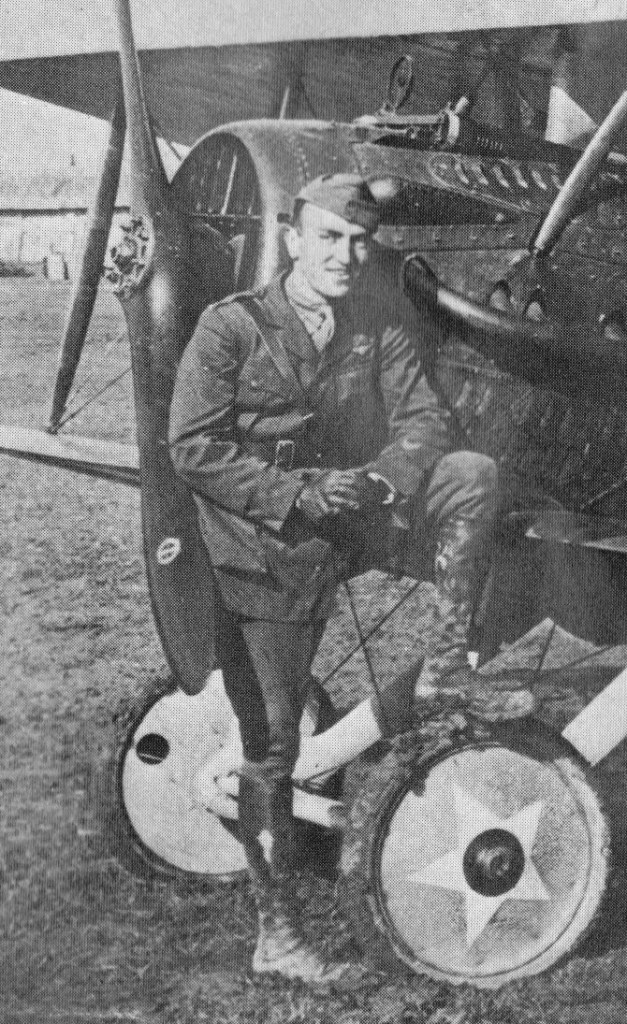
Leading American ace of WW 1, Captain Eddie Rickenbacker,
pictured here with his SPAD XIII.

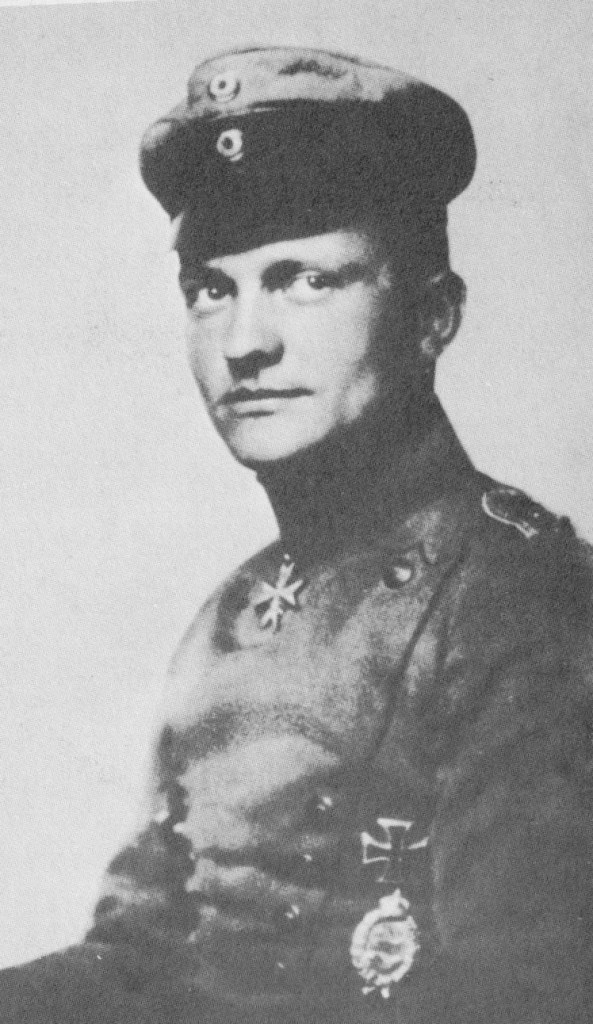
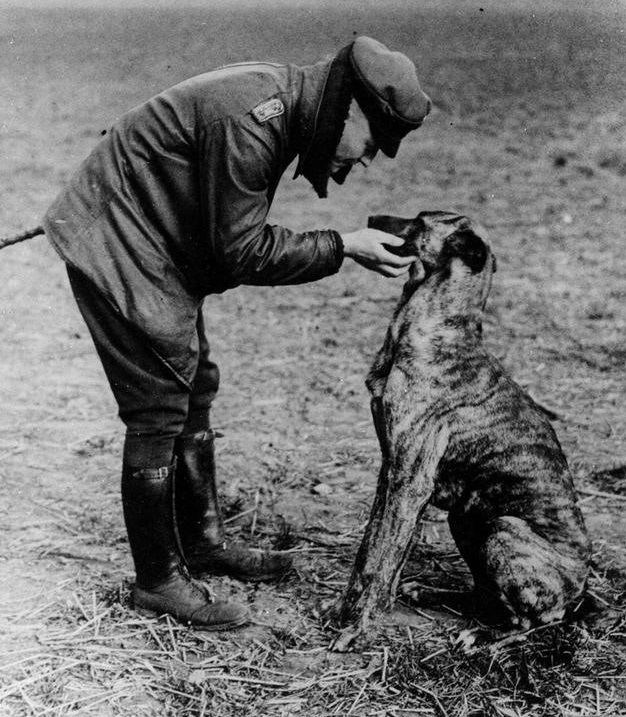
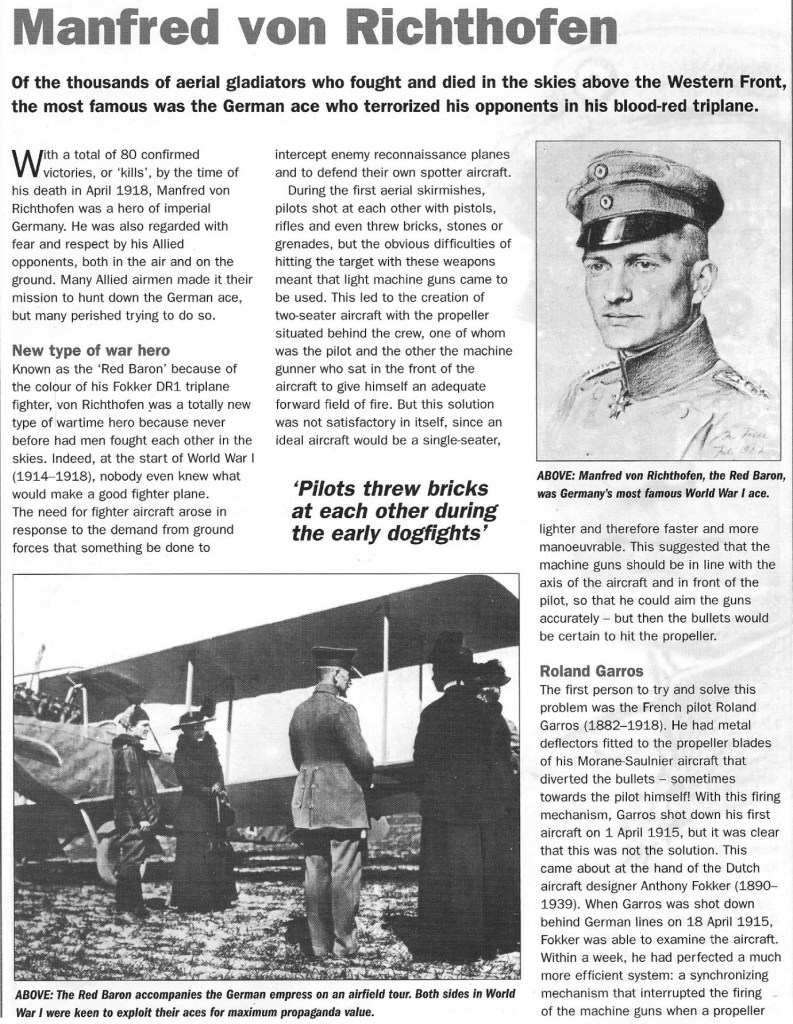
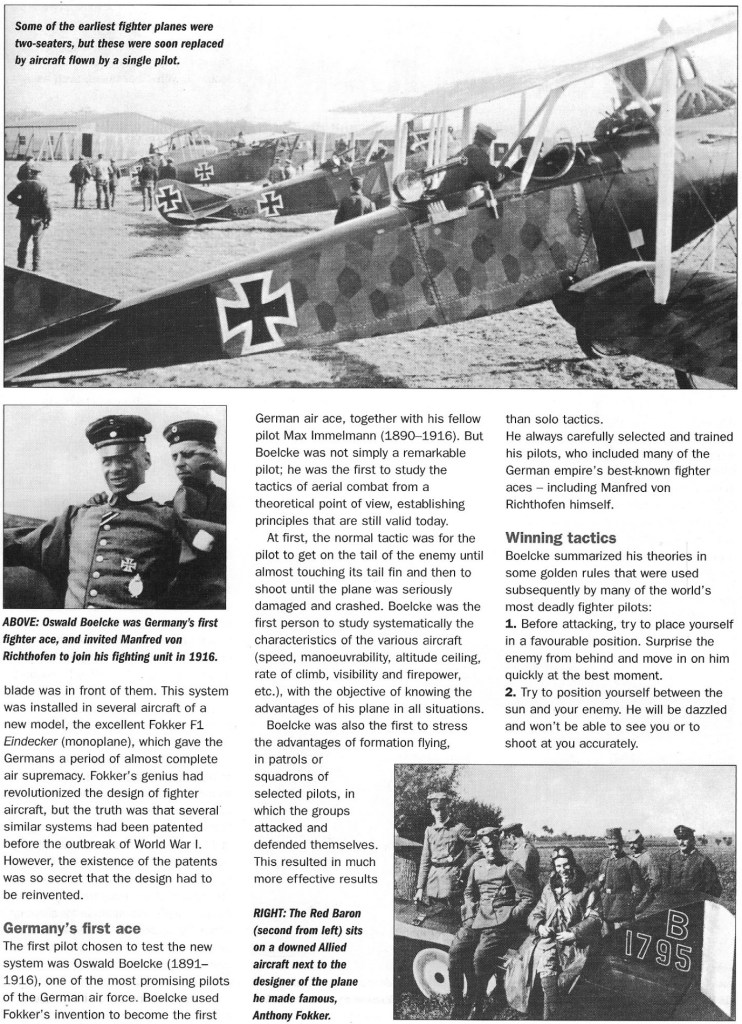
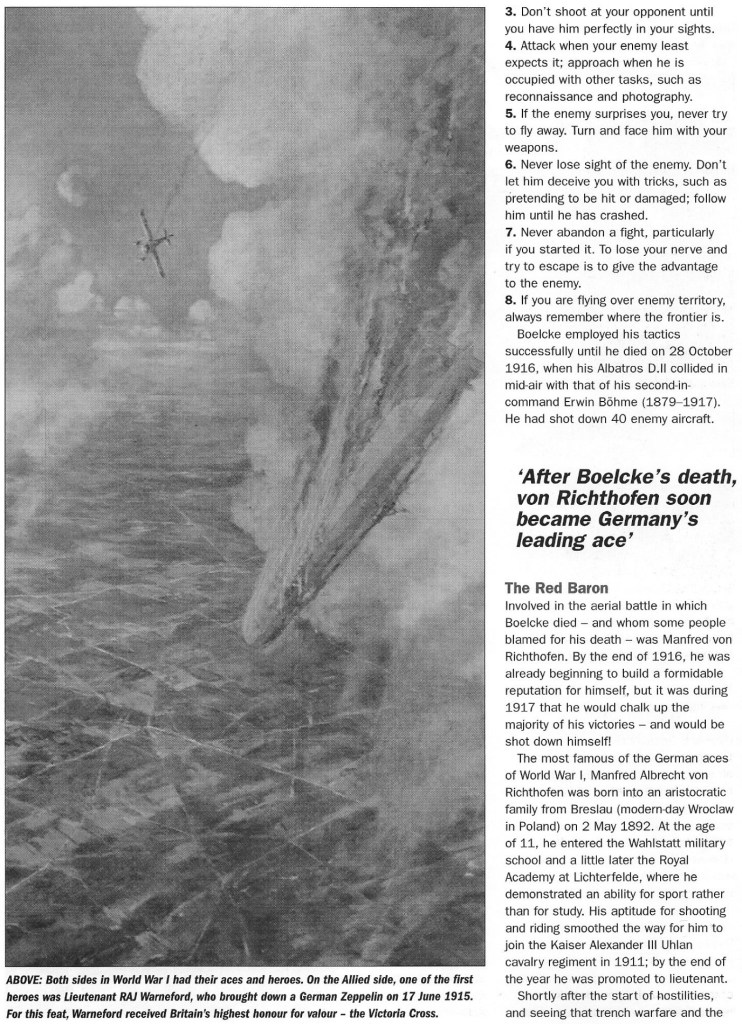
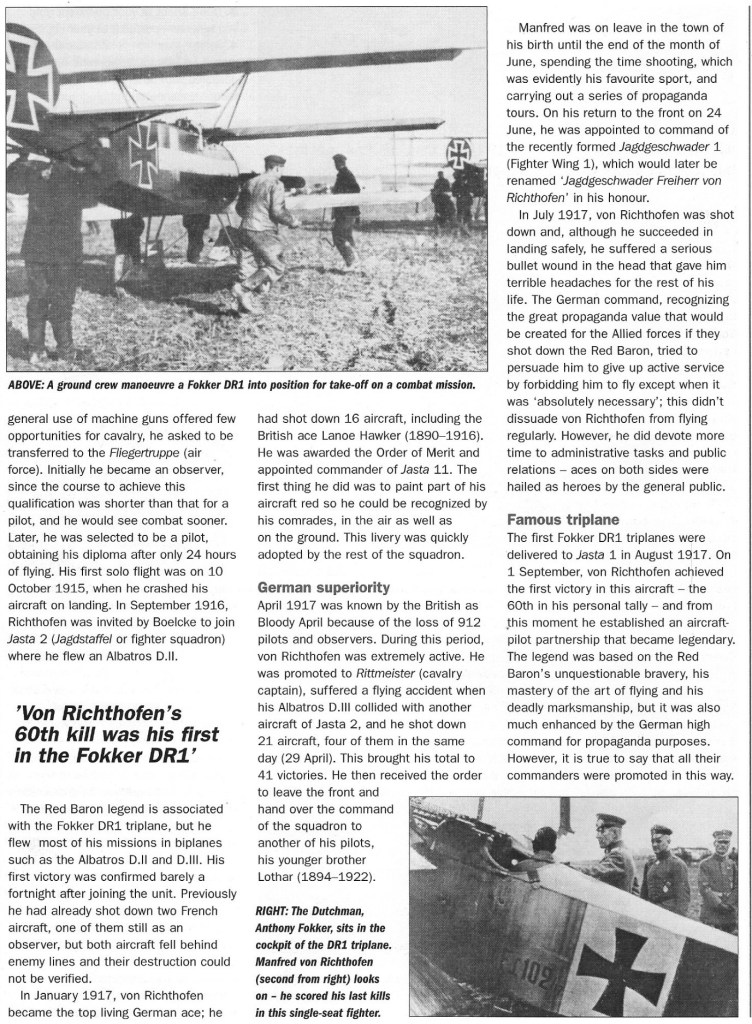
Richthofen, Rittmeister Manfred Freiherrvon von – Germany WW 1 ace

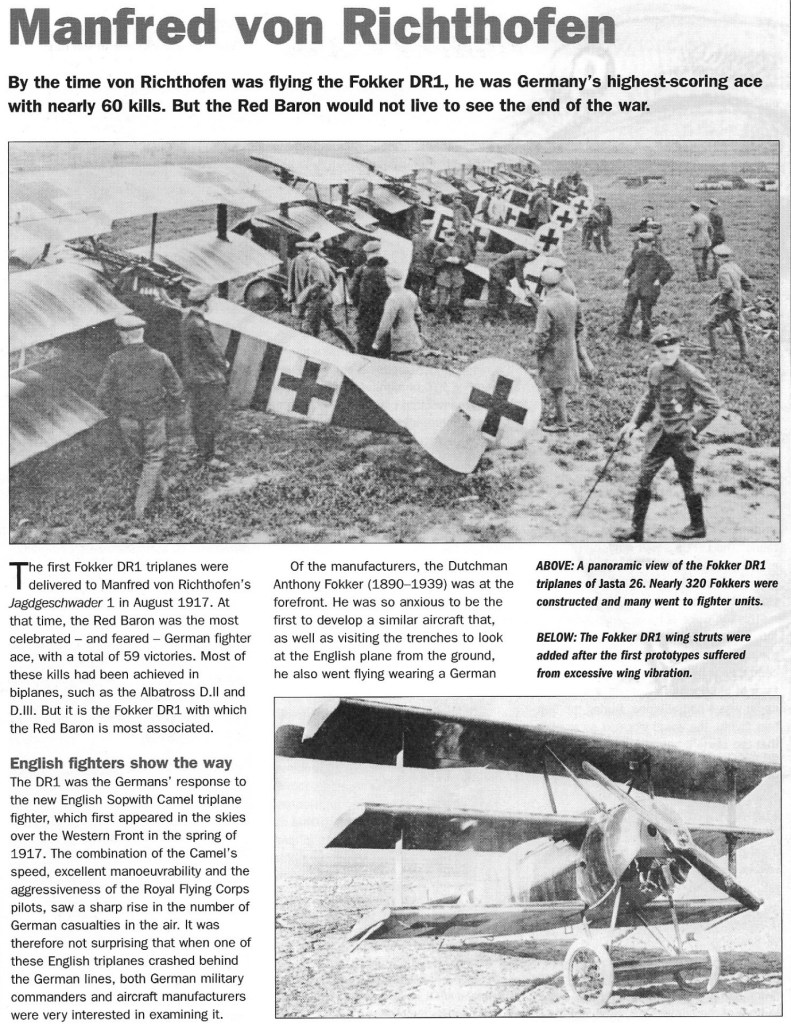
Retaining his cavalry captain’s rank during his service with the Luftstreitkrifte, German aristocrat pilot Manfried von Richthofen was 32 when war broke out. He transferred from the cavalry in May 1915 but for some months served without distinction with Feldfliegerabteilung 69. In September the following year he was posted to Jasta 2 and received brief but valuable instruction from Oswald Boelcke. Thereafter his score of victories rose steadily and in January 1917 he received the Ordre Pour le Mérite.
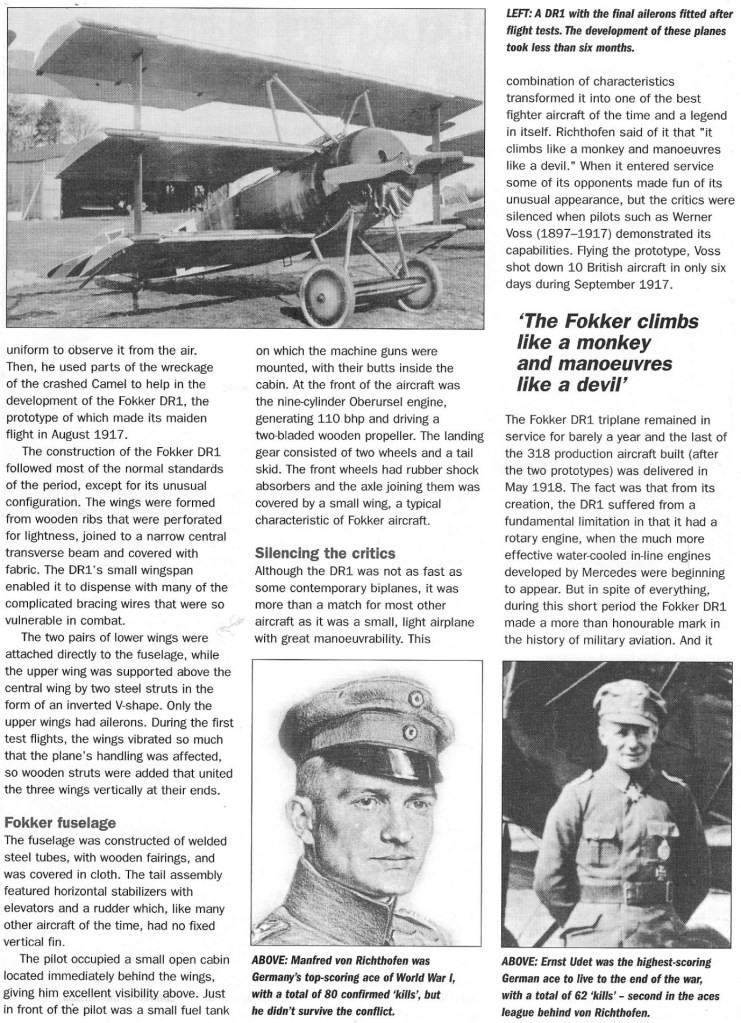
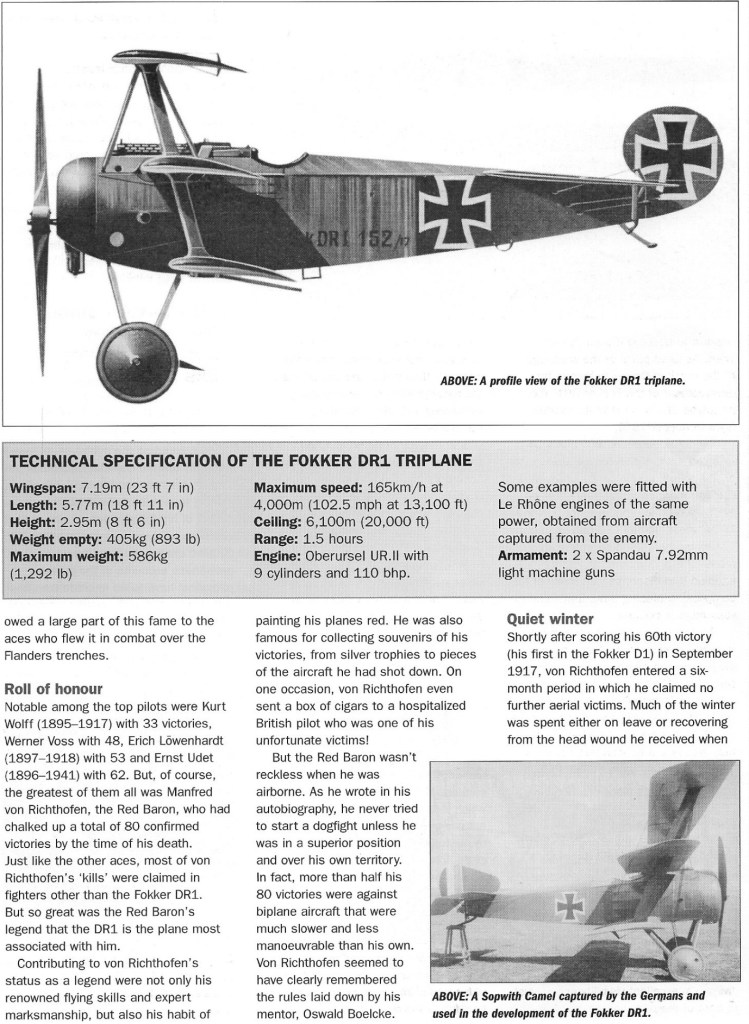
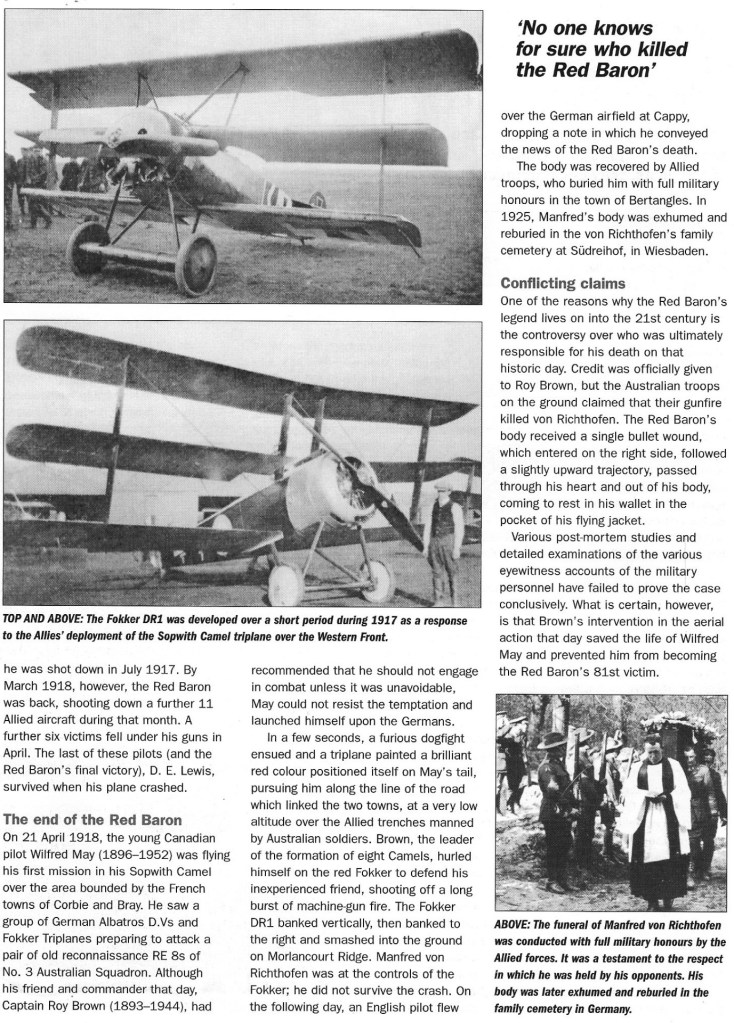
A calculating fighter, von Richthofen nevertheless pursued the instincts of an aristocratic huntsman, maintaining a collection of silver cups each engraved with the name and particulars of a combat victim. As commander of Jasta 11 it was von Richthofen who shot down Major Lance Hawker VC, and later personally led the ‘Richthofen Flying Circus’, an assembly of experienced young pilots that gained a deadly reputation over the Western Front. It was while flying a Fokker Dr 1 on 21 April 1918 that he met his death, apparently shot down by Captain A. Roy Brown of No. 209 Squadron, RAF, although controversy has raged ever since as to the exact cause of his death.

The vast majority of Manfred von Richthofens’ 80 victories were scored in Albatros D.III and D.Vs. The final 20 were while flying the Fokker Dr.1. Included in that number are eight Camels.

His score of 80 confirmed victories placed von Richthofen ahead of all other fighter pilots of WW I.

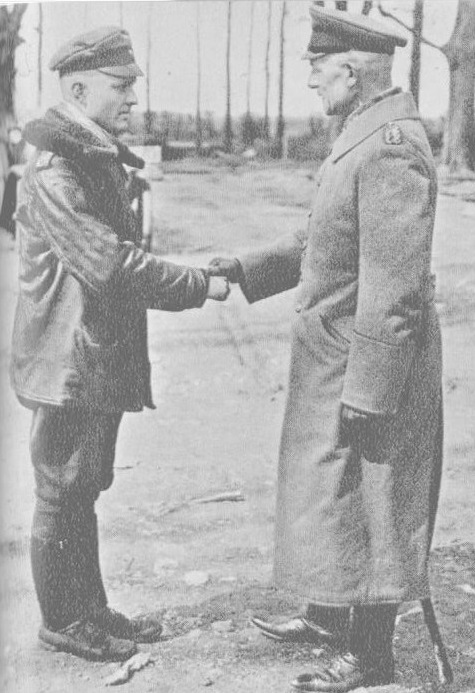
Manfred von Richthofen shakes hands with General von Hoeppner
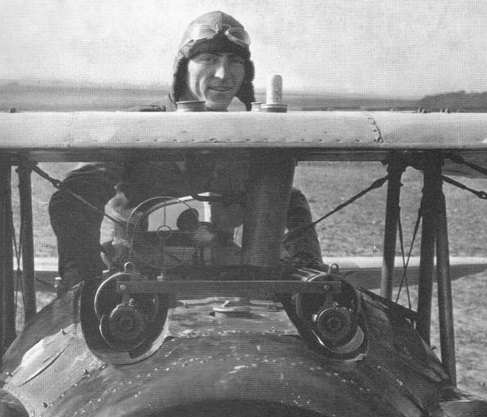
Richthofen in cockpit of an Albatros with pilots of Jagdgeschwader Nr 1