
Paraglider. Circa 1998.
DHV: 2
Weight range: 80-150 kg
Paraglider. Circa 1998.
DHV: 2
Weight range: 80-150 kg
1998: Probsteneerstrasse 15, D-87637 Eisenberg, GERMANY
1998: Operated by the Kurle brothers; Stephan produces the wings in Sre Lanks while brother Uli sells them in Europe.
Paraglider and hang glider builder
Pony Trek 1
Paraglider circa 1998.
Wing area: 26.8 sq.m
Pilot weight: 65-85 kg
No. of cells: 50
Wing span: 11.7 m
Aspect ratio: 5
Min sink: 1 m/s
Pony Trek 2
Paraglider circa 1998.
Wing area: 28.2 sq.m
Pilot weight: 80-100 kg
No. of cells: 52
Wing span: 12.6 m
Aspect ratio: 5.2
Min sink: 1 m/s
Pony Trek 3
Paraglider circa 1998.
Wing area: 29.6 sq.m
Pilot weight: 95-115 kg
No. of cells: 54
Wing span: 12.7
Aspect ratio: 5.3
Min sink: 1 m/s
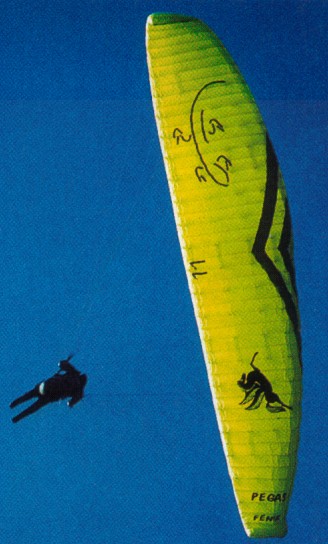
A glider for experienced and XC pilots, the Fenix 2 (Afnor/Cen Performance) is based on a new profile that “allows high performance and resistance to collapses” according to the manufacturer. During its development the goal was to obtain high performance with “exceptional” stability even at top speed, together with easy and dynamic handling. The glider incorporates internal diagonals ribs and a reduced number of lines in two cascades for less drag. It has a partially closed leading edge, and aspect ratio of 5,7. Among its qualities, Pegas mention easy and intuitive handling that makes coring even the tightest thermals an easy task, a wide and usable speed range, and a stability similar to paragliders of Standard category.
The Fenix 2 was constructed with fabric Skytex S9017 for the sail, reinforcements in Dacron W-382/175g and Mylar Scrim, and Dyneema lines 1.1mm and Superaramid 1.7mm.
It was available in 5 sizes, the smallest aimed at Acro; and there’s also a “race” version in two sizes.
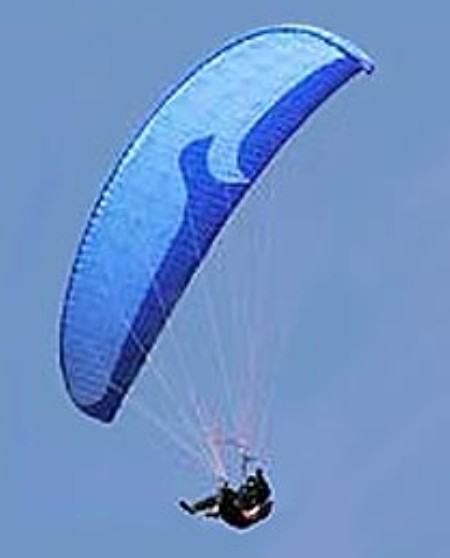
Fenix 1
Paraglider circa 1998.
Wing area: 24.1 sq.m
Pilot weight: 65-85 kg
No. of cells: 98
Wing span: 12.1 m
Aspect ratio: 6
Min sink: 1 m/s
Fenix 2
Paraglider circa 1998.
Wing area: 27 sq.m
Pilot weight: 80-100 kg
No. of cells: 98
Wing span: 12.8 m
Aspect ratio: 6
Min sink: 1 m/s
Fenix 3
Paraglider circa 1998.
Wing area: 29.5 sq.m
Pilot weight: 95-115 kg
No. of cells: 98
Wing span: 13.3 m
Aspect ratio: 6
Min sink: 1 m/s
Fenix XR
Paraglider model new in 1998.
Wing area: 29.6 sq.m
Pilot weight: 75-85 kg
No. of cells: 98
Wing span: 13.8 m
Aspect ratio: 6.4
1998: Delnicha 17, CZ-17000 Prague, CZECH REPUBLIC
Paraglider manufacturer
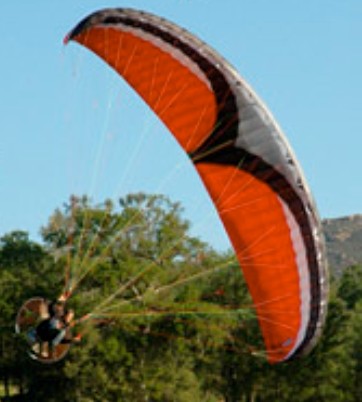
The paratoys glider is claimed to be the easiest launching glider ever made for powered paragliding. This glider’s handlinghas the safety of a DHV1 designed glider, and will suit the true beginner and the advanced pilot.
The Paratoys paraglider is fully certified in the Afnor Standard category (beginner/intermediate rated/certified in size 28). Features include single A’s for easy riser handling both in forwards and reverses, sewn in super strong rare earth magnets for no collection of debris and positive brake hook up, heavy lines for paramotoring, clearly marked A and D risers, and swivels on brake lines to prevent tangling.
Price per Unit 2009: $2,495.00
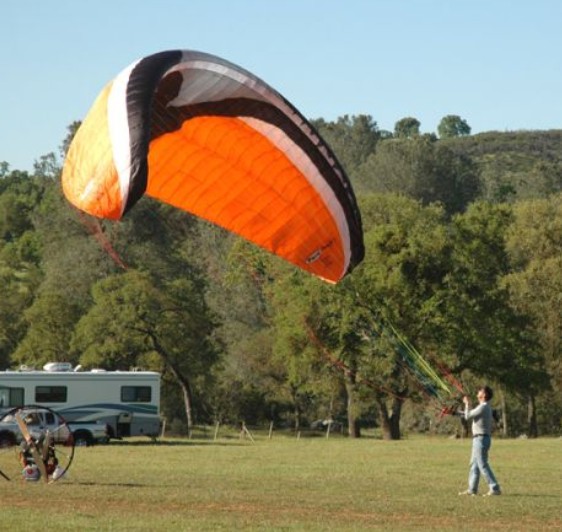
ParaToys II 25m
Hook in weight: 70-90 kg
ParaToys II 28m
Hook in weight: 86-110 kg
ParaToys II 30m
Hook in weight: 100-131kg
ParaToys II 33m
Hook in weight: 115-145kg
ParaToys II 36m
Hook in weight: 130-215kg
ParaToysII 42m
Hook in weight: 145-225kg
Tandem paraglider circa 2010.
LTF 1-2 Bi
A performance paraglider circa 2010.
Paraglider circa 2005
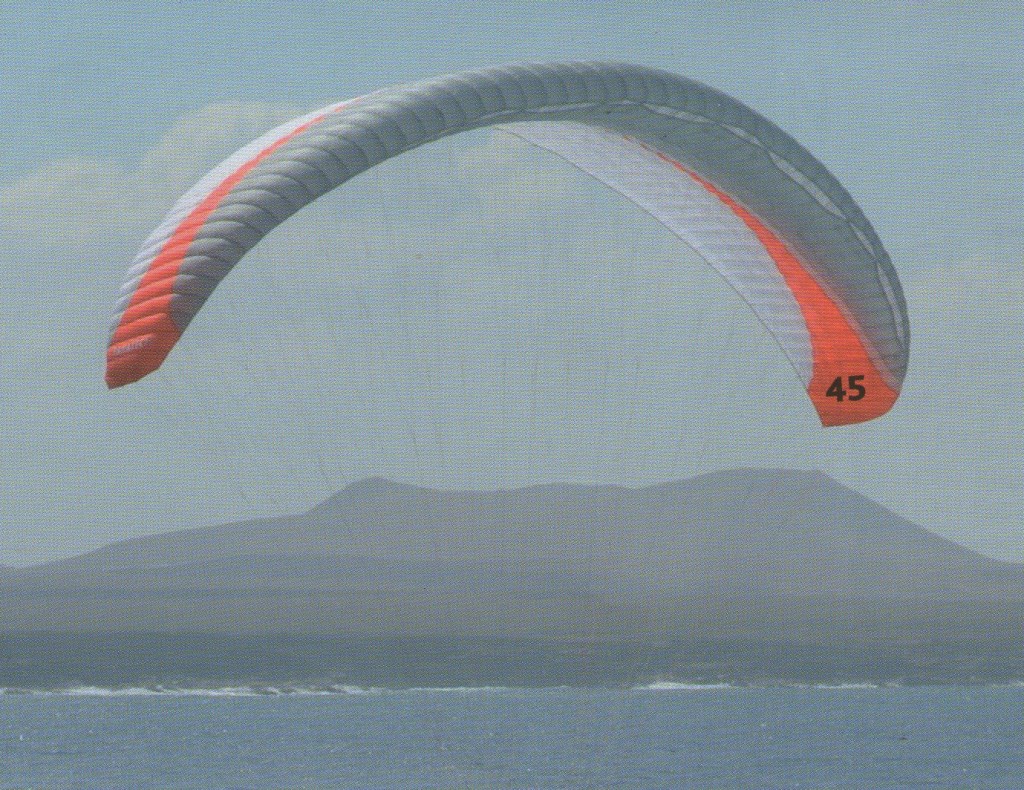
Intermediate paraglider circa 2010.
Light
Intermediate
LTF 1-2 EN B
 All Aero