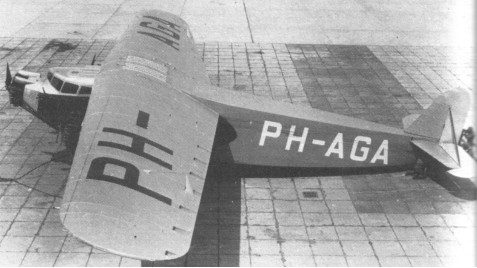
The F.IX, a 20 passenger airliner, two of which went into service KLM, was built under license in Czechoslovakia.
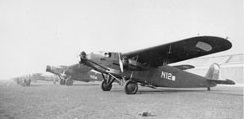
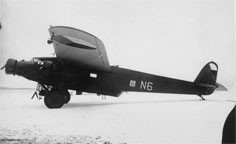
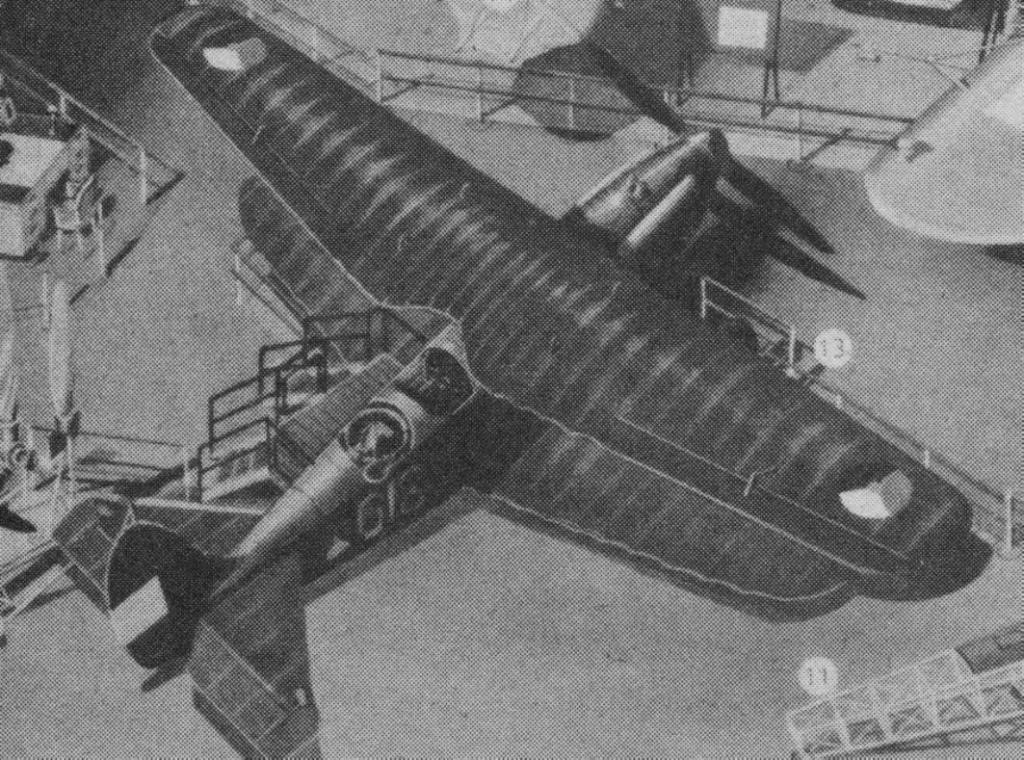
Though the Avia works produced some of Europe’s best fighters between the world wars, it was not judged economically feasible to attempt a heavy bomber. Accordingly, Avia, obtained a licence for the Fokker F.VII/3m, the pre-eminent civil transport of the 1920s, and while producing this for civil use also schemed a bomber version. The Czech army/air force, however, judged this aircraft too small. The upshot was a further licence for the Fokker F.IX, considerably bigger and weighing more than twice as much. In 1932, Avia built 12 F.IX bombers, powered by three Walter Jupiter VII engines rated at 450 hp, carrying an internal bomb load of up to 1500 kg (3307 lb) and with any of a variety of armament schemes involving manually-aimed Vickers 7.92-mm (0.312-in) Mk 30 guns above and below the fuselage and firing from beam windows. Some aircraft had a retractable ventral ‘dustbin’.
Avia F-IX
The Avia F-IX was used only in a bomber version through the 30s until the March 15, 1939 German Occupation.
Avia F-IX of No 5 Brno Bomber Regiment
Jugoslavia bought two slightly modified aircraft designated F 39, powered by 560 hp Gnome-Rhone Jupiters, and obtained a sub-licence for this version.
AVIA-Fokker F.IX Engines: 3 x Walter Jupiter VII, 450 hp Props: wood 2 blade Wing span: 27.5 m (90 ft 2.5 in) Length: 19.4 m (63 ft 7.75 in) Gross weight: 9160 kg (20194 lb) Empty weight: 5450 kg Maximum speed: 209 km/h (130 mph) Climb rate: 2.5 m/s Service ceiling: 5000 m Internal bomb load: 1500 kg (3307 lb) Undercarriage: fixed Crew: 2 pilots / 1 navigator
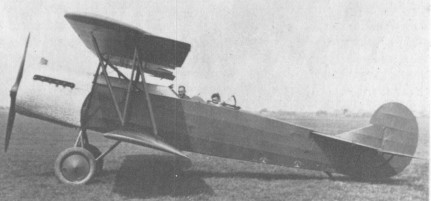
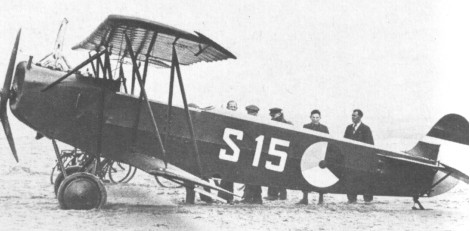
The C V series of 1924, was to have different engines, ranging from 250 to 730 hp, and five different sets of wings (C.V A, B and C having successively larger area) during its production life. The C.V-A was the prototype of the series. With steel tube and fabric fuselage and wooden wings, it was derived from the C.IV and the prototype flew in May 1924 and about 90 had been built by 1926 including C.V W floatplanes.
1925 Fokker C.VD
The Naval Air Service ordered six C.VC. They could be fitted with wheels or floats as required. In 1926 production switched to the C.V D with tapered sesquiplane wings with V struts, and the C.V E with larger wings with N-struts. In general the D was used as a two-¬seat fighter with a wing span of 12.5m and the E as a reconnaissance bomber with a wing span of 15.3m The C.VD of the Aviation Department had a 450 hp Hispano engine.
A batch of C.VD were delivered to the Dutch Army Air Service in 1925-37, first powered with a 450 hp Hispano-Suiza and later re-engined with the 540 hp Rolls-Royce Kestrel II-B.
The C VE of 1926 had a 450 hp Bristol Jupiter radial engine as supplied to Sweden’s Flygvapen. Though the C.VW seaplane type proved unsatisfactory in Holland, Sweden converted C.Vs into seaplanes and were very satisfied with them. A C.V exported to Japan for evaluation. Another version of the C.V aircraft was designated C. VI and had a 350 hp Hispano engine. More than 1000 of these basic mod¬els were made in the Netherlands, Italy, Denmark, Norway, Hungary and Switzerland, the last sub types being His¬pano engined models built at EKW and Dor¬nier in Switzerland until 1936, and 730 hp Pegasus engined Dutch, Danish and Swedish versions. Most of these were still in service in early 1940. CVs with various engines were delivered to the Dutch Aviation Depart¬ment, Naval Air Service and Royal Dutch East Indies Army, and to Bolivia, China, Denmark, Finland, Hungary, Italy, Japan, Norway, Sweden and Switzerland. The air¬craft was manufactured under license in five countries.
The Hungarian Royal Air Force acquired 76 Fokker C.V, mostly built under licence by Manfred Weiss (WM). WM improved the Fokker C.V which resulted in the WM-16 Budapest, with 18 built in two variants.
Officine Ferroviarie Meridionaii in 1925, obtained rights to build Fokker aircraft under license, including the C.V., which was fitted with an Italian-built Jupiter engine and known as the Ro.1.
Span: usually 12.5 or 15.3 m (41 ft or 50 ft 2in) Length: typically 9.14 9.75 (30 ft to 32 ft) Gross weight: 1900 2268 kg (4190 5000 lb) Maximum speed: typically 240 km/h (150 mph)
C.V A C.V-B C.V-C
C.V-D Engine: 450 hp Hispano Wing span: 12.5m
C.V-E Engine: 450 hp Bristol Jupiter Wing span: 15.3m
C.V W Undercarriage: floats
Span: usually 12.5 or 15.3 m (41 ft or 50 ft 2in) Length: typically 9.14 9.75 (30 ft to 32 ft) Gross weight: 1900 2268 kg (4190 5000 lb) Maximum speed: typically 240 km/h (150 mph)
Unlike the S.II, the S.III trainer had the seats in tandem. The Naval Air Service bought 18 of these aircraft and built one themselves. Two were sold to the Danish Air Force.
In service the E.V regarded with some suspicion after engine lubrication and wing structural problems, but after these had been eradicated the fighter re-entered production as the D VIII and became very popular. The re-designated V.III did not return to service until October 1918. Only a small number of aircraft reached operational units before the end of World War I. The D VIII parasol monoplane introduced Fokker cantilever wing and had no external bracing wires. The plane was somewhat under powered with the original 110 hp Oberursal Rotary; and explains why the 160 Gnome Rotary was the prefered powerplant (after the war concluded). That said the aircraft was a highly respected machine.
The Fokker D.VIII has the distinction of recording the last air kill in the First World War and was often referred to as ‘the Flying Razor’ by the Allies. It is estimated that about 300 were produced.
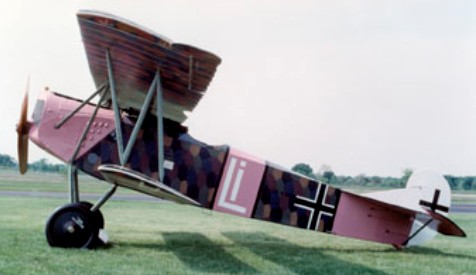
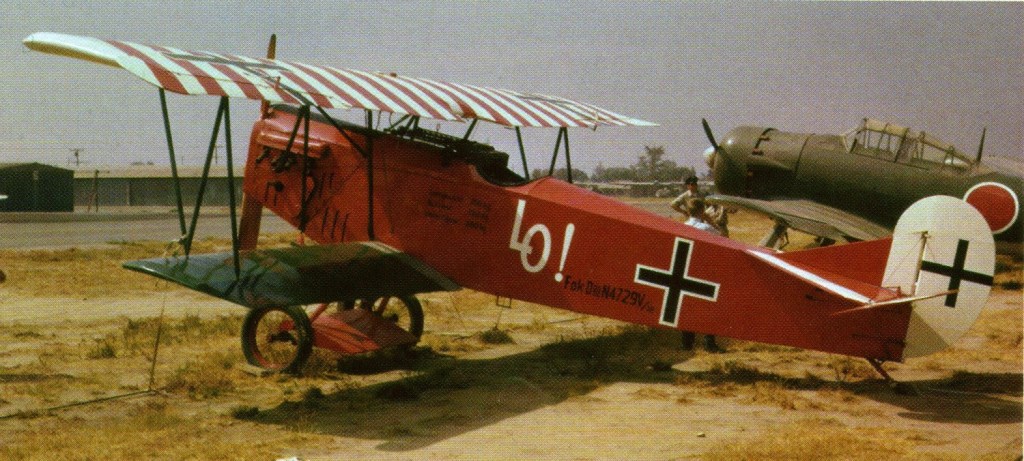
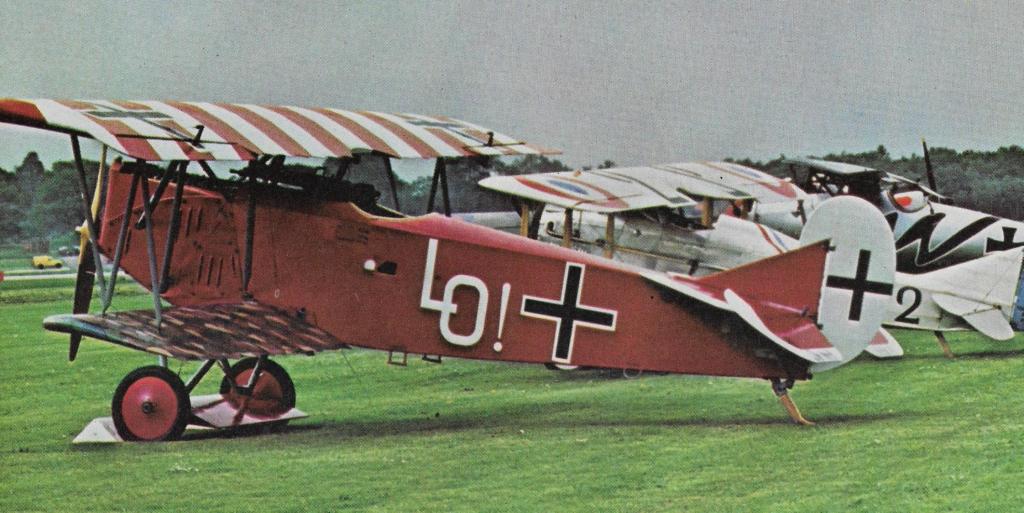
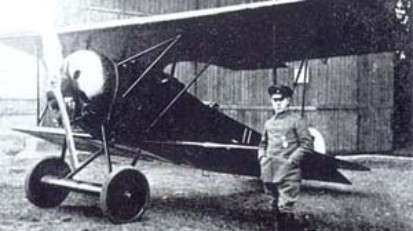
To compete in Germany’s first single-seat fighter competition during January 1918, Fokker produced its V 11 prototype (with 30 other aircraft including six Fokker types), which used many Dr I structural and design features in a biplane layout with a 119-kW (160-hp) Mercedes DIII inline engine. The V.11 prototype revealed the need for a longer fuselage and fixed fin in addition to the coma shaped rudder before entering. The type displayed sparkling performance and agility, and the D VII production model began to enter service in April, initially with the DIII engine but later with the BMW III for improved performance at altitude.
The D.VII is a single-bay biplane, without bracing wires, two-spar wooden wings, with plywood leading-edges and wire trailing edges. Ailerons were on the top wing only. The welded steel-tube fuselage and tail unit, and wings were all fabric covered. An aerofoil lifting surface was between the wheels.
First flying in January 1018 the D.VII was the most successful fighter of World War One. Fokker won an order for 400 machines during the fighter competition of January 1918. The V.11, prototype of the D.VII only just met the deadline, and Fokker had had no opportunity to test it, so he was obliged to do this whilst demonstrating it during the meeting.
Its longitudinal stability apparently left much to be desired, and the aircraft would spin at the slightest provocation. Fokker flew the fighter as sharp as a razor, and no one noticed its short comings, but he was afraid that the front line pilots who were going to fly it in the contest would break their necks in it, and so spoil his chances.
On the Saturday he phoned Schwerin and ordered two of his best welders to come over, and the three men worked secretly throughout the night. By Sunday afternoon 60cm had been inserted in the fuselage, and the rudder had been enlarged.
Fokker quickly made a test flight, just before the manufacturers were forbidden to enter the field. The aeroplane was no longer dangerous, but the tail controls were still very sensitive. Fokker handed the machine over to the competition committee and left the field.
The in-line engine winner was the Fokker D.VII. The success lay in its handling characteristics. Fokker received an order for 400 aircraft. To meet the demand for the new fighter the D.VII was put into mass production at three different factories, Albatros, Fokker’s chief competitor, built the D.VII under license at two. Ironically, Albatros built more D.VIIs than the primary contractor and the Albatros product was of higher quality.
Forty-five German fighter units received these agile machines from April 1918, but it is doubtful that all were completely re-equipped.
The first examples reaching von Richthofen’s squadron at the Front in April 1918. In August 1918, it contributed the major part of the 565 victories scored by the German Air Force, which compared with 217 in April, the month before it entered service. A light-grey two seat D. VII was a personal present from Fokker to Ver’steegh.
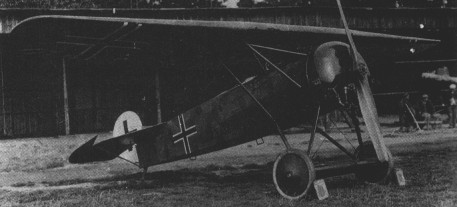
One D VII was used by the newly established Czechoslovak Air Forces at the Cheb Training School from 1918.
Czechoslovak D VII
By the end of World War I more than 700 D VIIs had been delivered, and the type won enormous approval and respect from German and Allied pilots for its agility as well as its good performance and handling even at high altitude. Another important feature was its capacity to hang on its propeller, allowing pilots to fire upward when other fighters would have stalled and entered a spin. There were many variants, none produced in quantity. The Allies ordered the Germans to hand over all Fokker D.VII fighters. It was the only type to be specifically mentioned in the Armistice Agreement. More than 100 were smuggled out of Germany, to prevent their seizure by the Allies.
D.VII Engine: One 160 hp Mercedes D.III Propeller: two blade. Span upper: 29 ft 4 in Span lower: 22 ft 10 in Length: 22 ft 9.75 in (6.95m). Height: 9 ft. 3 in. Wing area: 220.66 sq ft (20.50 sq.m). Wing chord (upper): 5 ft 3 in. Weight empty 1.540 lb. Gross weight: 1,984 lb (900 kg). Max speed: 120 mph at SL Max speed: 117 mph (189 km/h) at 3,280 ft (1,000 m). Endurance: 1 hr 30 min. Service ceiling: 18,000 ft Armament: 2 x Spandau mg Crew: 1.
D VII Engine: 1 x BMW III, 138kW (185 hp). Span: 8.90m (29ft 2.5 in) Length: 6.95m (22ft 9.5in) Height: 9 ft. 3 in. Wing chord (upper): 5 ft 3 in. Weight empty 1.540 lb. Max T/O weight: 880 kg (1,940 lb). Max speed: 124 mph at 3,280 ft. Operational endurance: 1 hr 30 min. Wing area: 236 sq. ft. Ceiling 21,000 ft. Seats: 1 Armament: 2 x 7.92-mm (0.312-in) LMG 08/15 mg.
Fokker D.VII Engine: BMW IIIa, 185 hp Span upper: 29 ft 4 in Span lower: 22 ft 10 in Wing area: 221.4 sq.ft / 20.50 m Length: 22 ft 11.5 in / 6.954 m Height: 9 ft 2.5 in / 2.75 m Empty weight: 1477 lb / 670 kg MTOW: 2112 lb / 960 kg Max speed: 124 mph at SL Max speed: 117 mph / 187 kph at 3280 ft / 1000 m Climb to 16,405 ft / 5000m: 16 min 0 sec Service ceiling: 22,965 ft / 7000 m Endurance: 1 hr 30 min Armament: 2 x 7.92 mm / 0.312 in Spandau mg Crew: 1
Fokker / Albatros Werke D.VII Engine: 160-horsepower Mercedes D.IIIa Propeller: Overall diameter approximately 110 in. Chord approximately 9 in. Hub diameter approximately 9 in. 8 bolt holes Wingspan: 8.9 m (29 ft 4 in) Length: 7.0 m (23 ft) Height: 2.8 m (9 ft 3 in) Weight: Empty, 700 kg (1,540 lb) Gross, 878 kg (1,936 lb) Seats: 1
D VII Engine: Austro-Daimler, 210 hp Span upper: 29 ft 4 in Span lower: 22 ft 10 in Wing area: 236 sq.ft Length: 25 ft Height: 9 ft 3 in Empty weight: 685 kg Max speed: 135 mph at SL Service ceiling: 6700 m Endurance: 2 hrs Armament: two synchronized Spandau machine guns Crew: 1
During the middle of 1917 the principal German fighters, the Albatross D-III and D-V, lost their superiority in the skies of the Western Front, and now the Sopwith Camel and S.E.5a dominated in the air. At this time the German Air Command (Idflieg) called all manufactures to take part in the Fighter Competition planned for January 1918. Fokker Flugzeugwerke, led by the genius Anthony Fokker, had a strong reputation among pilots because by this time the Fokker Dr-1 had already become a legend of the air. When the Fighter Competition started at Adlershoft on January 20, 1918, Fokker Flugzeugwerke proposed eight prototypes. Many of them were very ambitious, but all German manufactures at this time had a common problem: the lack of a powerful engine. All the new designs were based on ‘good old’ engines like the air-cooled Oberursel Ur-II or the inline Mercedes D-IIIa. During the competition none of the all-new designs achieved the desired results but Fokker’s V.13 design. Developed from the Fokker V.9, it showed some promise and was declared a winner. Some aspects of its performance like climb were unsatisfactory, but other fighters like the Pfalz D-VI had rather worse figures. Idflieg announced a new Fighter Competition but for now Fokker received an initial contract for 120 aircraft, which received the official designation Fokker D-VI. The first production example was accepted on April 26, 1918 and by August sixty aircraft of this type had been produced. Contracts for sixty more were cancelled because at this time the Fokker D-VII entered service. This new design was superior to the D-VI in every way. The majority of all 60 D-VIs built were delivered to the Kampf Einsitzer Staffeln, special units created mainly for the intercepting of Allied Bombers. The Fokker D-VI which had an air-cooled engine and could take-off without delay was a good choice for this role. But the climbing ability of the D-VI was still poor and the fighters were dispersed in the Alsace-Lorraine region where bombing raids were less frequent. Other machines were delivered to the training units; and Austria-Hungary purchased seven aircraft of this type. After the end of the war at least two D-VIs were tested in France and the USA.
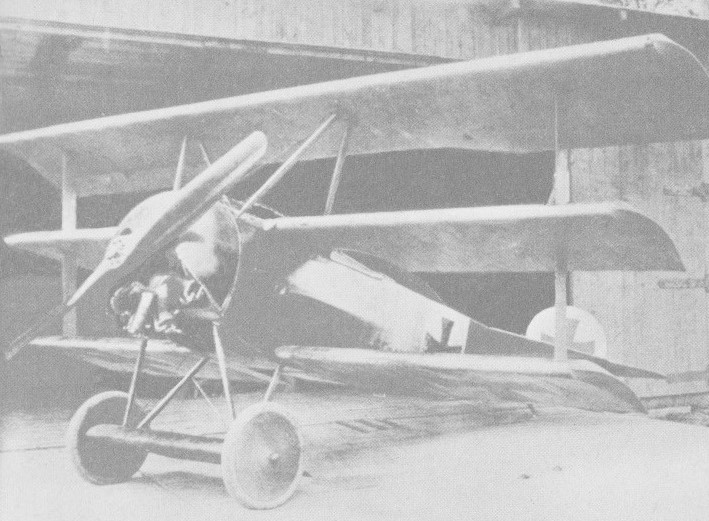
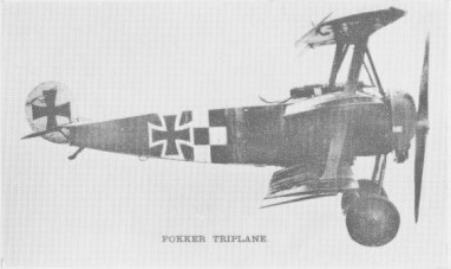
When the Sopwith Triplane first entered operational service with the RNAS in France in January 1917, it made an immediate impact on the aerial combat scene. The aircraft designer Anthony Fokker visited Manfred von Richthofen’s Jagdstaffel 11 during April that year, and was shown a captured example of the Sopwith, and urged to produced an equally good design. Fokker passed on this request to Reinhold Platz his chief designer. Platz was privately reluctant to produce a triplane configuration, but pro¬ceeded to design the Fokker V.3 with a fabric-covered welded steel tube fuselage, a large triangular tailplane, the standard ‘comma’ rudder without a fixed fin, and cantilever plywood/fabric-covered wooden wings, which required no interplane strutting. It had a 110 hp Le Rhone rotary engine.
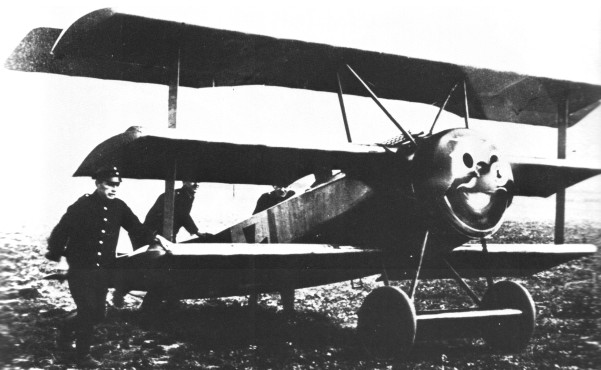
The wings vibrated badly in flight, and the V.4 introduced lightweight interplane struts as well as aerodynamic improvements. The V.3 was slightly redesigned to incorporate increased span wings and single plank inter¬plane struts. In this guise the V.4, as the second configuration was designated, was ordered into production and the first two examples, No 102/17 and 103/17, officially designated as the F.1, a designation soon changed to Dr.1, were issued to JG 11 for operational trials. On August 30, 1917, Leutenant Werner Voss made the first operational flight of the Fokker, Dr. 1. Flying 103/17, he claimed a victory during his patrol. On September 1 von Richthofen himself took up 102/17 and claimed his 60th victory.
In mid-October 1917, a total of 17 Dr.1s were delivered factory fresh to front line Staffeln but by the end of that month several more crashes included Heinrich Gontermann of Jasta 15, and Leutnant Pastor of Jasta 11. Both men were killed by structural failure in the Dr.1s they were test flying. Immediate technical investigation proved that the deaths were caused by poor workmanship at the Fokker factory. All Dr.1s were grounded until properly manufactured wings had been produced.
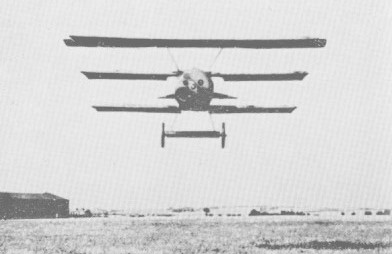
Once the faults in production had been cured, from April 1918 onwards Dr.1s began to reequip many units along the Western Front, and their pilots soon came to regard the little triplane as an ideal dogfighter. In pure technical terms the Dr.1 was slower than its main contemporary Albatros D.V scout, but the ‘Dreidecker’s’ powers of manoeuvrability and fast climb found favour among Germany’s fighting pilots.
The most important unit to fly the Dr.1 was Jagelgeschwader 1 (Fighter Squadron 1), the so called “Richthofen Circus”.
A total of only 320 Fokker Dr.1s were actually produced, the last of these coming off` the production lines in May 1918. By that time, the new and superior Fokker D.VII biplane was beginning to reach German stations in France. However, Dr.1s continued on operational service until well into the summer of 1918. One German ace, Josef Jacobs of Jasta 7, retained two examples, doped all back for his personal use, until late September 1918, while his Staffel flew D.VIIs. Attempts to improve the overall performance of the Dr.1 were concentrated mainly on installing more powerful engines in the basic structure. Several such fitments gave excellent results under initial test conditions, but by mid 1918 Germany’s general shortage of such vital fuels as lubrication oils precluded any possibility of large scale production or use of the improved variants. At least one freak result of the Dr.1s’ success was the Fokker V.8 variant an impractical quintuplane which Fokker himself insisted on having designed and built. Tests of the V.8, however, proved disastrous and the project was immediately abandoned. Total production was only 230 aircraft, and it was replaced by the Fokker DVII.
Dr I Engine: l x Oberursel Ur.ll or Thulin-built Le Rhone 9, 82kW (110 hp). Span: (Top) 7.2 m (23 ft 7 in) Span (Middle) 6.2 m (20 ft 4 in) Span (Bottom) 5.7 m (18 ft 8 in). Wing chord: 3 ft. 3 in. Length: 5.77m (l8ft 11.25 in). Height: 3 m (9 ft 10 in). Weight empty 893 lb. (405 kg.) Max T/O weight: 585 kg (1,290 lb). Max speed: 103 mph at 13,125 ft. Service ceiling: 19,600 ft (6,000 m). Time to 10,000 ft: 6 min Range: 135 nm / 250 km Operational endurance: 1 hr 30 min. Armament: 2 x 7.92-mm (0.312-in) MG 08/15 mg. Seats: 1
The Air Force took an interest in the V.3, and on 14th July 1917 the first batch of 20 triplanes was ordered, including three prototypes, comprising a second D.VI and two V.IVs (later the V.4).
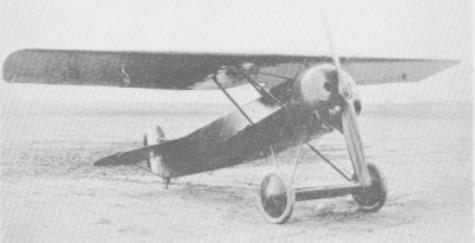
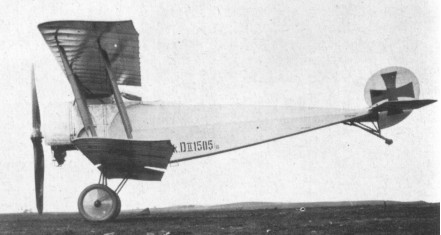
The D II appeared later than the D I but was derived from the earlier M.17z prototype. The D II had shorter wings and a longer fuselage, and as it was powered by a 75-kW (100-hp) Oberursel U.l rotary engine it was lighter and more manoeuvrable than the D I. M.17E, a version of the M.16E with a 100 h.p. Oberursel rotary engine instead of the liquid cooled Mercedes of the latter. Equipped with one machine gun, the M.17E was not put into production. The D.II (M.17ZF) fighter, designed by Martin Kreutzer, appeared early 1916 and was completed before the D.I. With a 100 h.p. Oberursel engine it attained a speed of 150 kph, and the armament comprised one machine gun. A total of 77 of this type were produced.
The E III was superseded by the generally similar E IV. The final attempt to wring extra capability out of the basic design was the overweight E IV with two guns and the 119-kW (160-hp) U.III rotary.
Total E-series production was about 300 aircraft, including 49 E.IV, the last in July 1916.
 All Aero