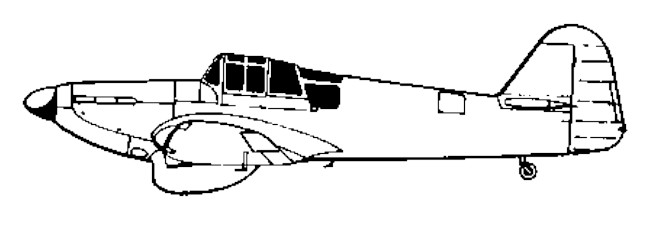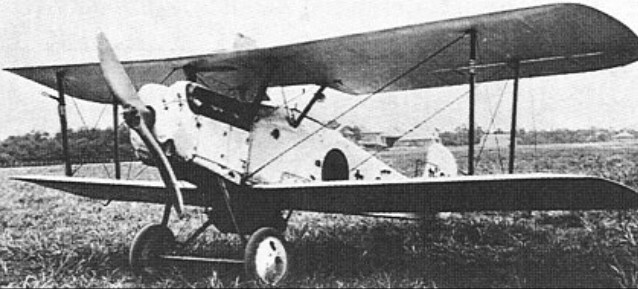
Mitsubishi 1MF / Type 10

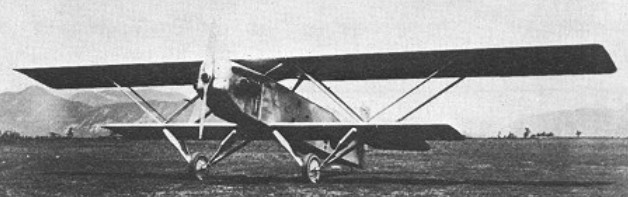
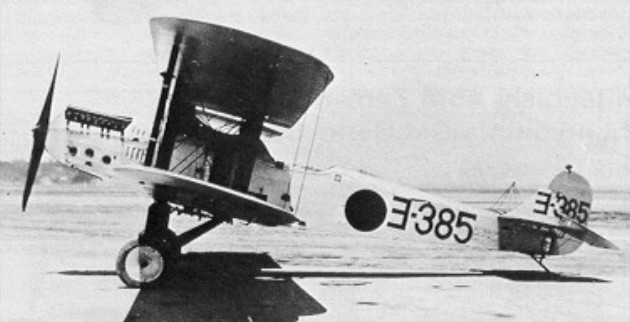
The Mitsubishi 1MF was among the first designs produced for the Mitsubishi Internal Combustion Engine Co. Ltd, set up by the Mitsubishi industrial concern in 1920. The 1MF was one of three types designed by Herbert Smith, formerly of the British Sopwith company to meet requirements issued by the Imperial Japanese Navy for aircraft to equip its first aircraft-carrier (the Hosho). The 1MF1 initial version was an unequal-span single-seat carrier-based fighter biplane, powered by a 223kW Hispano-Suiza 8 engine, which entered production in 1921 as the Navy Type 10-1 Carrier Fighter.

It was followed by the 1MF2, an experimental variant with modified upper-wing ailerons. The series Type 10-2 or 1MF3 had twin Lamblin radiators fitted between the landing gear legs, the Type 10-3 (1MF4) had the pilot’s cockpit relocated farther forward and a redesigned tailplane, while the 1MF5A was a version of the 1MF4 with experimental flotation gear. Production of the 1MF series ended in 1928 with the 138th example. The Type 10 proved a tough, reliable fighter and remained in service for a number of years, latterly as an advanced trainer.

1MF5
Engine: 223kW Hispano-Suiza 8
Max take-off weight: 1279 kg / 2820 lb
Empty weight: 936 kg / 2064 lb
Wingspan: 8.84 m / 29 ft 0 in
Length: 6.93 m / 22 ft 9 in
Height: 3.13 m / 10 ft 3 in
Max. speed: 213 km/h / 132 mph
Armament: 2 x 7.7mm machine-guns
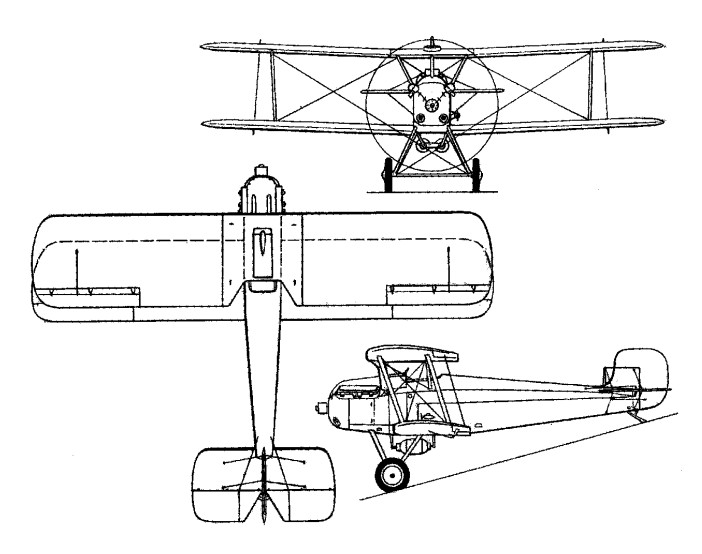
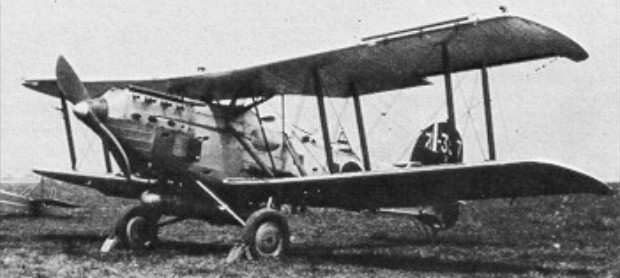
Mitsubishi 3MR4 / B2M1 / Type 89-1 / B2M2 / Type 89-2

In 1928 Mitsubishi presented to the Imperial Japanese Navy three new types: the Mitsubishi 1MF9 Taka carrier fighter biplane, which featured a French-type avion marin keel; the Type R experimental twin-engine monoplane flying-boat, built also in a civil transport version, both of them based on Rohrbach designs; and the 3MR4 carrier reconnaissance biplane. This last was in reality designed by G. E. Petty, chief designer of the British Blackburn Aeroplane Company, and had been built in the UK. Three development prototypes were constructed subsequently by Mitsubishi, and it was decided that the aircraft would be used primarily as a carrier-based torpedo-bomber. Prolonged difficulties prevented naval adoption of the 3MR4 until March 1932, when it went into service as the Navy Type 89-1 Carrier Attacker or Mitsubishi B2M1.

Powered by a 485kW Hispano-Suiza 12Lb engine, the B2M1 had a maximum speed of 213km/h, and was an equal-span biplane with wide-track landing gear, its crew of three carried in tandem cockpits. Defensive armament comprised one fixed and one movably-mounted 7.7mm machine-gun; and for offensive purposes an 800kg torpedo carried between the main landing gear legs could be supplemented by six light bombs on underwing racks. An improved B2M2 or Type 89-2 appeared in 1934, this having a wing span of 14.98m and a maximum take-off weight of 3600kg, but its overall performance showed little advantage over the B2M1. Production of both versions totalled 204, and they were used extensively for medium- and low-level bombing attacks against Chinese troops during the Shanghai Incident.

B2M1 / Type 89-1
Crew: 3
Engine: 1 x Hispano-Suiza 12Lb, 485kW
Max. speed: 213 km/h / 132 mph
Armament: 2 x 7.7mm machine-guns, 800-kg torpedo, 6 bombs

B2M2 / Type 89-2
Wing span: 14.98m
Maximum take-off weight: 3600kg

Mitsubishi 2MB1 / Type 87

Mitsubishi submitted the experimental 2MB2 Washi two-seat light bomber biplane designed by Alexander Baumann in 1925. This was rejected for production, the Imperial Army preferring Herbert Smith’s more conventional 2MB1, a large two-seat biplane with wide-track divided landing gear.

This entered service in 1927 as the Army Type 87 Light Bomber, 48 being built, and each was powered by a 336kW Hispano-Suiza engine. Armament comprised one fixed forward-firing 7.7mm machine-gun, twin guns of the same calibre on a ring mounting for the observer, and provision for a fourth gun firing through a ventral trap; maximum bomb load was 500kg.

2MB1 / Army Type 87
Engine: 336kW Hispano-Suiza
Wing span: 14.80m / 48 ft 7 in
Maximum take-off weight: 3300kg / 7275 lb
Maximum speed: 185km/h / 115 mph
Armament: 3-4 x 7.7mm machine-gun
Maximum bomb load: 500kg

Mitsubishi 2MT / Type 12 / B1M / Type 13 / 3MT

Still with the Mitsubishi company, Herbert Smith designed the 2MT1 two-seat biplane torpedo bomber which flew for the first time in January 1923. It went into Japanese Navy service as the Type 12 carrier-borne attack aircraft and was followed by the 2MT2 and 2MT3 variants.

The redesigned Type 13-2 was designated B1M2. The final version, the Type 13-3 or B1M3, had the firm’s designation 3MT2 and was a three-seater.

Total production was 354 and the type served into the 1930s, 32 flying from the aircraft carriers Kaga and Hosho during the Shanghai Incident in 1932. An aircraft from Kaga was lost during the famous air encounter when American volunteer pilot Robert Short lost his life while flying for the Chinese. The B1M was powered by a 335kW Napier Lion or Hispano-Suiza engine according to version.

2MT2
Engine: 1 x Napier Lion, 373kW
Max take-off weight: 2697 kg / 5946 lb
Empty weight: 1442 kg / 3179 lb
Wingspan: 14.77 m / 48 ft 5 in
Length: 9.77 m / 32 ft 1 in
Height: 3.5 m / 11 ft 6 in
Wing area: 59 sq.m / 635.07 sq ft
Max. speed: 210 km/h / 130 mph
Ceiling: 4500 m / 14750 ft
Armament: 4 x 7.7mm machine-guns, one torpedo or 2 x 240-kg bombs
Crew: 2

Miles M.38 Messenger

At the private request of certain army officers in June 1942, George Miles designed and built the prototype of an air observation post (AOP) aircraft. It was required to carry a crew of two, radio, armour protection and other military equipment, and to be able to operate out of and into small tree-surrounded fields in all weathers.
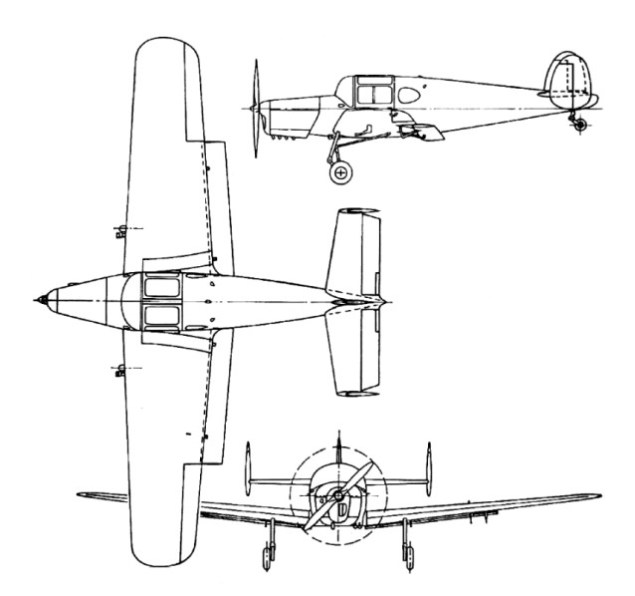
The resulting Miles M.38 prototype was a cantilever low-wing monoplane with fixed tailwheel landing gear, powered by a 104kW de Havilland Gipsy Major inline engine. The wing incorporated fixed aerofoil trailing-edge flaps and when flown on 12 September 1942 it was found that these provided the requisite STOL performance. Great enthusiasm for its capability was shown by an AOP squadron which Miles allowed to flight test the aircraft, but shocked by the design, construction and testing of a military aeroplane without its knowledge, the Ministry of Aircraft Production refused to order this prototype into production for the AOP role.

In late 1943 a small order was placed for the aircraft for use in a VIP transport role under the designation M.38 Messenger and eventually a total of 21 was built. Among VIP operators allocated personal Messengers were Field Marshal Sir Bernard Montgomery and Marshal of the RAF Lord Tedder.

An additional 71 were built post-war for civil use, some at Newtownards, Northern Ireland, bringing total production to 92. One aircraft was modified jn 1944 by introducing conventional trailing-edge flaps and installing a 112kW Blackburn Cirrus Major engine. When tested this machine, designated M.48 Messenger 3, was found to offer so little improvement in performance over the standard M.38 that no production followed. In its role as a VIP transport the 11.02m span Messenger had a maximum speed of 187km/h and range of 418km.

The M.38 Messenger IIA is certified in the UK to Manufacturer’s Type Record.

Gallery

M.38 Messenger
Engine: Blackburn Cirrus Major III, 150 hp
Range: 460 mi

M.38 Messenger
Engine: De Havilland Gipsy Major, 138 hp
Length: 24.016 ft / 7.32 m
Height: 9.514 ft / 2.9 m
Wingspan: 36.155 ft / 11.02 m
Wing area: 190.953 sq.ft / 17.74 sq.m
Max take off weight: 1900.7 lb / 862.0 kg
Weight empty: 1519.2 lb / 689.0 kg
Max. speed: 101 kts / 187 km/h
Cruising speed: 83 kts / 153 km/h
Service ceiling: 15174 ft / 4625 m
Wing loading: 10.05 lb/sq.ft / 49.0 kg/sq.m
Range: 226 nm / 418 km
Crew: 2
Payload: 2pax

M.38 IIA
T/O speed: 55-60 kt
ROC: 800-1050 fpm.

Miles M.38 Messenger

Miles M.33 Monitor

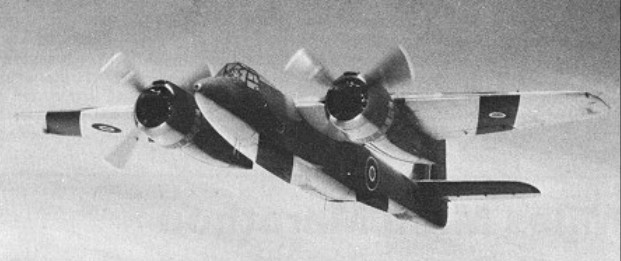
Designed to Air Ministry Specification Q.9/42 for a high-speed target tug, the Miles M.33 Monitor was a clean-looking cantilever high-wing monoplane with retractable landing gear and power provided by two wing-mounted engines.

The Miles proposal was at first rejected as it was considered there were no suitable engines available, but with agreement to use the 1268kW Wright Cyclone R-2600-31, Miles received a contract for 600 aircraft.

The prototype (NF900) was flown for the first time on 5 April 1944 and handled well, but the end of the war was approaching before development was completed and the contract was reduced first to 200 and then to 50, and was finally cancelled after 20 had been delivered.

Even these were not used by the RAF as intended, only 10 Monitors entering service with the Royal Navy for operation briefly as the Monitor TT.Mk II before replacement by de Havilland Mosquito TT.Mk 39s.

M.33 Monitor
Engines: 2 x Wright Caclone R 2600 31, 1677 hp
Length: 47.671 ft / 14.53 m
Height: 14.239 ft / 4.34 m
Wingspan: 56.299 ft / 17.16 m
Wing area: 501.172 sq.ft / 46.56 sq.m
Max take off weight: 21077.6 lb / 9559.0 kg
Weight empty: 15851.7 lb / 7189.0 kg
Max. speed: 287 kts / 531 km/h
Cruising speed: 230 kts / 426 km/h
Service ceiling: 29003 ft / 8840 m
Wing loading: 42.03 lb/sq.ft / 205.0 kg/sq.m
Range: 2390 nm / 4426 km
Crew: 2

Miles M.25 Martinet / M.50 Queen Martinet / M.37 Martinet Trainer

Before the issue of Air Ministry Specification 12/41, it had been standard RAF practice to use out-dated aircraft, however unsuitable, for the task of target towing. The outbreak of World War II had highlighted this short-sighted policy, leading to the procurement of an aircraft designed specifically for such a role.

The Miles M.25 prototype (LR241) was flown for the first time on 24 April 1942, the aircraft being based on the Miles Master Mk II but with a lengthened nose to compensate for the weight of target-towing equipment. Incorporated within a modified cockpit was the drogue cable winch, which could be powered by an electric motor or wind-driven propeller, and there was comfortable space for the operator and stowage of the drogue targets.

The type entered service as the Miles Martinet and between 1942 and 1945 a total of 1,724 was built; the type was complemented in 1946 by the M.50 Queen Martinet which had been developed to Specification Q.10/43. This was a radio-controlled pilotless target version of the Martinet, 11 being built as new and the remaining 54 being conversions of M.25s. Planned variants included a glider-tug version of the Martinet, similar to the Master GT Mk II, and the M.37 two-seat trainer of which two prototypes were built. Six surplus Martinets received civil registrations after the war, four of them sold to Sweden and operated by the civil target-towing company Svensk Flygjarst.

M.25 Martinet
Engine: 1 x Bristol Mercury XX/XXX, 649kW / 858 hp
Wingspan: 11.89 m / 39 ft 0 in
Length: 9.42 m / 30 ft 11 in
Height: 3.53 m / 11 ft 7 in
Wing area: 22.48 sq.m / 241.97 sq ft
Max take-off weight: 3062 kg / 6751 lb
Empty weight: 2105 kg / 4641 lb
Wing loading: 27.88 lb/sq.ft / 136.0 kg/sq.m
Max. speed: 208 kts / 386 km/h / 240 mph
Range: 603 nm / 1117 km / 694 miles
Crew: 2

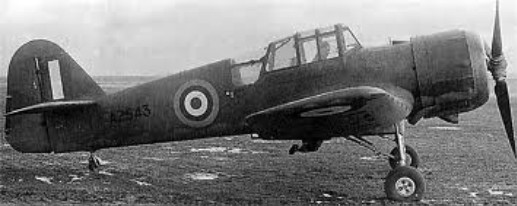
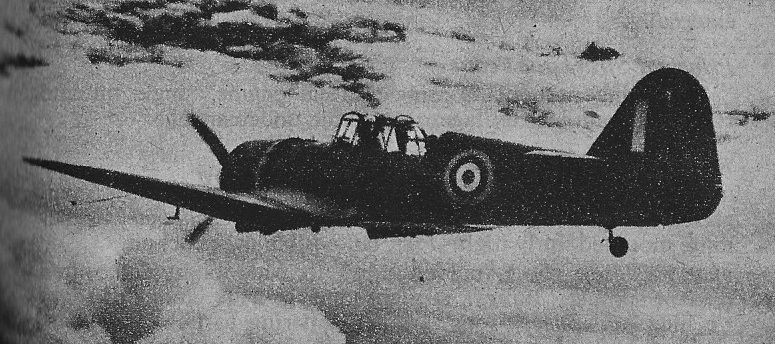
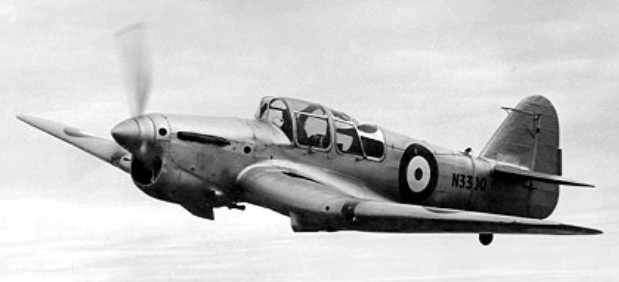
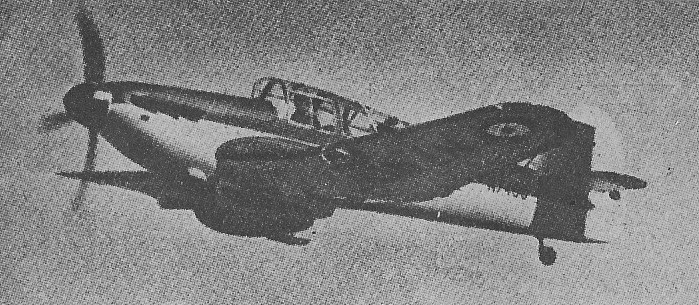
Miles M.19 Master II

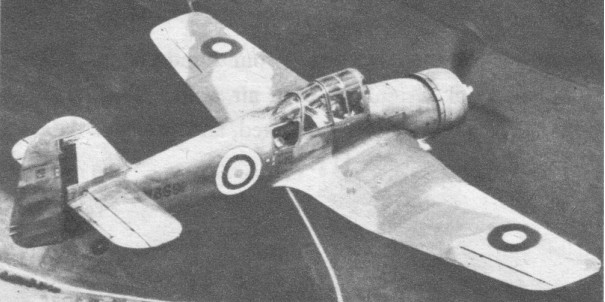
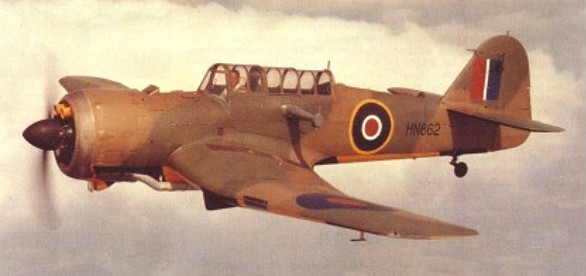
Soon after the outbreak of World War II, the prototype Master II flew for the first time. It was based on the M.9 Master I but powered by a 648kW Bristol Mercury XX radial engine.

Miles Master II

Production amounted to approximately 1,800 aircraft, a number of which were sent to South Africa. Master IIs were also acquired by the air forces of Egypt, Portugal and Turkey.

One Master II was used in connection with rocket experiments.

The M.27 Master III was a further development of the Master series

Miles turned out 3,249 of the 1940 Master I, II, and III advanced trainers.

M.19 Master Mk II
Engine: 1 x Bristol Mercury XX, 649kW / 858 hp
Max take-off weight: 2528 kg / 5573 lb
Empty weight: 1947 kg / 4292 lb
Wing loading: 23.78 lb/sq.ft / 116.0 kg/sq.m
Wingspan: 11.89 m / 39 ft 0 in
Length: 8.99 m / 29 ft 6 in
Height: 2.82 m / 9 ft 3 in
Wing area: 21.83 sq.m / 234.98 sq ft
Max. speed: 210 kts / 389 km/h / 242 mph
Service ceiling: 7650 m / 25100 ft
Range: 341 nm / 632 km / 393 miles
Crew: 2
Armament: 1x cal.303 MG

Miles M.9 Master I

In January 1939 large extensions to the Miles factory were completed and opened by the Secretary of State for Air. These were necessary to cope with a large contract for the Master I high-speed advanced training monoplane: a two-seater powered by a 536kW Rolls-Royce Kestrel 30 engine. Nine hundred were built.

Soon after the outbreak of World War II, the prototype Master II flew for the first time.

Miles turned out 3,249 of the 1940 Master I, II, and III advanced trainers.