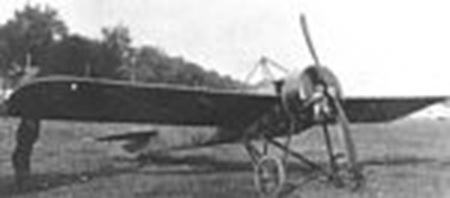
In Januaray 1914 Gustave Delage started as a new engineer and designed a sesquiplane with two wings a V-struts. This Nieuport 10B (B for biplane) was to be a two-seat observation/fighter with an observer in the front (as a Nie.10 AV (Avant, in front) or, behind the pilot as the Nie. 10 AR (Arriere, behind).
The single seat fighter appeared as the Nie. 10c1 and it is believed many of the two seat models were converted into the Nie. 10c1.
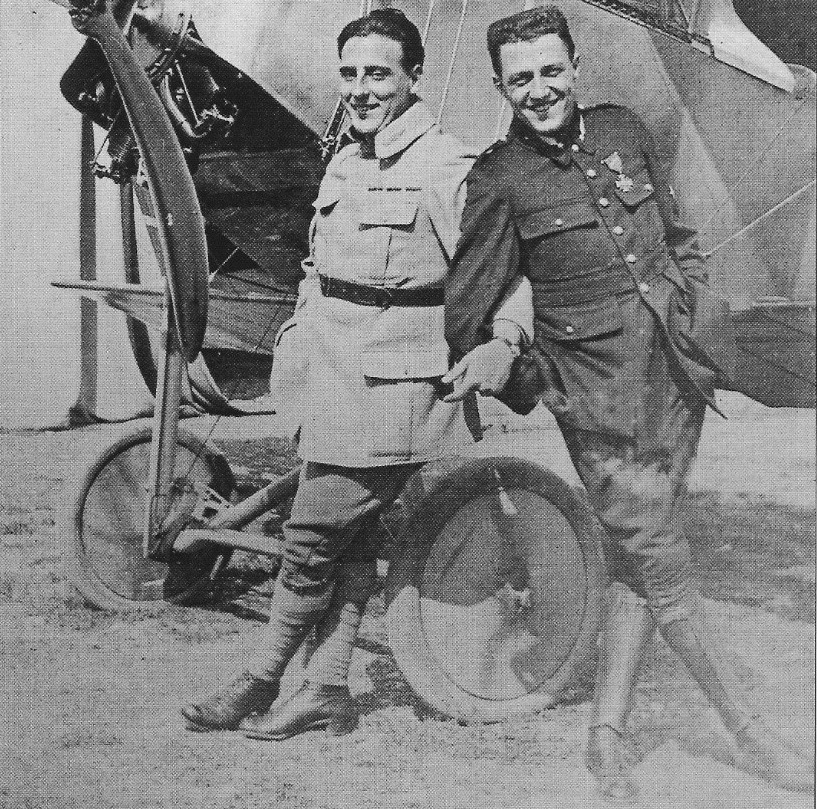
Jean Navarre and friend Sagaret with a Nieuport X
Nieuport 10/83 Engine: Clerget rotary, 130hp.
Nie.10c1 Engine: Gnome, 80 hp or Le Rhone 9C, 80 hp Wingspan: 24 ft 9 in Length: 19 ft 1/3 in Height: 8 ft 0.5 in Top speed SL: 97 mph ROC: 550 fpm Gross weight: 1060 lb Ceiling: 15,090 ft Endurance: 2 hr 30 min
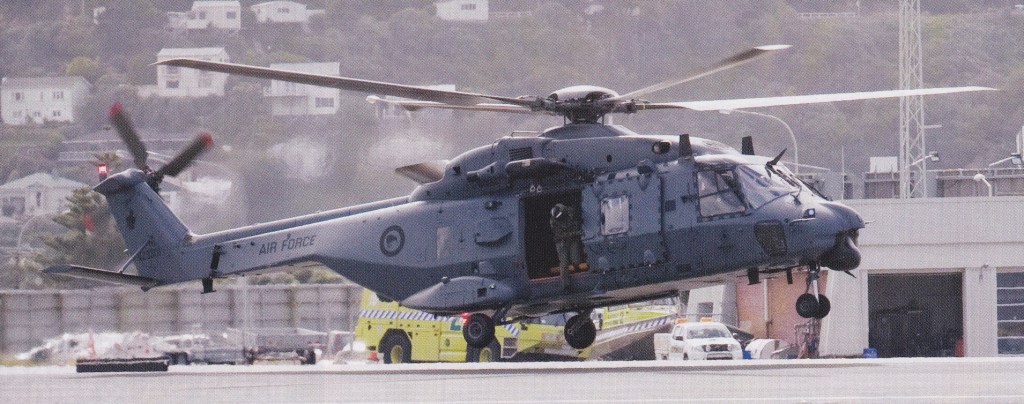
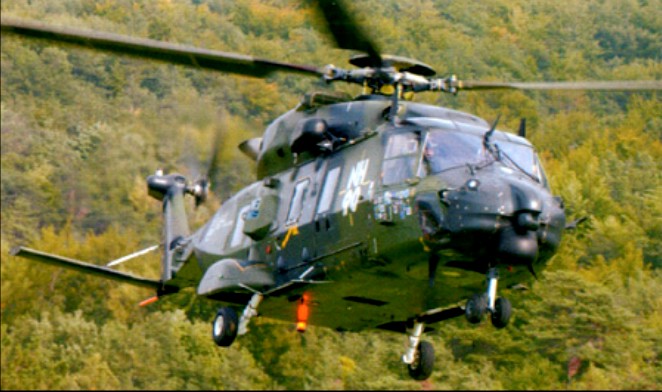
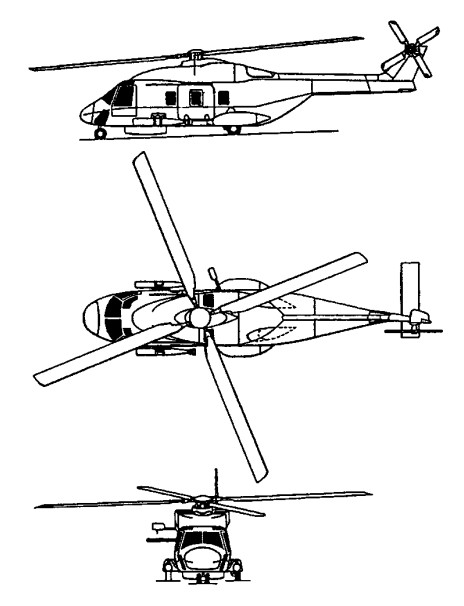
In the 8000/9000kg class, the NH90 was developed and qualified in both a Naval and Army variant and powered by RTM322 engines. A rear ramp option is available for the Army variant. Designated as the TTH (Tactical Transport Helicopter) and NHF for the NATO Frigate Helicopter, the NH90 has fly-by-wire controls and is capable of all-weather operations either on land or at sea. In the tactical version it carries 20 fully-equipped troops or 2500kg of cargo. In the NHF version can undertake multimaritime roles including the ASW or anti-surface vessel role and can carry up to 700kg of missiles.
Five European nations signed the memorandum in 1985 allowing the development of the NH 90. The work is being shared by Eurocopter France (43%), Agusta (26%), Eurocopter Germany (24%) and Fokker (7%).
Largely built of composite materials, the NH90 was in service with France, Italy, Germany, the Netherlands, and New Zealand.
NH-90 Engine: 2 x RTM 322-01/9 turboshaft, 1484kW at take-off Main rotor diameter: 16.3m Length with rotors turning: 16.3m Height with tail rotor turning: 5.44m Max take-off weight: 10000kg Empty weight: 5400kg Max speed: 290km/h Cruising speed: 259km/h Service ceiling: 4250m Range: 1204km Payload: 2000kg
NH90 TTH Engine: 2 x R-RTM 332 or 2 x GE CT7-6E Instant pwr: 1367 or 1360 kW MTOW: 10,000 kg Payload: 4460 kg Max speed: 155 kts Max range: 930 km HIGE: 9,600 ft HOGE: 7878 ft Crew: 2 Pax: 20
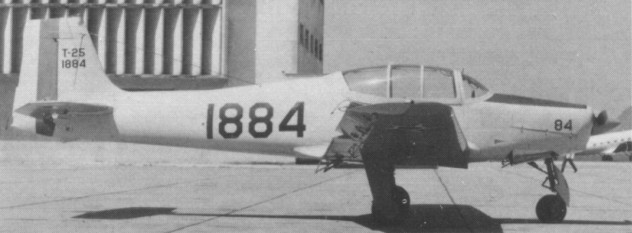
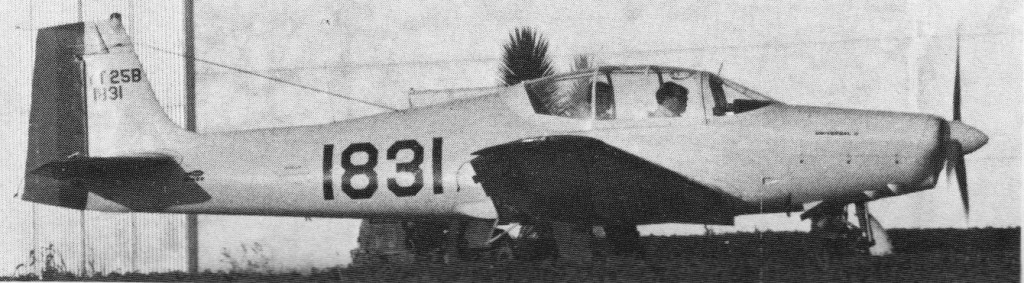
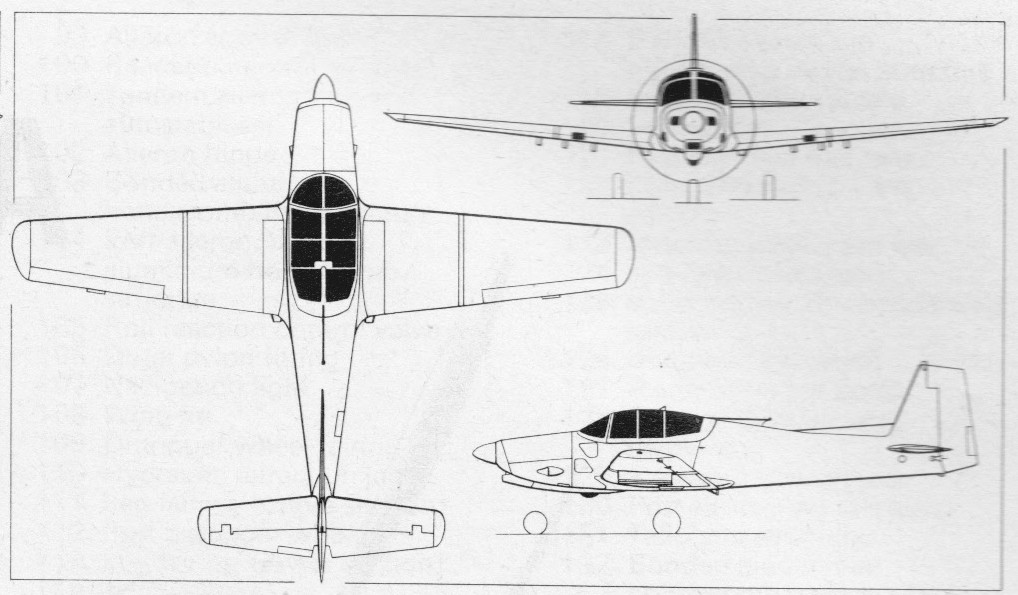
Designed to replace Fokker S-11 and Harvards with the Brazilian Air Force. The Universal is designated T-25 in Brazilian service and operates as a 2/3 seat basic trainer. About 140 were delivered plus 10 to the Chilian Air Force. An armed version with underwing pylons is designated AT-25.
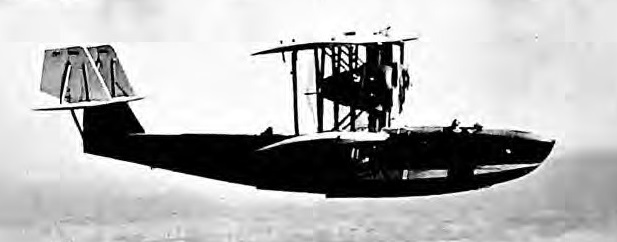
The two PN-12s represented the definitive design. Like its predecessors in the PN-series, the PN-12 was a biplane designed specifically for the patrol/antisubmarine role. Single .30-caliber machine guns were fitted in the bow and amidships, and four 230-pound bombs could be carried under the lower wing. Equally powered by twin 525-hp engines, one PN-12 had twin Pratt and Whitney Hornet R-1850s, and the other Wright Cyclone R-1750s. They gave the aircraft a top speed of 114 mph and a range at cruising speed of just over 1,300 miles. It was flown by a crew of five (in open cockpits), and a relief crew could be carried for long patrols. On 3-5 May 1928, the Cyclone-powered PN-12 set another world seaplane record, covering a distance of 1,243 statue miles in 17 hours, 55 minutes.
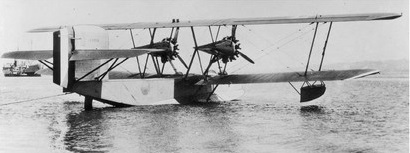
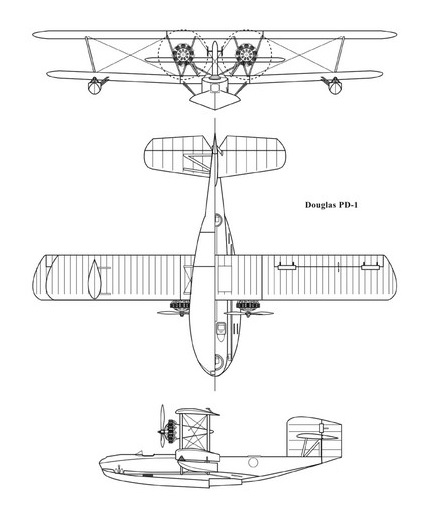
The Naval Aircraft Factory was not capable of large-scale production, and the Navy decided to have the PN-12 manufactured by private aircraft companies. Douglas received a contract from BuAer on 27 December 1927 to build twenty-five Naval Aircraft Factory-designed PN-12, under the designation PD-1. Other than the engine nacelles with flat top and bottom profiles, PD-1s were constructed according to the PN-12 specification without variation. The Douglas Aircraft Company produced 25 PD-1 aircraft and the Martin Company built 30 PM-1 variants based on the NAF design.
The first production PD-1s were accepted and placed into service with San Diego-based VP-7 in June 1929. As deliveries proceeded, the type also equipped both VP-4 and VP-6 at Pearl Harbor, Hawaii.
Subsequently, Martin built 25 PM-2 variants and the Keystone Aircraft Corporation built 18 similar PK-1 aircraft, the latter being twin-rudder versions. Thus, the PN-12 gave birth to 98 offspring. These aircraft served in the Fleet until all had ben withdrawn from service by the end of 1936.
In 1927 the Hall Aluminum Aircraft Company developed another PN derivative, the XPH-1. This was the first U.S. Navy flying boat to have all-metal stressed skin construction, which provided a considerable savings in weight. In the event, only ten PH-1s were built as the Navy moved to more advanced flying boat designs. But the Coast Guard procured seven improved Hall PH-2s and seven PH-3s for air-sea rescue missions. Some of these aircraft served into World War II.
Thus, the same basic flying boat design-from the F-5-L to the PH-3-spanned two world wars, a most notable achievement.
PN-12 Engines: 2 x Wright: R-1750D, 525 hp Prop: 3 blade ground adjustable metal Max speed: 114 mph Ceiling: 10,900 ft Range: 1310 mi Empty weight: 7699 lb Loaded weight: 14,122 lb Span – upper: 72 ft 10 in Length: 49 ft 2 in Wing area: 1217 sq.ft Armament: 2 x .30 mg Bombload: 4 x 230 lb
Douglas PD-1 5-place naval patrol boat Engines: 2 x Wright R-1750 Cyclone, 535 hp / later R-1820, 575 hp Props: 3 blade, ground adjustable metal Wingspan: 72 ft 10 in Length: 49 ft 2 in Wing area: 1162 sq.ft Max speed: 114 mph Cruise 94 mph Ceiling: 10,900 ft Range: 1309 mi Empty weight: 8349 lb Gross weight: 14,988 lb Armament: 2 x .30 mg Bombload: 920 lb underwing Total built: 25
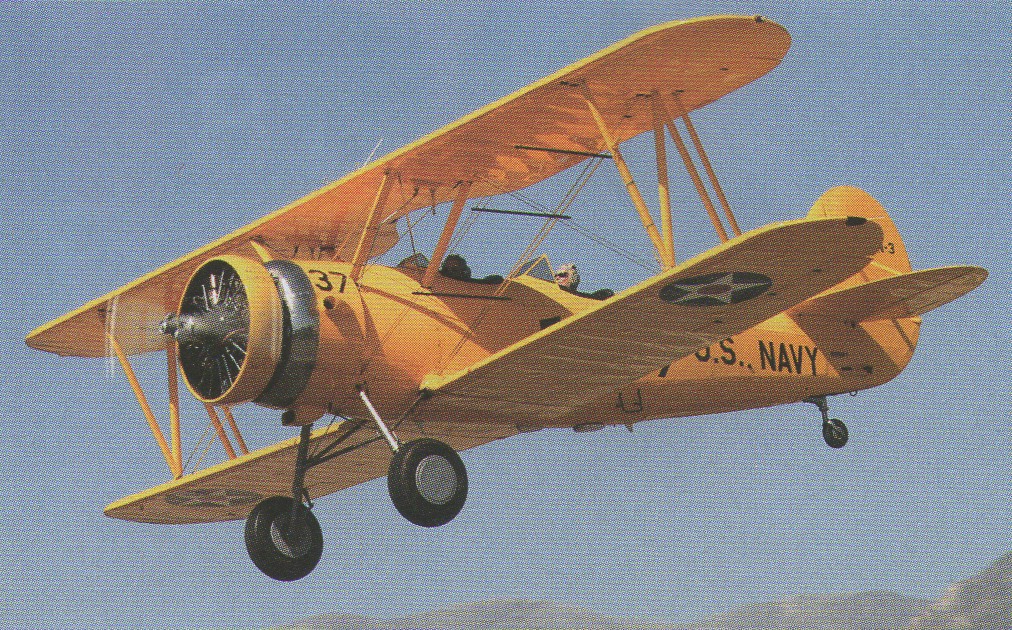
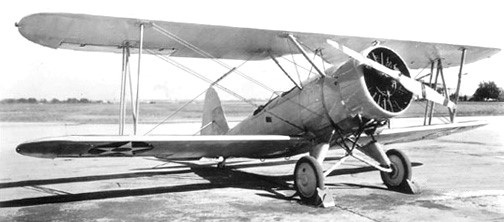
Designed for the US Navy in 1934, and outwardly similar to the service’s current Consolidated NY-2 and -3, the N3N featured an all-metal primary structure covered with fabric except along the fuselage sides, which featured removable alloy panels. The XN3N-1 prototype, 9991, flew in August 1935 with a 164-kW (220-hp) Wright J-5 radial, an engine that was out of production but stocked in considerable numbers.
XN3N-1
The prototype was evaluated as a landplane and floatplane, resulting in a 1935 order for 179 N3N-ls (0017/0101, 0644/0723, 0952/0966), at about $25,000 unit cost. The N3N-1S was a single-float version.
The XN3N-1 became an N3N-1.
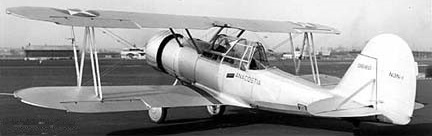
NAF N3N-1 0680
Single XN3N-2 (0265) in 1936 and XN3N-3 (N3N-1 conversion 0020) prototypes were used to evaluate the 179-kW (240-hp) R-760-96 engine that was then used in the last 20 N3N-ls and retrofitted in the earlier aircraft.
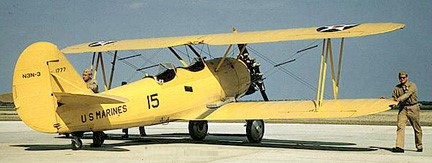
There followed, in 1940, 816 N3N-3s (1759/1808, 1908/2007, 2573/3072, 4352/4517) with a revised tail and modified landing gear, and the N3Ns were amongst the Navy’s most important wheel- and float-equipped primary trainers throughout World War II.
Rex Buren Beisel of the Naval Aircraft Factory desiggned a simple fighter powered by a 200 hp (150 kW) Lawrance J-1 air-cooled radial engine. Its boxy fuselage was suspended between the upper and lower wings (essentially having both dorsal and ventral sets of cabane struts), with the center area of the lower wing enlarged to accommodate a fuel tank.
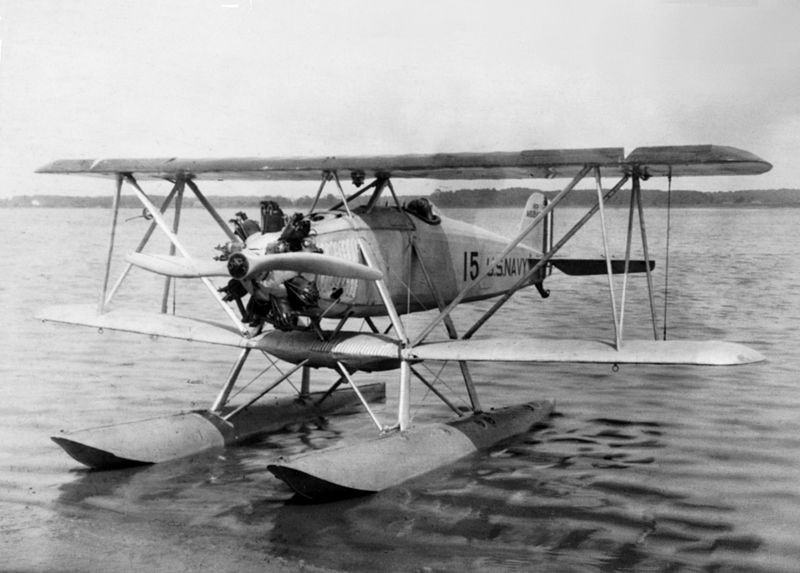
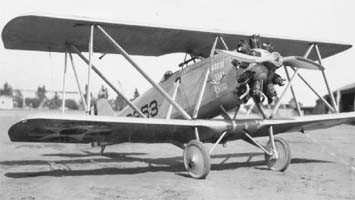
First flying on August 10, 1921, the TS biplane fighter was the first aircraft designed specifically for the US Navy to be used with aircraft carriers. At the NAF plant, five TS-1 (A6300- 6304) aircraft were built to assess the accuracy of the calculations of the contracting companies for payment for the work they had performed.
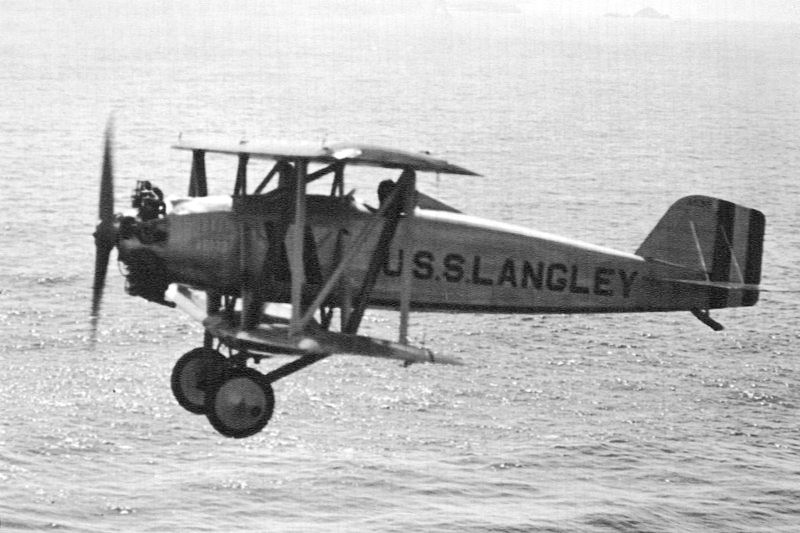
The NAF provided Curtiss with the plans to build the aircraft, and the result, designated TS-1, arrived at Anacostia on May 9, 1922. The TS-1 from Curtiss was delivered with wheels, so the NAF also designed wooden floats to enable their use on vessels other than aircraft carriers. Testing went well, and in late 1922 the Navy ordered 34 planes from Curtiss, with the first arriving on board the USS Langley (CV-1) in December. The NAF built another five themselves, as a test of relative costs, as well as four more used to experiment with water-cooled inline engines.
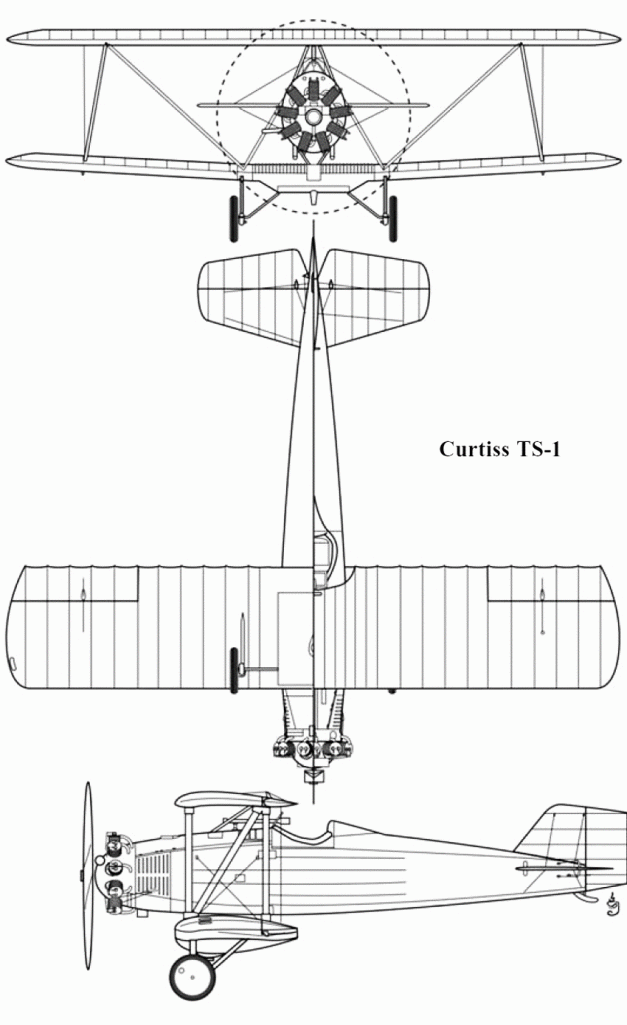
Curtiss TS-1
In addition to operating from the carrier deck, the TS-1s served for several years in floatplane configuration aboard destroyers, cruisers, and battleships. The aircraft were slung over the side by crane. Squadron VO-1 operated this way from 1922, and VF-1 flew its float-equipped TS-1s from battleships in 1925 and 1926.
The TS-1 was not universally liked by its crews. Positioning of the lower wing below the fuselage resulted in short wheel struts. This, and the wheels’ placement close to each other, caused considerable problems with ground looping.
NAF also built two TS-2 (A-6446-6447) powered by a 240 hp (180 kW) Aeromarine engine, and two TS-3 (A-6448-6449) powered by a 180 hp (130 kW) Wright-Hispano E engine. One TS-3 was modified by changing the airfoil section to participate in the 1922 Curtiss Marine Trophy race and received the TR-2 designation, later it was used as a training aircraft for the US Navy team, preparing for the Schneider Cup competitions in 1923.
In May 1924, the TS-1 was re-designated as FC-1. They were retired in 1929.
Two all-metal versions of the aircraft, F4C-1s, were developed by Curtiss.
TS-1 Engine: 1 × Lawrance J-1, 200 hp (149 kW) Wingspan: 25 ft (7.62 m) Wing area: 228 ft² (21 m²) Length: 22 ft 1 in (6.7 m) Height: 9 ft 7 in (2.9 m) Empty weight: 1,240 lb (562.5 kg) Loaded weight: 2,133 lb (967.5 kg) Maximum speed: 106.8 knots (123 mph, 198 km/h) Cruising speed: 165 km / h Range: 418.8 nmi (482 mi, 775.7 km) Service ceiling: 16,250 ft (4950 m) Rate of climb: 909 ft/min (4.61 m/s) Armament: one 7.62mm Browning machine gun Crew: 1
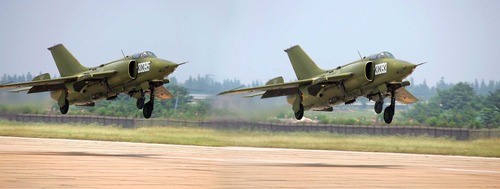
As Shenyang began developing MiG-19s locally under the J-6 name in 1958, the PLAAF requested the development of the design into a dedicated attack aircraft. Shenyang assigned the same project manager as the one in charge of the J-12 program. The aircraft was designated Qiangjiji-5 (Q-5) which stands for Attack aircraft 5. A long list of changes was made to the MiG-19 design, making the new aircraft virtually unrecognizable. The intakes were moved to the fuselage sides to make space for a radar, while the aircraft was lengthened and area ruled to make space for an internal weapons bay and reduce transonic drag, respectively. The wing root 30mm cannon of the J-6 were replaced with 23mm cannon, but payload was doubled to 2,000kg, and the number of hardpoints was increased from four to six. Meanwhile, larger, less swept wings were added. Although it was designed by Shenyang, further development and production were assigned to Nanchang. The prototype was completed in 1960, but due to the political climate at the time, was cancelled before it took flight in 1961.
The prototype program was kept alive by small team and resumed officially 1963, when the PLAAF revived the project and moved it to Nanchang. First flight took place on 4 June 1965, featuring an area ruled fuselage for minimum transonic drag, cockpit armour protection, a “solid” nose and a weapon bay (for early test and production aircraft, but omitted from improved production versions). The Q-5 (particularly its wing) is based on the Mikoyan-Gurevich MiG-19, already built in the People’s Republic under the designation Shenyang J-6. Slightly longer than its ancestor, the Q-5 differs considerably in profile by reasons of a ‘solid’ nose and cheek air inlets made necessary by transfer of some avionics from the centre fuselage to make way for an internal weapons bay (now used for additional fuel), although the MiG’s four wing strongpoints and root-mounted cannon are retained for close support work. Over¬all length was increased, and wing span was extended to compensate. An internal weapons bay was incorporated, but this is now used to house additional fuel, increasing internal fuel capacity by 70 per cent. External stores are carried on four underwing and four under-fuselage stations. Powered by the same Soviet-designed, Chinese-built engines as the J-6, this variant has a taller fin and a narrower centre fuselage. A camera mounted on starboard side of the nose is for gunnnery recording only.
Performance was found to be slightly worse than the J-6 at high altitude, but it was just as fast at low altitudes. Further modifications were found necessary, leading to flight test of two much modified prototypes from October 1969. Known in the West as the Nanchang A-5 ‘Fantan-A’ and to the People’s Liberation Army Air Force as the Qiangjiji-5 (Attack Aircraft Type 5), the Q-5 was revealed in limited detail only during 1980.
Series production was approved at the end of 1969, with deliveries beginning 1970. A total of approximately 1000 aircraft were built, of which nearly 600 were the improved Q-5IA variant. A small number, perhaps a few dozen, of the Q-5IAs were modified to carry nuclear weapons. The nuclear capable Q-5A first flew on 1st August 1970. The Q-5A added two more hardpoints. On 7th January 1972, a Q-5A dropped a 20 kT nuclear bomb on Lop Nor nuclear test site in northwest China.
A long-range variant emerged, replacing the interal bay with a fuel tank, and the late production Q-5D received advanced HUDs, laser designators, and FLIR. In the late 1980s, there were plans to upgrade the Q-5 fleet with the avionics of the AMX International AMX, but these plans fell through after sanctions over the heavy-handed response to the 1989 Tiananmen Square protests.
Exported from 1983 as the A-5, North Korea was the first export customer for the aircraft, buying 40 Q-5As.
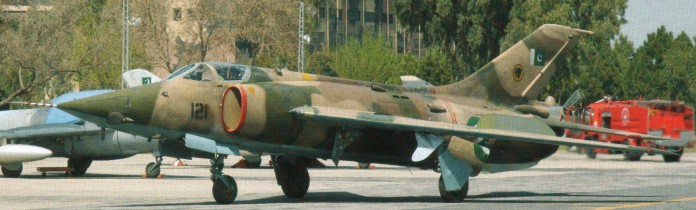
Peak production levels were attained in the early 1970s, and by 1978 production had almost come to an end. Export orders from North Korea, Burma and Pakistan, together with additional local requirements, caused production to be increased in the early 1980s. 40 or more were delivered to Pakistan in 1982-3. Pakistan required an eventual total of some 150 of this type.
1984 production models at Nanchang were the Q-5-III for Chinese use, and the A-5C for export. The A-5C (Q-5III) is the improved version of the Q-5I variant. It was flight tested in late 1980 and certified for production on 20 October 1981 and was exported in 1983 to Bangladesh (20) and Pakistan (52).
In 1988 the A-5M version first flew with a ranging radar, and simultaneously the Q-5K Kong Yun entered testing with a French avionics package.
A small number of aircraft were modified to carry nuclear weapons designated Q-5A. The Q-5B was equipped with a Doppler radar in a reshaped nose and was capable of carrying two torpedoes for maritime strike missions. Q-5I was the first improvement of the Q-5 design. The internal bomb bay was deleted in favour of more internal fuel storage to extend the aircraft’s range. The landing gear was strengthened and two extra hardpoints were fitted. Some of the Q-5I aircraft for the Navy were fitted with Doppler radar making it capable of using the C-801 Anti-Ship Missile.
The Q-5IA is an upgraded Q-5I featuring two extra underwing hardpoints and a new gun/bomb-sighting system. Later RWR was added which resulted in the Q-5II. The Q-5IA was further enhanced and offered for export designated A-5C (Q-5III). The A-5C incorporated many modifications including upgraded avionics and AIM-9 Sidewinder AAM capability.
Upgrade programmes involving Western avionics such as laser rangefinder, INS, and HUD systems from Thomson-CSF started in 1986 with France (Q-5K Kong Yun based on the Q-5II) and Italy (A-5M), but Kong Yun programme terminated in 1990. The all-weather Q-5M (A-5M) incorporated the nav/attack system from the AMX aircraft, and made its first flight on 30 August 1988 and 24 aircraft were ordered by Myanmar. Later that year the A-5M prototype crashed and somewhere in the second half of the 1990s the program was ultimately stopped. Some sources say that Myanmar bought 24 A-5Cs from China instead.
In late 2003, Sudan was reported to have acquired 15-20 A-5Cs from China, believed to be financed by Iran. Reports indicated that Sudanese pilots were trained in China, Iran and locally in Sudan. Pakistan Air Force instructors were said to be involved in the training of Sudanese aircrew, particularly at Dezful-Ardestani Air Base in southern Iran. In January 2007, two Sudanese Air Force A-5Cs (serials 402 and 403) deployed to Nyala Airport, southern Darfur, with at least one more (410) being deployed later. Sudan failed to submit a prior request to the UN for their deployment, as required under UN Security Council resolution 1591.
The two-seat JQ-5J version was developed by Hongdu Aviation Industry Group (HAIG). It was first revealed to the public in the form of a model at the Zhuhai Air Show in December 2004. In addition to the redesigned front fuselage the aircraft features a larger vertical tail. The first prototype JQ-5J made its maiden flight on 25 February 2005.
Q-5 Powerplant: two 3250-kg (7,165-1b) thrust Shenyang Wopen-6 (Tumansky R-913F-811) afterburning turbojets Wing span: 9. 70 m (31 ft 10 in) Length 16.73 m (54 ft 10.5 in) Height 4.51 m (14 ft 9.5 in) Empty weight: 6494 kg (14,317 lb) Maximum take-off weight: 12000 kg (26,455 lb) Maximum speed 11000 m (36,090 ft): 1190 km/h (739 mph) or Mach 1.12 Maximum speed sea level: 1210 km/h (752 mph) Service ceiling 16000 m (52,495 ft) Combat radius lo-lo-lo max load: 400 km (249 miles) Combat radius hi-lo-hi: 600 km (373 miles) Armament: two 23-mm Type 23-2 cannon (with 100 rpg) in wing roots Hard points: four wing and four fuselage pylons carrying (normally) 1000 kg (2,205 lb) or (maximum) 2000 kg (4,409 lb) of ordnance
Q-5A
Q-5 Fantan A Engine: 2 x Wopen WP-6. Installed thrust (dry / reheat): 51 / 64 kN Span: 9.7 m Length: 15.7 m Wing area: 28 sq.m Empty wt: 6500 kg MTOW: 12,000 kg Warload: 2000 kg Max speed: 1.1+ Mach Ceiling: 16,000 m T/O run: 1250 m Ldg run: 1050 m Combat radius lo-lo-lo: 400 km Fuel internal: 3700 lt Air refuel: No Armament: 2 x 23 mm Hard points: 8
Q-5B
Q-5I
Q-5IA
Q-5II
Q-5III / A-5C Powerplant: two 31.87 kN (7,165 lb st) Shenyang Wopen-6 (WP6) afterburning turbojets Length 16.25m (53 ft 4 in) Height 4.52m (14 ft 10 in) Wing span 9.70m (31 ft 10 in) Empty weight: 6494 kg (14,317 lb) Max Take-Off Weight: 12000 kg (26,455 lb) Max level speed at 11.000m (36,000 ft) Mach 1.1 or 1190 km/h (740 mph) Service ceiling 15,850 m (52,000 ft) Armament: two Type 23-2K 23mm cannons with 100 rounds per gun; up to 2000 kg (4,410 lb) of ordnance
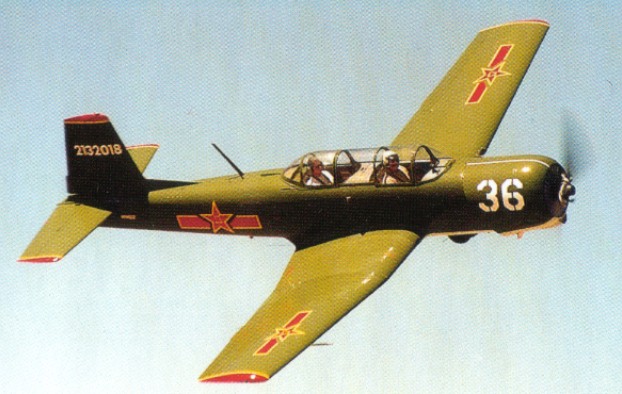
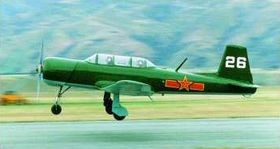
In the early 1950s, the primary trainer aircraft used by the Air Force was the Soviet Yak-18. At that time, the Nanchang Aircraft Factory was able to independently produce the aircraft in accordance with Soviet drawings. The steel frame of the Yak 18 type of steel frame, the structure of the outer cover was relatively backward, and the airborne power supply was insufficient. Designers such as Xu Shunshou believe that it is no longer necessary to introduce the improved Yak 18A, and it is entirely possible to independently develop a primary trainer based on domestic technical strength.
In July 1957, the Chujiao 6 design was begun, and the prototype flew for the first time in August of the following year. On January 5, 1962, Chujiao-6 completed the design finalization. After the successful test flight of the Chujiao 6 in Nanchang, many people in the aviation industry system and the air force still believed in the Soviet aircraft and advocated the production of the Yak 18A. Until a new leader of the Aviation Industry System took office, he decided to continue to improve the elementary trainer 6.
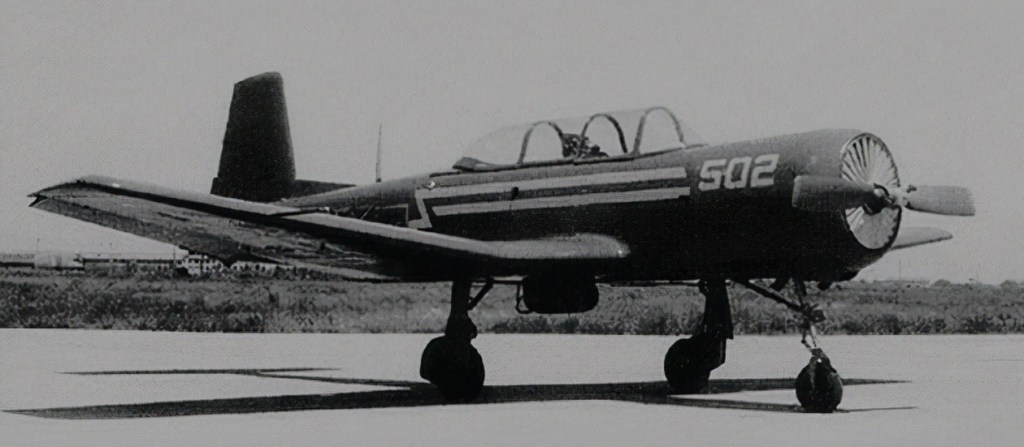
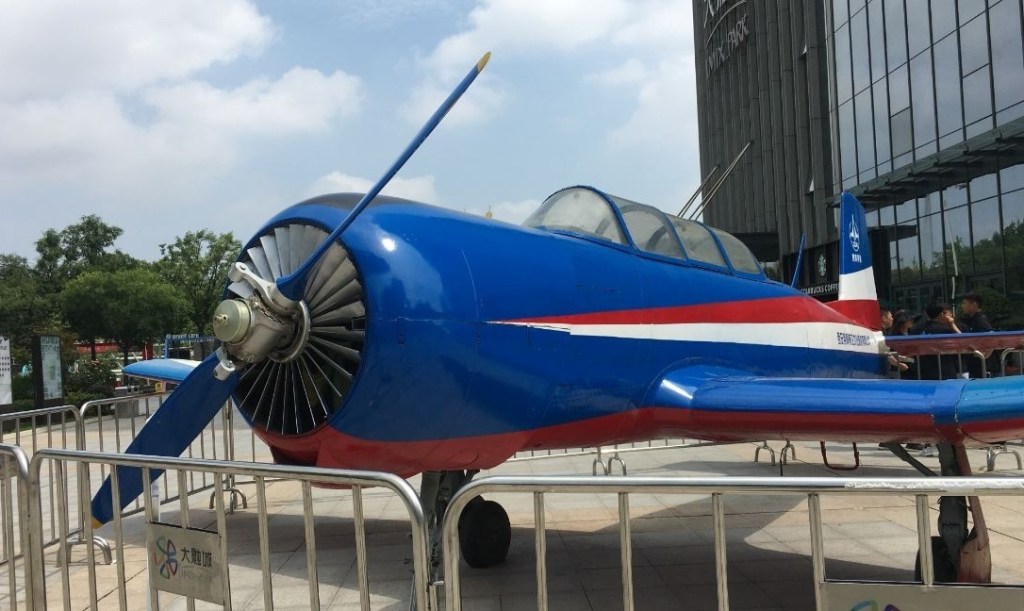
The body of Chujiao 6 adopts an all-metal thin-skinned shell structure, which is similar to the Yak 18 in appearance. The actual fuselage, wings and front three-point landing gear are all new designs.
A Chinese derivative of the Yak-18, and development of the CJ-5, the CJ-6 is aerobatic, with a fully retracting undercarriage.
A military primary trainer, approximately 2000 were built for the Peoples Liberation Army Air Force from 1962. It has also served with the air forces of Albania, Bangladesh, Cambodia, Tanzania and Zambia.
The improved CJ-6A still being built in the late 1990s in very low volume for the same radial piston-engined primary training role.
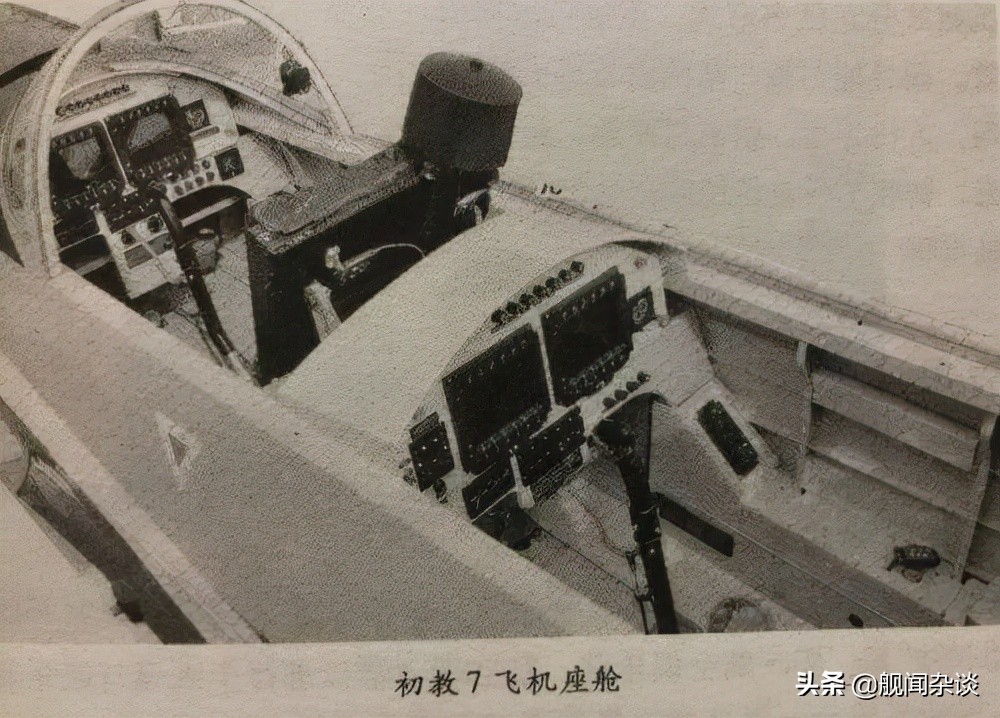
Elementary Education 6 also has many shortcomings: the onboard equipment is backward, there is no ejection rescue system, the cockpit is not sealed, the noise is loud, and the operating environment is not good in cold weather. Therefore, the domestic development of a new generation of primary trainers has been brewing since the 1990s. In August 2007, Chujiao 7 was formally established, and the first flight was successful in 2010, and it was publicly unveiled at the Zhuhai Air Show.
In 2015, Hongdu Company officially began to resume primary education 6. It can be seen in the news that there are a large number of newly manufactured Chujia 6 in the Hongdu Aviation Workshop. The production number of the fuselage shows that the output is at least dozens of aircraft. The Air Force has resumed bulk purchase of Chujia 6, and Chujia 7 is completely yellow.
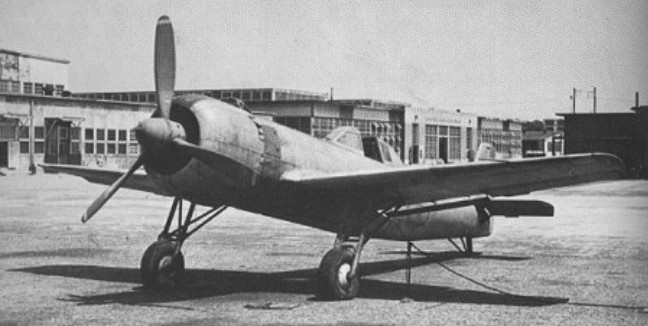
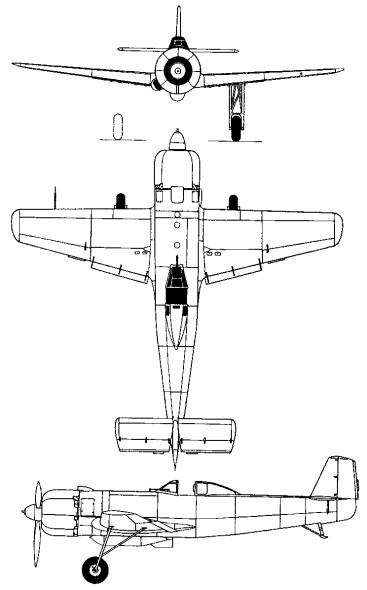
In January 1945 Nakajima was ordered by the Imperial Japanese Army to design and develop, as quickly as possible, a basic aircraft that could carry a bomb of up to 800kg weight for use in kamikaze attacks. The resulting Nakajima Ki-115 low-wing monoplane prototype was of mixed construction, powered by a Nakajima Ha-35 radial engine and had welded steel-tube main landing gear units, without any form of shock absorption, which were intended to be jettisoned after take-off on a kamikaze mission. Flight tests showed that ground handling was unacceptable in this configuration, leading to the introduction of main landing gear units with simple shock absorbers. In this form, and incorporating some minor modifications, the aircraft entered production as the Ki-115a Tsurugi (Sabre). However, Nakajima had built only 104 production aircraft by the time the war ended, and none of these was used operationally.
Ki-115 Engine: 1 x Nakajima Ha-35, 843kW Wingspan: 8.6 m / 28 ft 3 in Length: 8.55 m / 28 ft 1 in Height: 3.3 m / 10 ft 10 in Wing area: 12.4 sq.m / 133.47 sq ft Max take-off weight: 2880 kg / 6349 lb Empty weight: 1640 kg / 3616 lb Max. speed: 550 km/h / 342 mph Range: 1200 km / 746 miles Armament: 800-kg bomb Crew: 1




 All Aero