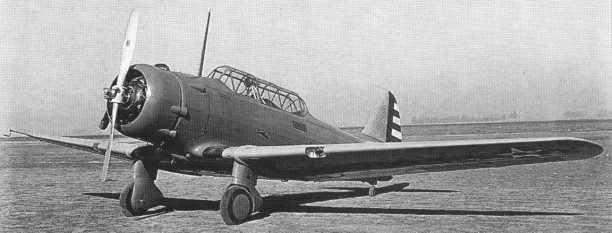
North American BT-9 / NJ-1 / BT-10 / BT-16 / NA-64 / Yale

The Texan began life in 1935 as the NA-16, a prototype trainer designed by James H. “Dutch” Kindelberger, president of North American Aviation, Inc. It had two open cockpits and a fixed gear and was powered by a 400-hp engine.

In 1934, the U.S. Army Air Corps had issued specifications for an airplane “to provide a means of command liaison and command reconnaissance for Corps and Divisions, and to provide for the maintenance of the combat flying proficiency of pilots and observers.” Kindelberger and North American worked to secure the contract, and the NA-16 flew for the first time on April 1,1935. The NA-16 was chosen over the competitors’ designs, but before ordering any NA-16s, the Air Corps required North American to enclose the cockpits with a sliding canopy, install streamlined fairings over the wheel struts and add wheel pants.
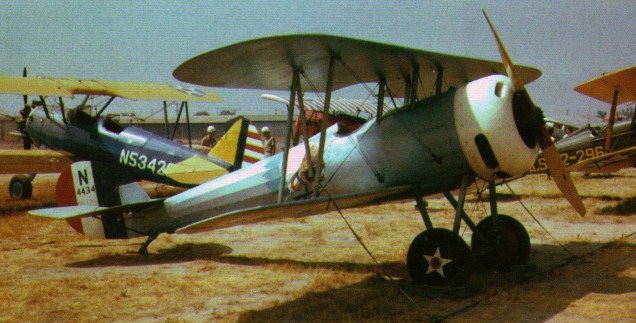
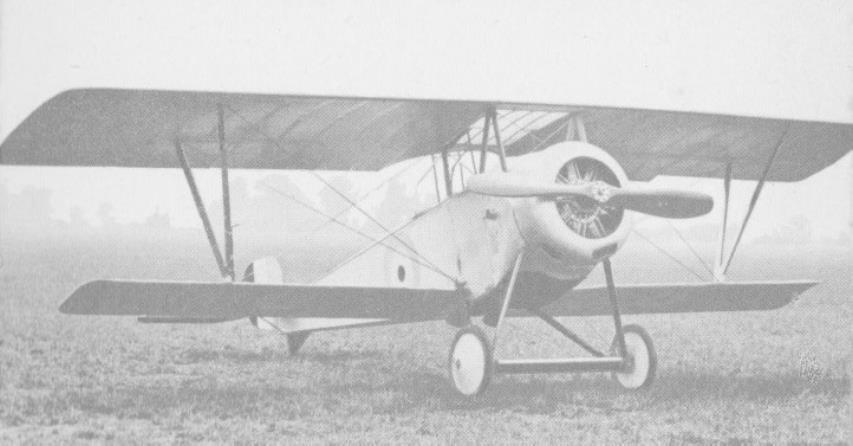
When the modifications were complete, the Air Corps ordered 42 (36-028 to 36-069) under the company design number NA-19; the Air Corps called it the BT-9 (basic trainer, type 9). The first production model was flown on April 15, 1936.
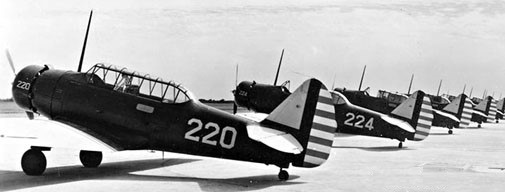
North American BT-9

The Navy or¬dered 40 (0910-0949) of them after the existing engine was replaced with a 600hp P&W R-1340 version. That 1937 model was designated the NJ-1 (NA-28, N for trainer and J for North American). The last one was temporarily powered with a 1000hp Ranger XV-770 as NJ-2.
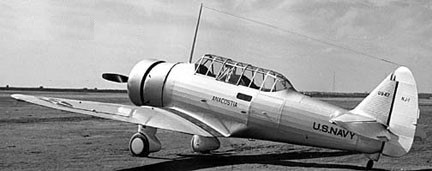
North American NJ-1 0947

The 40 BT-9As (NA-19A) armed version for Reserve units that followed introduced a fixed forward gun (with gun camera) and a trainable gun in the rear cockpit. Forty were built in 1936, 36-088 to 36-127.
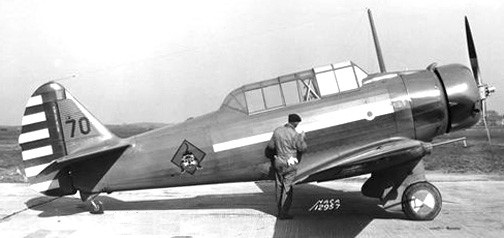
North American BT-9A

Only small changes were made in the 117 BT-9Bs and 67 BT-9Ds. 117 BT-9B (NA-23) were built in 1937 (37-115 to 37-231) with one modified with new wings and tail as the BT-9D (NA-26) in 1938.
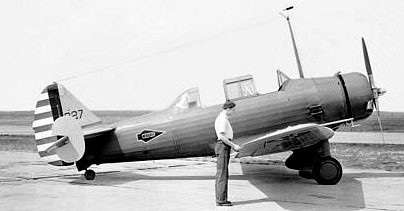
North American BT-9B

The 1937 BT-9C (NA-29) was an armed version of which sixty-seven were built (37-383 to 37-415). One was modified as the Y1BT-10.
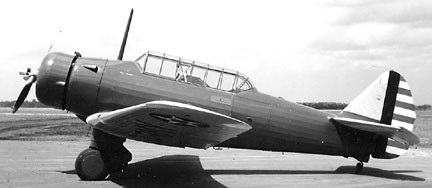
North American BT-9C

One BT-9C, 37-383, was repowered with a 600hp P&W R-1340 in 1938 as the Y1BT-10 (NA-29).
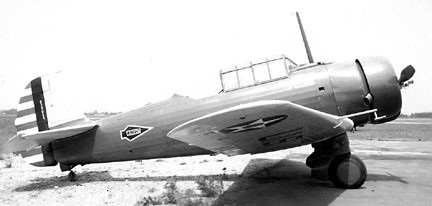
North American Y1BT-10 37-383

The Australian Commonwealth Aircraft Corporation was formed in 1936 by several of the largest industrial concerns in Australia. To gain manufacturing experience, it had been decided to acquire a licence to produce an aircraft suitable for advanced training and as a replacement for RAAF Hawker Demons. An Australian Air Board Technical Commission visited the USA and evaluated the North American NA-16, ordered into production for the USAAC as the BT-9 (NA-19) basic trainer.

At the time of the Australian Commission’s visit, North American was working on a development of the BT-99 with a 600 hp Pratt & Whitney R-1340, retractable undercarriage and armament provision as a basic combat trainer. Designated NA-26, this aircraft fulfilled the Australian requirements, although there was disagreement over the need for retractable undercarriage.

As a result, two versions of the A-26 were offered to the Australians, the NA-32 (NA-16-1A) with fixed undercarriage, and the NA-33 (NA-16-2K) with a retractable undercarriage, and in 1937, negotiations for manufacturing rights in both the NA-32 and NA-33 were completed, and an order placed for one of each.
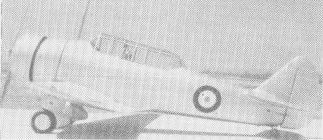
NA-32 / NA-16-1A

The NA-32 was completed in July 1937, although it was not taken on charge by the RAAF until 8 November 1938, and by that time, the NA-33 / NA-16-2K, which had been completed in September 1937 and taken on charge by the RAAF on 2 February 1938, had already been selected for Australian production.
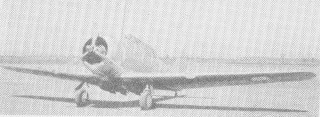
NA-33 / NA16-2K

The NA-16-2K was with a few subtle changes in design to suit it more closely to RAAF requirements and Australian operating conditions, these including a reinforced sub-structure consistent with the rigors of the bombing role and improved offensive/defensive capabilities by the inclusion of 2 x 7.7mm machine guns as opposed to the NA-16’s sole gun.

With the changes, the NA-33 was ordered into production for the RAAF as the A20, the Commonwealth Aircraft Corporation applying the designation CA-1 to the type, and the name Wirraway being adopted. Production of the initial aircraft was handled out of the Commonwealth Aircraft Corporation (CAC) facility at Fisherman’s Bend in Melbourne, Victoria in 1938.

In 1938, Noorduyn acquired the manufacturing rights to the BT-9.

The basic type was then improved with the flying surfaces of the BC-lA and a metal-covered fuselage to produce the BT-14, of which 251 were built with the 336-kW (450-hp) Pratt & Whitney R-985-25 radial. Some 27 were later converted to BT-14A standard with the 298-kW (400-hp) R-985-11 engine.

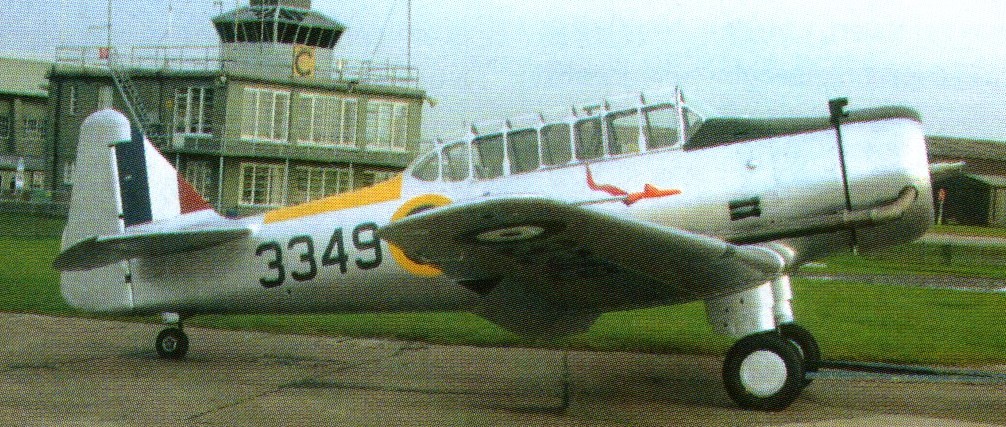
Concurrently, the French ordered 230 of the BT-9/BT-14 models and called them Tomcats. When France was overrun by the Germans in 1940, Tomcats not yet delivered were given to the Royal Canadian Air Force and designated Yale Mark Is.

BT-9 (NA-19)
Engine: R-975-7 radial, 298-kW (400-hp)
Wingspan: 42’0″
Length: 27’7″
Useful load: 1157 lb
Max speed: 170 mph
Cruise speed: 147 mph
Range: 880 mi
Seats: 2

NJ-1
Engine: Pratt & Whitney R-1340, 373-kW (500-hp)

BT-9A

BT-9B
Powerplant: l x Wright 8-975-7, 298kW (400 hp)
Span: 12.8m (42 ft)
Length: 8.41 m (27ft 7in)
Armament: 2 x 7.62-mm (0.3-in) mg
Max T/O weight: 2028 kg (4,471 lb)
Max speed: 170 mph at sea level
Operational range: 882 miles
Seats: 2

BT-9D

BT-14 / Yale Mk I
Engine: Pratt & Whitney R-985-25, 336-kW (450-hp)

BT-14A
Engine: R-985-11, 298-kW (400-hp)

NA-64 Yale
Engine: Wright R-975-E3 Whirlwind, 440 hp
Wing Span: 42ft 4in
Length: 27ft 11in
Speed: 170mph (273km/h)
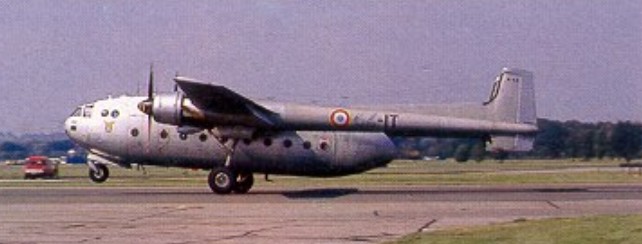
Nord N 2500 / N 2501 Noratlas

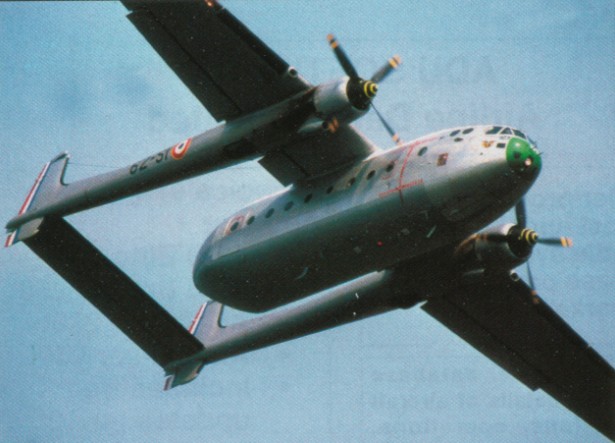
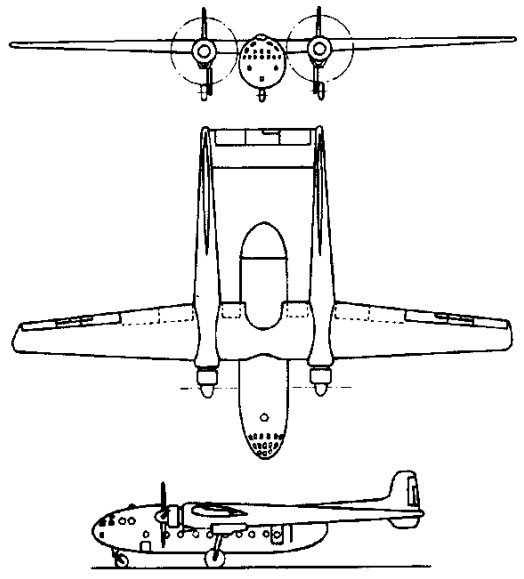
Designed as a military transport for service with the French air force, the Nord 2500 Noratlas prototype (F-WFKL) was flown for the first time on 10 September 1949. Of similar twin-boom configuration to the Fairchild C-82 and C-119 Flying Boxcar, the prototype was powered by two 1212kW SNECMA-built Gnome-Rhone 14R radial engines. This was followed by two N 2501 prototypes which introduced the powerplant intended for production aircraft, comprising two 1521kW SNECMA-built Bristol Hercules 739 radial engines, and the first of these (F- WFRG) was flown on 28 November 1950.

Nord N 2500 / N 2501 Noratlas Article

Satisfactory testing led to the initiation of production, and the Noratlas became standard equipment in the air forces of France, West Germany and Israel, providing valuable long-term service. Operated normally by a crew of four or five, the Noratlas has the capacity for 7.5 tons of cargo, or can accommodate 45 troops (or passengers in civil use), 36 fully-equipped paratroopers, or 18 stretchers and medical attendants when used for casualty evacuation. The German Luftwaffe received a total of 186 of these transports, 25 built by Nord and the balance produced under licence in Germany by the Flugzeugbau Nord. When production ended in October 1961, French and German sources had built a total of 425 Noratlas aircraft in several versions, and the type remained in service until the late 1980s.

Gallery

Nord 2501
Engines: 2 x SNECMA Hercules 730, 1521kW / 2012 hp
Max take-off weight: 21000 kg / 46297 lb
Empty weight: 13075 kg / 28826 lb
Wingspan: 32.5 m / 106 ft 8 in
Length: 21.95 m / 72 ft 0 in
Height: 6.0 m / 19 ft 8 in
Wing area: 101.2 sq.m / 1089.31 sq ft
Max. speed: 238 kts / 440 km/h / 273 mph
Service ceiling: 7500 m / 24600 ft
Range: 3000 km / 1864 miles
Crew: 4-5
Passengers: 45
Payload: 8458kg

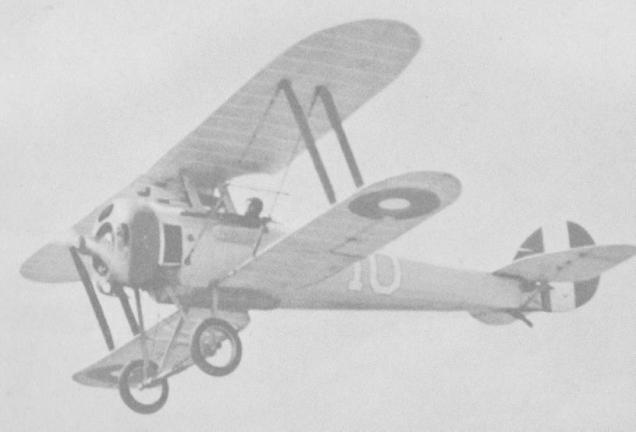
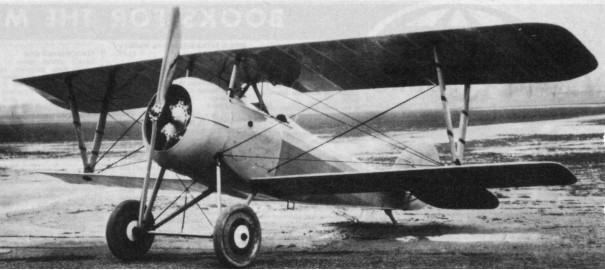
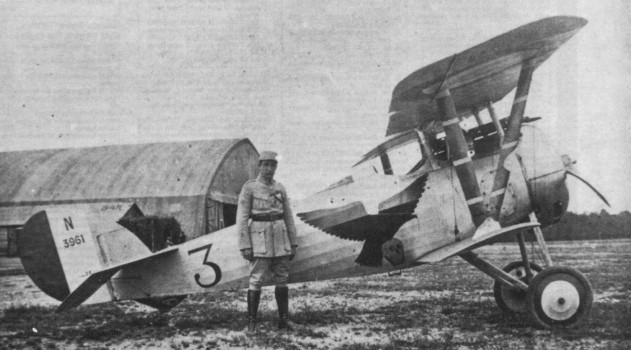
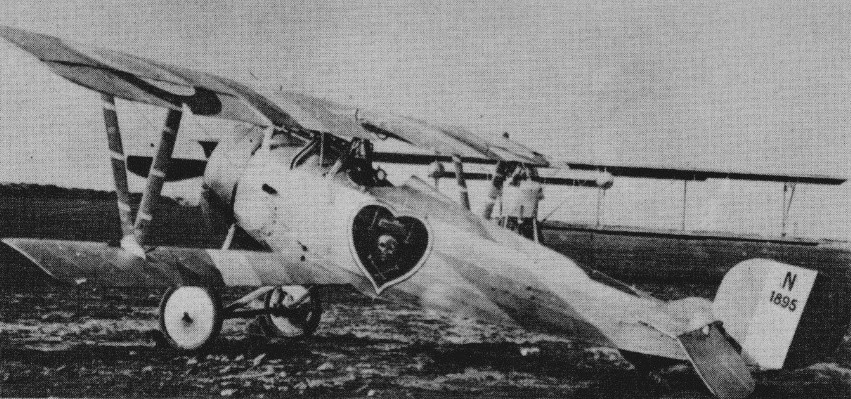
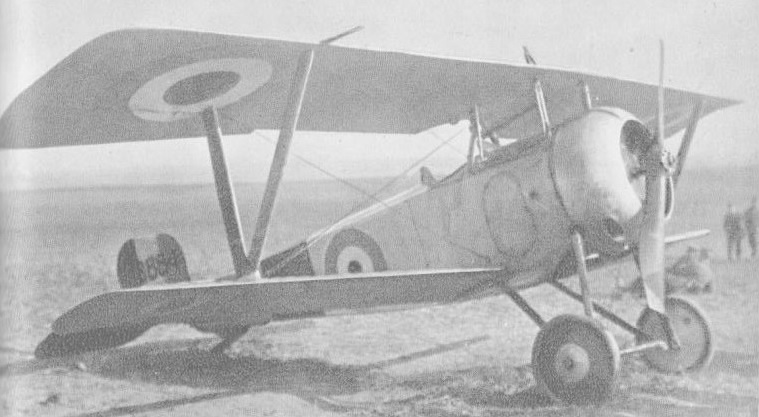
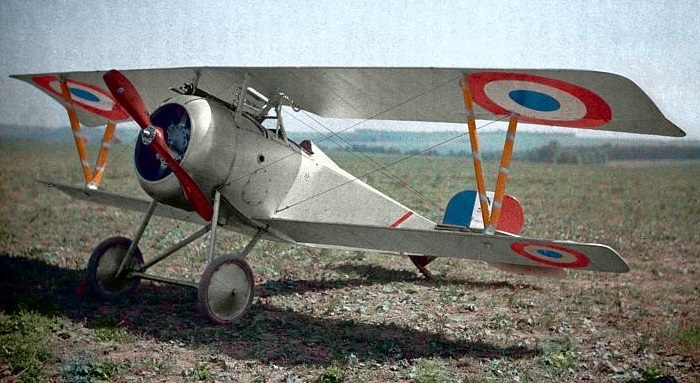
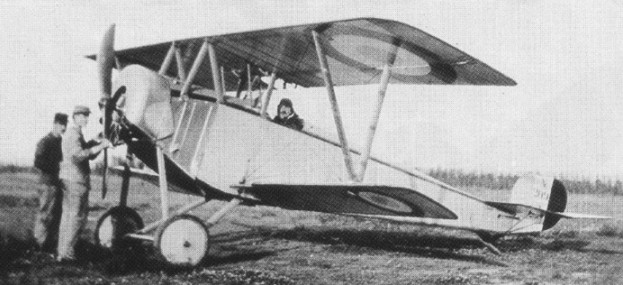
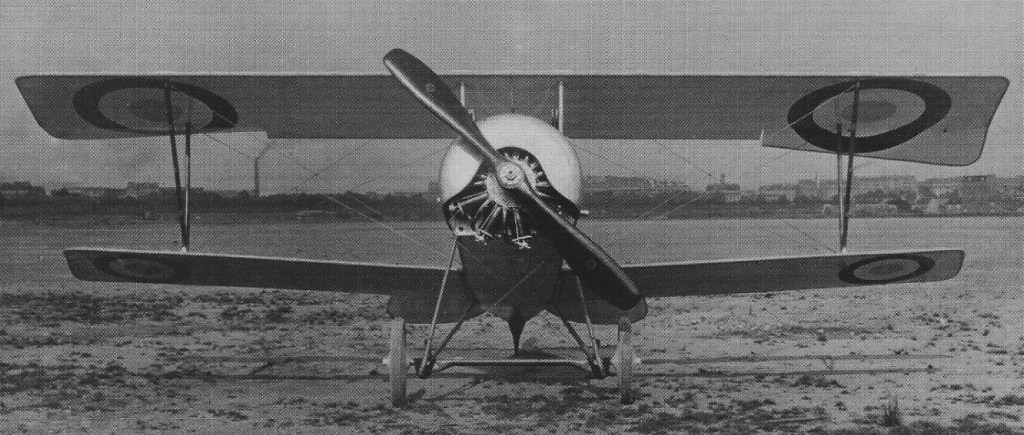
Nieuport 28

Nieuport 28C

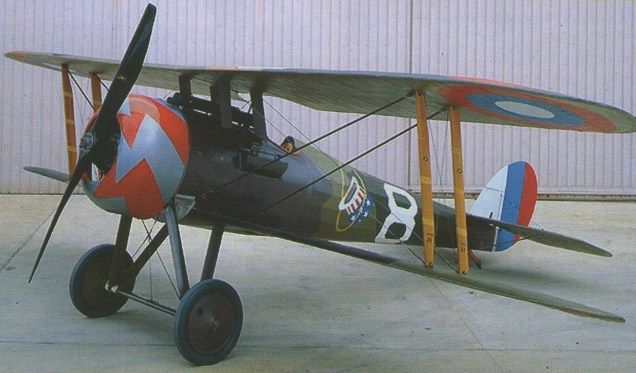
By 1917 the single-spar wing had reached the limit of development so Nieuport designed to two-spar Nieuport 28 around the new 160 hp Gnome engine.

Flying the Nieuport 28C-1 – Frank Tallman

A single bay biplane, the two-spar wooden wings have plywood on the leading edges and fabric covering aft of the front spar. The wooden fuselage has plywood covering as far as the cockpit and fabric on the rear fuselage. Conventional controls were fitted, with ailerons on the lower wings only.

Nieuport 28C-1

Only a few were used by the French Air Force but the Americans bought 297 to equip their Expeditionary Force.

They did have a habit of shedding fabric from its wings in a dive. Before this was fixed, the Nieuport 28 had been replaced in the US squadrons by Spad 13’s.

Ultralight replica:
Airdrome Airplanes Nieuport 28

28C
Engine: Gnome, 160 hp or Clerget, 160 hp
Wingspan: 26 ft 9 in
Length: 20 ft 3 in
Height: 7 ft
Max speed: 140 mph at SL
Endurance: 2 hr
Armament: 1 or 2 Vickers mg
Crew: 1

Nieuport N 28 C 1 Bébé
Engine: Gnôme-et-Rhône 9 N Monosoupape, 160 hp
Length: 21 ft 9 in / 6.4 m
Height: 8 ft 1 in / 2.5 m
Wingspan: 26 ft 9 in / 8.16 m
Wing area: 172.224 sqft / 16.0 sq.m
Max take-off weight: 1540 lb
Weight empty: 960 lb / 435.0 kg
Max. weight carried: 507.2 lb / 230.0 kg
Fuel capacity: 33 Imp.Gal
Max. speed: 128 mph / 111 kts / 206 km/h at SL
Initial climb rate: 1181.10 ft/min / 6.00 m/s
Service ceiling: 20,000 ft / 6100 m
Wing load: 8.61 lb/sq.ft / 42.00 kg/sq.m
Range: 130 nm / 240 km
Endurance: 2 h
Crew: 1
Armament: 2 x Vickers mg

Nieuport 27

Nieuport 27.C1

The Nieuport 27 saw comparatively little com¬bat and the AEF appear to have made the greatest use of it. Over 180 are thought to have been purchased, most being used as ‘pursuit trainers’.

The genuine Nieuport 27.Cl had the plain tailskid. The central, vertical, bracing wire to the mid point of the spreader bar where the two half axles were pivoted, and the simplified skid, distinguished the Nie 27 from the Nie 24.

Ultralight replica: Airdrome Airplanes Nieuport 27

Nieuport 24

Nieuport 24.C1

The Nieuport 24bis strongly resembled previous Nieuport designs but was lighter and had more power than the 17. It was aerodynamically cleaner through the use of fuselage side stringers.

Type 24bis

The Nieuport 24 and 27 were fitted with a round tail similar to the later type 28, whereas the type 24bis used the angular type 17 empennage.

As with all “Vee” strut Nieuport designs the 24bis possessed an inherent weakness of the lower wing. The sesquiplane configuration caused the wing to twist during prolonged high speed dives or abnormally violent maneuvers.

Shortly after its inception the 24bis was cancelled out as a first line fighter and many found their way to the rear as advanced trainers.

Gallery

Replica: Redfern Nieuport 24

Ultralight replica:
Airdrome Airplanes Nieuport 24
Circa Reproductions Nieuport 24

24bis
Engine: Bentley, 130 hp
Weight: 782 lb
Max speed: 116 mph

Nieuport 17

Developed over four months, the improved model 17, stronger than its predecessors, and with a 110 or 120 hp Le Rhone engine, the new model was highly manoeuvrable and had high performance with a particularly good rate of climb. A Lewis gun was mounted on the top wing to fire above the propeller with a sliding mount enabling it to be pulled down by the pilot and aimed upwards, thereby permitting an attack on enemy aircraft in their blind spot, from below.

A single-bay biplane, the wooden wings had two spars in the top wings and only one in the lower wings. Ailerons were in the top wings only. Tail surfaces were steel tube construction and no fixed fin was fitted.

Superseding the Nieuport 11 Bebe, the Nieuport Type 17 single seat fighter entered service in March 1916.

Nungessers Nieuport 17

Later in the Nieuport’s service life, when a synchronising gear had been perfected to allow the gun to fire through the propeller, a Vickers machine gun was substituted. A number of French squadrons re equipped with the Type 17, together with Belgan, Italian, Russian and British RFC units, and the type rapidly made a name for itself with aces who included Nungesser, Ball and Bishop.

When used for attacks on German observation balloons, four Le Prieur “firework type” rockets were attached to each interplane strut, and were fired electrically.

Capt W A Bishop, 60 Squadron, in Nieuport 17, shot down 3 aircraft in single-handed attack on German aerodrome on 2 June 1917. Awarded the VC.

Gallery

Replica:
Redfern Nieuport 17

Ultralight replica:
Airdrome Airplanes Nieuport 17
Circa Reproductions Nieuport 17

17C
Engine: Le Rhone, 110 hp
Wingspan: 26 ft
Wing area: 158.8 sq.ft
Length: 19 ft
Height: 7 ft
Empty weight: 825 lb
Loaded weight: 1232 lb
Wing loading: 7.7 lb.sq.ft
Max speed: 107 mph at 6500 ft
Service ceiling: 17,400 ft
Time to 10,000ft: 9 min
Endurance: 2 hr
Armament: 1 or 2 Vickers mg
Crew: 1

Nieuport 17
Engine: Le Rhone, 110 hp
Wing span 27.25 ft. (8.3 m)
Length 19.5 ft. (5.9 m)
Height: 8 ft
Weight empty 825 lb (374 kg)
Max wt: 560 kg (1,235 lb)
Max speed 107 mph (172 kph)
Ceiling 17,400 ft (5,300 m) fully loaded
Time to 3280 ft: 3 min
Range: 155 sm (250 km)
Endurance: 2 hr
Seats 1
Armament One machine gun, and eight Le Prieur rockets

Nieuport 17
Engine: Clerget, 130 hp

Nieuport 12

Designed by Gustave Delage, the Nieuport 12 was larger and more powerful the preceding Nieuport 10. A single bay biplane, the wooden wings have two spars in the top wing and only one in the lower wing. Ailerons are on the top wing only. The wooden fuselage and entire airframe are fabric covered. Tail surfaces are steel tube construction and there is no fixed fin.

Engine were either 110 hp or 130 hp Clerget rotary with a two blade propeller.

They were equipped with one Lewis machine gun in the ear cockpit. Some aircraft had a Lewis gun above the wing centre-section or, later, a Vickers gun above the front fuselage.

In addition to machines bought from France, 50 Nieuport 12’s were built in England for the RNAS and FC by the Beardmore company and could be recognised by their completely circular engine cowlings instead of the normal horseshoe type.

Ultralight replica:
Circa Reproductions Nieuport 12

Engine: 110 hp Clerget
Wingspan: 29 ft 7.5 in
Wing area: 236.5 sq.ft
Length: 23 ft 11.255 in
Height: 8 ft 11 in
Empty weight: 1155 lb
MTOW: 1815 lb
Max speed: 98 mpg at SL
Service ceiling: 13.000 ft
Endurance: 3 hr

Engine: 130 hp Clerget
Wingspan: 29 ft 7.5 in
Wing area: 236.5 sq.ft
Length: 23 ft 11.255 in
Height: 8 ft 11 in

Nieuport Nie. 11 Bebe / Scout / Nie. 13

Originally designed for the 1914 Gordon Bennet Cup Contest and reshaped to become the Type 11. A successful fighter of 1916-17, the Nie. 11 (also known as the Nieuport Type 13, based on the wing area in square metres) was a sesquiplane with a half size lower wing. The upper wing with sweepback. Initially the lower wing would warp and sometimes break off in a high speed dive.

The fuselage was rectangular with bulkheads secured by four longerons and diagonally braced with wire. The top of the bulkheads were in the same plane but tapered together toward the rear of the fuselage becoming narrower and shorter. The top of the fuselage was faired into a turtledeck with light formers, longitudinal stringers and covered with plywood, and fitted with a headrest.

Steel tube was used in the cockpit and engine compartment and as needed for wing spar, strut and landing gear mounts. The wood longerons were sometimes made of ash, changing to spruce behind the cockpit. Spruce was also used in the vertical struts and cross members.

The engine bearer/forward bulkhead was heavy-gauge steel plate. There was no front support for the engine. The aluminium engine cowl had strengthening ribs, and sometimes enclosed the entire engine, sometimes had a gap at the bottom. There were two holes at the bottom right for exhaust and ventilation.

Early aircraft were powered by an 80 hp Le Rhone and had a Lewis machine gun mounted atop the wing. Later XIs were powered by 130 hp Clerget and had a synchronised Vickers machine gun firing through the prop arc.

Charles Godfrey’s Nieuport 11

Aluminium fairings merged the circular cowling into the flat-sided fuselage. Behind the cockpit the fuselage was fabric covered with plywood panels reinforcing the structure at the rear. In the front cockpit the fabric was attached with hooks and cord for easy access.

The top wing, rear spar was set directly above the lower wings single spar to optimise the load and eliminate the need for inter-strut drag wires. The bottom wings incidence could be adjusted on the ground for different payloads. The wings ribs had ash flanges and limewood webbing. Spruce strips were on the leading and trailing edges of the wings and trailing edges of the ailerons. Push-pull rods moved the ailerons. The tail was made from steel tube and fabric covered. The elevators and rudder used cables for control. A flat, curved spring steel on a reinforced mount served as a tail skid.

The undercarriage was a pair of streamlined drawn-aluminium tubing cross members in a V. An axle with rubber cord shock absorbers on each end spanned the spoked aluminium wheels, covered with aluminium plate.
They were armed with a single Hotchkiss or Lewis machine gun mounted over the top wing. Reloading was by a Foster mount curved rail that allowed the gun to be slid back and down. There were also a number of stops so the gun could be fired upwards. It could also carry eight Le Pruir rockets on the wing struts for attacking balloons.

First introduced in July 1915, the Nie. 11 gained superiority over the Fokker E.III during the Battle of Verdun, ending the “Fokker Scourge”.

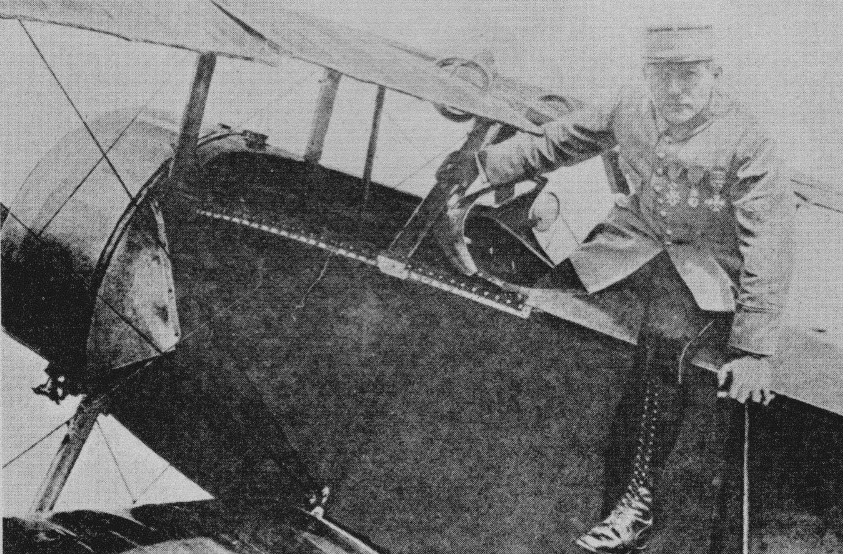
French ace Nungesser and Nieuport 11

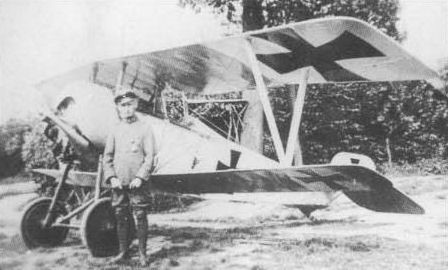
They were used by many forces during WW 1, including France, the United States, England, Italy, Belgium, and Russia. At least one captured Nieuport 11 was operated in German markings.

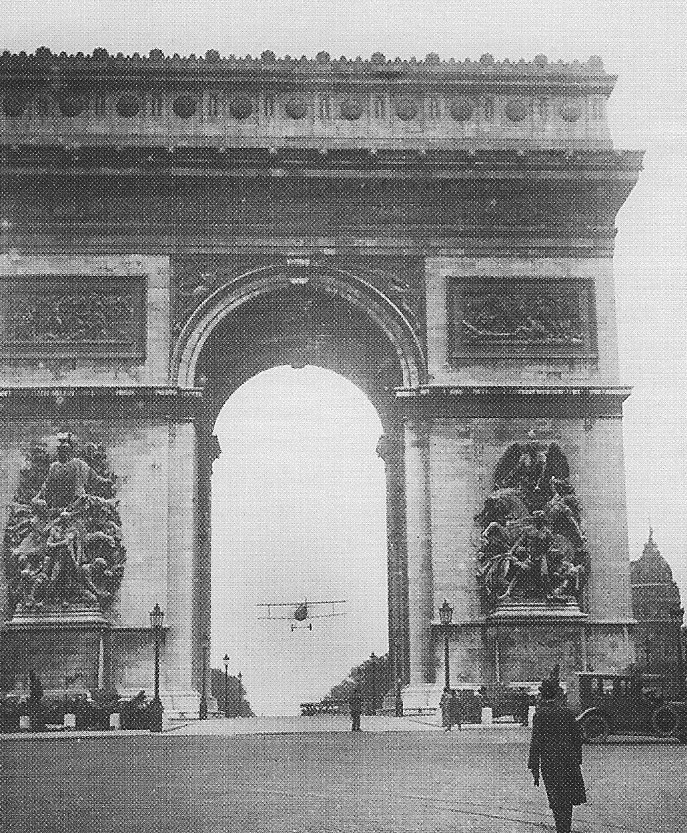
Charles Godfrey passing under the Arc de Triumphe

It was produced in England by Nieuport & General Aircraft Co Ltd, in Italy by Nieuport-Macchi as well as the parent company and many sub-contractors in France.

Gallery

Ultralight replica:
Circa Reproductions Nieuport 11
Airdrome Airplanes Nieuport 11

Replica:
Pfeifer Nieuport 11

Nieuport 11 Bebe
Engine: Gnome, 80 hp
Wingspan: 24 ft 6 in
Length: 19 ft 3 in
Empty weight: 759 lb
Top speed: 97 mph
Landing speed: 30 mph
Take-off dist: 100 ft