Blohm und Voss was a shipbuilding concern, based on the Elbe at Hamburg. Its aircraft division, Hamburger Flugzeugbau GmbH, turned to construction of maritime aircraft in the early 1930s. In 1937 Hamburger Flugzeugbau adopted the title of the parent company. Successful designs of Dr Ing Richard Vogt initiated under the Ha designation continued in production becoming designated, for example, Bv 138 instead of Ha 138. True Blohm und Voss developments included the Bv 222 Viking, the largest flying boat to attain operational status in the Second World War, and the even larger Bv 238, evolved too late to enter production before the war’s end. The only prototype Bv 238 was destroyed by air attack four days before VE-day.
The son of a Jewish doctor, Adolph Bloch, in 1909 Marcel Bloch enrolled in the Paris College of Aeronautics.
During the First World War he set up his own company to make planes which began mass producing just after the war ended. In the 1930s he began building aircraft for the French post office, then the French air ministry.
In 1933 Marcel Bloch established a small factory at Courbevoie, Paris, to build light aircraft. In 1933-34 the company built its first fighter aircraft, the Bloch 130, the first flight of this prototype being made on 29 June 1934. Production Bloch 131s entered service in 1938. Subsequent production included the Bloch 151 /152/155 monoplane fighter, Bloch 175 light bomber, and Bloch MB 200 and MB 210 bomber aircraft. Nationalization of the French aircraft industry in 1937 combined the Bleriot and Bloch companies as Societe Nationale de Constructions Aeronautiques de Sud-Ouest, with Marcel Bloch as managing director.
By June 1940 production totaled about 600, involving five plants. MB.175 twin-engined bomber was in production and was revived after Second World War as torpedo aircraft.
After World War II, although four of the nationalized groups continued operating under state control, private companies were allowed to resume the design and manufacture of both civil and military aircraft. Some of the pioneering names of French aviation, such as Breguet and Morane Saulnier, returned to prominence, and by 1950 a new one had been added Avions Marcel Dassault.
It was not until after World War II that Marcel Bloch, born a Jew, converted to Catholicism and changed his name to Dassault.
The surviving private portion of Bloch became Dassault in 1948.
The SPAD (Societe pour l’Aviation et ses Derives) concern, although headed by Louis Bleriot, operated as a separate organisation from the Societe Bleriot-Aeronautique until 1921, when SPAD was absorbed and the subsequent progeny of its design team became officially known by the title of Bleriot SPAD. Bleriot-SPAD joined SNCASO in 1937.
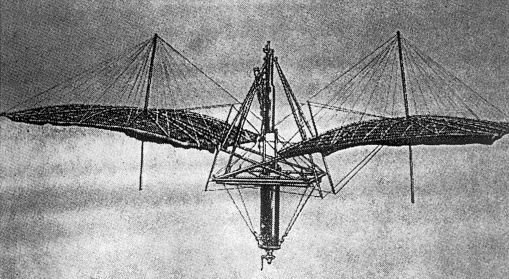
Louis Blériot built the I Ornithoptère model – datable to 1900-1901 and patented in 1901 – with a span of 1.5 m and powered it with a carbonic acid engine. In 1902 Blériot built another machine to size which he tried to fly (span 9 m, weight 70 kg), but despite the successive replacement of three chemical engines it was a failure.
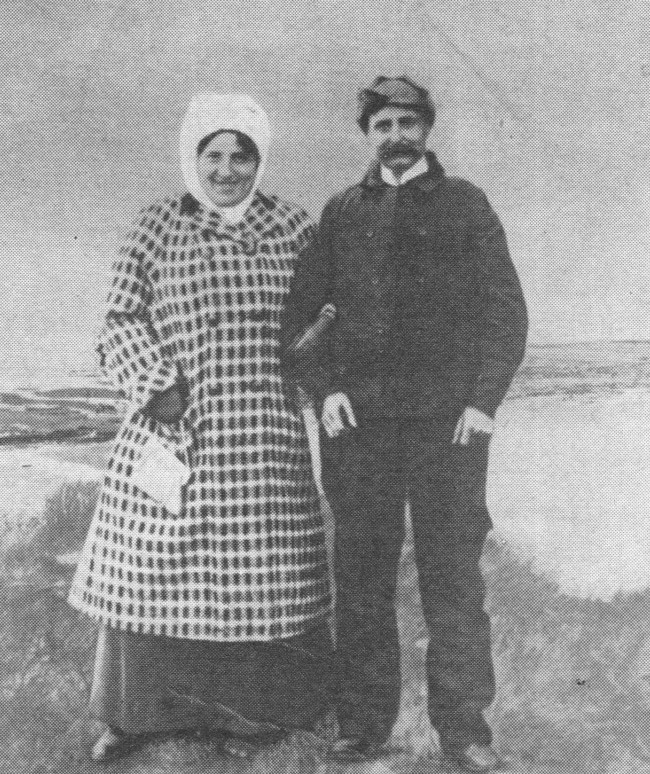
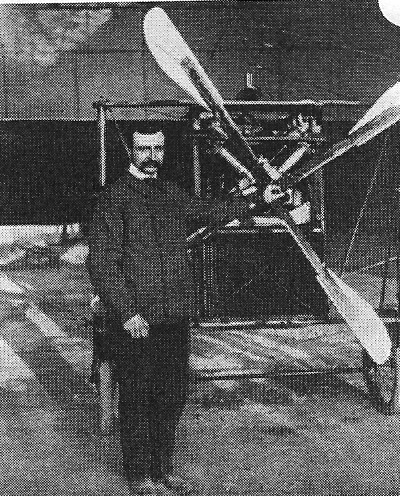
The French aviation pioneer Louis Bleriot achieved a unique place in aviation history by making the first crossing of the English Channel in a powered aircraft (his Type XI monoplane) on July 25, 1909. This success resulted in the formation of the above company to produce the Type XI monoplane, and many significant flights were made with these aircraft.
Louis Bleriot and his Type XI
Aircraft of this type, and derivatives served with the French forces, the RFC and RNAS at the beginning of the First World War, as well as with other air arms.
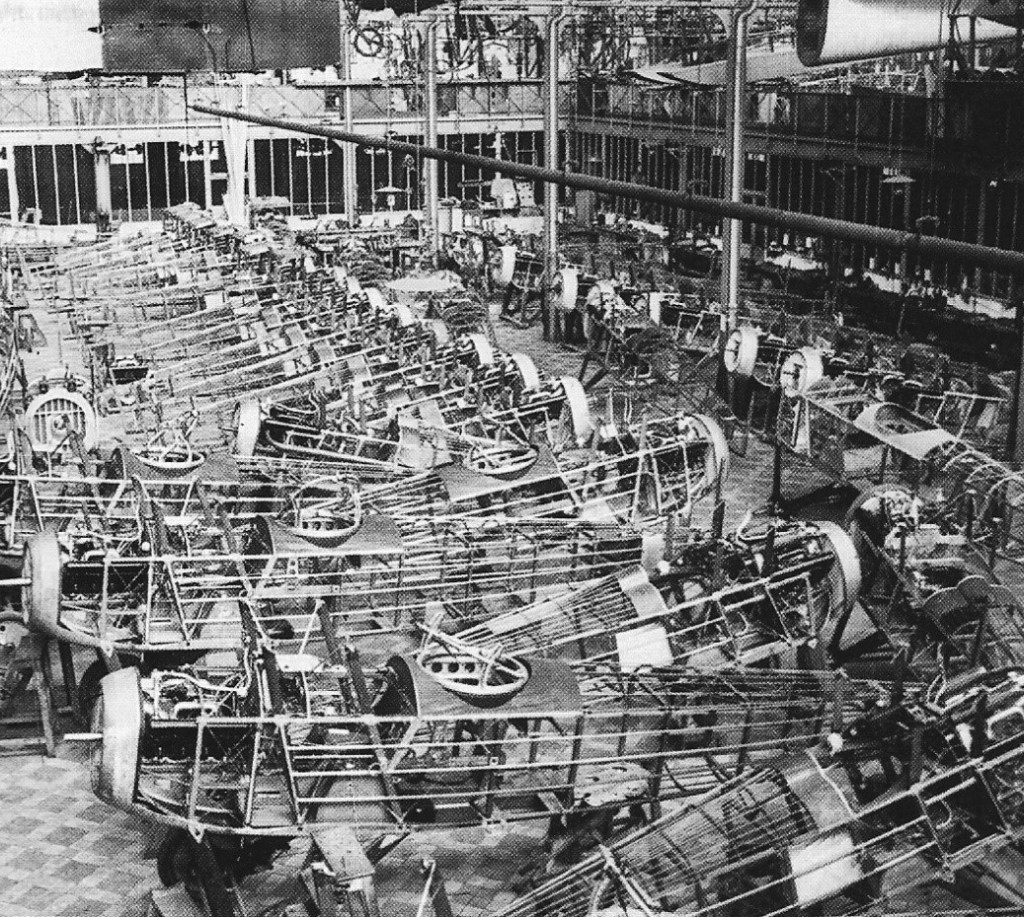
A Bleriot factory assembling SPADs during WW1
In post-war years Bleriot took over SPAD. The SPAD (Societe pour l’Aviation et ses Derives) concern, although headed by Louis Bleriot, operated as a separate organisation from the Societe Bleriot-Aeronautique until 1921, when SPAD was absorbed and the subsequent progeny of its design team became officially known by the title of Bleriot SPAD. In France, the Socialist Government of the so called Popular Front brought all the companies building military aircraft, aero engines and armament under its control in 1936. The immediate result was the socialized oblivion of such established companies as Marcel Bloch, Bleriot, Nieuport, Potex, Dewoitine, Hanriot and Farman within half a dozen nationalized groups or Societies Nationales, named according to their geographical location (Nord, Ouest, Centre, Midi and so on). After World War II, although four of the nationalized groups continued operating under state control, private companies were allowed to resume the design and manufacture of both civil and military aircraft. Some of the pioneering names of French aviation, such as Breguet and Morane Saulnier, returned to prominence.
In a 1934 visit to Newark Airport in the United States, Louis Bleriot predicted commercial overseas flights by 1938. Unfortunately, he would not see this come to fruition as his death from a heart attack took his life on August 2nd, 1936 in Paris, France – bring an end to this French hero’s legacy. The Louis Bleriot Medal, established in 1936, was aptly named in his honor and would be awarded to individuals involved in record-setting flights thereafter. The award is still handed out to this day.