Two-seat monoplanes
U.S. version of Gemini Ultra is Micro-Viper, distributed by Akro-Viper Inc.
LSA/UL
Remos Aircraft Gmbh
Established 1987. Has produced the Gemini and Gemini Ultra two-seat monoplanes, now only built to order, and markets the G-3 Mirage as a composites-built, very light high-wing monoplane (first flown 1997). U.S. version of Gemini Ultra is Micro-Viper, distributed by Akro-Viper Inc.
1998:
Waldweg 1
D-85283 Eschelbach
Germany
2005: Bavaria, Germany.
Reflex Fibreglass Works Inc
USA
Kits for the Lightning Bug single-seat composites-built monoplane, and White Lightning WLAC-1 four-seat composites monoplane, are available via RFW.
1998:
PO Box 497
179 Aviation Ave
Walterboro SC 29488
USA
Reality Easy Raider
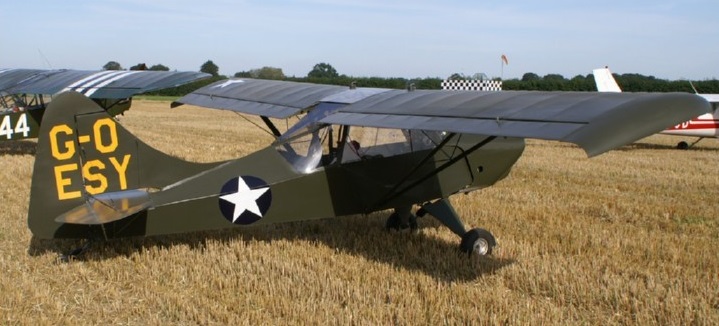
The Reality Easy Raider is a development of the Flying K (later Sky Raider LLC) Sky Raider II, incorporating over 100 modifications.
Featuring a high wing with two tubular main, and two secondary bracing struts to each wing. Tailplane braced with twin wires above and twin rods below. Large fin fillet, compared with Sky Raider, enables sideslipping with cockpit doors in place. Wings fold for storage. Quoted build time 350 hours.
Flying controls are conventional and manual. Frise ailerons, cable actuated. Flight-adjustable tab in port tailplane. Horn-balanced tail surfaces. Slotted flaps, deflections 0, 15, 30 and 40°.
Fabric-covered 4130 chromoloy steel tube fuselage with composites engine cowling. Wing built on large diameter metal tube leading-edge/spar with wooden ribs, fabric covering and composites downturned wingtips.
The landing gear is tailwheel type; fixed. Rubber-in-tension shock-absorbers. Mainwheels 8.00-6 (4 ply); Matco steerable tailwheel. Optional floats or amphibious floats.
Two fuel tanks are fitted in the wings, total capacity 37.9 litres (10.0 US gallons; 8.3 Imp gallons) standard; 72 litres (19.0 US gallons; 15.8 Imp gallons) optional.
A tandem-seat ultralight kitbuilt, the prototype G-SRII (Rotax 503 engine) flew in 2001, and conforms to BCAR Section S. Kit fabrication is by Just Aircraft of USA, with which Reality holds joint design rights.
The Easy Raider 503 initial version has one 37.0 kW (49.6 hp) Rotax 503 DCDI-2V two-stroke engine driving a Powerfin FL370T three-blade, ground-adjustable pitch, composites propeller.
The Easy Raider J2.2 has one 59.7 kW (80 hp) Jabiru 2200 engine driving a two-blade Powerfin ground-adjustable pitch or two-blade Newton wooden propeller. The prototype G-OESY (c/n 0002) was built late in 2001.
The Easy Raider R100 with a BMW R100 four-stroke motorcycle engine driving a Powerfin two-blade, ground-adjustable pitch propeller, prototype G-SLIP (c/n 0004) was under construction in 2002.
Five were flying and five more under construction by July 2003.
Kit £9,898 excluding engine; or £12,563 (Rotax), £14,500 approx (BMW) or £16,298 (Jabiru), including engine, cowlings and propeller, excluding tax (2003).
RANS S-20 Raven
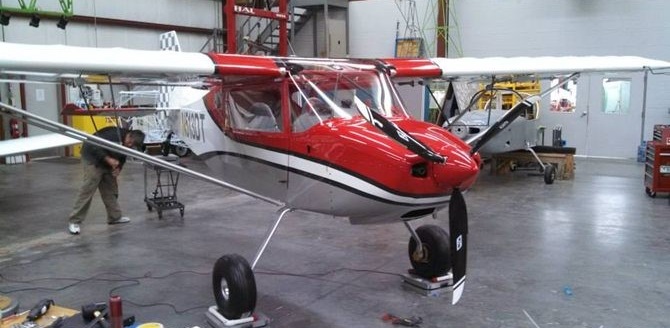
The S-20 has the wings, tail, fuel system, and aero servo ailerons from the S-7S Courier, and engine system, control sticks, flap lever, rudder pedals, seats, and instrument panel from the Coyote II S-6S. The intent was to answer the many requests for a side by side bush plane, equal to or beyond the Courier.

Construction is straight forward and classic. The wing features 3″ and 2″ custom extruded spars, airfoil struts, and stamped aluminum ribs. All welded 4130 steel fuselage and tail complete the fuselage.
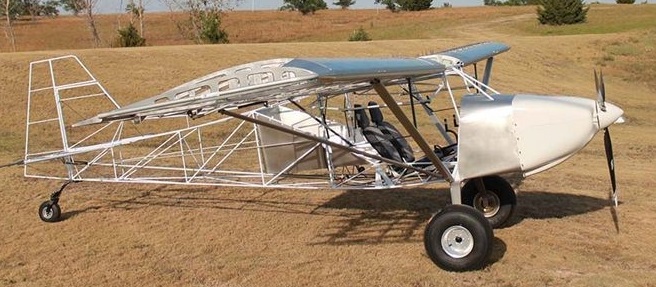
Design features that will make the plane an easy project include: Welded steel fuselage and tail (all welding is completed at the factory) CNC drilled spars that eliminate almost all critical drilling and locating of holes. One-piece stamped ribs are punched with final hole sizes, and many parts are anodized eliminating the need to prime or corrosion proof. The kits are very detailed and supplied with all critical components. Builders only need to supply, engine, prop, paint, avionics, and fluids
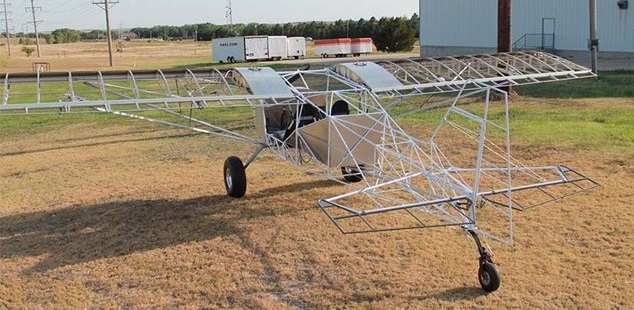
Engine Rotax 912ULS 100Hp
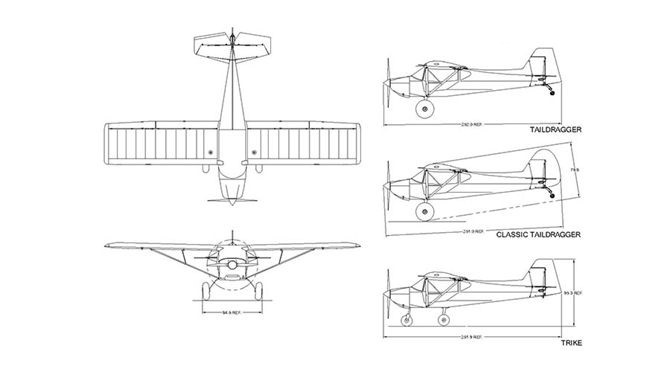
RANS S-19 Venterra

The S-19 is a low wing monoplane of traditional aluminum construction, featuring a constant chord wing.
The S-19 is powered by a Rotax 912 ULS engine producing 100 HP. The aircraft seats two in side by side in a 43.5” wide cockpit. Headroom is ample for even 6’4” pilots, and even larger with slight modifications.
Baggage can be carried in a 13 cubic foot compartment behind the seats with a loading capacity of 70lb. This compartment can be extended to the rear for approximate 9.5 cubic foot additional baggage space with a loading capacity of 30 lb.
The S-19 structure is of “monocoque” (stressed skin) carrying most of the strength through the aluminum skins. The skins are sufficiently supported with an internal structure of bulkheads and stringers to maintain shape.

High quality blind rivets are used throughout the construction of the airframe, with the exception of the spars, which come assembled with solid rivets. The fit and finish of the parts allowing virtually jigless assembly, and many parts to final hole size accelerate and assure a high quality structure. The S-19 may appear complicated, and high in part count, but we assure you the well machined components will assemble quickly, and with much lightness, due to the great care made in keeping things light.
The S-19 is a low wing monoplane of traditional aluminum construction, featuring a constant chord wing.
Kit Price 2010 w/o Engine: US$25,650
Plans Price: FREE ON CD; US$100 paper manual
In 2012 the previous S-LSA—the S-19LS Venterra low-wing, all-aluminum cruiser and S-6LS Coyote II (2,000 delivered) moved back to E-LSA or EAB kits-only status.
Engine: Rotax 912S, 100 hp
Propeller Diameter: 68 in
Propeller: 2 Blade ground adjustable
Gear Reduction: 1:2.43
Fuel G.P.H.: 5.0 gal @ 75%
Wing Span: 28 ft
Wing area: 126.9 sq ft
Mean Chord: 4 ft 7 in
Aspect: 6.18
Height: 95.5 in
Cockpit Width: 43.5 in
Seats: 2
Landing Gear: nose or tail
Baggage Capacity: 70 lbs
Fuel Capacity: 28 gal US
Take Off Roll: 325 ft
Rate of Climb: 900 fpm
Service Ceiling: 14,500 ft
Cruise: 128 mph
VNE: 150 mph
Stall Clean: 51 mph
Stall Flaps: 45 mph
Landing Roll: 325 ft
Cruise (@75%): 128 mph
Fuel burn(75%): 5.0 USgal/hr
Endurance (@75%): 4.55 hrs
Range (@75%): 580 miles
Cruise (@65%): 120 mph
Fuel burn(65%): 4.5 USgal/hr
Endurance (@65%): 5.10 hrs
Range (@65%): 610 miles
Gross Weight: 1320 lbs
Empty Weight: 820 lb
Useful Load: 500 lbs
Wing Loading: 10.4 psf
Power Loading: 13.2 lb/hp
Design Load: +4.4/ -2
RANS S-18
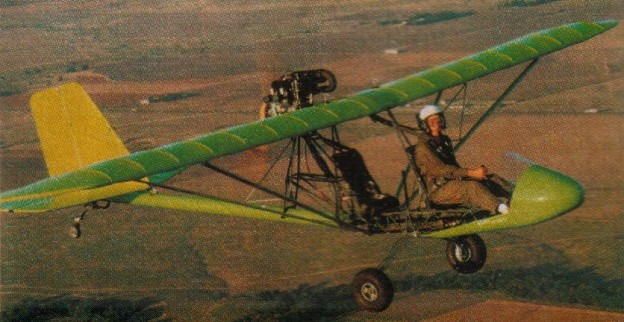
Developed in 2000, the S-18 is a two place version of the S-17 Stinger.
In 2000, the planned kit price (ready to ship in March 2001) was US$14,500 and included the dual carb 503, tundra tires and a nose pod. The kit includes the welded and painted fuselage. No painting, welding, bonding or sanding is required to build the S-18.
Powered by a Rotax 503, the S-18 gets airborne in less than 300 ft, climbs at 700 fpm, with a cruise of 70 mph.
RANS S-17 Stinger
Single seat, developed into the two seat S-18
RANS S-16 Shekari

Prototyped as a taildragger at Oshkosh in 1994, it was later improved, first flown on 25 March 1997, as a nose gear, with a shorter and narrower chord wing, but 160 lb heavier. Powered by an 80 hp Rotax 912, it was shown at Sun ‘n Fun in April 1997.
The prototype was then fitted with a 129 hp Continental IO-240-B and a 66 x 66 Sensenich propeller.
The S-16 spar had been tested to + and –9G ultimate and the tail surfaces to the limit of Vne. The aircraft can be assembled without jigs. The spars are attached to the fuselage and the wing is then built around the spars. The fuselage is a composite shell, moulded in quarters, and encloses a prewelded 4130 tubular cage in the cockpit area. Four aluminium bulkheads are positioned between the rear of the turtledeck baggage compartment, which can be extended, and the tailcone. The fuselage composite is a straight laminate without a core.
The wing has a NASA GAW(2) series semi-symmetrical airfoil. It is all aluminium, covered with 2024-T3, 0.025 sheet. The main spars are tapered box beams of maximum 6 inch height with 2.5 inch caps. The rear spars are C channels. Each wing half has nine stamped aluminium ribs. Ailerons and flaps have an equal 50% span. Ailerons have a 2:1 differential with push-pull tube control; flaps offer three position deflection, manually operated to a maximum of 45 degrees through a centre positioned cockpit lever.
The tail’s vertical fin and stabiliser are seamless composite structures, moulded with the fuselage, and each having three composite ribs. Elevator and rudder are aluminium, containing four stamped ribs. The rudder is controlled by cable, and the elevator by torque tube. All of the aluminium components are assembled with Cherry Max blind rivets. Controls are dual, except the toe brakes on the left side only.
The cockpit is covered by a forward hinged, composite framed bubble canopy with gas lift struts. A composite and aluminium rollover arch is provided.
The option of nose or tailwheel is assisted by both type of gear sockets are included in the welded passenger cage. Both configurations use heat treated, tapered 6150 steel shaft. The tail spring is also tapered steel. The nose gear uses a chromoly strut with heavy duty compression spring. Leg fairings are metal, wheelpants composite. Aero Trainer 6.00 x 6 tires are on spun aluminium Matco wheels with dual caliper brakes on the mains.
Approach speed is around 75 mph, across the fence at 60 mph, and touchdown at 55 mph.
In 1998 the kit price, including Continental engine, was US$39,000. Less engine the kit was US$25,000, and less firewall forward was US$21,000.
Engine: Rotax 912, 78 hp
HP range: 78-130.
Vne: 248 mph
Cruise: 140 mph.
Range: 630 sm
Stall: 50 mph.
ROC: 800 fpm
Take-off dist: 375 ft.
Landing dist: 500 ft
Service ceiling: 14,000 ft.
Fuel cap: 16 USG
Weight empty: 700 lbs.
Gross: 1200 lb
Height: 5 ft.
Length: 19.9 ft
Wing span: 24 ft.
Wing area: 86 sq.ft
Wing: NASA GAW(2)
Seats: 2.
Landing gear: tail wheel
Wheel tread: 6 ft 8 in
Cockpit width: 40 in
Headroom: 38 in
Legroom: 52 in
Horizontal tail span: 6 ft 9 in
Engine: Continental IO-240B,130hp
Propeller: 66 x 66 Sensenich
Height: 5.4 ft
Length: 18.7 ft.
Wing span: 24 ft
Wing area: 87 sq.ft.
Wing: NASA GAW(2)
Weight empty: 830 lbs
MTOW: 1300 lbs.
Fuel cap: 32 USG.
Vne: 248 mph.
Cruise 65%: 170 mph
Stall: 55 mph.
Range: 850 sm
Rate of climb; 1200 fpm @ 95 mph
Take off speed: 60 mph
Take-off dist: 400 ft
Landing dist: 500 ft.
Service ceiling: 14,000 ft
Roll rate: 200 deg/sec
Glide ratio: 9:1
Seats: 2
Cockpit width: 40 in
Headroom: 38 in
Legroom: 52 in
Landing gear: tail or nose.
Wheel tread: 6 ft 8 in
Horizontal tail span: 6 ft 9 in
Design load: +9/-9g
Engine: Continental IO-240
Wing span: 7.32 m
Wing area: 8.8 sq.m
MAUW: 544 kg
Empty weight: 318 kg
Fuel capacity: 121 lt
Max speed: 399 kph
Cruise speed: 275 kph
Minimum speed: 80 kph
Climb rate: 5 m/s
Seats: 2
Kit price (1998): $39,000
Load factor: +9 / -9
Engine: Rotax 912
Wing span: 7.32 m
Wing area: 8.8 sq.m
MAUW: 544 kg
Empty weight: 318 kg
Fuel capacity: 121 lt
Max speed: 399 kph
Cruise speed: 275 kph
Minimum speed: 80 kph
Climb rate: 5 m/s
Seats: 2
Kit price (1998): $30,000
Load factor: +9 / -9
RANS S-14 Airaile

First flew in 1991.
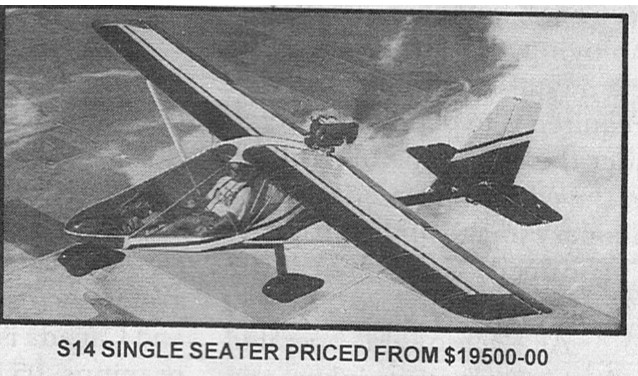
Engine: Rotax 582, 65 hp
HP range: 46-65.
Speed max: 120 mph
Cruise: 90 mph.
Range: 200 sm
Stall: 38 mph.
ROC: 1000 fpm
Take-off dist: 225 ft.
Landing dist: 130 ft
Service ceiling: 15,000 ft.
Fuel cap: 9 USG
Weight empty: 390 lbs.
Gross: 775 lbs
Height: 7 ft.
Length: 18.83 ft
Wing span: 26.47 ft.
Wing area: 100 sq.ft
Seats: 1.
Landing gear: nose wheel.
 All Aero