Sorrell SNS-8 Hyperlight

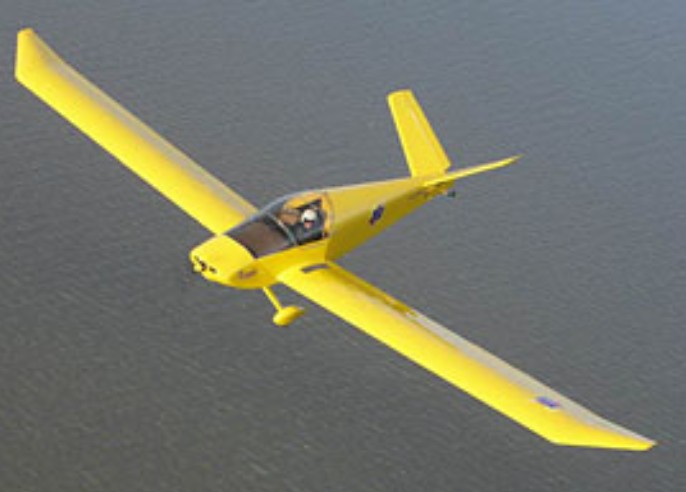
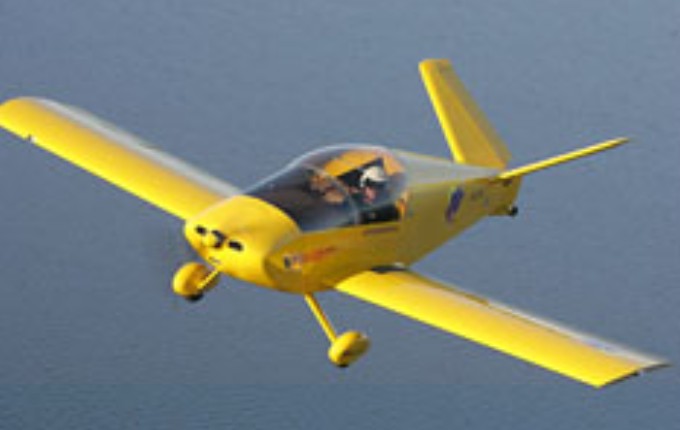
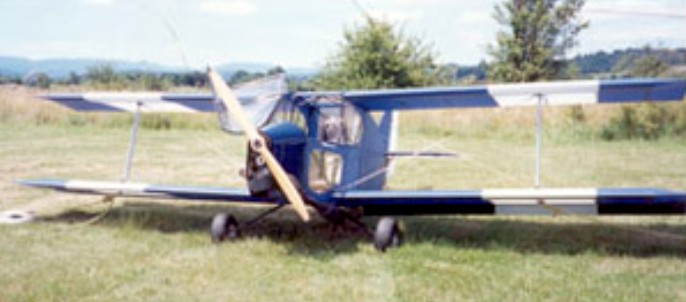
In the early ’80s—at the height of the ultralight boom—one of Hobie’s sons, Tim Sorrell, designed a lighter, all-metal ultralight version of the Guppy and named it the SNS-8 Hiperlight. Siblings Mark, John and Lisa joined Tim in a company that marketed the all-metal, single-seat negative stagger biplane Hiperlight, which was quite different from other ultralights.

The kit can be licensed it in the Experimental/Amateur-Built or ultralight category LSA. The kit features a finished and powder-coated 4130 welded-tube forward fuselage and a welded 6061-T6 aluminum aft fuselage. The strut braced equal span wings and tail were built from premade welded aluminium alloy tube parts, and presewn slip-on covering made finishing the airplane easy. Originally powered by a single-cylinder, 28-hp two-stroke Rotax 277 with a Hegar belt reduction drive, later kits features a 28-hp MZ 201 two-stroke engine.

Full span flaperons are fitted to the lower wing. Centre mounted joy stick, rudder pedals, tailwheel steerable through rudder pedals.
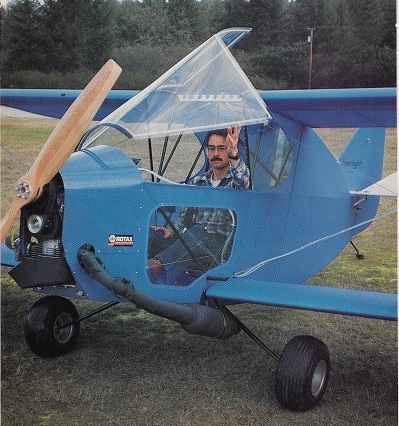
The Sorrells were able to convince the FAA to grant an exemption to the ultralight speed limit (55 knots level at full power) as the Hiperlight easily flew at 65 knots. The Hiperlight has full-span sheet-metal ailerons providing a snappy roll rate, and controls are nicely balanced. As with many ultralight designs, the stall is without a break; it is simply a mush easily controllable in all three axes.
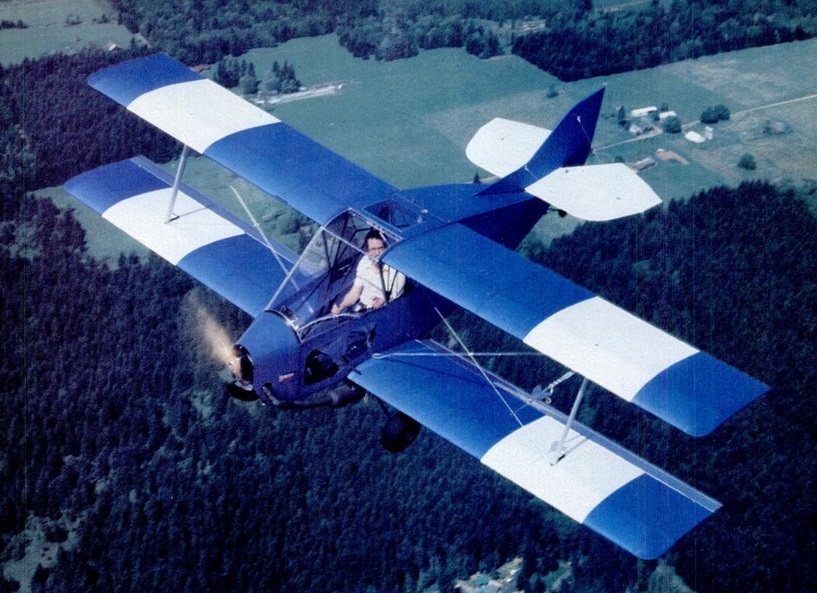
In 1984 the Sorrell Hyperlight sold for $8500 pre-fabricated or for $6500 as a kit, both with a 28 hp engine.

The SNS-8 can be landed gracefully in any pitch attitude from a nose-really-high, tailwheel-first one-pointer to a fly-it-on-level wheels landing.
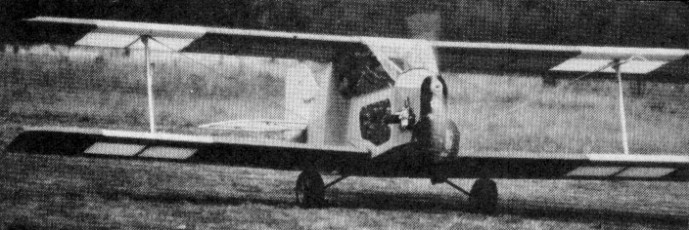
SNS-8
Engine: Rotax 277 (268 cc) 28 hp
Empty weight: 252 lbs
Wing span: 22 ft
Wing area: 140 sq.ft
Height: 5 ft 3 in
Length: 15 ft 6 in
Fuel cap; 5 USG
Construction: Aluminium, Dacron, Steel
Max wt: 500 lb
Stall: 27 mph
Max speed: 63 mph
Vne: 95 mph
Climb rate: 600 fpm @ 38 mph
Design limit: +6, -4g
Glide ratio: 10-1
Wing loading: 3.57 lbs/sq.ft
Power loading: 17.86 lbs/hp
Seats: 1
Takeoff run 175 ft
Landing roll 175 ft

SNS-8 EXP
Engine: Rotax 447, 42 hp
Speed max: 90 mph
Cruise: 75 mph
Range: 150 sm
Stall: 30 mph
ROC: 1200 fpm
Take-off dist: 125 ft
Landing dist: 150 ft
Service ceiling: 12,000 ft
Fuel cap: 5 USG
Weight empty: 300 lb
Gross: 550 lb
Height: 5.25 ft
Length: 15.6 ft
Wing span: 22 ft
Wing area: 140 sq.ft
Seats: 1
Landing gear: tail wheel

Thunderbird Aviation Hiperlight SNS-8
Cruise: 60 mph
Stall: 27 mph
Range: 210 sm
Rate of climb: 700 fpm
Takeoff dist: 175 ft
Landing dist: 175 ft
Engine: MZ 201, 28 hp
HP range: 28-45
Fuel capacity: 5 USG
Empty weight: 247 lb
Gross weight: 500 lb
Length: 15.6 ft
Wing span: 22 ft
Wing area: 140 sq.ft
Seats: 1
Cockpit width: 22 in
Landing gear: tailwheel
Sorrell SNS-1 / SNS-2 Guppy

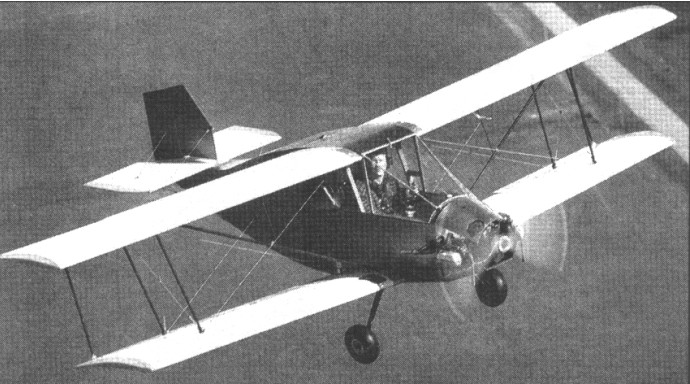
Designed by Hobie Sorrell of Tenino, Washington, in 1966, Fred Chandler of Ferguson, Missouri constructed this homebuilt project. Chandler says that the Guppy’s success is the result of a clean design combined with large wing area and light weight. He says that the design is very controllable in spite of its low engine power and small size. It is a rudder aircraft, and low speed makes it easy to handle.

SNS-1

The first two built, N2976G c/n 1 and N2180 c/n 2, were powered by an 18hp OMC Cushman 200 HO2 outboard boat engine. The Sorrell SNS-1 was the first Guppy (N2976G) and, as such, it is usually just referred to as an ‘SNS-2’.

Kit version uses 25-hp Citroen engine. Price 1982: $4,500 (includes engine and prop).

Engine: 18hp OMC Cushman 200
Wingspan: 21’3″
Length: 15’5″
Useful load: 245 lb
Max speed: 80 mph
Cruise: 70 mph
Stall: 38 mph
Seats: 1

Engine: Citroen, 25-hp
Gross weight: 575 lb
Empty weight: 330 lb
Useful load: 245 lb

Engine 36-hp VW
Gross Wt. 640 lb
Empty Wt. 440 lb
Wingspan 21 ‘6”
Length 15’6”
Top speed 85 mph
Cruise 80 mph
Stall 29 mph
Climb rate 200 fpm
Takeoff run 350 ft
Landing roll 400 ft
Ceiling 10,000 ft
Range 200 miles

Engine: Rotax 377, 36 hp
Speed max: 90 mph
Cruise: 70 mph
Stall: 35 mph
ROC: 650 fpm
Take-off dist: 200 ft
Landing dist: 250 ft
Service ceiling: 12,000 ft
Fuel cap: 6.5 USG
Weight empty: 350 lb
Gross: 600 lb
Height: 5.2 ft
Length: 15.4 ft
Wing span: 21.2 ft
Wing area: 150 sq.ft
Seats: 1
Landing gear: tail wheel

Sorrell

Hobart C Sorrell & Sons (John, Mark, Tim),
Rochester WA.
USA

Markets kits to build SNS-7 Hiperbipe as two-seat aerobatic biplane with reverse-stagger wings.

1995: 16525 Tilley Road South, Tenino, WA 98589, USA.

1982: Sorrell Aviation,
Tenino WA.
USA

Sorrell Aircraft Co Ltd.

Sonex Aircraft Xenos

The XENOS follows in the Monnett tradition of bringing the cost of motor gliding to a highly affordable level. Using the same cost-effective and easy-to-build construction techniques and materials of the Sonex and Waiex, the Xenos offers another Reality Check for the soaring world. The Xenos comes standard with utility wing tips that can be easily removed to fit inside a 40 foot hangar, and can be quickly interchanged with optional aerobatic wingtips. The Xenos can either be flown as a Sport Pilot/LSA, or it can be flown by pilots that hold a glider rating with a self-launch glider endorsement. The Xenos can be flown as a powered aircraft, a self-launched glider that soars with the engine off, or it can motor-soar over great distances with incredible fuel economy.

The Xenos can either be flown as a Sport Pilot/LSA, or it can be flown by pilots that hold a glider rating with a self-launch glider endorsement. The Xenos can be flown as a powered aircraft, a self-launched glider that soars with the engine off, or it can motor-soar over great distances for fuel economy.

The Xenos is only available in kit form. The Xenos complete kit includes many pre-fabricated precision parts. Landing gear can be nose or tail wheel. Dual stick controls are standard.

Engine: 80 hp 2180 AeroVee
Length: 19′ 9″
Wing Span (Utility): 45′ 8″
Wing Span (Aerobatic, solo): 39′ 4″
Wing Area (Utility): 158 sq ft
Wing Area (Aerobatic, solo): 144 sq ft
Tail Configuration: Y-tail
Tail Height: 59″
Tail Width–with tail tips: 102″
Main Gear Width: 71″ (with wheel pants)
Primary Structure: 6061 Aluminum
Cockpit Width: 40 in. More Info
Fuel Capacity: 16 US Gal
Stall Speed (clean): 44 mph [71 km/h]
Maneuvering Speed: 115 mph [185 km/h]
Never Exceed Speed (Vne): 150 mph [241 km/h]
Empty Weight: 750 lbs
Baggage (Max): 40 lbs
Range: 400 miles
Cruise Speed @ Sea Level: 100 mph
Cruise Speed @ 8000 ft (TAS): 120 mph
Power Loading: 15.938
T.O. Distance: 300 ft
Landing Distance: 300 ft
Cockpit width: 40 in
Utility
Gross Weight: 1275 lbs
Useful Load: 525 lbs
Rate of Climb: 800-1000 fpm
Load Factor: +4.4 / -2.2 G
L/D: 24:1
CG Limits: 25-36% Wing Chord
Aerobatic
Gross Weight: 1050 lbs
Rate of Climb: 1000-1250 fpm
Load Factor: +6.0 / -3.0 G
CG Limits: 27-32% Wing Chord

Engine: 120 hp Jabiru
Length: 19′ 9″
Wing Span (Utility): 45′ 8″
Wing Span (Aerobatic, solo): 39′ 4″
Wing Area (Utility): 158 sq ft
Wing Area (Aerobatic, solo): 144 sq ft
Tail Configuration: Y-tail
Tail Height: 59″
Tail Width–with tail tips: 102″
Main Gear Width: 71″ (with wheel pants)
Primary Structure: 6061 Aluminum
Cockpit Width: 40 in. More Info
Fuel Capacity: 16 US Gal
Stall Speed (clean): 44 mph [71 km/h]
Maneuvering Speed: 115 mph [185 km/h]
Never Exceed Speed (Vne): 150 mph [241 km/h]
Empty Weight: 760 lbs
Baggage (Max): 40 lbs
Range: 350 miles
Cruise Speed @ Sea Level: 120 mph
Cruise Speed @ 8000 ft (TAS): 140 mph
Power Loading: 10.625
T.O. Distance: 250 ft
Landing Distance: 300 ft
Cockpit width: 40 in
Utility
Gross Weight: 1275 lbs
Useful Load: 515 lbs
Rate of Climb: 1200-1400 fpm
Load Factor: +4.4 / -2.2 G
L/D: 24:1
CG Limits: 25-36% Wing Chord
Aerobatic
Gross Weight: 1050 lbs
Rate of Climb: 2000+ fpm
Load Factor: +6.0 / -3.0 G
CG Limits: 27-32% Wing Chord
VNE: 167 kt / 192 mph / 309 kmh

Sonex Aircraft Waiex

WAIEX (pronounced “Y-X”) is simply a Y-tail Sonex. Built purely for it’s good looks, the Waiex specifications and performance numbers are identical to those of the Sonex and, like the Sonex, is perfectly suited to the new US Sport Pilot/LSA regulations. The Waiex retains the same Sonex flight characteristics and high performance in all phases of flight, including aerobatics.

The Waiex is only available in kit form. The Waiex complete kit includes many pre-fabricated precision parts.

Engine: 80 hp 2180 AeroVee
Length: 18′ 1″
Wing Span: 22′
Wing Area: 98.0 sq. ft.
Tail Configuration: Y-tail
Tail Height (Std Gear): 51″
Tail Height (Tri-Gear): 69″
Tail Width – with tail tips: 88″
Main Gear Width: 71″ (with wheel pants)
Air Foil: 64-415
Primary Structure: 6061 aluminum
Cockpit Width: 40 in.
Fuel Capacity: 16 US Gal.
Stall Speed (full flaps): 40 mph [64 km/h]
Stall Speed (clean): 46 mph [74 km/h]
Max Flap Extended Speed (Vfe): 100 mph [161 km/h]
Maneuvering Speed: 125 mph [201 km/h]
Never Exceed Speed (Vne): 171 kt / 197 mph / 317 km/h
Empty Weight: 620 lbs.
Range: 550 miles
Cruise Speed @ Sea Level: 130 mph
Cruise Speed @ 8000 ft (TAS): 150 mph
Power Loading (GW/HP): 13.125
T.O. Distance: 400 ft
Landing Distance: 500 ft
Cockpit width: 40 in
Utility Category
Gross Weight: 1100 lbs
Baggage (Max): 40 lbs
Useful Load: 480 lbs
Rate of Climb: 800-1000 fpm
Load Factor: +4.4 / -2.2 G
L/D: 11:1
CG Limits: 20-32% Wing Chord
Aerobatic Category
Gross Weight: 950 lbs
Baggage (Max): 10 lbs
Rate of Climb: 1000-1250 fpm
Load Factor: +6.0 / -3 G
CG Limits: 23-29% Wing Chord

Engine: 80 hp Jabiru
Length: 18′ 1″
Wing Span: 22′
Wing Area: 98.0 sq. ft.
Tail Configuration: Y-tail
Tail Height (Std Gear): 51″
Tail Height (Tri-Gear): 69″
Tail Width – with tail tips: 88″
Main Gear Width: 71″ (with wheel pants)
Air Foil: 64-415
Primary Structure: 6061 aluminum
Cockpit Width: 40 in.
Fuel Capacity: 16 US Gal.
Stall Speed (full flaps): 40 mph [64 km/h]
Stall Speed (clean): 46 mph [74 km/h]
Max Flap Extended Speed (Vfe): 100 mph [161 km/h]
Maneuvering Speed: 125 mph [201 km/h]
Never Exceed Speed (Vne): 171 kt / 197 mph / 317 km/h
Empty Weight: 620 lbs.
Range: 550 miles
Cruise Speed @ Sea Level: 130 mph
Cruise Speed @ 8000 ft (TAS): 150 mph
Power Loading (GW/HP): 13.125
T.O. Distance: 400 ft
Landing Distance: 500 ft
Cockpit width: 40 in
Utility Category
Gross Weight: 1100 lbs
Baggage (Max): 40 lbs
Useful Load: 480 lbs
Rate of Climb: 800-1000 fpm
Load Factor: +4.4 / -2.2 G
L/D: 11:1
CG Limits: 20-32% Wing Chord
Aerobatic Category
Gross Weight: 950 lbs
Baggage (Max): 10 lbs
Rate of Climb: 1000-1250 fpm
Load Factor: +6.0 / -3 G
CG Limits: 23-29% Wing Chord

Engine: 120 hp Jabiru
Length: 18′ 1″
Wing Span: 22′
Wing Area: 98.0 sq. ft.
Tail Configuration: Y-tail
Tail Height (Std Gear): 51″
Tail Height (Tri-Gear): 69″
Tail Width – with tail tips: 88″
Main Gear Width: 71″ (with wheel pants)
Air Foil: 64-415
Primary Structure: 6061 aluminum
Cockpit Width: 40 in.
Fuel Capacity: 16 US Gal.
Stall Speed (full flaps): 40 mph [64 km/h]
Stall Speed (clean): 46 mph [74 km/h]
Max Flap Extended Speed (Vfe): 100 mph [161 km/h]
Maneuvering Speed: 125 mph [201 km/h]
Never Exceed Speed (Vne): 171 kt / 197 mph / 317 km/h
Empty Weight: 620 lbs.
Range: 400 miles
Cruise Speed @ Sea Level: 135 mph
Cruise Speed @ 8000 ft (TAS): 170 mph
Power Loading (GW/HP): 9.583
T.O. Distance: 250 ft
Landing Distance: 500 ft
Cockpit width: 40 in
Utility Category
Gross Weight: 1150 lbs
Baggage (Max): 40 lbs
Useful Load: 530 lbs
Rate of Climb: 1200-1400 fpm
Load Factor: +4.4 / -2.2 G
L/D: 11:1
CG Limits: 20-32% Wing Chord
Aerobatic Category
Gross Weight: 950 lbs
Baggage (Max): 10 lbs
Rate of Climb: 2000+ fpm
Load Factor: +6.0 / -3 G
CG Limits: 23-29% Wing Chord

Solo 2350

A two-stroke, two-cylinder, in-line air cooled light sport engine.

The Solo 2350 D features a mixture control via two diaphragm carburettors, CDI ignition. A crank-case pressure operated fuel pump and crankshaft mounted propeller. With no engine starter, the Solo 2350 D has Type Certificate LBA 4603.

2350 C

Engine: Solo 2350 D
Without Muffler
Cruise power: 19.6 kW at 5,500 1/min
Max rpm: 6,000 1/min
Recommended rpm: 5,000 1/min
Cylinder head temp: Max. 275°C (measured at spark plug)
Fuel consump. at cruise: Approx 2,24 US gal./hr (8,5 l/h)

Engine: Solo 2350 D
With Muffler
Cruise power:
15.3 kW at 5,500 1/min
Max rpm: 6,500 1/min
Recommended rpm: 5,000 1/min
Cylinder head temp: Max. 275°C (measured at spark plug)
Fuel consump. at cruise: Approx 2,24 US gal./hr (8,5 l/h)

Sochen ES-1 / Phoenix

The Sochen Phoenix was a single engine, three axis control microlight designed by Edwin Sochen and produced in South Africa in the early 1980s.

The original single seat ES-1 Phoenix began as a rebuild by Edwin Sochen of a storm-destroyed Quicksilver MX but emerged a much refined aircraft, with two-surface wings, ailerons rather than spoilers and a fully steerable undercarriage. One of these was built and flown, then Sochen developed it into the CII two-seater.

Seating apart, the two variants were generally similar. The two surface wing, tapered in plan with a straight leading edge and a forward swept trailing edge, was braced from below on each side by a single strut, assisted by jury struts. The ailerons filled the whole span. The fuselage of the Phoenix was a completely open aluminium frame structure which carried the exposed pilot’s seat, placing his head just below the leading edge of the wing and supporting the engine in pusher configuration immediately behind. The fuselage frame extended rearwards to carry a conventional tail with horizontal surfaces at the same height as the wing and an all-moving rudder with a swept leading edge, extending below the tailplane aft of the rudder post. The rudder of the CII was swept on both edges, unlike that of the single seat version, and extended downwards further. The tricycle undercarriage had three similarly sized wheels mounted on short legs interconnected by a triangular frame. The front wheel was steerable from the rudder bar and the rear pair were differentially braked.

After two prototypes the CCII was put into production by Court Helicopters. Only eleven were completed before production was stopped.

CII
Engine: 1 × Rotax 503, 52 hp (39 kW)
Propeller: 2-bladed, 4 ft 10 in (1.47 m) diameter
Wingspan: 32 ft 0 in (9.75 m)
Empty weight: 315 lb (143 kg)
Maximum speed: 65 mph (105 km/h; 56 kn)
Cruise speed: 50 mph (80 km/h; 43 kn)
Stall speed: 28 mph (45 km/h; 24 kn)
Range: 100 mi (87 nmi; 161 km) at average cruising speed
Rate of climb: 350 ft/min (1.8 m/s) from sea level
Take-off distance: 230 ft (70 m)
Landing distance: 100 ft (30 m)
Crew: Two

Snedden M7

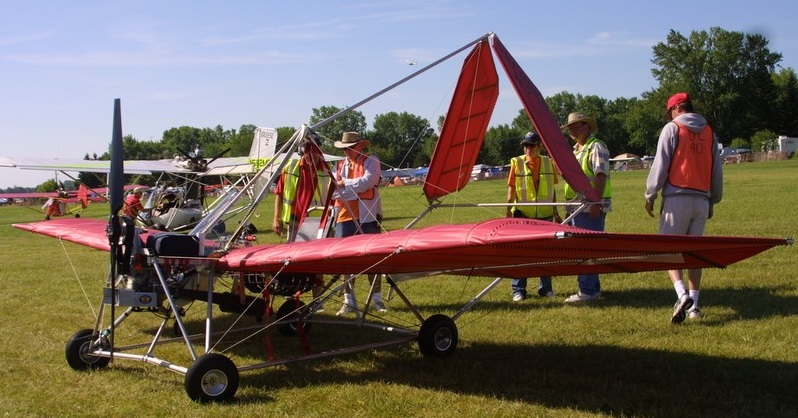
The Snedden M7 is a cable braced, four-wheel, float optional, low aspect ratio mid wing, short take off ultralight design with upsweep wing tips, a large inverted V-tail equipped with anti-servo flaps, a three second ground roll and a very steep climb angle with the wing chord at 45 degrees to the horizon.

The M7 is a two blade tractor (70 inch diameter Powerfin ‘F’ type with 2.6:1 cog belt reduction) powered by the 65 HP, 6300 rpm, Hirth 3203, dual ignition, 625 cc two cylinder in line, two cycle, oil premix, air cooled engine with Al-Nikasil cylinder bores, dual carbs forward slanted and reed valves.

This machine completely conforms to FAR 103 and A/C 103-7.

Engine: Hirth 3203, 65 hp @ 6300 RPM
Reduction Type: cog belt
Reduction Ratio: 2.6:1
Wingspan: 23 ft
Wing Chord: 78 in
Weight: 277 lb
Fuel Capacity: 5 US G
Stall Speed: 26-27 mph
Top Speed: 63 mph
Cruise Speed: 35 mph
Climb Rate: 1970 fpm